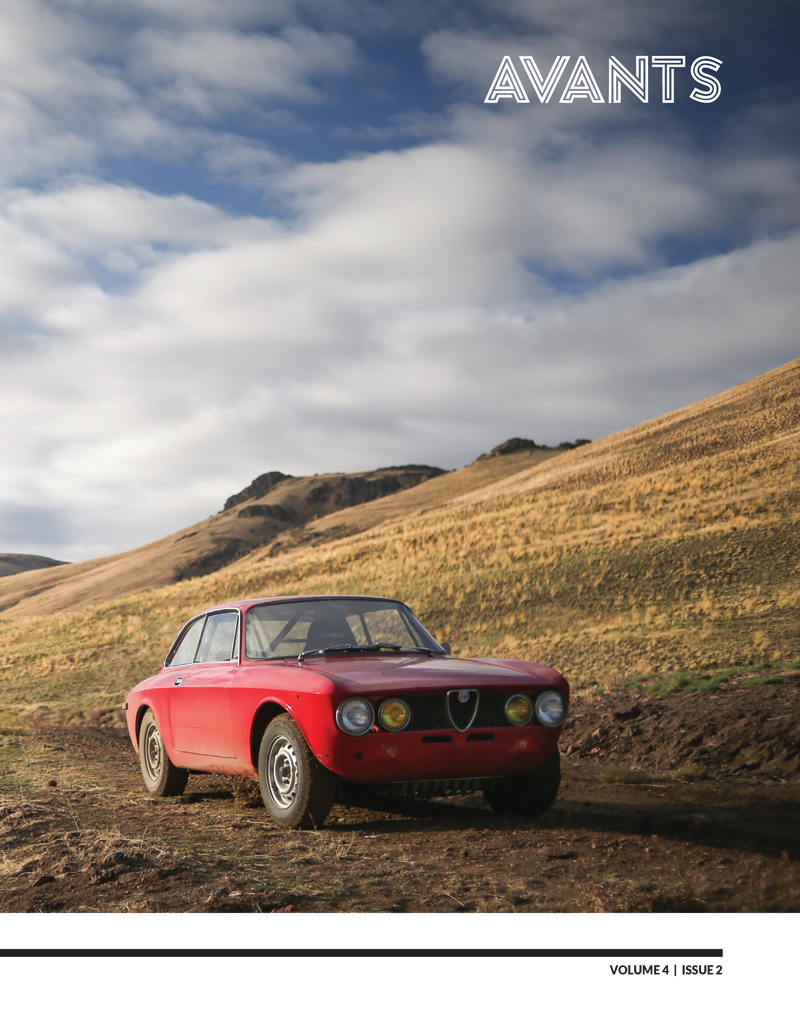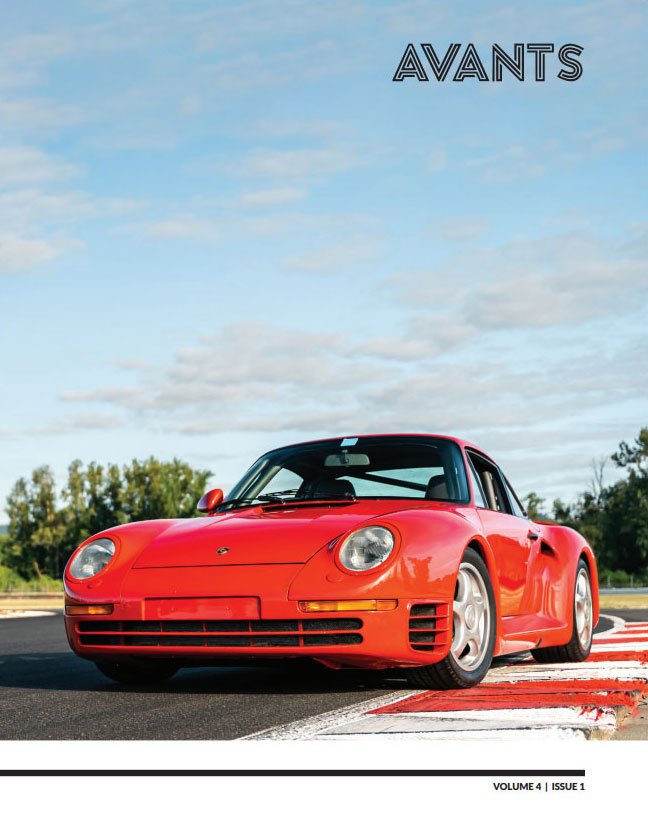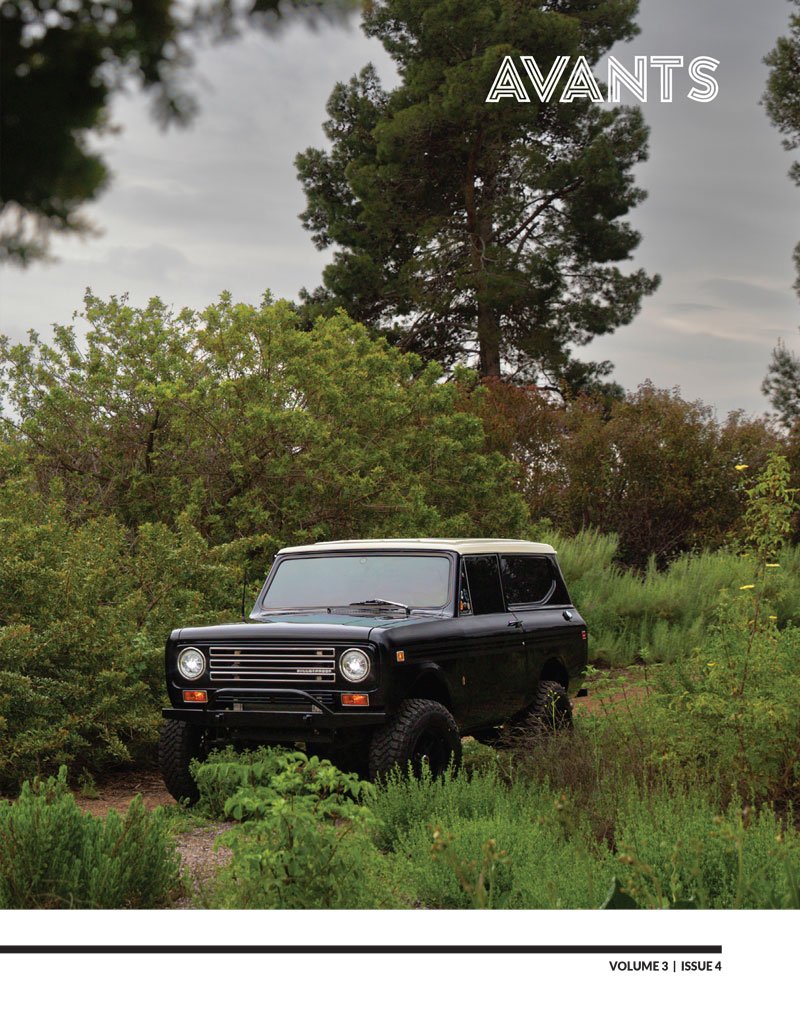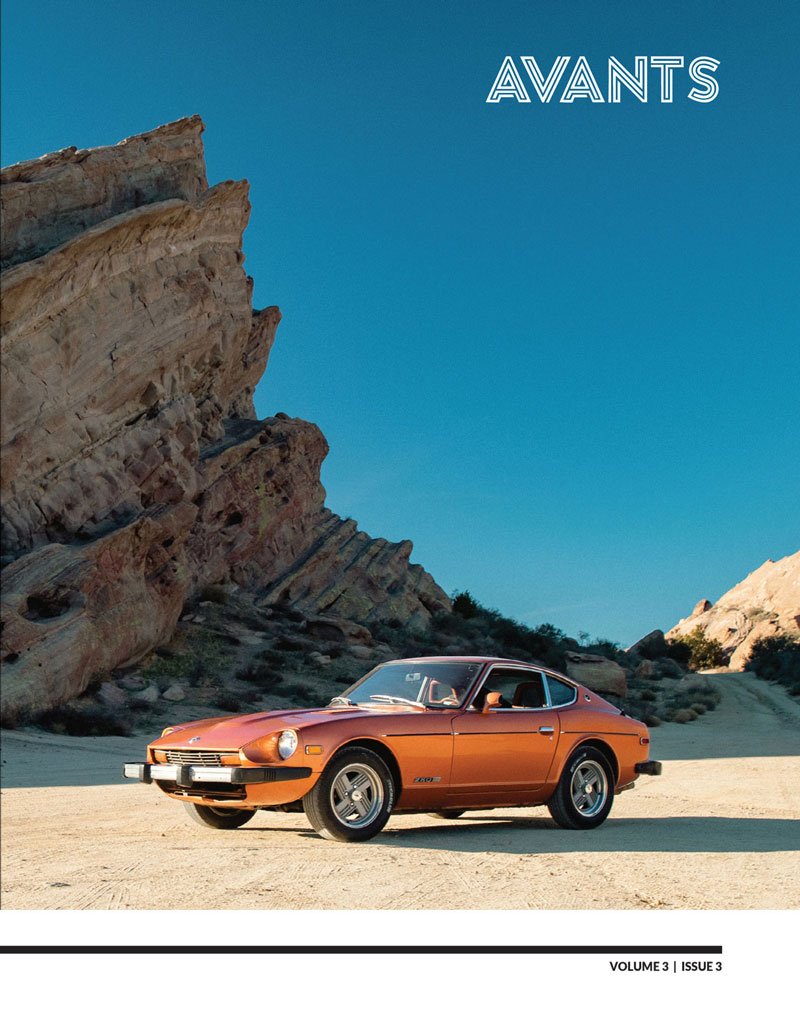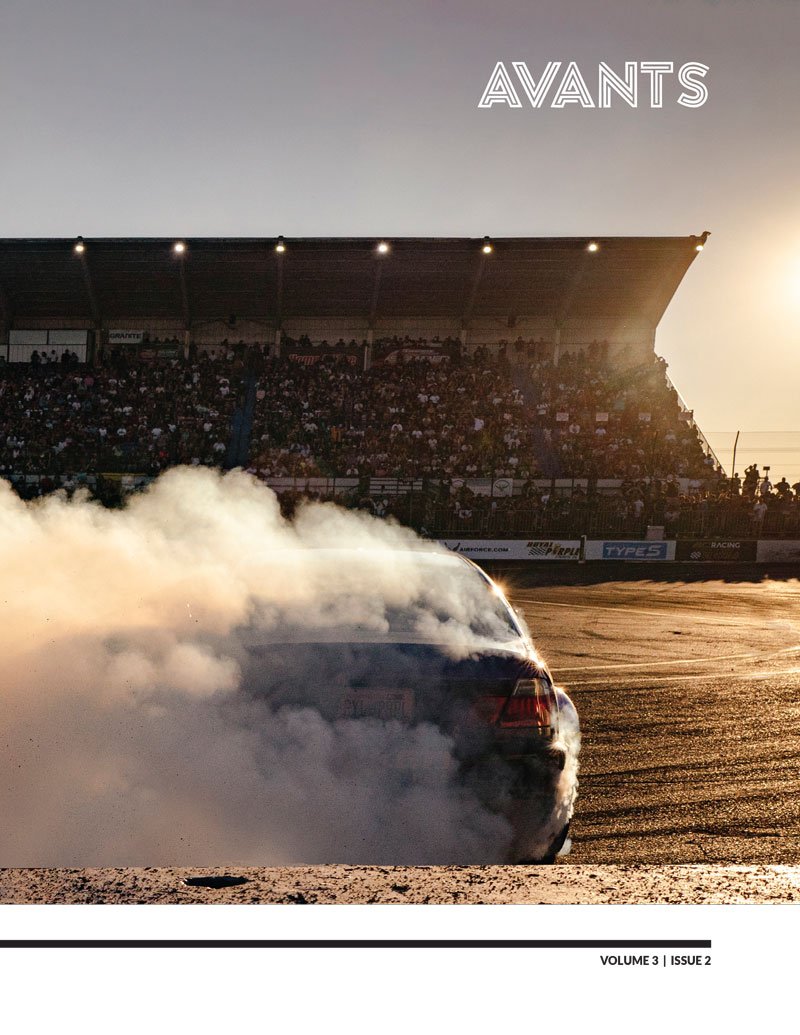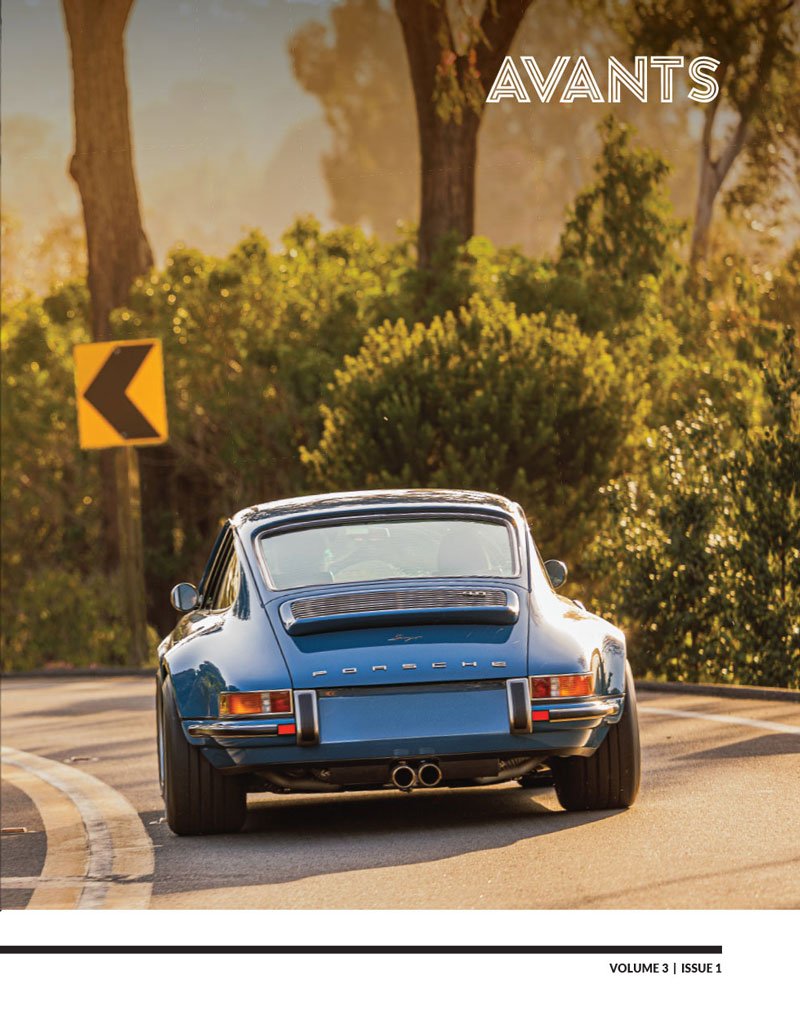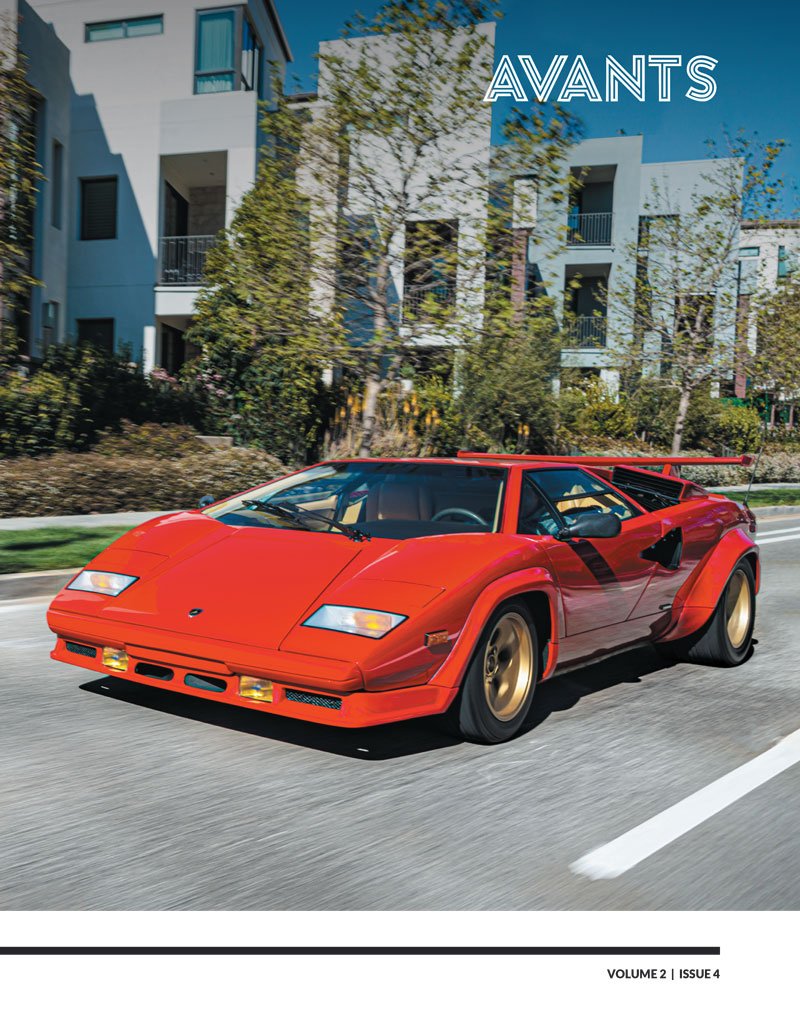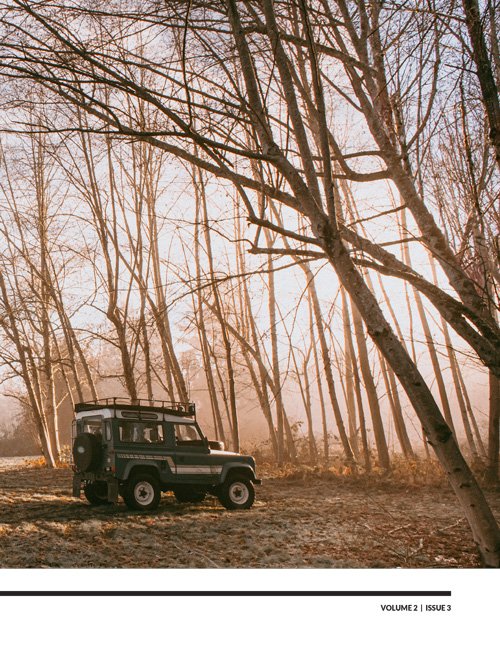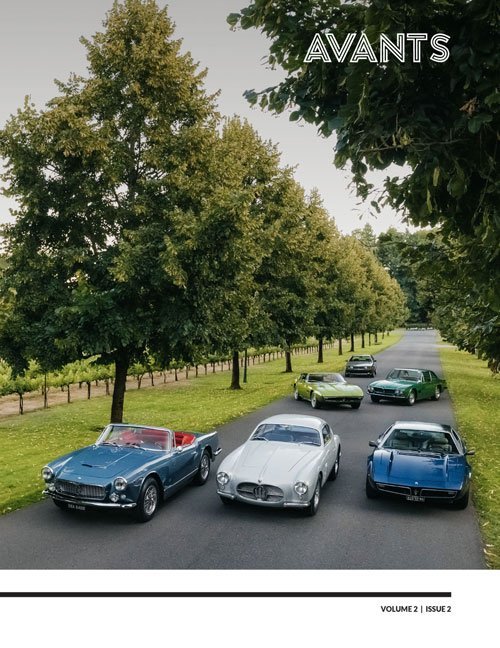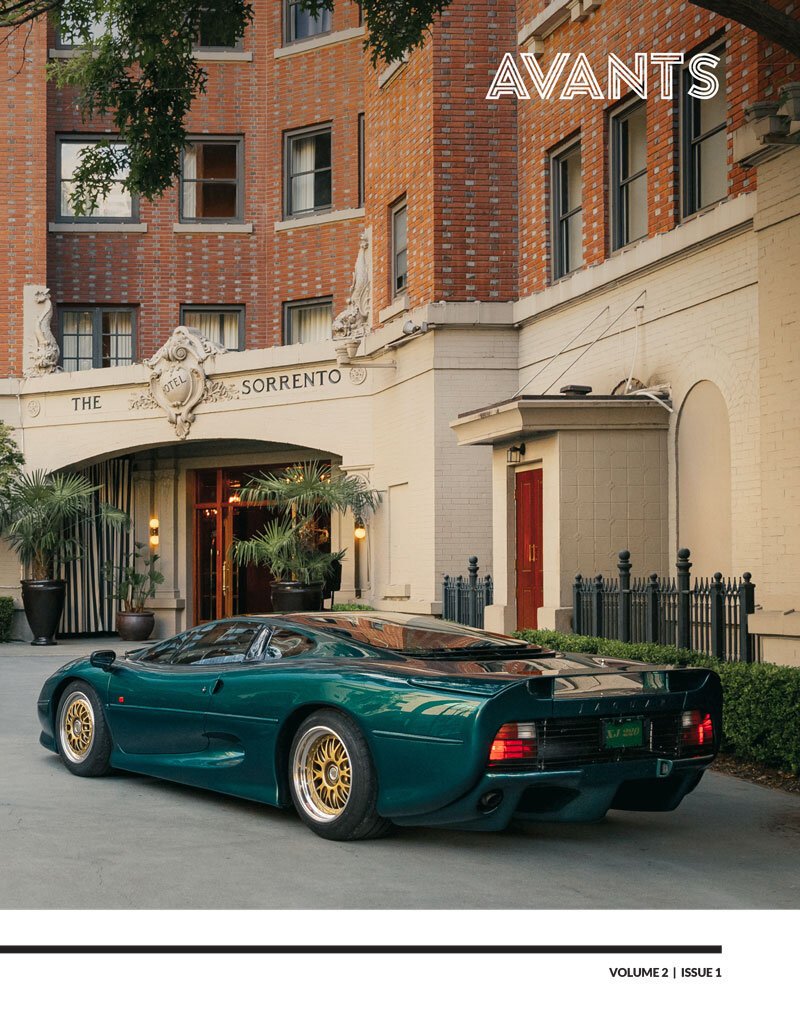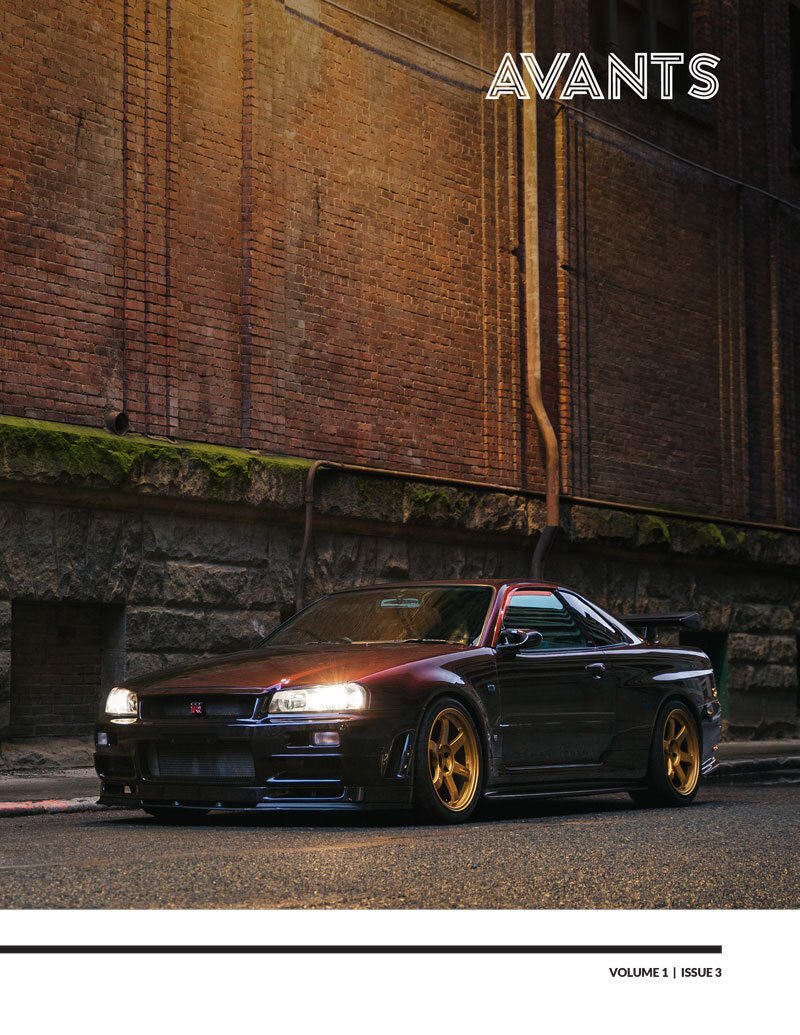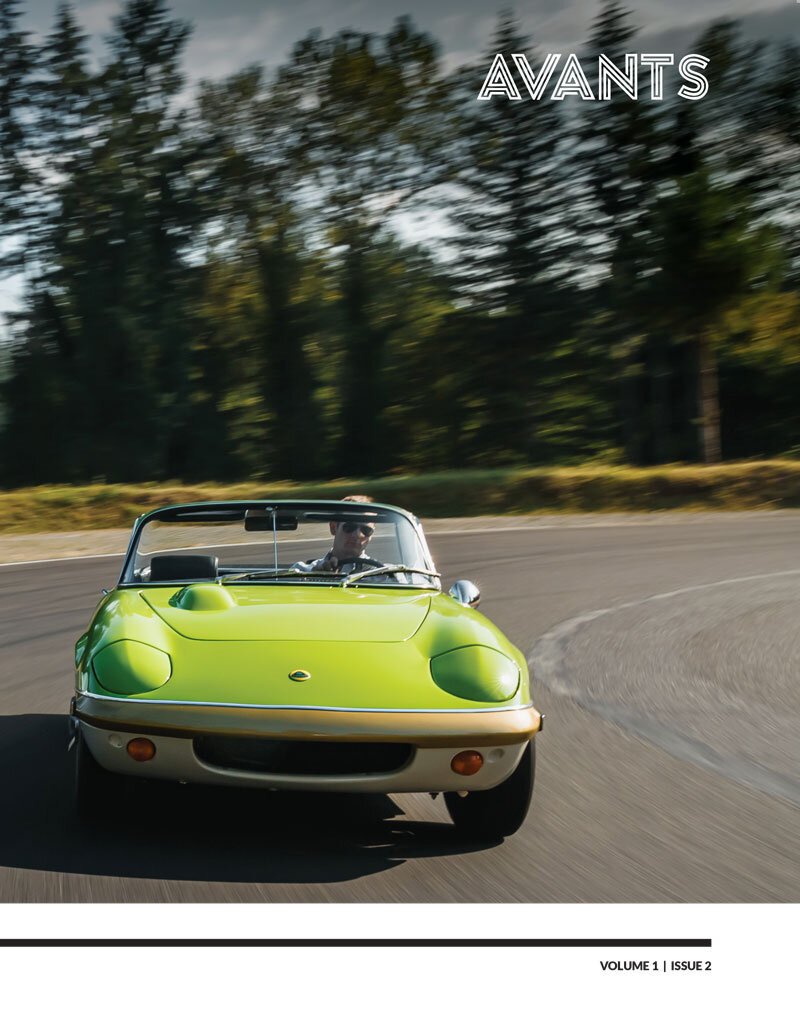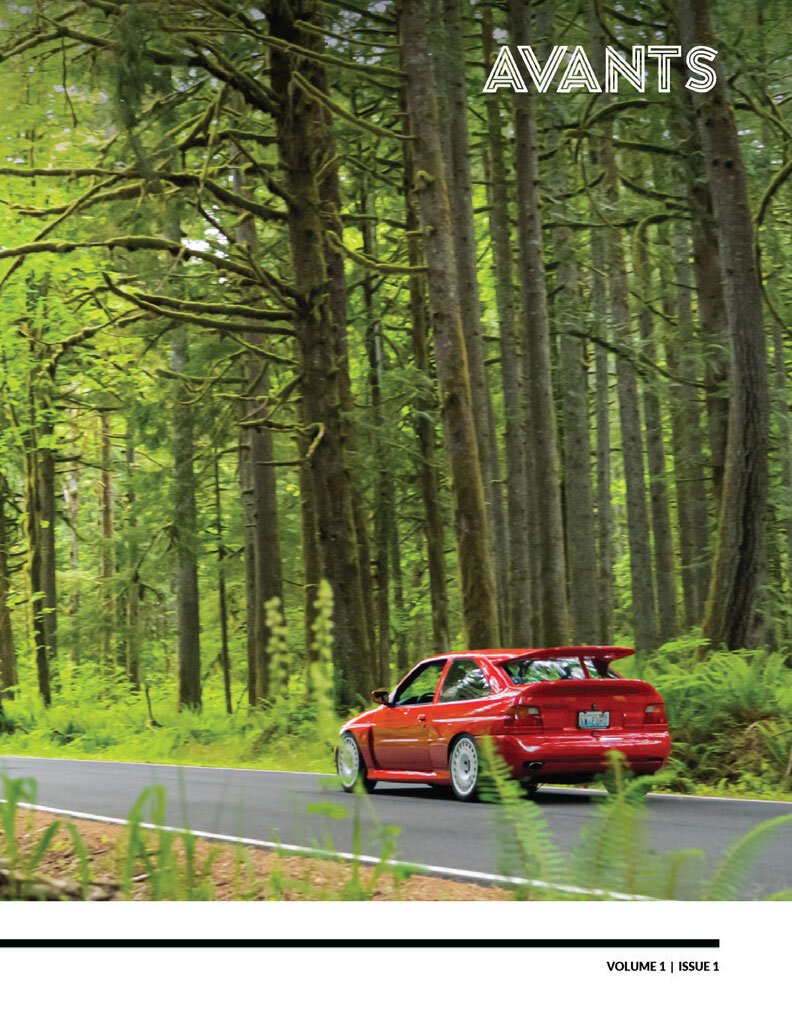
AVANTS MAGAZINE
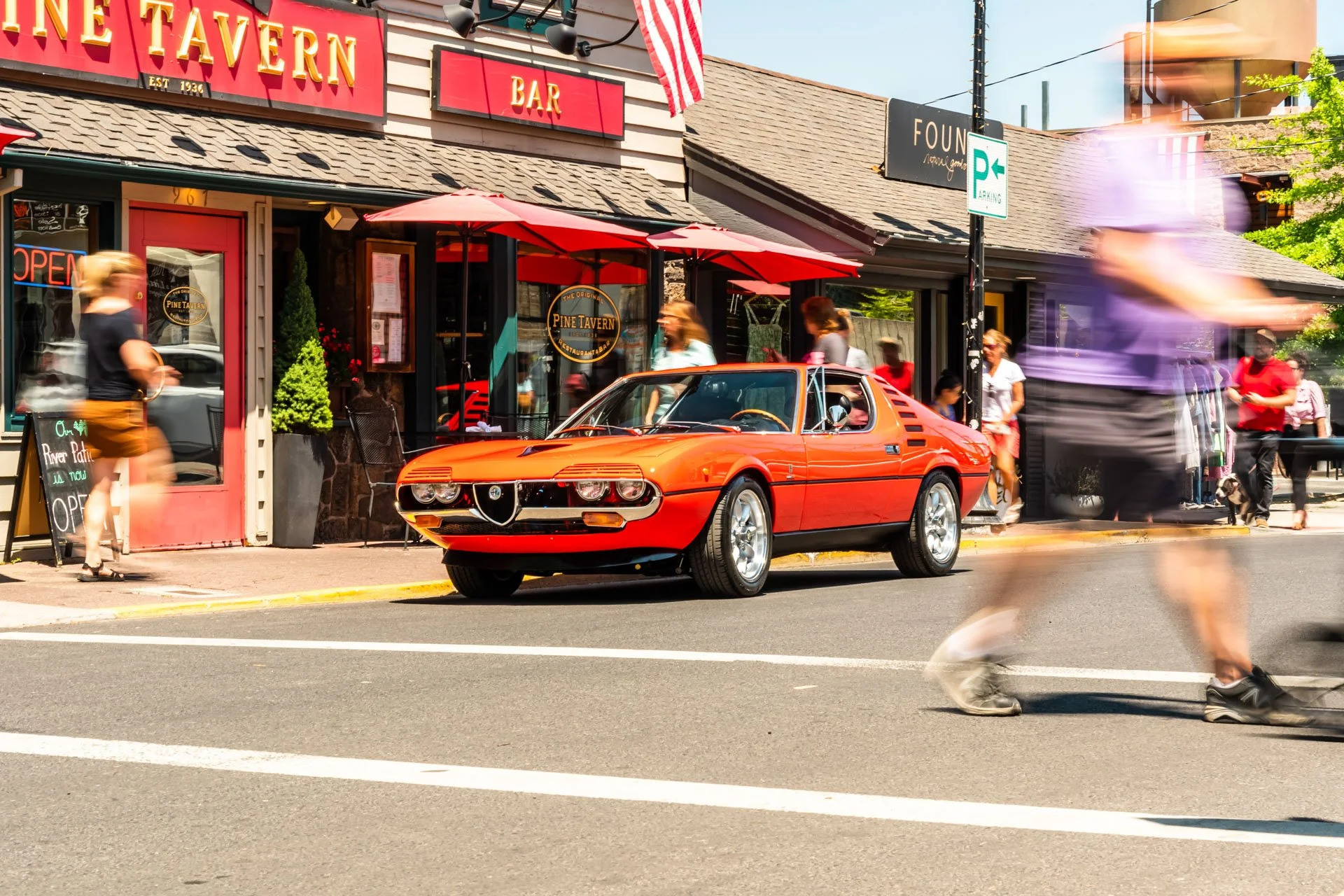
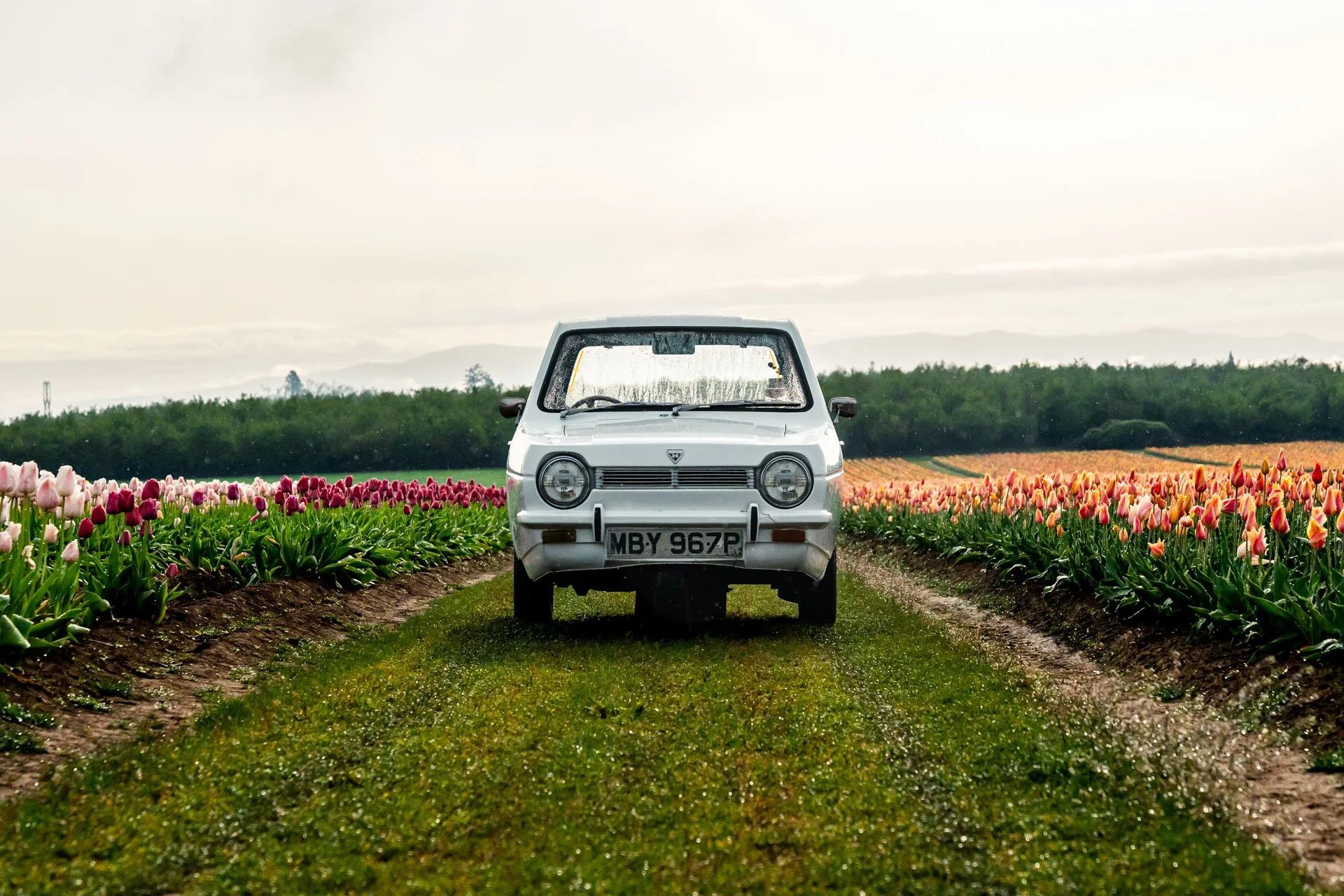
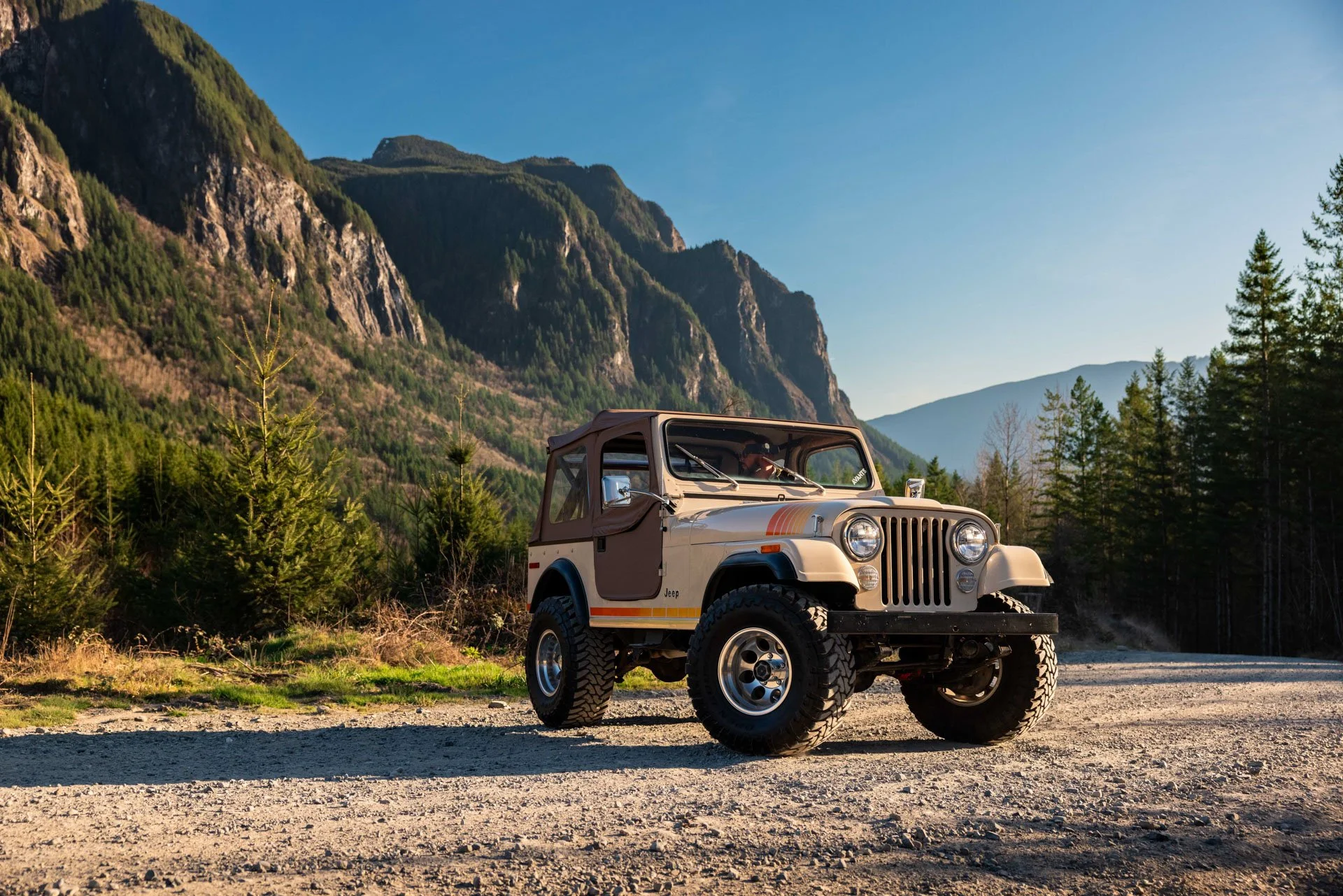
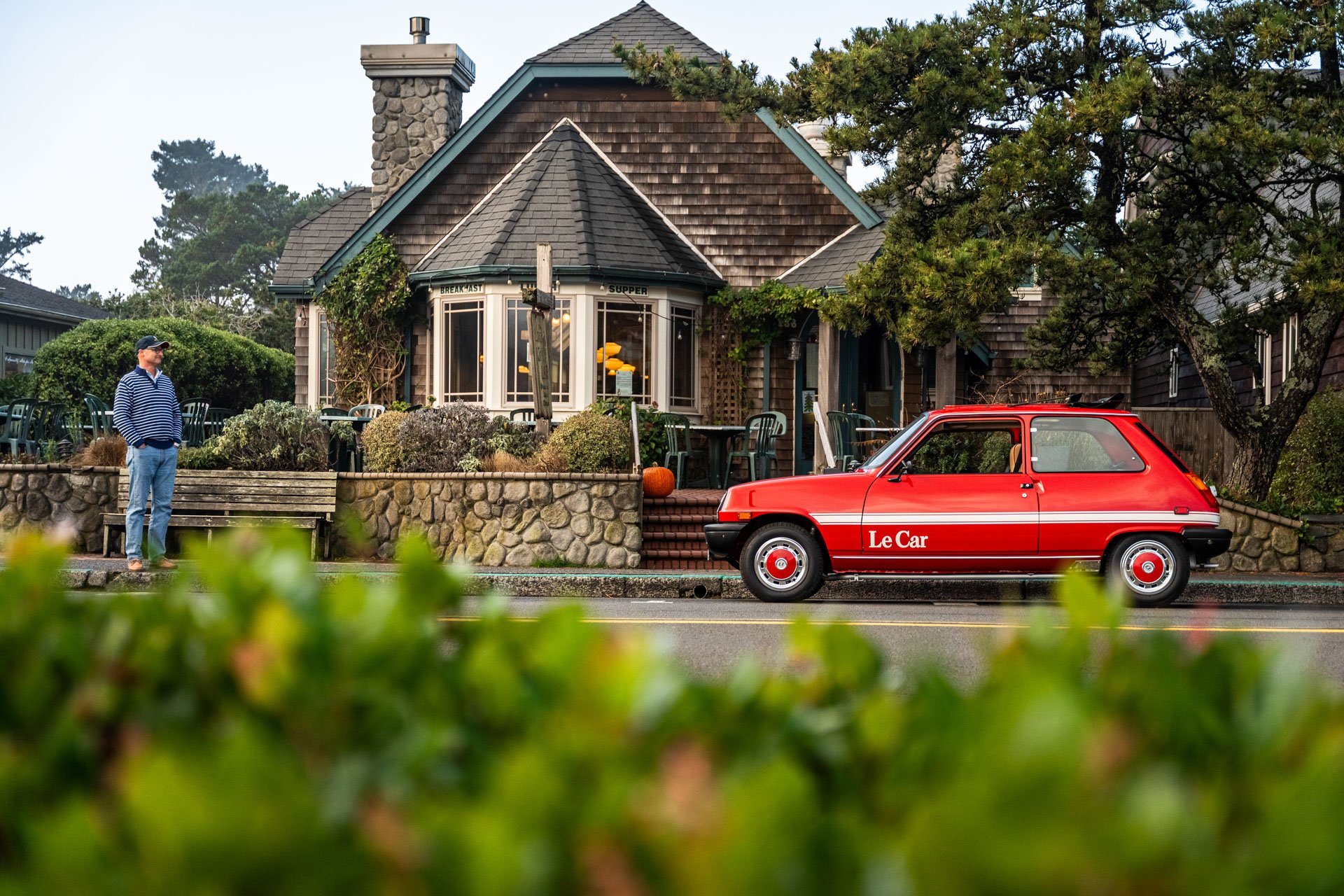
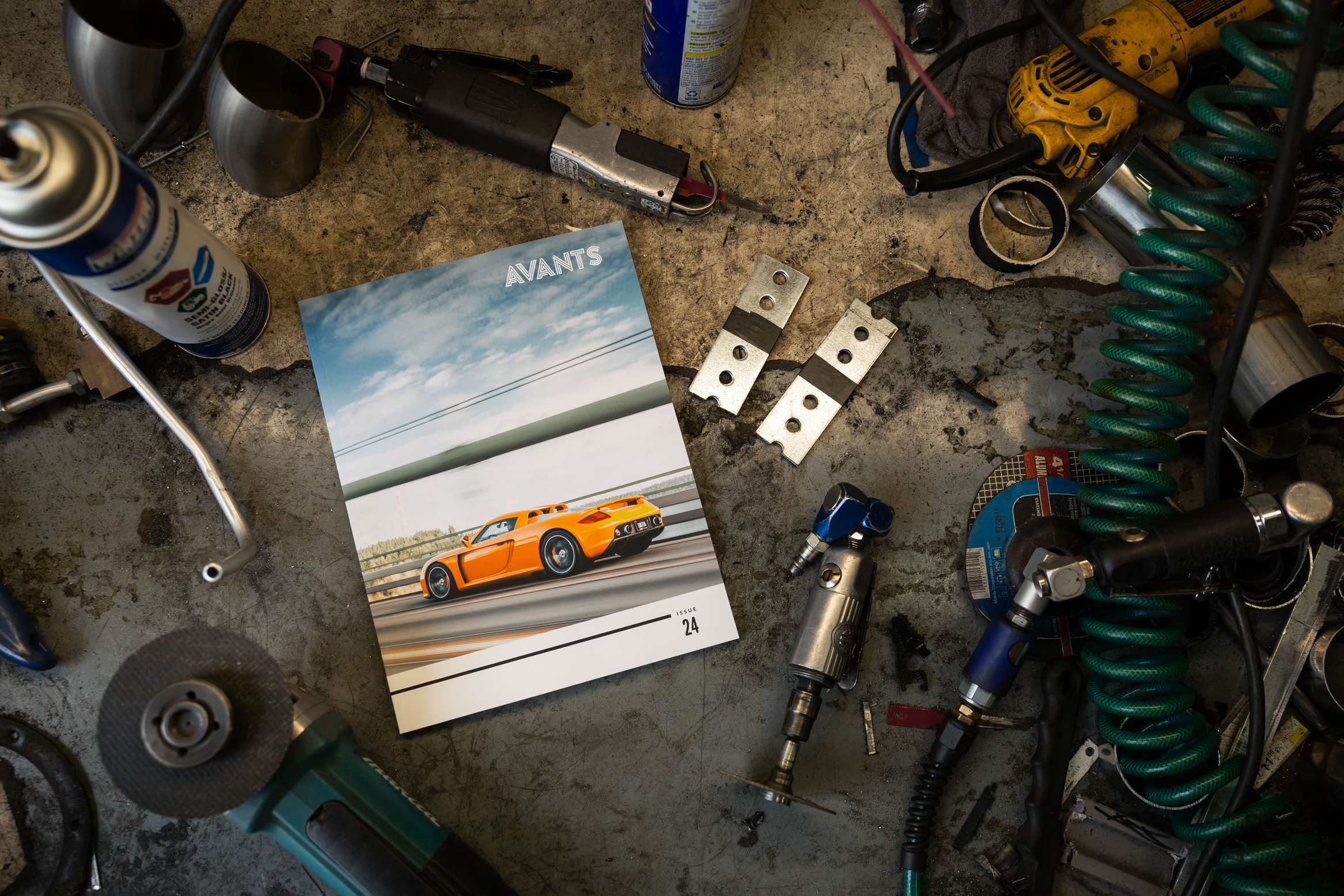
Beautiful photos and original stories highlighting the best of the automotive community. Every issue of the Avants magazine features over 140 pages of stunning photography with exclusive content covering enthusiasts, collectors, artists and more! From vintage to modern classics and off-road. Clean design with minimal advertising. A new standard for automotive print.
ISSUES
Articles
Where there is change, there is opportunity. So, when FIA’s Group 5 category implemented changes in 1976, allowing extensive modifications to production-based vehicles, Porsche seized the opportunity.
These new rules aimed at the World Championship for Makes permitted significant bodywork and chassis improvements while retaining the car’s basic silhouette. This allowed Porsche to further enhance its turbocharged 911, resulting in the creation of the 935.
Color-blind panel installers? They ran out of body parts on the production line? A highfalutin VW exec lost a bet? Maybe a special edition offered for those who can’t decide on a color? Looking for logical reasons for Volkswagen Harlequins is a lonely road… and it stretches farther back in time than one would think.
The resurrection is real. From a secret design studio in California, to the beaches of Corpus Christi, Texas. the Meyers Manx latest adventures are just beginning. A new audience has formed, ushering this dune buggy’s massive comeback.
For decades, the sports sedan has been the calling card of the humble yet passionate car enthusiast. The most authentic car lovers appreciate all the functionalities of the automobile. These enthusiasts don’t seek out one car for every day of the week. Instead, they look for a multitool that can serve as a fun and exotic racer on the weekend and a comfortable, practical family hauler during regular business hours.
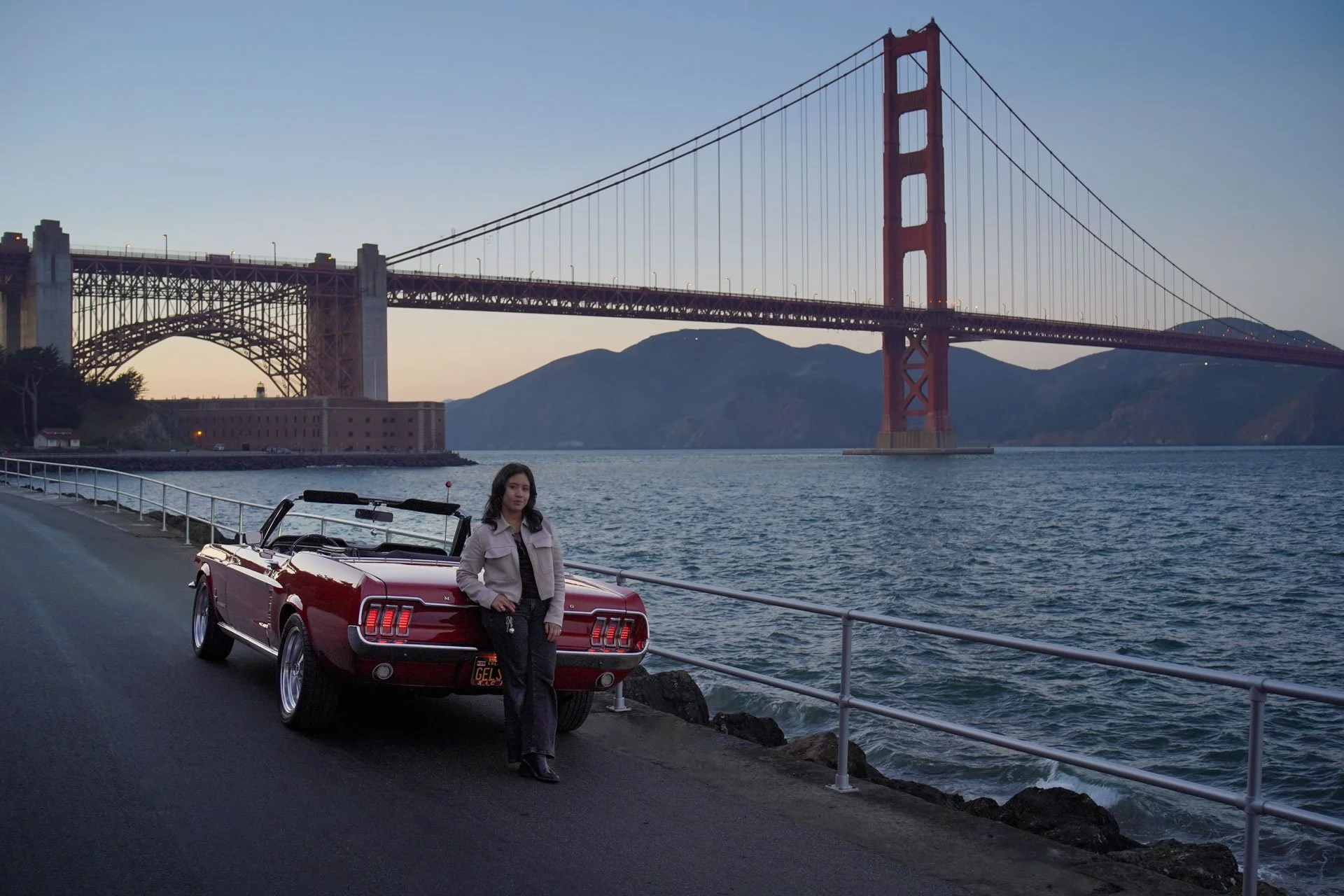
I first met Syd, the artist behind @yourfriendsyd on Instagram, during the summer of 2023 at Monterey Car Week. By that time, her photography and online persona were already Internet sensations. Her work exhibited an exuberance and creativity that I hadn’t seen anywhere else in automotive media. However, it wasn’t until 2025 that I sat down with Syd to discuss how her passion for photography—and her fascination with Saabs—has catapulted her into becoming one of, if not the, defining figure of Gen-Z car enthusiasm.
Named after a warm Mesopotamian wind—not the plane from the Grand Theft Auto video game— the Maserati Shamal has the pedigree of a true Italian grand tourer. The smoothly contoured coupe, whose wide-body lines were brought to life by famed car designer Marcello Gandini, can be easily spotted by the atypical shape of the fender openings—a Gandini signature of the era.
Ben Abrams acquired his Shamal in 2024, and he says it was a case of perfect timing, finding a unique 2+2 to support his growing family that was in the middle of an intense engine restoration, ensuring his Shamal was a pristine example of the Italian coupe.
Sleek. Elegant. Lightweight… And once deemed the fastest car in the world.
In the aftermath of World War II, the British automotive industry was poised for a renaissance. Among the most dazzling stars of this rebirth was the 1949 Jaguar XK120 Alloy Roadster — a car that not only redefined Jaguar’s identity but also set a new benchmark for post-war sports cars.
In the pantheon of rally legends, where names like Lancia Stratos and Audi Quattro often dominate the conversation, the Fiat 131 Abarth Rally occupies a unique and often understated position. Born from the highly pragmatic and distinctly unglamorous Fiat 131 Mirafiori saloon — a car more commonly associated with Italian family life than high-octane motorsport — this bespoke competition machine was transformed into a fearsome weapon capable of dominating the highest levels of international rallying. Its existence is a testament to the “win on Sunday, sell on Monday” philosophy that drove manufacturers in the 1970s and early 1980s.
The Seattle car scene is diverse, but intimate. Every corner of the city has its own niche, its own crowd, its own motif.
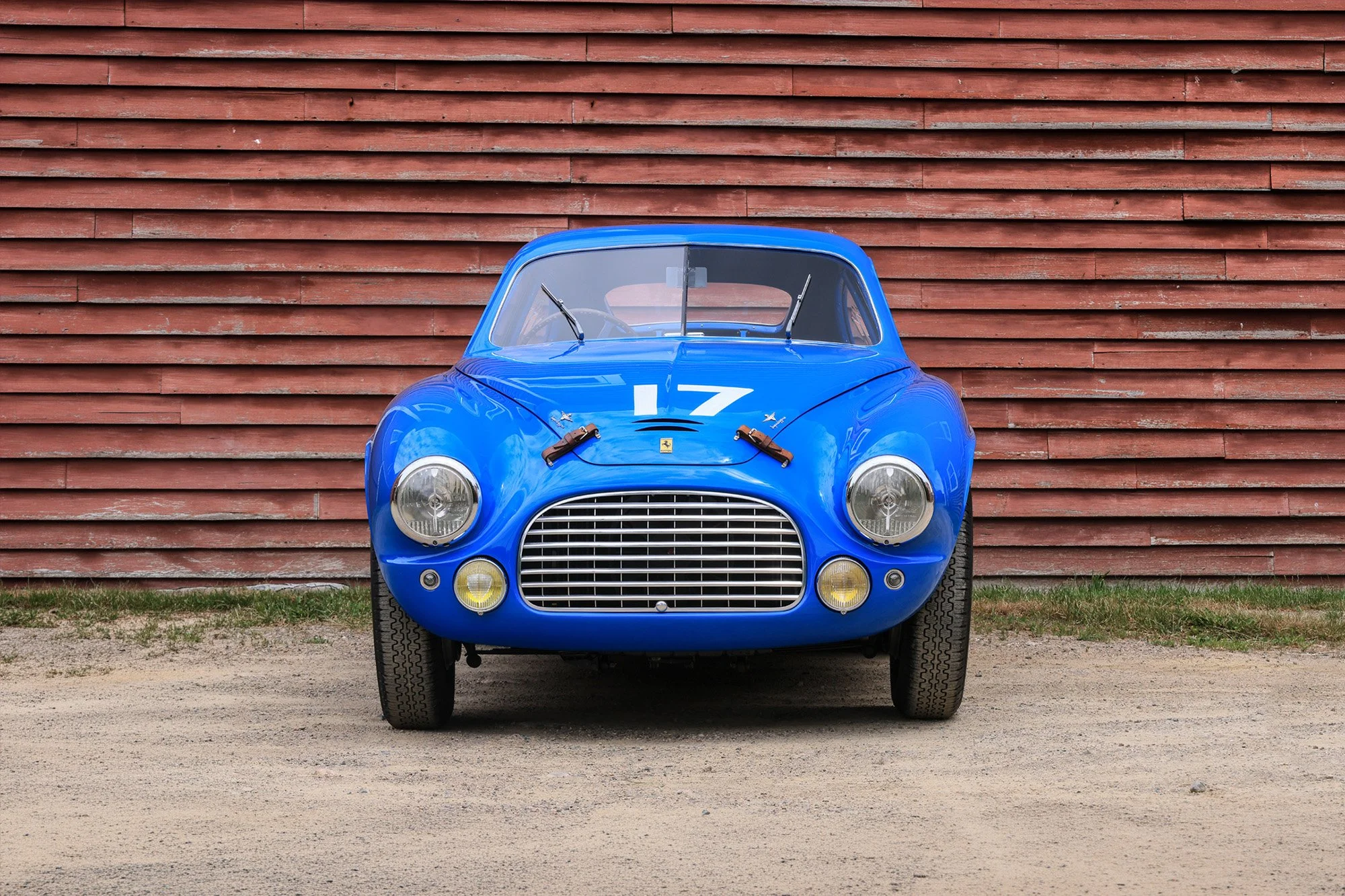
On the Eastside, a new crowd has popped up. One that is a niche within a niche, but open-minded and welcoming. A group of three friends that appreciate the finer things in life, and all have one thing in common — they drive classic blue Ferraris.
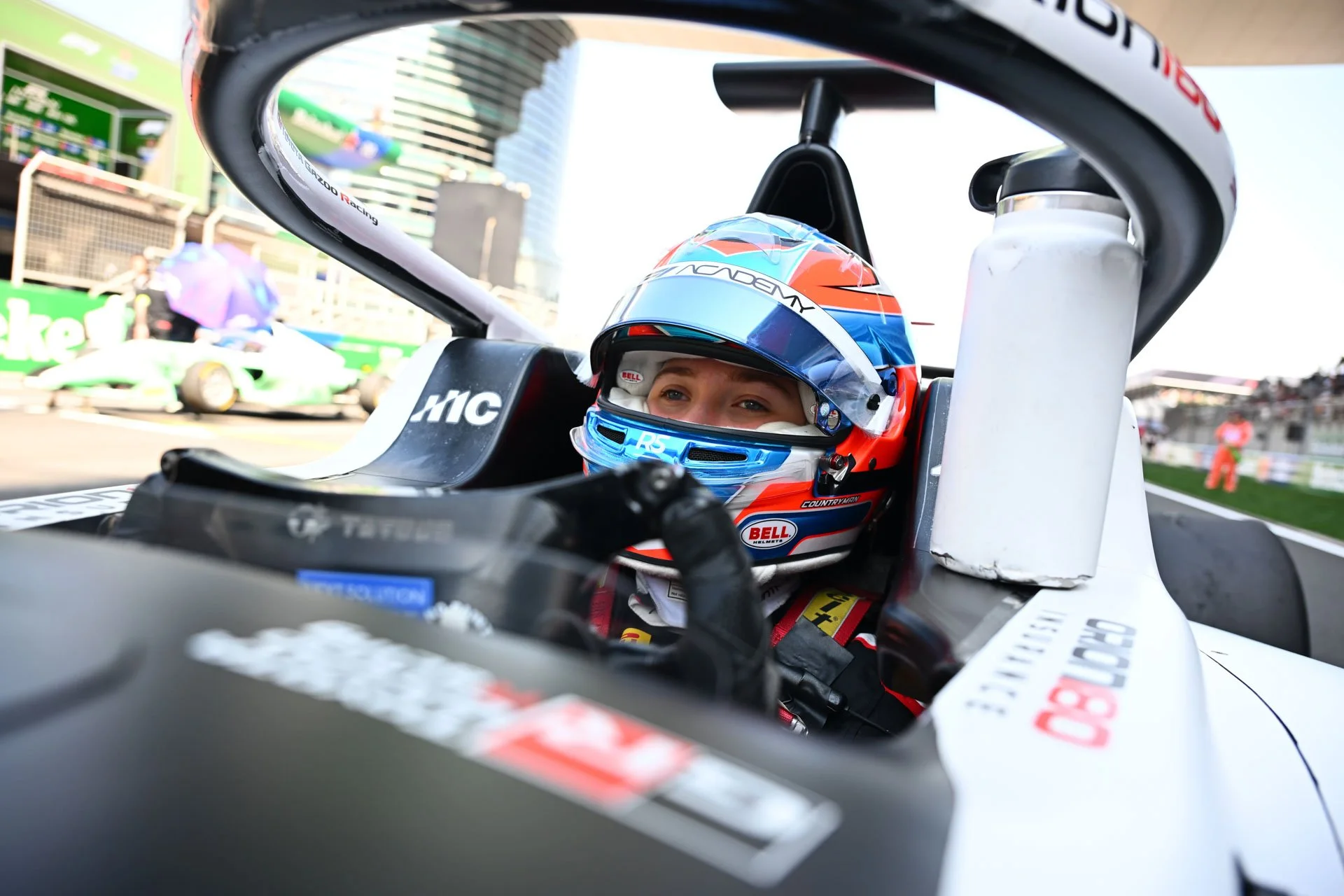
Sabré Cook is more than a professional race car driver. She’s driven.
You’d be hard-pressed to find anyone who has accomplished as much in 60 years of life as Cook has in 30. Smart and savvy enough to engineer the exotic racing cars she drives, Cook is instead chasing her dreams from behind the wheel, demonstrating what can be achieved with passion, hard work, and a strong support network.
A ragtag crew of eccentrics assembled in the parking lot of a nondescript Kirkland hotel, united by a shared sense of adventure. At first glance, the scene resembled a casual cars-and-coffee gathering, but the extra fuel tanks and rally decals hinted at the road ahead. A cluster of Avants stickers, half a dozen at least, confirmed we were in the right place.
There were groups of adventure motorcycles with aluminum panniers adorned with international flags, marking past adventures. The auto entries were diverse. A Porsche Carrera 4S with a roof-box sat next to an Audi 4000 Quattro. Daily drivers, a Swedish wagon, overland money pits, and our oxidized silver Toyota FJ cruiser filled out the pack.
Since its debut at the 1969 Frankfurt Motor Show, the Porsche 914 has carried a complicated reputation. It wasn’t luxurious, it certainly wasn’t fast, and for a long time, it was barely considered a Porsche. And yet, the 914 possessed a rare honesty. Lightweight, balanced, and eager, it rewarded skill more than status — which raised the inevitable question: what would happen if this chassis had real power and proper grip? What would happen if Porsche built this into a monster? That answer arrived as the 914/6 GT.
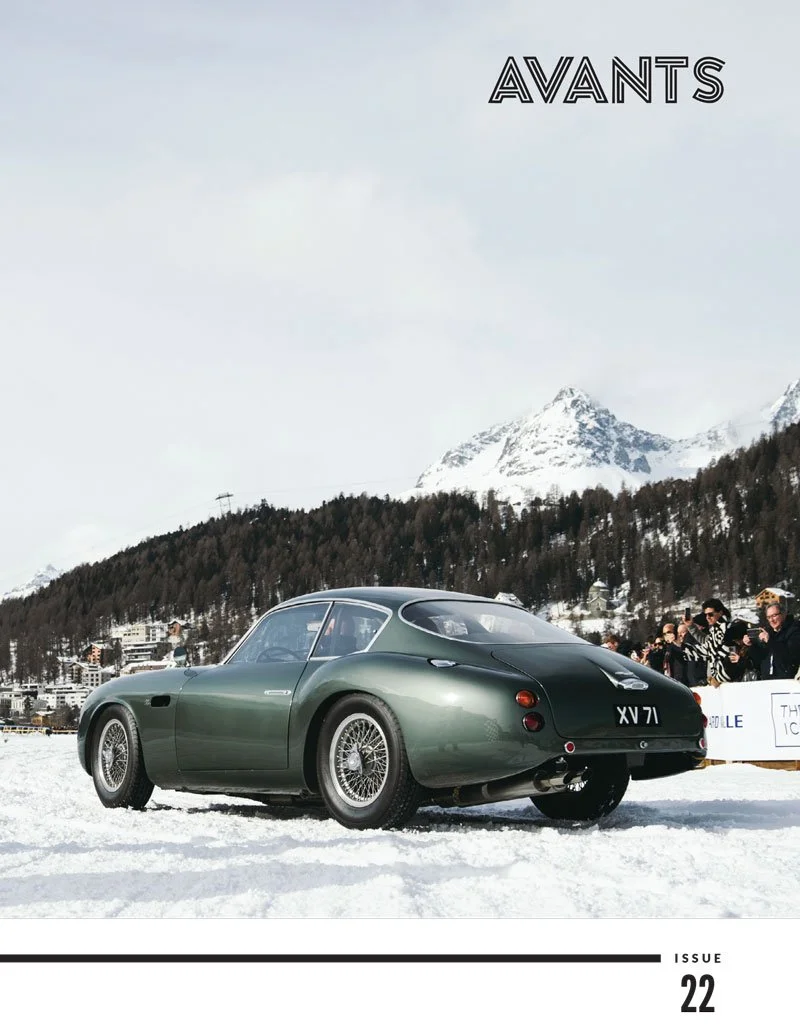
It’s clear from the flyer alone that this is no ordinary, mom-and-pop car show. Deep in the valley below the legendary Badrutt’s Palace Hotel, smoke and gasoline fumes rise as concours cars from around the world perform a delicate dance onto the frozen surface of Lake St. Moritz.
It takes a mysterious kind of alchemy to create a truly great race track. More than just an interesting layout, a track needs the perfect blend of history, location, and on-track action for its reputation to extend beyond die-hard car enthusiasts and attract new drivers and spectators alike. From humble beginnings, Laguna Seca evolved into one of the headline events on any race series’ calendar, with the track’s crown jewel being the Rolex Monterey Motorsports Reunion, which takes place each year during Monterey Car Week.
There’s a spectacular No. 25 BMW 3.5 CSL staged in the Don Panoz Gallery of Legends at Sebring International Raceway, long believed to be the car that won the 1975 12 Hours of Sebring, but the tale of how that car was discovered to not be the actual Sebring winner is a story unto itself.
Once every decade or so, a car comes along that feels more like a spaceship than a conventional automobile. Though they share the road with everyday sedans and hatchbacks, these rare machines deliver a driving experience, design language, and level of innovation that’s light-years ahead. This is the story of the Avanti.
One Blue Oval that should not be forgotten however is the Ford Capri, while U.S. customers of the ‘70s and ‘80s were focused on a long lineage of big, heavy, torque filled Mustangs, our counterparts across the pond were offered a similar but distinct formula that was more politically correct for European streets. Like the Mustang, the Capri was a handsome two-door with a long hood. Unlike the Mustang, it was lighter, more neutrally balanced, and mostly offered with a V6 under the bonnet.
The process of developing and producing a Hot Wheels toy requires much of the same consideration and nearly as much time as major automakers put into production cars on the road. Of course, the timeframes and scope and regulations require slightly less in the way of real-world investment, yet the company actually attracts many designers and engineers away from “real” automakers.
In the tranquil town of Walnut Grove, California, nestled between the scenic Sacramento Valley and the bustling Bay Area, stands the now iconic Streamline Moderne building housing Morris Motors. Owner Sutton Morris, 41, and his father have dedicated themselves to personalized service, earning a loyal clientele over the past two decades. Sutton and his team have developed a reputation for taking on projects that other shops shy away from, becoming a beacon of hope for orphaned cars that might otherwise never find their way back to the road.
The world was treated to some of the finest driver’s cars of a generation during the 1980s and ‘90s, when Mercedes-Benz and BMW went head-to-head in the fierce arena of Deutsche Tourenwagen Masters (DTM) racing. Enter the 190E Cosworth 2.3-16 (chassis code W201). Hailing from an era of Mercedes when taglines like “Engineered like no other car in the world” meant business, the 190E exudes the highest levels of build quality, four decades on. This relentless philosophy of engineering excellence, although not the most profitable in the short term, forged the brand identity of Mercedes we are presented with today.
Meet the Toyota Triplets, dressed to impress in their period-best attire: a Celica GT Coupe ’84 ADVAN, a GT-Four model ’90, Repsol, Starlet ’94 Castrol. Owners and rally drivers Logan Sorter, Daniel Sipes-Brandt, and Ben Schepper stand near, clad in the go-to uniform of frosty rally days: wooly hats, gum boots, and ski gloves. With breath hanging in the near-freezing air, we chat about everything wondrous about the Toyota rally car.
It only takes a second of looking at Marty’s car to realize that there’s something very different about it. It’s entirely too clean to be a seasoned racer. But that’s not all. Purpose-built race cars usually prioritize function over form. Marty’s car represents a never-ending quest to achieve perfect function through perfect form.
Everything in life revolves around racing — the glorious pursuit of being first in the field. You can engineer speed, and Betim Berisha has spent the last 20 years dedicated to chasing tenths of a second that others don’t find worthy of pursuit.
The sumptuous allure of the Aston Martin DB4 comes from its painstaking assembly and attention to detail. Every panel has been fitted by hand with perfect gaps and alignment; there is no sense in breaking out a ruler to check tolerances, if disputed, the car would just prove the ruler wrong. Each weld was laid methodically at the perfect temperature and is completely free of spatter. Even the nooks and crannies of the Aston reveal perfection
Ferrari of Seattle’s Roberto Perrina strides into the temporary race car paddock built in the shadow of the Wynn Las Vegas hotel and casino. He pulls up his race suit and laces his driving shoes purposefully because he’ll soon be roaring through the illuminated streets of Las Vegas. And each gear shift will write another chapter in he and his brother Tino’s Book of Dreams for Scuderia 1999, the dealership’s official race team.
In a brisk nine months, Aaron Ross and his father, Duane Ross built their Remastered Meyers Manx in their family garage in Corpus Christi, Texas. However, the Ross’s spirit to fabricate, enjoy good ol’ fun, and “go big” is longstanding and multi-generational.
British photographer Amy Heynes (neé Shore) is fumbling with the Instagram live settings, to share her newest acquisition: a thin, custom-made leather camera harness. Heynes banters to the camera, part mentor, part pal, extolling the slender buckles and straps, explaining the ease of quickly shifting camera from hip to face. In captures of cars and their admirers, Heynes delivers an emotional authenticity rarely found in today’s automotive photography.
Arriving at Jason Cammisa’s garage in Northern California, I was greeted by the protagonist carefully tending to his laundry list of outstanding maintenance items for his beloved cars. It was fitting that the garage decor reflected his humorous on-screen persona, brimming with light-hearted paraphernalia, over-the-top lighting, and even a giant disco ball hanging from the ceiling. He often refers to his collection of cars as his children, and rightfully so given his obsessive care and the devoted relationship he’s built with each of them.
The NSU Prinz 1000 TT is a name that resonates with automotive aficionados who appreciate the blend of compact design, spirited performance, and German engineering precision. Born during an era when small cars were gaining popularity, the Prinz 1000 TT stood out as a pocket-sized powerhouse that left a lasting impression. For Ace Robey, owner of Retro Sporting, it is a treasured part of his car collection. A very uncommon and interesting find, full of detail and history. This less known German car with an air-cooled rear engine is part of Audi’s history and the first to have the famous TT badge. It was fully restored in 2021, with a 1.0-liter inline four-cylinder air-cooled engine, 40mm twin Webers, full stainless-steel exhaust, and Gaz adjust able suspension.
While many car manufacturers in the 1970s did their best to design cars that attracted one’s visual attention, there were many that missed the mark with painful consequences. The design of the 1972 BMW CSi ran counter to this notion. While some might describe it as understated and unassuming, its beauty lies in its simplicity.