
The Unassuming Champion
Fiat 131 Abarth Rally
STORY & Photography | Vijay Sankar Anil
In the pantheon of rally legends, where names like Lancia Stratos and Audi Quattro often dominate the conversation, the Fiat 131 Abarth Rally occupies a unique and often understated position. Born from the highly pragmatic and distinctly unglamorous Fiat 131 Mirafiori saloon — a car more commonly associated with Italian family life than high-octane motorsport — this bespoke competition machine was transformed into a fearsome weapon capable of dominating the highest levels of international rallying. Its existence is a testament to the “win on Sunday, sell on Monday” philosophy that drove manufacturers in the 1970s and early 1980s.
Over its career, the Fiat 131 Abarth Rally secured three WRC manufacturers’ titles (1977, 1978, and 1980) and two drivers’ titles, solidifying its status not just as a champion but as one of the most successful rally cars of its era. This is the story of how an ordinary family car became an extraordinary racing icon.
The birth of the 131 Abarth Rally is inextricably linked to the dramatic shifting tides of the World Rally Championship in the 1970s. Imagine decommissioning your world-conquering, purpose-built rally legend in the Lancia Stratos to replace it with a run-of-the-mill family saloon. As perplexing as that sounds, this is what Fiat did in 1976 with the 131. The base car was utterly transformed to create a homologation special, which required a minimum number of road-going versions to be produced to qualify for Group 4 racing. These 400 necessary road cars quickly became prized collector’s items, but it was the rally version that etched its name into the history books.
What made the 131 Abarth truly significant was its combination of robust engineering and sheer competitive staying power. It eschewed the exotic, mid-engined layout of its predecessor, the Stratos, for a conventional front-engine, rear-wheel-drive platform. Crucially, its success proved that a well-developed, durable chassis could triumph over pure, high-tech novelty on the grueling, varied terrains of the WRC circuit
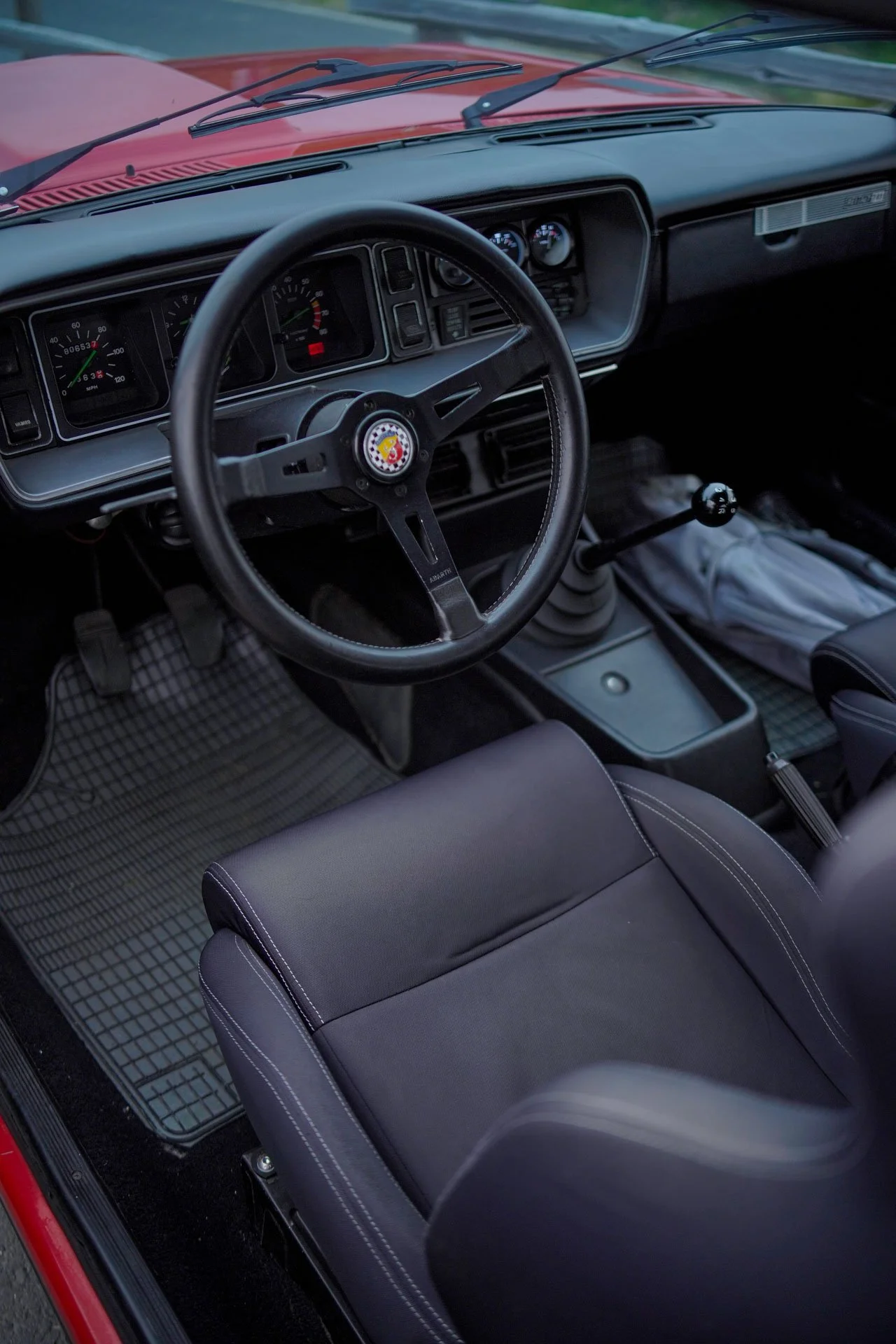
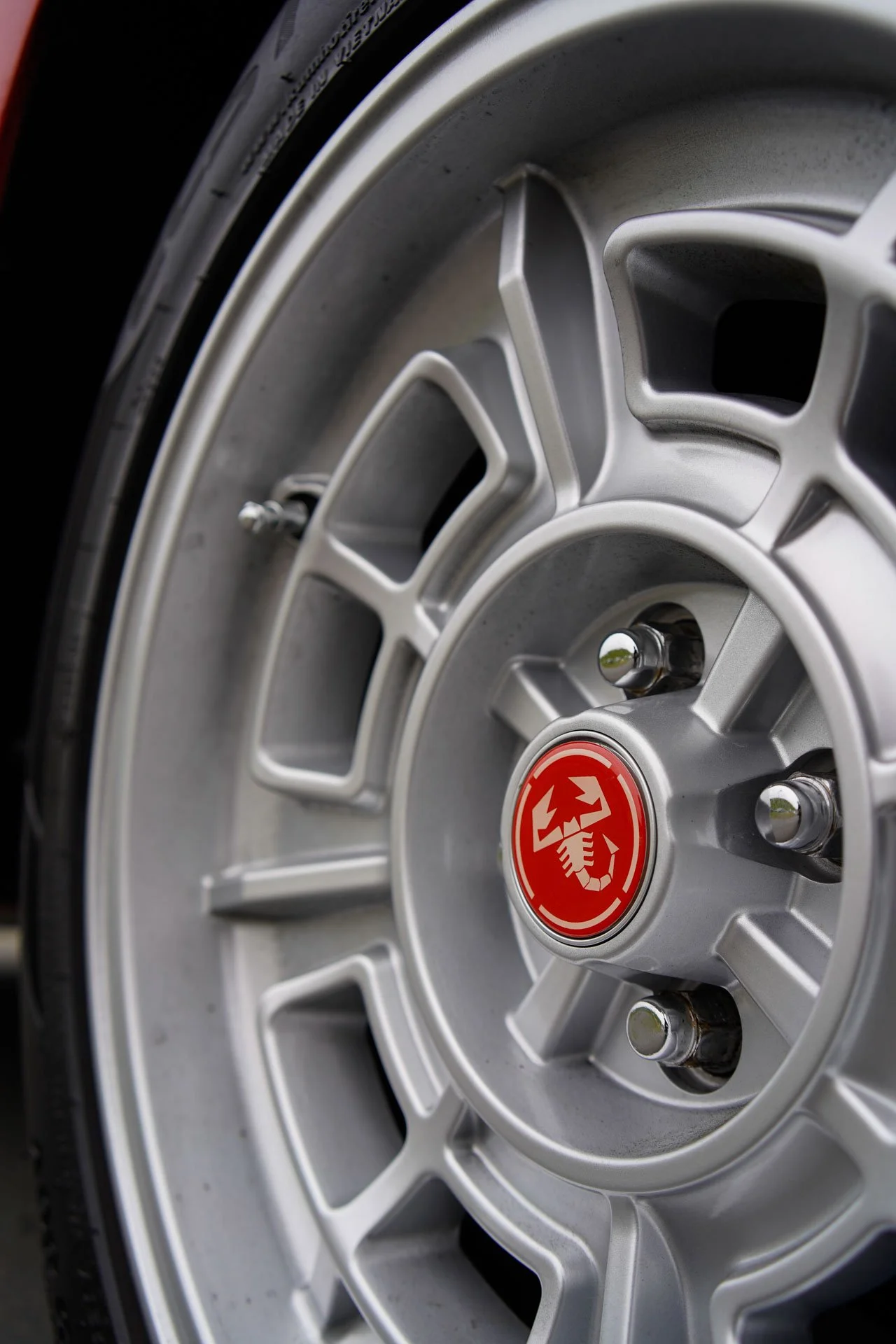
JOEY BAUTISTA’S 1978 FIAT 131 ABARTH RALLY TRIBUTE
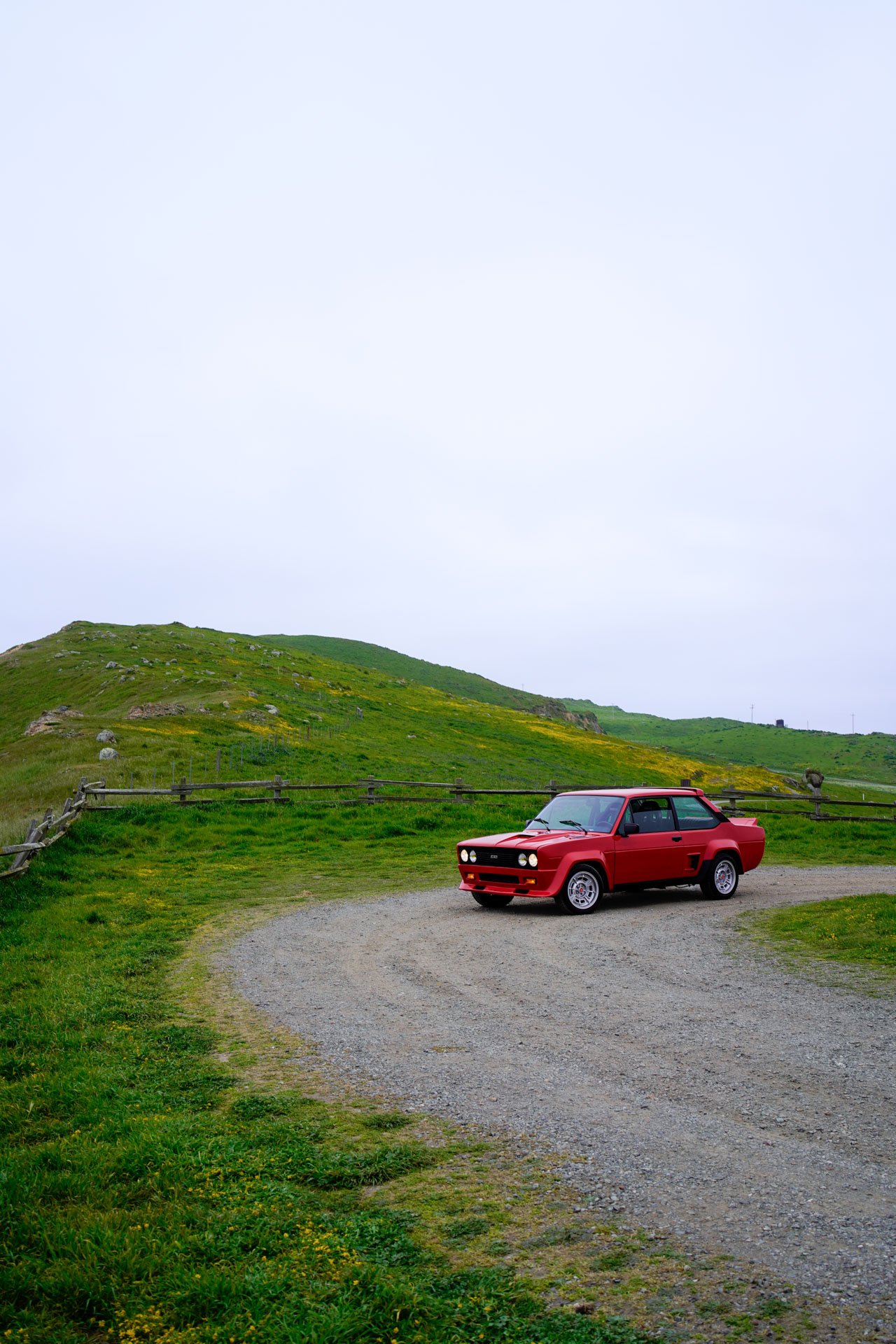
Joey (@joeybau5) bought his car in August of 2023. Soon after, he pulled the engine out, got it rebuilt, and had the engine compartment resprayed. The Fiat 131 was sold as U.S.-specific versions equipped with a 1.8-liter single-overhead-cam inline-four engine, along with larger bumpers to meet federal safety standards in the initial run.
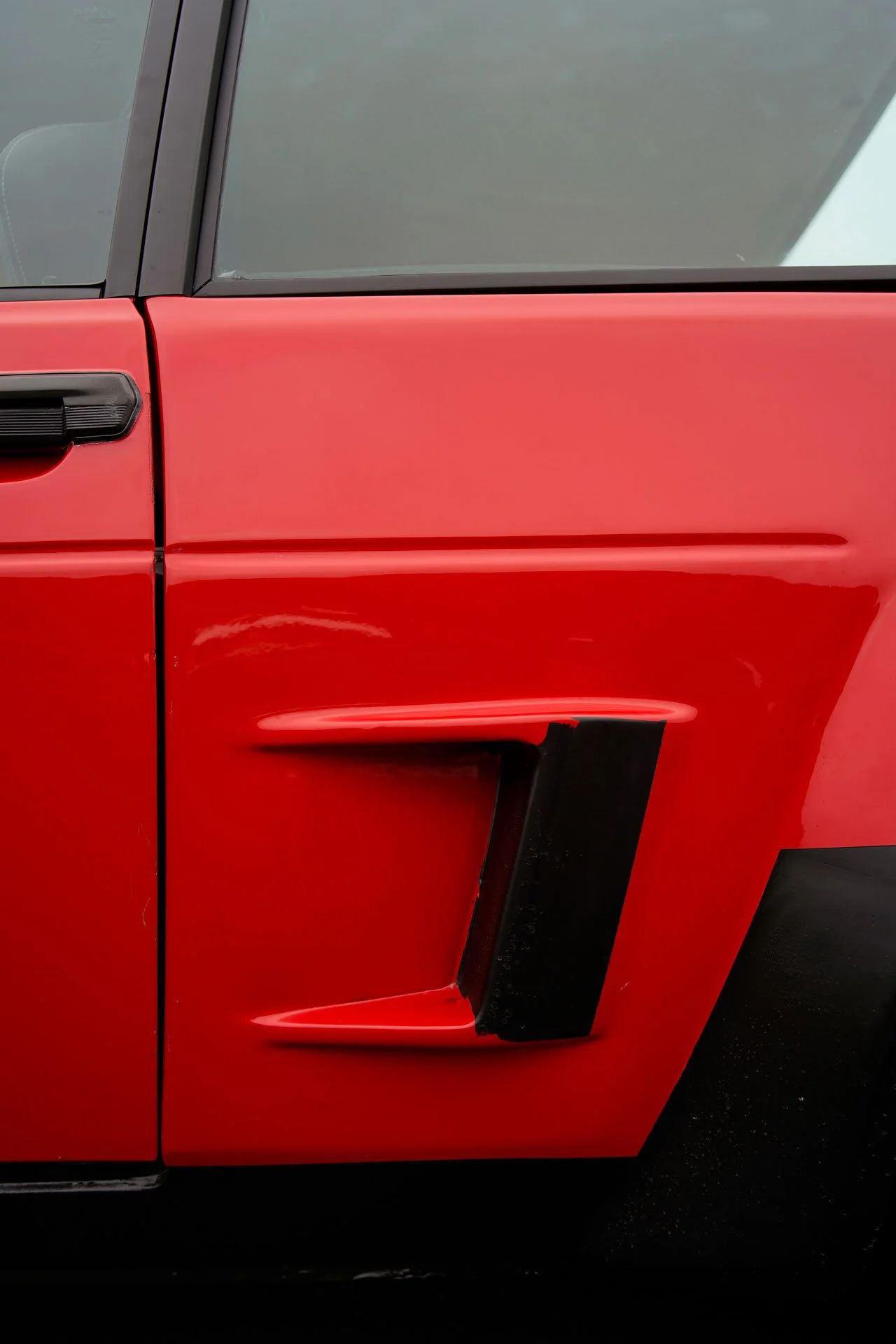
What really makes it an Abarth is the elaborate bodywork, engine, and suspension work. The two-door 131 began its life on Fiat’s standard production line. However, after the primary chassis was finished, the cars were diverted to Bertone for specialized bodywork. There, the production shells were fitted with fiberglass components, including a lighter hood with an air scoop, a lighter trunk lid with a spoiler, and dramatically wide wheel arches. With the exception of the original roof, almost the entire body was constructed from fiberglass. The live rear axle was replaced with independent suspension for better wheel articulation. The engine fitted to the Abarth was a 2.0-liter inline four cylinder that featured four valves per cylinder and a single Weber carburetor. The street build produced 140 horsepower, which was adequate for the 131’s 2,100-pound weight, and the race trim increased the horsepower to 240.
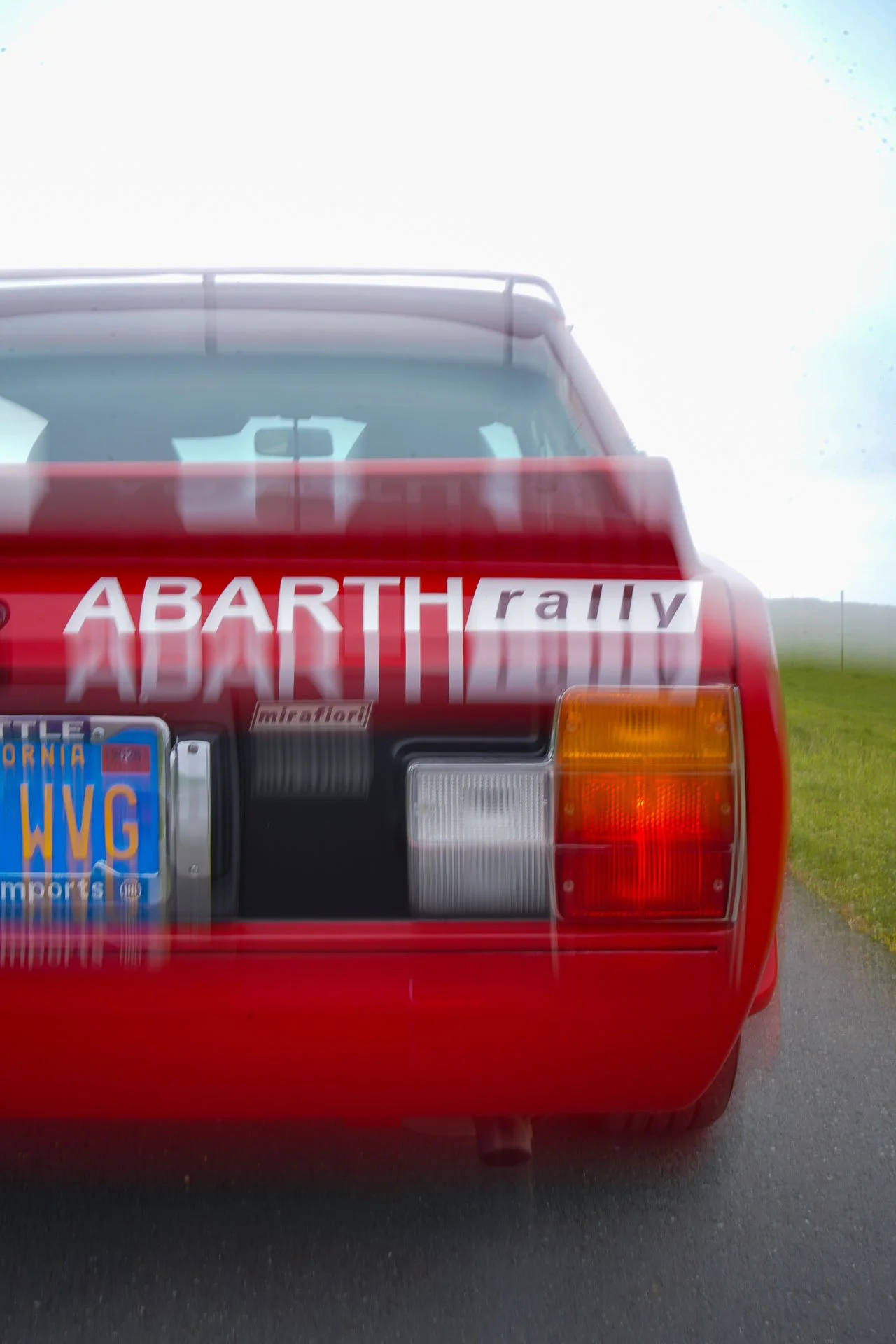
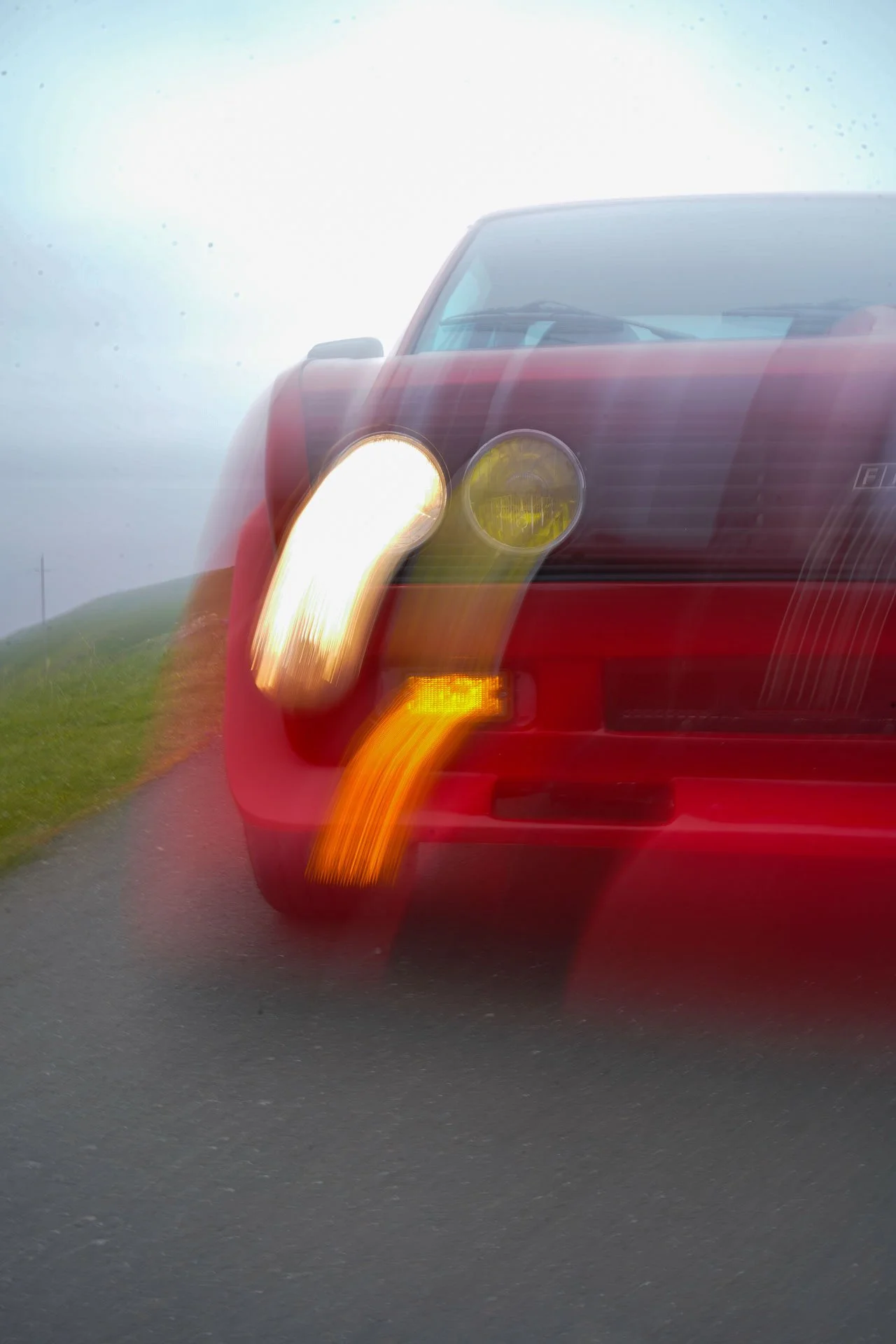
This example, of course, is not a 16-valve. It is a tribute based on a 131 Mirafiori, powered by a 1.8-liter engine spiced up with a porting job, and a racy cam including flat-top pistons. The car is in no way fast by modern standards, but it is very responsive and makes all the right sounds with its twin downdraft Weber carburetors. It really sounds like a rally car of that era, according to Joey.
“I grew up in the Philippines in the 1970s, back when rallying was a huge deal — just like in Australia and New Zealand. As a teen, I was obsessed with the rally cars from the early to mid-‘70s, especially the Ford Escort, the Cortina, and, of course, the Lancia Stratos,” recalls Joey.
When the Fiat 131 Abarth took over from the iconic Stratos, it was a big moment. The head of Fiat had a clear goal: make the 131 the top rally car in Europe to give the brand a much-needed boost. They brought in Abarth and Bertone, and the results were incredible. Watching that regular four-door family car turn into a rally superstar was truly inspiring, illustrating that even a humble starting point can lead to greatness with the right steps. “Like all my friends, I got hooked by watching rally films and seeing the drivers of the day really push the limits of that car. Many of the ‘70s rallying luminaries I admired, like Sandro Munari and Walter Röhrl, drove the 131 to championship glory.”
AN AUTHENTIC RALLY EXPERIENCE
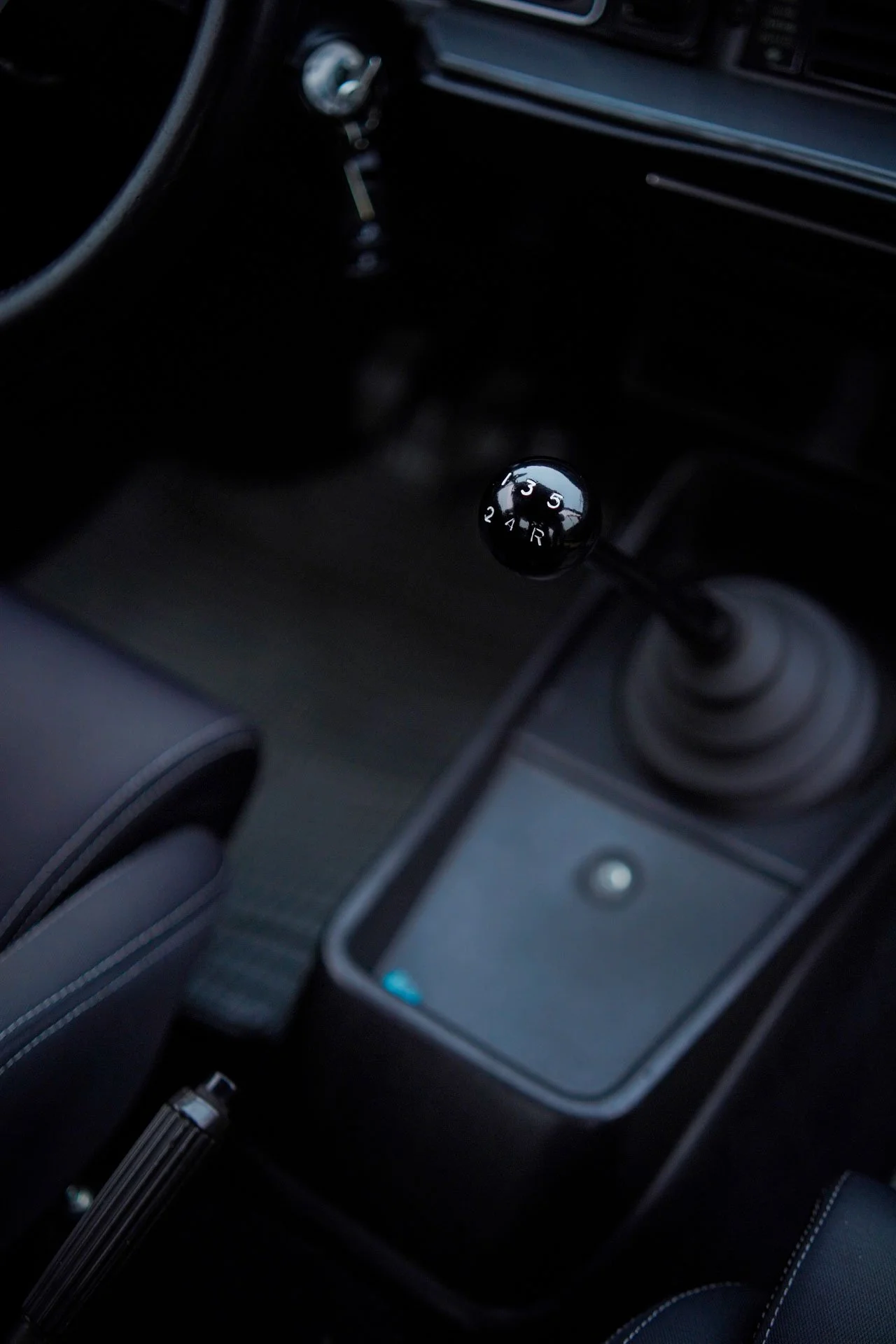
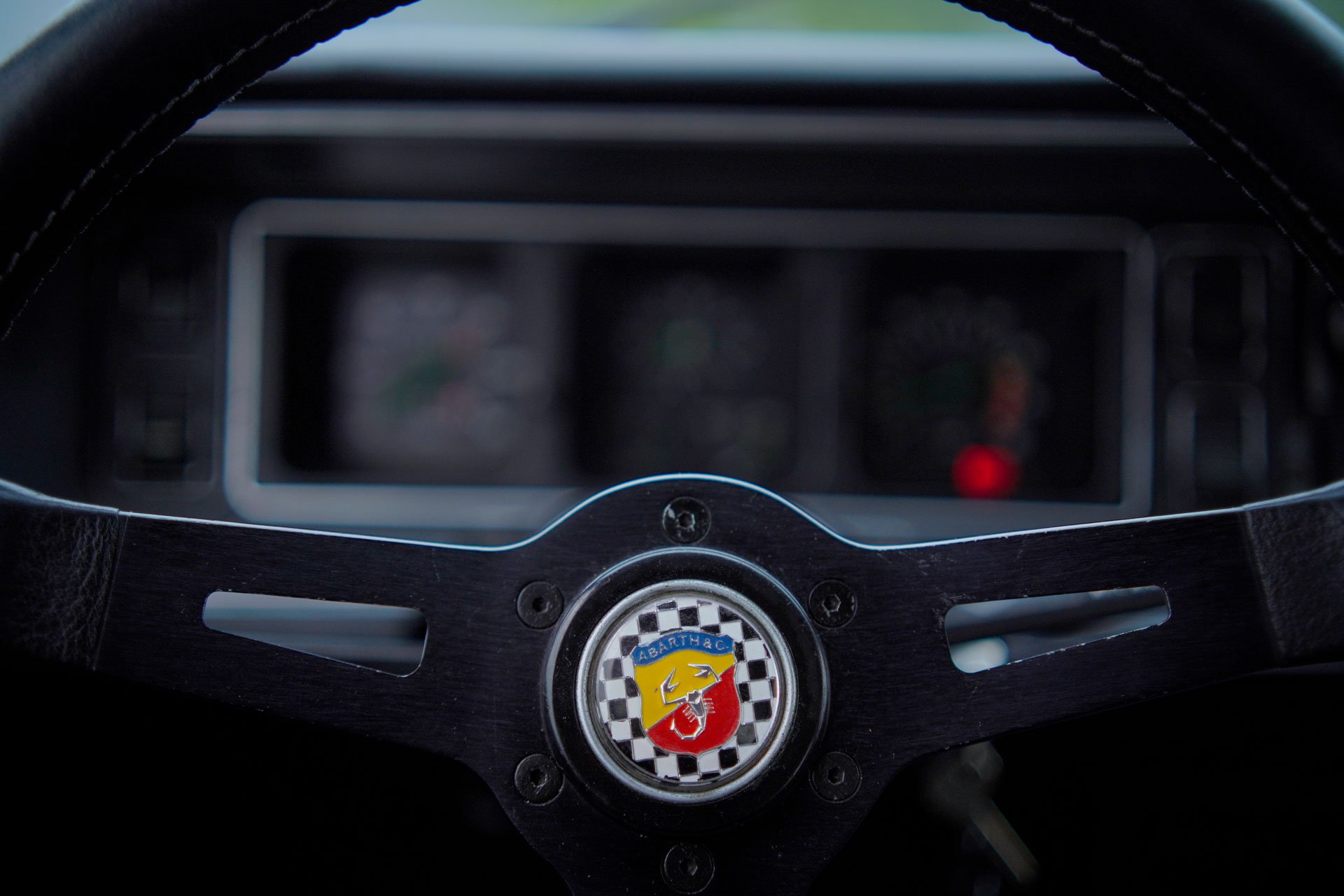
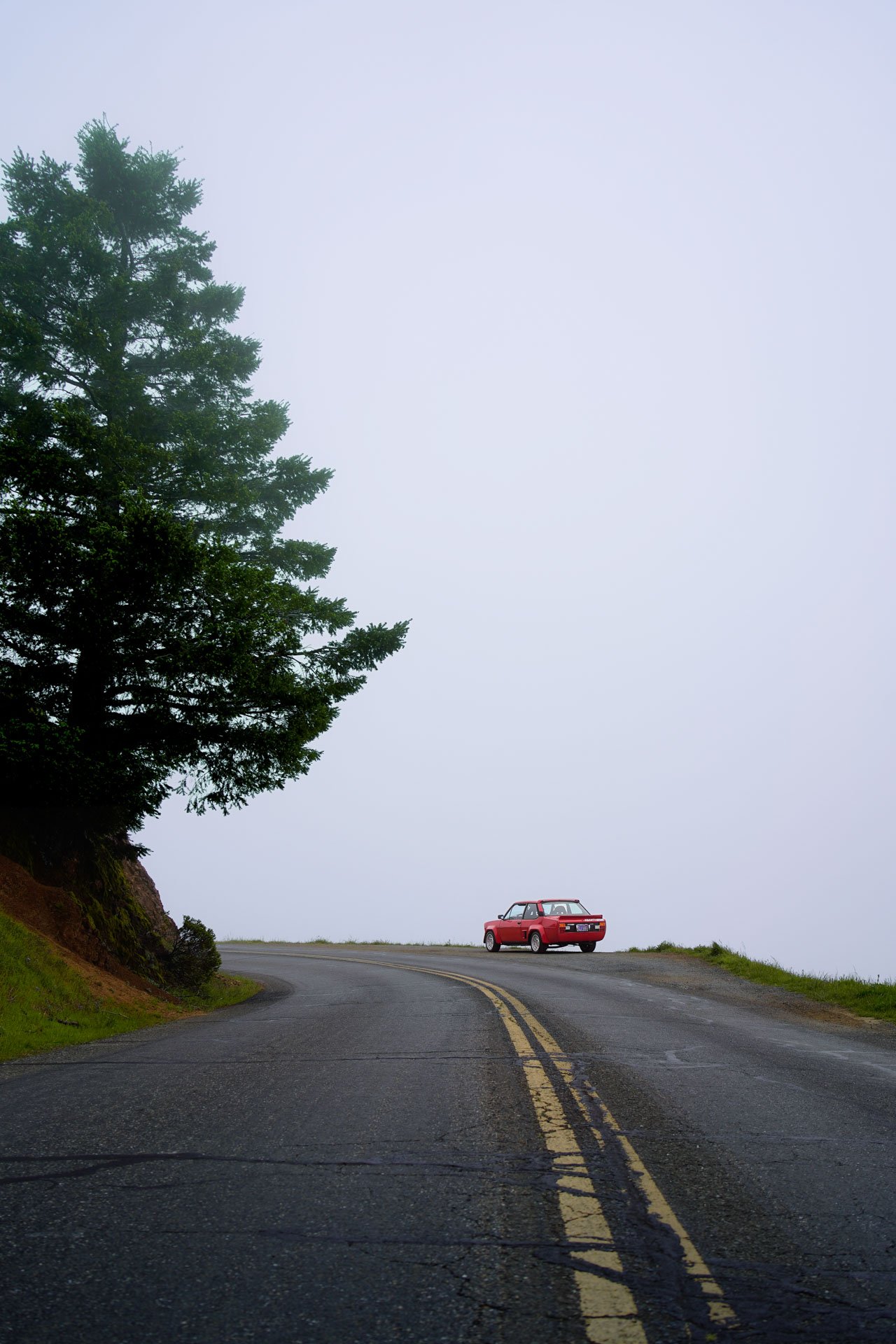
“The sheer intensity of this car is what I love — it’s a truly engaging, ‘hair-on-fire’ driving experience,” says Joey. The delightfully short gearing keeps you actively involved on winding back roads, allowing for maximum fun without having to push the speed limits. Driving it gives you a real taste of what rally drivers experienced, harkening back to a time when race cars and road cars were much closer in nature. This car thrives on tight, twisty mountain passes. The short gearing is perfect for these environments, keeping the driver busy as the engine’s sonorous barks echo off the hillsides, egging you on. The highways are just a means to get you to where it really wants to play — a hill climb up Mount Tam, or a blast down the final stretches of Sir Francis Drake Boulevard. It has the eager, playful nature of an exuberant puppy. “By the end of the day, my ears are ringing, and my face hurts from the wide, constant smile it induces.”
“I want to keep enjoying the car as much as I can. It is originally based on a California car, and I want to keep it that way. The Fiat frequents Cars & Coffee events in the Bay Area, where it enjoys being next to like-minded enthusiasts. Being an old Italian car, it has displayed a few little quirks during my ownership but it appears that I have now sorted out all of those electrical gremlins, and it is ready to enjoy many more miles on California roads.”
May those roads have a lot of high-speed curves and switchbacks.

