
Studebaker’s Final Frontier
How the Avanti Broke Records and Hearts
STORY | Chris Seely
Photography | Derick Yan
Once every decade or so, a car comes along that feels more like a spaceship than a conventional automobile. Though they share the road with everyday sedans and hatchbacks, these rare machines deliver a driving experience, design language, and level of innovation that’s light-years ahead — or at least definitely different than the status quo. The blueprint for these roadgoing UFOs is almost always the same: two doors, a bold and unconventional interior, jaw-dropping styling, a torquey powerplant, and an expansive rear glass hatch. Standout examples include the Porsche 928, with its forward-thinking design, pop-up headlights, and moving gauge cluster; and the Citroën SM, a car that combined effortless ride comfort with jaw-dropping looks and a sense of otherworldly refinement.
While these two cars have aged well and are seeing a renewed love from car enthusiasts, the one that started it all has been underappreciated due to its tragic backstory. This car has the looks, the drivetrain, and the uniqueness that make all road-going spaceships great, but few know what it is when they see it. The greatest spaceship of all time may well be the Studebaker Avanti.
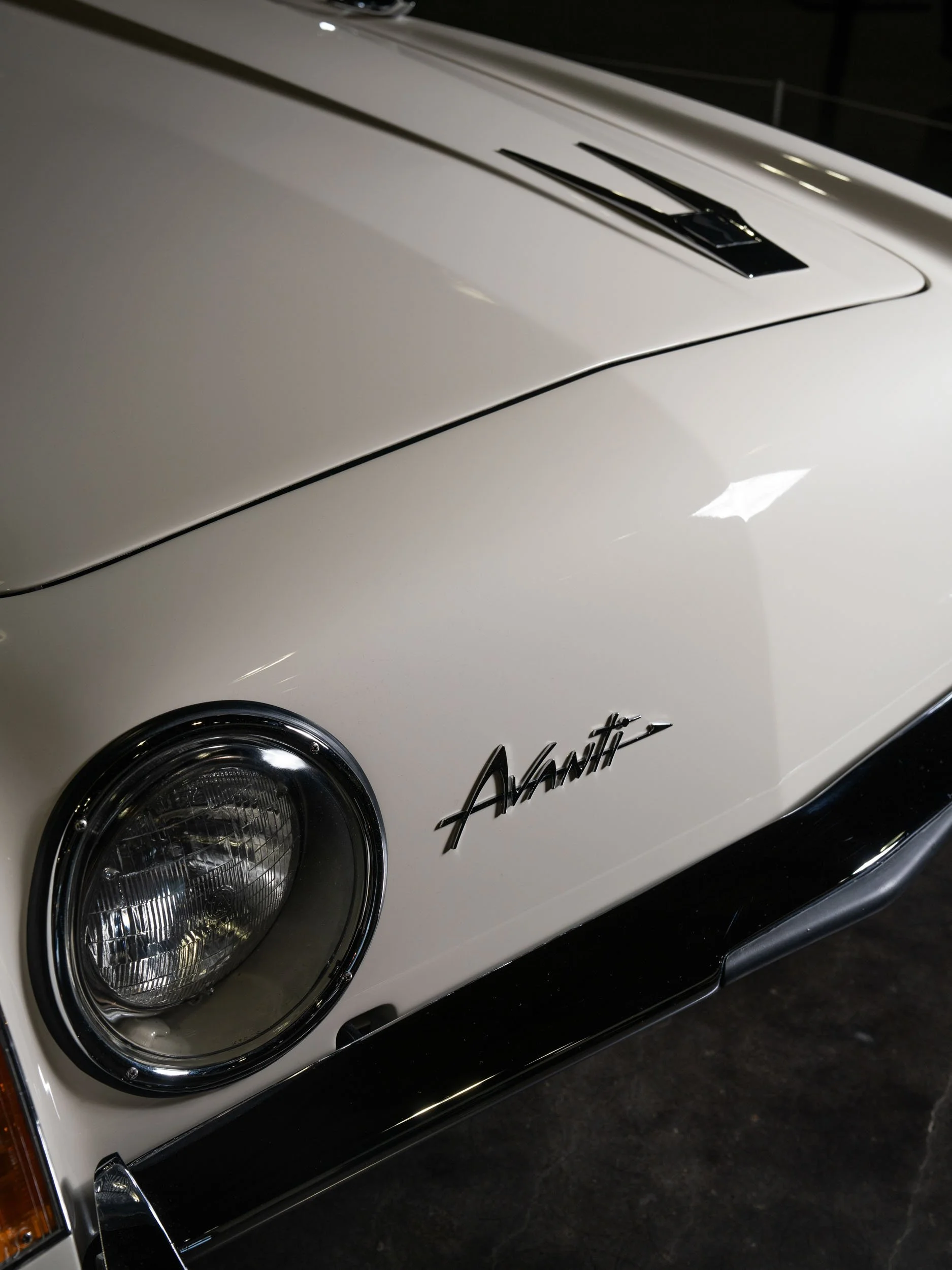
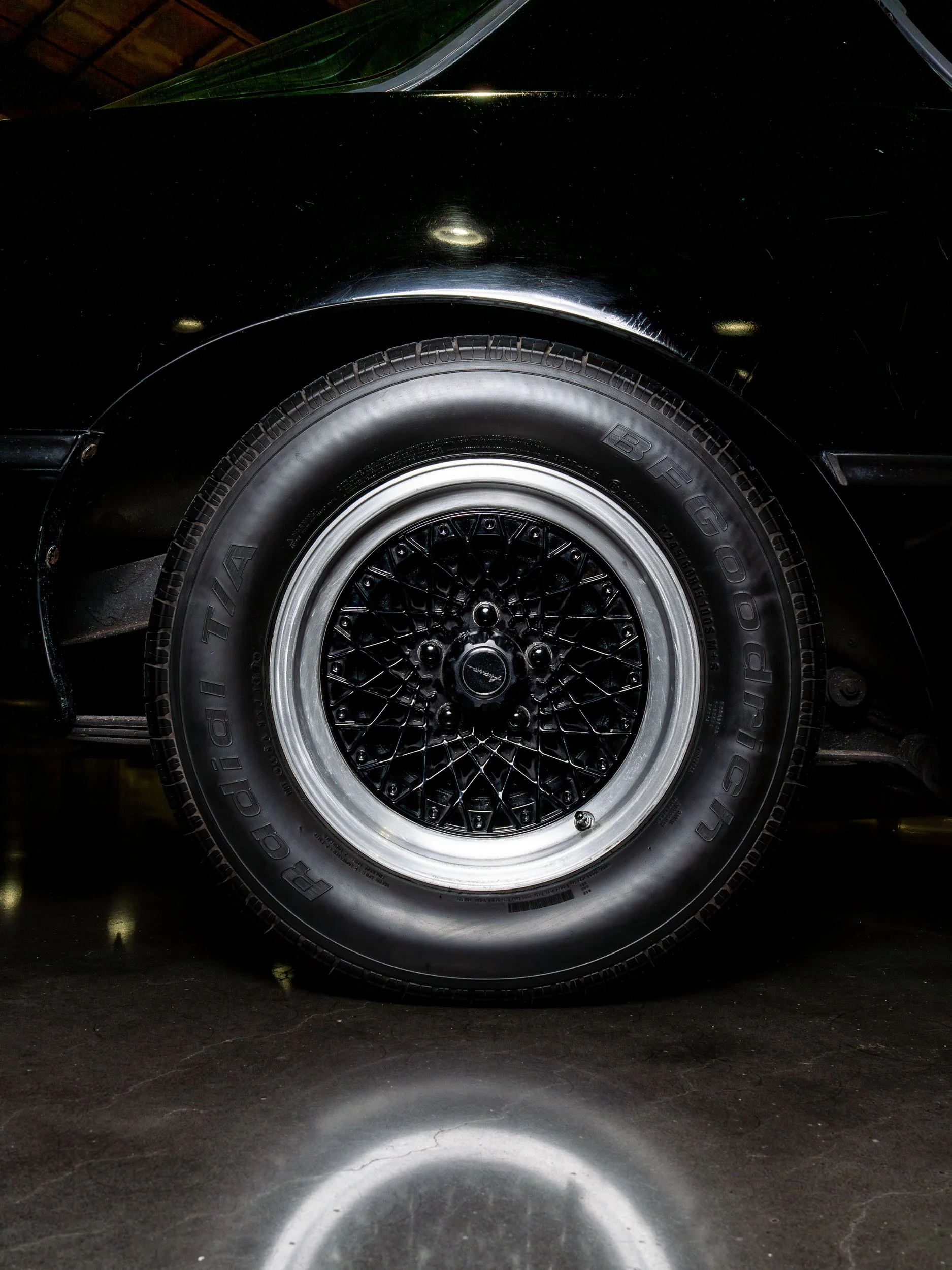
If you have seen an Avanti, you may know the story of what makes it so special. Studebakers were hot in the ‘40s and early ‘50s. Similar to how Saab was a forward-thinking and innovative company of the ‘70s and ‘80s, Studebaker was an innovative and cool alternative to buying a GM, Ford, or Chrysler product. By the mid-'50s, however, trouble was brewing. While still innovative and beautiful, customers cared less about the singularity of a Studebaker and more about the low cost and quality build of competitors Ford and Chevy. As the clock rolled over into the 1960s, Studebaker knew they had to do something big, something that matched the times. They had to launch a car that would make a mark in the history books, something as noteworthy as the Soviets putting a man in orbit, or Bob Dylan going electric. They were going to design a car so radical and impressive, that everyone would remember why they loved Studebaker in the first place.
To start this statement, the automaker hired famous French-American designer Raymond Loewy. Designer of the iconic Coca-Cola bottle, Shell Gasoline logo, and first greyhound bus, Loewy was given a simple, blocky sketch that Studebaker president Sherwood Egbert doodled while on a plane and told that he and the team had 40 days to bring it to life. He and a small team assembled and rented a house in Palm Springs, California, and worked tirelessly to bring Studebaker’s new flagship to life.
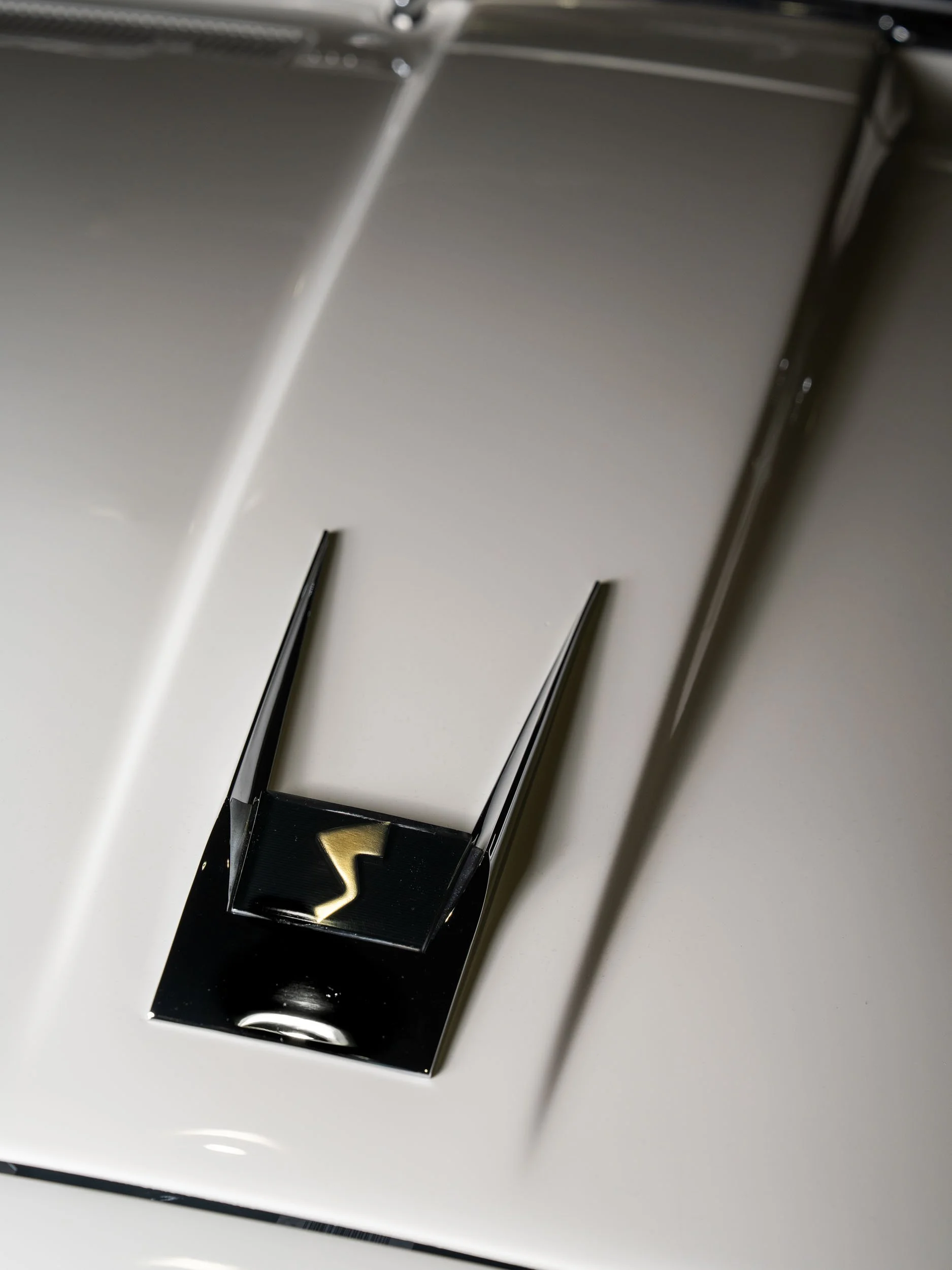
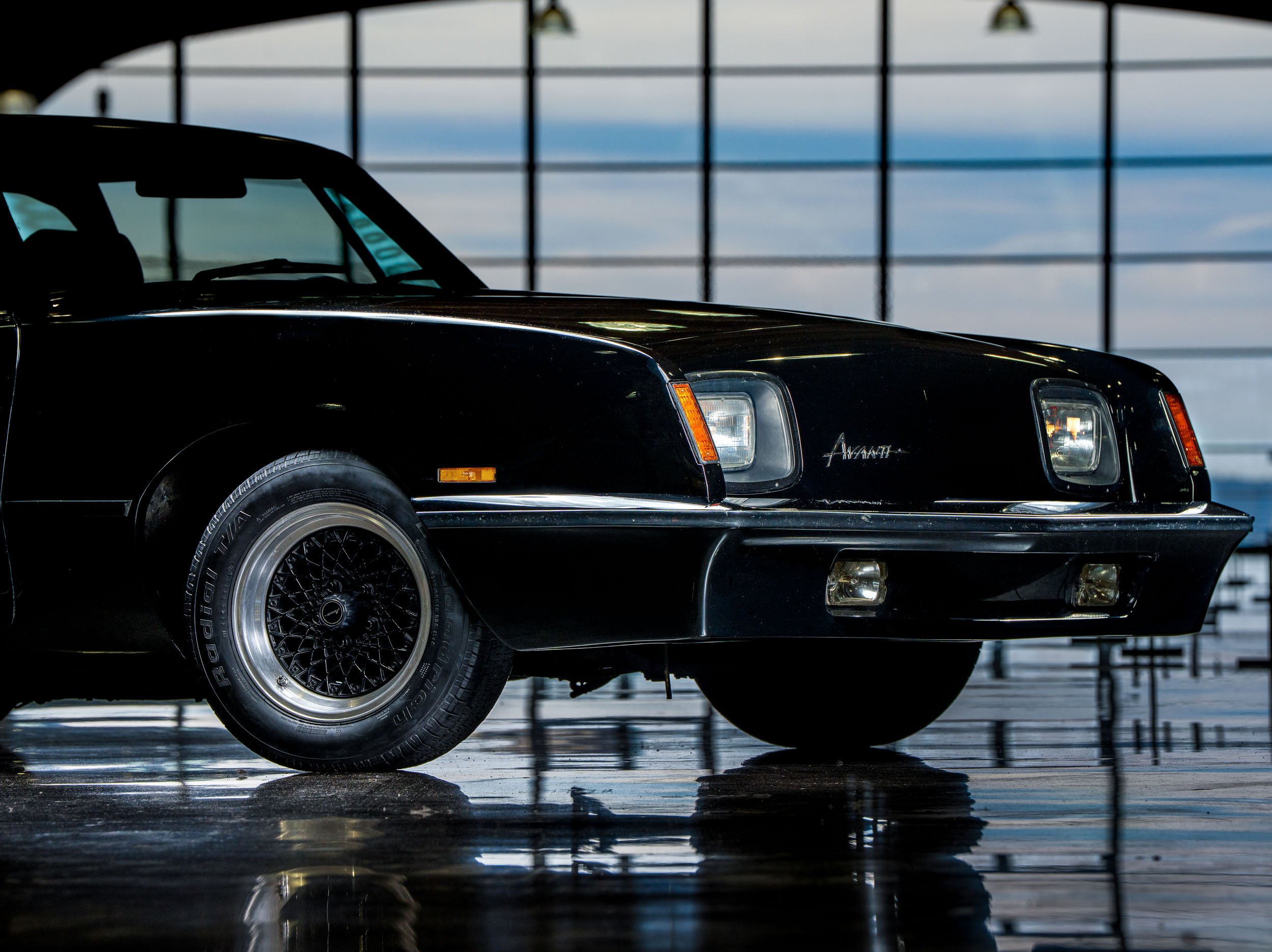
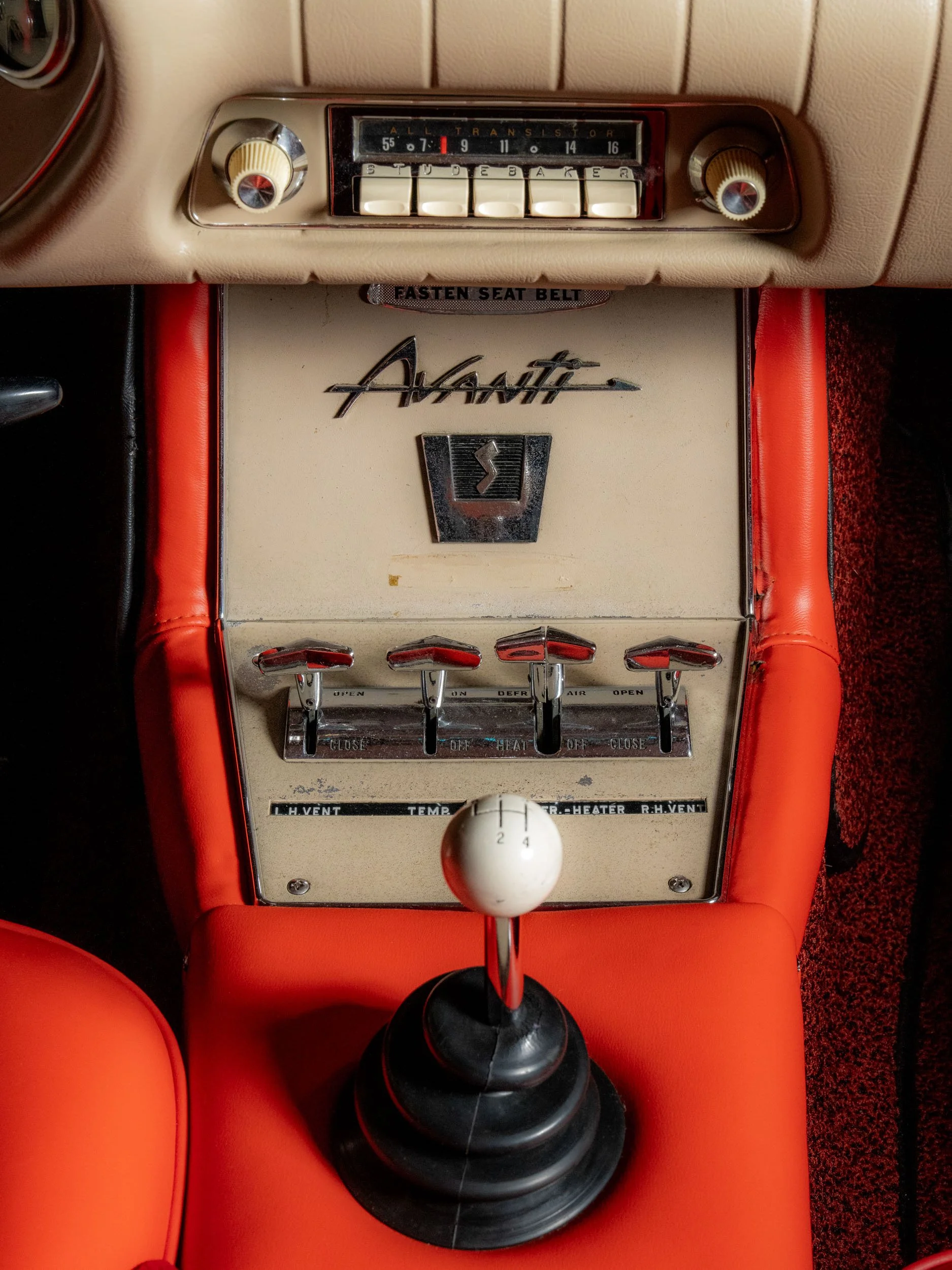
The result was spectacular. As seen in the photos, Loewy and his team came up with a design that is somehow masculine, feminine, and futuristic all at the same time. The front of the car is closed off, one of the first grilleless faces the world had ever seen. The back sports a greenhouse piece of glass the size of an Austin Healey Sprite, and the interior, with deep bucket seats and an overhead console, was a nod to the new and exciting jetliners that covered the skies.
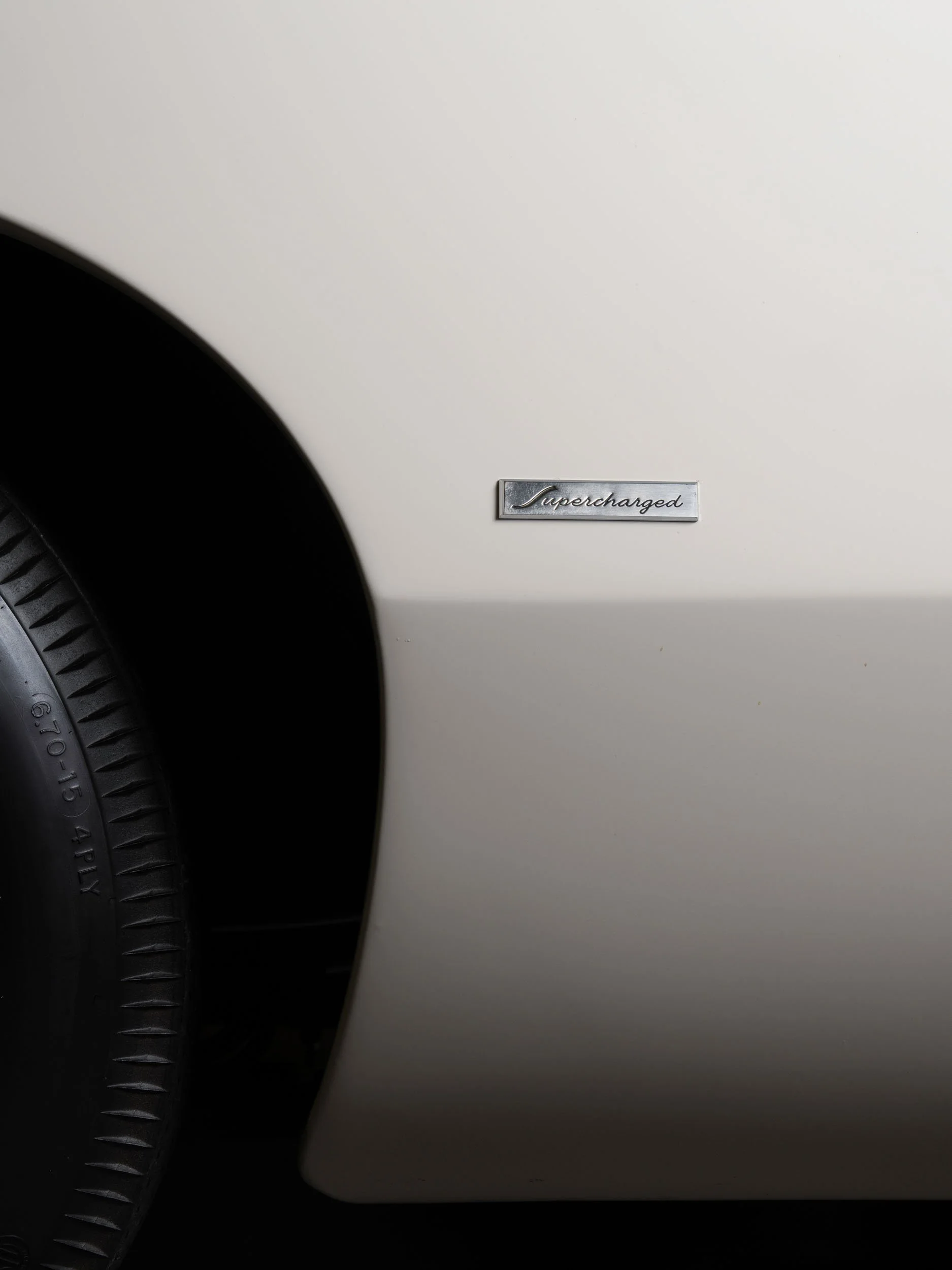
With the design covered by Loewy, Studebaker knew that their engine needed to be just as big of a statement. Everyone in America was using small block V8s at the time. Studebaker did the same, but to give their space coupe the power it deserved, they added a massive Paxton supercharger. Not only was the Avanti beautiful, but it now had boost that could send it to the moon, or if not the moon, hopefully to the top of the U.S. market.
But having a big motor and a beautiful design wasn’t enough. Studebaker was so confident in their product that they took it to the great American proving ground, the Bonneville Salt Flats. Here with their 289-inch V8 and Paxton supercharger, they wanted to show America that they meant business, and that their new page was one of success, not failure. At Bonneville, the supercharged Avanti broke a total of 29 world speed records, including an average flying start one-mile speed of 168 mph, and an alleged top one-way speed of 178.5 mph. All this at a time when aerodynamics were a myth, and bias-ply tires were all the world knew.
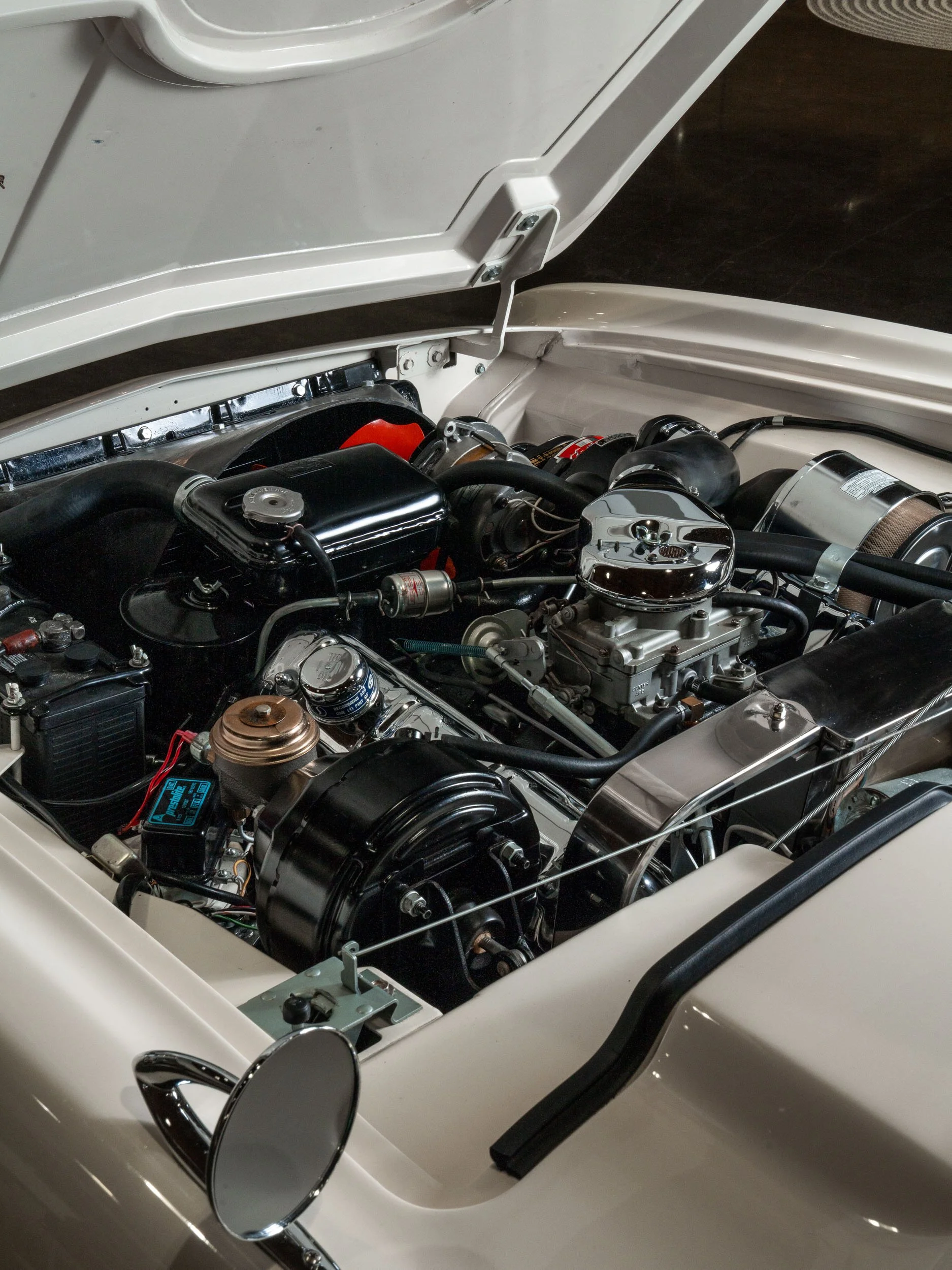
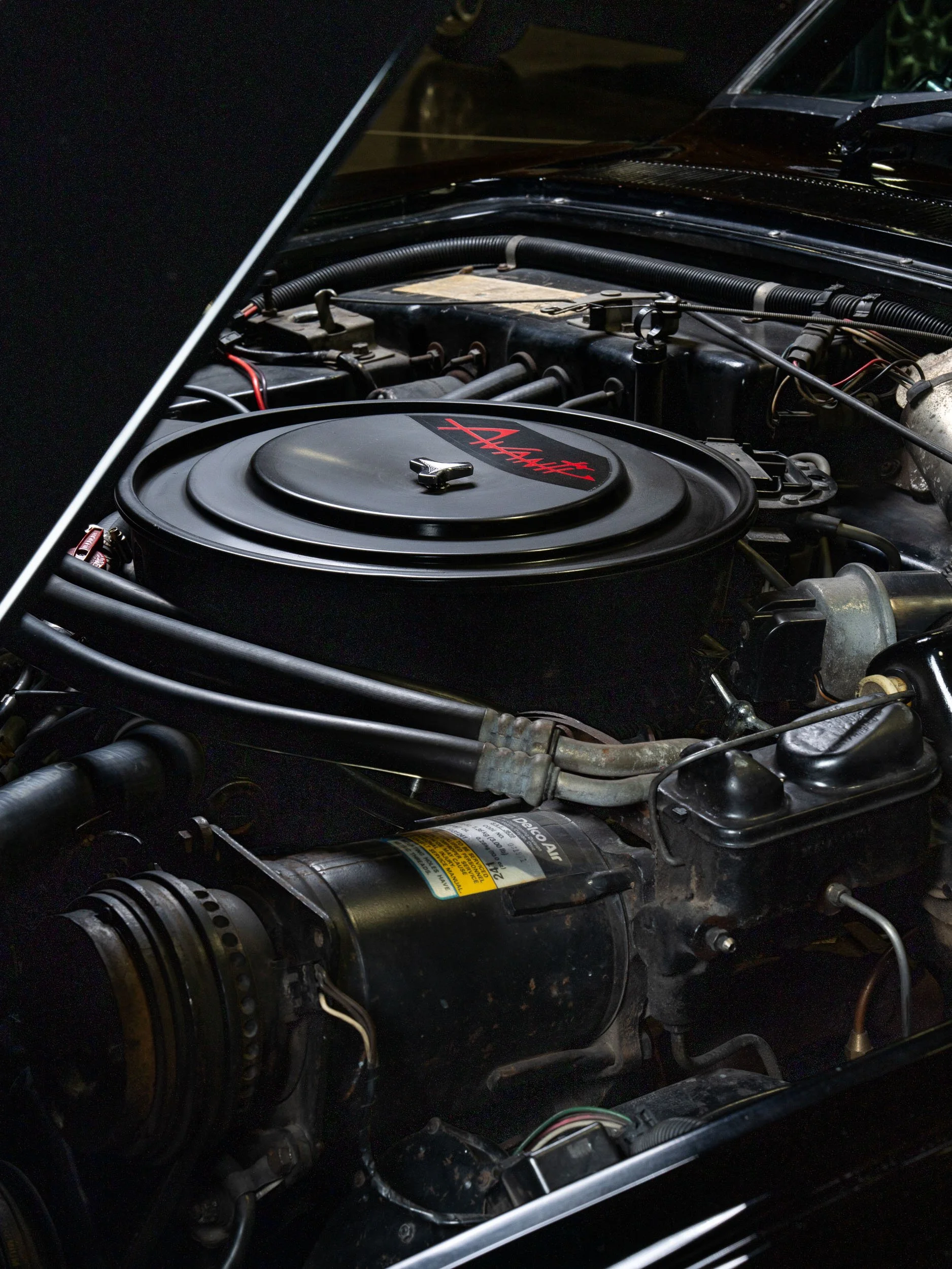
Studebaker was proud of the Avanti, and they had every right to be. They officially debuted the car in April of 1962, and following the run at the salt flats, they flew the car to 24 cities to show off their new flagship. Avanti means “Forward” in Italian, and this new direction for the 1960s was just what Studebaker wanted consumers to see. The Avanti was offered in several packages, the R3 was the salt flat car, although only nine were made. The R2 was a lesser but still supercharged V8, and the R1 was a naturally aspirated version. The Avanti had beauty, it had power, and early reviewers found it had agility and composure too. Upon its release, the world loved the Avanti, and they loved Studebaker for bringing it to their door.
As 1962 rolled into 1963, Studebaker was again facing challenges. The Avanti’s body was made entirely of fiberglass, this was the only way they could achieve Loewy’s design, their budget, and keep the car light for the Bonneville runs. However, this fiberglass spaceship was proving hard to build. The fiberglass work was outsourced and shoddy at best. When the bodies arrived at Studebaker’s South Bend, Indiana, plant, they needed heavy reworking to meet quality standards. Furthermore, the chassis was based on a Studebaker Lark and required a completely custom build process. The South Bend plant simply wasn’t ready for the work required to bring the Avanti to scale. Studebaker had thousands of prospective buyers, but quickly, those same buyers saw the writing on the wall. Orders were cancelled, and despite the fact that Studebaker had managed to make a statement, their manufacturing woes meant that just over 4,000 Avantis were sold. With much despair, the company shut down in December of 1963.
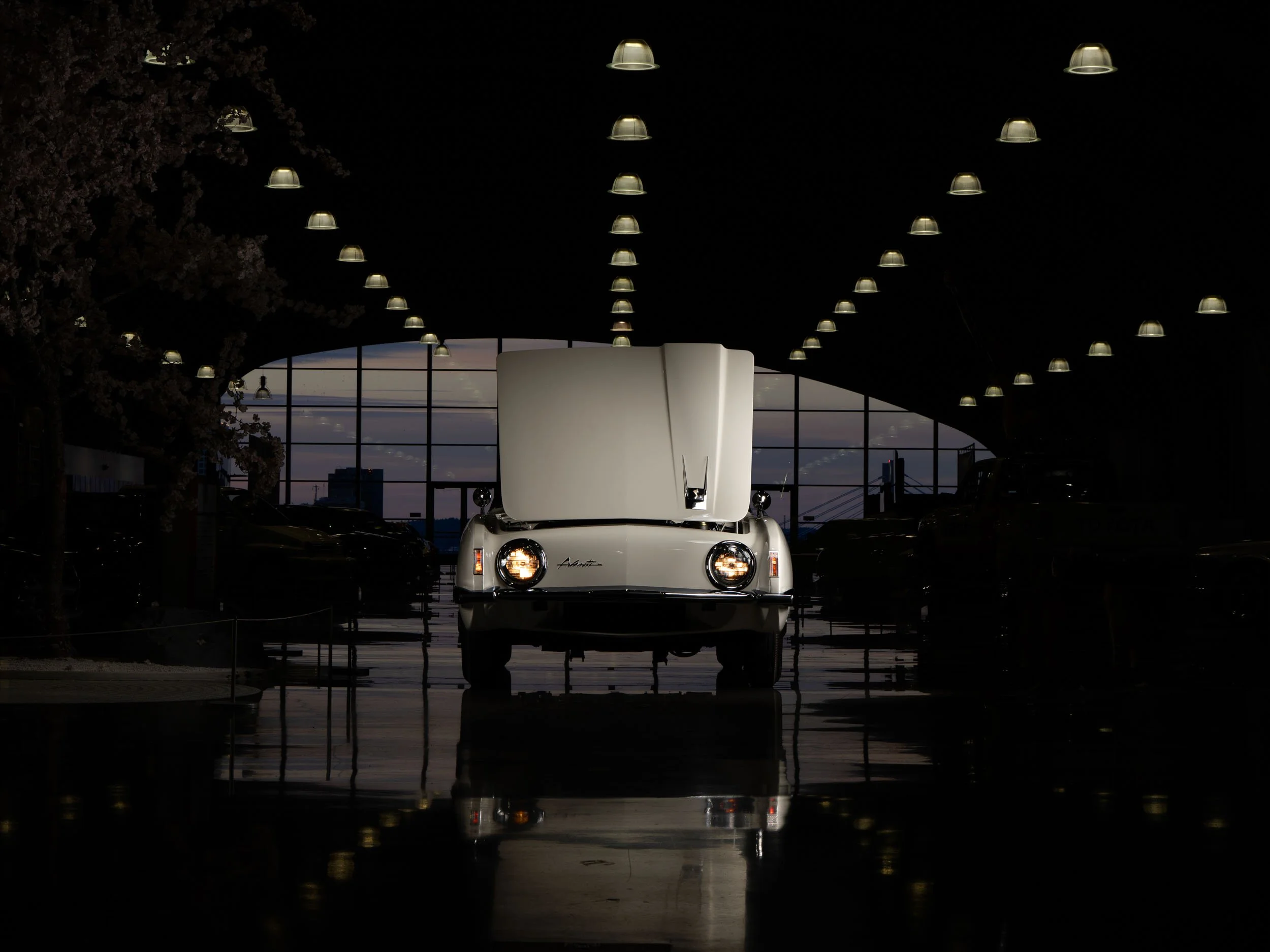
The Avanti name was revived in 1965, as its own small company. Over the years, small batches of cars were made, this time with a Corvette drivetrain. No renditions were as noteworthy as the 1983 Anniversary edition, however. Just 25 of these anniversary cars were made, and true to the original design, they were intended to be an ‘80s “what if?” of Studebaker’s original spaceship and were only available in black. Just like the first edition, the anniversary version is beautifully shaped with a closed-off grille, huge rear glass, and striking looks from all angles. It was also built in South Bend, making it a true member of the Studebaker family. The LeMay - America’s Car Museum is lucky enough to host one of each car, original and anniversary, and while neither were widely manufactured, both are a nod to the incredible vision that could have carried the company through the ‘60s.
In the end, the Studebaker Avanti was everything a great “space coupe” should be — visionary, bold, fast, and unlike anything else on the road. It broke records, defied design norms, and captured the spirit of an automaker fighting for survival with style and speed. While poor manufacturing and bad timing sealed its fate, the Avanti’s legacy remains intact. Like the Porsche 928 or Citroën SM, it’s a cult classic that only a few truly appreciate, but those who do understand it wasn’t just a car. It was Studebaker’s last great leap forward, a fiberglass time capsule of ambition, innovation, and what might have been.

