
The Real McCoy
Hard-raced CSL Chassis #987 Among Friends with Peter Gleeson
STORY | John Oreovicz
Photography | Karl Noakes
There’s a spectacular No. 25 BMW 3.5 CSL staged in the Don Panoz Gallery of Legends at Sebring International Raceway, long believed to be the car that won the 1975 12 Hours of Sebring.
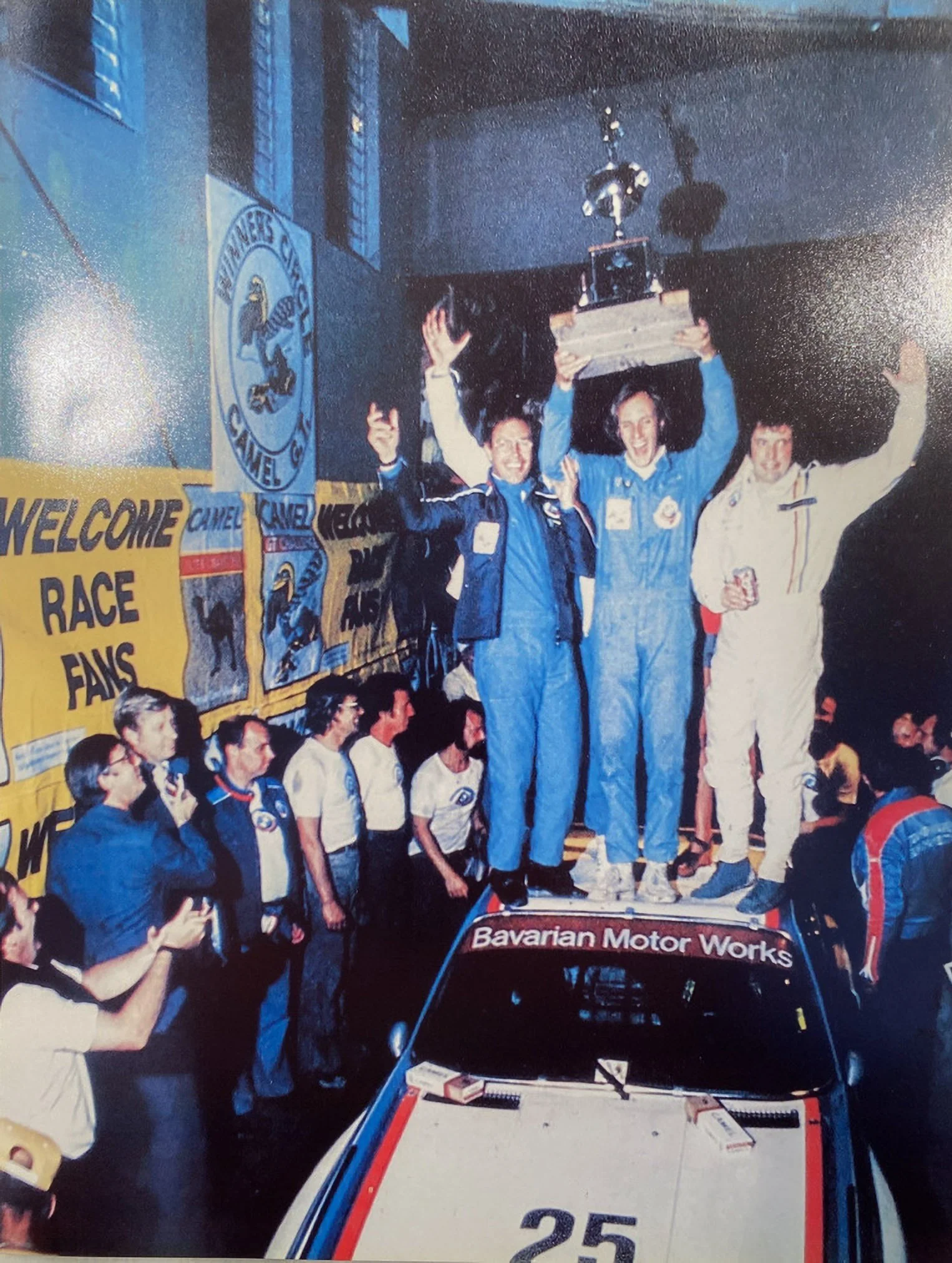
That Sebring victory was vital for BMW, at the time a relatively unknown niche player in the U.S. market. Just six days before Brian Redman teamed with Allan Moffat, Hans Stuck, and Sam Posey to claim the historic triumph, BMW North America won an important legal battle that allowed it to cut ties with longtime distributor Max Hoffman.
The German marque formed its Motorsport division in 1972 to use racing as a platform to establish a more dynamic brand image around the world. Mission accomplished because the CSL — especially in tricolor BMW Motorsport livery — was an instant success and became an icon.
BMW’s success competing in the IMSA sports car championship in 1975 and ‘76, combined with a refreshed product line that included the first-generation 3- and 5-series models backed by the clever ‘The Ultimate Driving Machine’ marketing campaign, resulted in a huge increase in U.S. sales from 60,000 in 1975 to nearly 140,000 by the end of the decade.
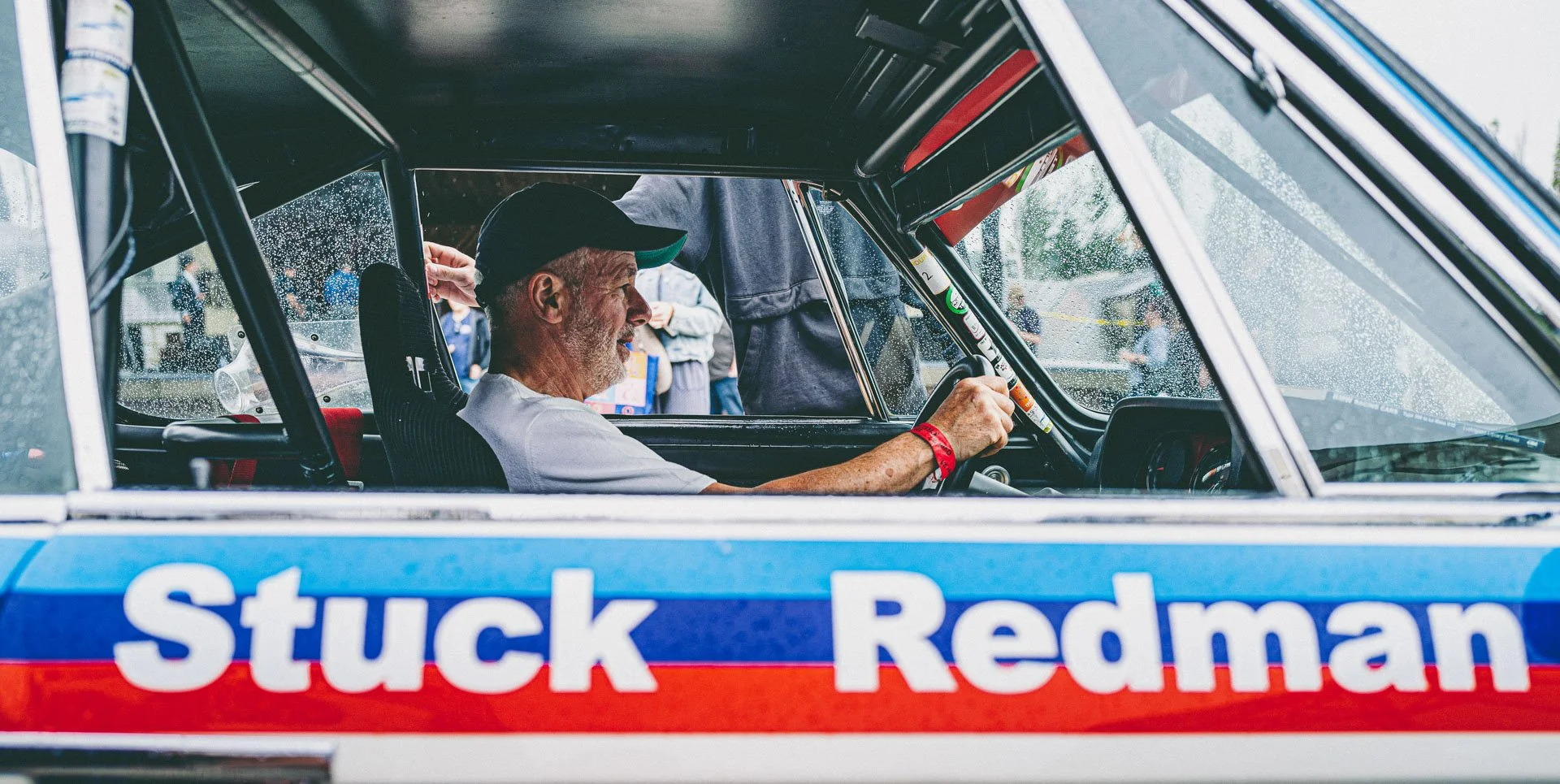
Redman recently helped BMW NA celebrate the 50th anniversary of the landmark Sebring 1975 victory, reuniting with chassis No. 2275-985 (the car on display in the Panoz Gallery). But the tale of how that car was discovered to not be the actual Sebring winner is a story unto itself.
In 2016, longtime BMW NA communications manager Thomas Plucinsky and Rudi Gmeiner, one of the “Cowboys” who built and prepared the IMSA CSLs out of a garage at Talladega Speedway in 1974-75, produced the ‘Kommissionbuch’ build sheet that demonstrated BMW Motorsport had sequenced the chassis numbers backwards for the 21 “factory” CSL chassis that were constructed.
It was long assumed by most people, including BMW NA (but not current owner Peter Gleeson), that the five cars assigned to BMW NA — chassis numbers 2275- 985, 2275-986, 2275-987, 2275-988, and 2275-992 — ranged from oldest to newest. But chassis 992 was proven to be BMW NA’s original test car, arriving in late 1974. Chassis 985 was not dispatched to the U.S. until May 1975, to replace chassis 986 when that car was badly damaged in an accident at Road Atlanta. By then, chassis 992 — the first U.S. car — had been returned to Munich and was used to create the first of the famous BMW Art Cars - the now-priceless ‘Calder car’ that competed in the 1975 24 Hours of Le Mans.
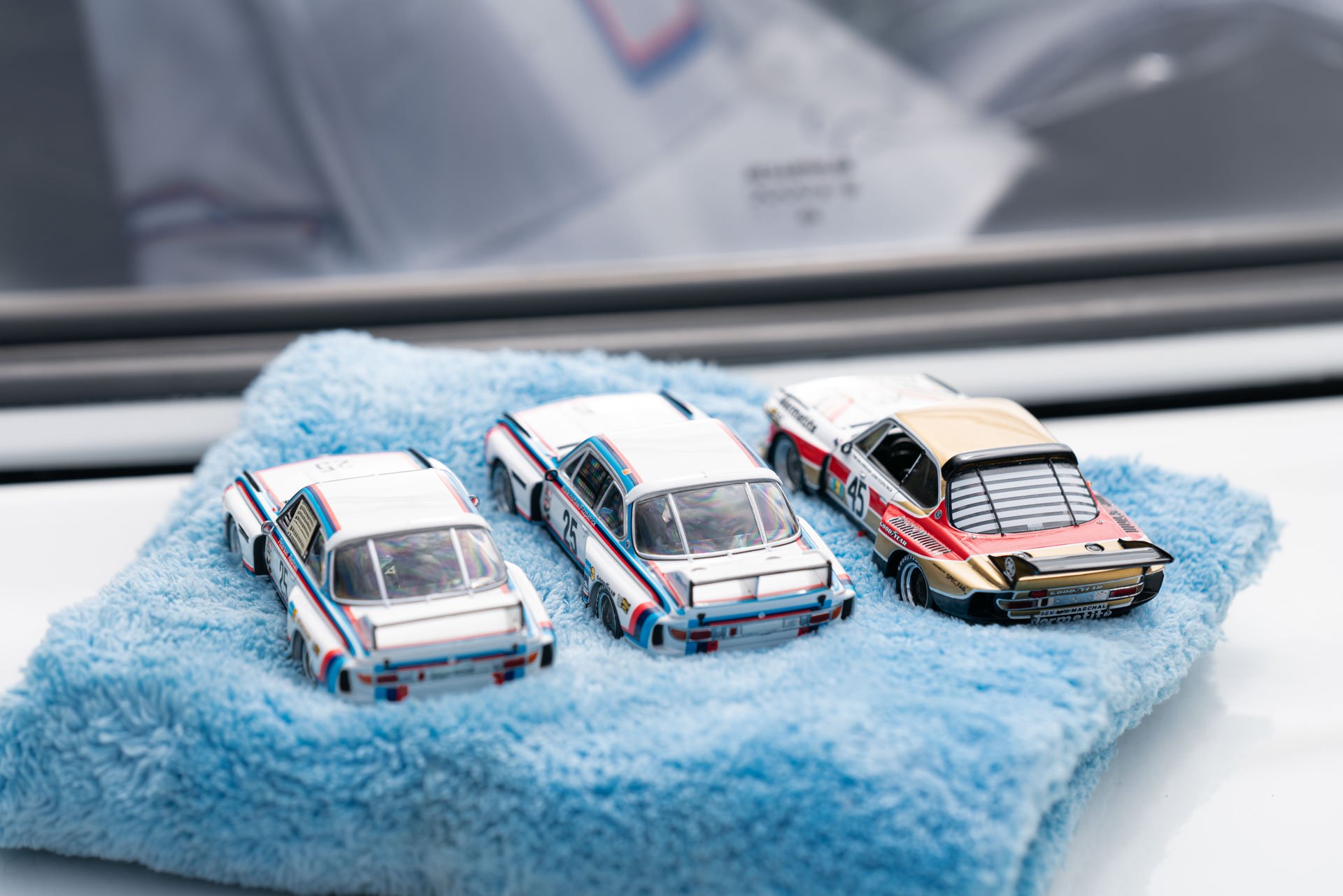
Chassis 987 was also damaged at Road Atlanta soon after its victory at Sebring. It was rebuilt and used as a spare car for the rest of the 1975 IMSA season following the arrival of chassis 985. The next race for 987 was the 1976 Daytona 24 Hours, where it ran in Motorsport livery, but with a ‘Hermetite’ windshield banner representing the sponsor of drivers Tom Walkinshaw and John Fitzpatrick.
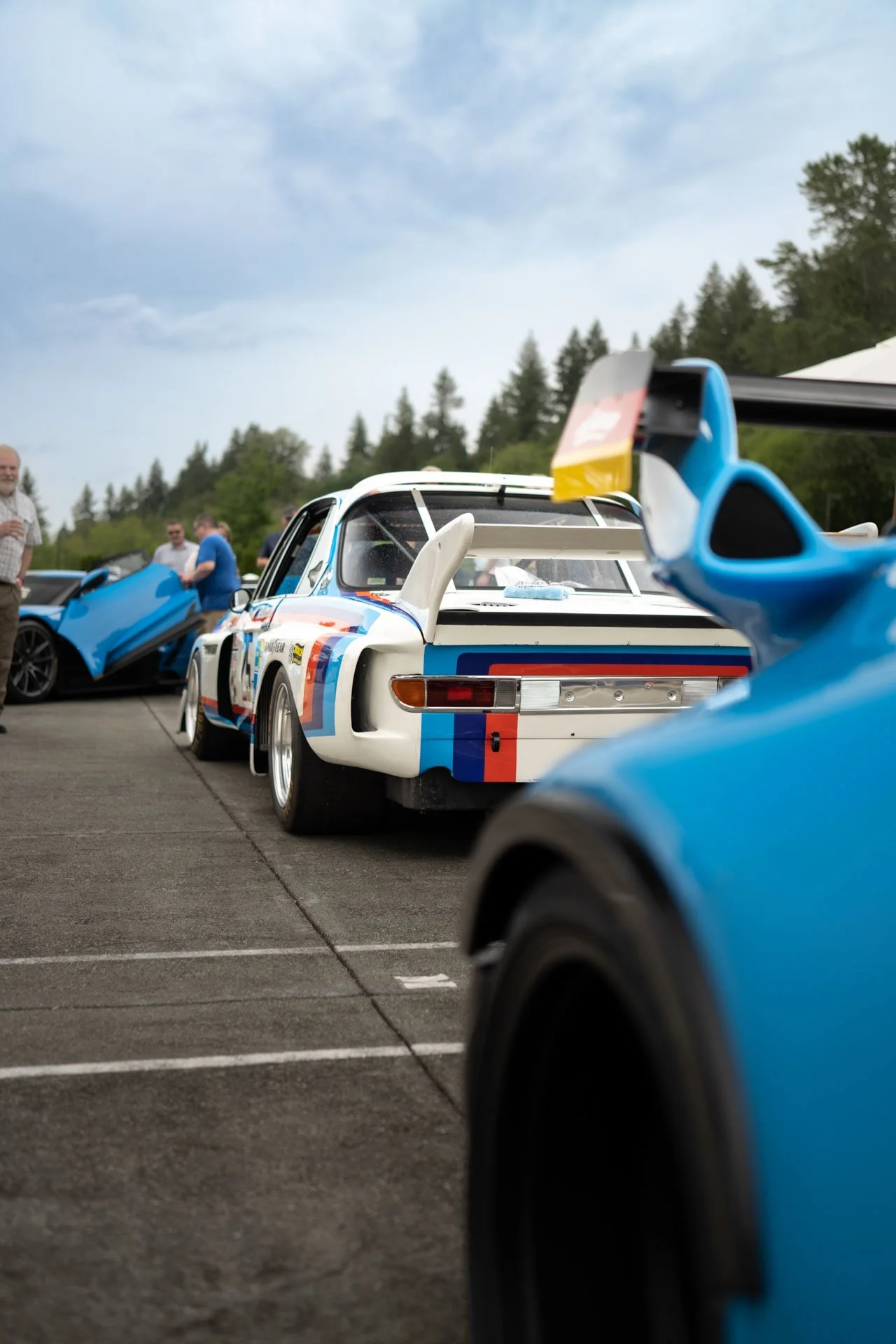
In March 1976, chassis 987 was shipped to Munich, where BMW Motorsport upgraded the car from Group 4 to Group 5 specification. Modifications included a more aggressive front air dam, widened fender flares, a larger rear wing, and the replacement of the M49/2 ‘laydown’ engine with an ‘upright’ M49/3. Fitzpatrick and Walkinshaw campaigned this car with an attractive new Hermetite livery in the 1976 FIA World Championship for Makes, including taking overall victory at the Silverstone 6 Hours.
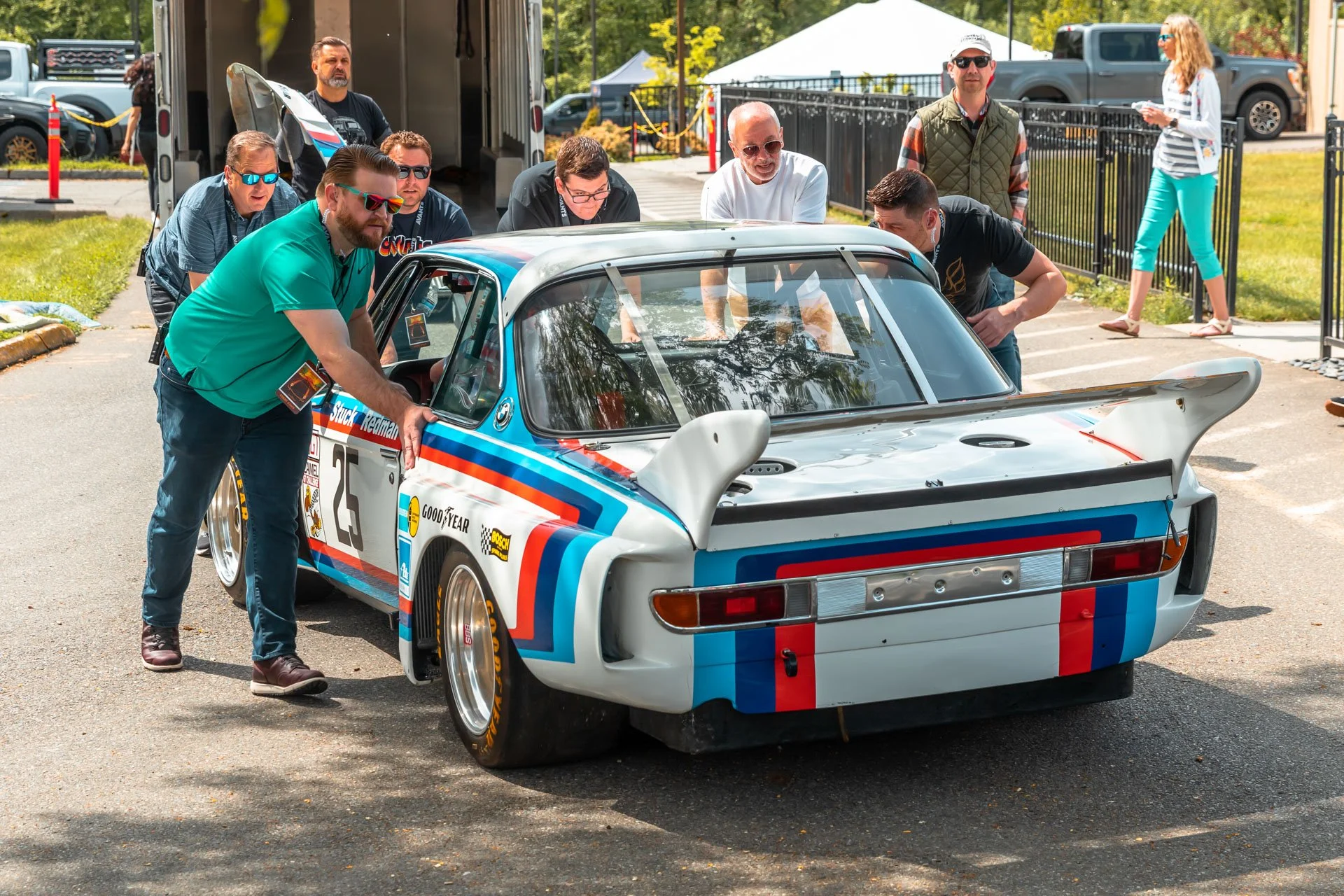
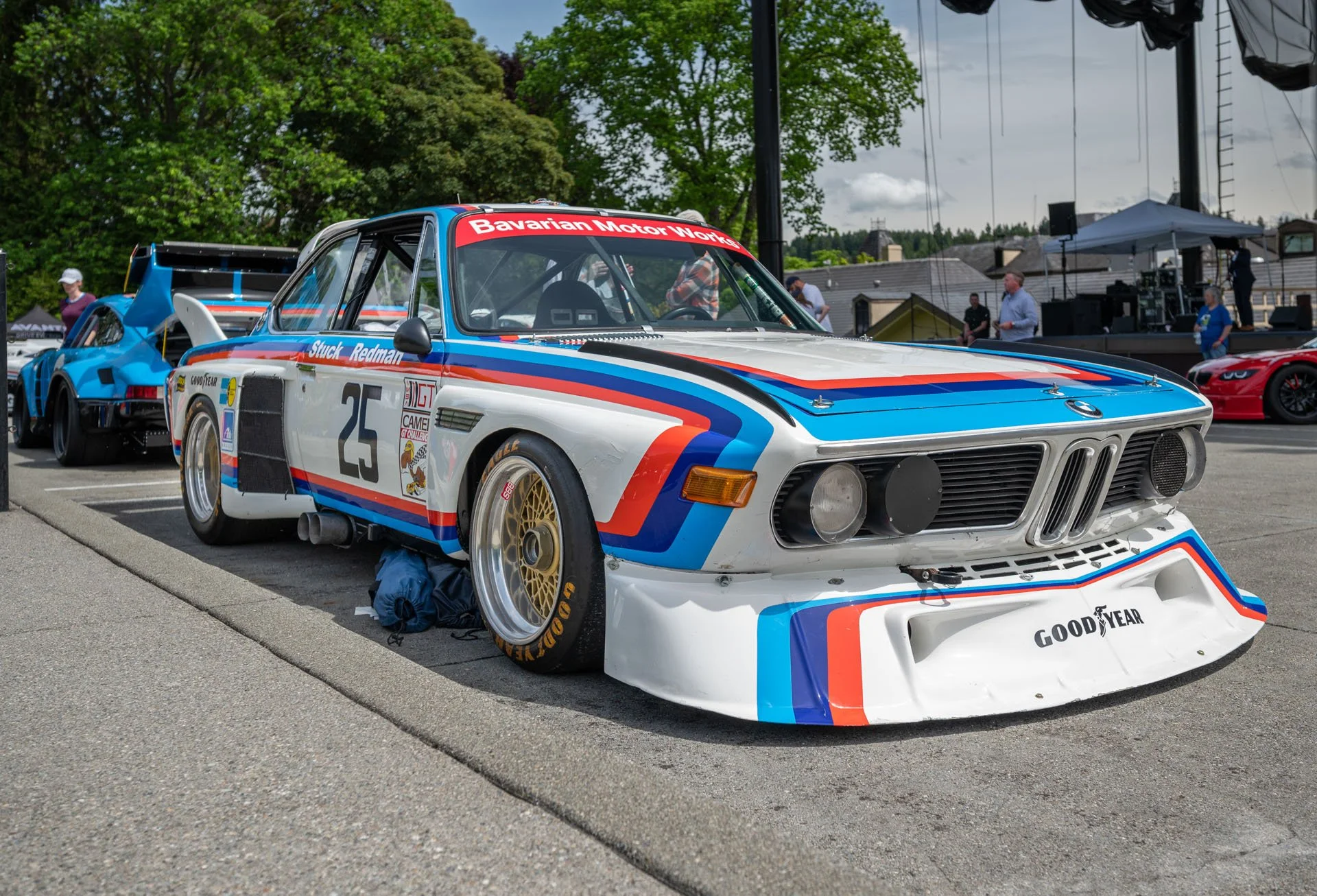
The car was then acquired and maintained in California by renowned racing team owner turned collector Vasek Polak, who retained the Group 5 bodywork but recreated the Sebring-winning No. 25 BMW Motorsport livery. Since 2022, chassis No. 987 has resided in greater Seattle in the collection of Gleeson, a self-educated, self-made man who has become an authority in the classic BMW market.
In the 1970s, Gleeson sought refuge from the Brixton neighborhood of London by sneaking into races at the Brands Hatch circuit, a short train ride away. He immediately fell in love with the ‘Batmobile’ racing version of the BMW E9 coupe sold on the street as the 3.0 CS.
Gleeson now owns several of the most notable racing E9 CSLs, including the confirmed 1975 Sebring winner, the ‘Levi’s’ branded car that won several significant races in Europe over a four-year period, the only factory CSL prepared as a team rally car; and a Schnitzer E9, that won at Zandvoort in 1971 with Dieter Quester and Coupe de Spa in 1972 with Jacky Ickx.
He expresses surprise that BMW did not attempt to acquire the real Sebring winner once its provenance was known.
“When I acquired (987), BMW NA said they were going to take No. 25 off their car (985),” says Gleeson. “But they never have; they get so much publicity from it. You wonder why they didn’t buy it and just straighten the record out, but BMW doesn’t think like Porsche or Mercedes when it comes to their own history. There are a few cars they absolutely want from my collection. They want the Olympic CSL rally car and 2002 Turbo number 1.”
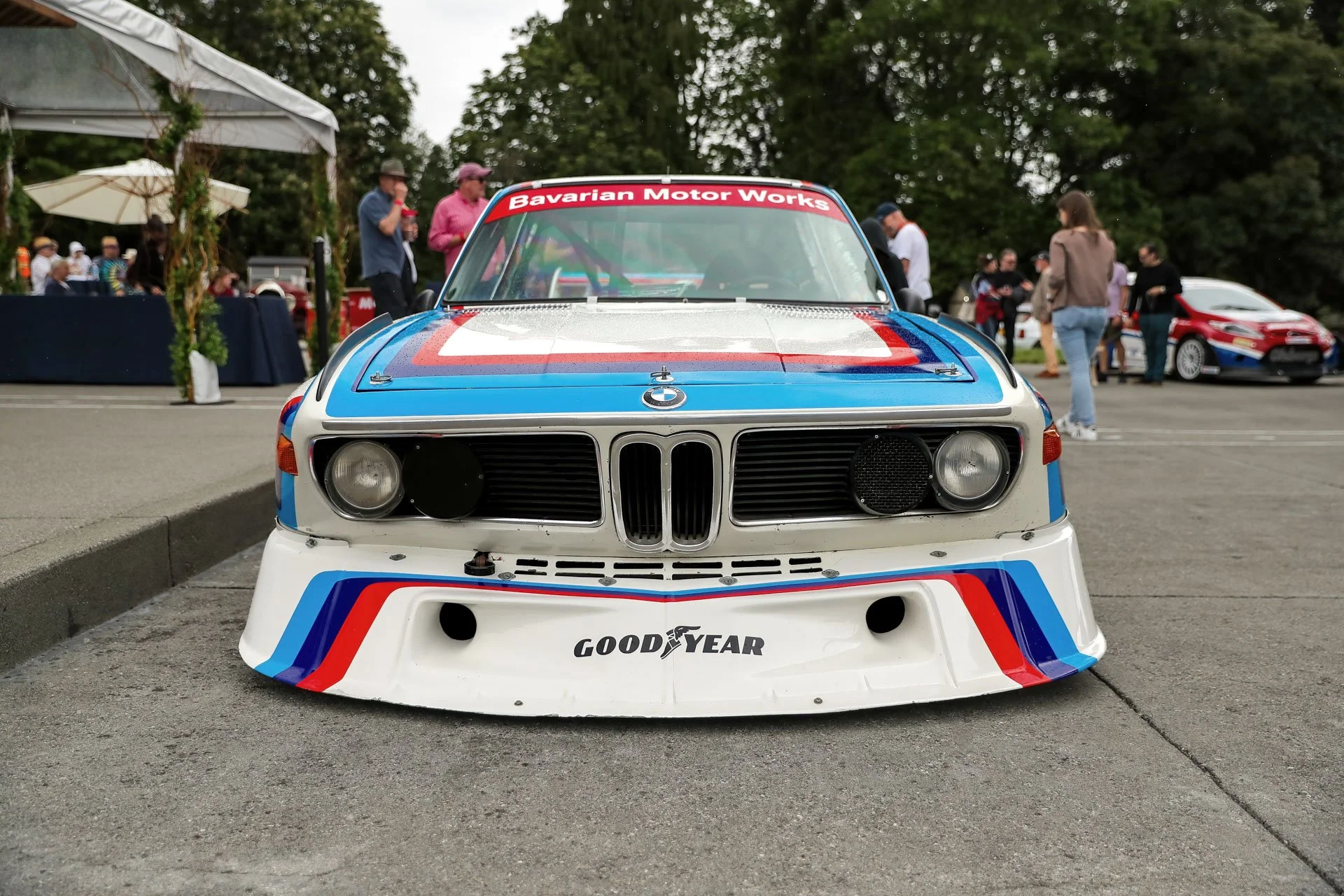
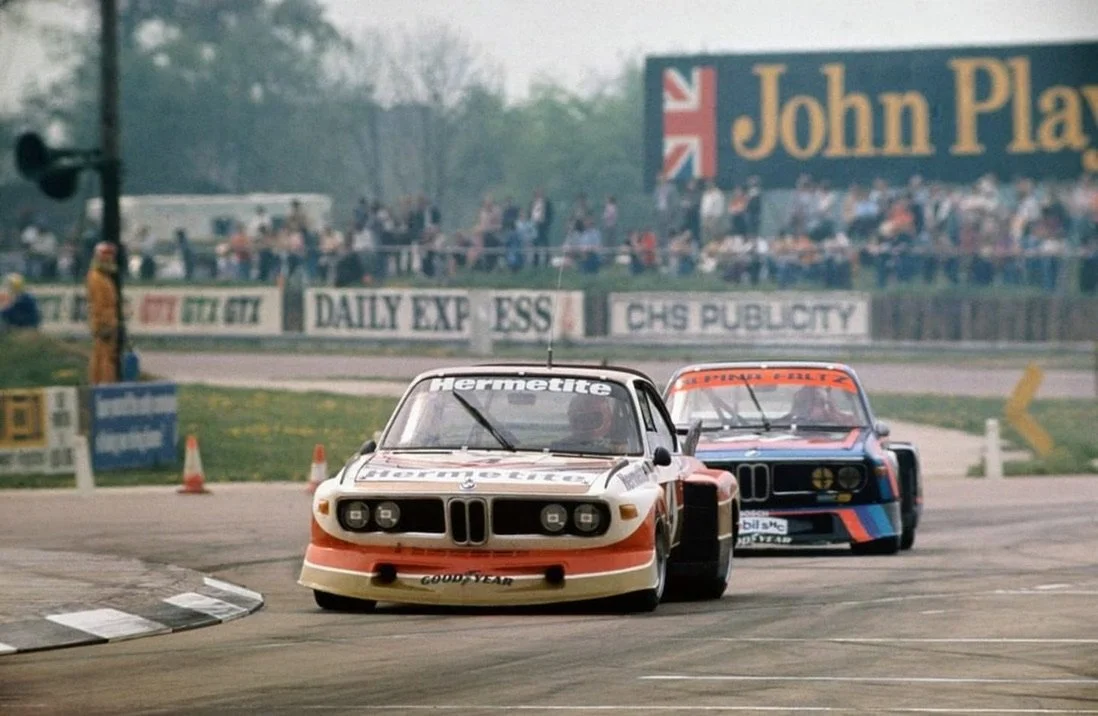
Gleeson is seriously considering returning his car to its later Hermetite livery. To this day, the car retains the Group 5 bodywork and documented M49/3 engine and gearbox installed by BMW Motorsport race team mechanics in 1976.
“When I first bought it, my initial reaction was to put it back to full Sebring spec,” Gleeson relates. “The Group 4 bodywork is just lovely, but I have other cars with that bodywork. And if I take it back to the Group 4 front splitter, fenders, wing, and arches, I’d have to put an M49/2 engine in to make it period correct. In my head, I think, ‘Why would I take out the engine BMW team put in it in 1976?’ An M49/2 engine is the rarest of the rare, a replica would cost $200,000, and the engine and gearbox I have are fully rebuilt by the best in the business.
“You see replica motorsport cars all over the world, but there was only one Hermetite CSL, and this is it,” he concludes. “So, I think I’m going back to Hermetite. Haven’t done it yet, but I’m tempted.”
Accurately tracking the history of significant racing cars is a tricky business, made even more complicated by BMW’s unorthodox reverse chassis numbering system on early CSLs. The bottom line is BMW E9 CSL No. 2275-987 is a certified stunner no matter how it is presented.

