
The Making Of A Classic American Racetrack
Laguna Seca: Built In 60 Days, Saved In The Nick Of Time
STORY | Jack Scarpino
Photography | Rafael Garcia
It takes a mysterious kind of alchemy to create a truly great race track. More than just an interesting layout, a track needs the perfect blend of history, location, and on-track action for its reputation to extend beyond die-hard car enthusiasts and attract new drivers and spectators alike.
The United States has quite a number of notable, historic race circuits, but few tracks are better known than Laguna Seca Raceway. Although the track now bears the name of its title sponsor, WeatherTech Raceway Laguna Seca, the circuit’s history dates back to more scrappy origins when, in 1957, a group of enthusiasts known as the Sports Car Racing Association of the Monterey Peninsula (SCRAMP) raised $1.5 million to build a race course on a decommissioned portion of the Fort Ord military base.
From these humble beginnings, Laguna Seca evolved into one of the headline events on any race series’ calendar, with the track’s crown jewel being the Rolex Monterey Motorsports Reunion, which takes place each year during Monterey Car Week.
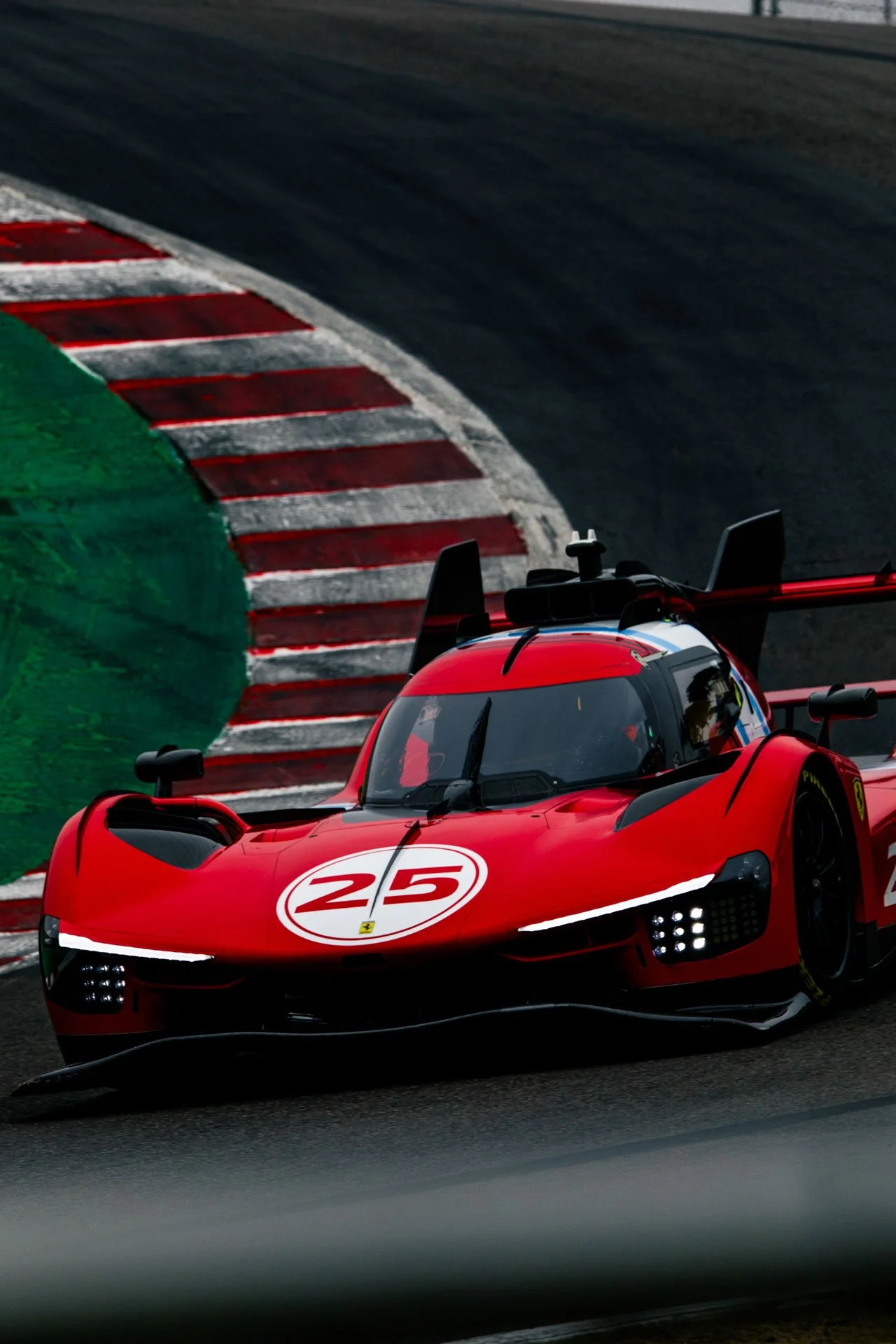
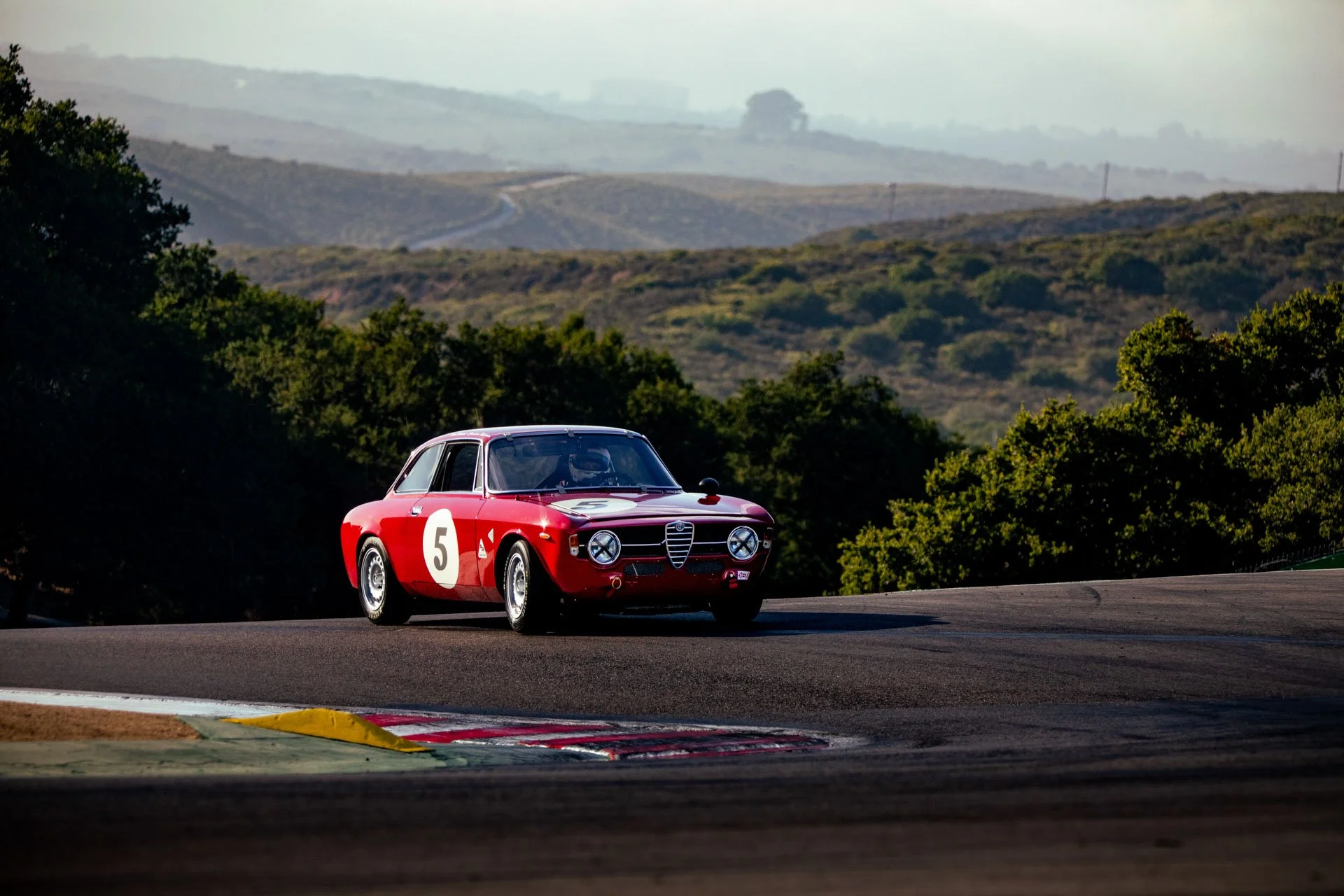
Situated just a few miles from the coastal town of Monterey, California, and with easy access to Highway 1 and 101, it became the natural gathering place for racers who were no longer allowed to compete on the tight, twisting roads through the Del Monte Forest after a fatal accident in 1956 shut down the Pebble Beach Road Races for good.
Built in a mere 60 days, Laguna Seca is nonetheless a standout course, offering a breathtaking combination of signature corners and areas for drivers to test speed and bravery alike. Its impeccable design gives the impression that considerable time was spent toiling over the layout. But in truth, a track diagram wasn’t even drawn until all of the pavement had been laid.
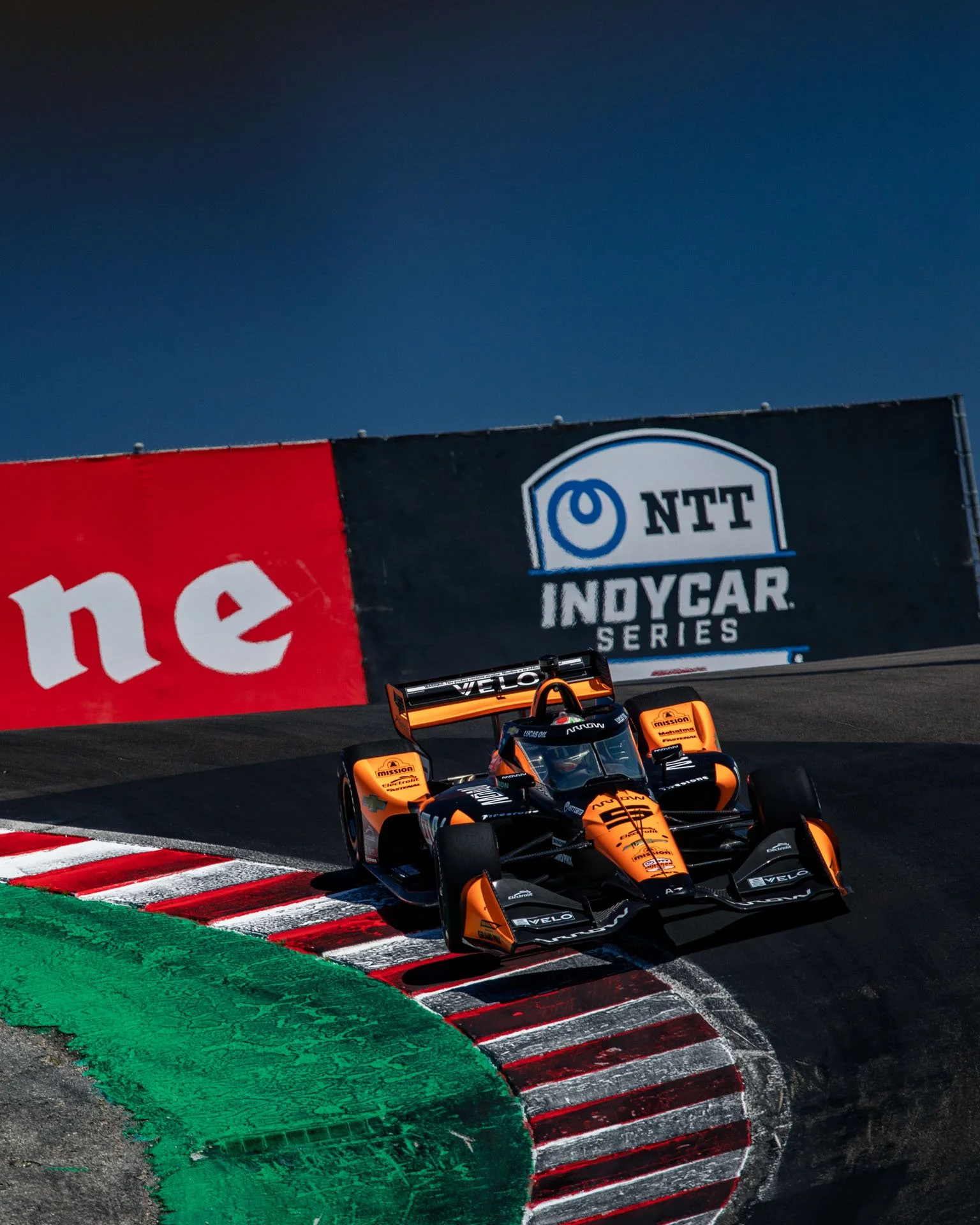
Legend has it that Laguna’s most famous turn—the Corkscrew—came into existence as the construction crew was about to break for lunch, and the bulldozer driver at the top of the hill was simply told to make his way down however he could. The path he carved is the now infamous near 60-foot blind drop, the track’s hallmark feature and one of the most well-known corners in all of racing.
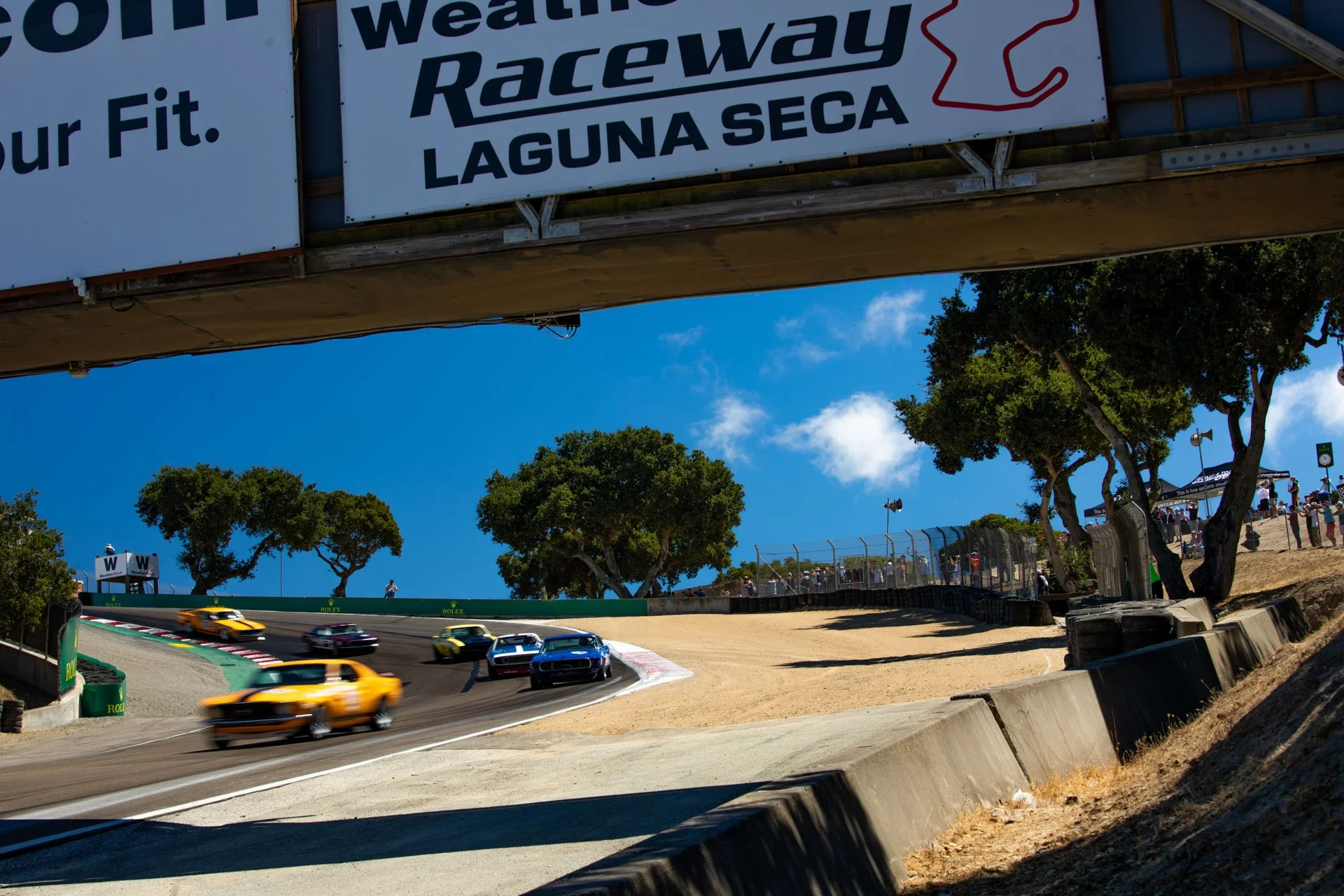
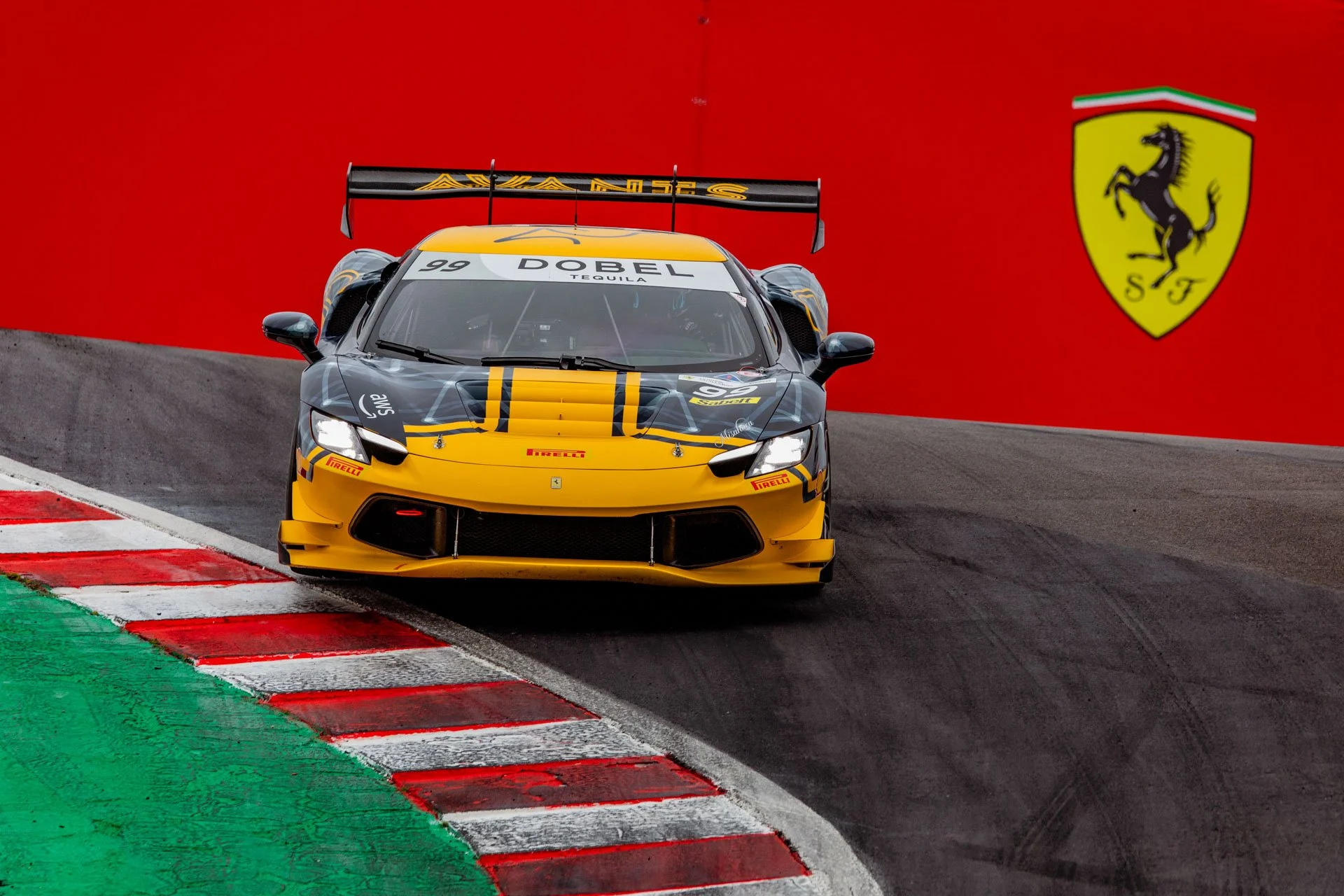
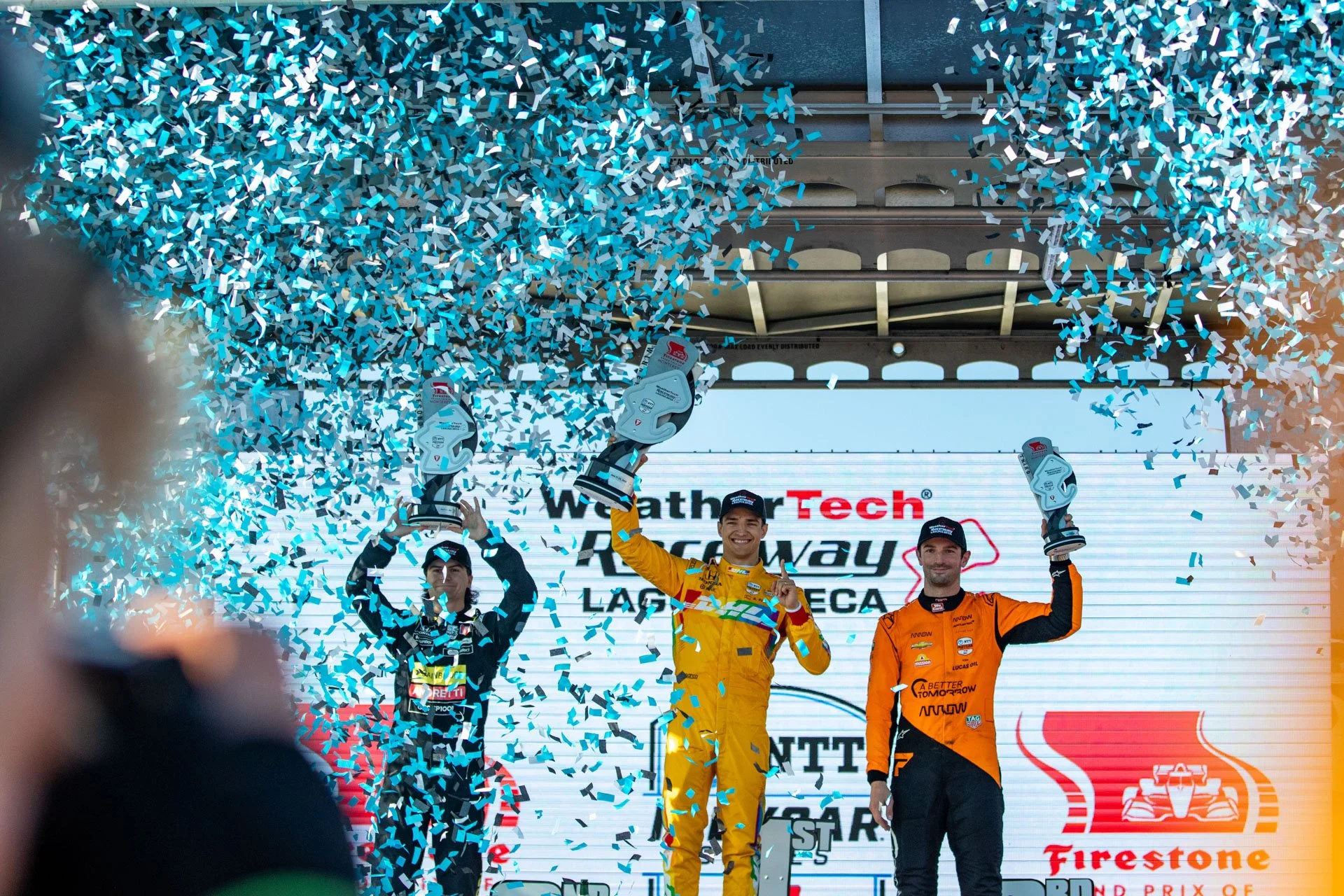
Since the inaugural race in November of 1957, where Pacific Northwest racing legend Pete Lovely took home the first-ever win at the track, Laguna Seca has become home to numerous racing series through the years, including Can-Am, Formula 5000, and the Indy Racing League. But few events at Laguna Seca bring in the crowds like the Motorsports Reunion every August.
One of the longest-running events during Monterey Car Week, the Reunion invites the owners of near-priceless race cars to dice it up with one another in packs around the famed track. A rarity for the week, attendees see Ferrari 250s and Porsche 935s not sitting on a lawn but pushed to their limits. With no prizes to contend for, the drivers and spectators are all there for the same reason—their enthusiasm for the cars.
Gathering the best cars in the world for an event like this is no small task; each year has specific themes to highlight and sponsors to coordinate with. One of the people who has helped with this task is Barry Toepke. On and off for more than 30 years, Toepke worked with the track— initially as a PR client, and later for the track exclusively as the Director of Heritage Events and Public Relations. Barry knows the ins and outs of pretty much everything that happens around Laguna Seca, but the Historic races hold a special place in his heart.
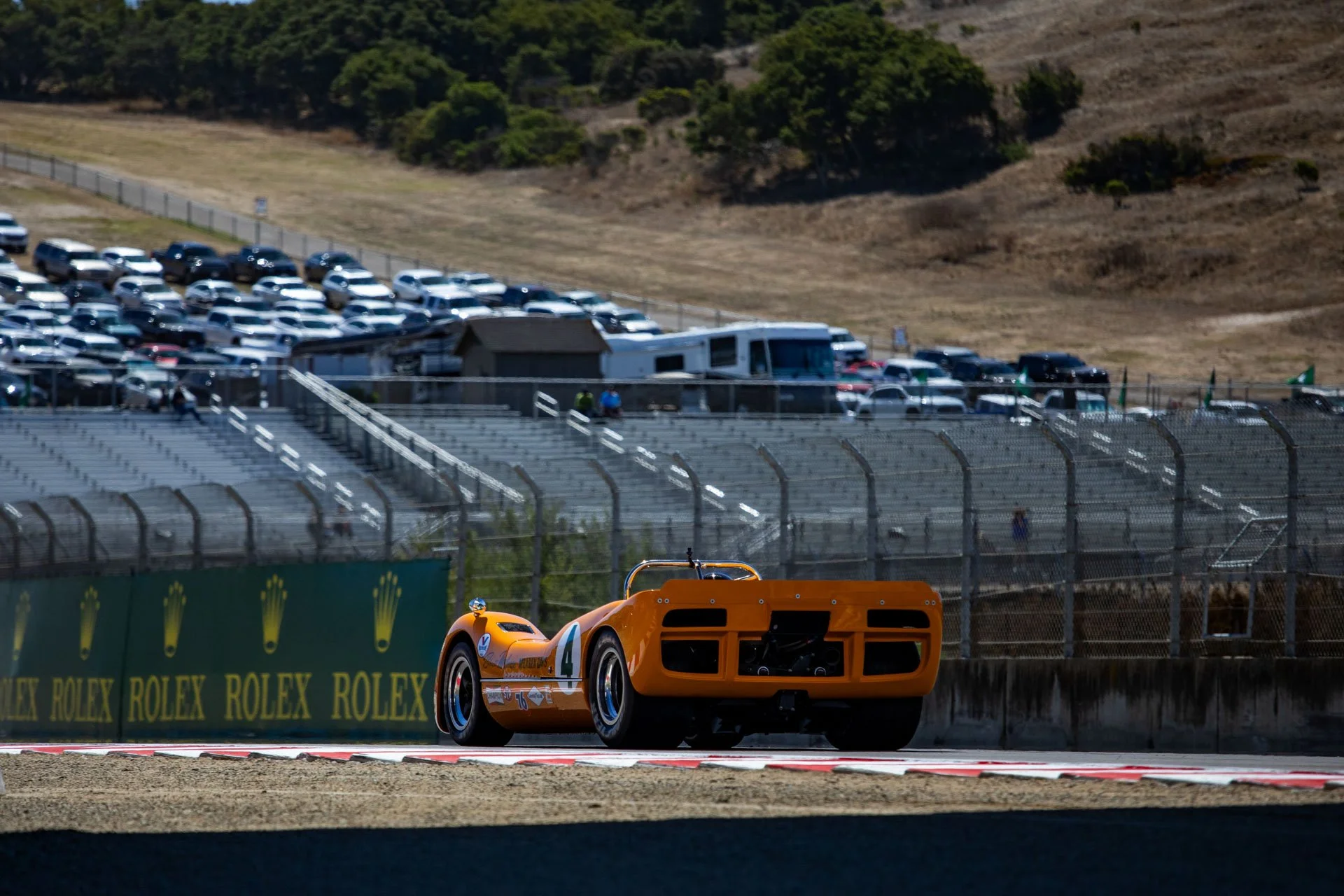
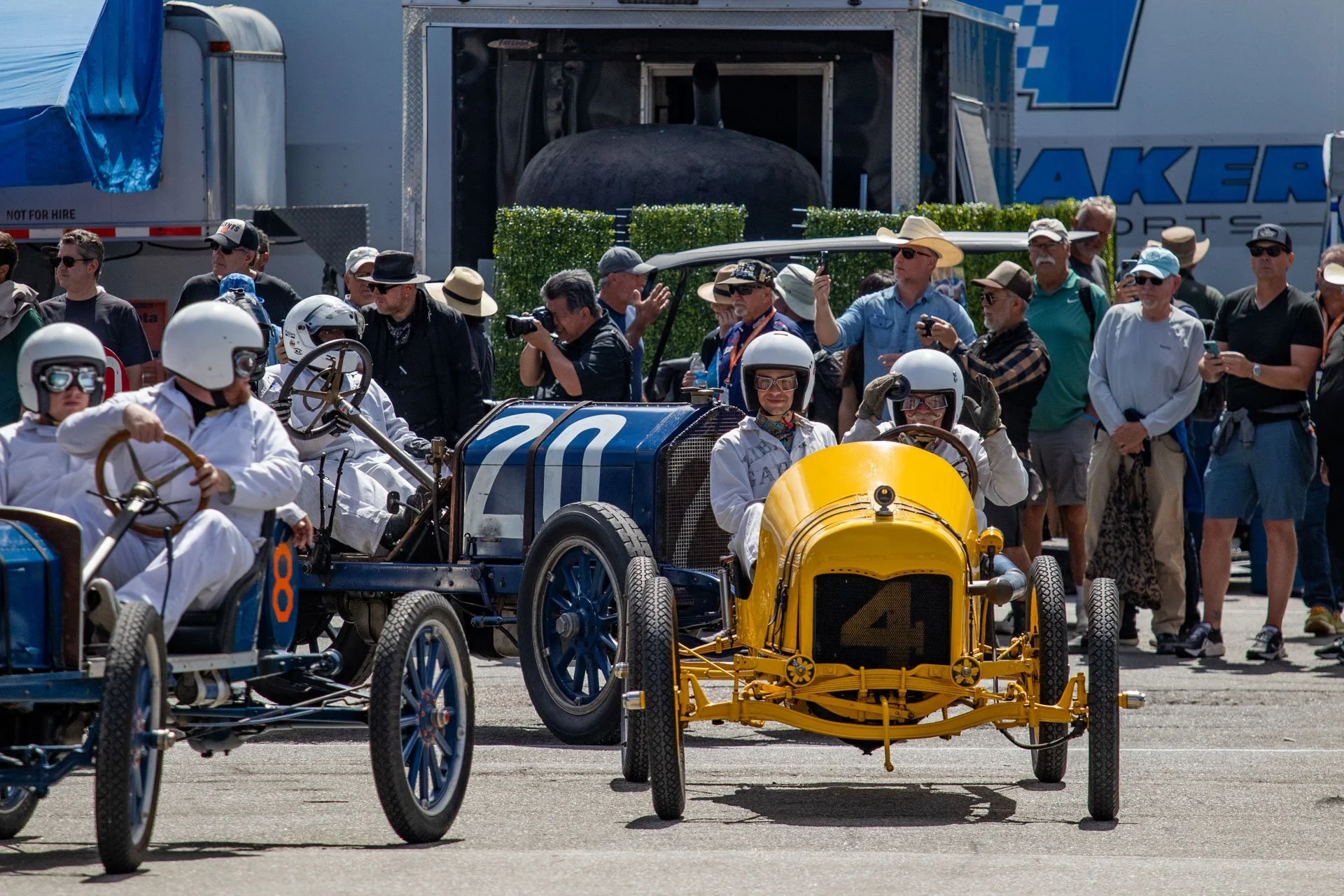
Each year, the Monterey Historics introduce a few special classes that are typically only featured for a single year—2025 will see the 75th Anniversary of Formula 1 celebrated with a wide array of race cars from the sport’s history coming from all corners of the globe. Additionally, a new class has been announced, bringing back the International Race of Champions (IROC) that will see numerous professional drivers from all different disciplines jockeying for position in near-identical Camaros and Dodge Daytonas—many of whom have never driven the track before.
While the event’s spirit has kept true to its humble origins, its popularity has grown significantly, and the facilities have not made strides to match. After a protracted tug-of-war over ownership, at the end of 2024, the track’s management was taken over by the non-profit Friends of Laguna Seca Foundation. Spearheaded by track legend and renowned restoration shop owner Bruce Canepa, Friends of Laguna Seca has inked a 55-year agreement to manage and improve the track, with some significant changes expected by 2026.
Before the Friends of Laguna Seca, the track was in pretty dire straits. Maintenance and upgrades were the responsibility of Monterey County; required to meet the needs of its 440,000 residents, it was difficult for the municipality to justify investing the money necessary to keep the track operational, let alone set aside extra for improvements. To quote Canepa, “If you think running a restaurant is difficult, try running a race track.” But Canepa understood that changes needed to happen quickly, speculating that “...within the next three to five years, the county would have handed the track back to the Bureau of Land Management, and that would have been the end of it.”
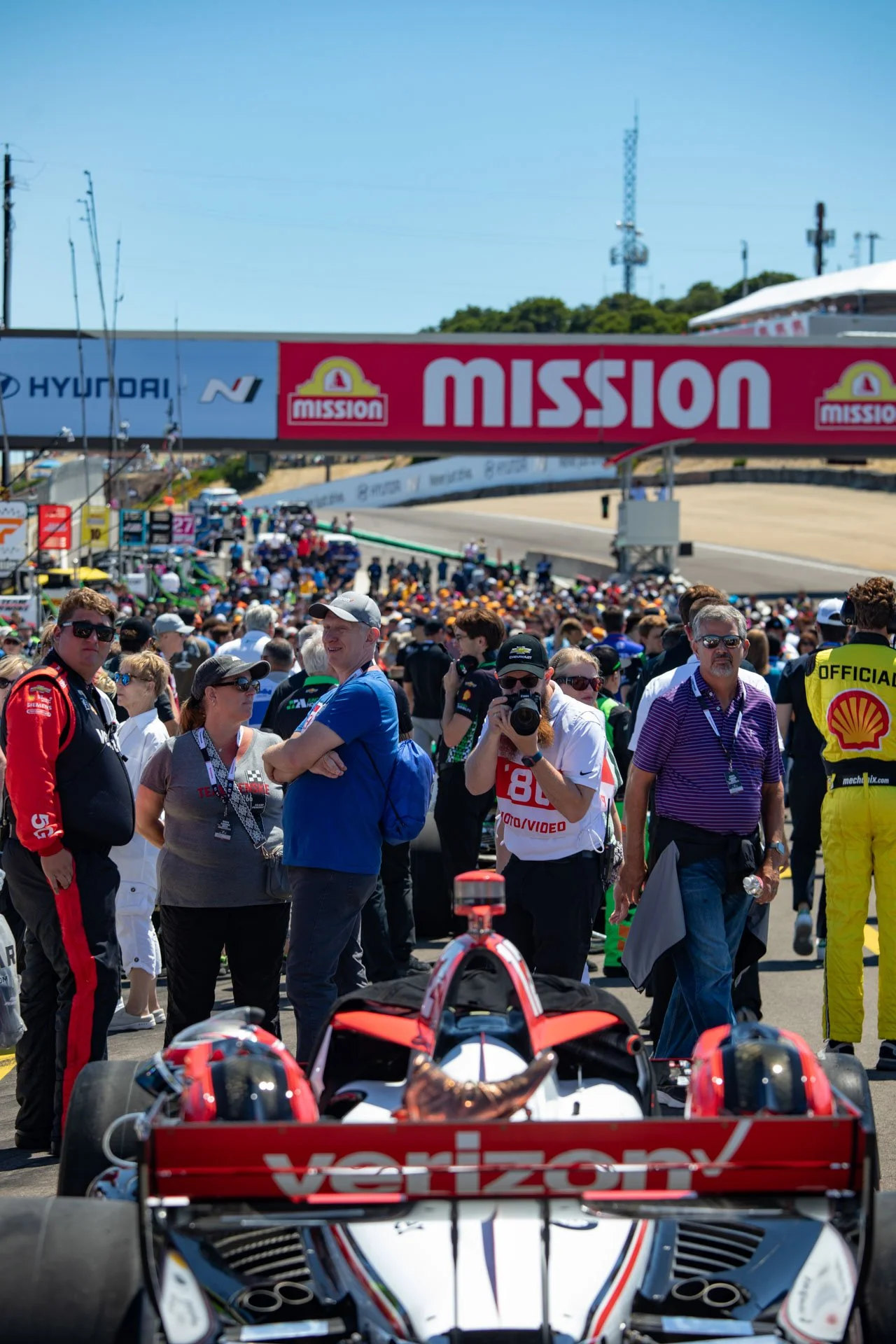
After several unsuccessful attempts, Canepa finally convinced the county to let the Friends of Laguna Seca take control. Now, their goal is to raise $75 million dollars to maintain the track and make the facilities as world-renowned as the course. With improvements to the suites and pit-side garages already in motion, the master plan includes new buildings on the infield and in the greater pit area along the track, as well as more amenities around the Corkscrew.
Canepa has teamed up with a group of like-minded enthusiasts, each with experience in different businesses, all of which are relevant to the track’s advancement. Fellow Monterey Car Week staple Gordon McCall—co-founder of the Quail Motorsports Gathering and car-week kickoff party at the Jet Center—knows how to organize successful events, while real estate developer Ned Spieker can help with the new buildings going up around the track. With a dedicated team of seven, the one thing that ties everyone on the board together is their love of cars and the historic race track.
New agreements have been signed with all of the track’s major series, including IndyCar, Moto America, IMSA, and Ferrari Challenge, while a constant flow of manufacturer testing, track days, and other events ensures that the track is always busy and bringing in revenue. Part of the agreement stipulates that nobody on the board or from the county can pull money out of the track, so everything the track makes gets reinvested to keep things operating long-term. To quote Toepke, “I’ve been around Laguna for a long time, and I’ve never seen the future as bright as it is now.”
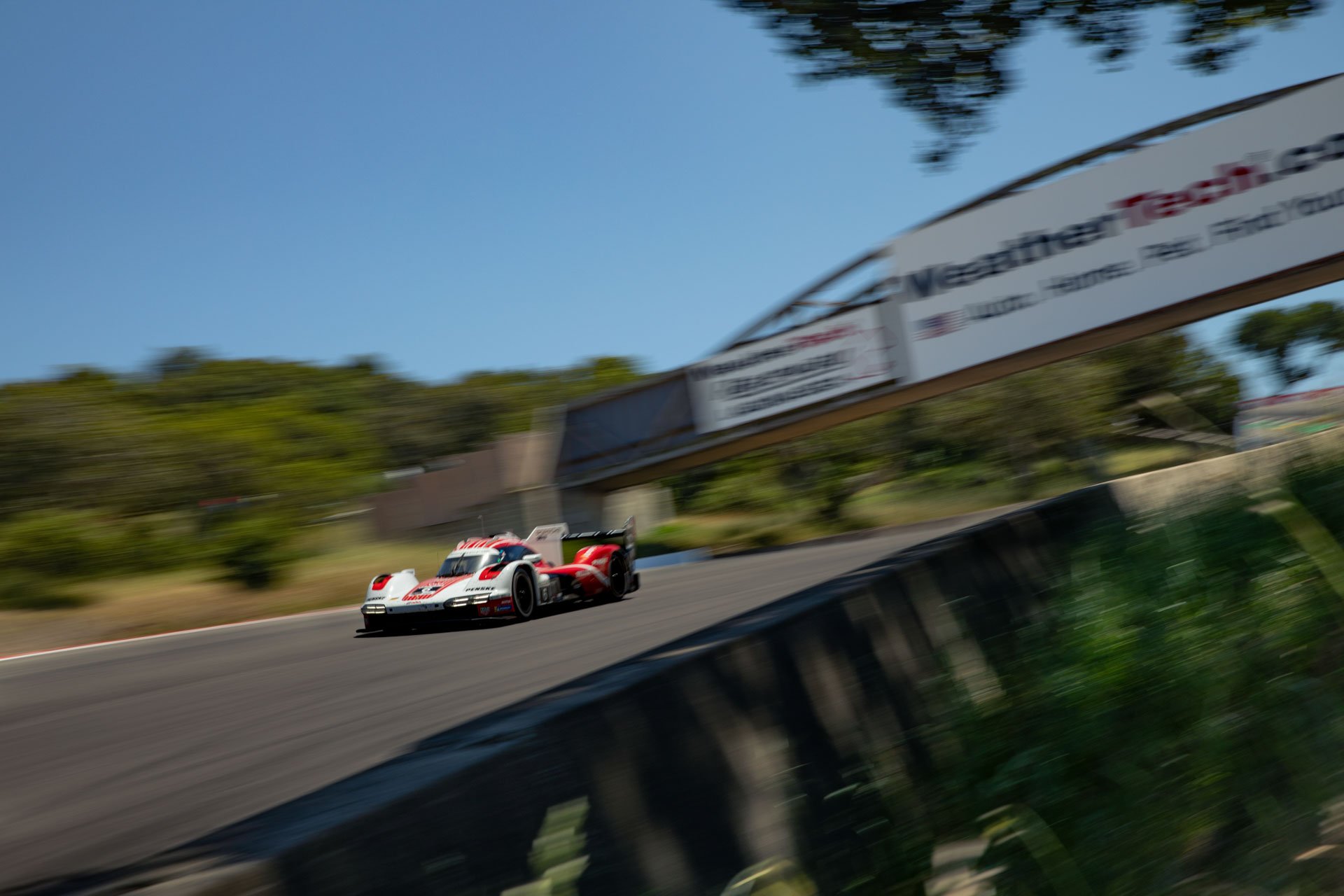
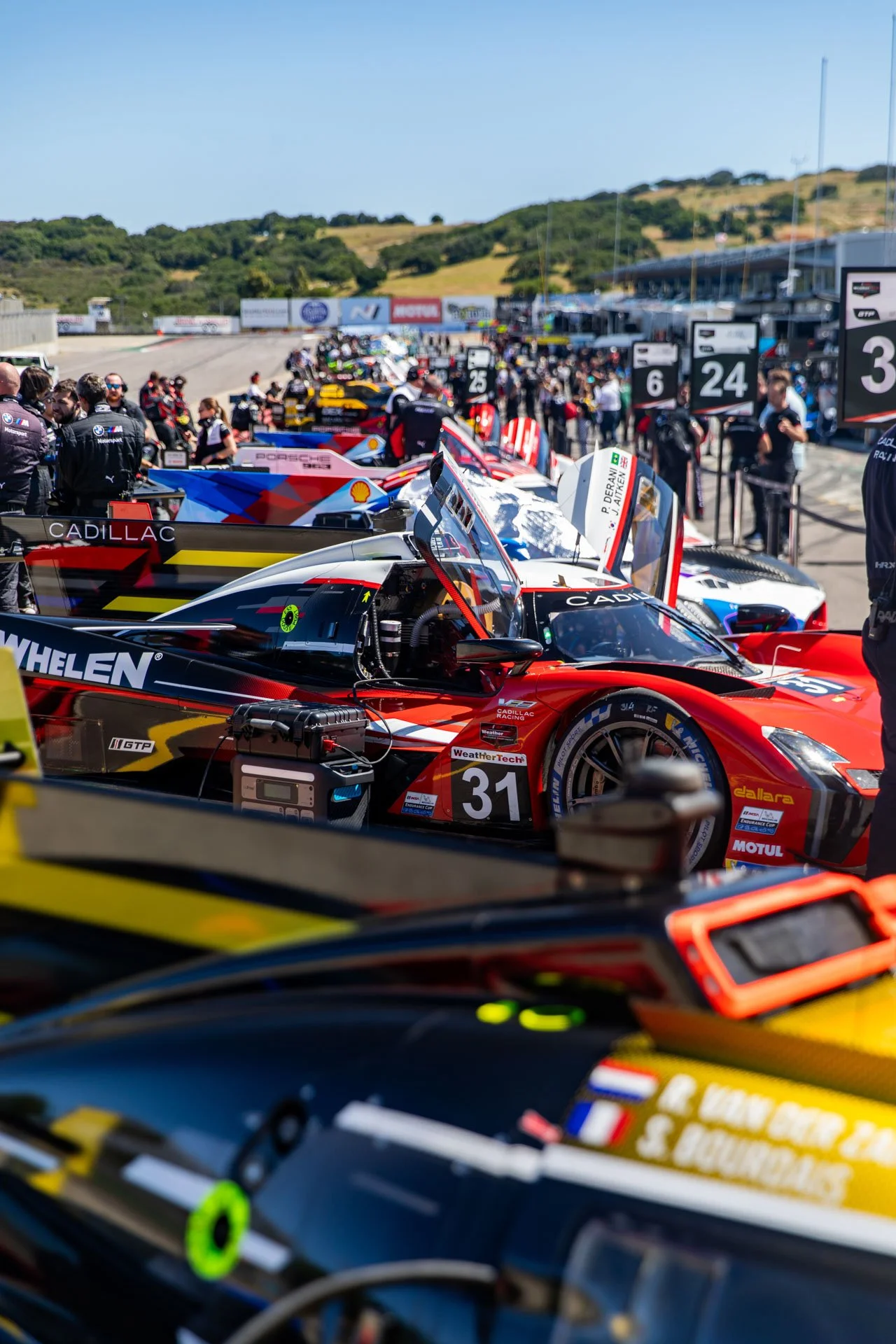
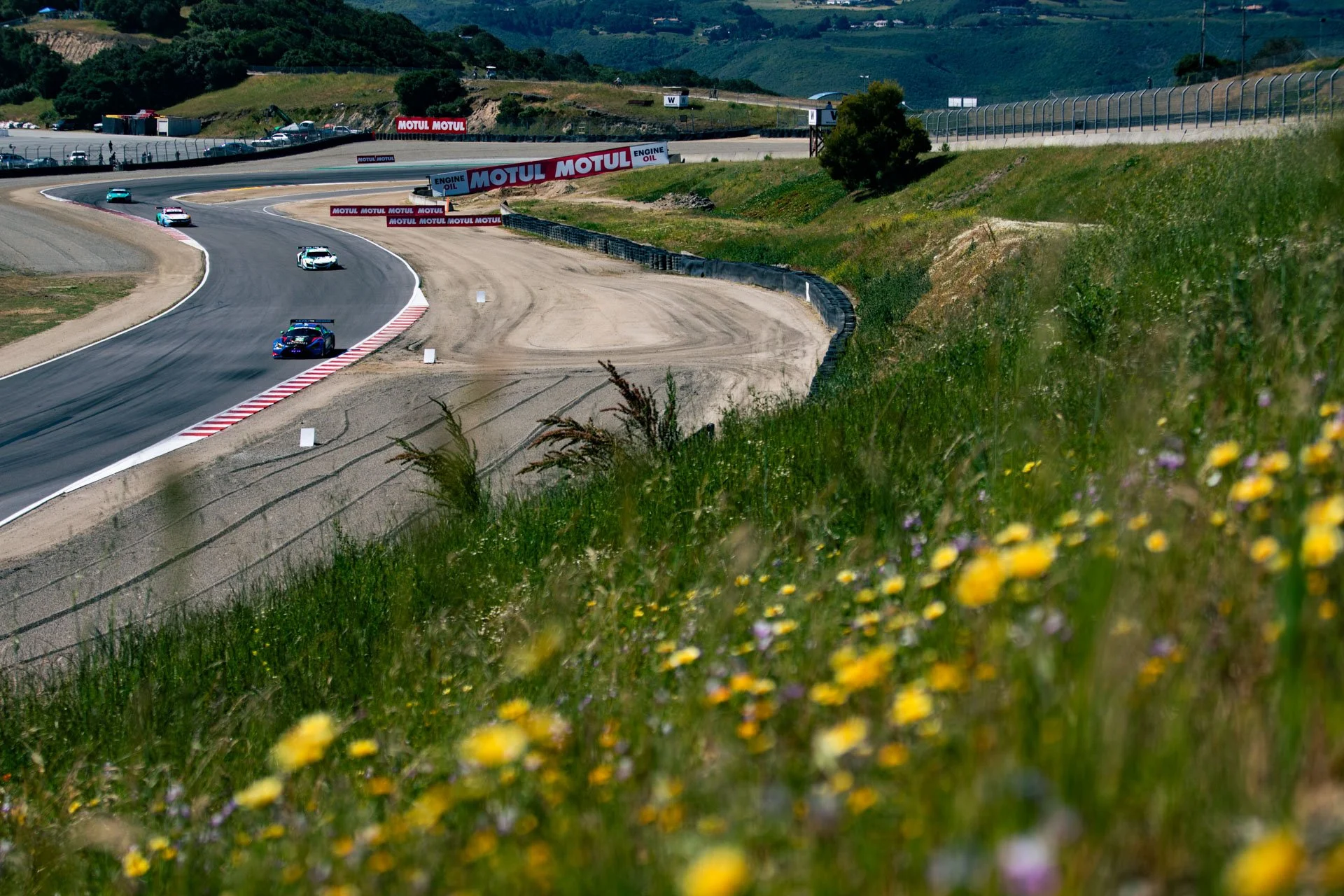
In addition to the revised facilities, Friends of Laguna Seca just entered a deal with Porsche to build the country’s third “Porsche Experience Center” at the track, along with making the brand from Stuttgart the track’s official vehicle. With countless victories at the track and one of the largest Porsche events in the world—Rennsport Reunion—already taking place at Laguna, the partnership seems natural. This relationship gives Porsche access to the legendary track for its driver skill courses, and will draw enthusiasts to Laguna Seca, even when there isn’t a race on the calendar.
With these changes, Toepke and others from Laguna Seca are venturing out into the community to hear from residents what they like and what should maybe be changed, while also educating community members on the developments at the track and the positive impact it has on the area. Although figures vary, it is estimated that major events at the track brought nearly $250 million in spending to the Monterey Peninsula during the 2022 race season alone.
From its inception, Laguna Seca has been a track built by enthusiasts, for enthusiasts. What began as a five-year land lease is now nearing its 70th birthday—and on track to surpass the century mark, healthier than ever. Thanks to a diehard fanbase and a team of truly dedicated track workers, Laguna Seca’s future looks brighter than ever. As Barry Topeke once said, “This is entertainment, and we are here to put on a show.” Thankfully, for at least the next 55 years, the show will go on.

