
The Forgotten Fighter
Bernie Buschen’s Porsche 914/6 GT
STORY | Rhys Haydon
Photography | Karl Noakes
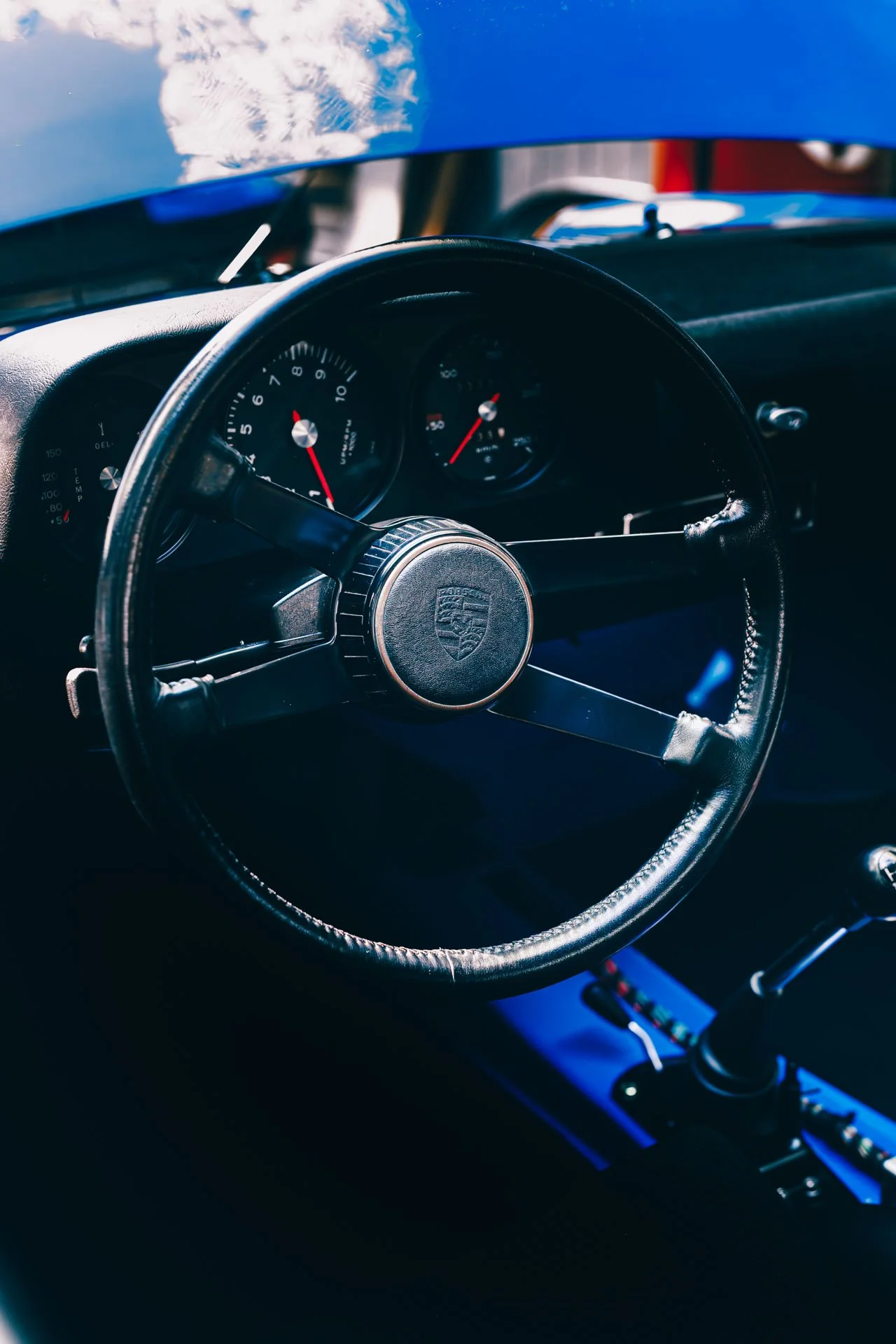
Since its debut at the 1969 Frankfurt Motor Show, the Porsche 914 has carried a complicated reputation. Born of a collaboration with Volkswagen, it was met with heavy skepticism from Porsche purists and the automotive press alike. Lacking power, with a short wheelbase and mid-engine quirks, it could be unforgiving at the limit. Its angular body looked like a failed art project. Inside, there was little to soften the experience: low-slung seats, a fixed steering column, and a dog-leg shifter sprouting from bare floorboards beside the heater controls. It wasn’t luxurious, it certainly wasn’t fast, and for a long time, it was barely considered a Porsche.
And yet, the 914 possessed a rare honesty. Lightweight, balanced, and eager, it rewarded skill more than status — which raised the inevitable question: what would happen if this chassis had real power and proper grip? What would happen if Porsche built this into a monster?
That answer arrived as the 914/6 GT. Built to satisfy homologation requirements set by the Fédération Internationale de l’Automobile (FIA) for production-class racing, Porsche planned roughly 500 examples. The GT took the basic 914 shell and fused it with 911-sourced performance, transforming the car into a focused racing tool. Commercial success was never the goal; competition was.
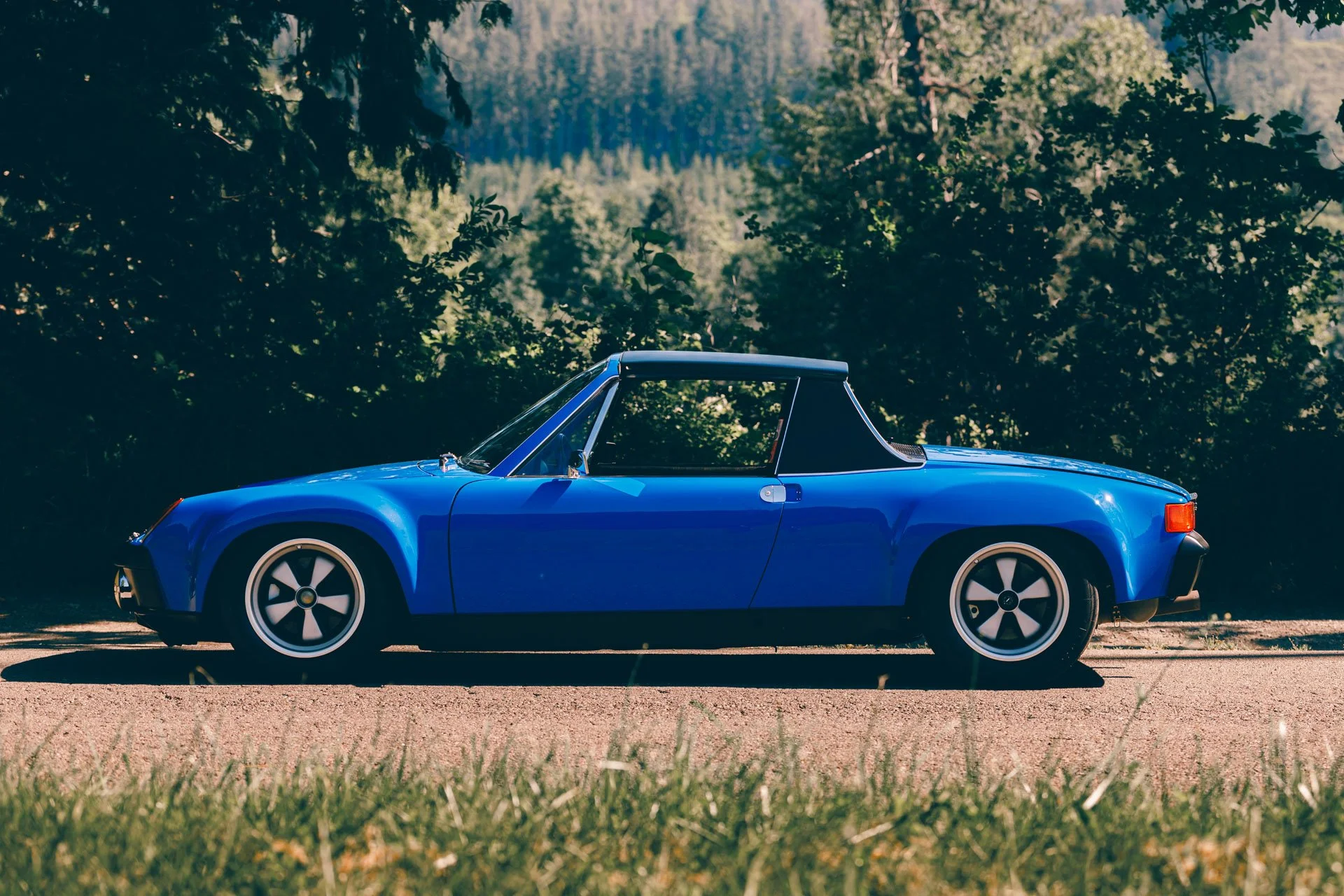
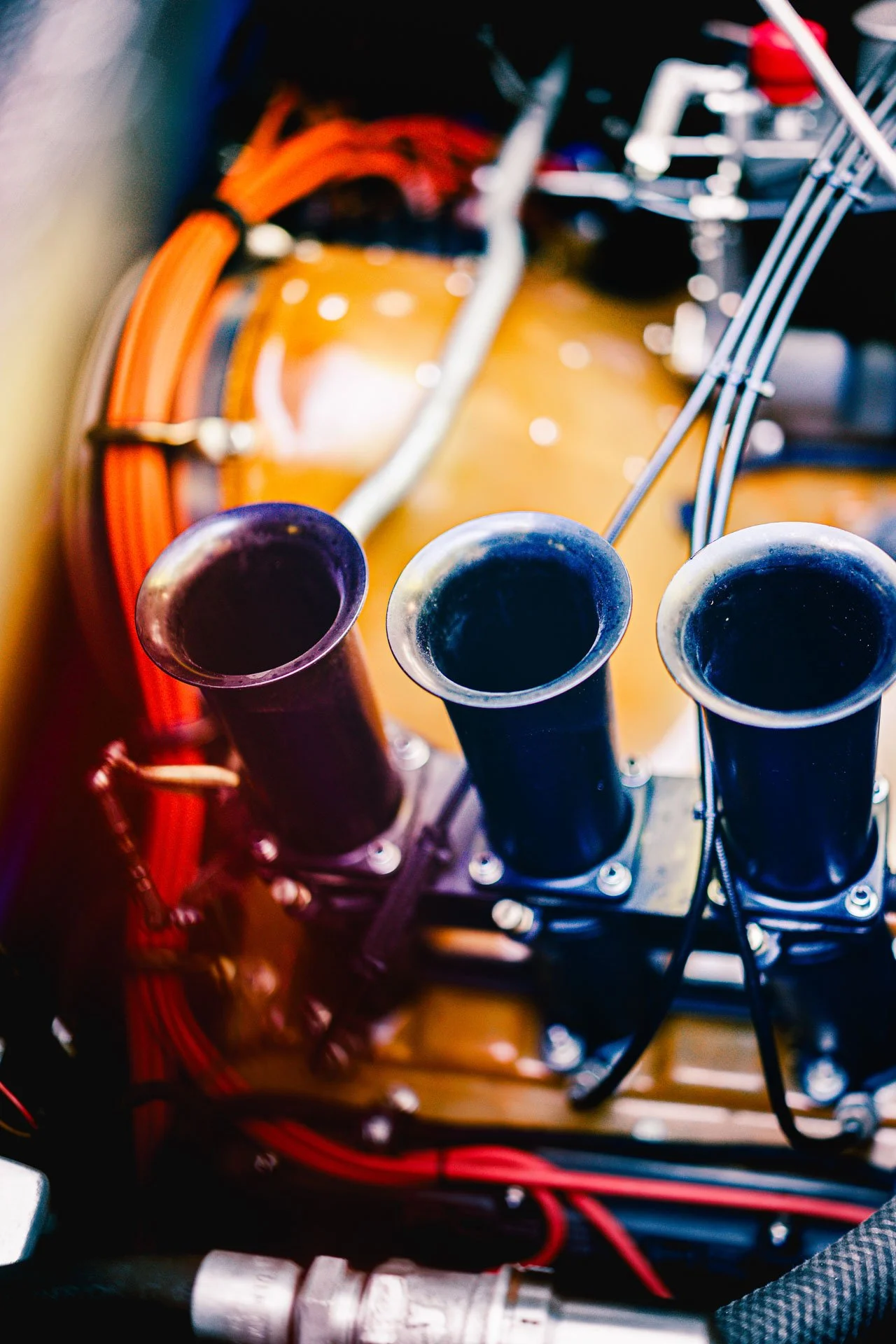
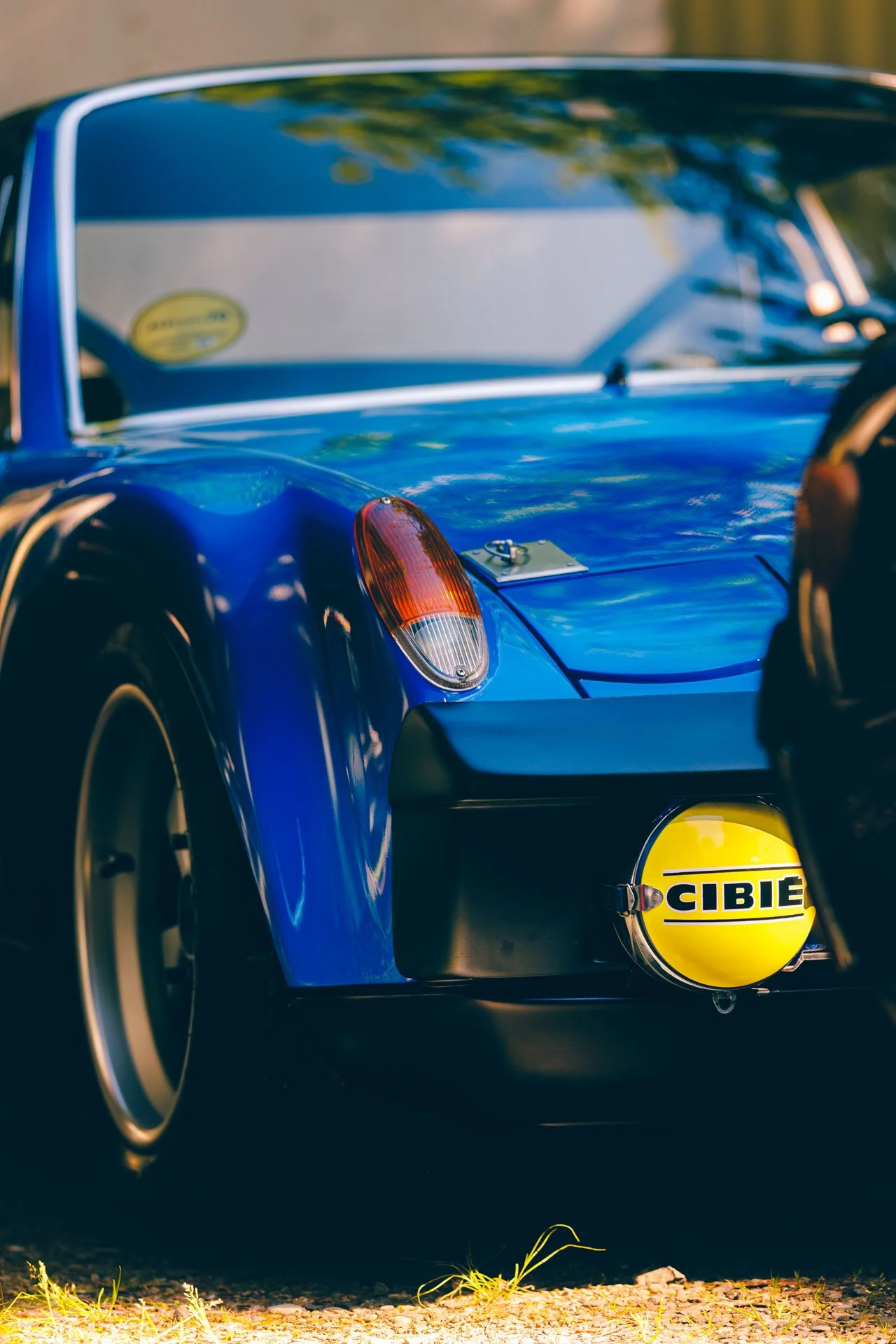
Porsche’s 914/6 GT program produced a remarkably small but influential group of cars across three main categories. The factory itself built and campaigned roughly 12 to 14 “works” cars in endurance races and rallies. Alongside these, Porsche supplied a limited number of privateer/customer cars — estimated between 16 and 47 units — to independent racing teams eager to compete under the marque’s banner. Complementing these full GTs was the M471 “Competition Option Group” package, which featured the trademark flared fenders and wider wheels but omitted the true GT-spec engine. About 23 factory-built examples were produced, with additional dealer kits sold later — though these are not classified as genuine GTs.
On track, the 914/6 GT silenced the critics. It claimed class wins at Le Mans and Daytona, and battled its way to overall victory in the 1970 Tour de France Automobile, along with a clean sweep at the grueling 86-hour Marathon de la Route at the Nürburgring, finishing 1-2-3. In 1971, a 914/6 GT beat tried-and-true Corvettes to win IMSA’s first sports car race at Virginia International Raceway. In short order, the once-dismissed mid-engine VW had become a legitimate giant killer.
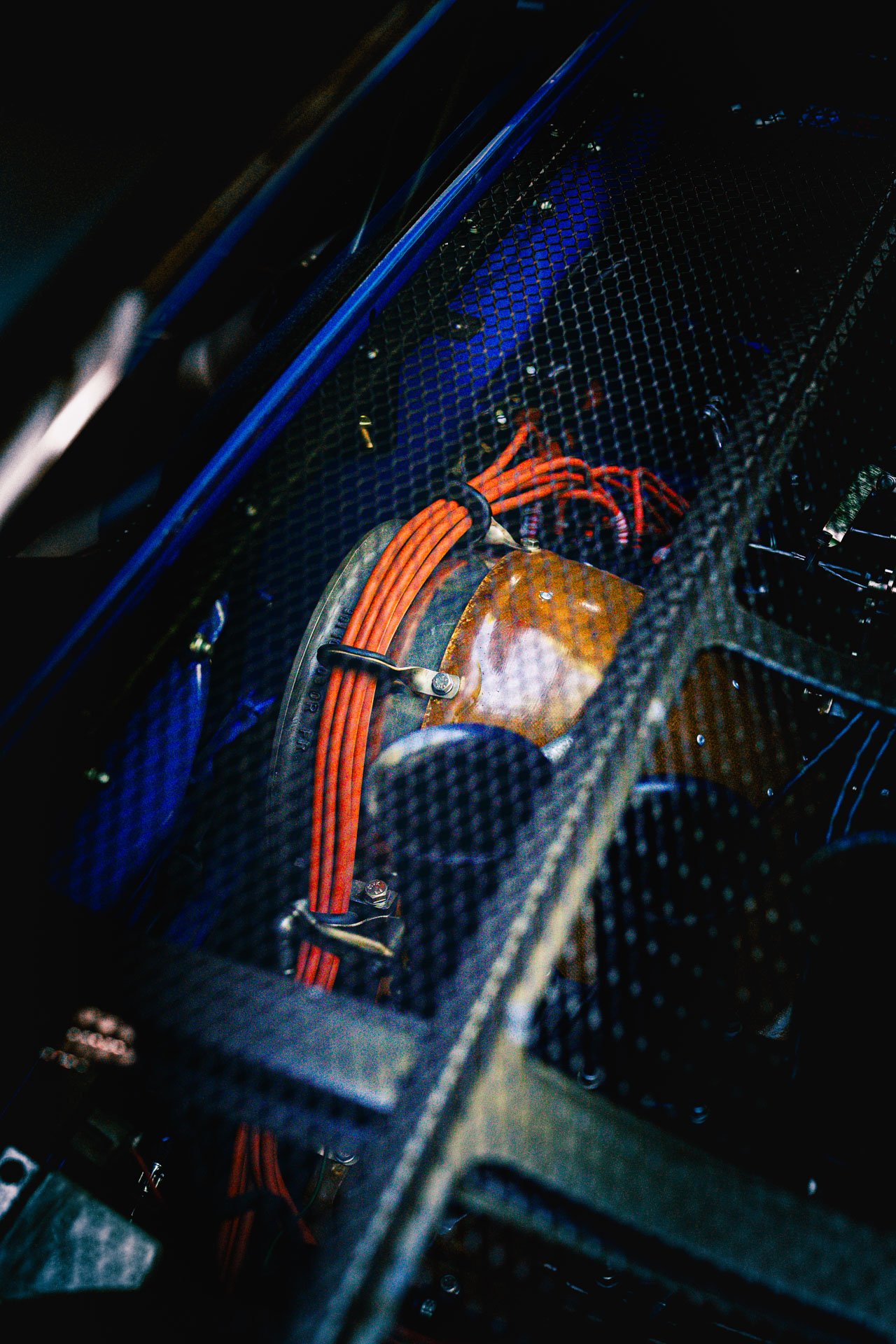
A MECHANIC WITH A DREAM
For Bernd “Bernie” Buschen, that story struck a chord. Growing up in Southern California, he spent weekends watching SCCA races during the age of the gentleman driver — when passion mattered more than polish. He admired the greats, including Steve McQueen and his 908/2, yet it was the smaller 914 that captured his imagination. It represented possibility: attainable, balanced, and unpretentious — a race car that could compete based on a driver’s skill, not just their checkbook.
By 1974, Bernie had opened his own repair shop, racing a VW Scirocco to multiple West Coast IMSA championships. Success both on and off the track came easily. It was only a matter of time and circumstance before he would find his dream. After selling his business, he moved north to Washington State and settled in Fall City, where he took a position at Vintage Racing Motors — a premier West Coast workshop dedicated to prepping and preserving historic race cars.
FINDING THE ONE
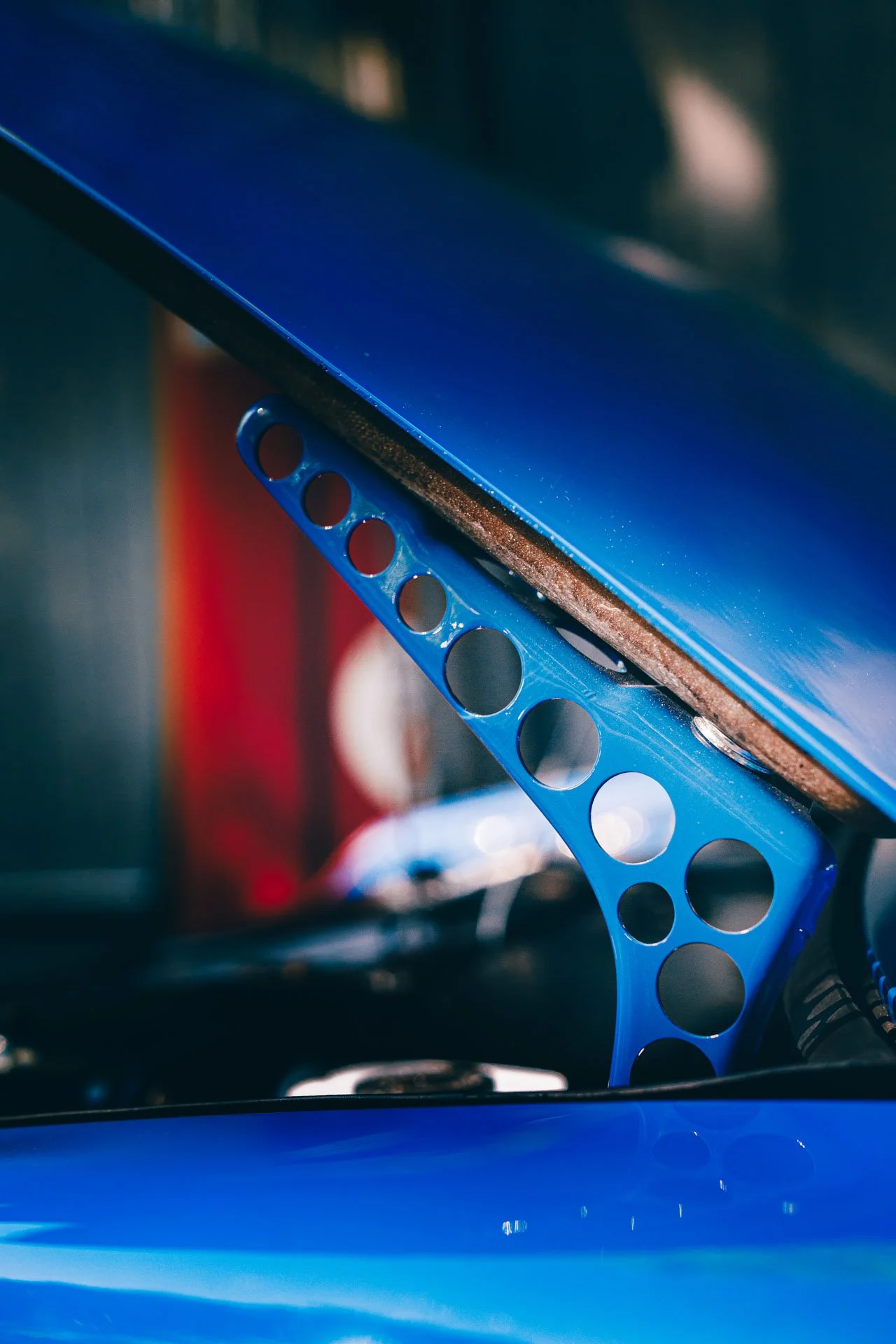
One evening, while flipping through Porsche Panorama, Bernie noticed an unassuming classified ad. It described a 914 with a 100-liter fuel tank, 908-spec brakes, and other clues that hinted at possible factory GT pedigree. Intrigued, he called the seller. When he finally inspected the car, the evidence was undeniable: balsa-wood-reinforced decklids, a correctly mounted center roll bar, and flared fenders that only true GTs wore. After decades of dreaming, Bernie had found the car. For him, it was the full circle of those Southern California days of dreaming.
Restoration would be a test of patience and skill. Years of racing and neglect had left scars. Bernie approached the task with a steadfast goal of perfection — meticulous, deliberate, and unwilling to compromise. Authenticity mattered; shortcuts did not. Piece by piece, he returned the 914/6 GT to the form that once terrorized circuits worldwide.
PROVING PROVENANCE
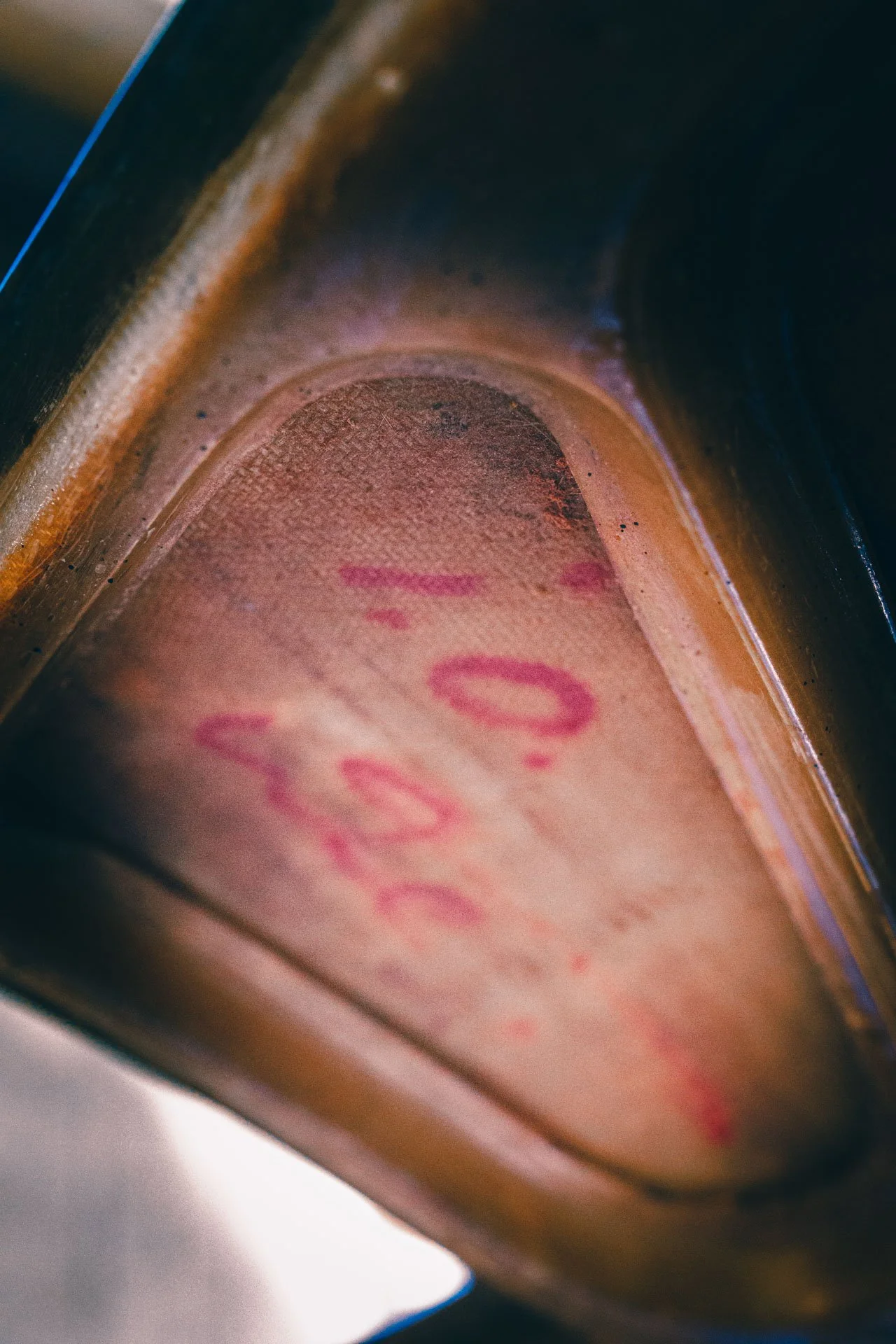
By the mid-1990s, vintage racing faced a new dilemma: multiple cars claiming identical chassis numbers and lineage. Rebuilt from scattered remains and crash remnants, many restorations took liberties with provenance and made false claims. A crashed front fender might turn into a completely new car, claiming to be the original. The FIA responded by suspending recognition until owners could prove each car’s heritage.
For Bernie, fate lent a hand. While an FIA official was visiting Vintage Racing Motors to inspect a 917, he happened to notice the blue 914 nearby. Documentation in hand, Bernie presented the evidence, and the inspector verified the car on the spot. The little 914 had its legitimacy restored — officially and forever.
COLOR, CHARACTER, AND CHOICE
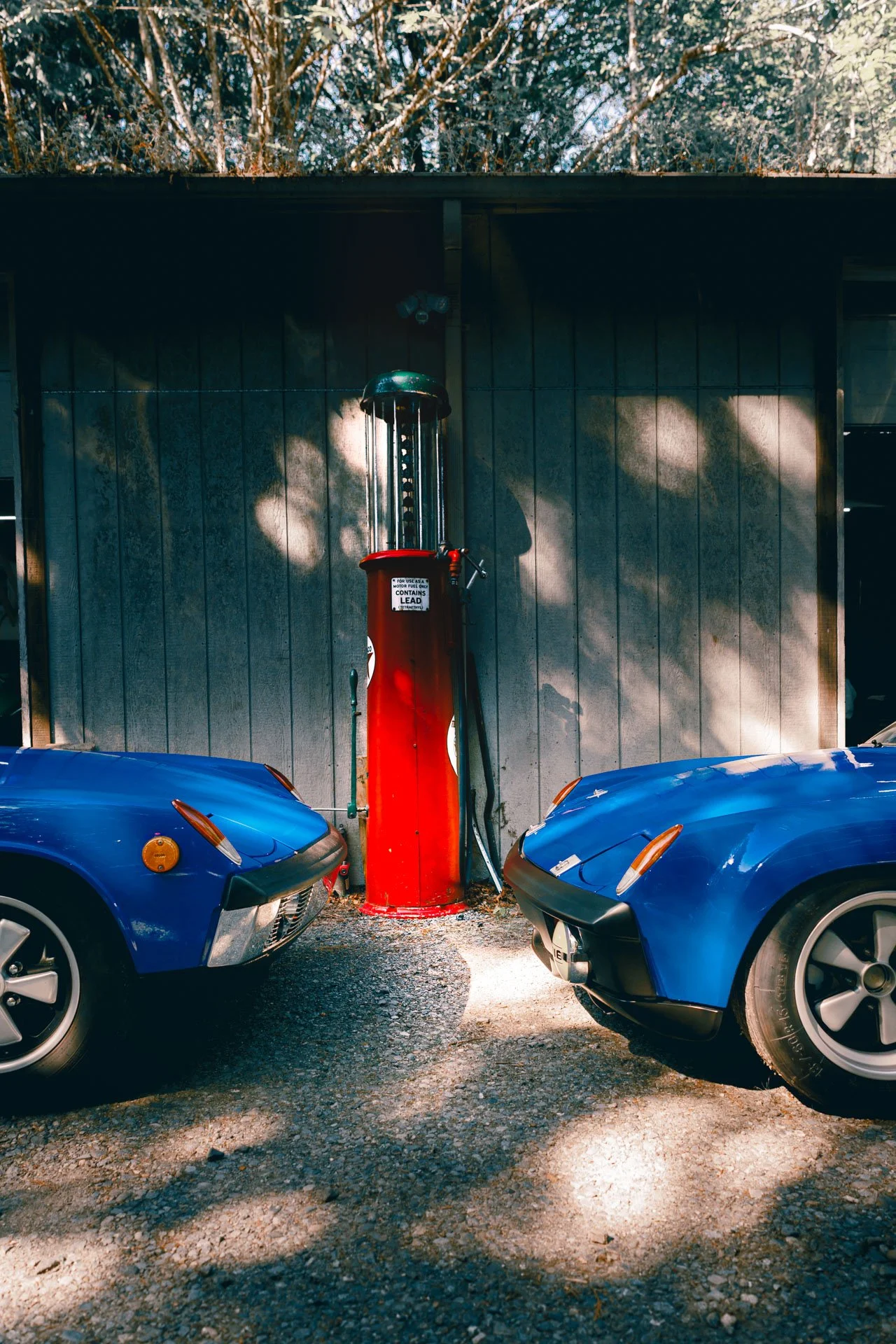
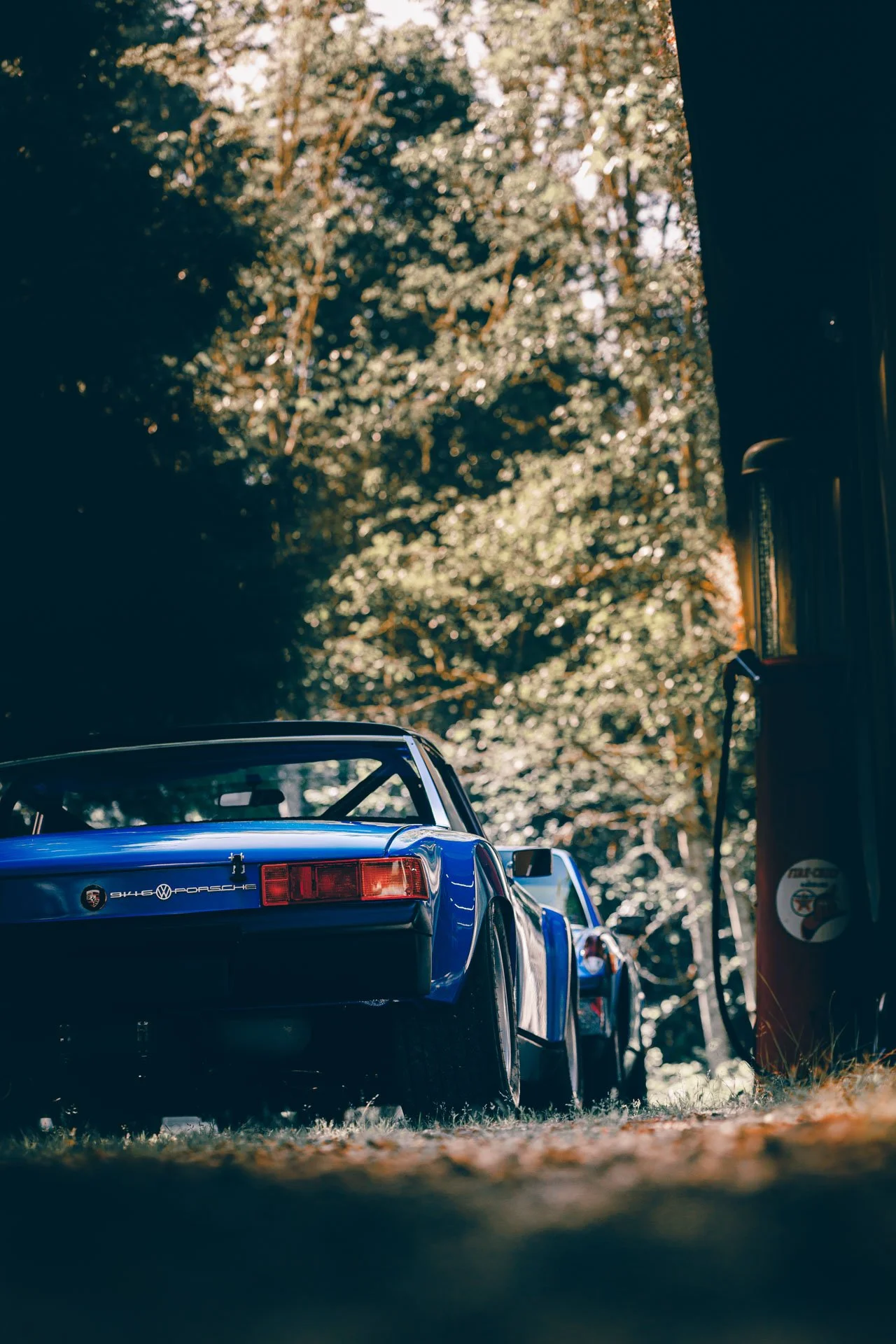
One question lingered through the process: color. The car had originally worn Signal Orange, and repainting it that color would satisfy the concours judges — but Bernie chose differently. He repainted the car Adriatic Blue — a factory-correct shade, but rare for GTs. The choice was personal, not political. “It’s the color that makes me want to open the garage door,” he says with a smile.
LEGACY AND REFLECTION
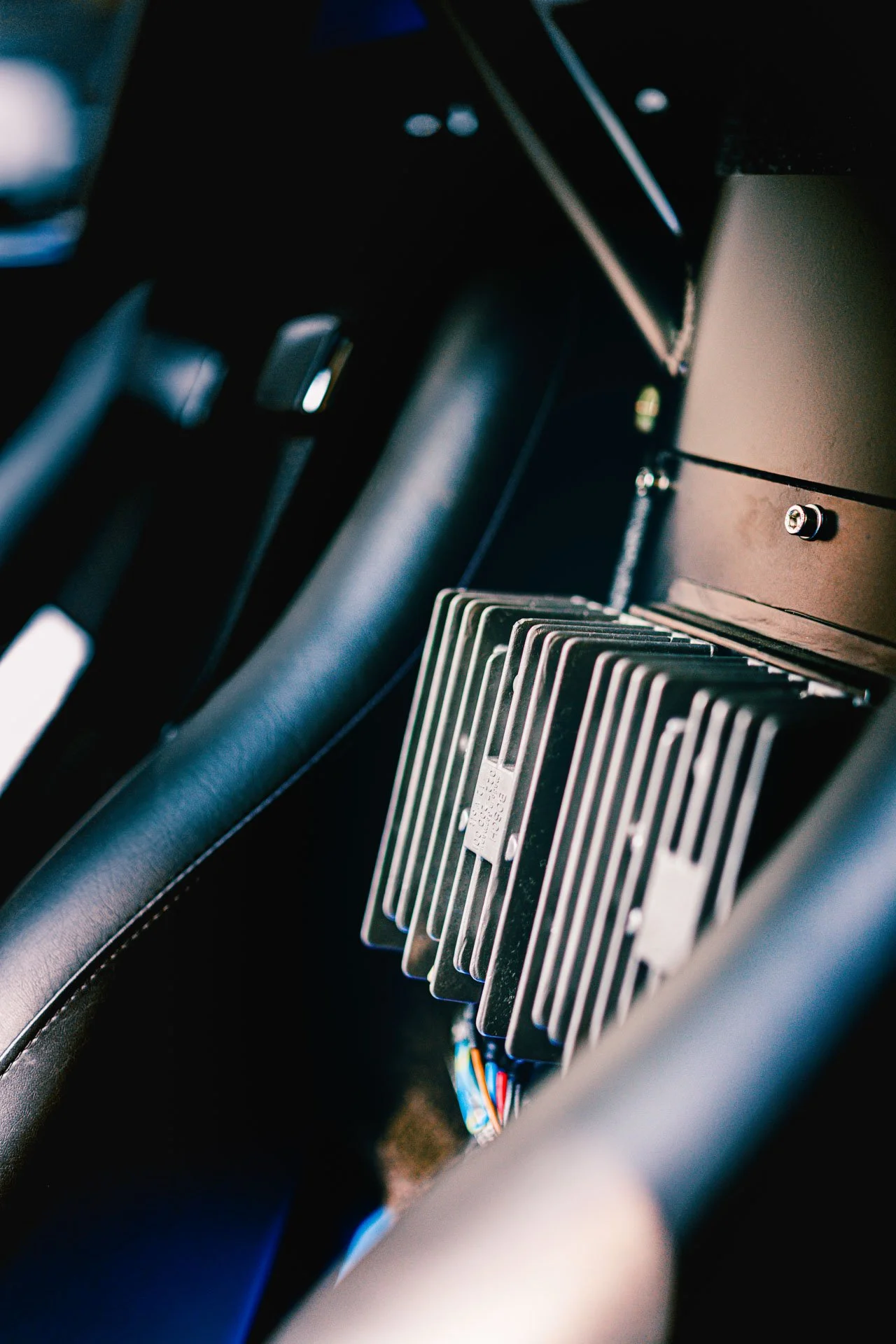
Restoring a car of this pedigree is neither fast nor easy. It requires equal parts research, craftsmanship, and willpower. Bernie spent years sourcing the correct components, assembling documentation, and ensuring every weld, fastener, and seam aligned with period accuracy. In an age of “reimagined” Porsches and hot-rod builds, his goal was the opposite: to preserve the integrity of a genuine 914/6 GT — to remind people of what it achieved.
The finished car radiates purpose. Open the door and there’s nothing frivolous. Fire up the engine and the flat-six erupts to life, its tone sharp and powerful. On the road, it feels alert, balanced, alive — proof that Porsche’s mid-engine experiment was never a mistake, merely misunderstood. The added grip and power over a stock 914 are unmistakable. The steering is balanced compared to a 911, and the increase in performance is startling.
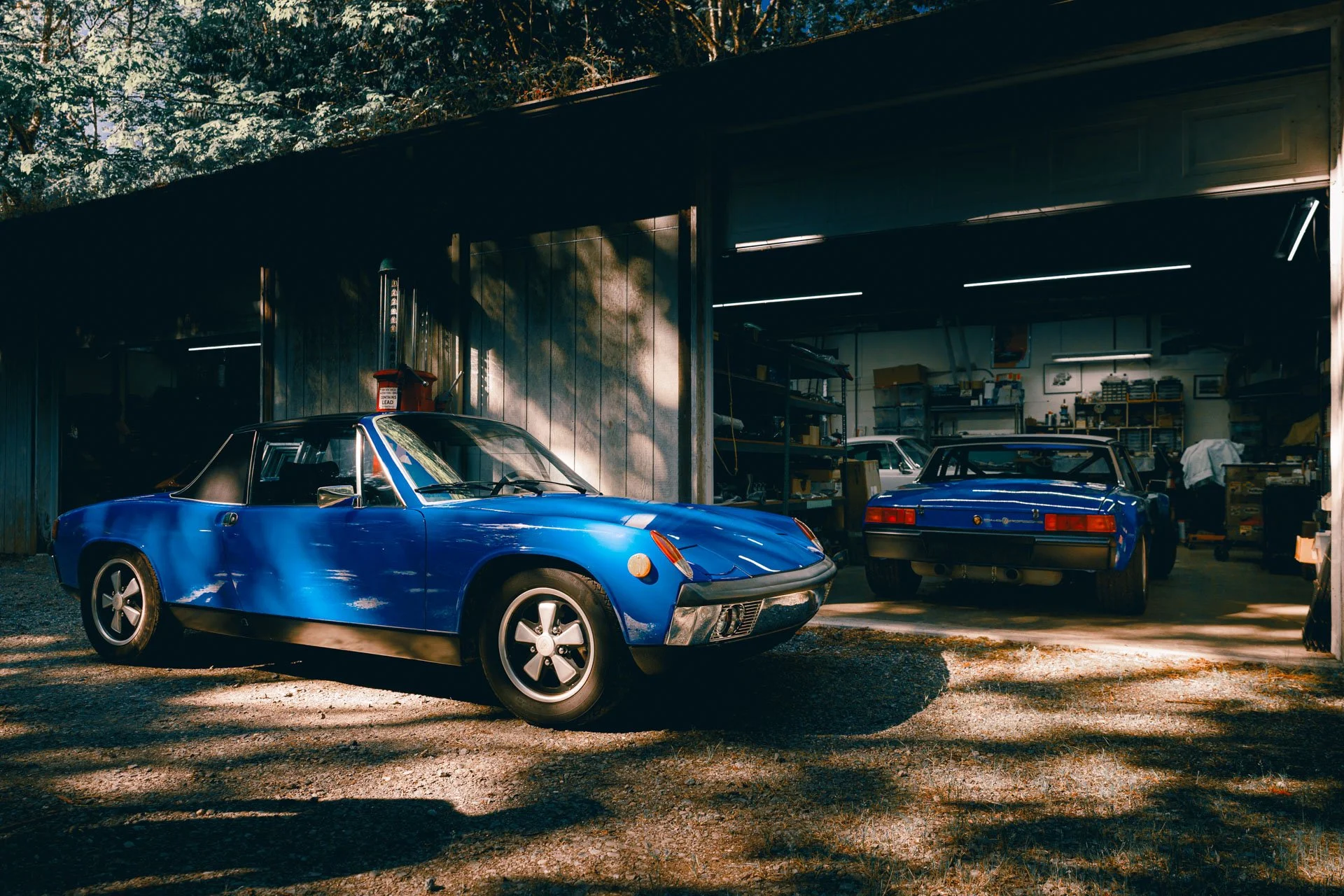
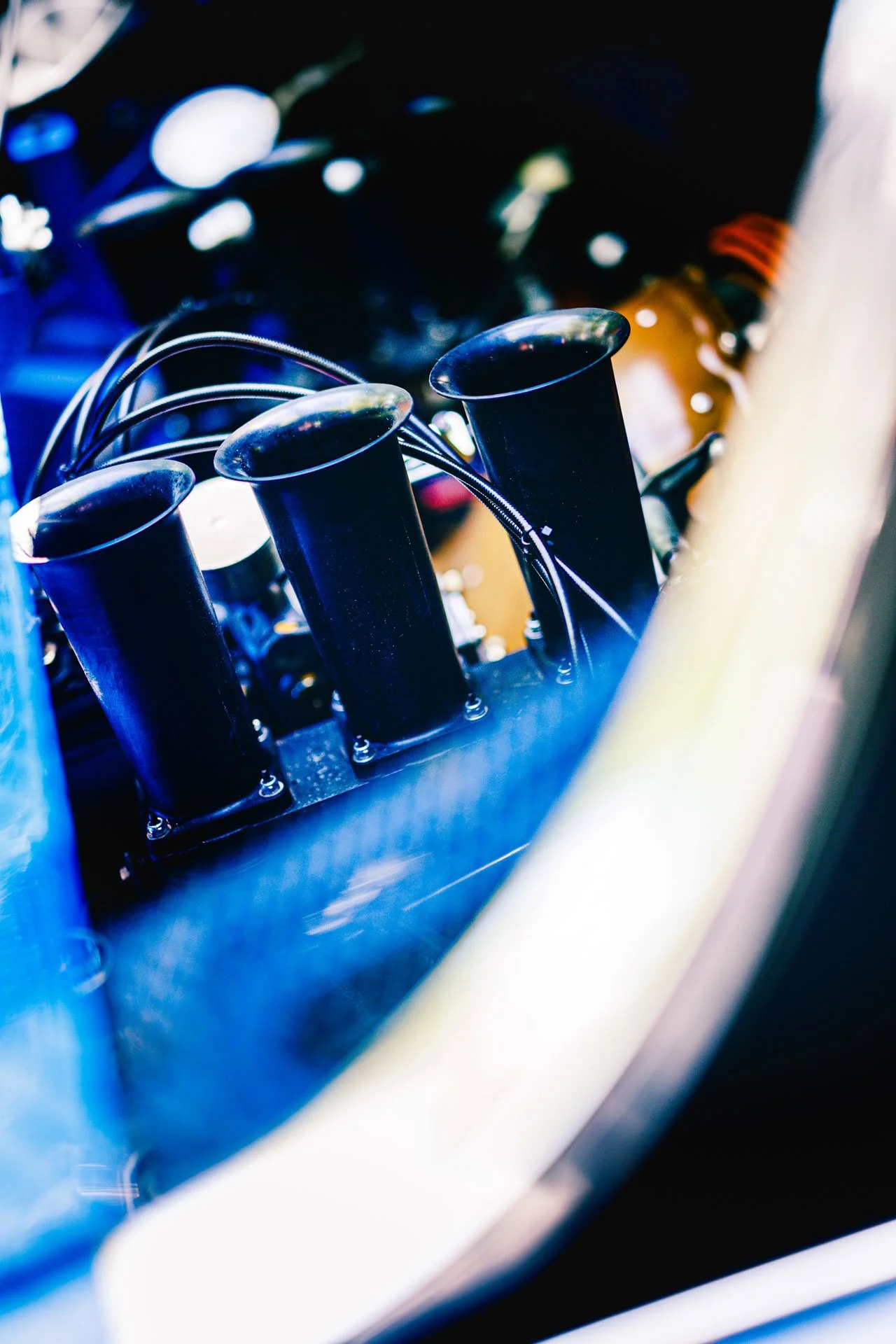
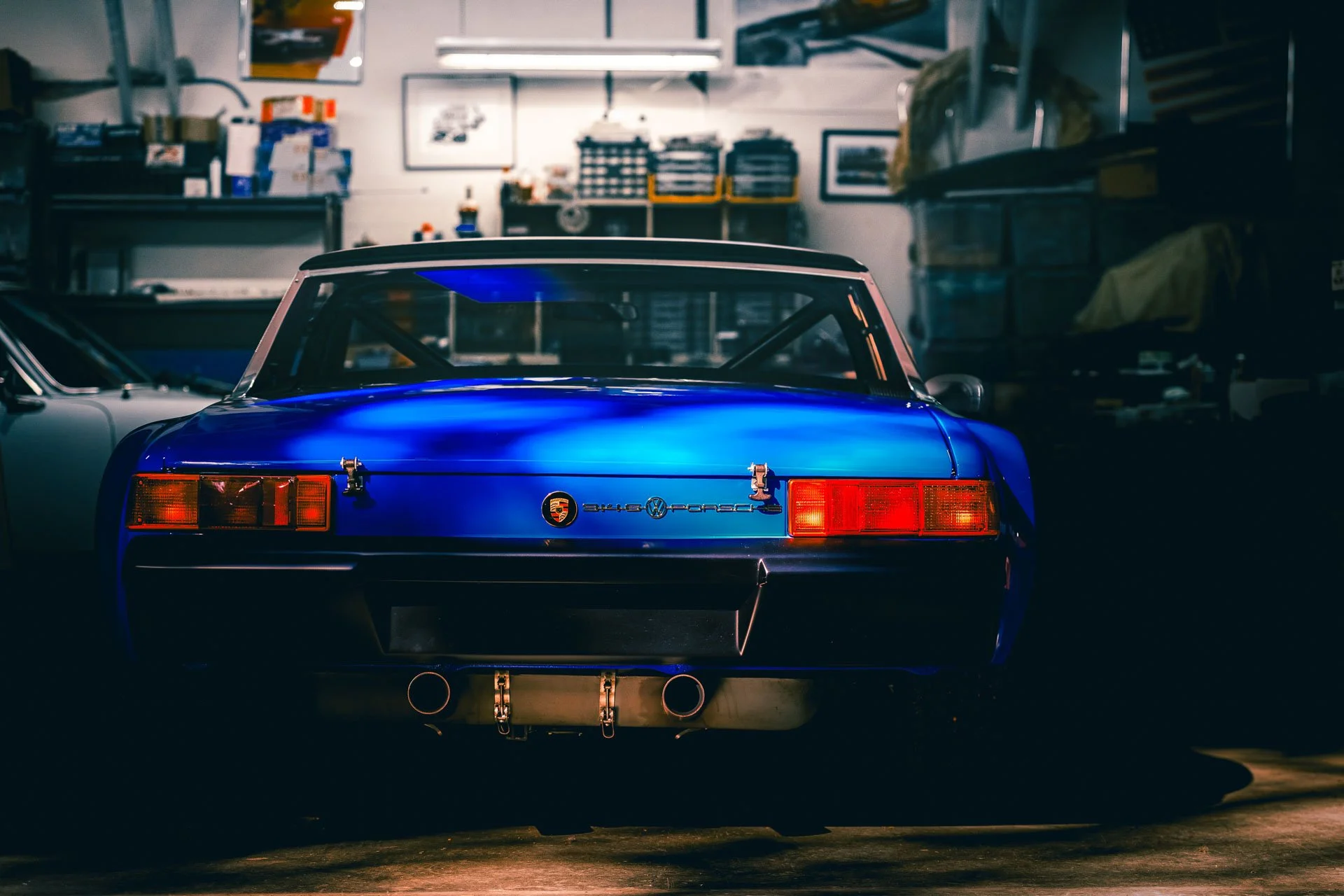
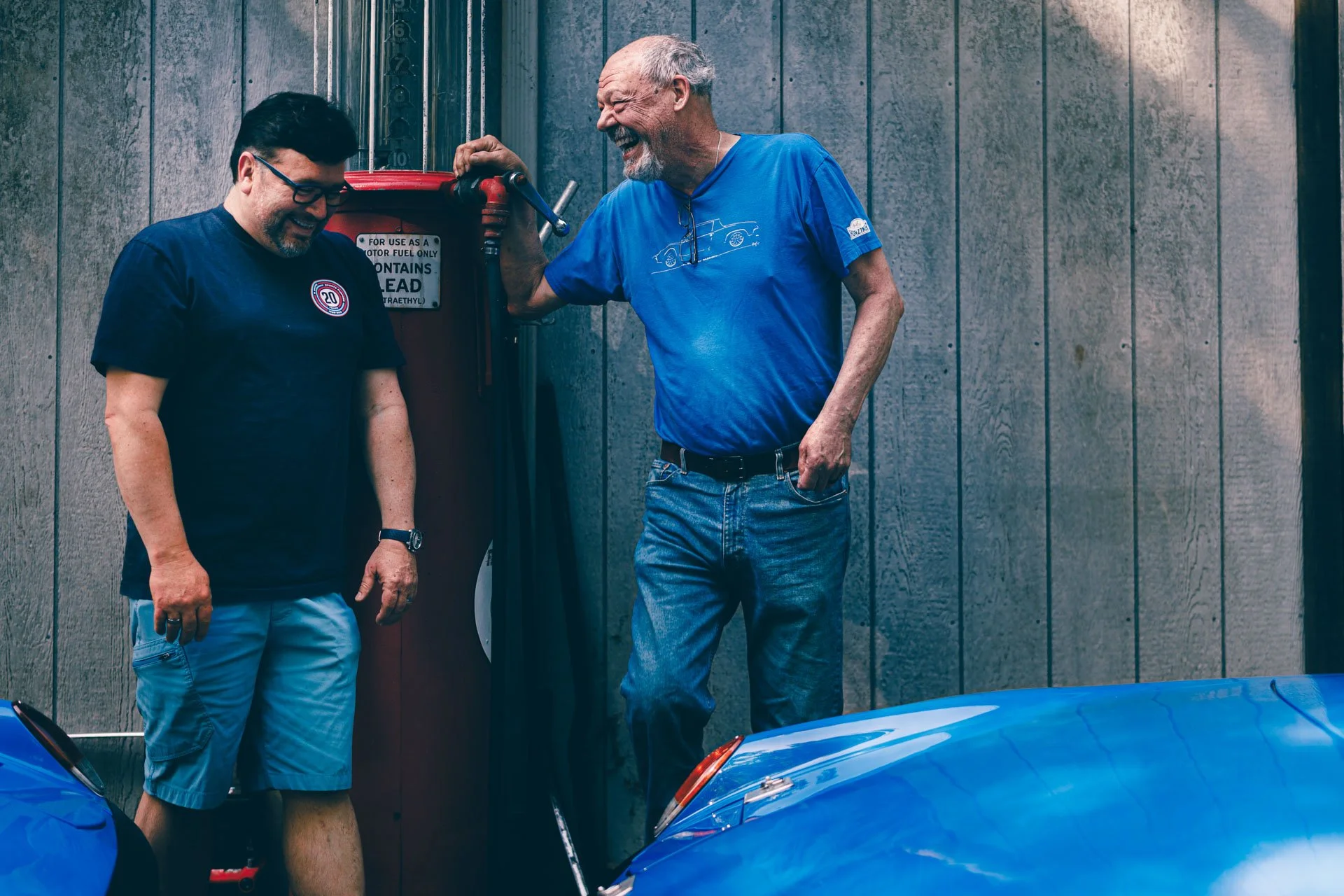
Today, the 914/6 GT lives quietly on Bernie’s Fall City property, sitting in his shop between a bench of tools and a row of old trophies. Bernie doesn’t talk about the car as a showpiece. To him, it’s a companion — a reminder of the long road from curiosity to mastery. He still turns the wrench himself, still checks valve clearances with the same patience he’s always had. “These cars,” he says, “give back what you put in.”
That sentiment defines both man and machine. The 914/6 GT’s story is one of persistence — of Porsche proving potential, and of a craftsman in the Pacific Northwest refusing to let that legacy fade.

