
The Swedish Connection
Exploring Larry Rembold’s Volvo P1800 Obsession
STORY | STEIN BROEDER
Photography | STEPHEN MITCHELL
For Larry Rembold, cars have always been more than just a mode of transportation—they’re a passion, a hobby, and a lifelong love affair. His journey with the Volvo P1800 began at a young age. At just eight years old, he vividly remembers the day he saw a P1800 being repaired in his father’s friend’s body shop. “I just thought it was the most beautiful car I’d ever seen,” said Larry.
It was that moment that ignited a spark that would fuel his passion for years to come, ultimately manifesting in a collection of seven P1800s. “I told my dad you need to get one of those and he said, ‘Oh no, we can’t afford that,’” he added.
Despite initial financial constraints, his family eventually acquired a 1967 black Volvo P1800, which was affectionately named the “peanut.” This car, with its sleek design and impressive performance, became the cornerstone of Larry’s enduring love for the model.
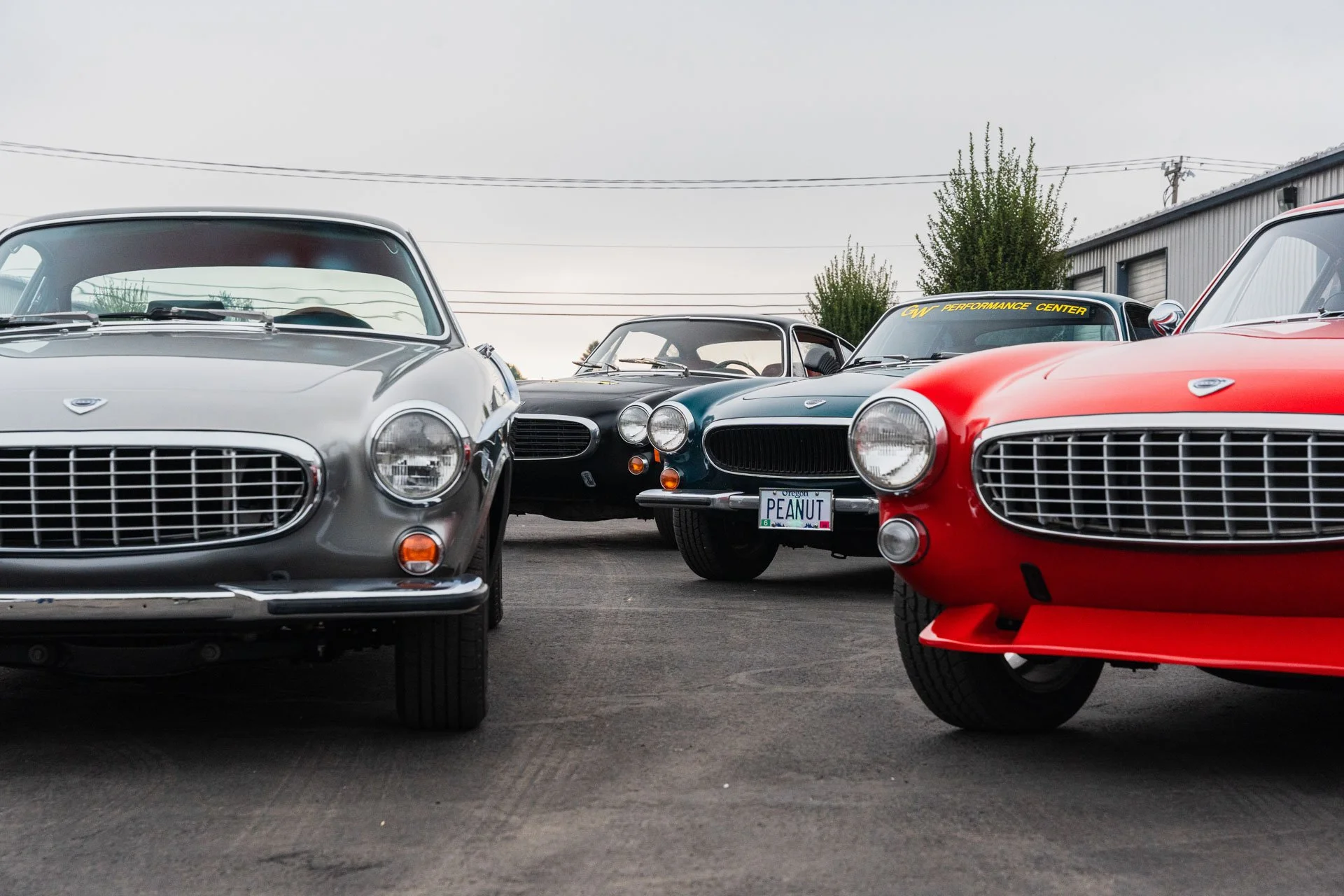
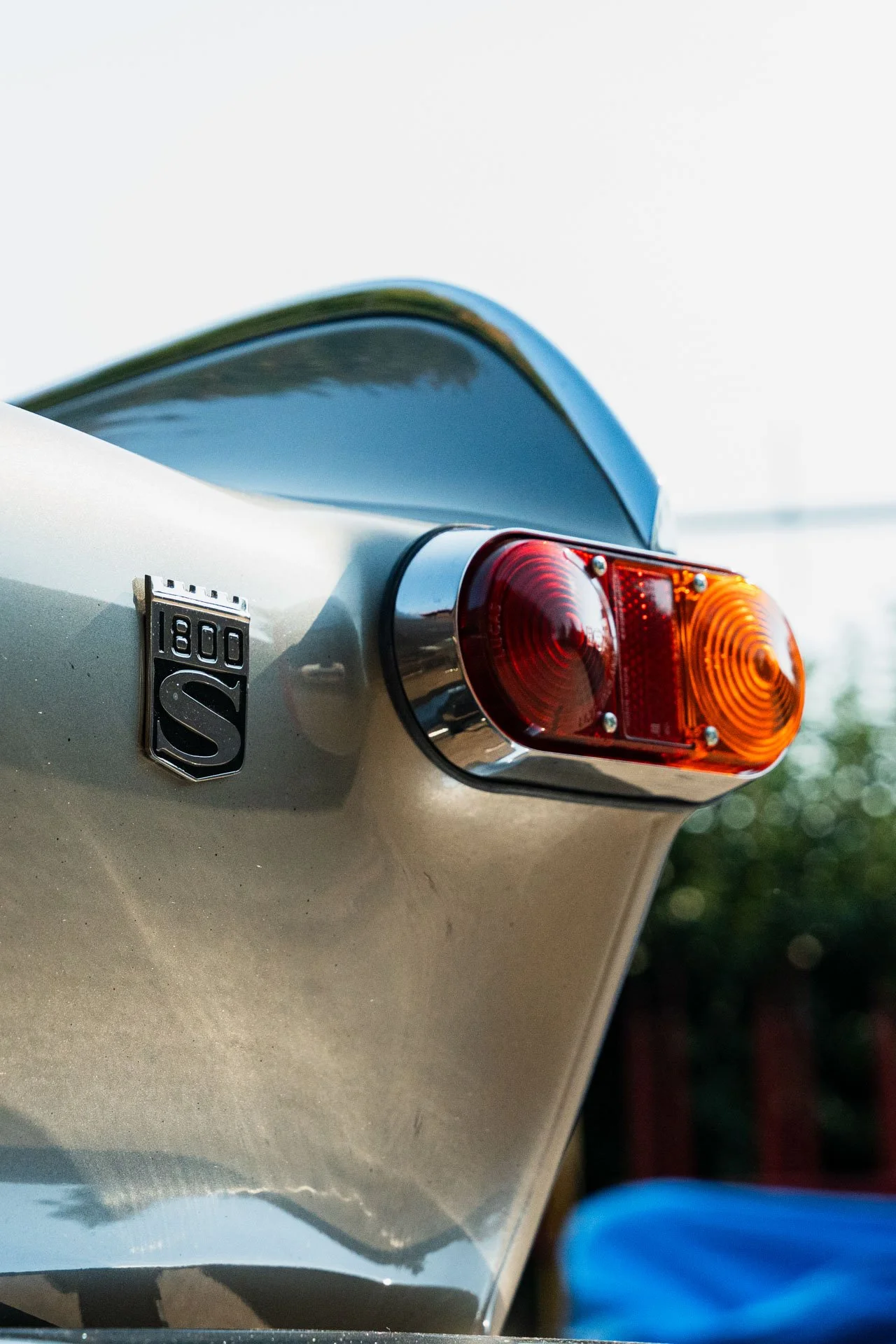
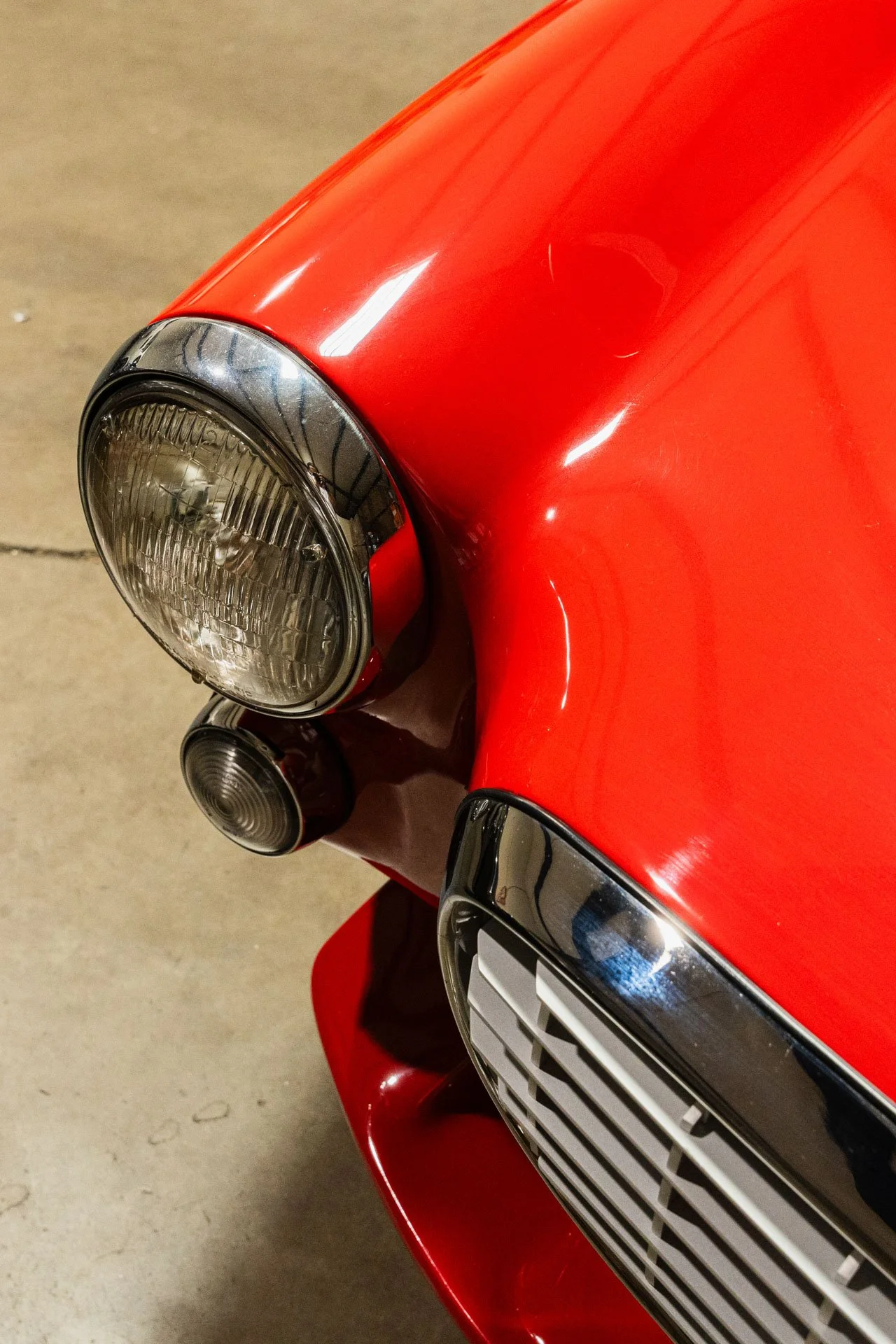
Over the years, Larry’s collection of Volvo P1800s has grown, each with its unique story and restoration journey. These cars are not just personal acquisitions but are also shared with his brother and father, reflecting a deep-rooted family interest in car collecting. Each family member contributes to the maintenance and restoration efforts, making it a collaborative and rewarding experience.
His professional background in manufacturing has significantly contributed to his ability to restore and maintain his car collection. He operates a small company that builds pharmaceutical equipment, a venture he started in 1993. His skills in welding, setting up control systems, and other technical tasks have proven invaluable in his restoration projects, including his P1800s.
His extensive knowledge and hands-on experience with car modifications have enhanced the performance and handling of his Volvo P1800s. He has installed sway bars, lowering coils, and Bilstein shocks, significantly improving the cars’ driving capabilities.
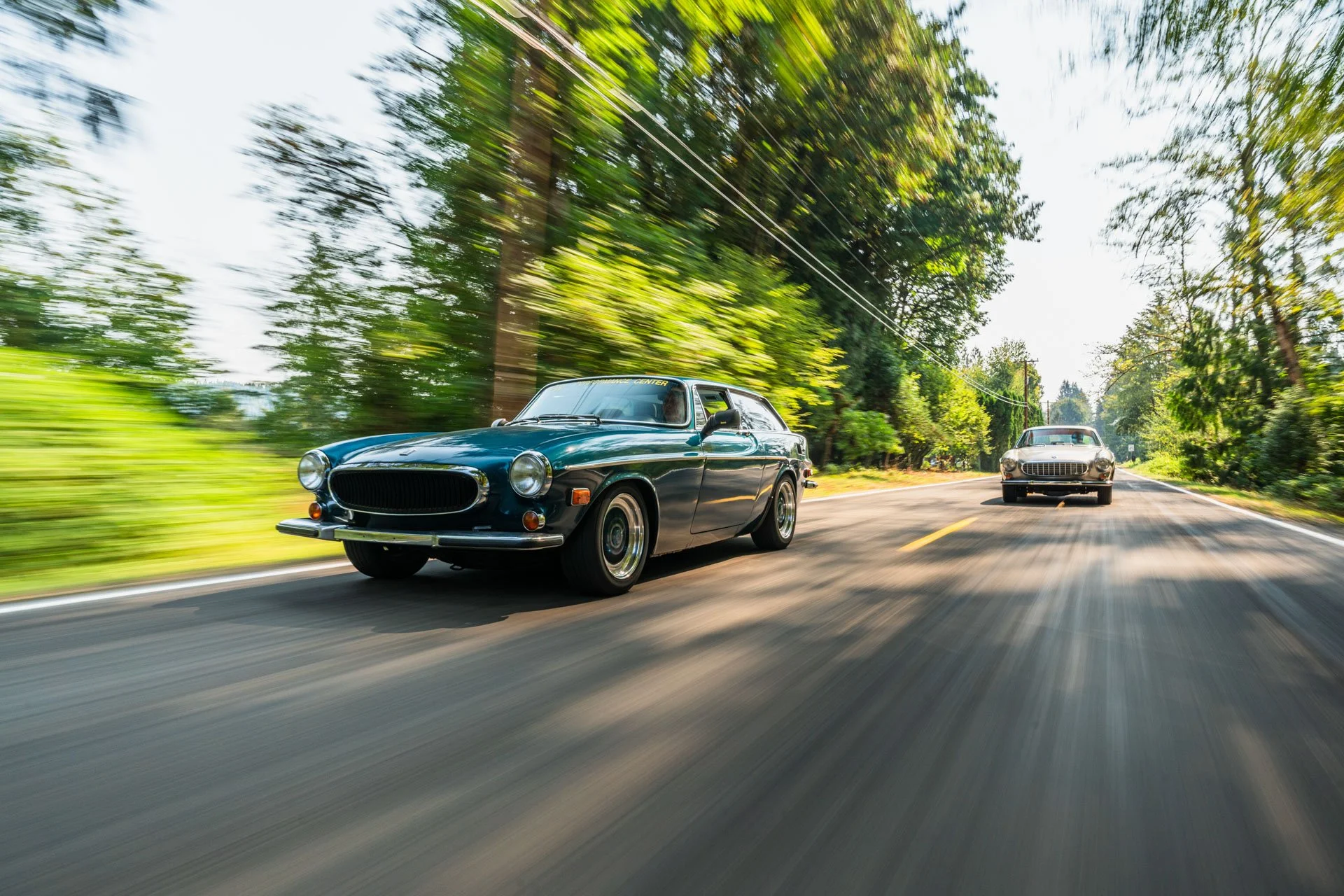
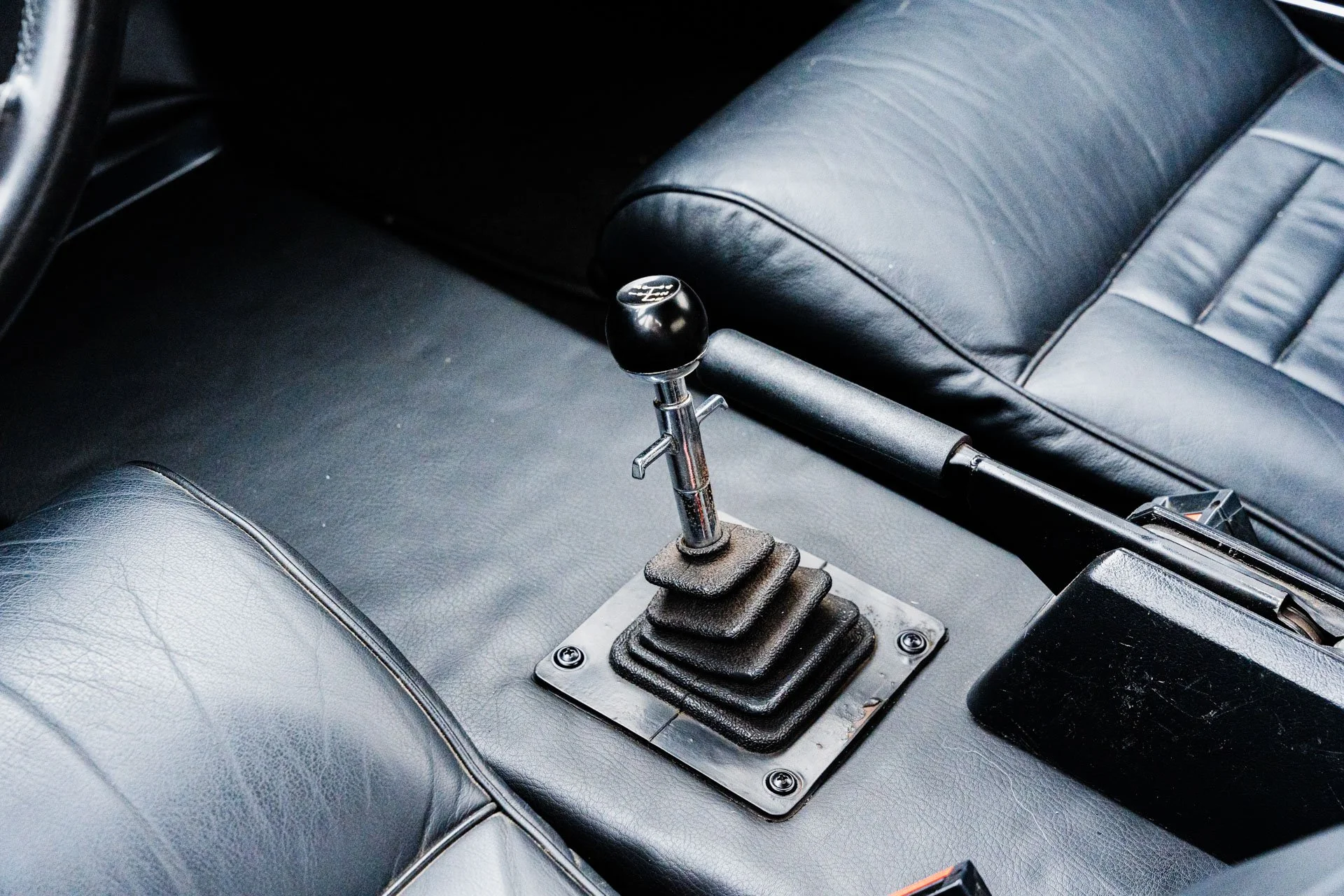
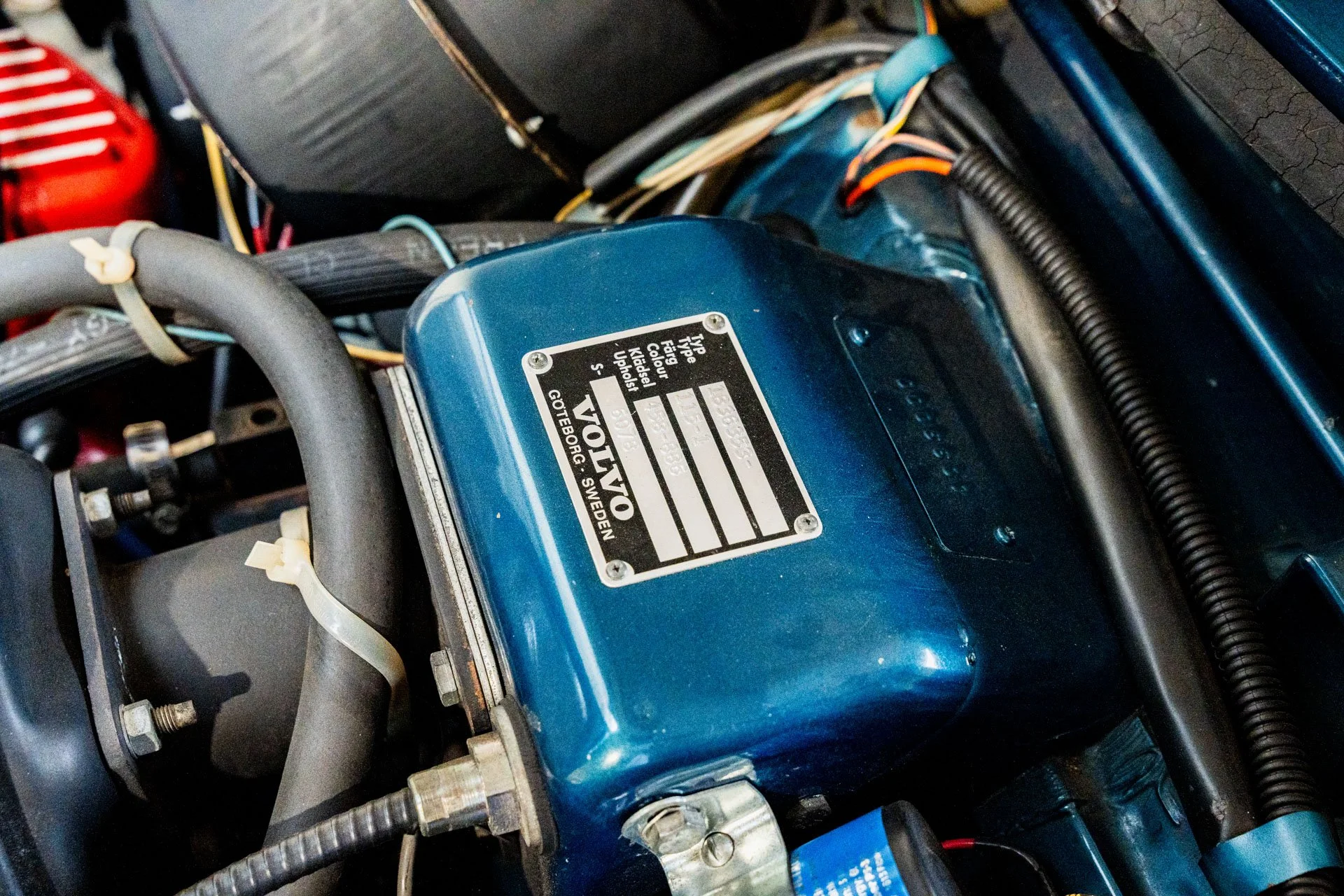
From its inception in the late 1950s to its cult status today, the P1800 not only impressed Larry and his family, it captivated automotive enthusiasts around the world.
The history of the Volvo P1800 commenced in the late 1950s, when Volvo aimed to produce a sports car capable of competing in both the American and European markets. The company’s earlier endeavor, the P1900, did not meet with commercial success, with only 68 units sold. Determined to achieve a different outcome, Volvo enlisted Helmer Petterson, an engineering consultant renowned for his work on the successful PV444.
Petterson’s son, Pelle Petterson, a young designer trained under the esteemed Italian stylist Pietro Frua, was commissioned to design the new vehicle. The outcome was an elegant 2+2 coupe that blended Italian-inspired aesthetics with a uniquely Swedish character. The first prototype, designated as the P958-X1, was completed in 1957.
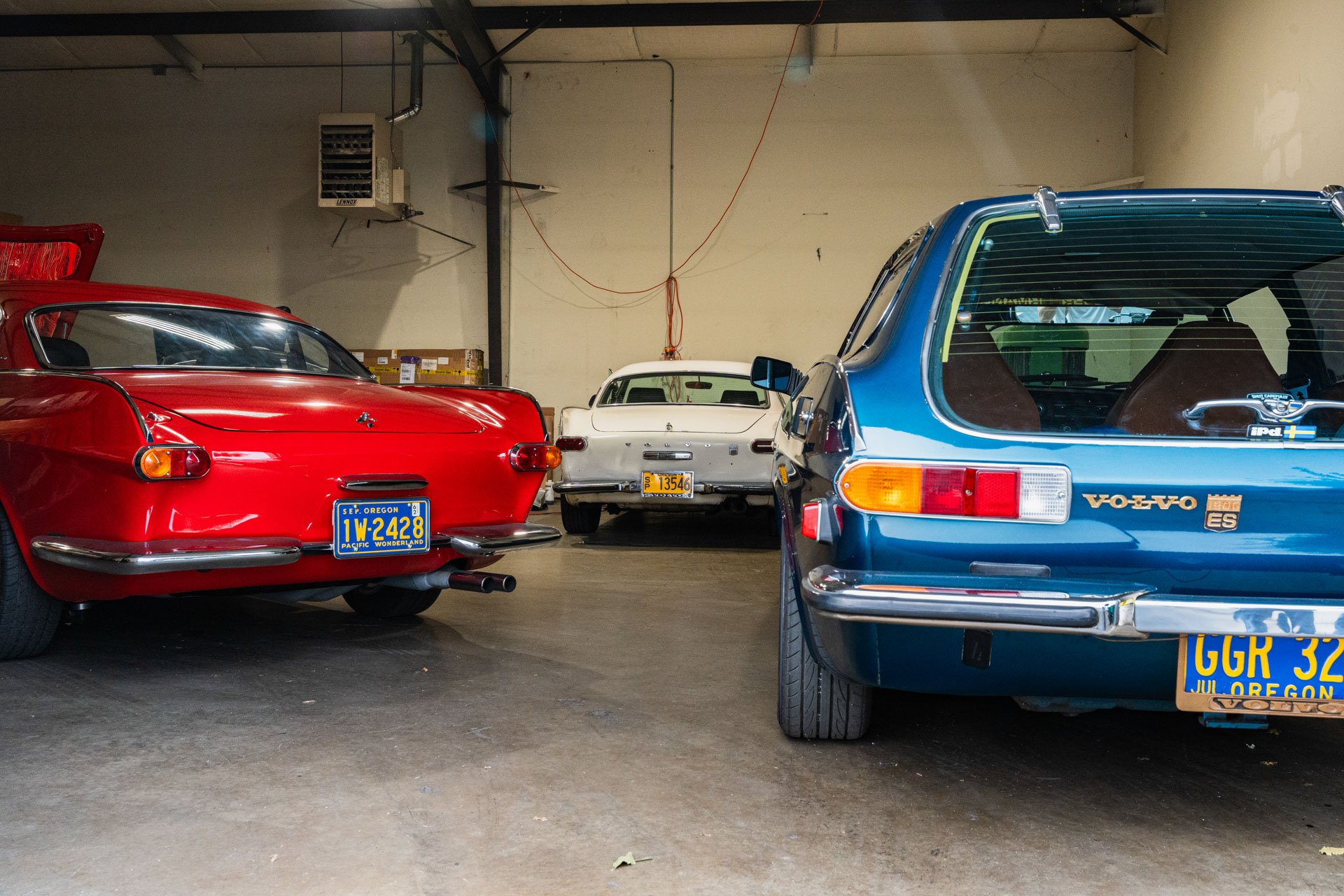
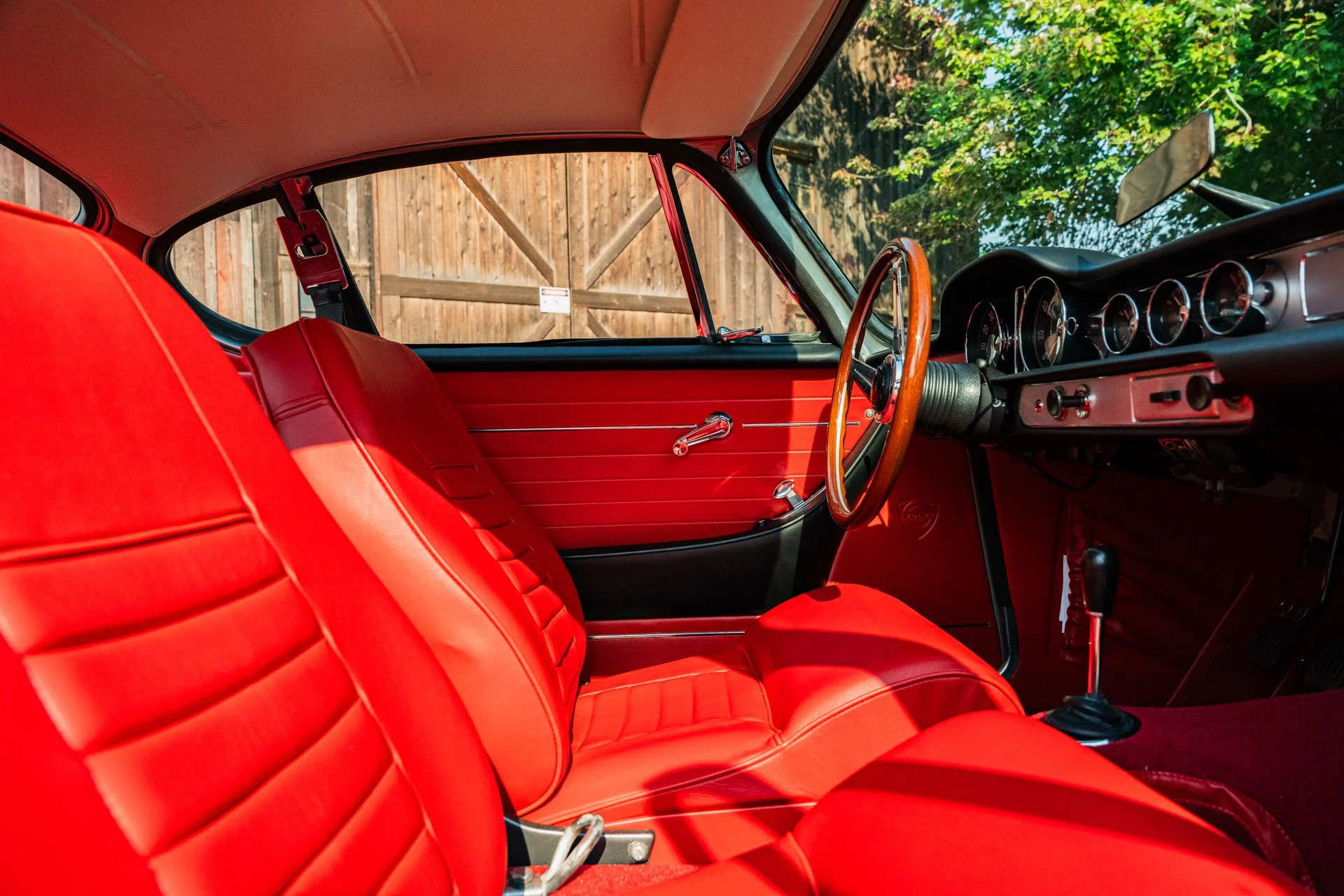
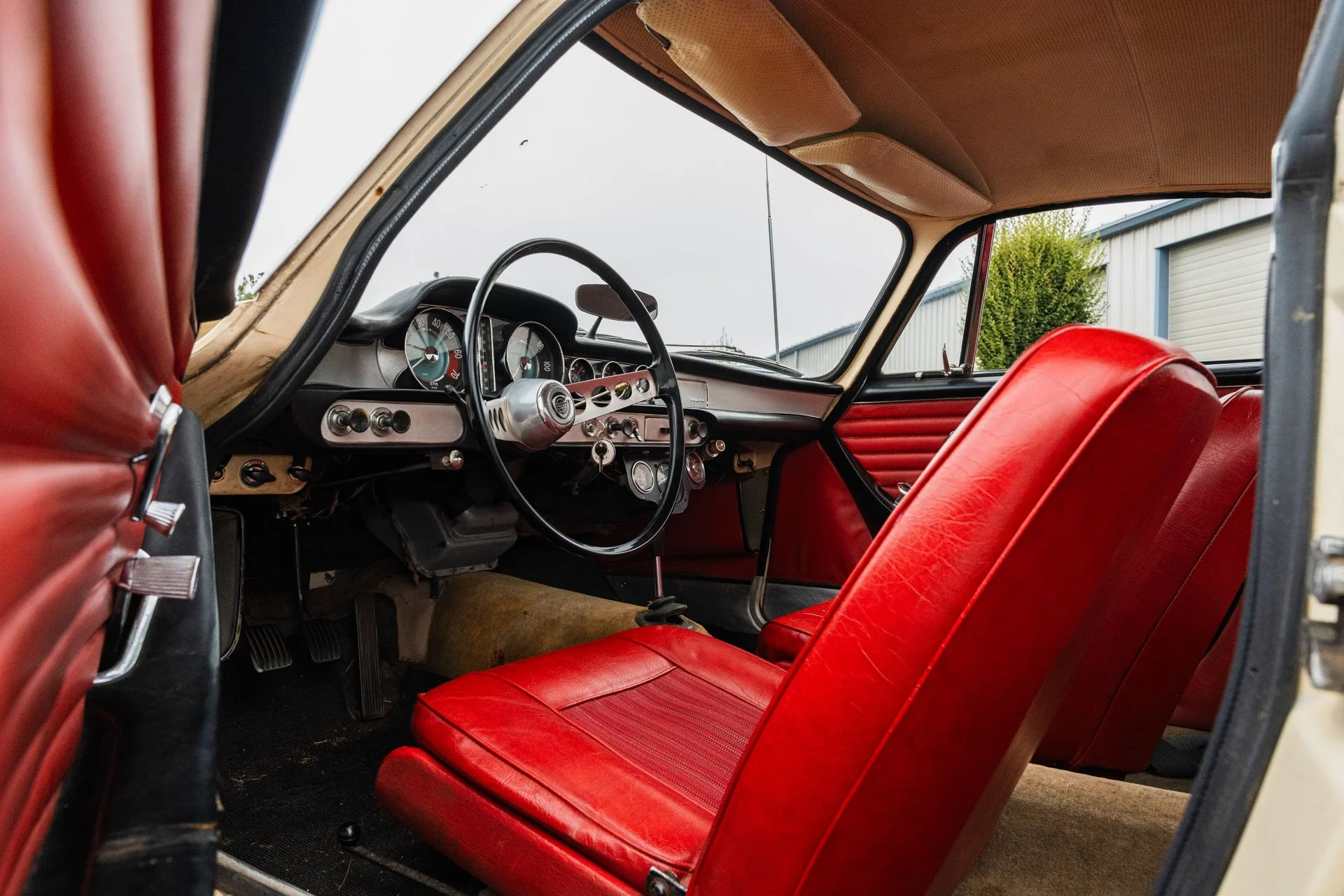
The Volvo P1800 holds a special place in Larry’s heart, not just for its design and performance but also for its historical significance. Designed by a Swede working for an Italian design house, the Volvo P1800 resembles luxury sports car brands of its time, like Ferrari and Maserati.
Volvo initially engaged Karmann, a German coachbuilder, to manufacture the P1800. However, Volkswagen, which was Karmann’s largest client, expressed concerns about potential competition and threatened to terminate all contracts if Karmann proceeded with the project. This obstacle nearly jeopardized the P1800 project, but Volvo remained determined and continued with their efforts.
In 1960, Volvo partnered with Jensen Motors in West Bromwich, England, to produce the P1800. Pressed Steel in Scotland manufactured the bodies, which were then sent to Jensen for final assembly. The first P1800 was completed in September 1960 and debuted at the Brussels Motor Show in January 1961.
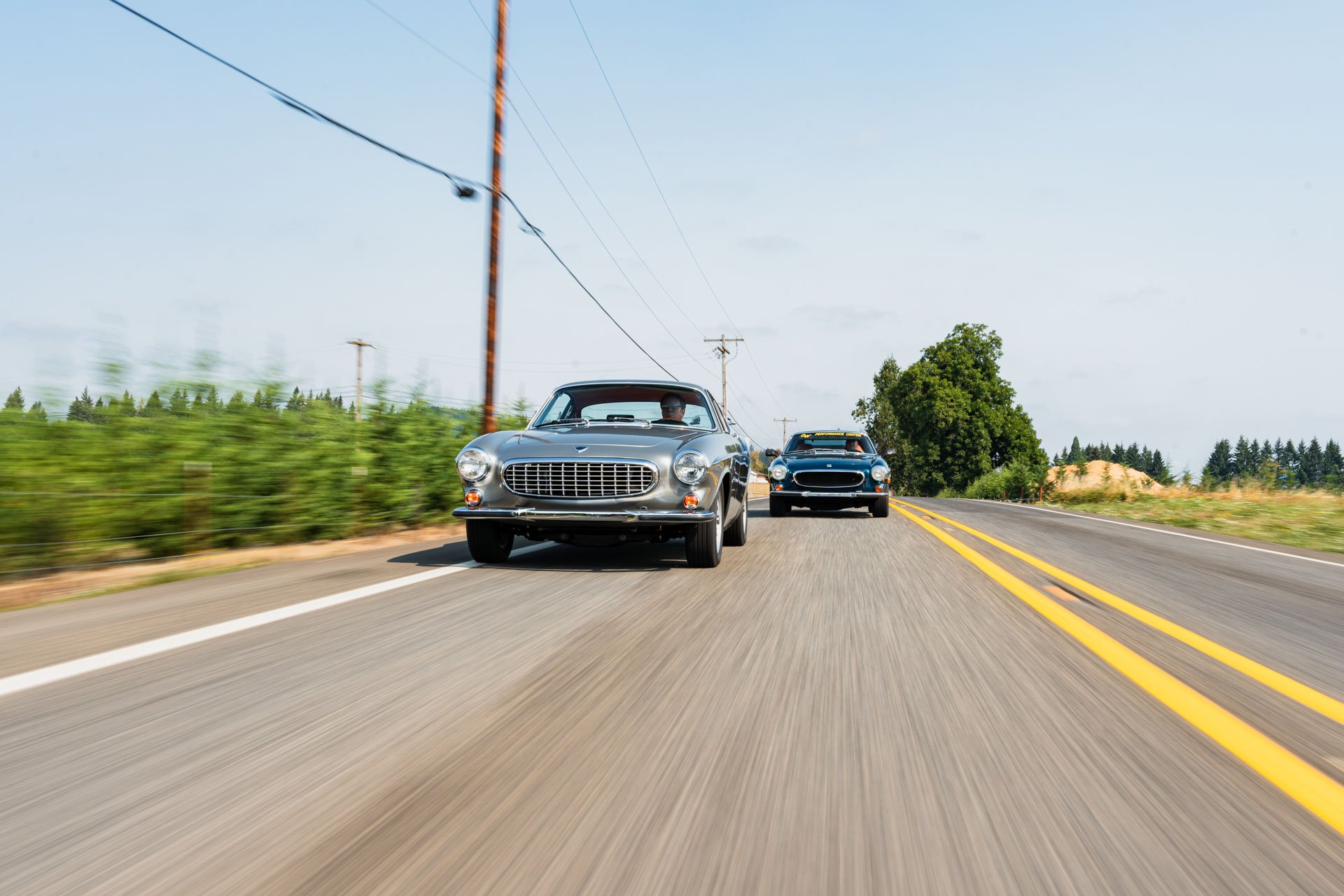
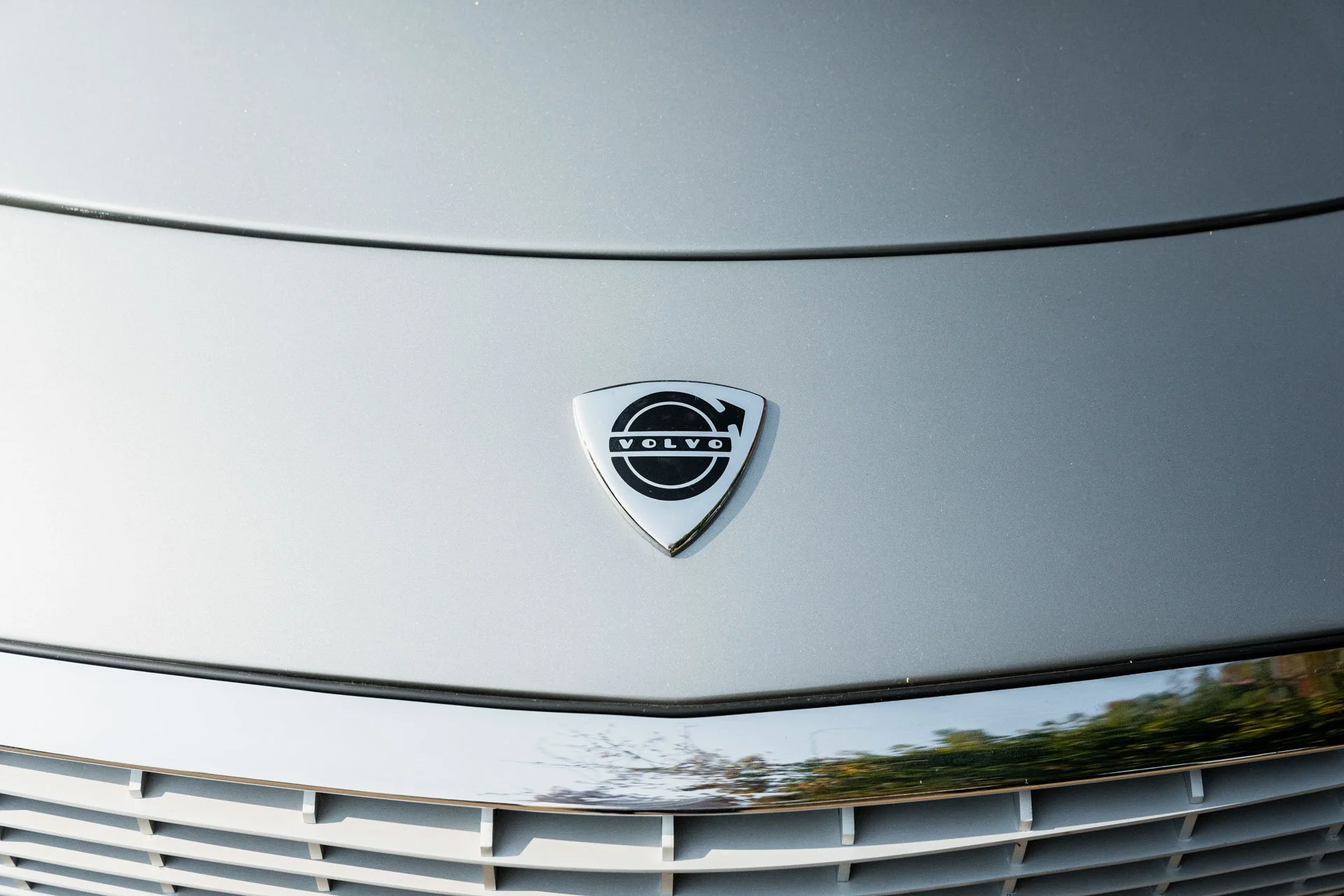
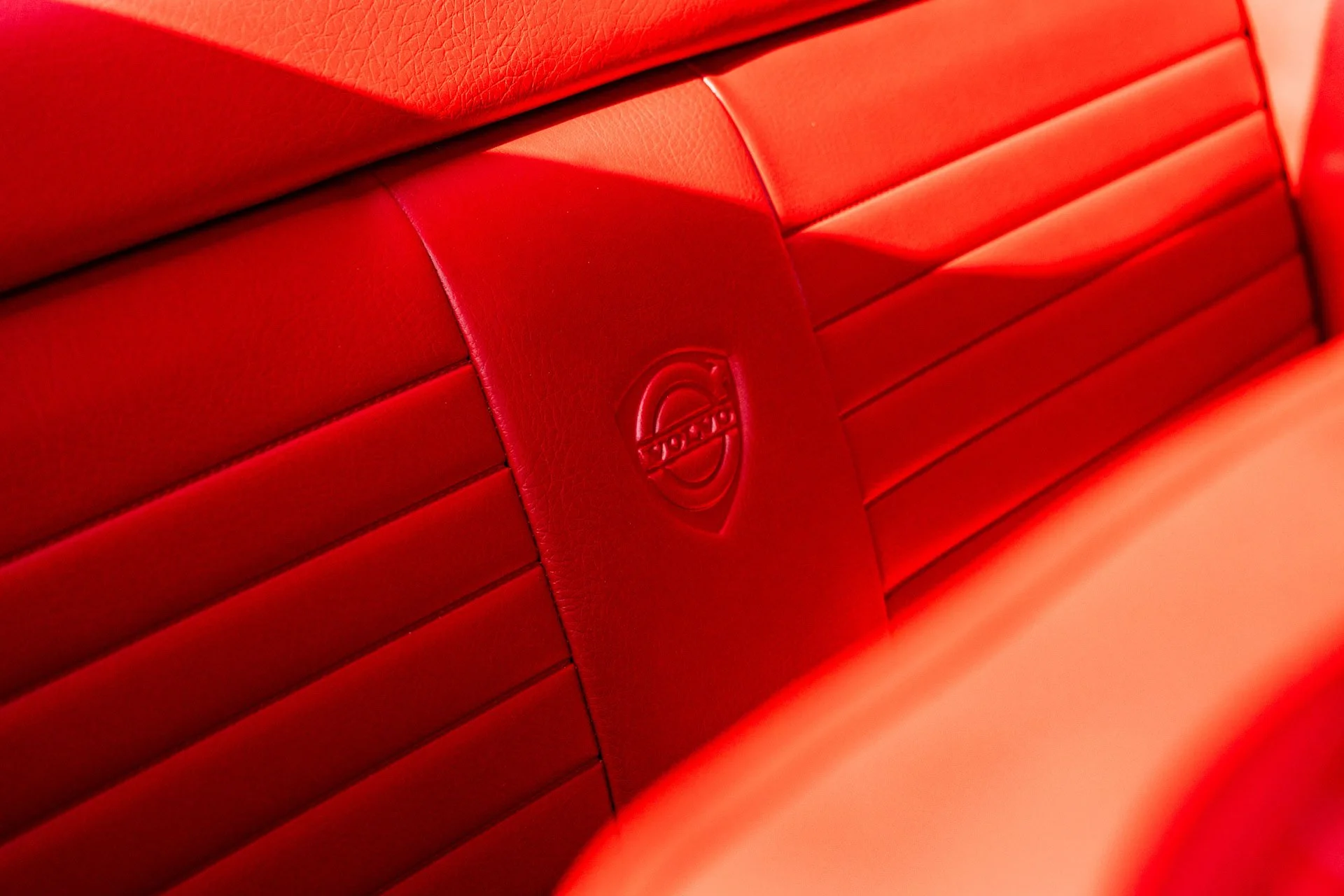
The P1800 featured Volvo’s reliable B18 engine, a 1.8-liter inline-four delivering 100 horsepower, paired with a four-speed manual gearbox for a dependable and engaging drive. The car’s design, with its long hood, short rear deck, and elegant curves, quickly became a classic.
In 1963, production was transferred to Volvo’s plant in Gothenburg, Sweden, and the car was subsequently renamed the P1800S. The “S” denoted Sweden, indicating the change in manufacturing location.
Over the years, the P1800S underwent several updates, including the introduction of a more powerful B20 engine in 1969, which increased the displacement to 2.0 liters and the output to 118 horsepower
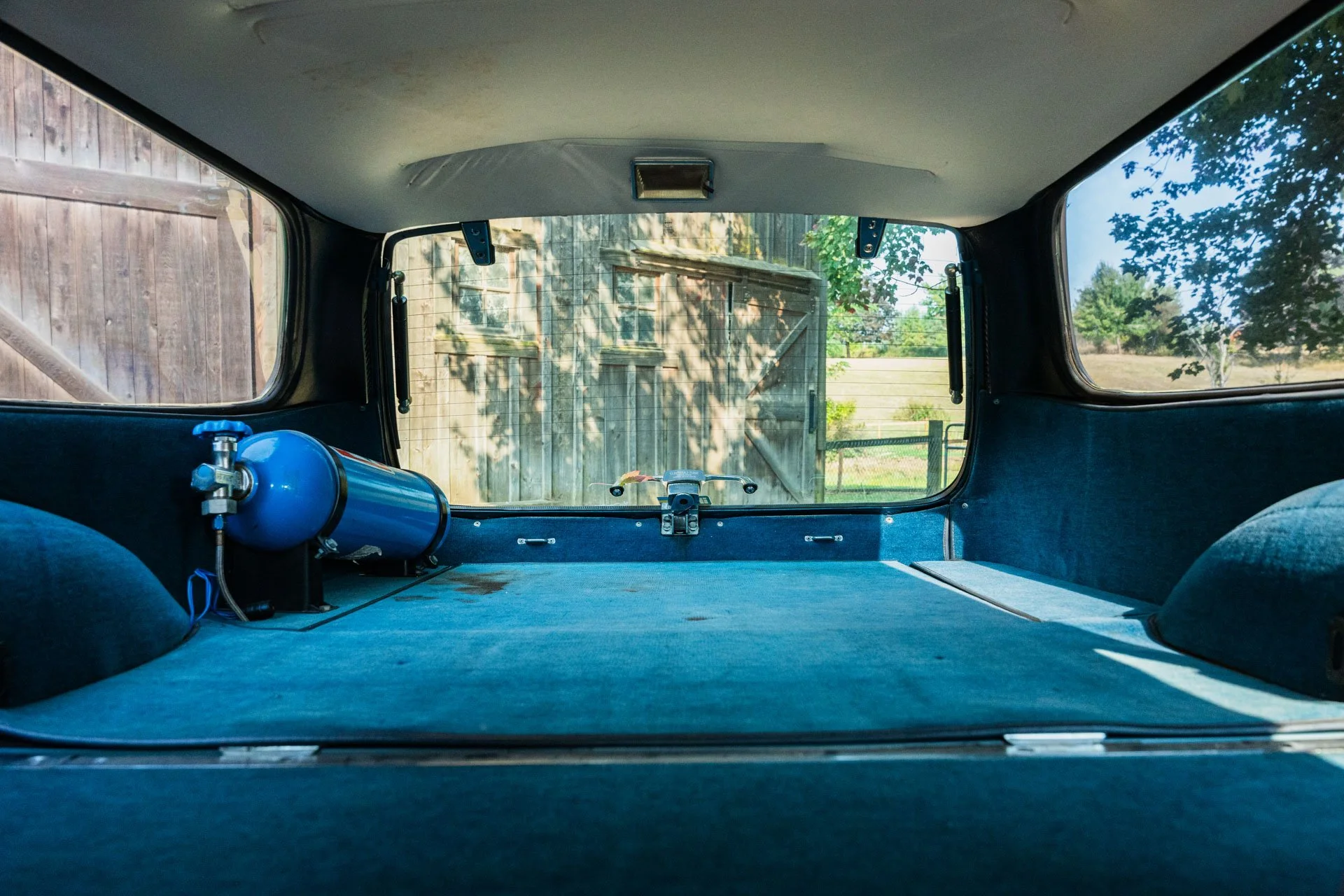
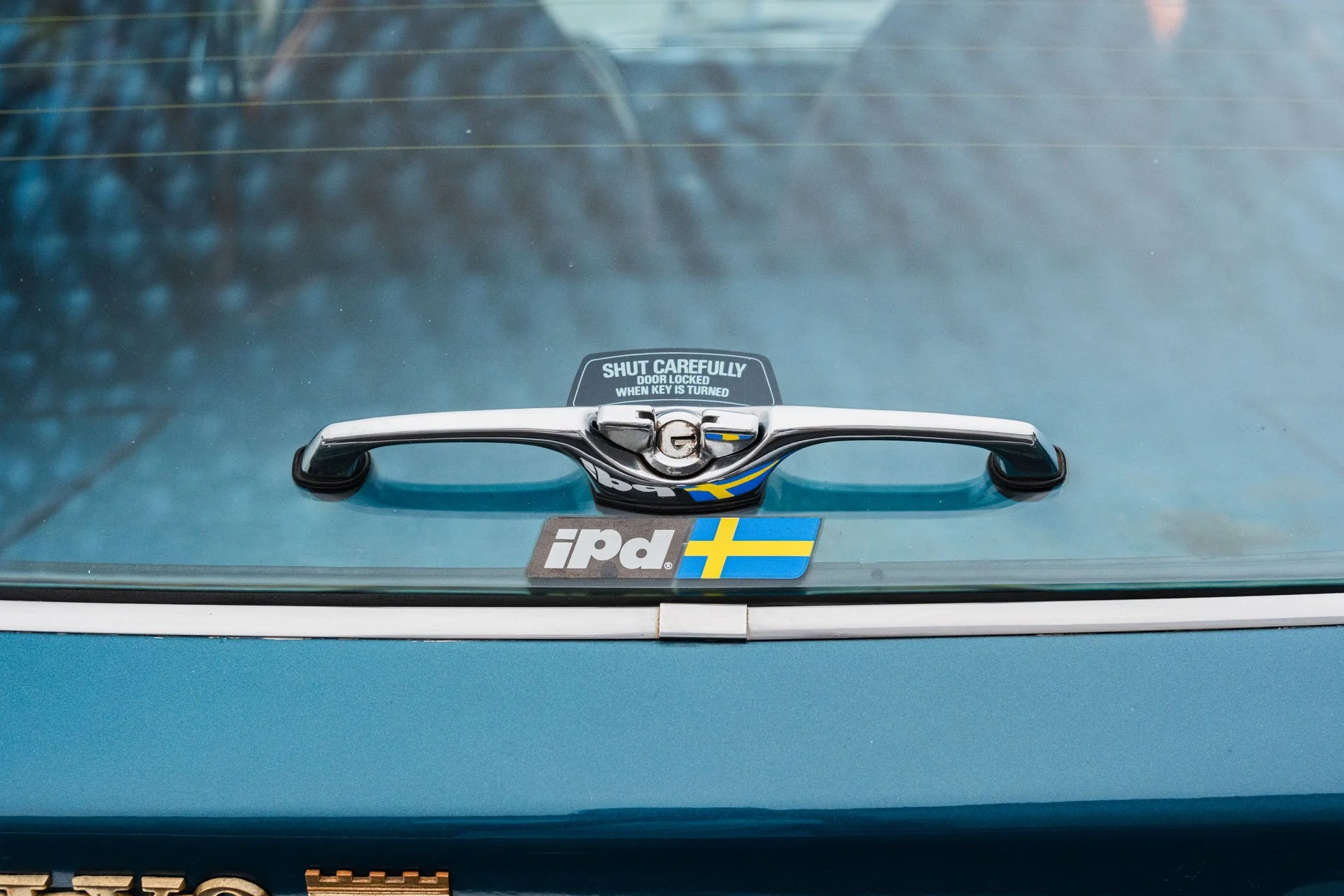
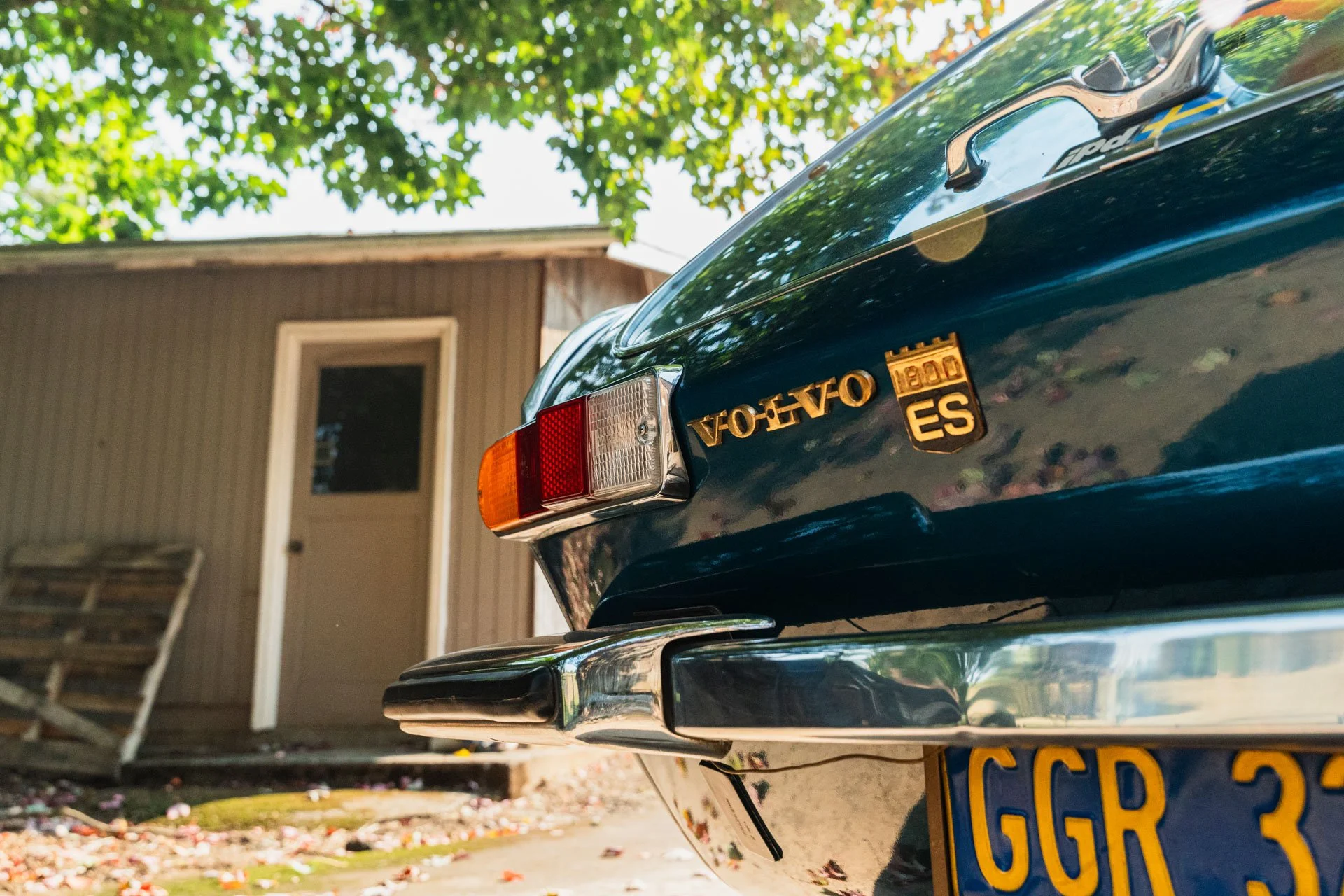
In 1972, Volvo launched the P1800ES, a shooting brake version of the P1800. The P1800ES had a distinctive rear hatch and practical design, attracting a wider audience. Despite its unique look, it maintained the elegance and performance of the coupe.
The P1800 gained international recognition after being featured in the British television series “The Saint,” where Roger Moore portrayed Simon Templar. Moore’s character drove a white P1800S, which became closely associated with the elegant and sophisticated persona of Templar. This exposure significantly enhanced the P1800’s popularity, solidifying its status in popular culture.
One remarkable story of the Volvo P1800 is that of Irv Gordon, a New York school teacher who bought a 1966 P1800S. He drove his P1800S more than three million miles, earning a Guinness World Record for the highest mileage by a single-owner, non-commercial vehicle. This achievement highlights the car’s durability, engineering excellence, and establishes its automobile “immortality” status.
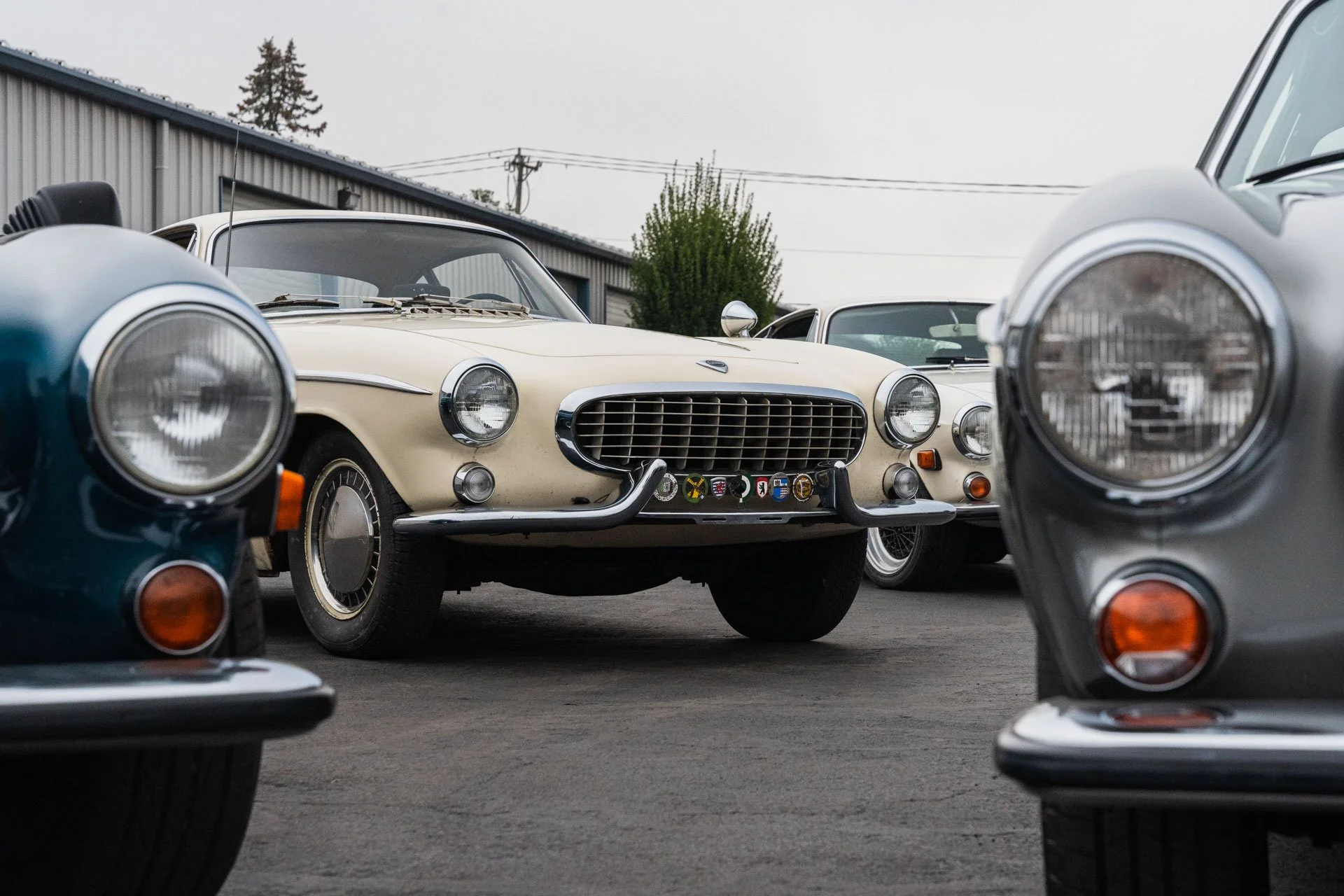
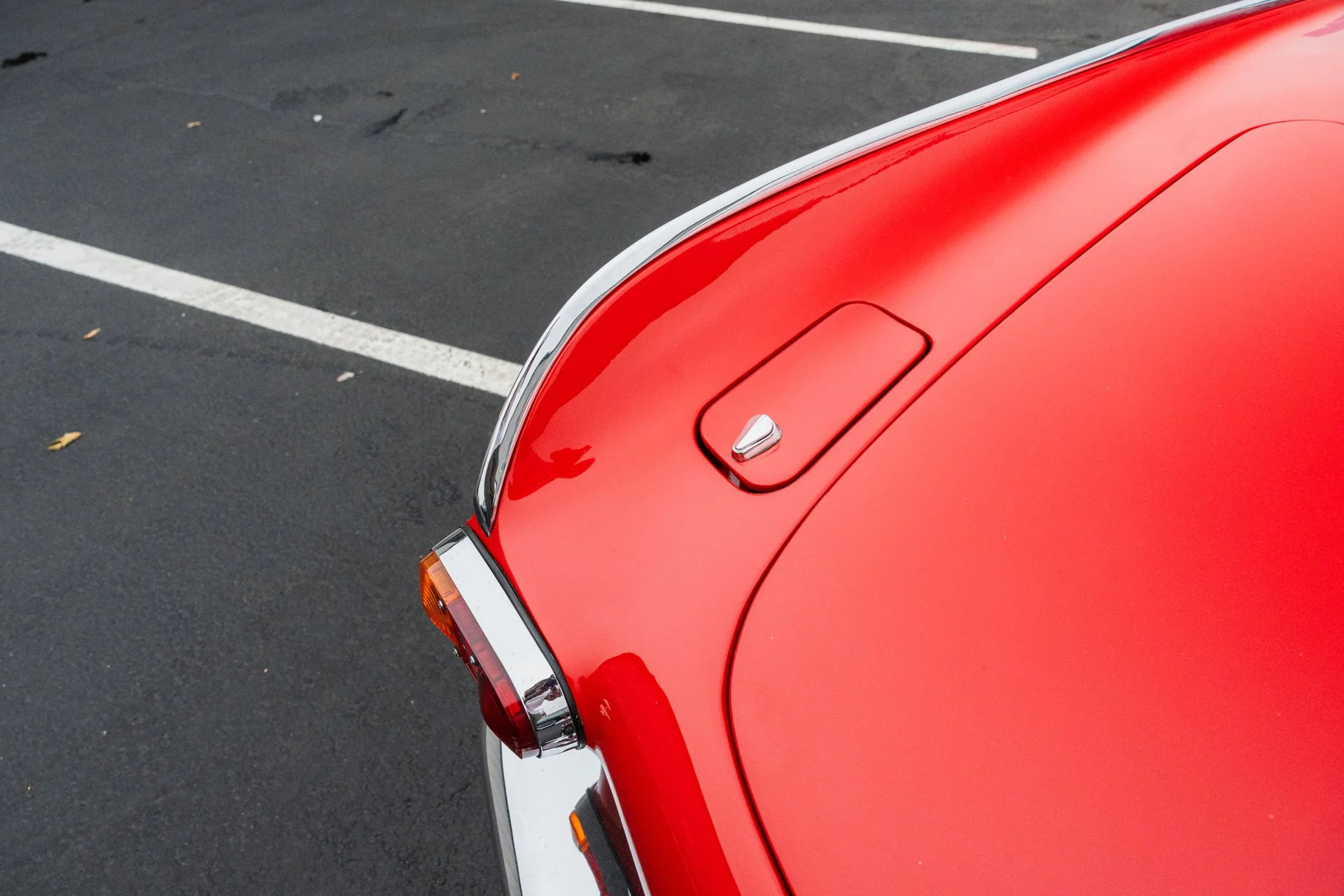
One of the more remarkable stories about Larry’s collection is the one about the “peanut,” the family’s first P1800.
“When I was a kid, I was doing a wheelie on my bicycle, and I went right into the garage, lost my balance and hit the driver's side door. I put a pretty good gouge in it,” said Larry. “I was really scared,” he added.
As Larry tells it, his dad decided just to leave that scratch there because he knew that I loved the car more than he did, and he knew that was punishment enough to have to see my scratch there.
Fast forward years later, when they found the original “peanut” in a wrecking yard, he wondered if that scratch would still be on the car. His dad was skeptical, thinking it would have surely been repaired.
But to their surprise, it was still there, and after Larry re-acquired the car, he refused to repair the scratch as it ties him to what has now become a fond childhood memory.
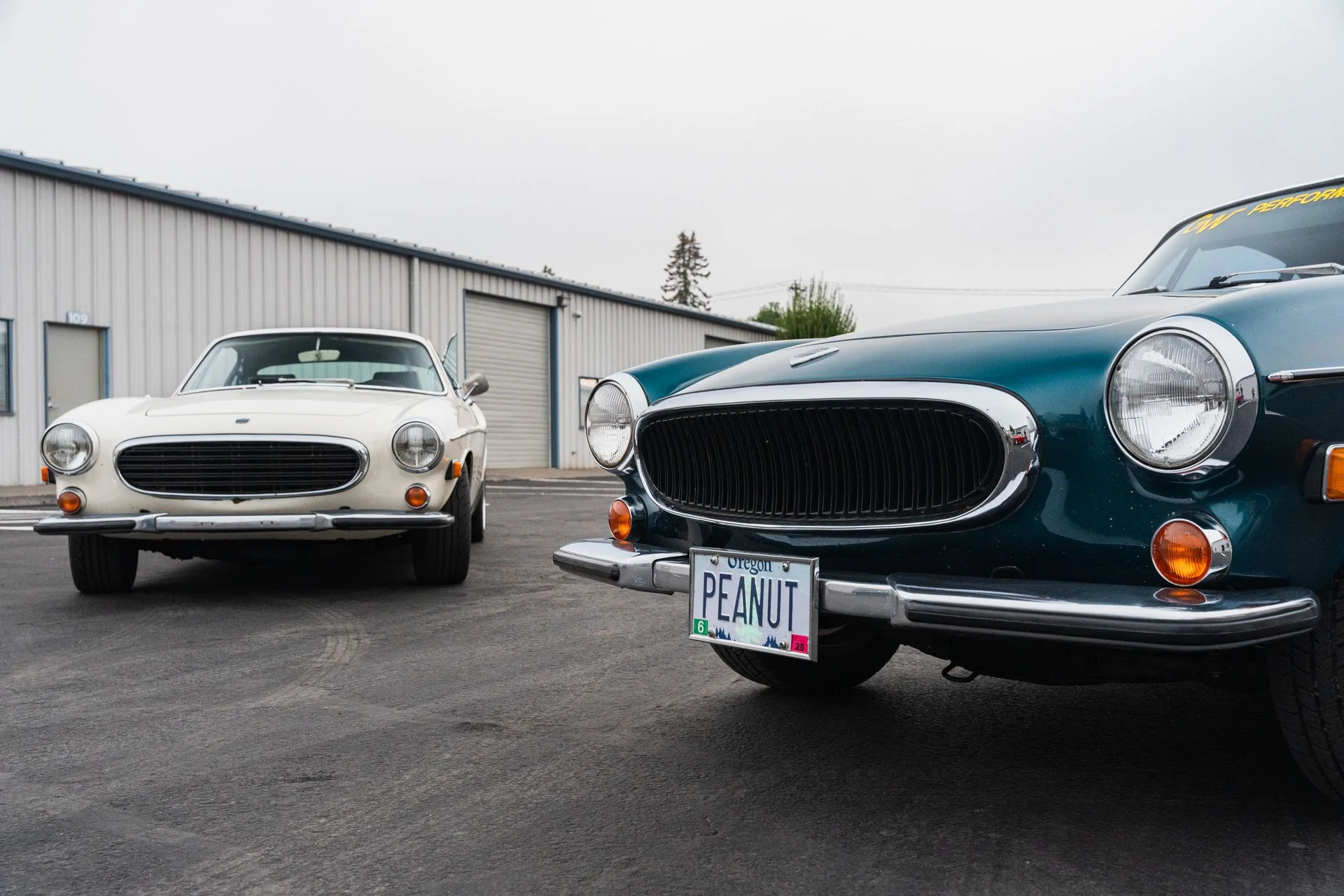
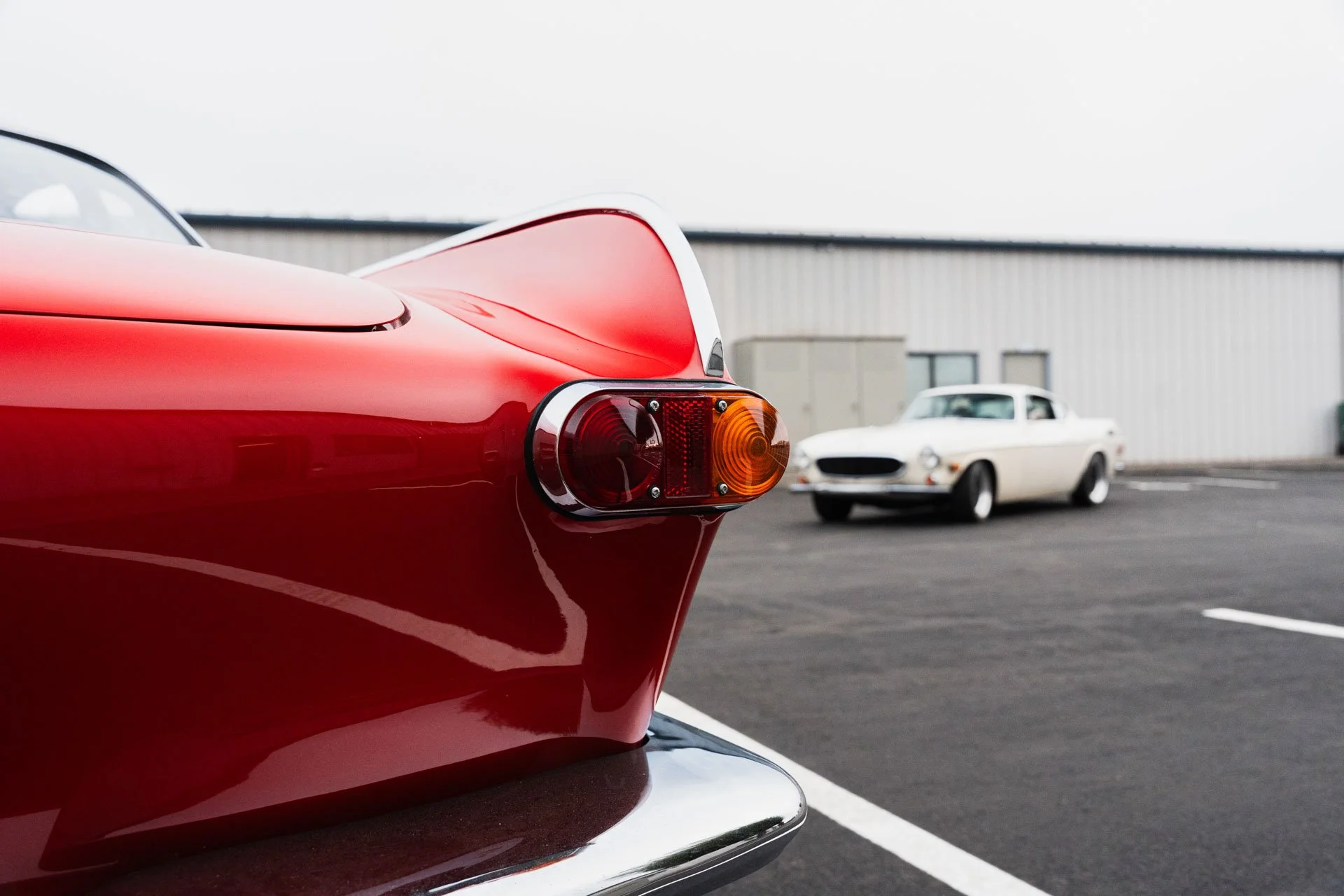
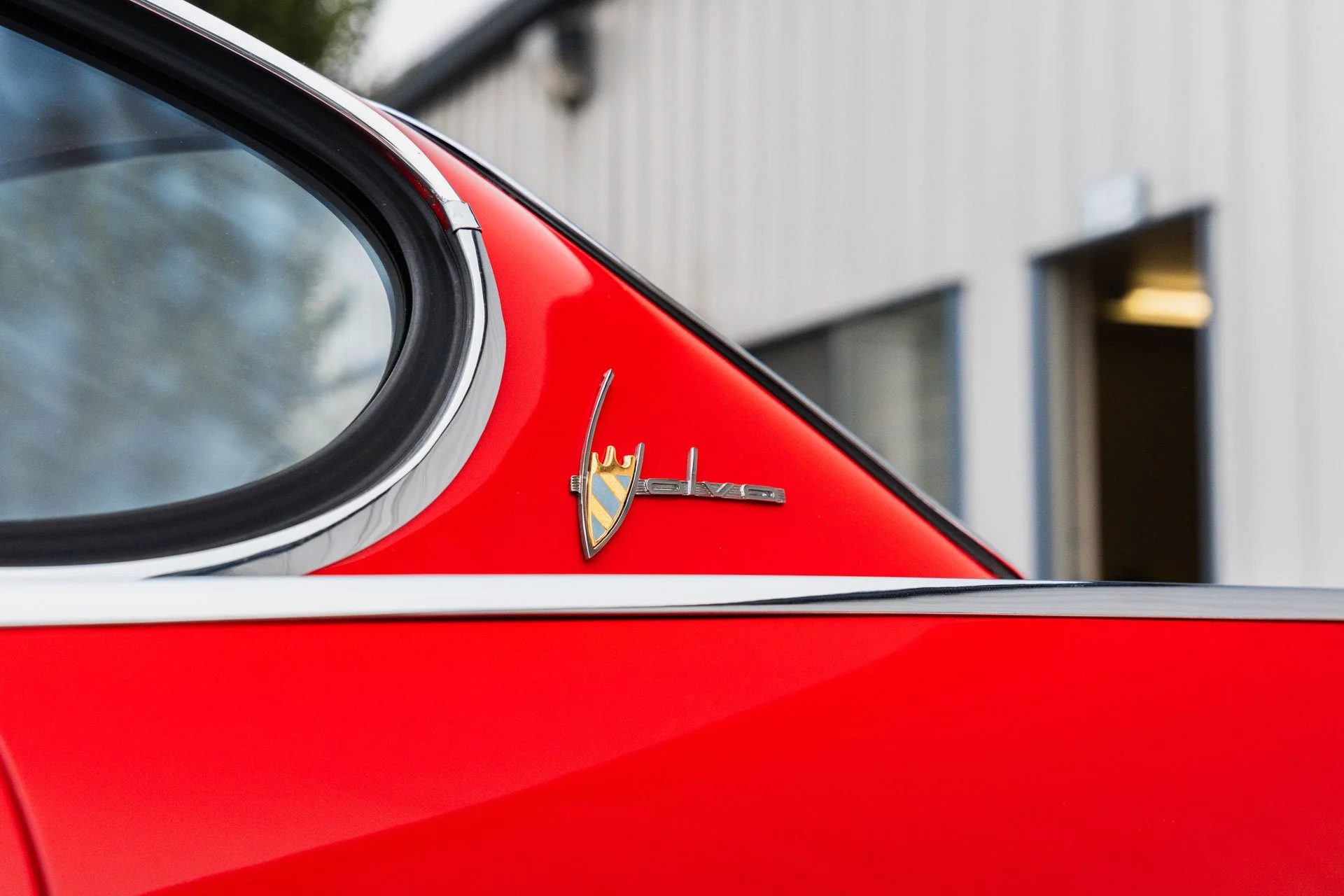
Larry’s love for the P1800 is more than just a hobby — it’s a lifelong passion that continues to drive him. His collection, restoration projects, and the stories behind each car reflect a deep appreciation for these iconic vehicles and the joy they bring to his life.
From its challenging beginnings to its status as a beloved classic, the P1800’s story is one of perseverance and passion. Today, the P1800 remains a cherished collector’s item, celebrated by enthusiasts around the world for its timeless elegance and enduring legacy.

