
Know Your ABC’s
Honda Beat: A Kei Class Sports Car
STORY | EVAN GRIFFEY
Photography | VIJAY SANKAR ANIL
Keijidosha, which translates to “light automobiles” and is known as Kei for short to enthusiasts, are a classification of microcar introduced in 1949. Its mission was to bolster the Japanese economy, which was still reeling after World War II, and get the common citizenry back on the road. The new vehicle class would be inexpensive and come with tax and insurance advantages so everyday people could afford them. Kei class vehicles had size limitations in both vehicle dimensions, engine displacement, and horsepower. The first wave of Kei cars had an engine size limit of only 150cc. The idea was that motorcycle manufacturers would use their engine overstock to build Kei cars. In time, the dimensions, engine displacement, and civility of Kei class vehicles grew.
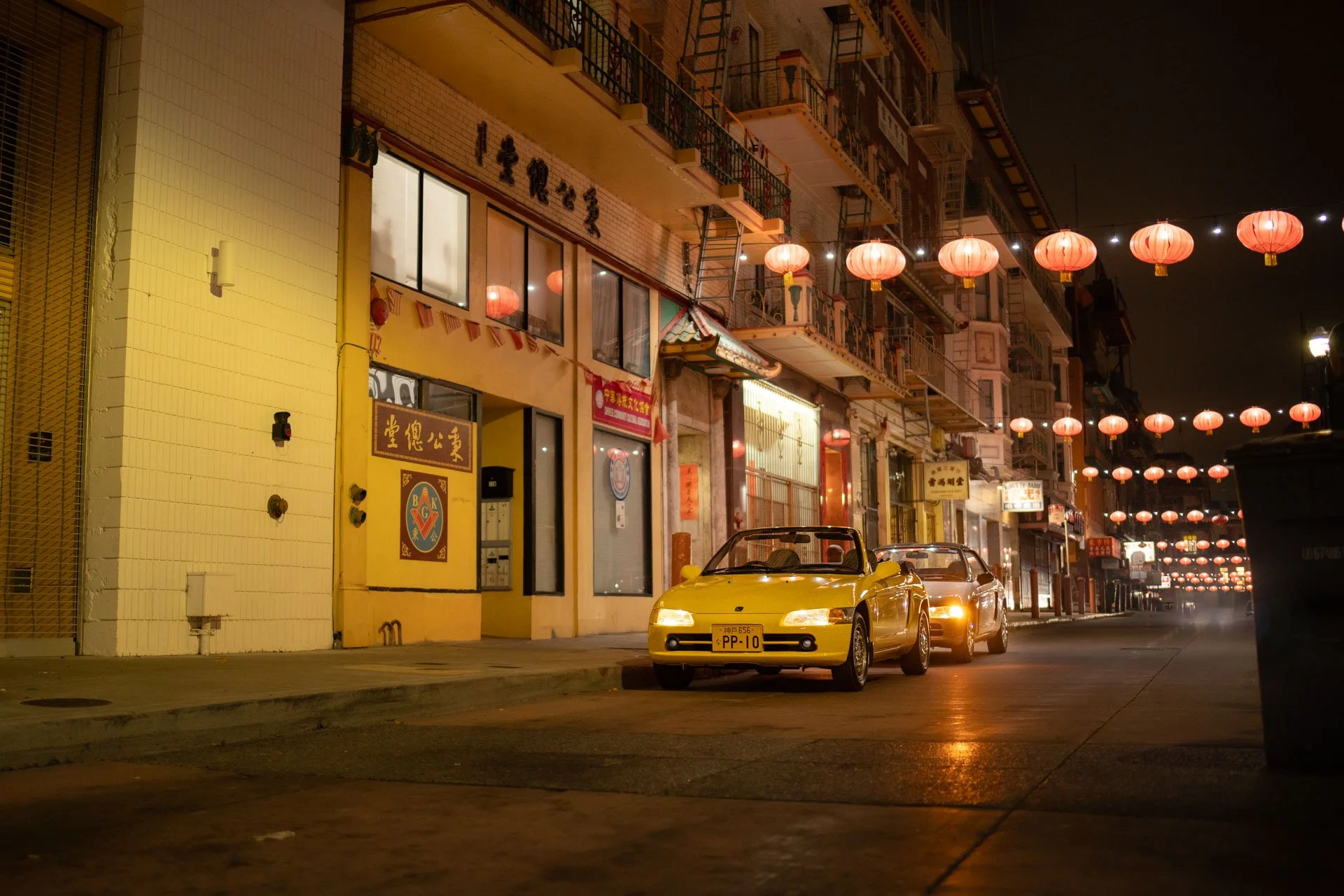

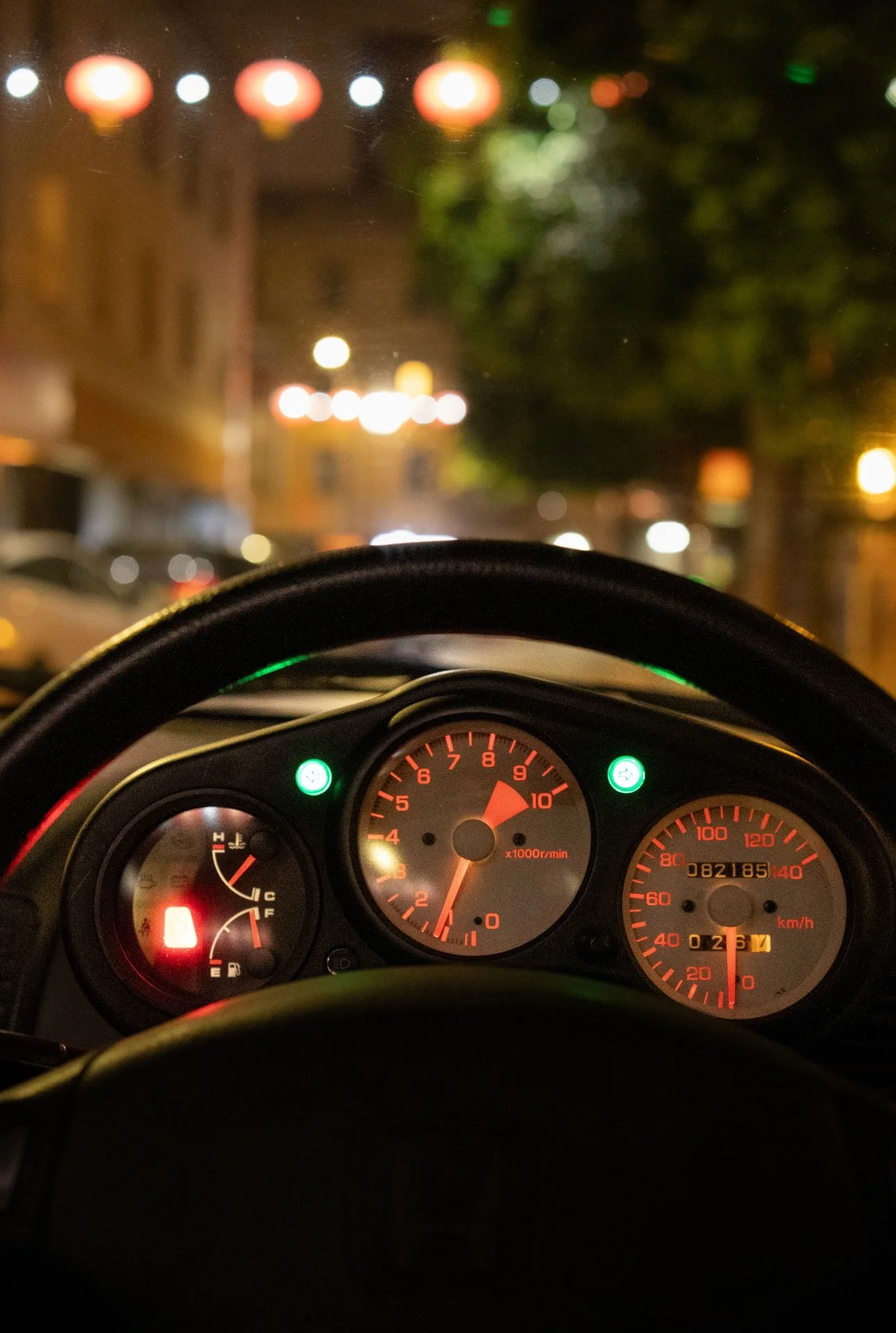
The cosmic tumblers aligned in 1990. The Japanese economy was riding high, and Kei specs were expanded in overall dimensions and engine displacement, the latter elevated to 660cc. Automakers stepped up, looked past the Kei car’s boring basic transportation persona, and ushered in a sports car revolution. Known simply as the A-B-C cars… with A being the wedgy and wonderful Autozam AZ-1, B for the Pininfarina-designed, Honda Beat, and C for the Suzuki Cappuccino and its multi-panel convertible top. This trio was designed to thrill from the jump.
The Beat is a mid-engine design powered by a naturally aspirated, 656cc, E07A three-cylinder powerplant. This is no motorcycle engine. The E07A is a purpose-built Kei creation with factory-issued individual throttle bodies that are part of Honda’s MTREC (Multi Throttle Responsive Engine Control) system. The engine produces the prescribed Kei limit of 64 horsepower and a paltry 44 lb-ft of torque, and you have to challenge its 8,500-rpm redline to lasso all those horses. Dimensionally, the Beat meets the Kei maximums (129.7 inches long, 54.9 inches wide, 46.3 inches tall), has a 90-inch wheelbase, and tips the scale at 1,680 pounds. From a performance perspective, the micro Honda is electronically limited to 84 mph and it takes 13 seconds to hit 60 mph.
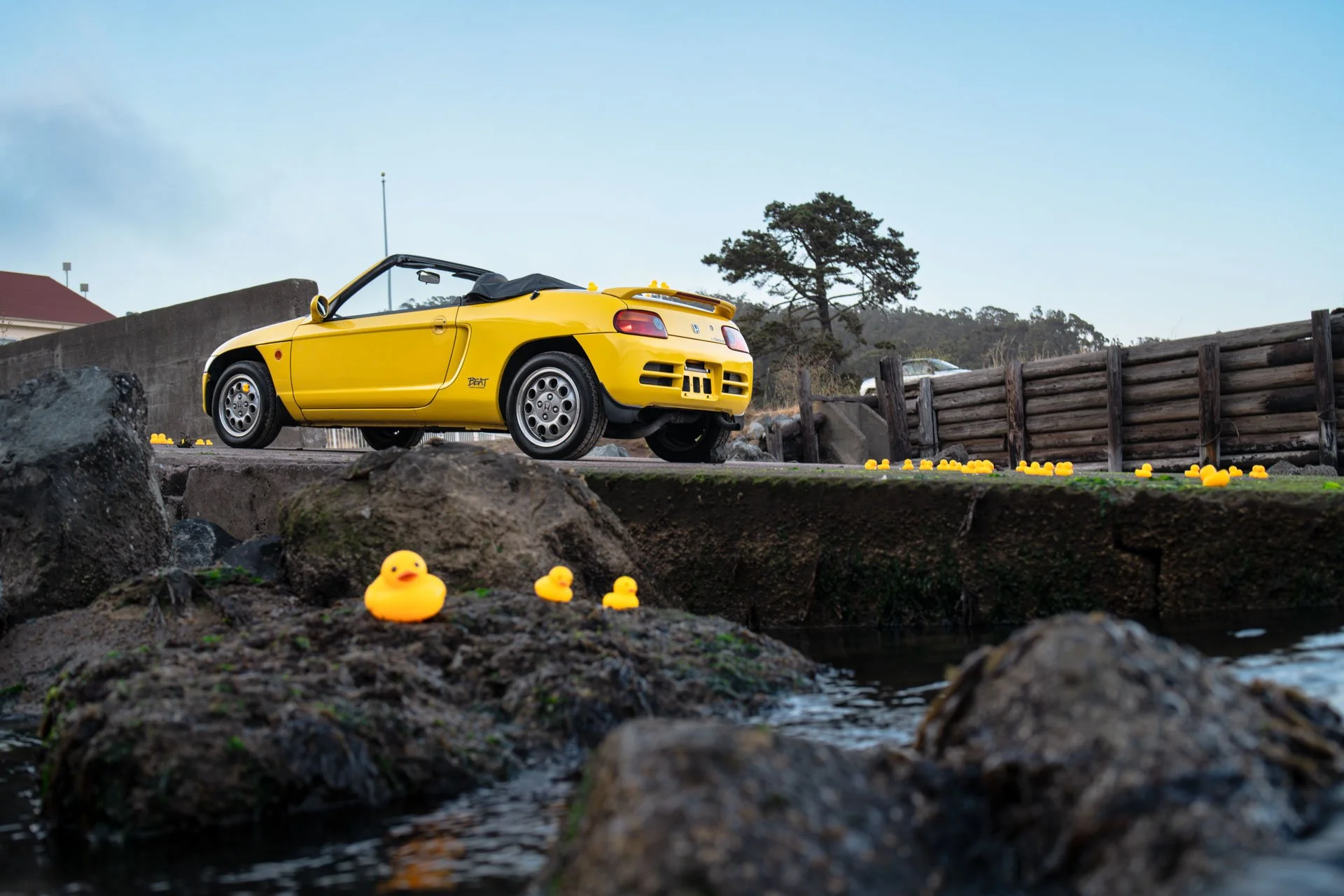
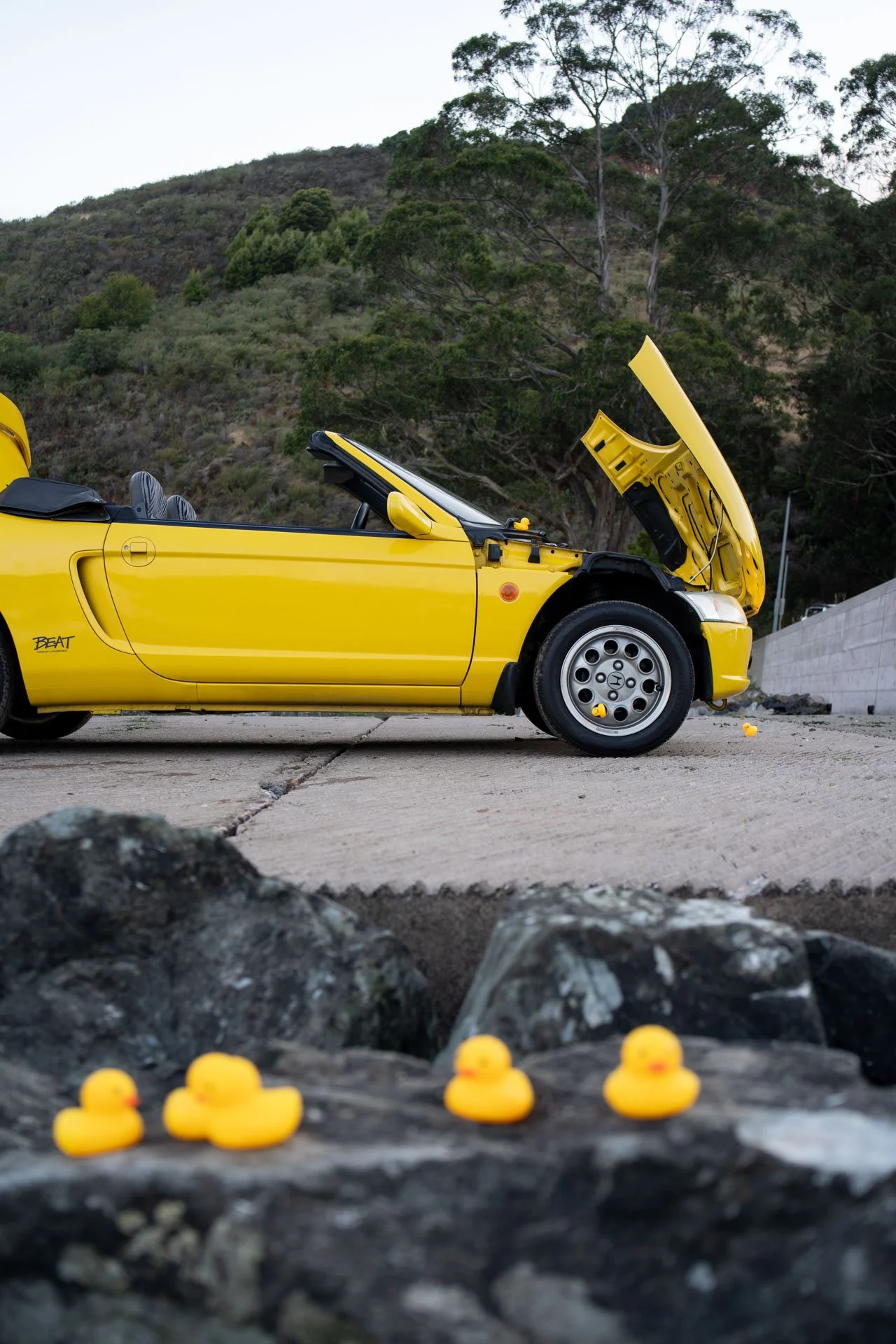
VIJAY SANKAR ANIL’S 1993 HONDA BEAT
Vijay (@pink_helmet) took the long road to Kei car ownership. “The first car I bought after graduating with my master’s degree was a 2011 Cayman six-speed, which turned out to be everything I wanted out of a one-car solution. After owning it for two or three years and getting comfortable with it, I realized it was too fast when you really start to enjoy it. Tall gearing means tight back roads are always in second gear and you quickly cross speed limits. This was frustrating, although the Cayman is a great sports car. That’s when I came across Jason Cammisa’s Honda Beat, and his subsequent Hagerty video. The Beat checked my boxes for a high-revving ultrashort-geared sports car which will never threaten speed limits while you’re having a blast and furiously rowing through the gears. A friend of mine in Chicago, who was also inspired by Cammisa, had one. I got the chance to drive it once and had to buy it immediately.” Vijay scored his Beat in 2023, and it has 62,000 miles on the clock.
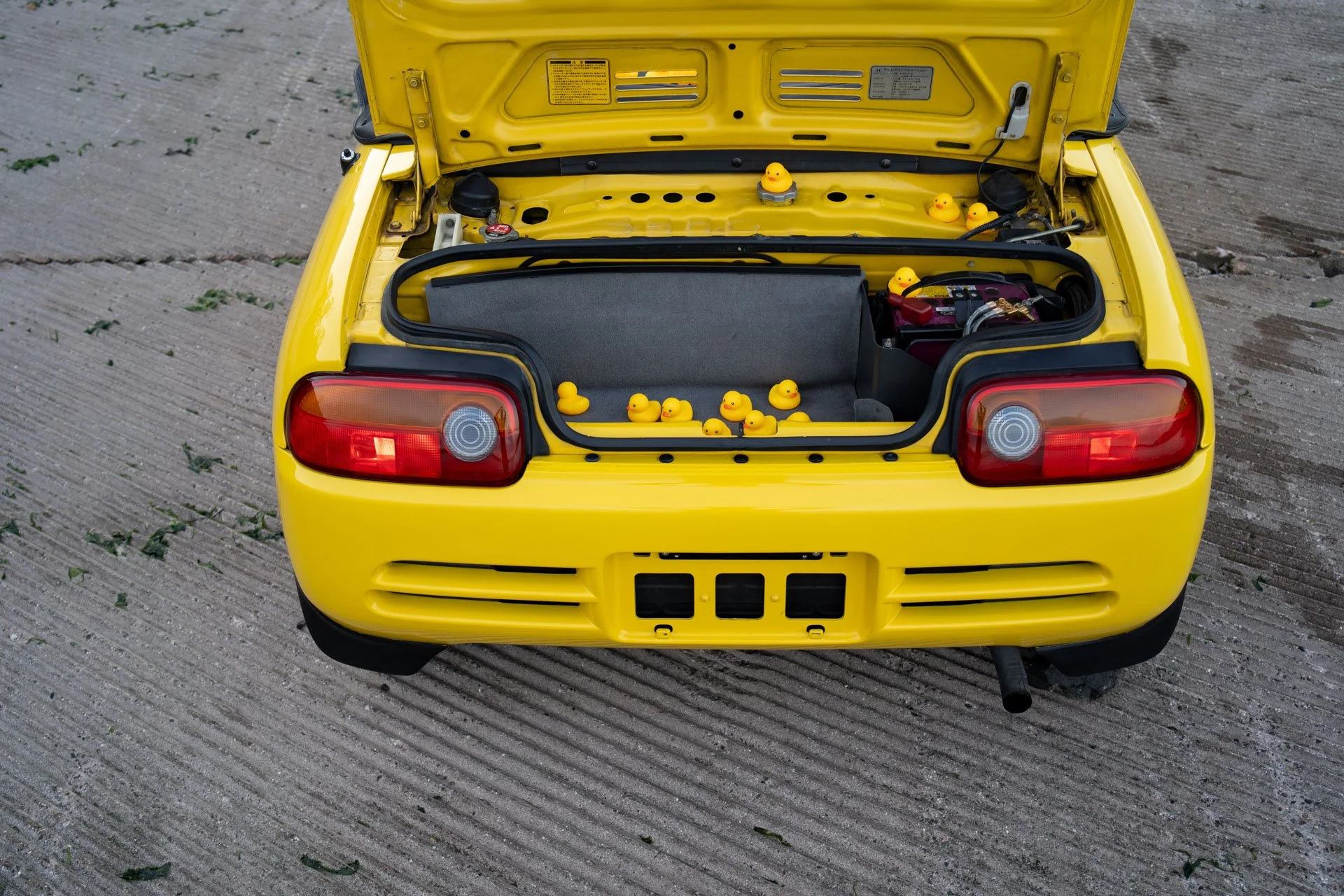
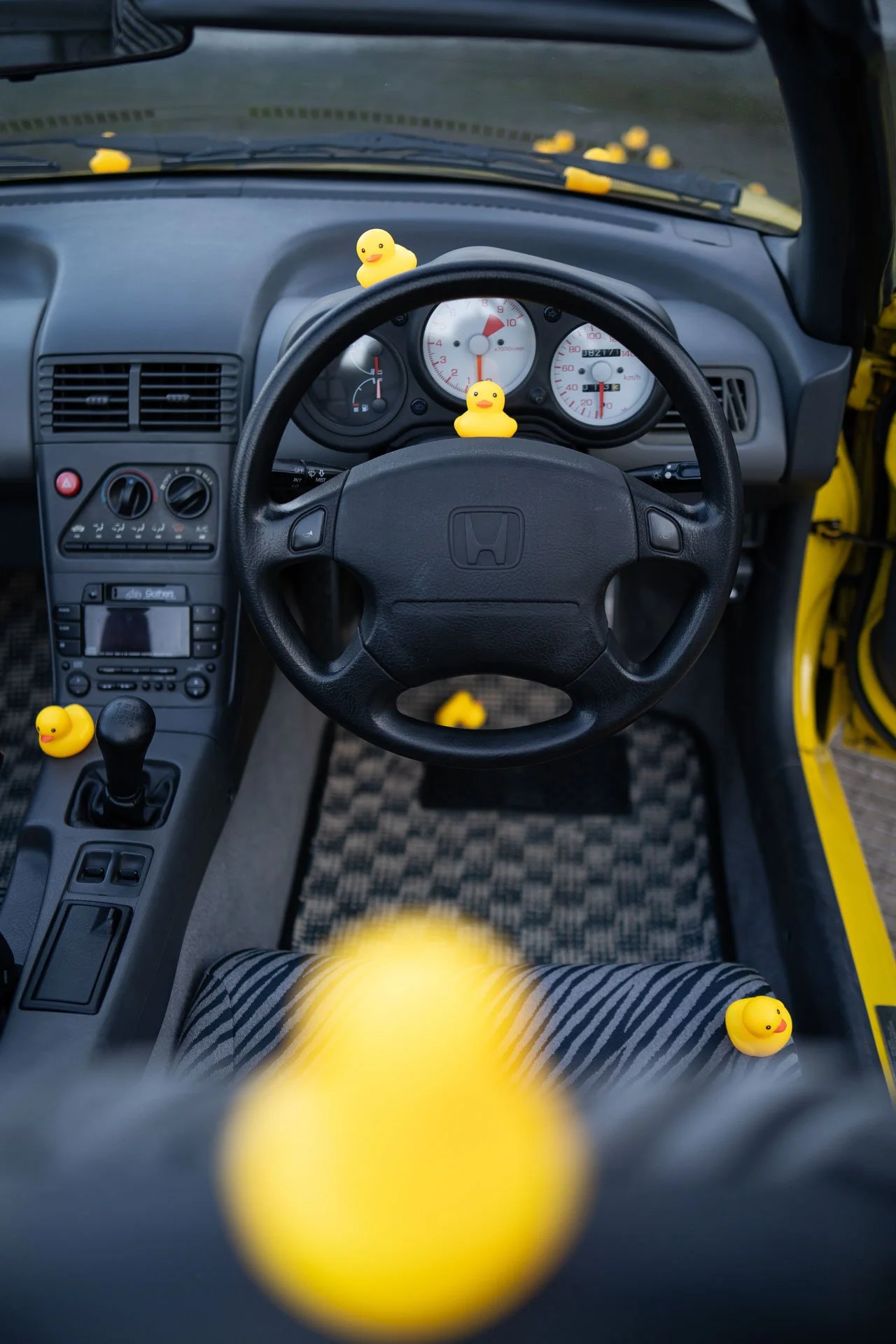
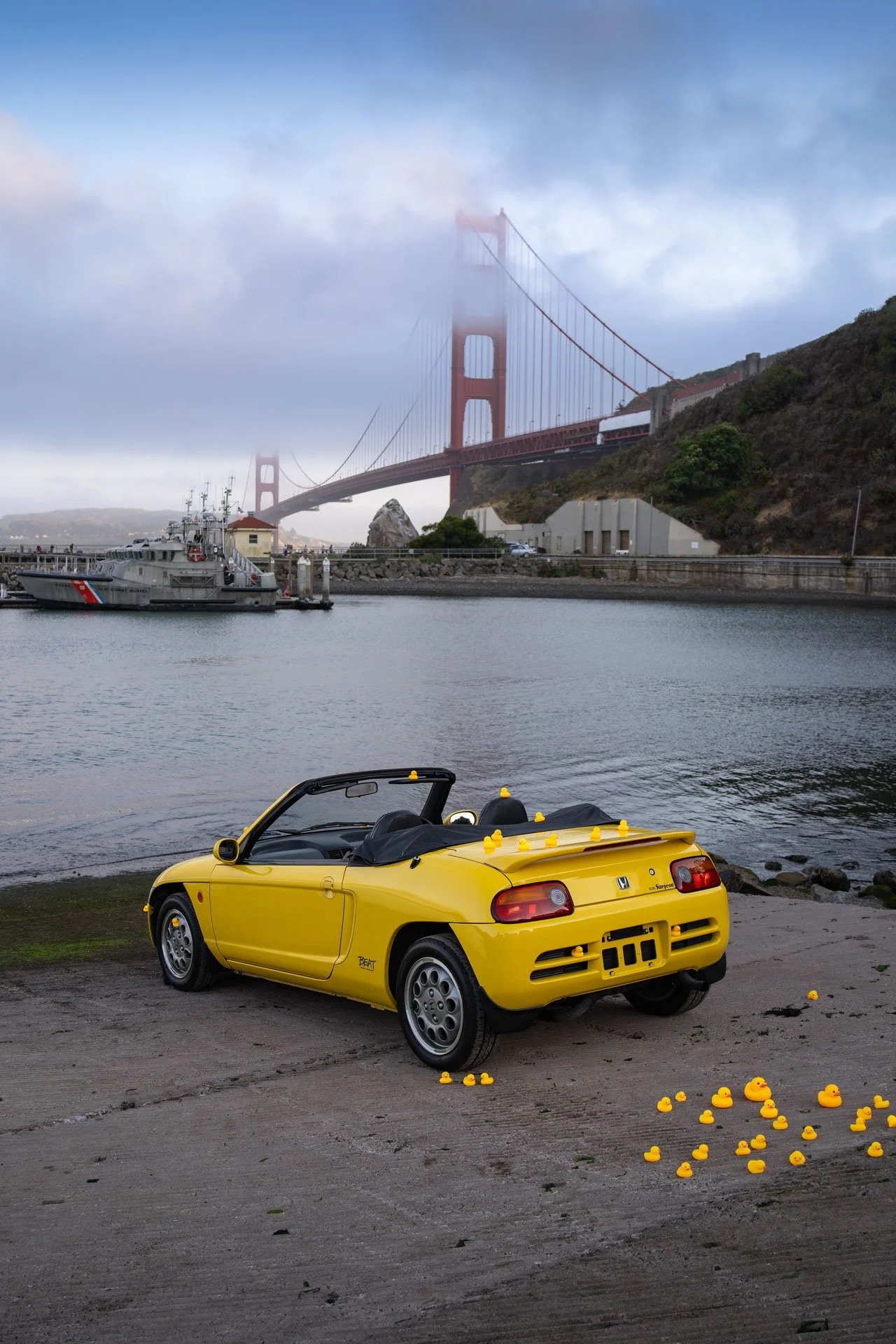
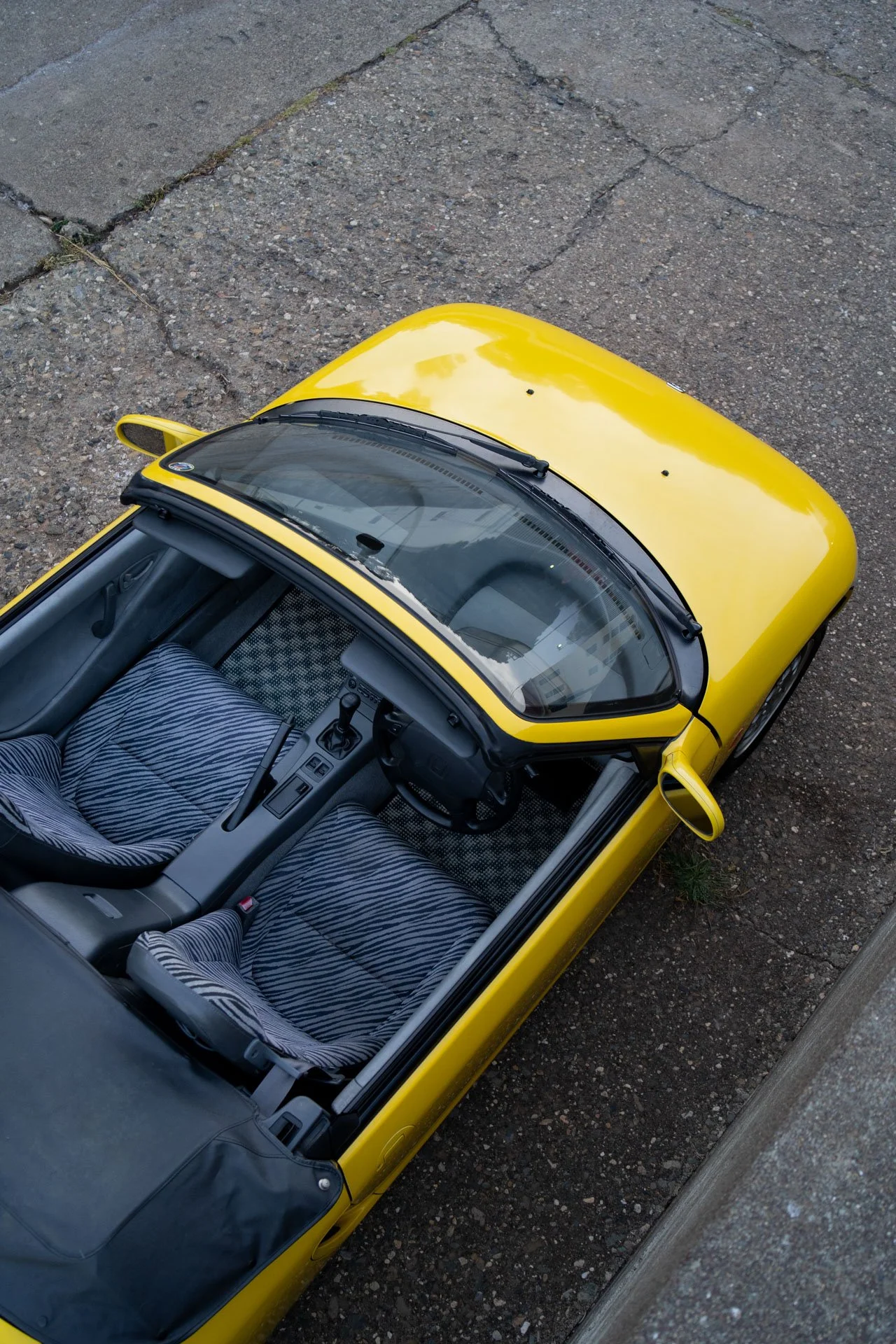
He says the Beat has a lot going for it. “As a testament to Honda’s serious approach to a sporty Kei car, the Beat was designed by Pininfarina. I love its clean and simple lines. It has aged decently well, 33 years on.” Smallness is a big part of the Kei series, but Vijay is quick to point out that doesn’t mean being cramped. “The driver’s space is larger than the passenger space. For sure, the car looks deceptively small, I mean the entire engine in the Beat is smaller in capacity than one cylinder in a Dodge Viper, but a friend who is 6 foot 2 inches tall drives it often, which I credit to good packaging on Honda’s part.”
Kei cars were designed as city cars, and while many shy away from taking road trips it can be done, but Vijay says one has to be hyper vigilant. “As a once-in-a-lifetime thing, I purchased the car in Chicago and drove it all the way down to Austin, Texas. It was basically the Olympics of defensive driving, trying not to get crushed by being in the blind spots of the gigantic American cars on gigantic American roads. I do not recommend it.”
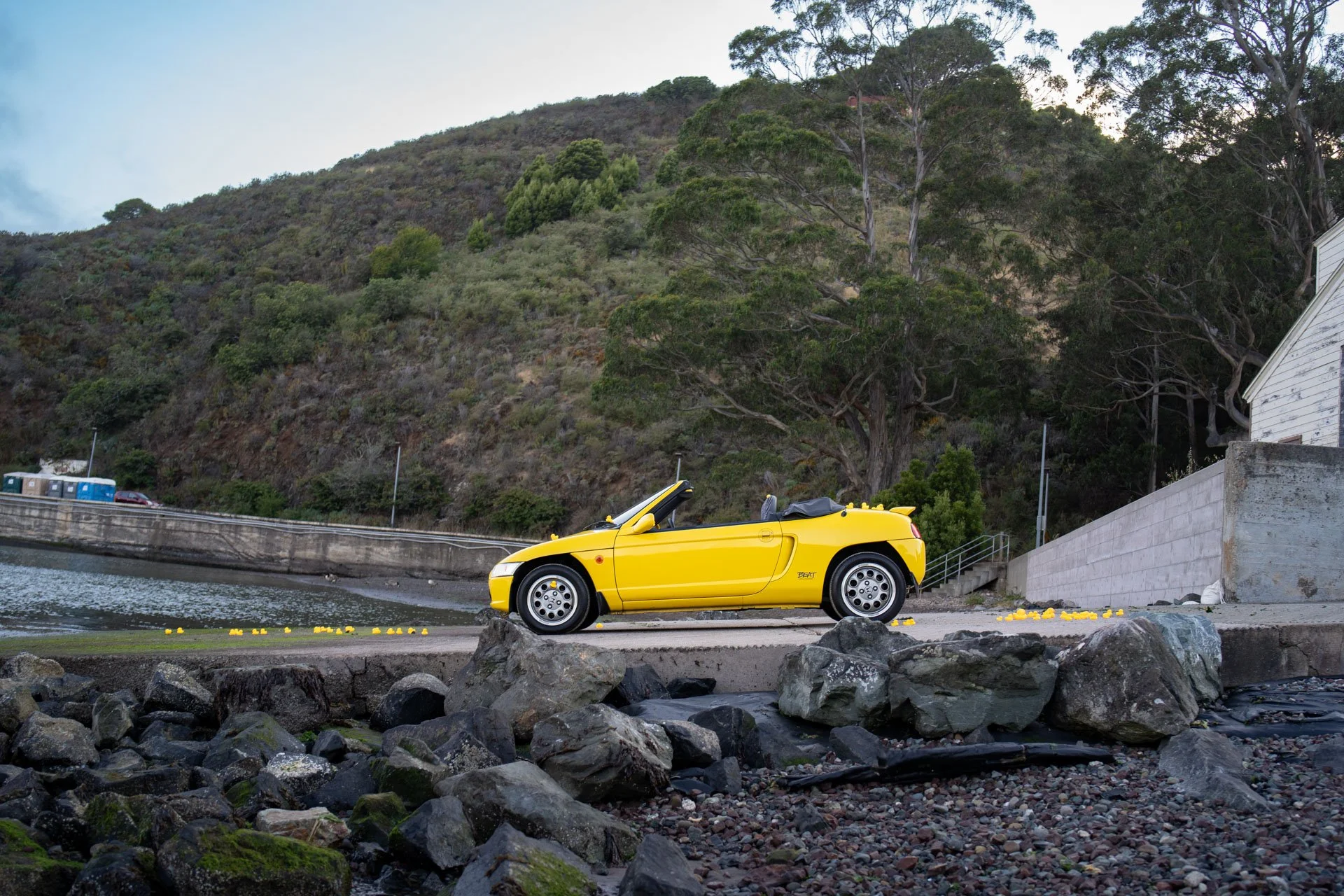
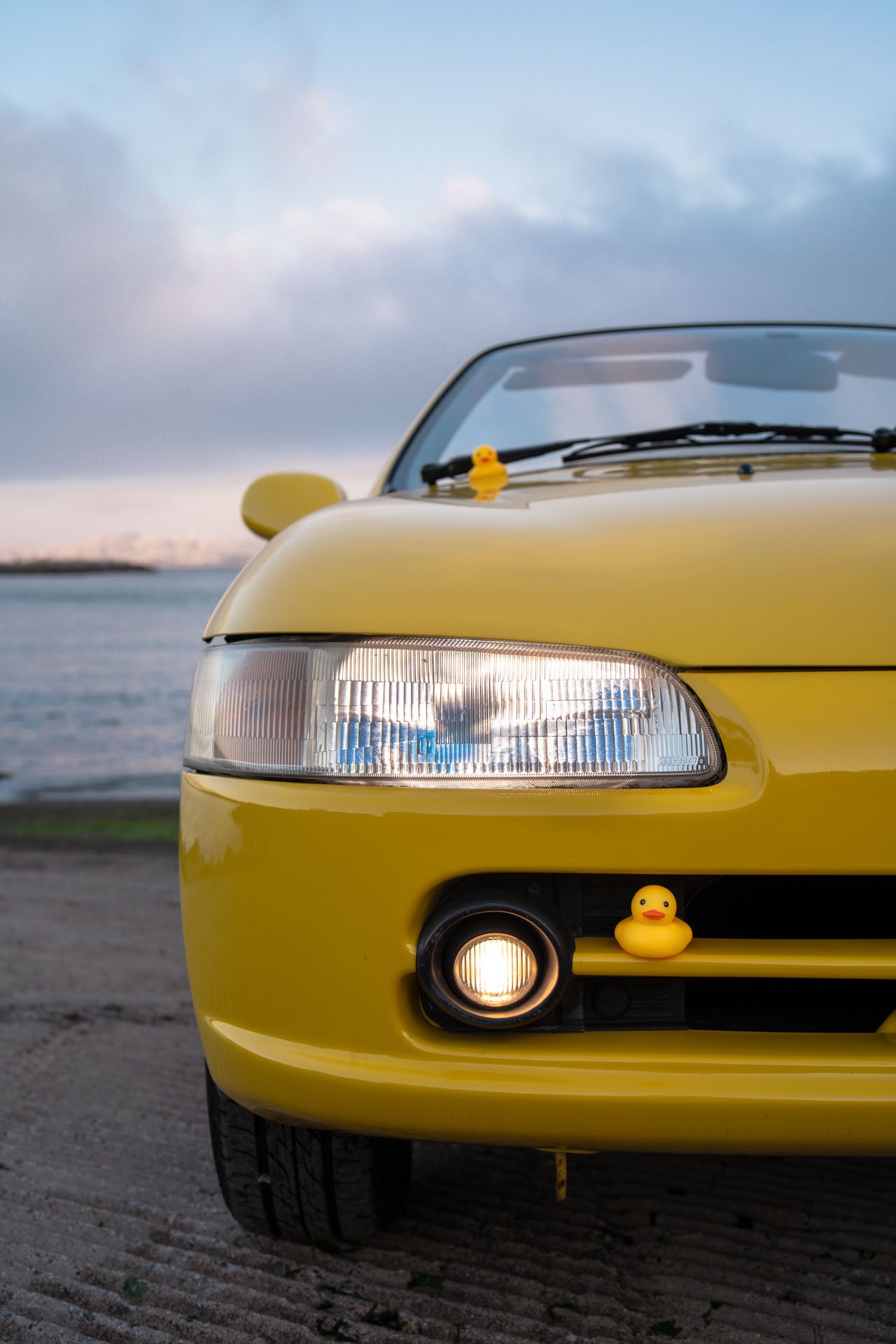
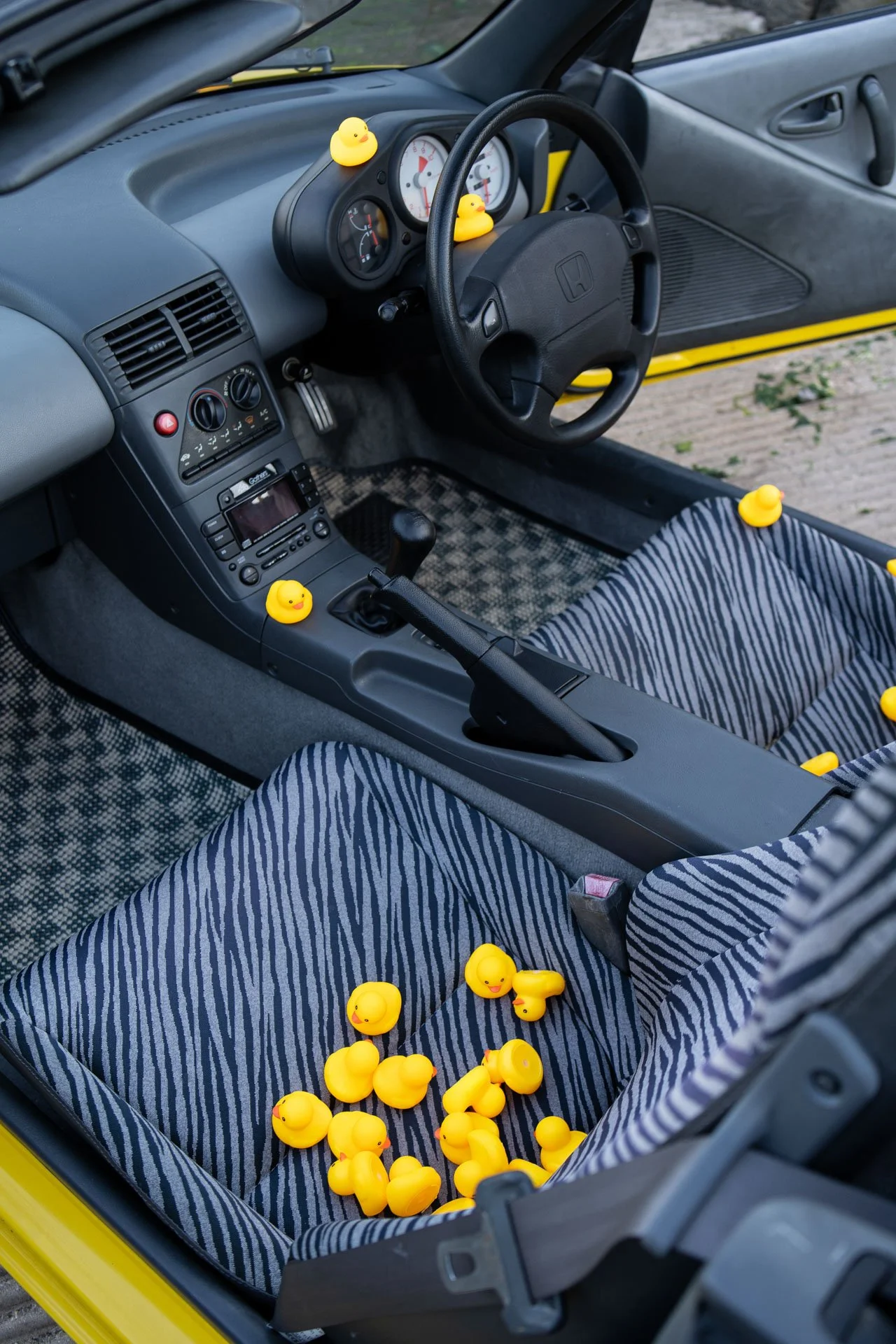
In its element, Vijay reports the Beat is a real riot when properly wound up. “You get that hair on fire feeling while doing 25 miles an hour. You can hit 8,500 rpm for three gears, bang them hard, and you’re still at city speed limits. Since it has three cylinders, the harmonics are components of a six-cylinder engine, such as a flat six, so it does have auditory flavors of a flat six, except you can hear it’s on song all the time. When driving it on highway, you’re sitting between 5,500 and 6,000 rpm, which can get tiring. The ITBs are right behind your ears, and I personally need earplugs after 10 minutes at that rpm level.”
The Beat was produced from 1991 to 1996, and a total of 33,600 units rolled off the production line. The sporty A-B-C cars give new meaning to the term screamer. If you’re comfortable living life at 8,500 rpm, they can be acquired from private sales, local JDM dealerships, or you can import one on your own under the EPA 25-year rule.

