
Born to Run
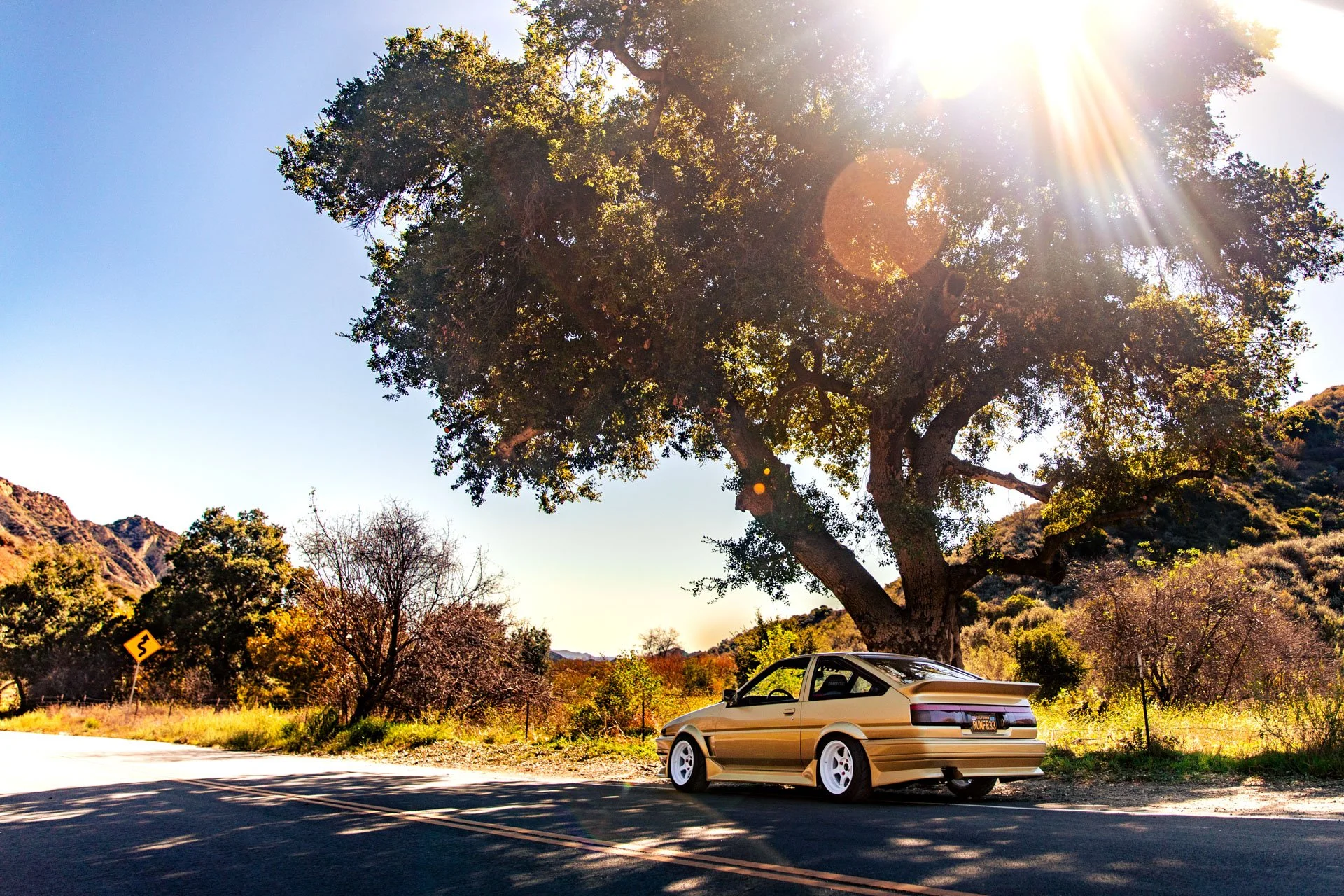
The 1984 to 1987 Toyota Corolla GT-S has legit street and motorsports credentials that belie its econobox aura. The cars, called AE86s because of their chassis code and affectionately known by the Japanese words for 8-6, hachi roku, were offered in coupe and the more desirable hatchback configurations. This generation of Corolla was the last to flex rear-wheel drive as the platform transitioned to FWD in 1988.
Allen Lugue, the owner of our feature car, is a long-time JDM enthusiast. Curiously, despite all its accolades, Allen wasn’t that familiar with the AE86 because they weren’t popular in the Philippines where he lived until the early 1990s.
Twisted Automotive
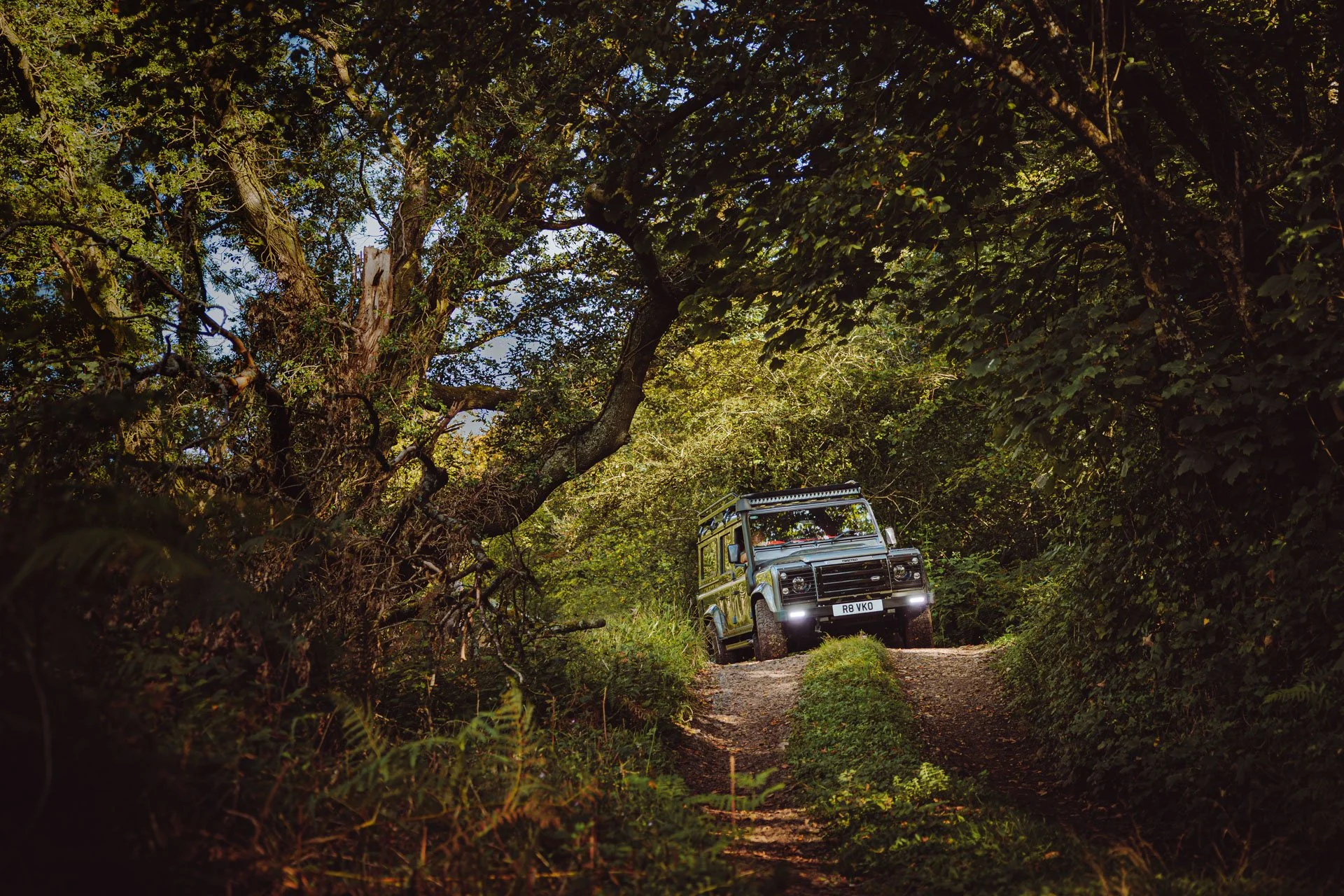
As the sun brightens a crisp summer’s morning, a group of Land Rover Defenders gather near a forested area in the heart of the Southeast of England’s Devon county. Having traveled from across the UK and beyond, the owners are chatting with each other whilst enjoying a bacon roll and a coffee. Their most common denominator is their vehicles have been restored and reimagined by custom build specialists, Twisted Automotive.
From Concept to the Corner Store
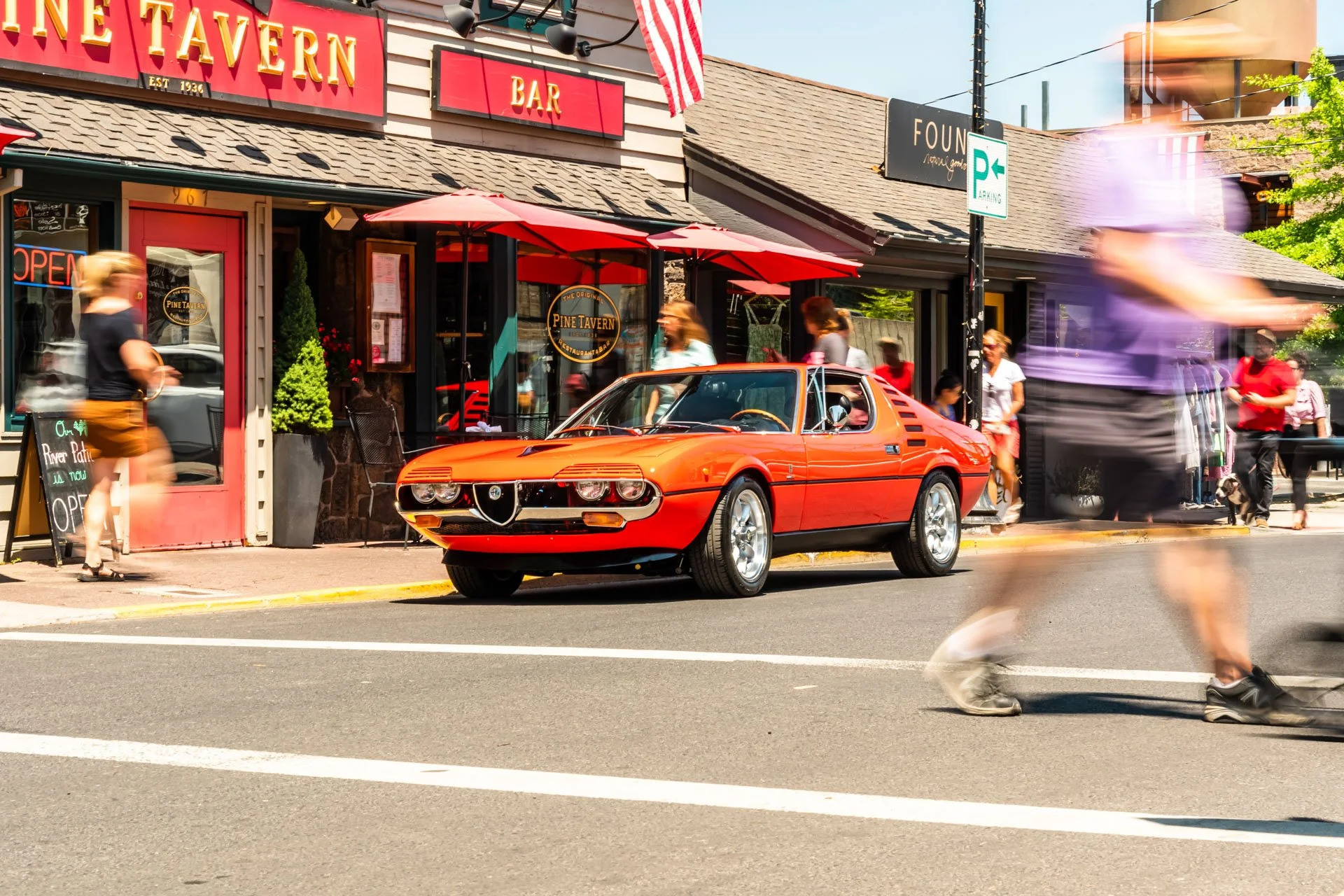
Enigmatic might be the best word to describe the Alfa Romeo Montreal. From its history to its design, the car exudes an air of mystery.
It is a rare and exotic beauty that combines the soul of a concept car and the heart of a race car. It was born out of a design challenge for the 1967 World Expo in Montreal, Canada, and became one of the most desirable and distinctive GTs of the 1970s.
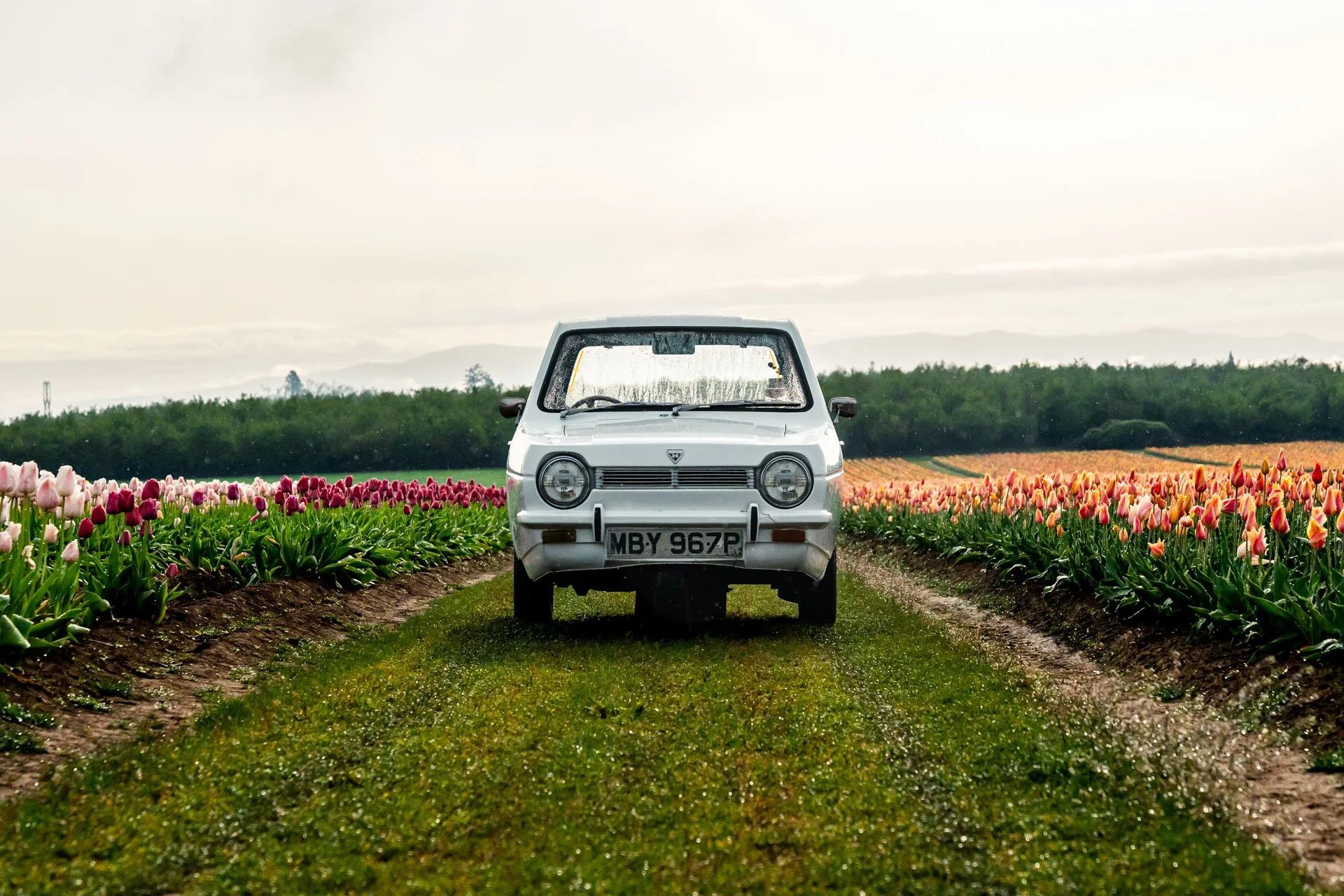
A Three-Wheel Circus
The three-wheeled Reliant Robin was no flash in the pan but a stalwart of British motoring as it enjoyed a 30-year production run from 1973 to 2002. Weight distribution, center of gravity, steering geometry, as well as general physics, made the Robin a touch tipsy in emergencies… Leave it to BBC’s Top Gear to illustrate this shortcoming.
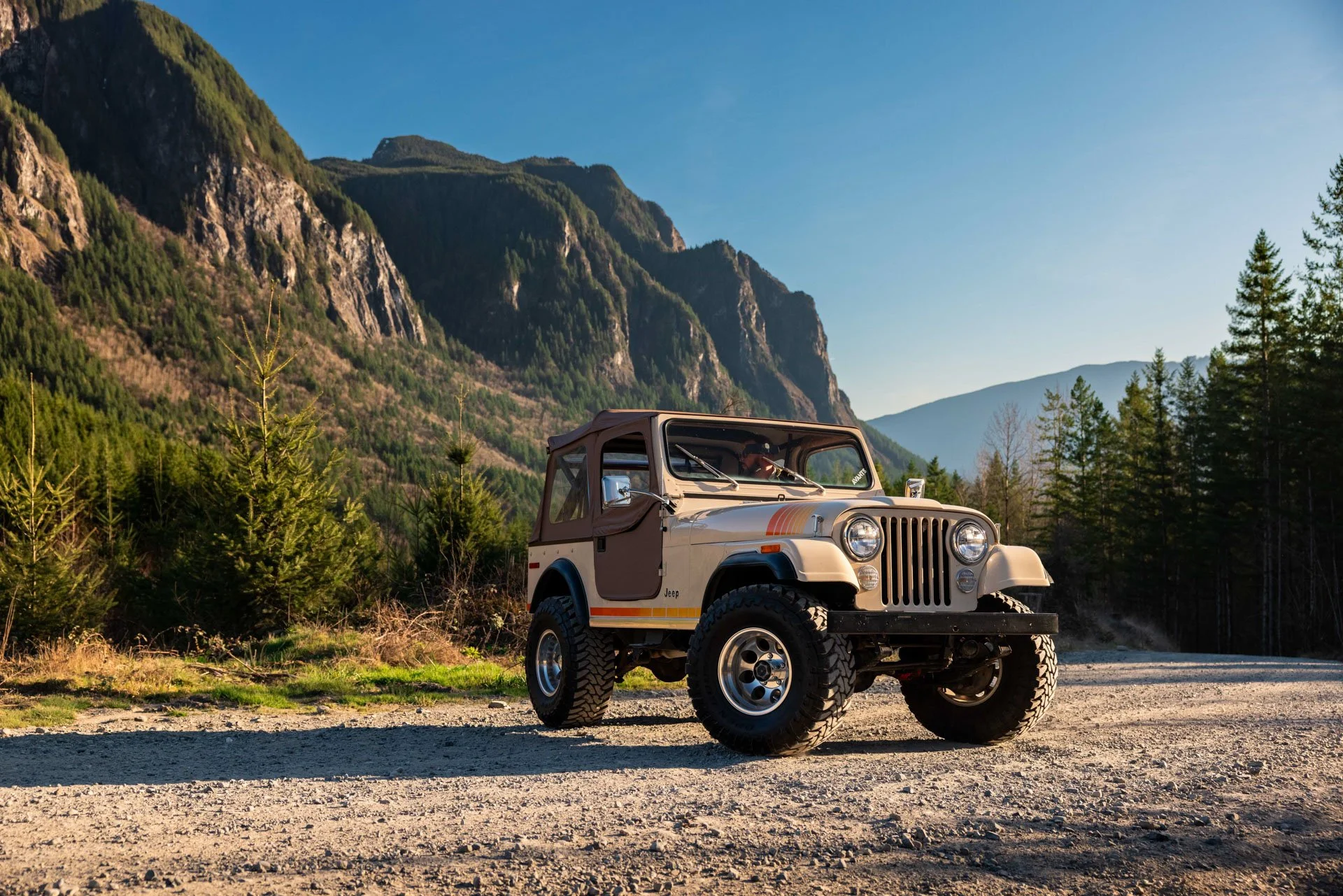
Back Country Renegade
Taming the trail in the late 1970’s didn’t get much more serious than the Jeep CJ-7. This is an era before they were called Wranglers. A time they still had a grasp of their hard-earned military-grade ruggedness without a hint of the Yuppie Jeep civility that was coming in the ‘90s with the Wrangler YJ.

Analog, Amplified
The first time you see the SLR McLaren Stirling Moss, your brain struggles to categorize it. It sits impossibly low and improbably long, its endless bonnet stretching forward like the nose of a pre-war Grand Prix car, interrupted only by vents and carbon-fiber cutlines that look more aerospace than automotive. There is no roof. No windshield. Just two minimal wind deflectors rising from the scuttle panel like afterthoughts, and twin nacelles sweeping back behind the cockpit in a shape that feels lifted from black-and-white Mille Miglia photographs.
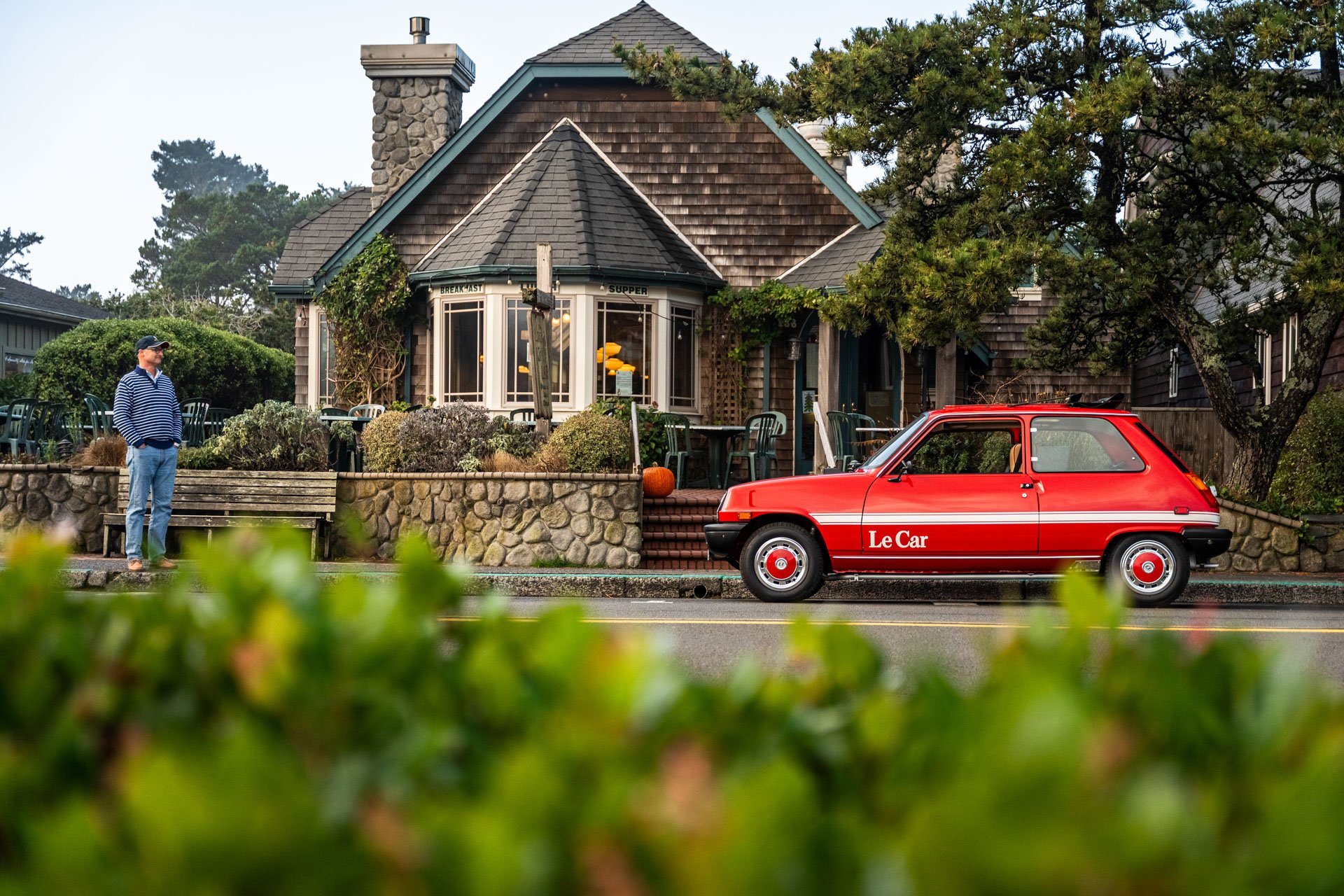
The Ultimate Beach Cruiser
The Renault Le Car, known globally as the Renault 5, holds a unique place in automotive history as one of the first truly modern superminis. Introduced in the early 1970s, it helped redefine what a small, affordable car could be by combining practicality, efficiency, and clever design in a compact footprint. For Renault, it marked a shift toward more youthful, urban-focused vehicles and established a template that would shape the brand’s future compact offerings
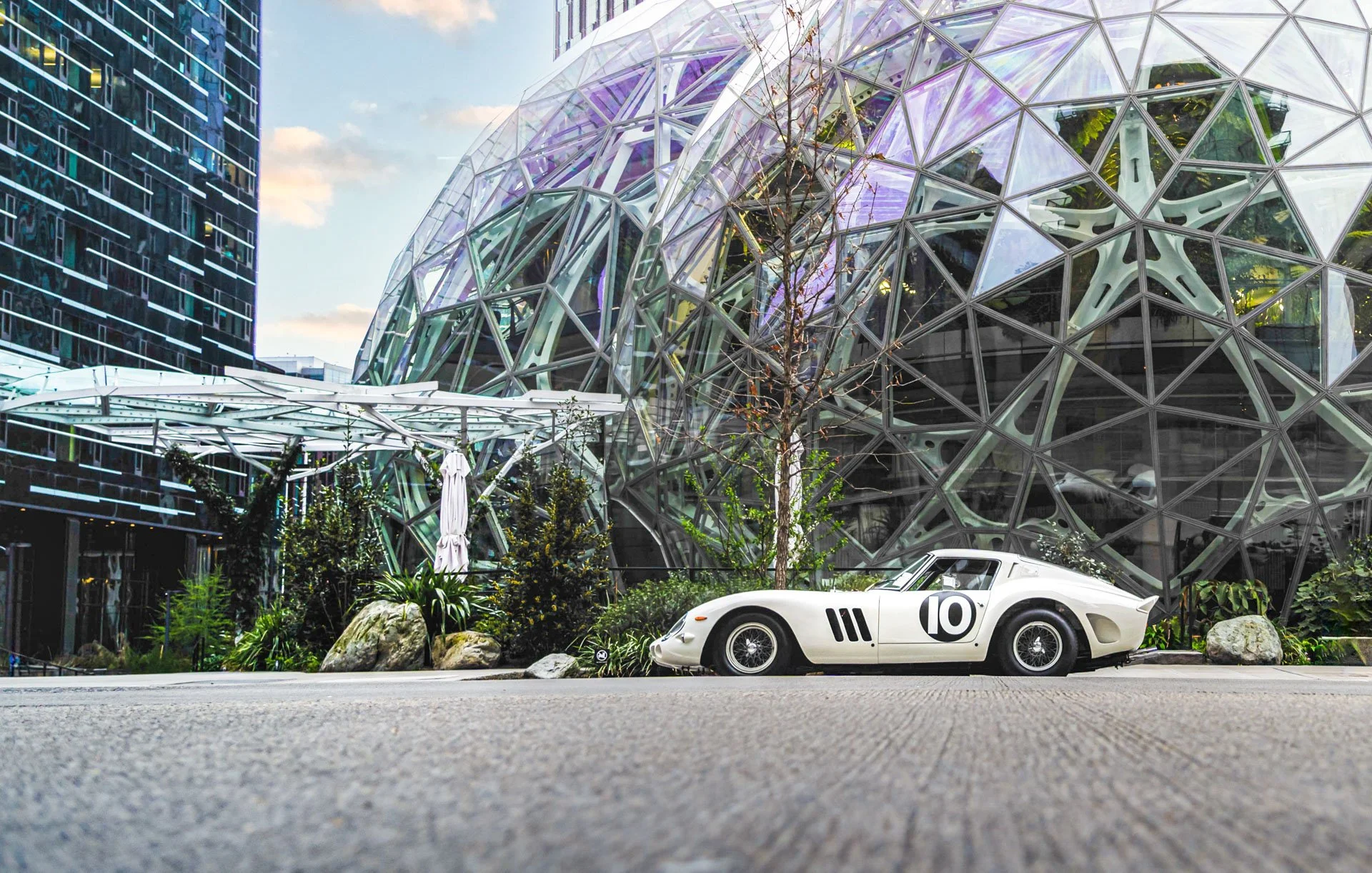
Art & Muscle
The weekend of July 20–21, 1962 was noteworthy to Northwest-based car enthusiasts because the crowd gathered at Pacific Raceways had the privilege to witness a pair of Ferrari’s new 250 GTOs going to battle in the USRRC Manufacturers Race. Mike Gammino took fourth overall in a red 250 GTO with a white stripe, and Frank Crane, who came up from San Fransisco finished sixth in his white 250 GTO with a blue stripe. Though four of Ferrari’s new race cars had made it to the U.S.A. in 1962 to race at Sebring and Daytona, this was the first time 250 GTOs would come to the Northwest, but not the last.
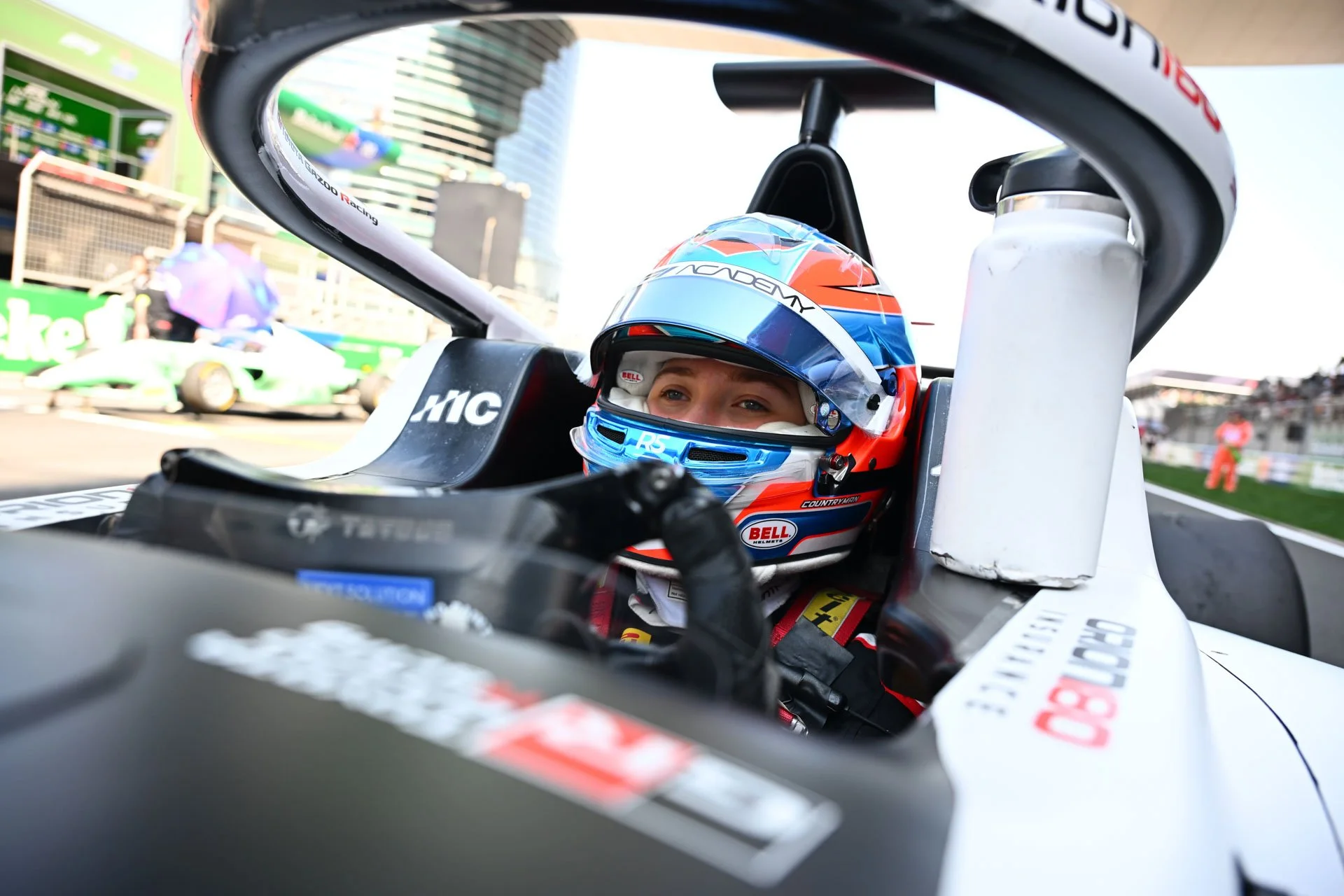
Catching Up at Full Speed
As the F1 Academy race weekend kicks off in Shanghai, the tone is clear from the moment you arrive. At the first checkpoint — badges checked, bags scanned — the Shanghai Audi International Circuit sets the tone.
Simple things, like sticking to a schedule or meeting someone across the circuit, require more planning. Leaving early, building in extra time, and accepting delays become routine.
Rising racer Kaylee Countryman handled that pace easily. This was her first race of the season in F1 Academy, and it took place during a Formula One weekend where everything moves fast.
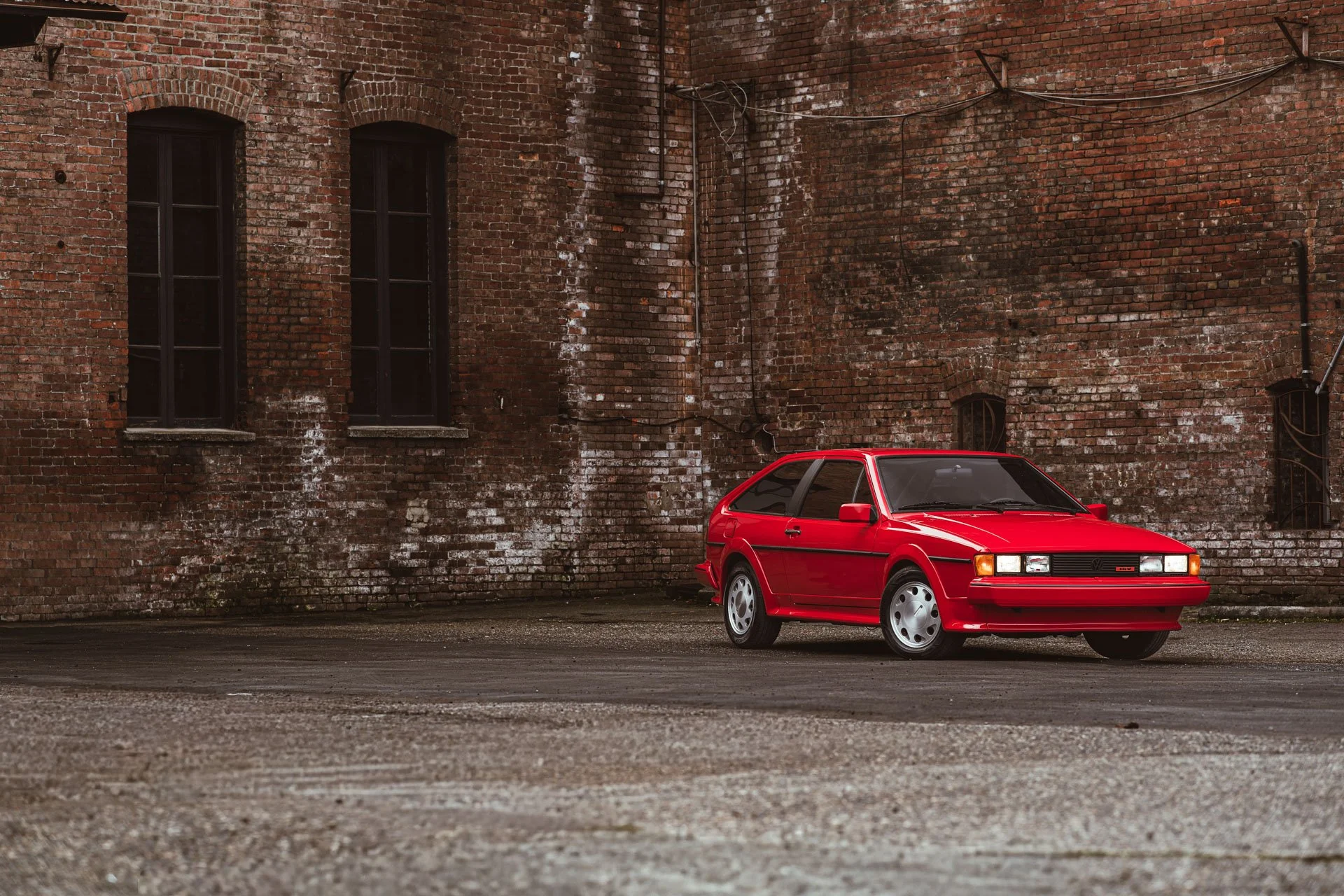
RAD RIDES: 1987 VW Scirocco 16V
The Volkswagen Scirocco holds an important place in VW’s history as one of the brand’s earliest attempts to inject real style and driving excitement into its front-engine, water-cooled era. The original Scirocco arrived just ahead of the Golf and helped signal Volkswagen’s transition away from rear-engine air-cooled cars like the Beetle. It proved that VW could build a sporty, modern coupe on a practical platform, effectively laying the groundwork for the hot hatch movement that the Golf GTI would soon define.
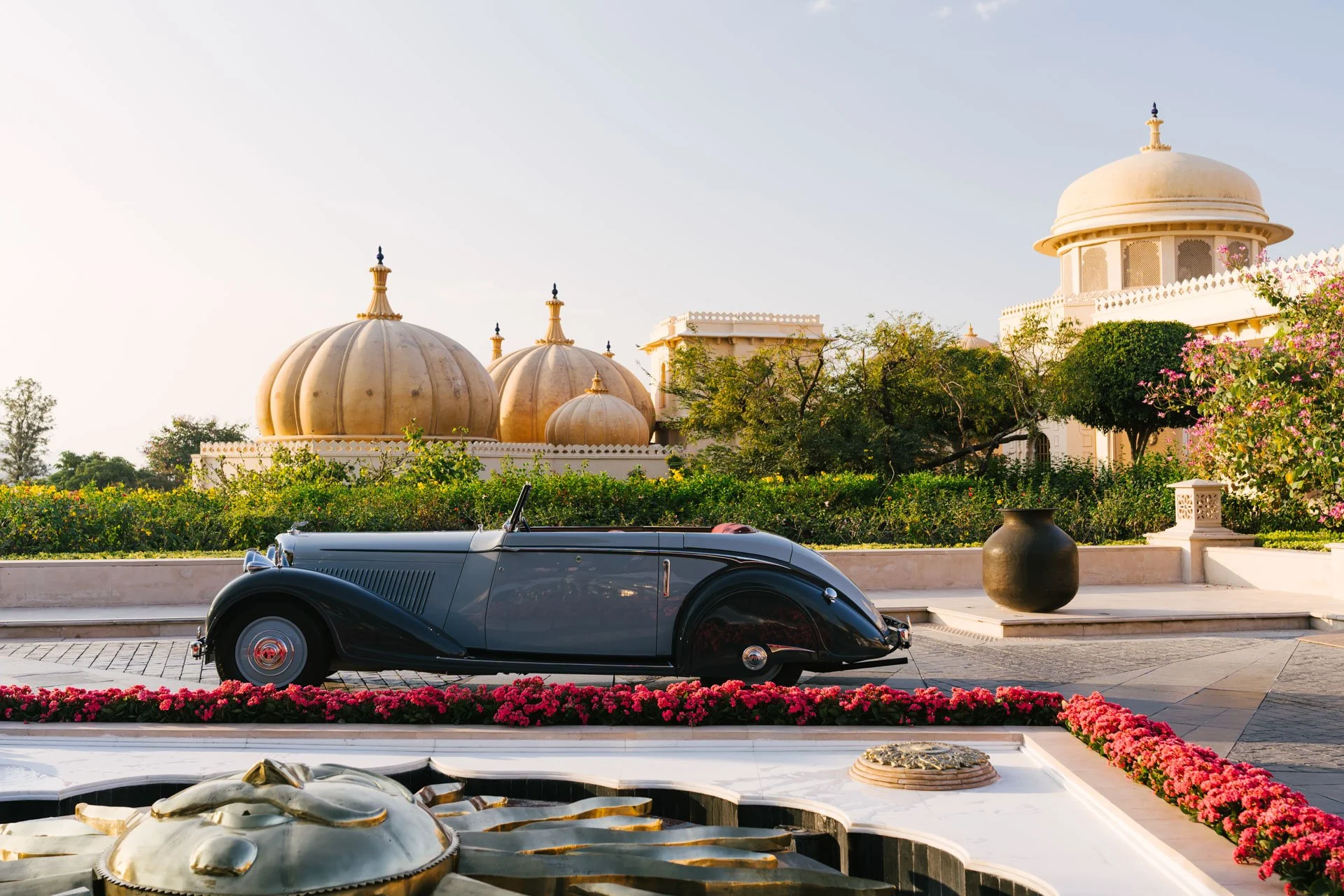
The Oberoi Concours d’Elegance
The Oberoi Concours d’Elegance made a terrific debut in 2024 in the historic city of Udaipur in India. The setting is magical, with the Oberoi Udaivilas being counted amongst the best luxury hotels globally. The display of such a varied selection of cars amongst the sprawling lush lawns, intricate arches and domes, and the ever-courteous staff makes for the most memorable experience.
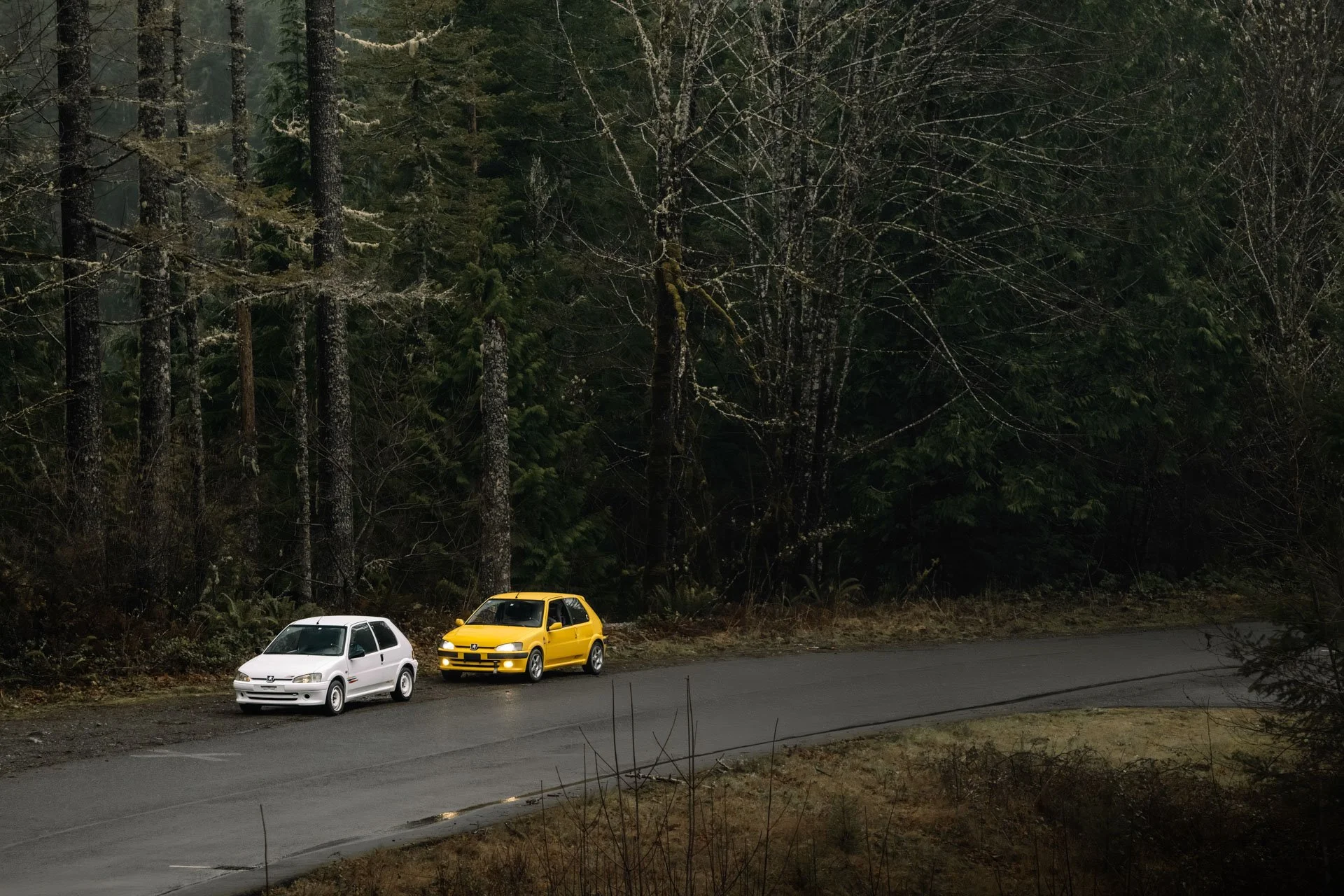
The Measure of a Good Car
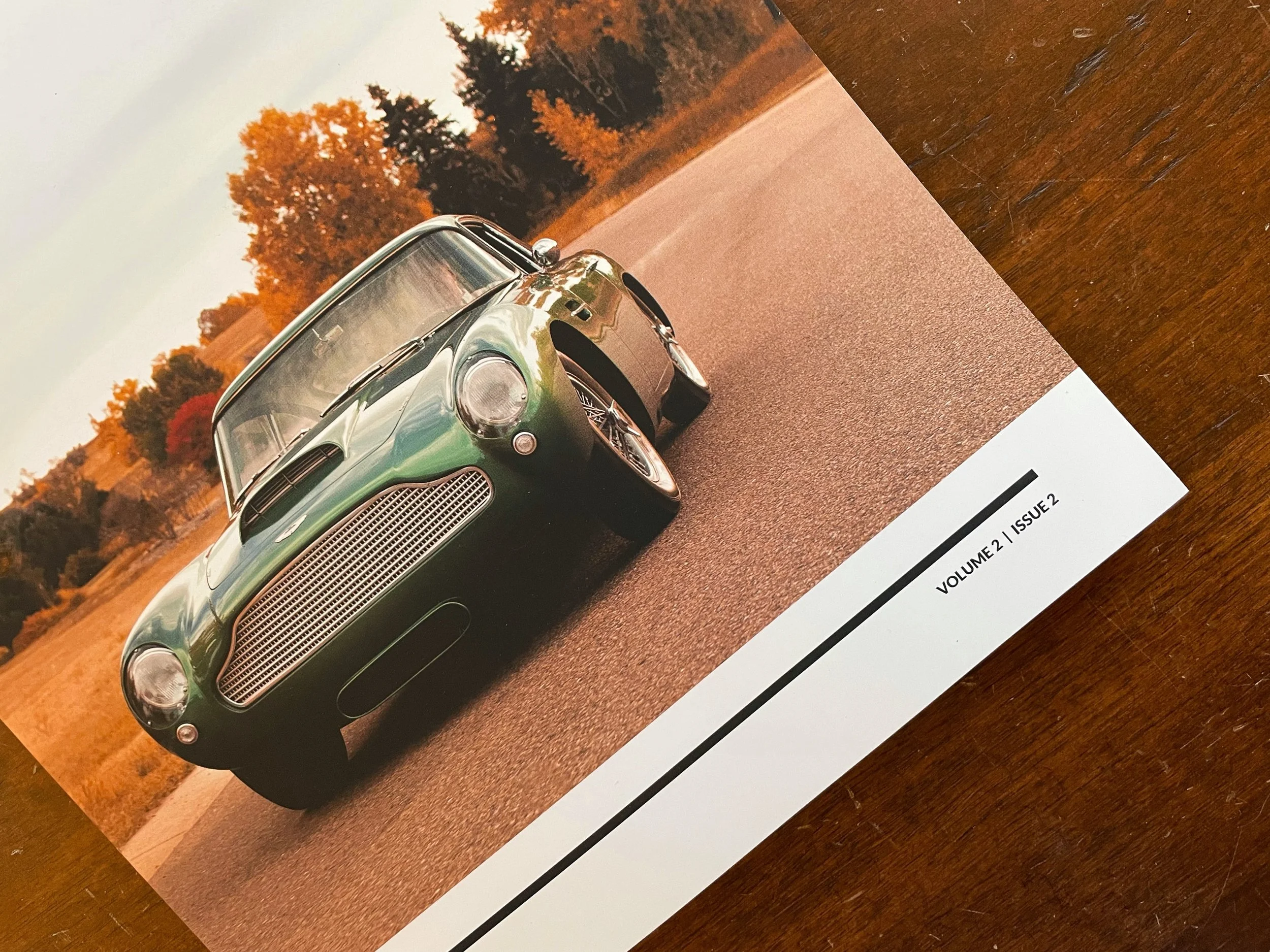
The Peugeot 106 Rallye and GTI prove that lightness, balance, and intent matter more than power or status. During my tenure at Avants, I’ve had the opportunity to write about some incredible cars. I’ve stood in the presence of machines like the Aston Martin DB4, Ferrari Daytona, and Ford RS200 — cars that defined the idea of a dream.
But for this issue, the assignment shifted in a different direction: two cars of far lower status, but machines I know intimately. My own Peugeot 106 GTI, and my good friend Mark’s 106 Rallye.
These are not hero cars. No bedroom wall has ever worn a poster of a Peugeot 106. And yet, they are so engaging that owning one quietly changes what you look for in a car.
France’s Defiant Supercar
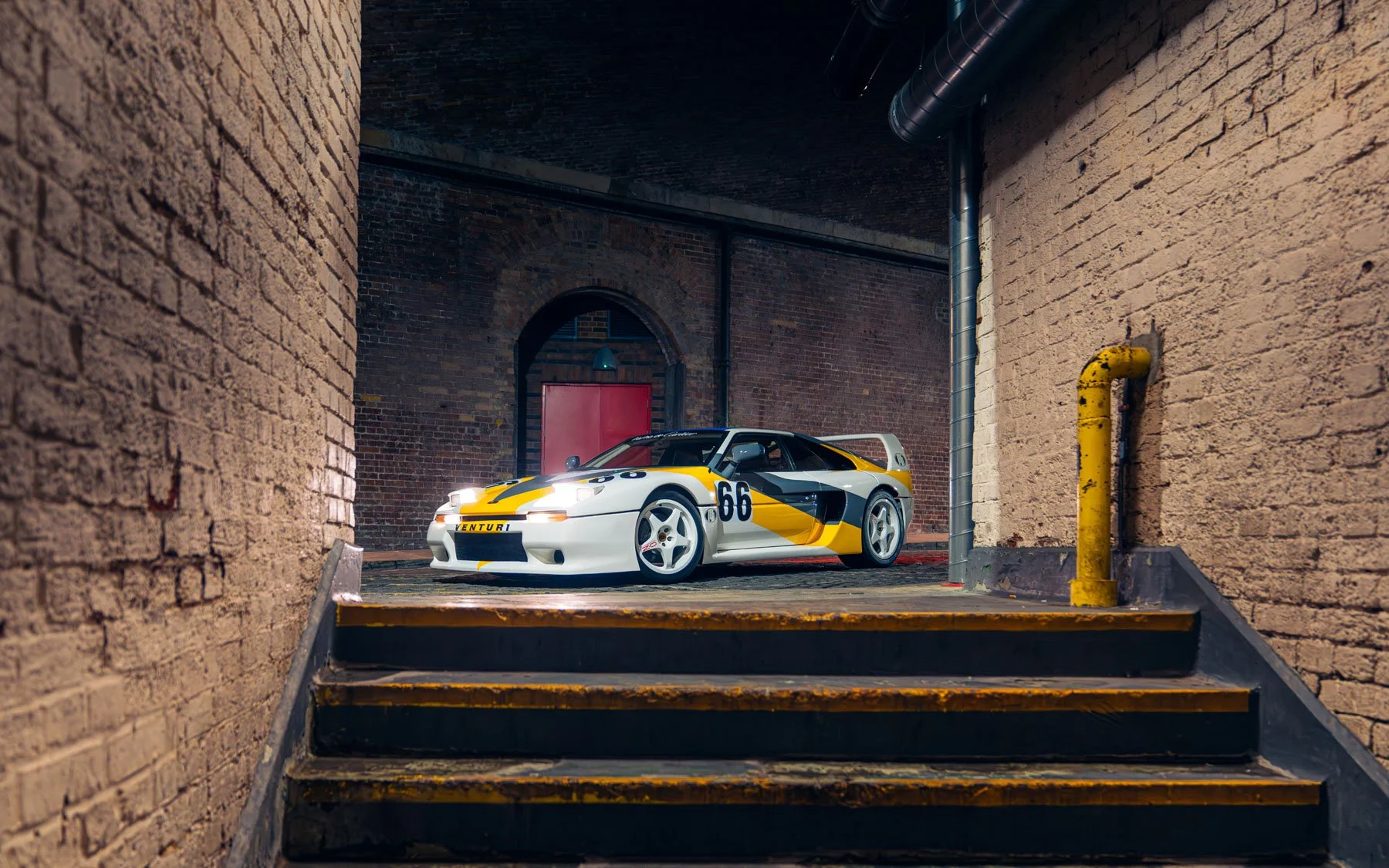
In the early 1990s, when the supercar world revolved around Italy, Britain, and an increasingly confident Germany, a small French manufacturer decided it would not merely compete, it would provoke. The result was the Venturi 400 Trophy, and few examples illustrate that moment of exuberant ambition better than the 1993 car bearing chassis number 0066, recently offered at auction by Gooding Christie’s.
Serious Sleeper
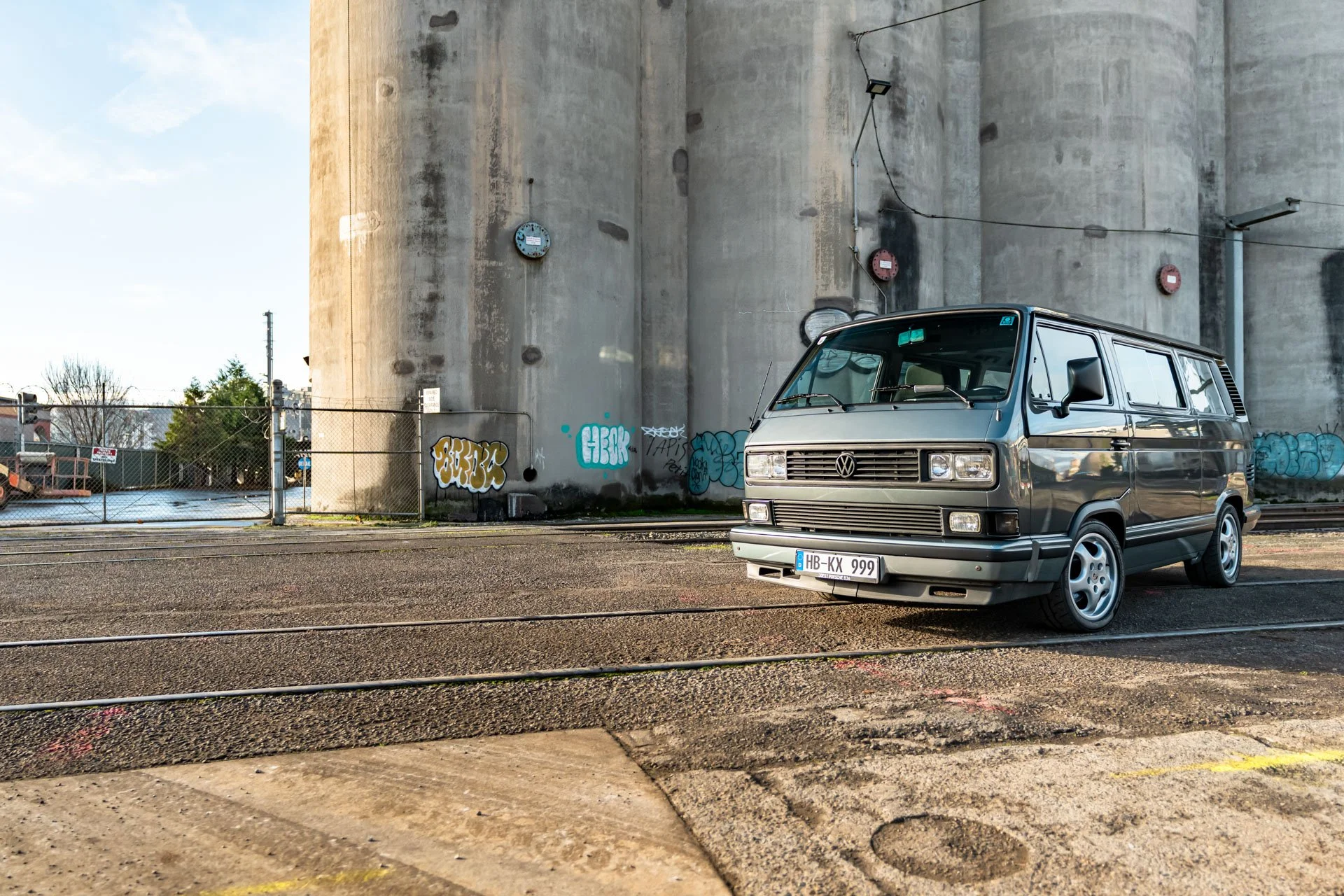
Long before “sleeper builds” became a trend, race driver Louis Krages and team owner Reinhold Joest created something that didn’t make sense on paper — a one-off vehicle combining an unassuming Volkswagen Vanagon shell with true Porsche performance DNA.
Between Stages
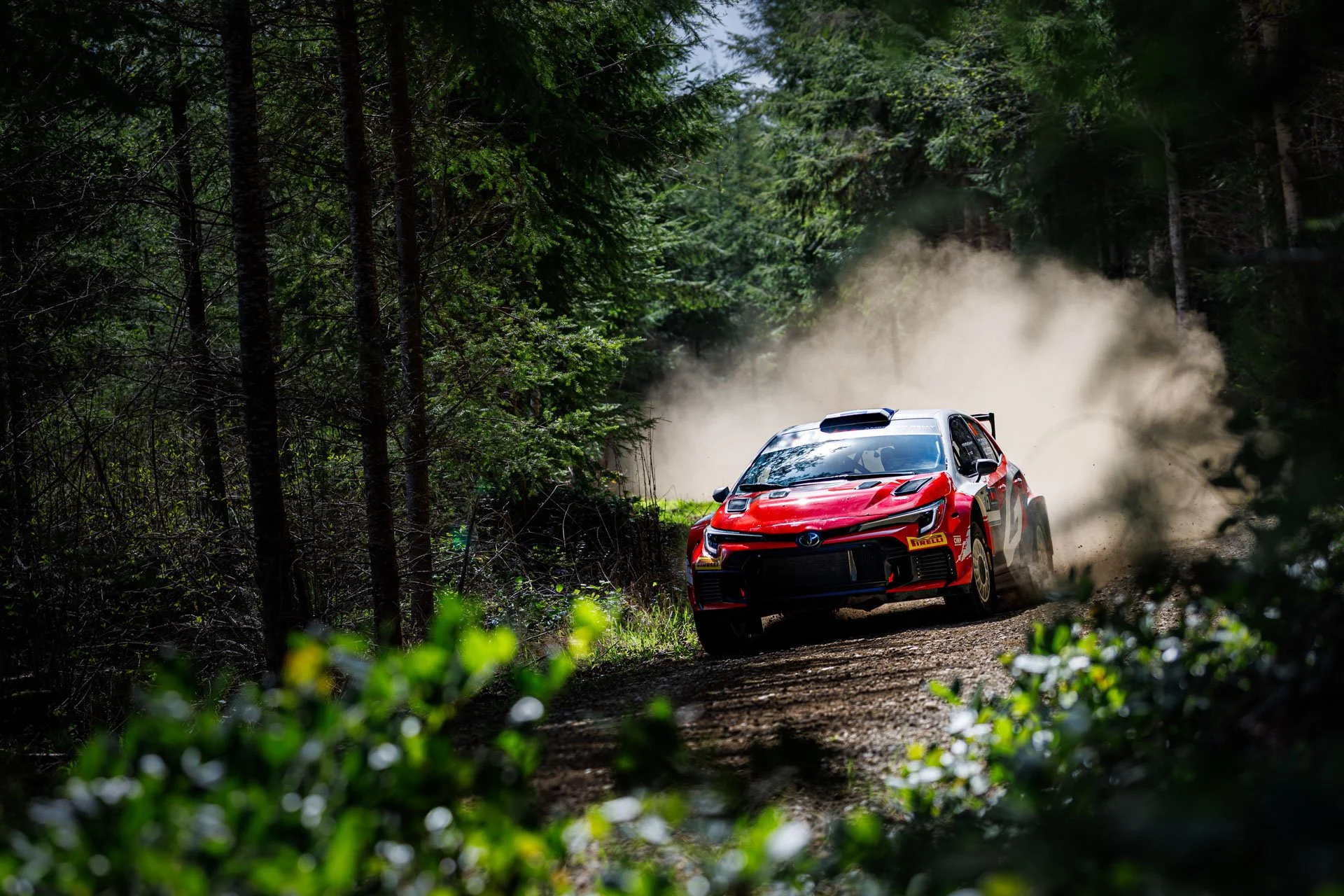
The course narrows as it leaves the highway, giving way to gravel and then to forest trails. Spectators gather where they can — at junctions, in small clearings, along the edges of the course. Cars pass in brief, violent bursts, the sound arriving before the headlights, and then they’re gone in a heartbeat, leaving only dust and silence hanging in the air.
It’s been like this for decades.
As Intended
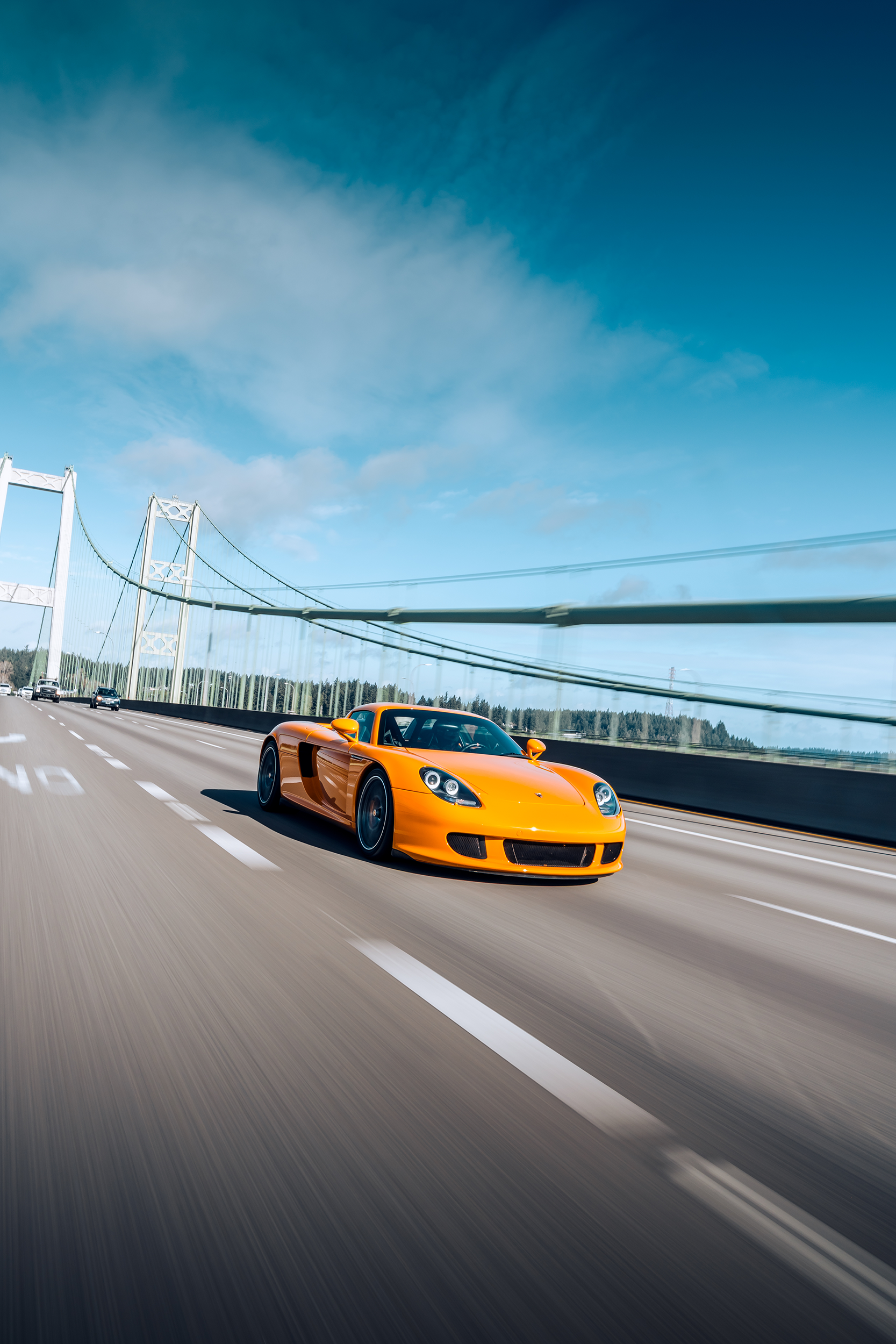
The world of the Carrera GT is small. The car was only produced for three years, but many of us deep aficionados are borderline obsessed with Porsche’s masterpiece, many keeping a secret list, a coveted diary of each chassis, its ownership history, and other noteworthy details.
But for IndyCar driver Graham Rahal, the Carrera GT was never just a line in a registry. “When I was a kid, my dad had one new,” he says. The Carrera GT was like a god to him. His father, Bobby Rahal, is no ordinary reference point — an Indianapolis 500 winner, race team owner, a figure woven into the fabric of American open-wheel racing.
So when Graham speaks about the Carrera GT, it comes with context — memory, reverence, expectation.
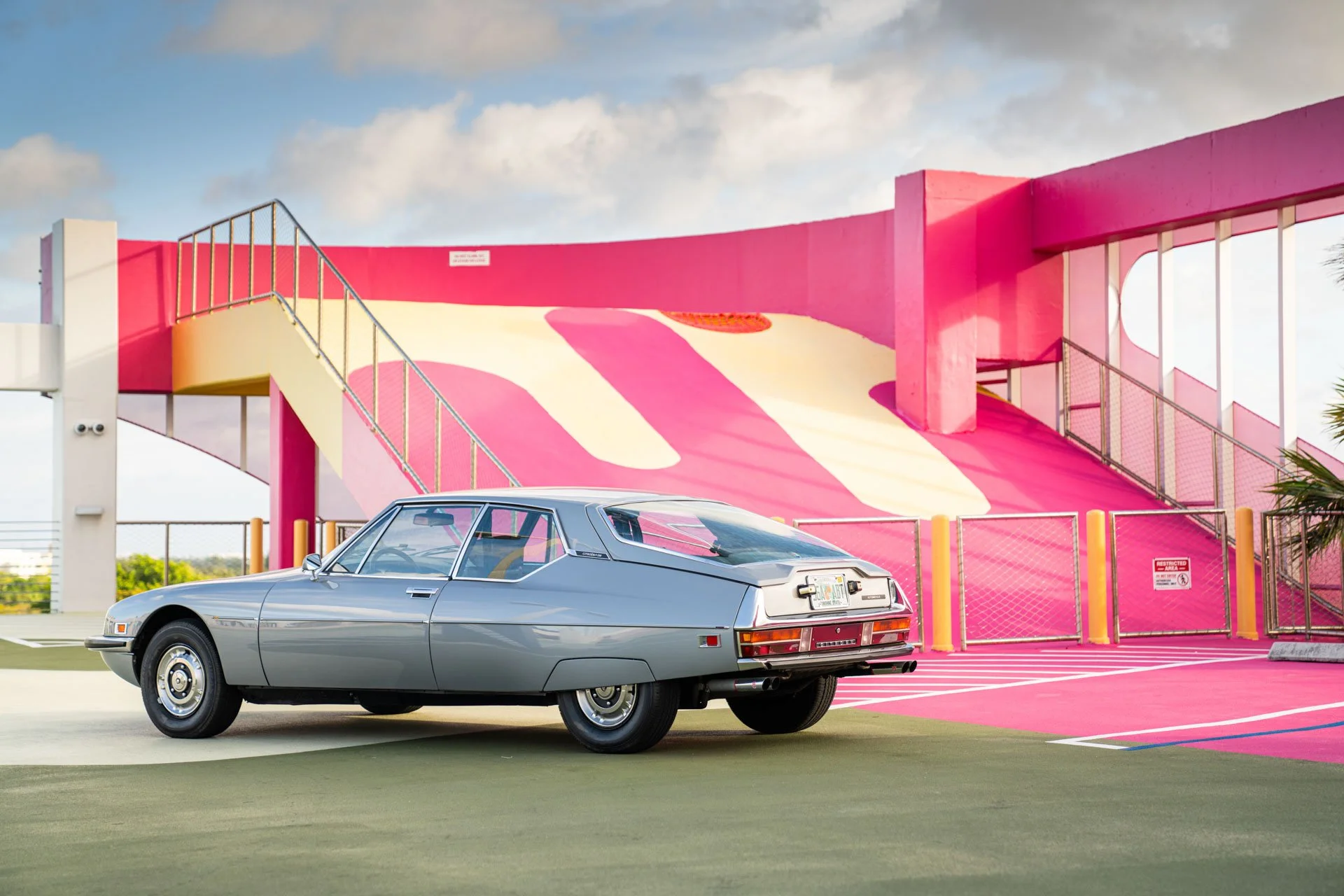
Innovation Meets Elegance
Citroën, the renowned French automobile brand, has left an indelible mark on automotive history. From groundbreaking innovations to iconic designs, it has consistently pushed the boundaries of what’s possible in the automotive world.
The 1974 Citroën SM is no stranger to this concept and played an important role in the evolution of Citroën. To this day, it remains one of the marque’s most collectible models.
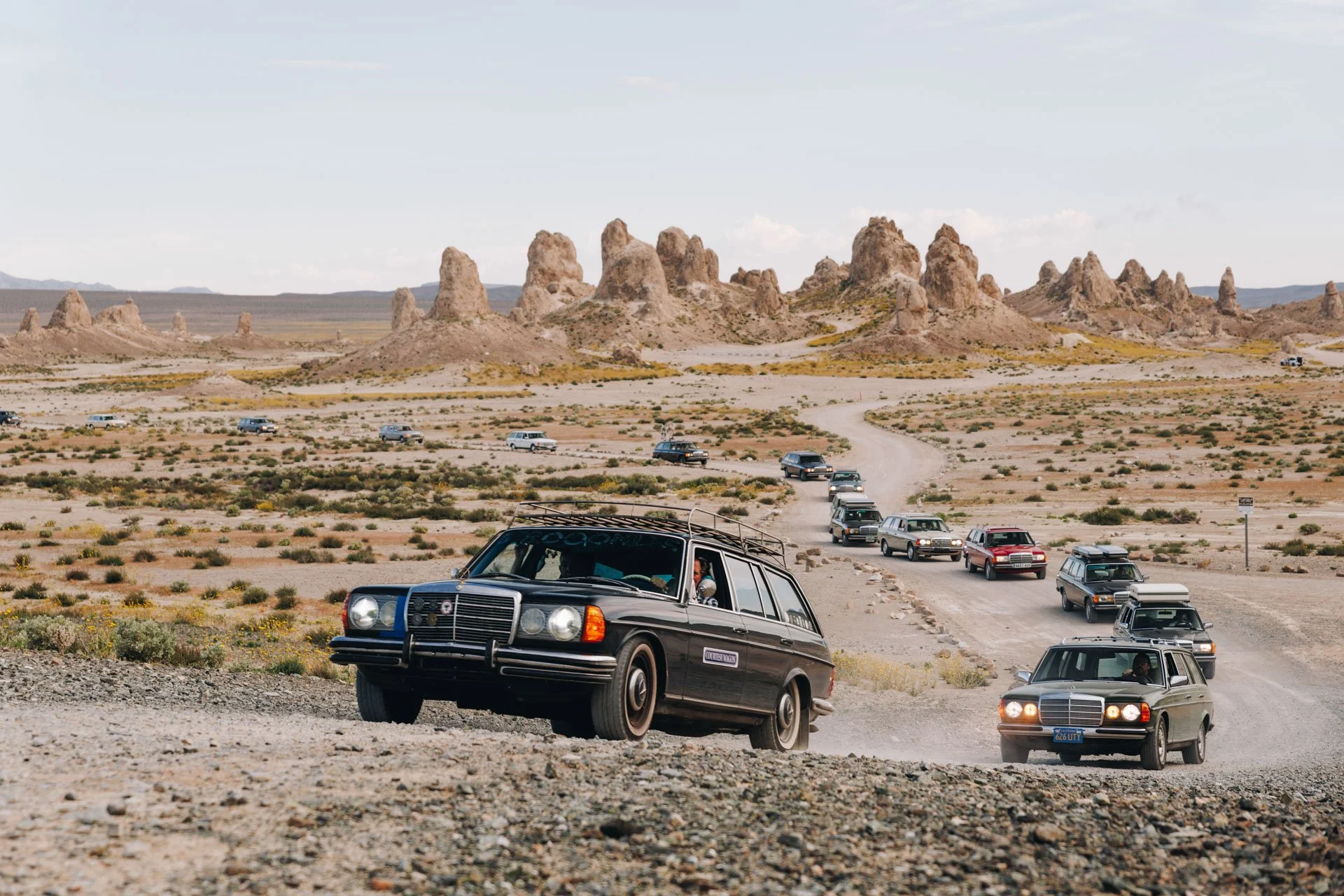
A Brave Pilgrimage
Blue Nelson lives his life exactly how he wants it to be, he makes no compromise. While Blue has the ability to own and drive any car he might want, he has become synonymous with W123 Mercedes-Benz wagons, in part for their six-digit odometers which come in handy for obvious reasons. Having personally owned over 300 wagons himself, it’s safe to say he has become the encyclopedia of knowledge for the cars and even hosts a yearly Tour to celebrate what he believes to be one of man’s greatest inventions.
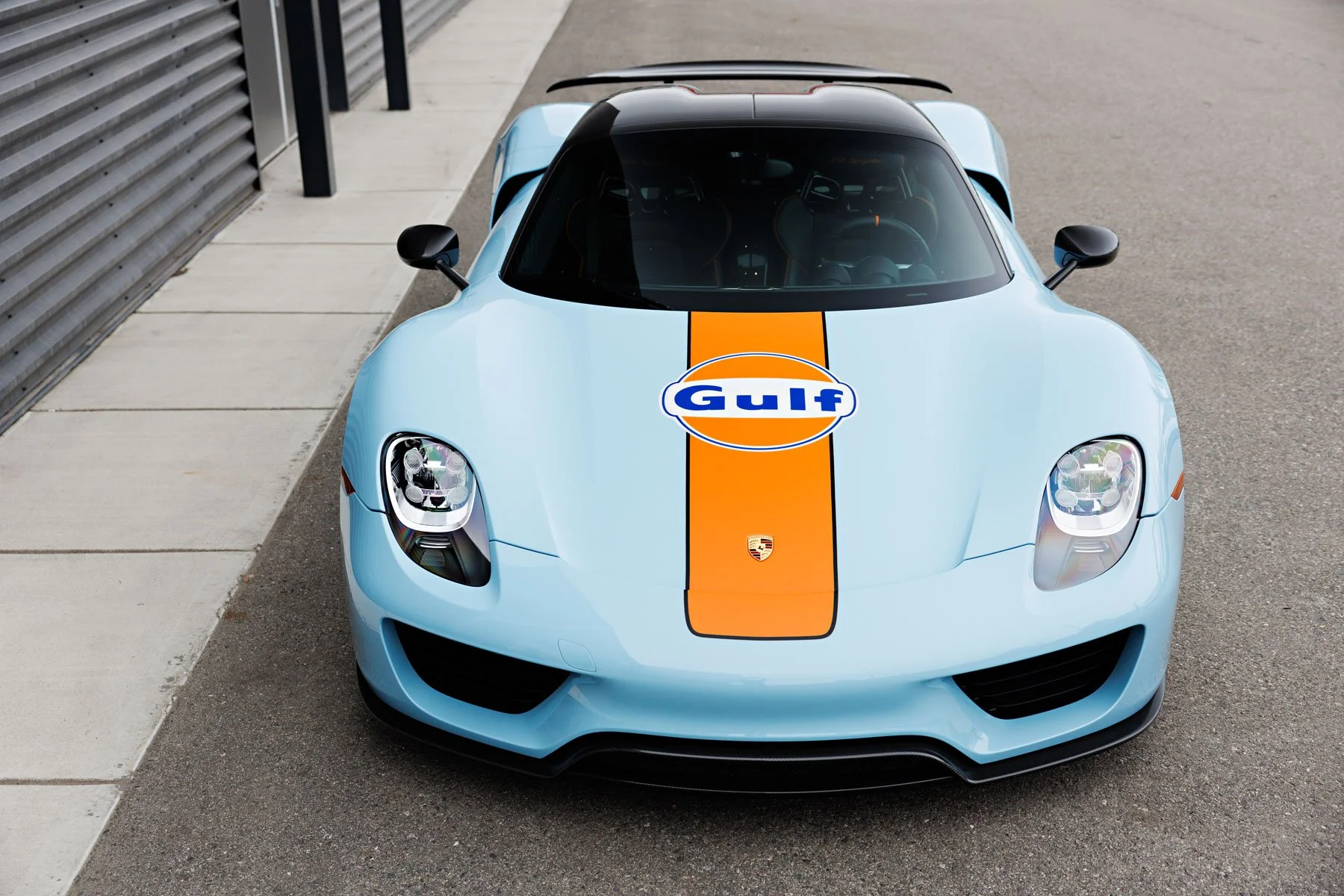
Jaw-Dropper
The Porsche 918 Spyder is a true mechanical marvel. It holds the distinction of being the world’s first hybrid hypercar and stands as a testament to everything we have come to expect from a Porsche — engineering excellence, performance, and innovation.
As well as the occasional jaw-drop.
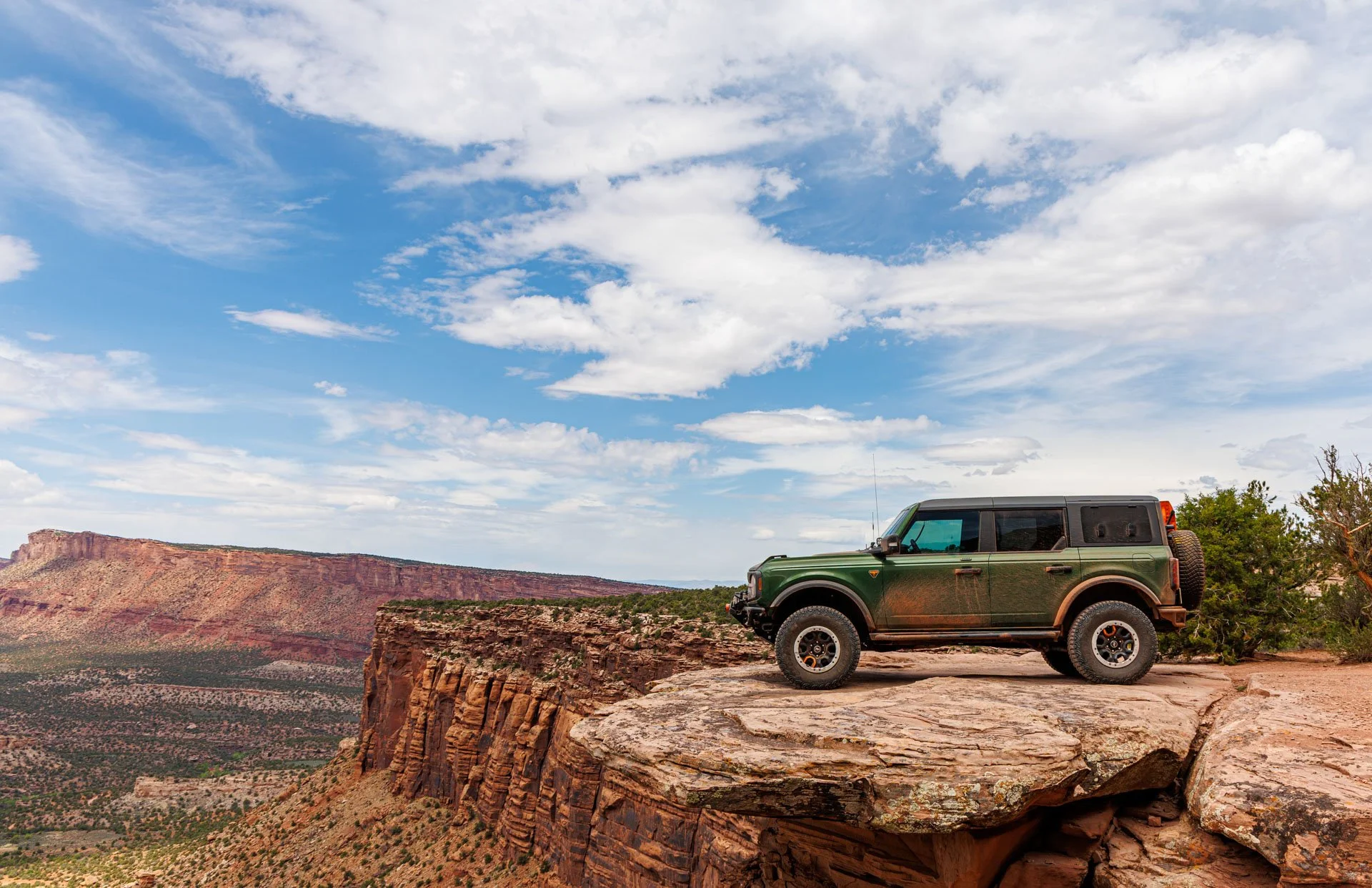
Moab Rising
There’s something about the red rock trails of Moab that strips you down to your essentials — your instincts, your grit, your tribe. For one group of friends, this wasn’t just another off-road trip. It was a proving ground, a pilgrimage, and a release. Across sunbaked switchbacks and sandstone ledges, they found more than traction — they saw each other. Through breakdowns, breakthroughs, and belly laughs under desert stars, what started as an adventure became something more profound: a journey of transformation, driven by trust, and fueled by freedom.