
A Promise Unkept
Ford’s RS200 Rally Star Missed Its Curtain Call
STORY | Chris Seely
Photography | Karl Noakes
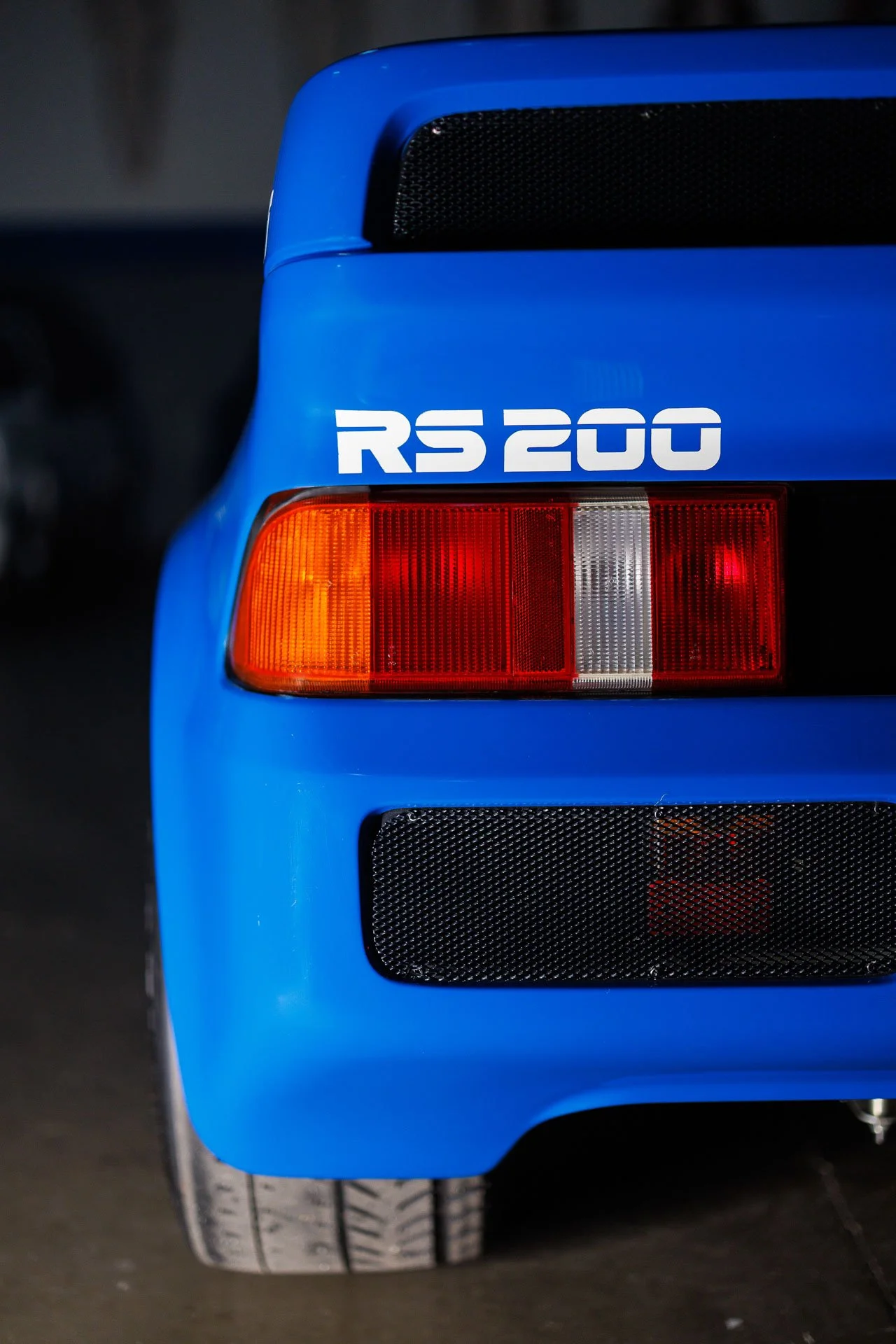
Once every few decades, the engineers at Ford are let off their leashes. Budgets are thrown out the window, lesser projects are cut, and their best and brightest create something that revolutionizes the industry. Case in point… In the early 20th century, Ford invented the Model T, which transformed American society as we know it today. In the 1960s, they brought down the racing empire of Ferrari with the GT40. But in the 1980s, the Blue Oval crew engineered their most ludicrous car of all time, the Ford RS200.
The Group B Ecosystem
To understand the true insanity of the RS200, one must first understand the exponential timeline of 1980s vintage Group B Rally racing. Group B only existed for four years. In 1981, the World Rally Championship was won by a humble, rear-wheel-drive Ford Escort 1800, making 250 horsepower. In 1982, the new Group B regulations were introduced, and by 1985, manufacturers like Peugeot, Audi, and Lancia were battling with 500-horsepower all-wheel-drive monsters. Jump to 1987, seven people had died in the hands of Group B, and it was decommissioned by the FIA. The Ford RS200 was one of the main suspects.
Looking back, the Audi Quattro was the start of Group B mania and is the car everyone remembers, but the Quattro was only successful because it arrived first to the all-wheel-drive party. The Audi Quattro that dominated in 1984 was 90% road car. It had a long wheelbase, a primitive all-wheel drive system, and was extremely difficult to rotate. The Peugeot 205 T16 and Lancia Delta S4 that followed quickly built on the Quattro’s success with high-pressure turbos and shorter wheelbases. However, while Audi, Peugeot, and Lancia were dominating in the early years of Group B, Ford was realizing that they had been too focused on their new, rear-wheel-drive Escort RS1700T project and were, consequently, years late to the Group B party.
To compete with Peugeot and Lancia’s all-wheel-drive platforms, Ford had to work fast and go all in. The RS1700T was quickly thrown out for a new project that, on paper, would reshape Group B. This design was deemed the RS200, and although late, it was soon ready to compete for the 1986 season.
Enter Ford’s RS200
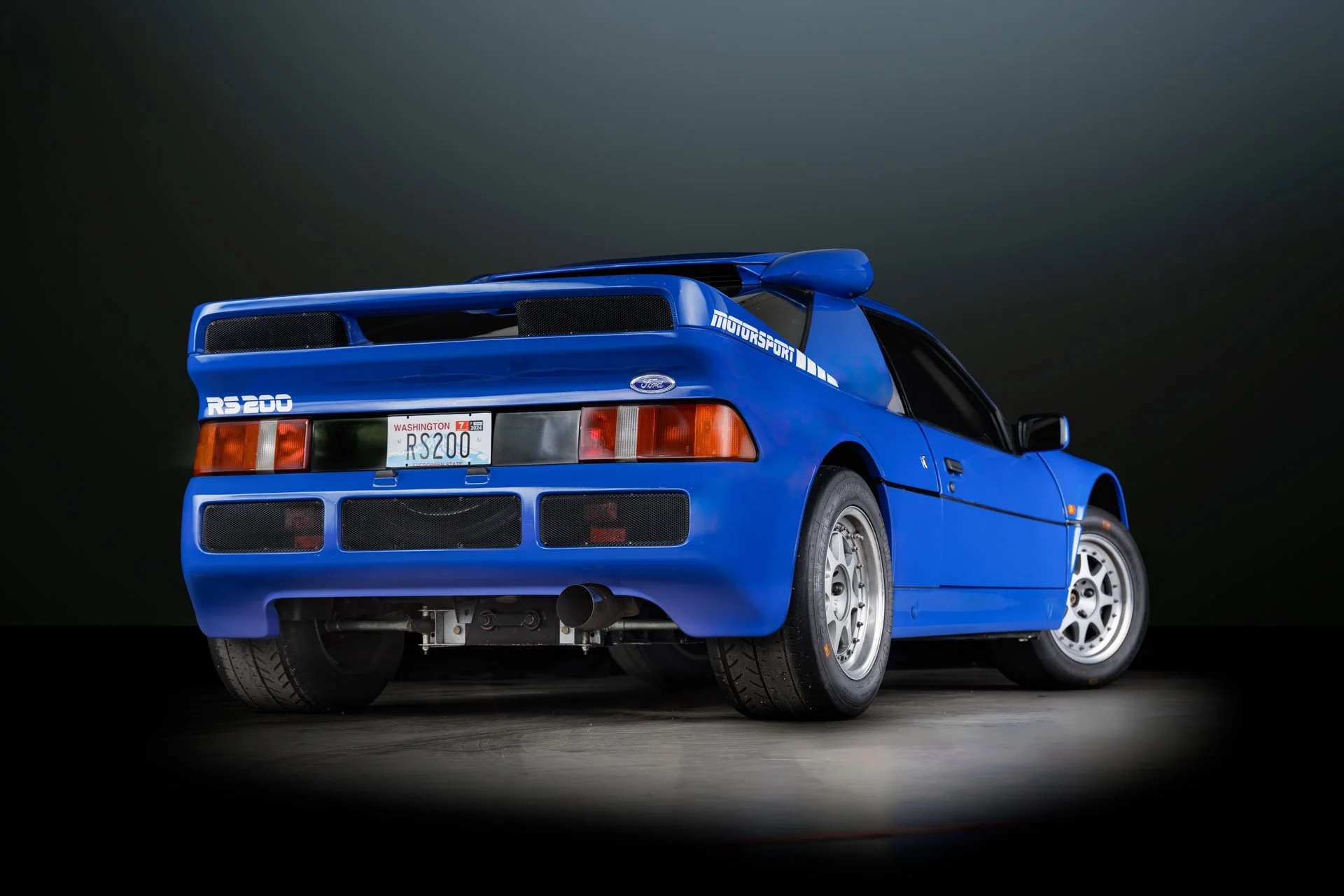
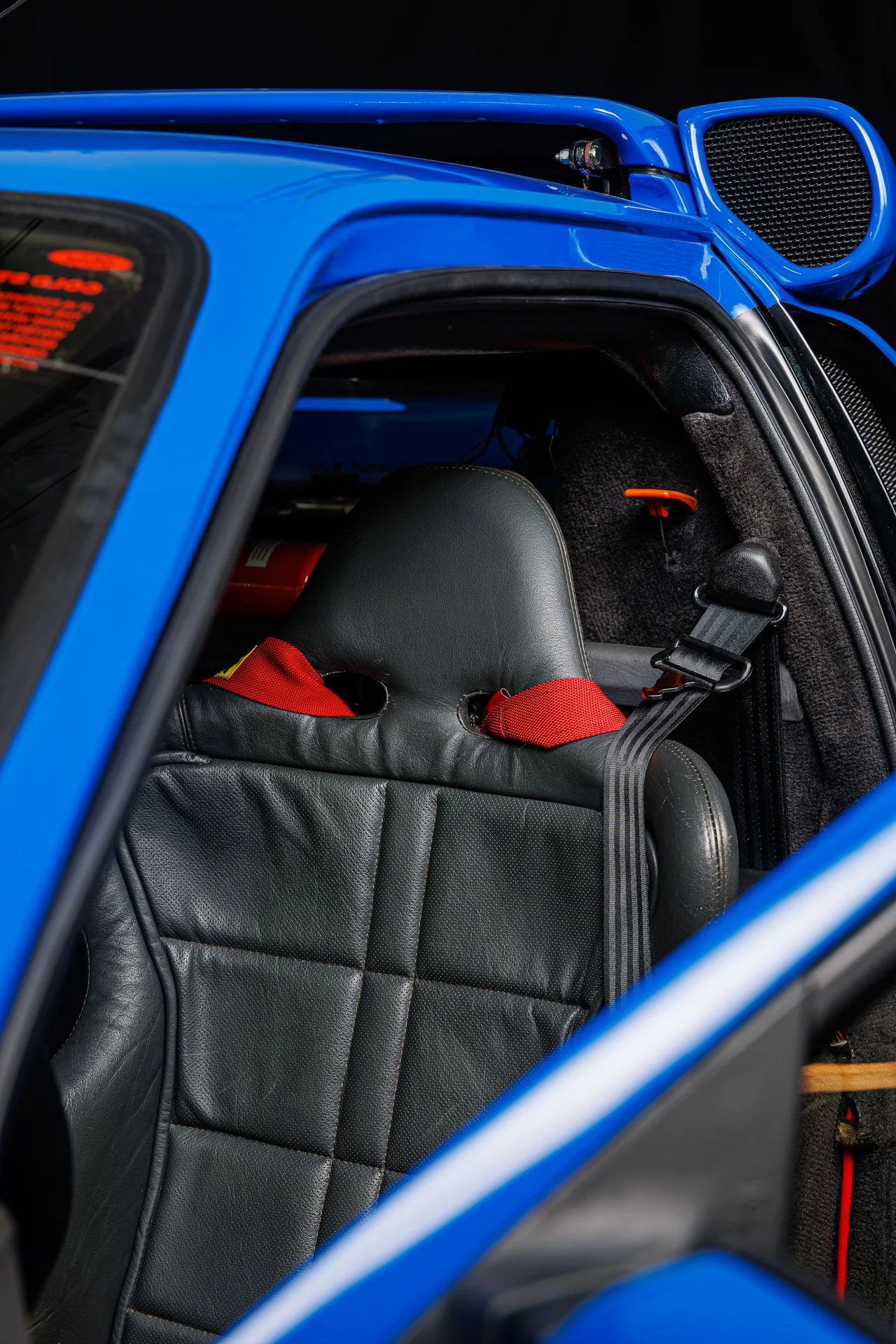
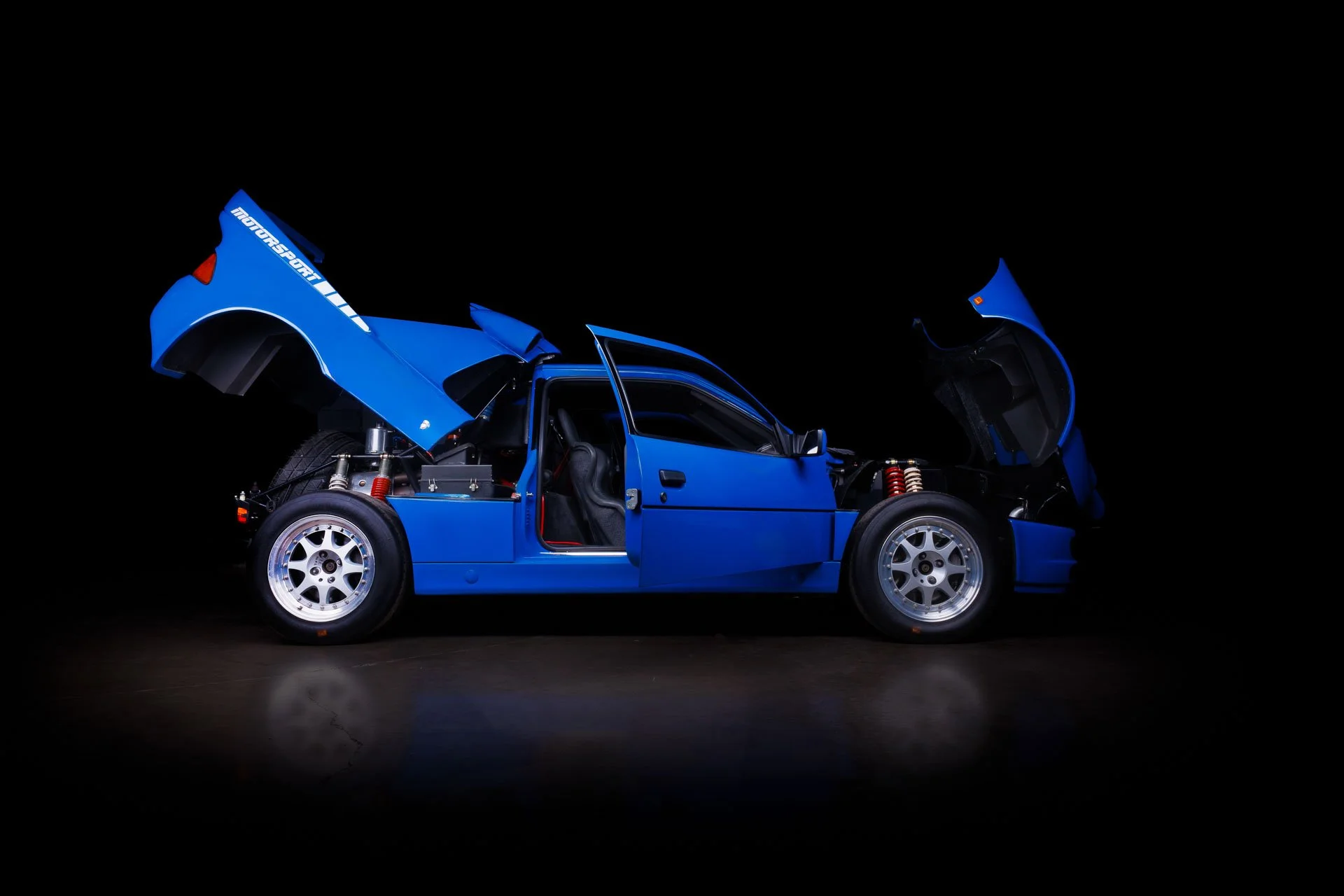
Unlike the other Group B cars, the RS200 was not based on an existing road car. Its only purpose was to win rally races, and some of the best engineering companies in the industry were hired to design key components. Nothing that had come before could compare. The RS200 was built around a tube-frame chassis and fiberglass body that kept the car light, under 2,400 pounds.
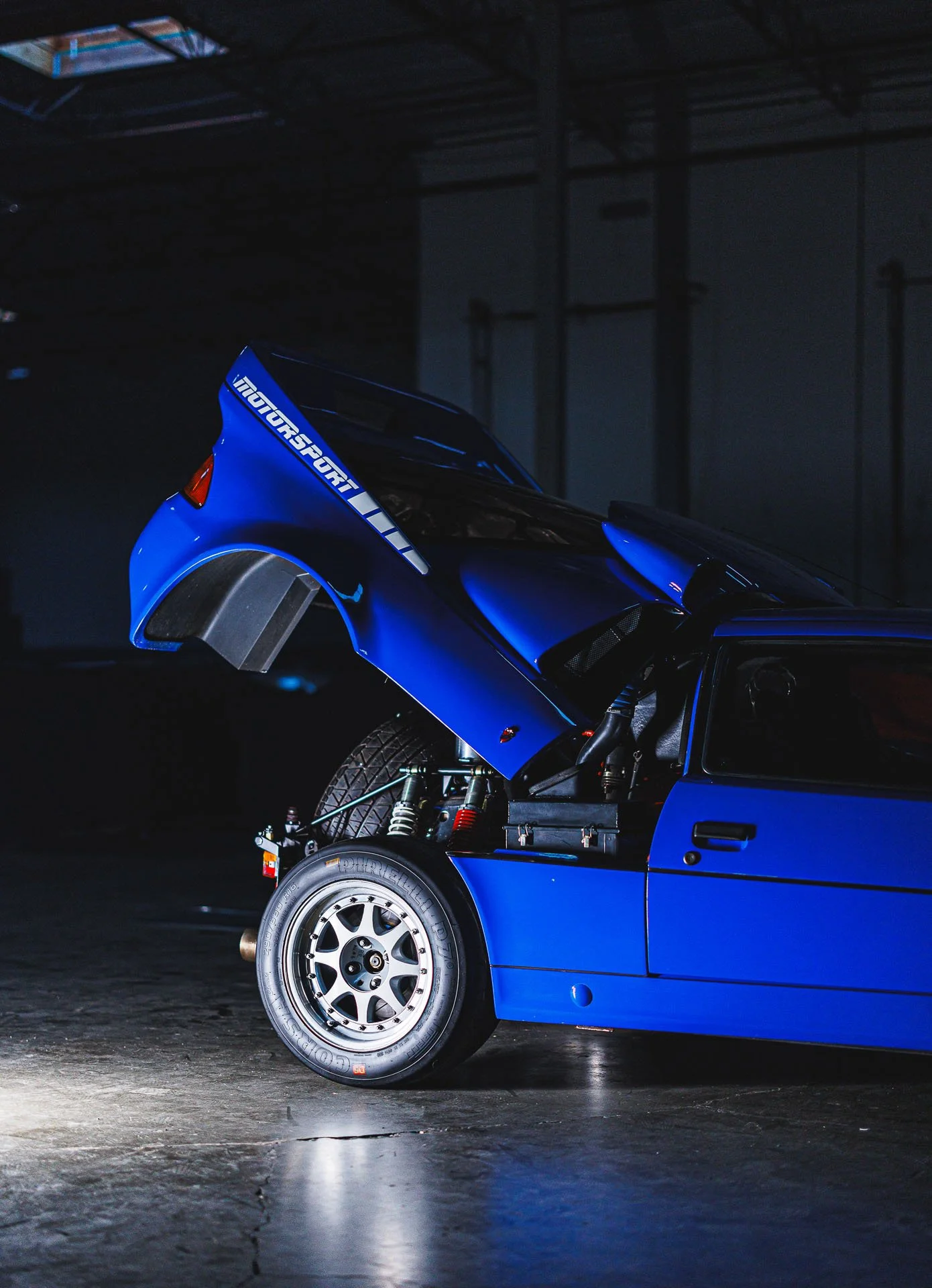
The all-wheel-drive system was also sophisticated. While Audi was racing with the primitive Torsen-based Quattro system found in its road cars, the RS200 system featured three clutch-based limited-slip differentials and a control system that let drivers change the car’s handling on the fly. The motor is also a lethal injection of insanity. While most road-going RS200 models use a tame 250-horsepower turbocharged 1.8-liter Cosworth motor, race-spec and Evolution cars are good for anywhere between 350 and 620 horsepower. The transmission, which is situated in the front for better weight distribution, is geared extra short; in fifth gear, the motor redlines at just 120 mph. All these ingredients mean that the RS200 is more rocket than car, and impossible for mere mortals to tame. As proof, it held the 0-to-60-mph world record for an astonishing 12 years.
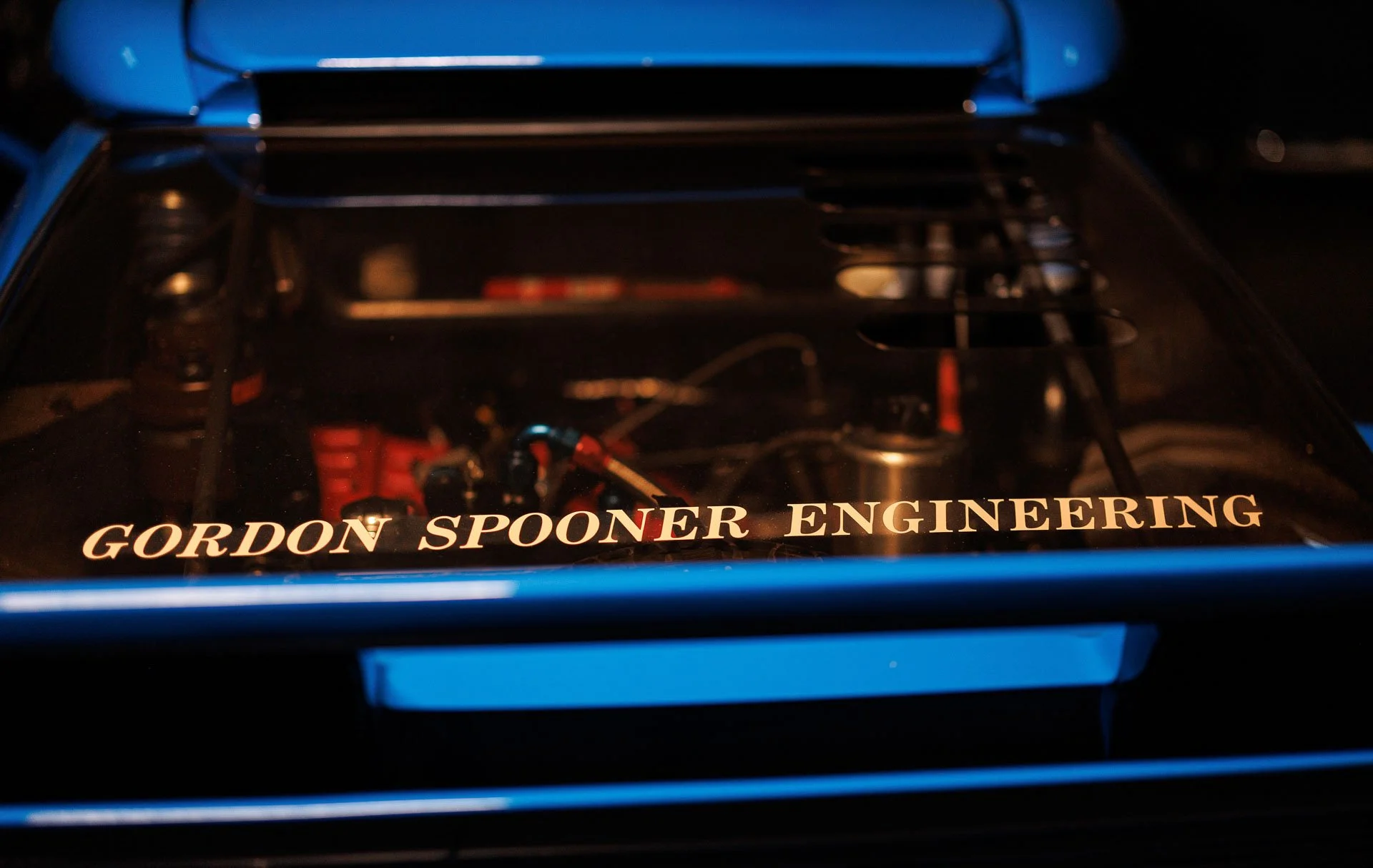
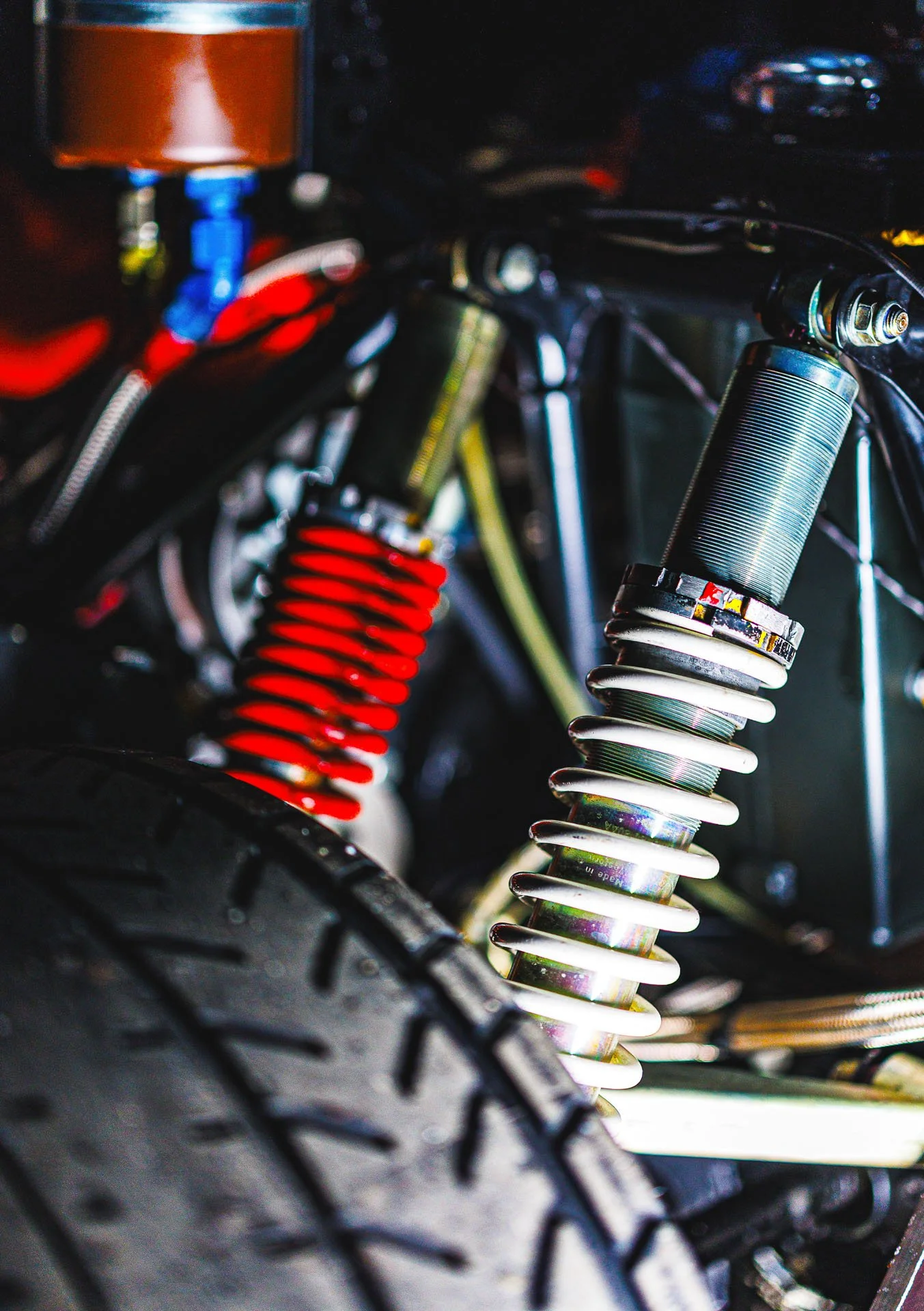
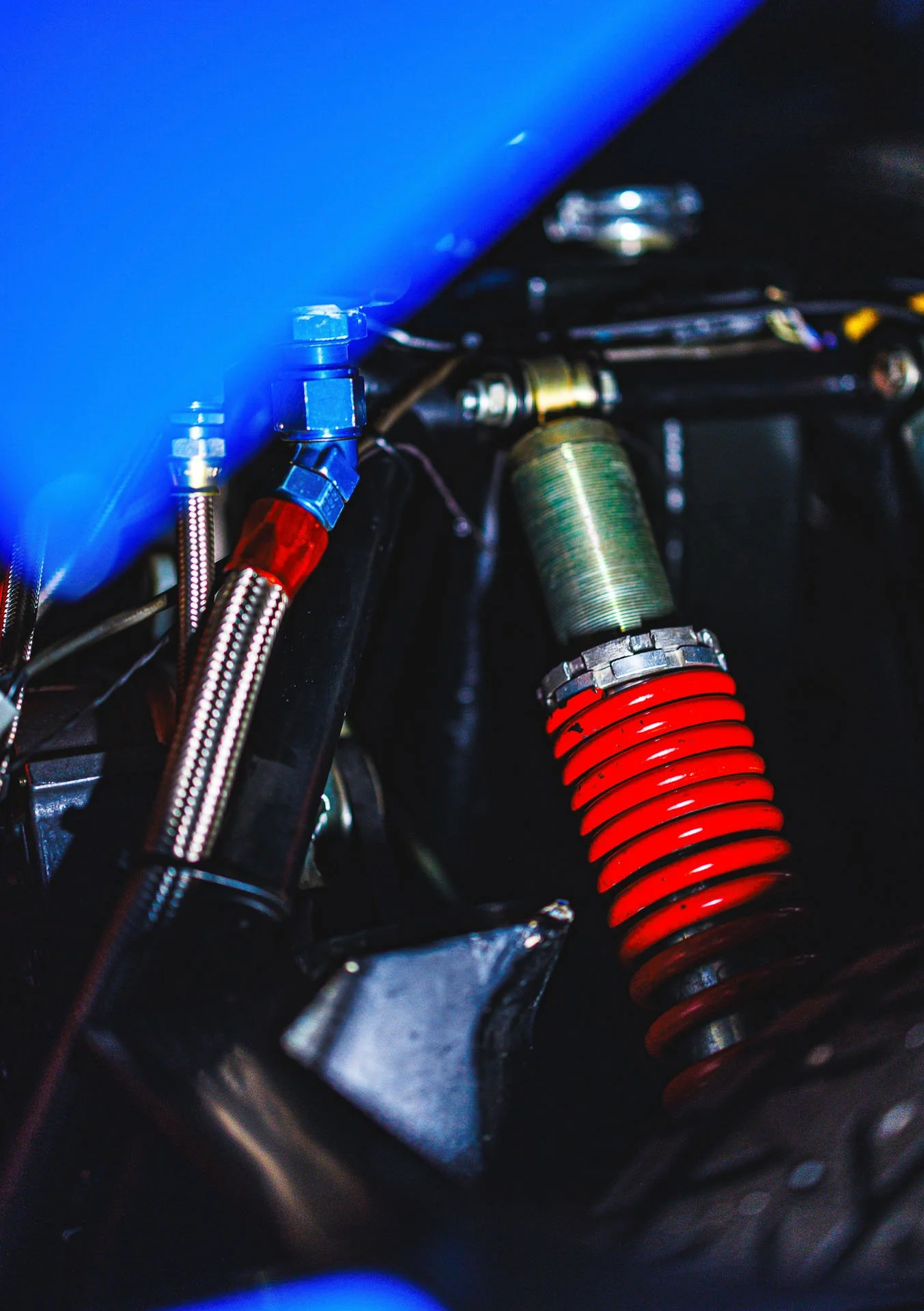
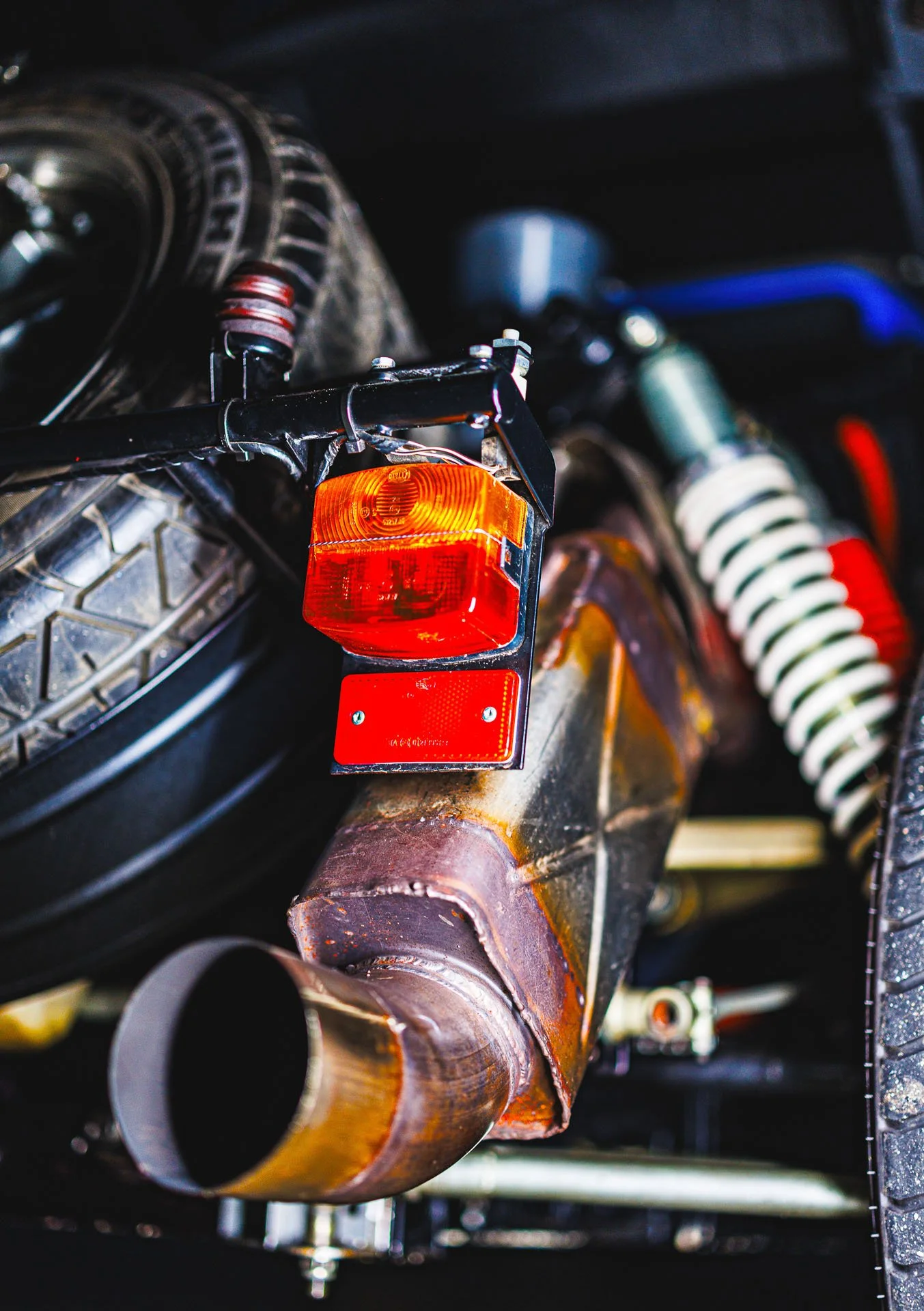
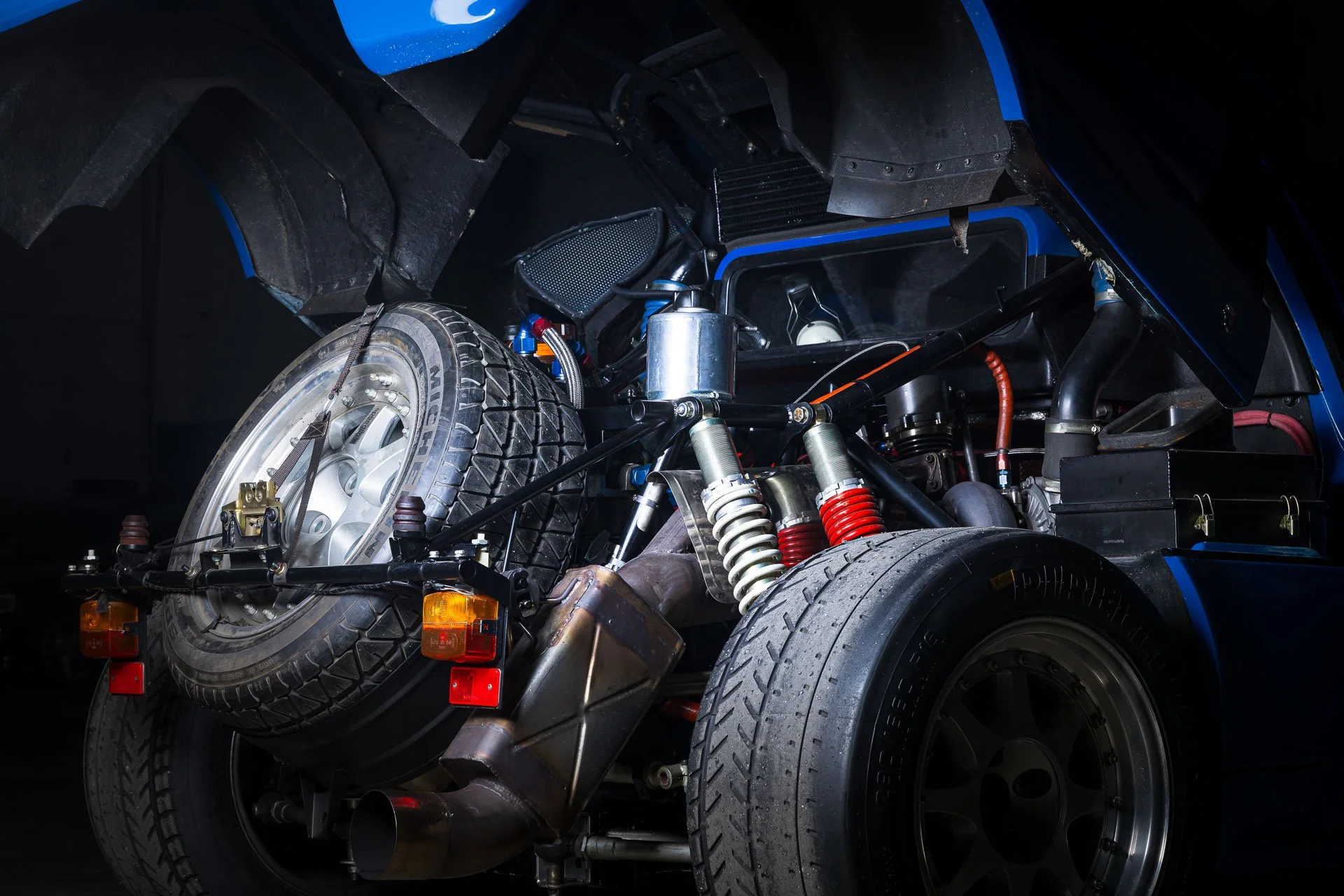
Weight, handling, and acceleration specs are flattering, but the most impressive part of the RS200’s design is its robustness and serviceability. This marvel of engineering uses twin struts on all four corners to keep the dampers cool, ensuring longevity on grueling rally stages. In the event of a breakdown, the entire rear hatch is secured with just four pins and can be removed by two people (driver and co-driver). Even the clutch is easily serviceable. With the transmission in the front, simply remove the driver’s seat, and a mere six bolts secure the clutch assembly. “They were breaking new ground with everything, and as a driver, you have to overcome the fear of hurting it,” says Sean Medcroft, DirtFish legend and previous caretaker of the RS200 Evolution photographed in this article. “It likes to be revved high and driven hard, that’s what the engineers intended.”
Steve Rimmer’s Ford RS200
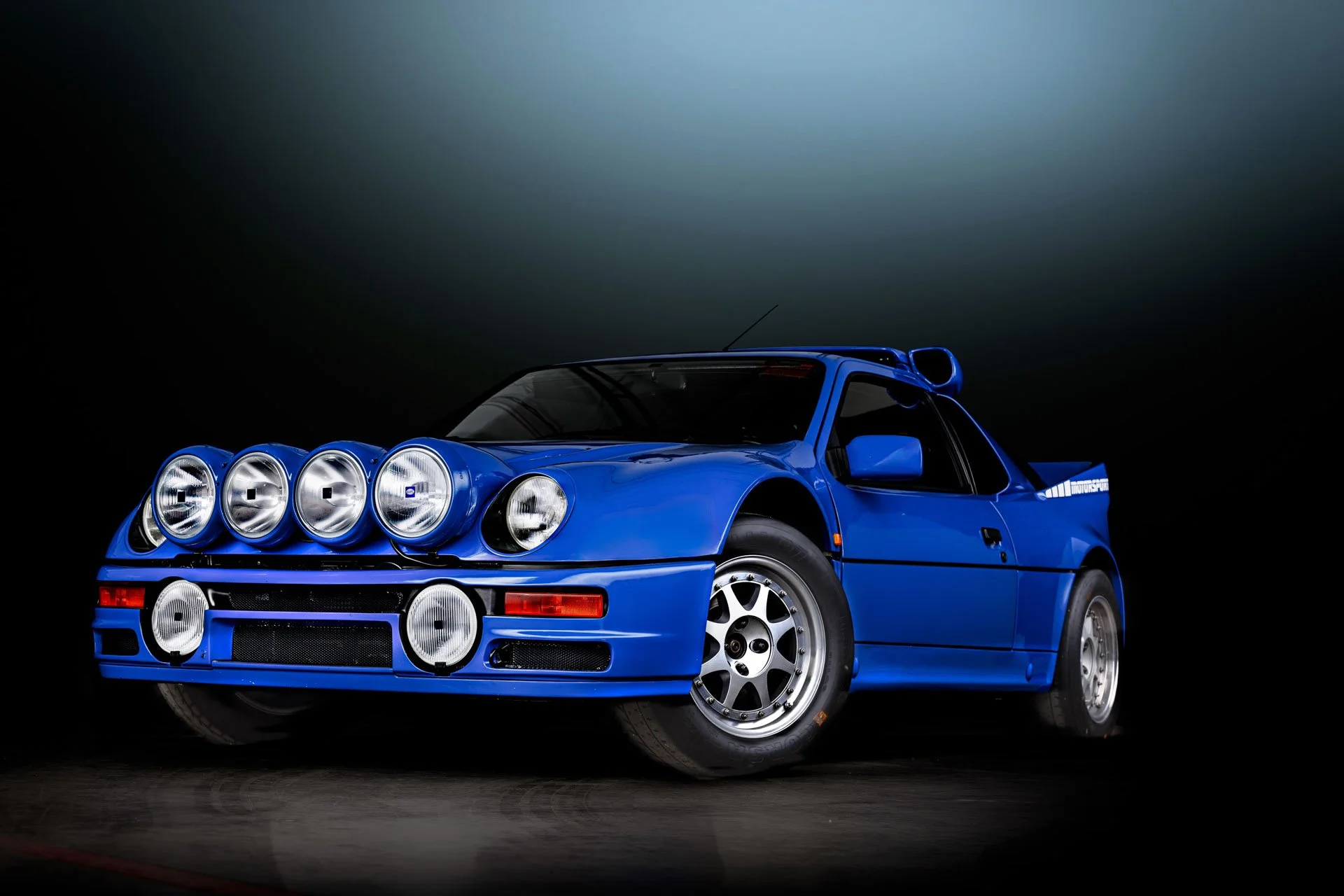
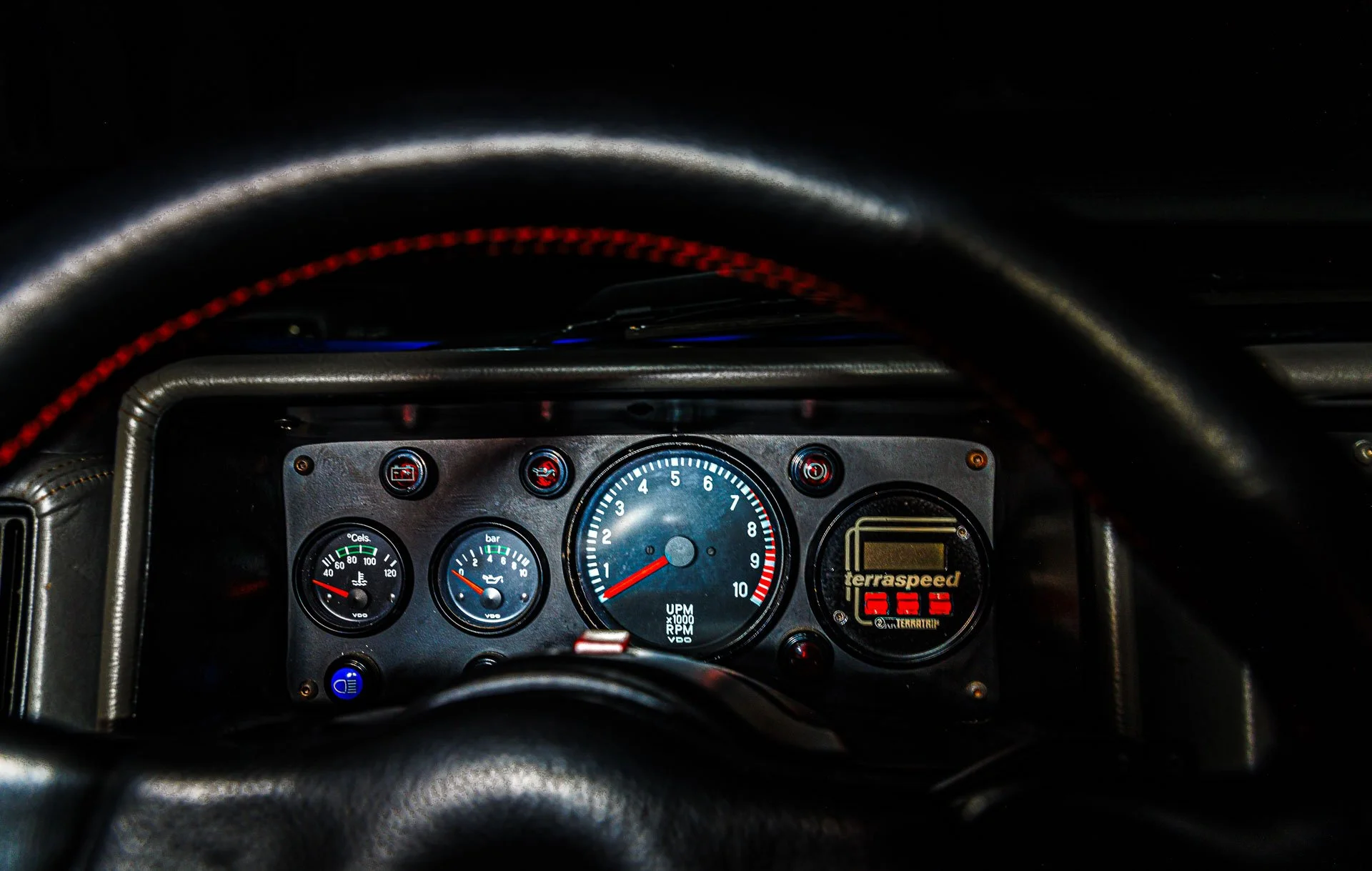
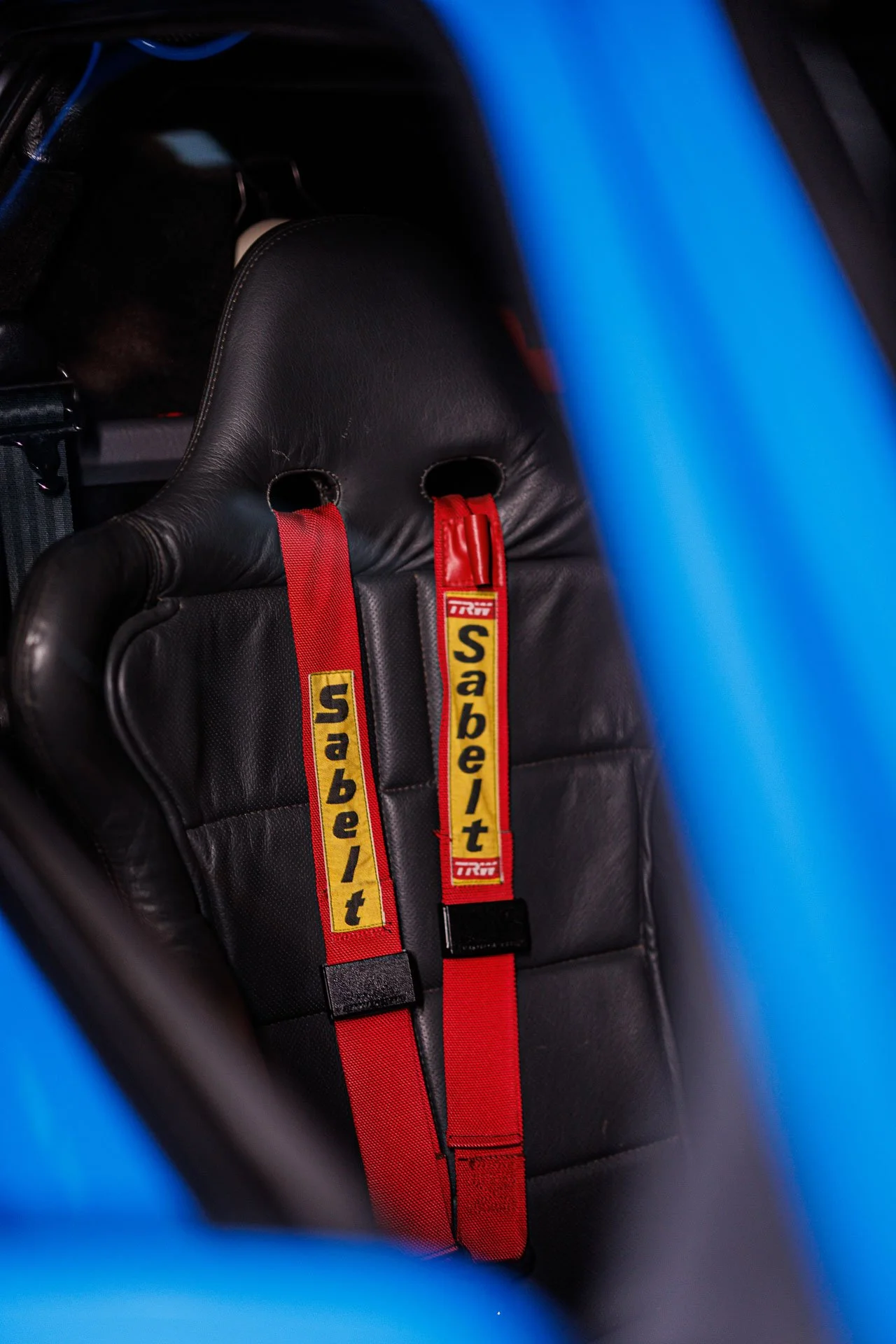
The car featured in this article is not just a Ford RS200, it’s an RS200 Evolution (Evo), and it’s not just an RS200 Evo, it’s an RS200 Evo in blue. To put this into perspective, the Evo version of the RS200 was built too late to race in Group B but featured a handful of performance upgrades that made it crazier than the already insane rally-spec RS200. Only 24 Evos were built, and only two came in blue. This is the only one of the pair that has survived. Steve’s car is technically a road car, but this little firecracker packs a Mike Tyson punch. It generates 605 crank horsepower, is geared for a top speed of 130 mph, and produces no torque until full boost hits like a freight train at 4,500 rpm. This “road car” is notoriously the easiest thing in the world to stall and a death machine with your foot to the floor.
In 1986, the Ford RS200 was one of the greatest feats of automotive engineering the world had ever seen. However, the racy coupe did not live up to its specs. It only competed for one year and failed to win any races. Its only success was in rallycross years after Group B met its demise. The RS200 was simply too insane even for professional drivers, and Ford showed up too late to Group B competition to fully sort the car out. The RS200 was so difficult to drive that even pro driver Stig Blomqvist could not learn how to tame it. In fact, by the time 1987 came around, Ford RS200 crashes had killed five people, and it was clear that Ford, Lancia, Peugeot, and Audi had taken rally too far.
The Ford RS200 is a true icon, a revolutionary piece of engineering built by a company that has pushed more boundaries than any other, but even today, it doesn’t command the respect it deserves. Why? Because it never had the chance to realize its true potential and was simply too dangerous to be kept alive.

