
The Hatchback That Broke the Rules
Renault Clio V6
STORY | Chris Seely
Photography | Stephen Mitchell
When I was a kid, I would spend hours playing Need for Speed on the family Nintendo. Like buying your first Hot Wheels or taking your first ride in a classic, the first time a car kid plays Need for Speed is a pivotal moment in determining what type of car enthusiast they will become.
Need for Speed always began with a base car. As you won races, your ability to buy cars, challenge opponents, and explore the map grew. The Honda Civics and Dodge Neons you started with were nothing special, and your first chance to buy something interesting was the most exciting moment of each game. My first purchase in the Need for Speed world was an exotic little yellow French hatchback with a mid-engined layout and bulging fenders: a Renault Clio V6. I had never seen anything like it before. The decision to buy it was based purely on looks and quirks, but little did I know I had chosen a future dream car.
RENAULT CLIO V6: FROM PROTOTYPE TO PRODUCTION
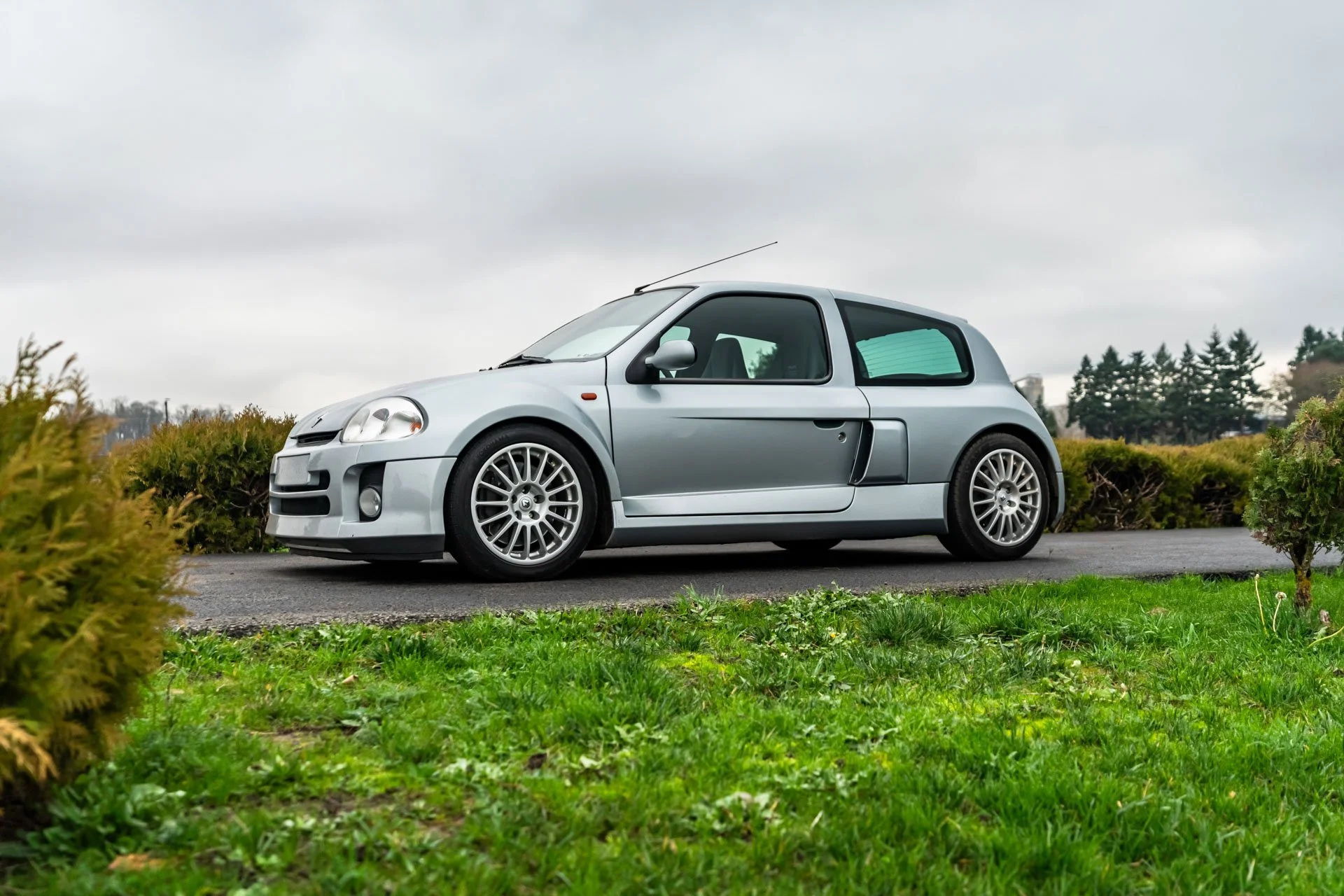
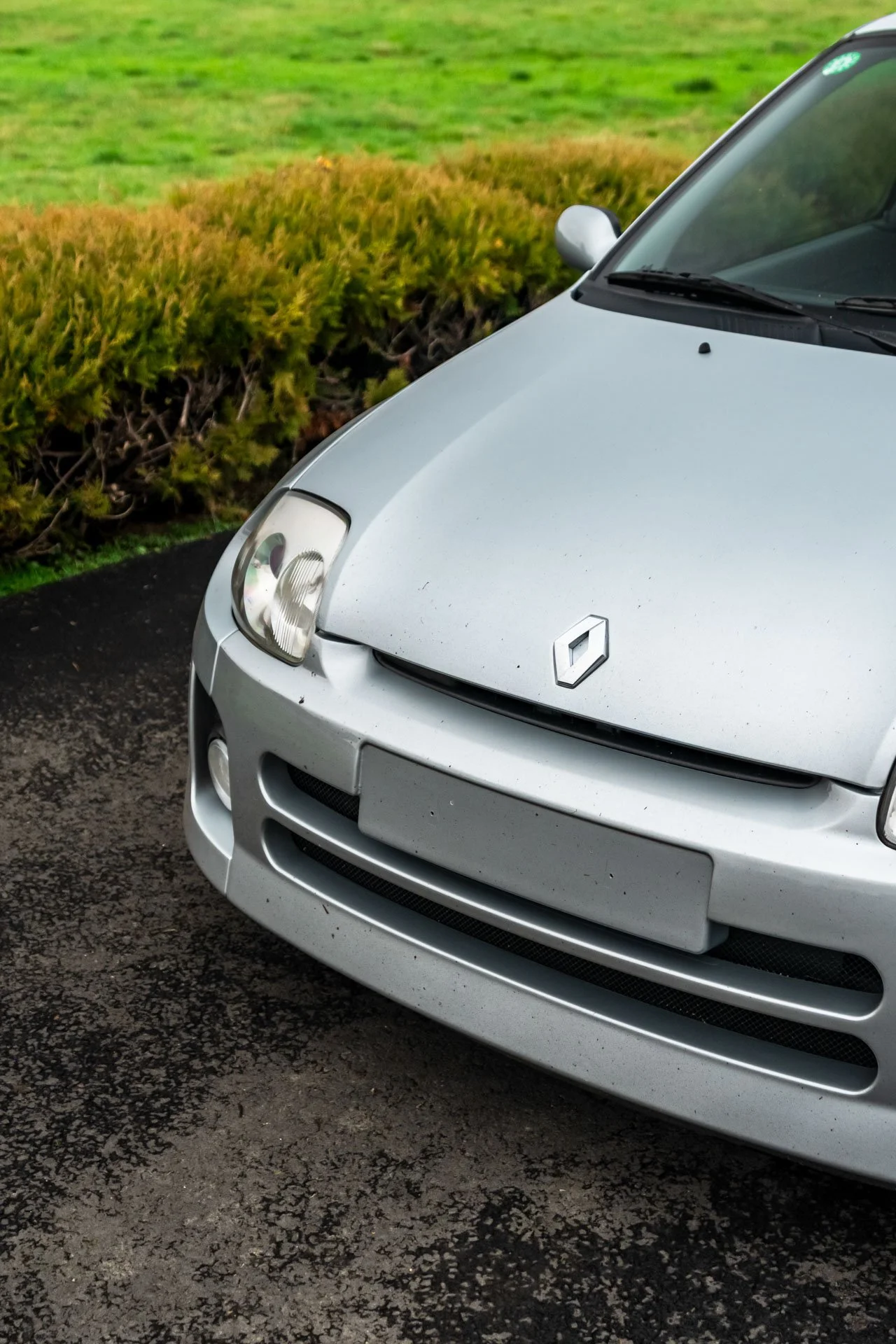
Just as it looks, the Renault Clio V6 began as a wild concept. In the late ’90s, Renault wanted to spark excitement for their second-generation Clio micro-hatch. To do this, they designed a concept car meant to serve as a modern tribute to their ’80s rally champion — the boxy, mid-engined Renault R5 Turbo. When unveiled at the 1998 Paris Motor Show, the crowd went wild for the Clio concept’s bulging stance, dramatic air intakes, and mid-mounted 3.0-liter V6, which gave the little Renault a happy yet sinister presence. When Renault took a handful of custom Clio V6 Trophy cars to the track, the crowd went even wilder. By the turn of the millennium, Renault realized their concept car could be more than just that.
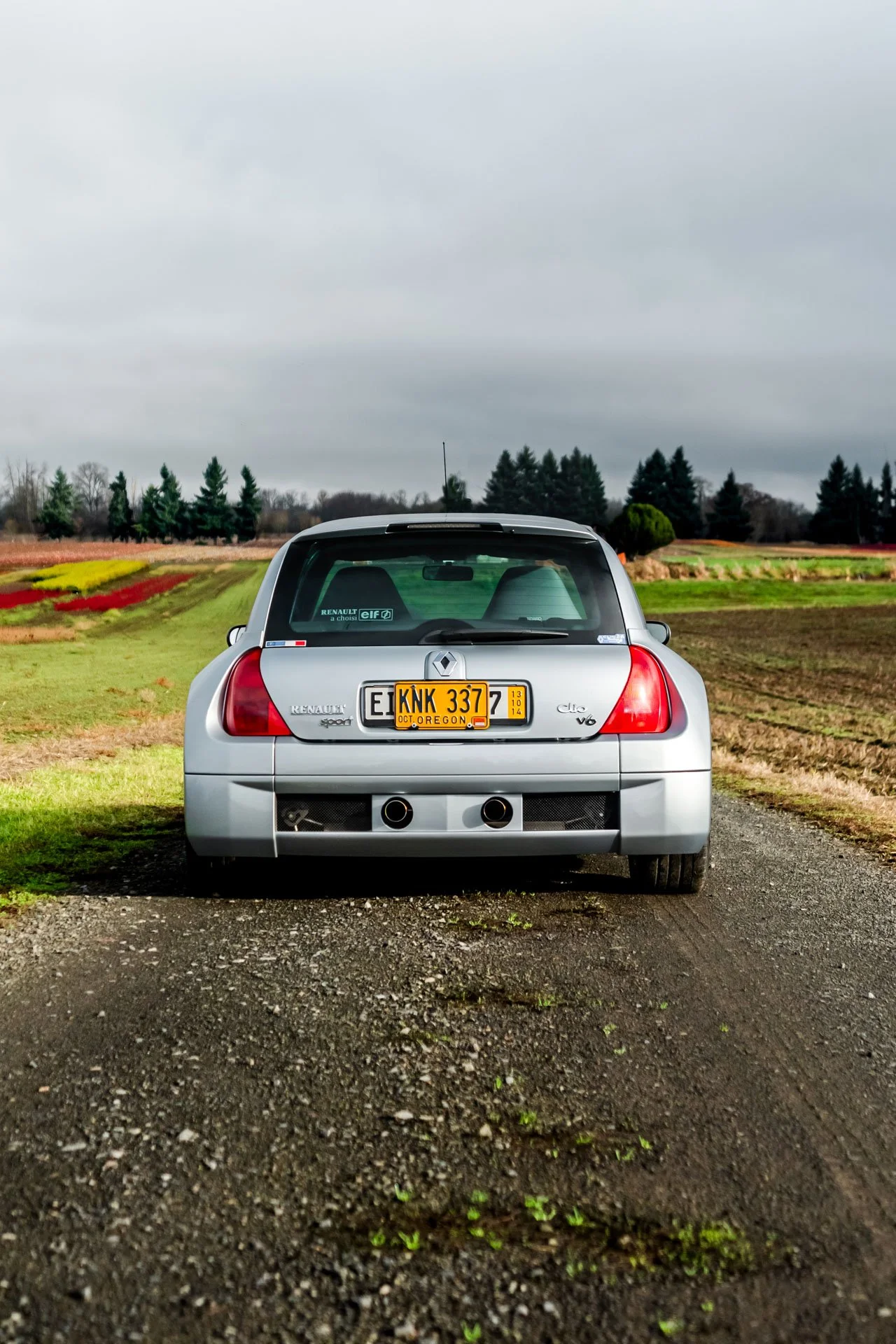
To bring their wide-body V6 concept to the masses, Renault partnered with British firm Tom Walkinshaw Racing (TWR). Much like the concept and Trophy cars, virtually no piece of the standard Clio was left untouched. Whereas the standard Clio featured a front-wheel-drive layout and a minuscule four-cylinder engine, the Clio V6 adopted a mid-rear layout with a free-revving V6 shoved into the trunk. The Clio V6 was wider, lower, and beefier than any Clio that had come before it. Side intakes bulged behind the doors to feed the gasping V6 the air it needed, while a custom MacPherson multilink suspension and limited-slip differential did their best to keep the car on the road.
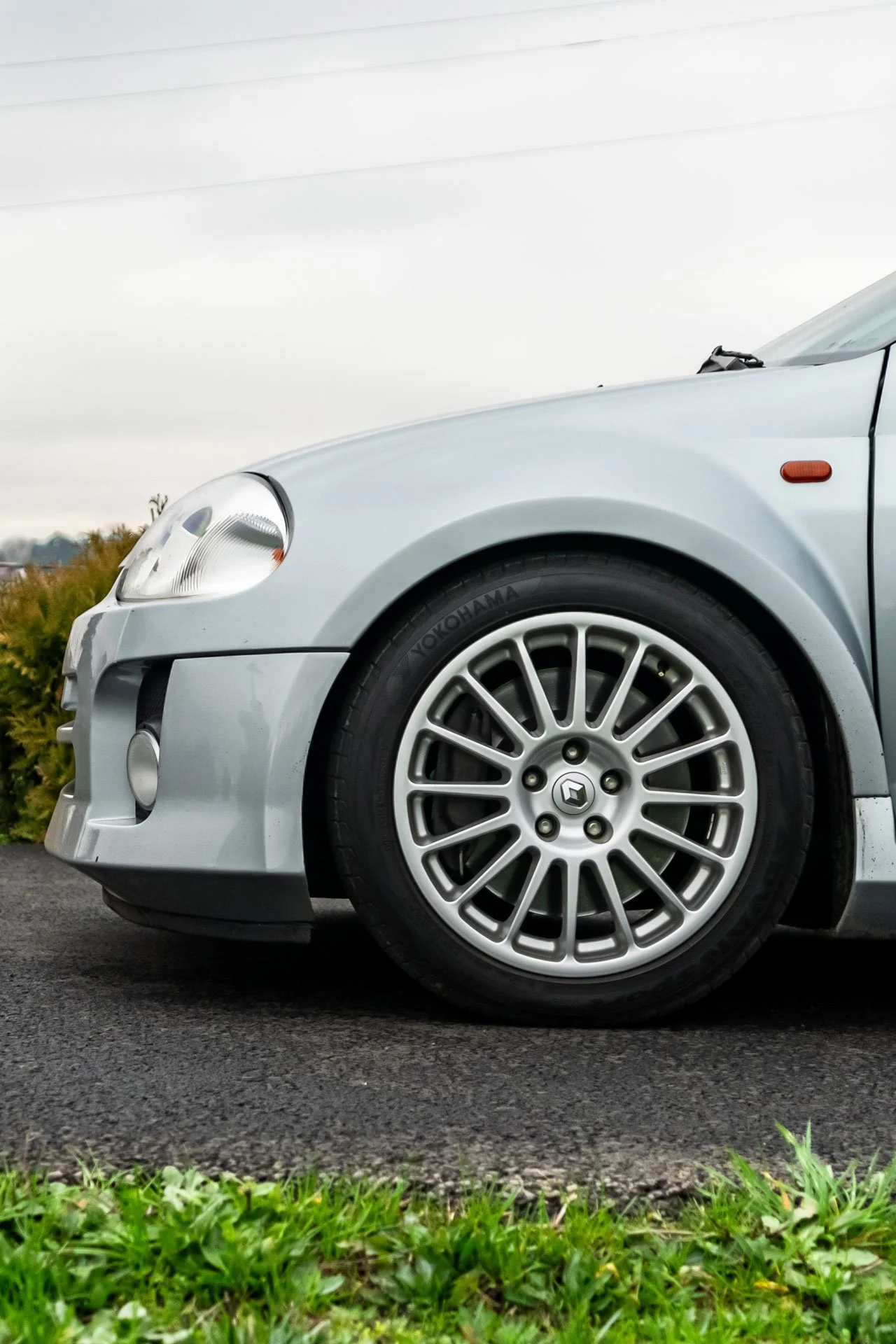
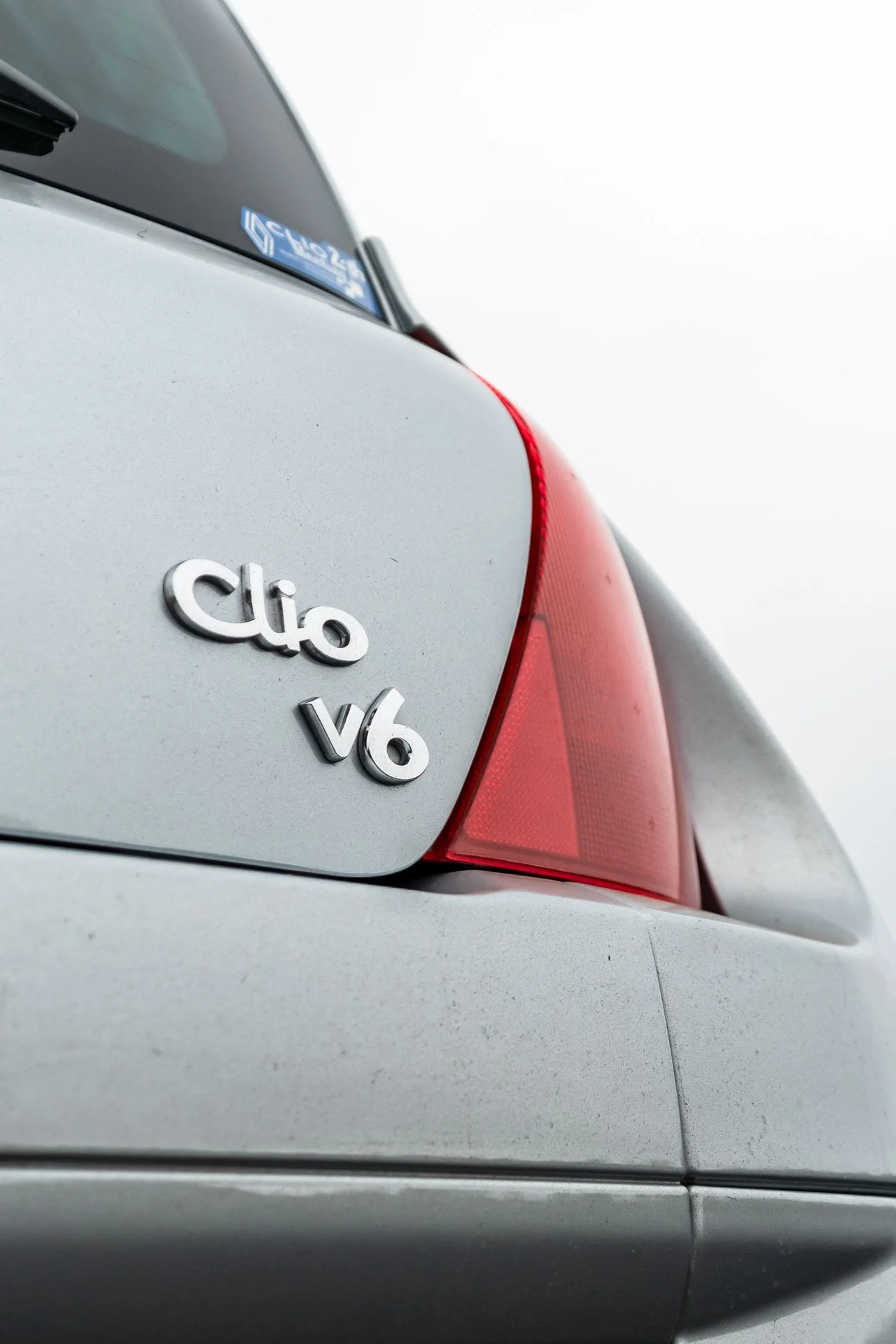
Additional work from TWR, including custom subframes, chassis stiffening, and upgraded brakes, meant that by the time the car was finished, the Clio V6 was more race car than commuter. Everything was assembled by hand in TWR’s Sweden workshop, far removed from the production lines of standard French hatches. Through TWR’s hands, Renault had successfully built a poster car, a boyhood dream, and one of the craziest hatchbacks ever made.
Turning a hatchback into a mid-engine sports car came with consequences. The first was storage. Whereas the standard Clio offered the space and practicality expected of a hatchback, the Clio V6, even with just two seats, had the storage capacity of a mouse’s purse. There was additional storage in the front, but with the radiator sharing the nose of the car, anything stored there was at risk of melting.
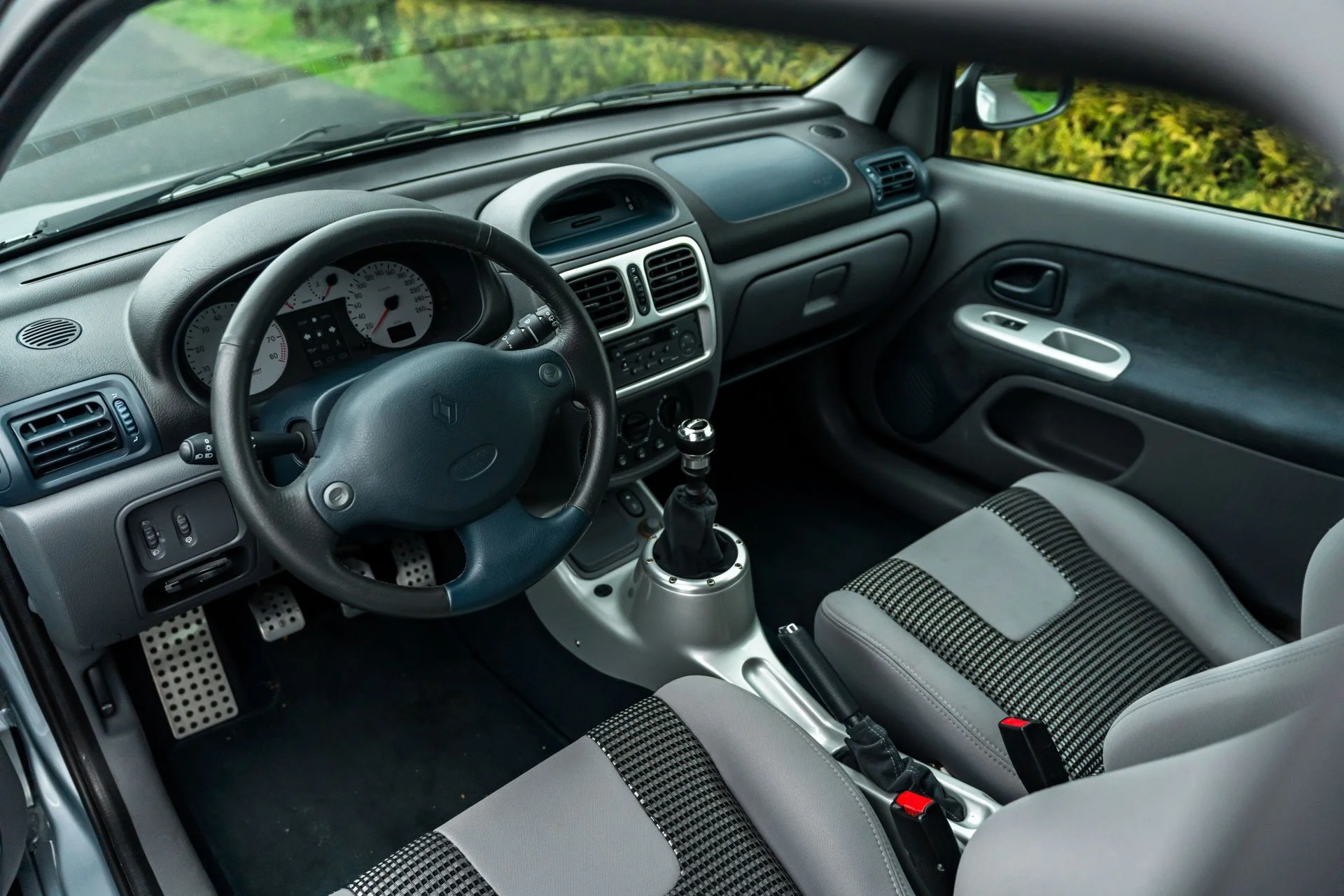
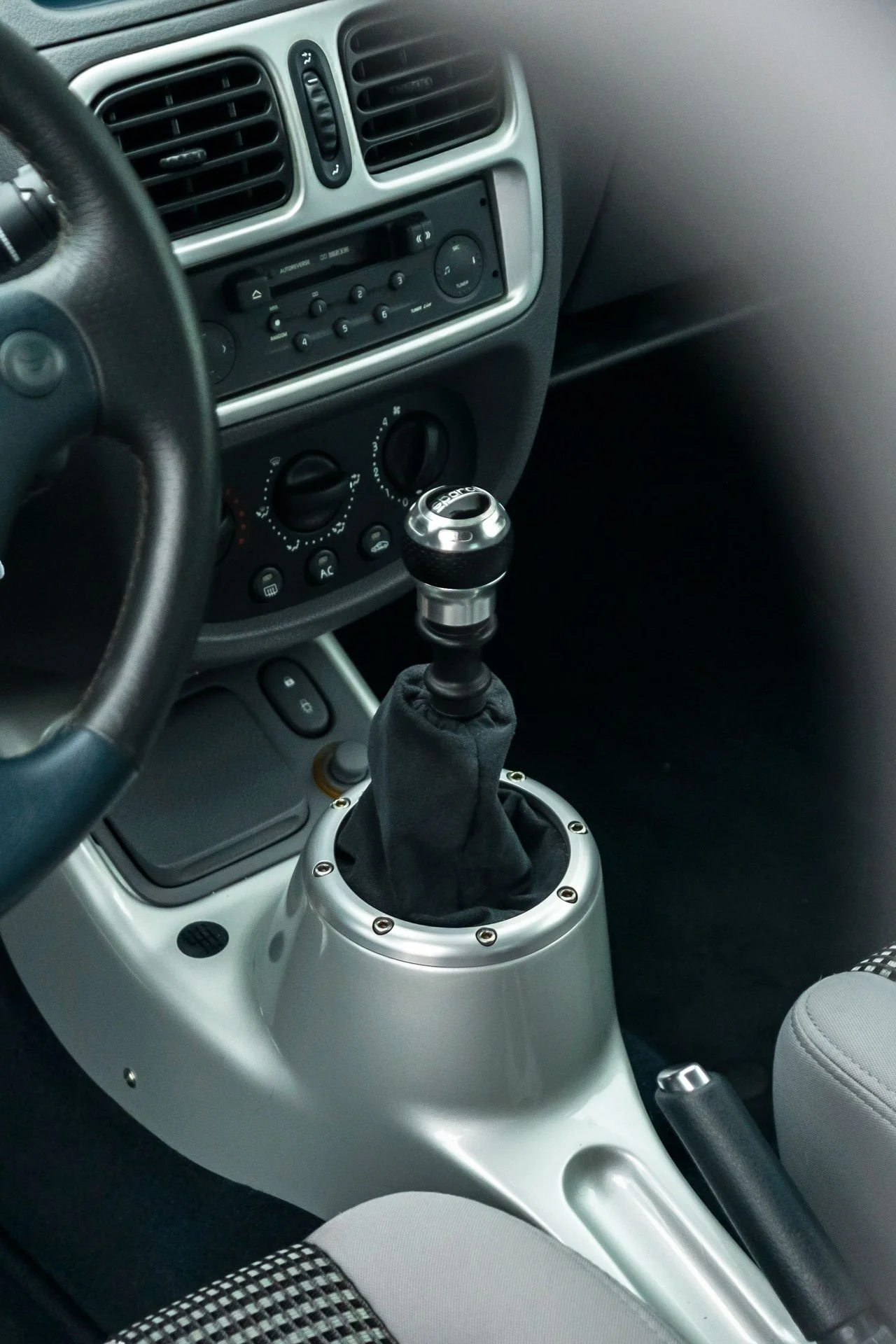

Handling was another issue. The Clio had a short wheelbase and a tall engine layout, which made it prone to unpredictable spins, despite a slow steering ratio and immense turning radius. Renault’s second-generation Clio V6 improved handling with stiffer springs and a longer wheelbase, though its snap-oversteer reputation remained. Phase two updates also included a higher rev limit and, most notably, revised styling.
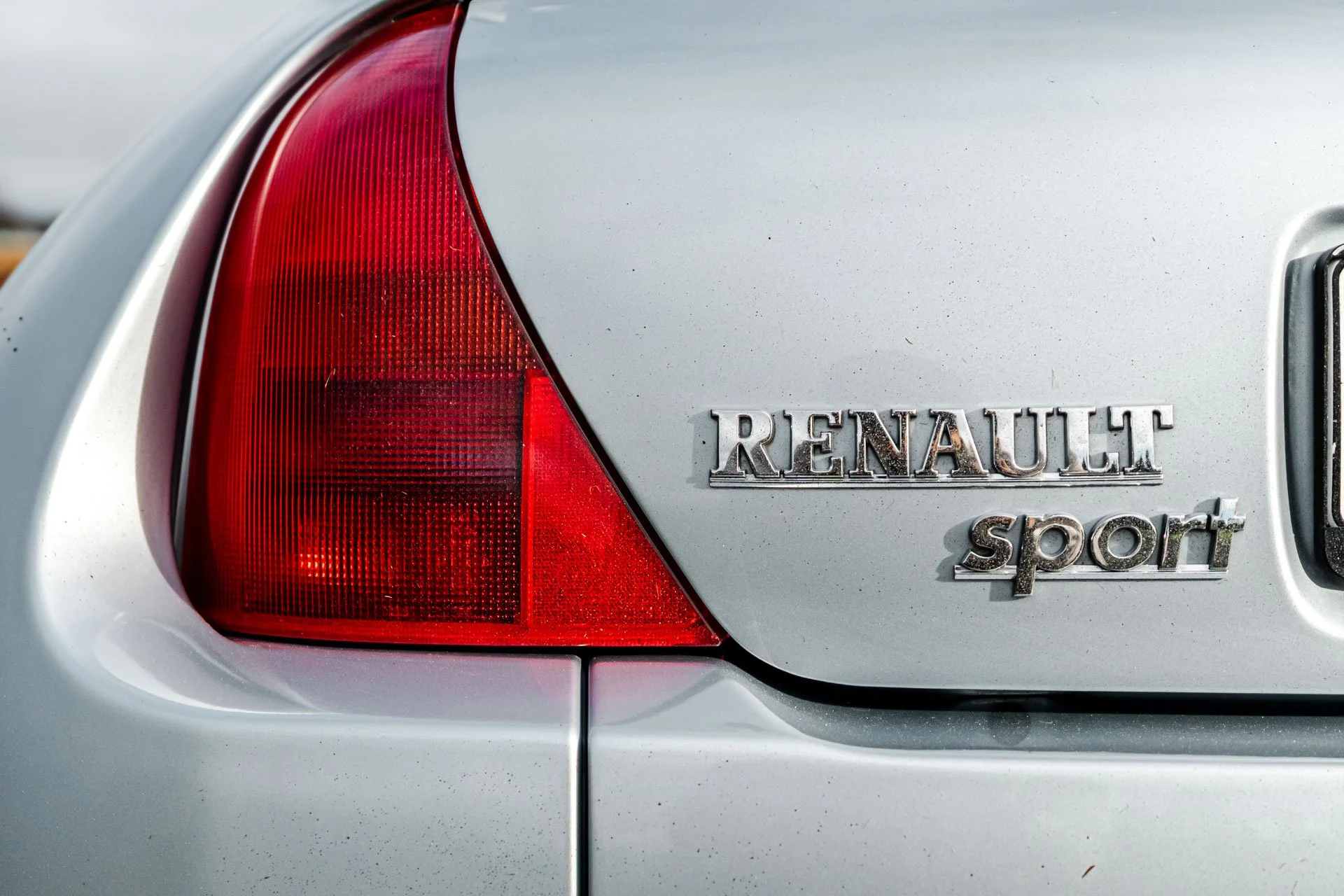
Renault never intended to build many V6s. Around 3,000 total left the factory, split almost evenly between the TWR-built Phase One cars (2001–2002) and the Renault Sport Phase Two cars (2003– 2005), which were built in France. This low production volume was intentional. The Clio V6 was always meant to be a hand-built halo car — a quirky, rare flagship that Renault fans would love. To this day, they still do.
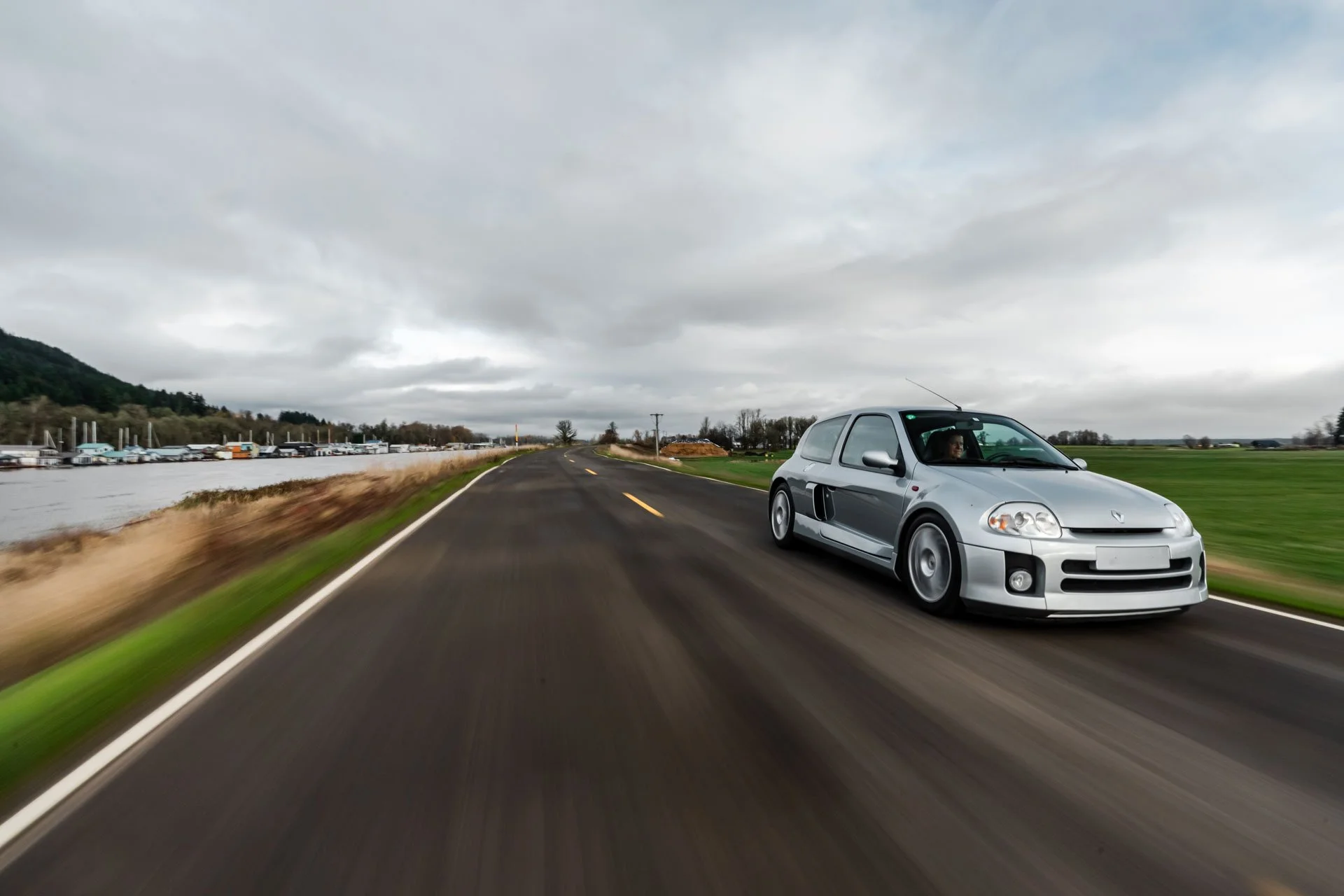
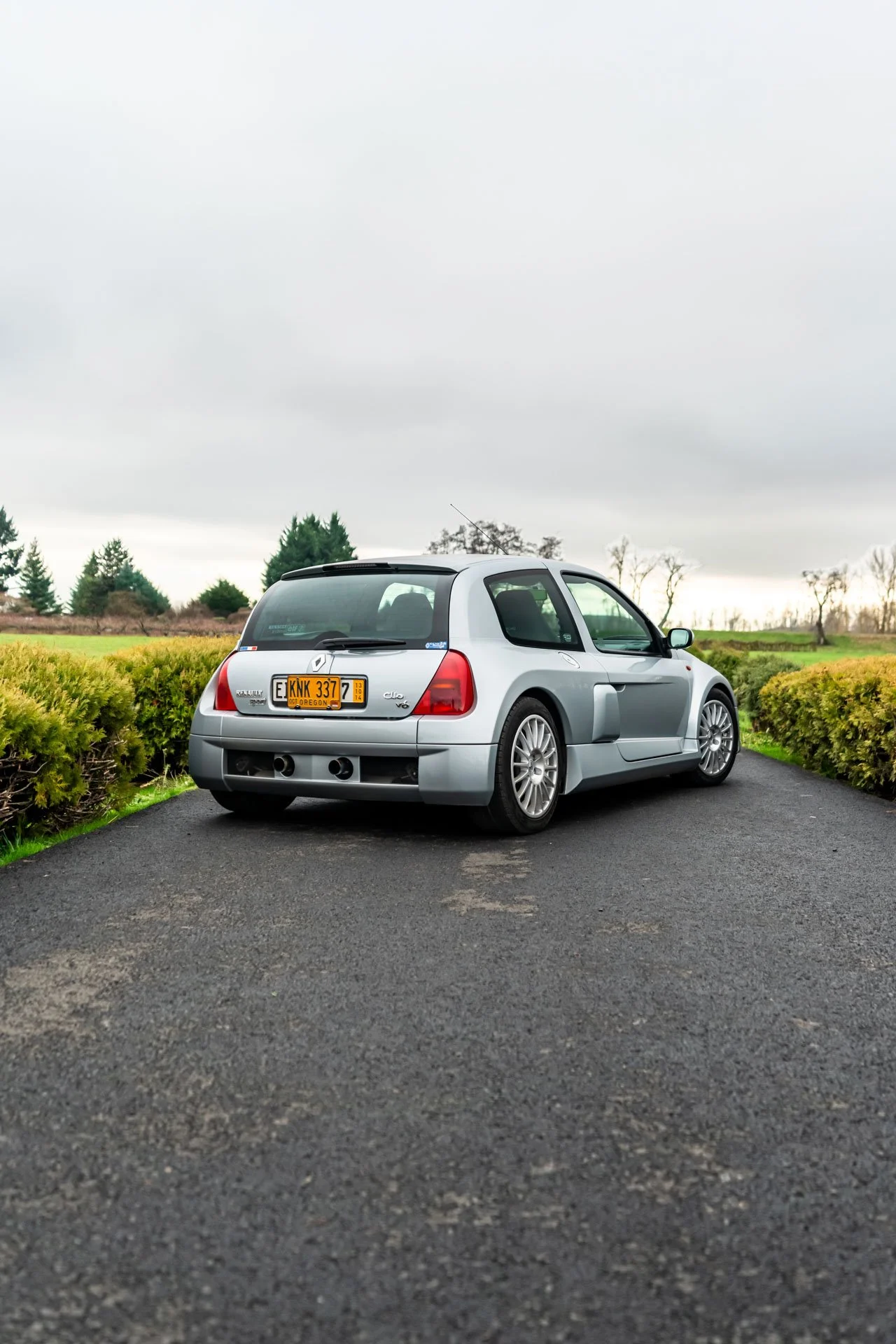
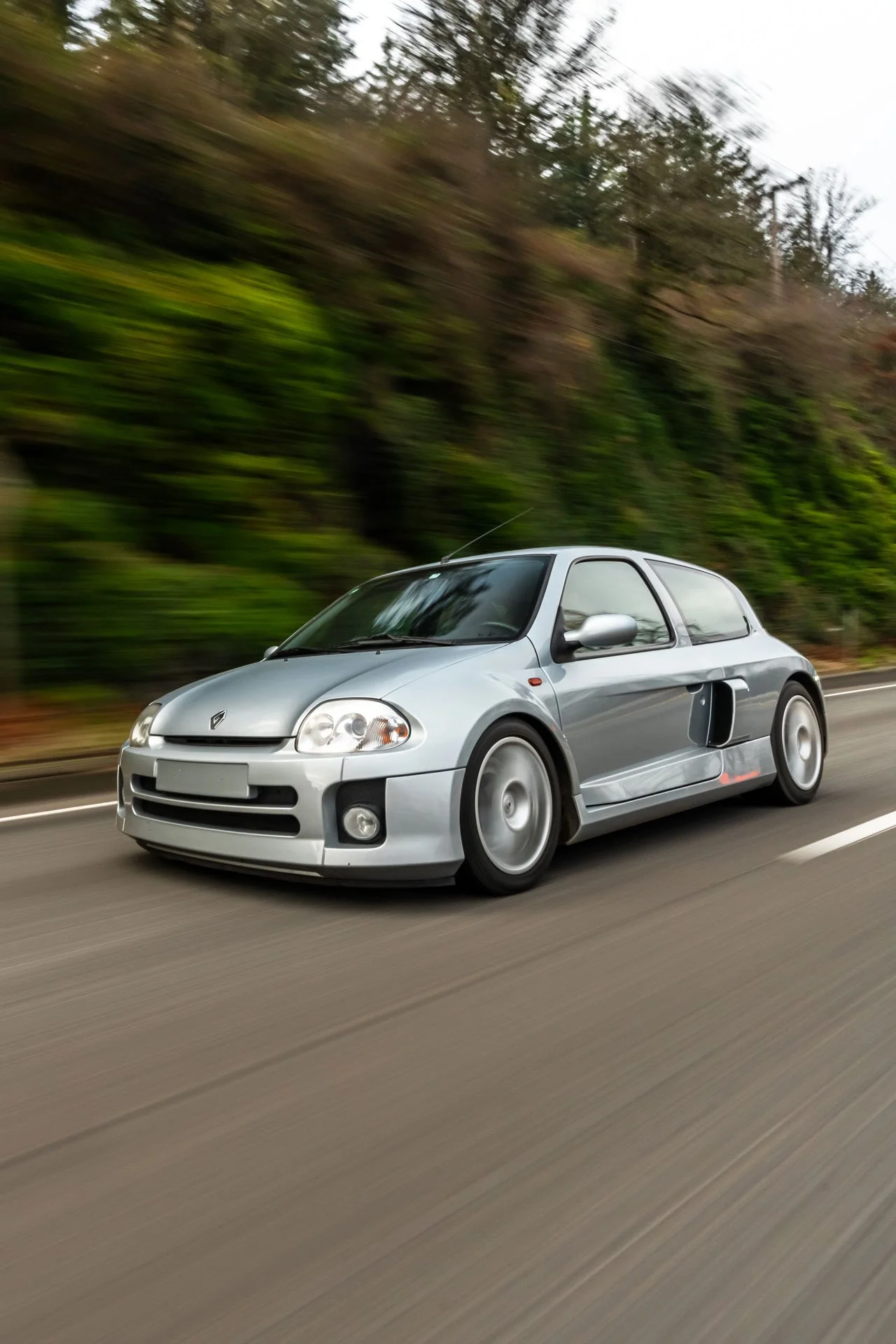
ERIC DIDIER’S PHASE ONE CLIO V6
One of the biggest fans of the Clio V6 is Avants member Eric Didier. Owner of Terrawagen in Portland, Eric has been a car lover his entire life and has spent time behind the wheel of everything from aircooled 911s to Citroën 2CVs to off-road vans. When we spoke about his Clio, he was certain of one thing: “I will always own a Clio V6.”
Technically, his car isn’t just a Phase One Clio V6, it’s a Lutecia Sport V6. His example was imported from Japan, where the name “Clio” was already trademarked, hence the Lutecia rebadge. Yes, his rare Renault is even rarer.
Eric is the ideal owner for this French halo car. Years ago, his grandfather worked for Renault, and as a car enthusiast, Eric is a skilled and passionate driver. “If you know how to drive it, it’s super well-connected to the road. It reminds me a lot of my 911. That’s how I drive the Clio — with more finesse than absolute muscle. Braking in a straight line, you can go really deep. It turns in very fast but feels neutral. It feels light and is geared tall, which is great for sweepers.”
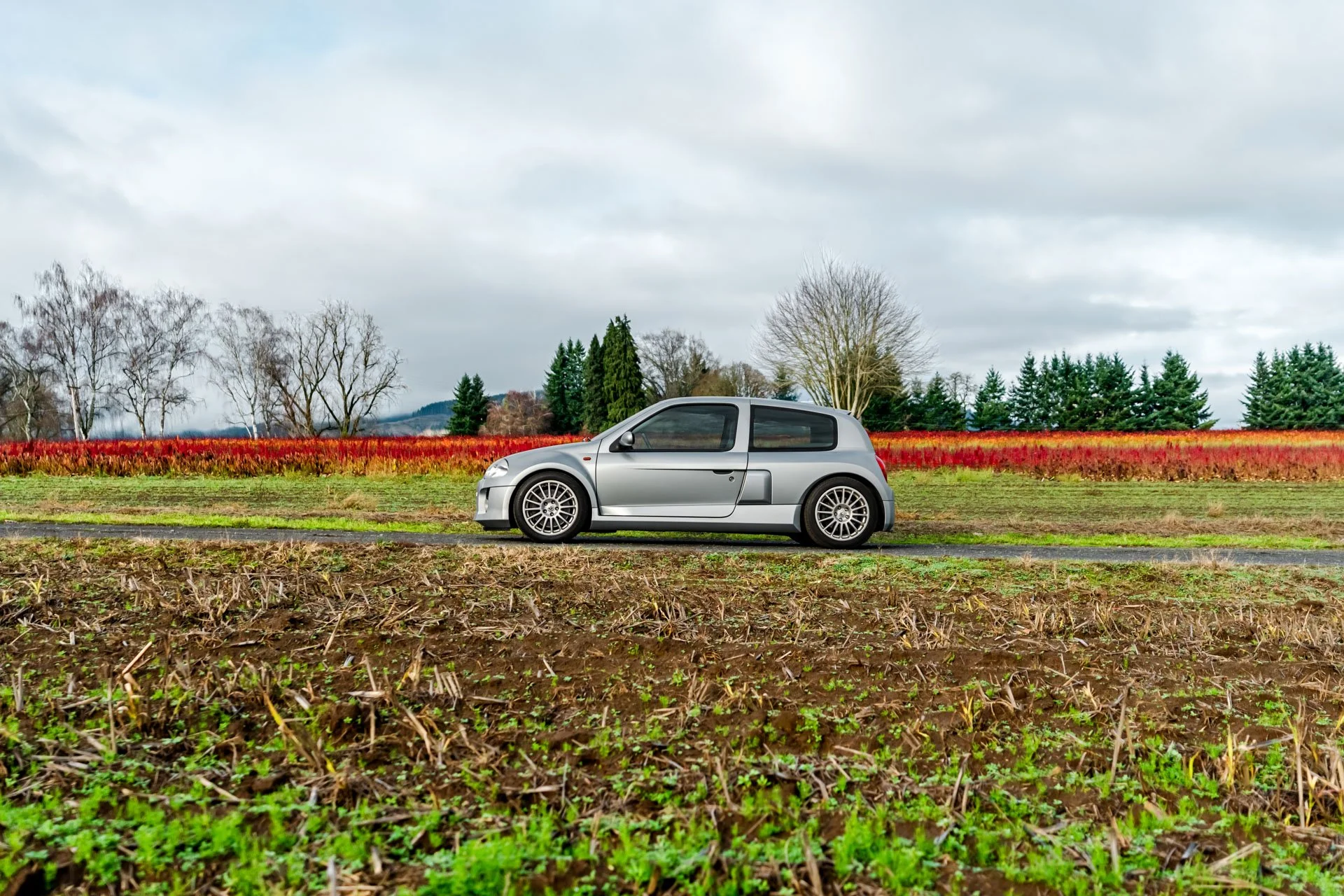
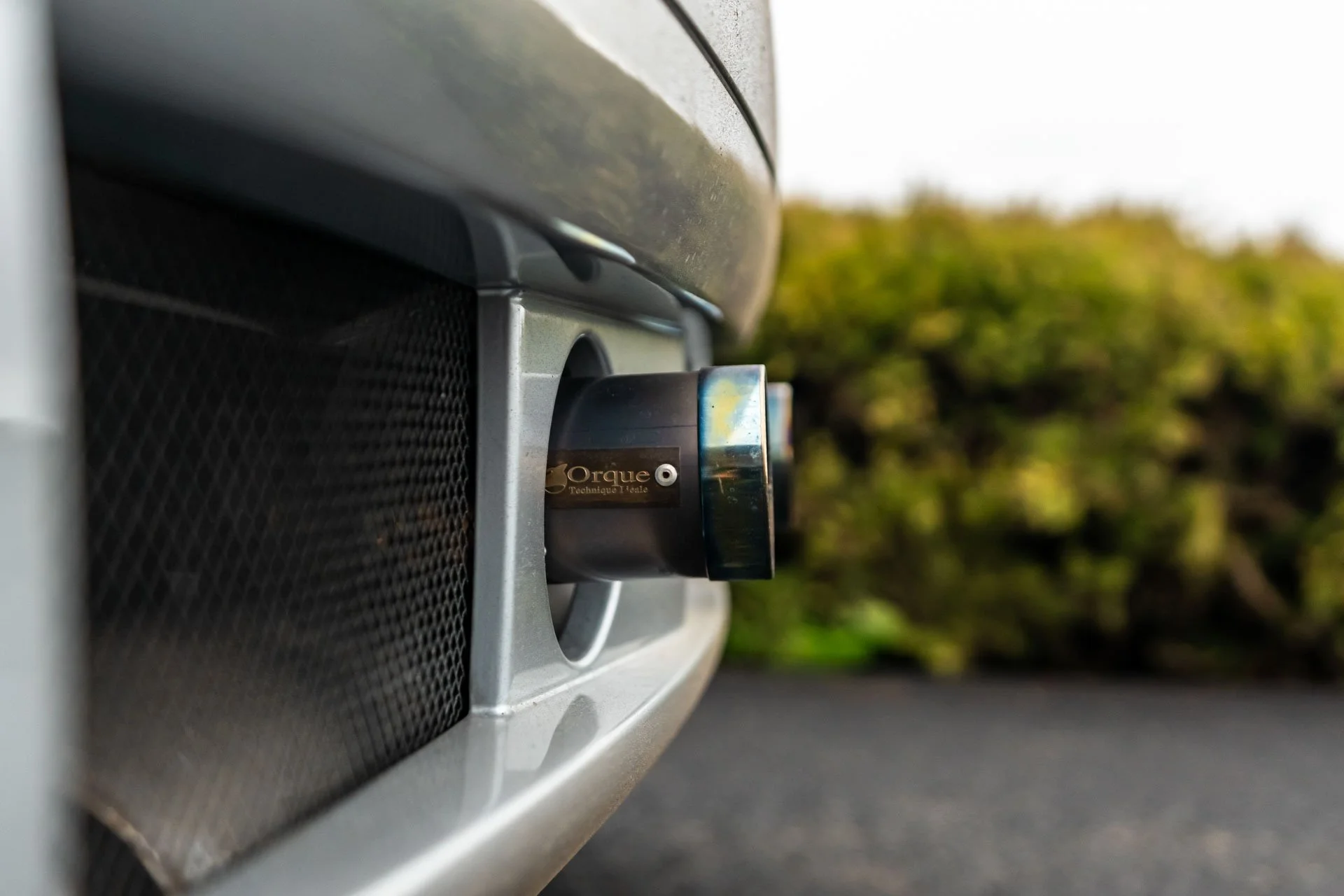
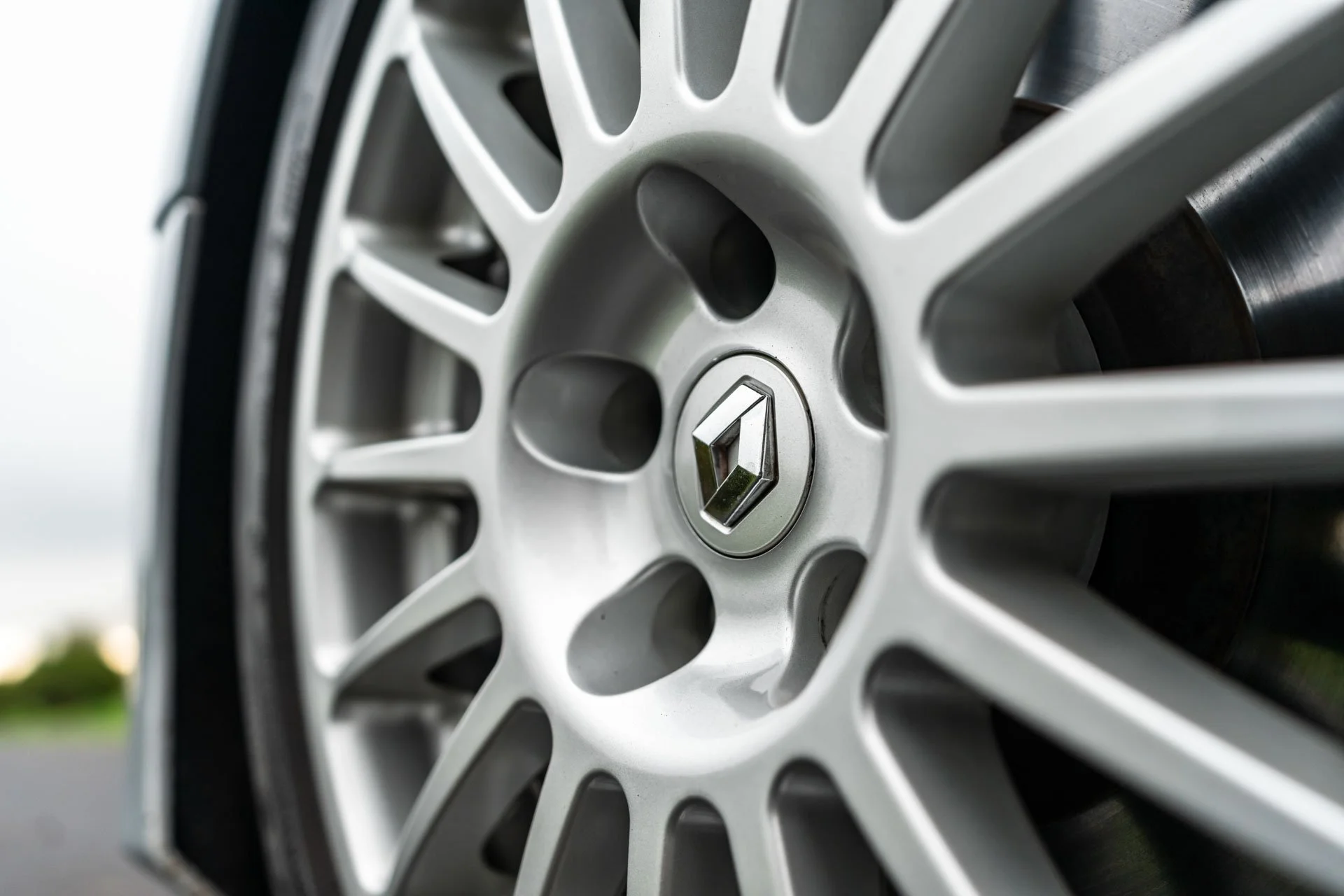
When speaking about his grandfather, Eric added, “I love the fact that he would have totally approved of it when this car came out. He definitely would have had one.”
The Renault Clio V6 is epic by every definition of the word. Designed first as a concept and then built for the street, it reset our imaginations of what a hatchback could be. Nearly every aspect of the Clio is great. It’s handmade and built to last. It has a hearty motor in the most balanced location, and it’s devastatingly beautiful from every angle. As a kid playing Nintendo, I wanted one — and as an adult who now understands its flaws, I want one even more. Thank you, Eric, for sharing your Clio V6 with us.

