
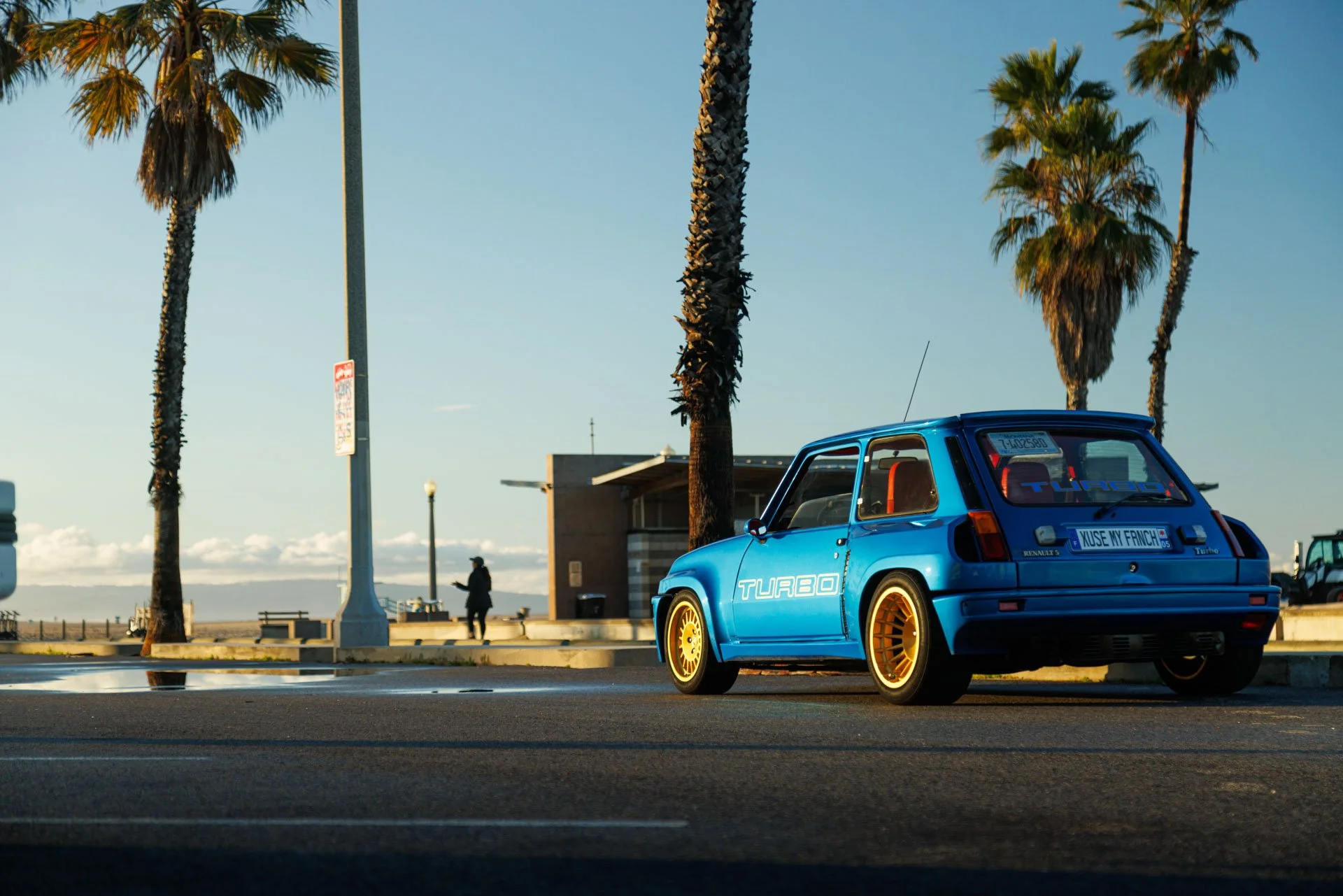
RAD RIDES: 1981 Renault R5 Turbo
Leave visions of the pathetic Le Car econobox in the rearview, the R5 Turbo was a full-bred homologation monster with an eye on the WRC’s Group 4. Sure, it was very loosely based on what we once knew as Le Car in America, but the R5 Turbo was a radical departure from the pedestrian version. When it came time to replace the successful A110, Renault really flipped the script.
Code Breakers
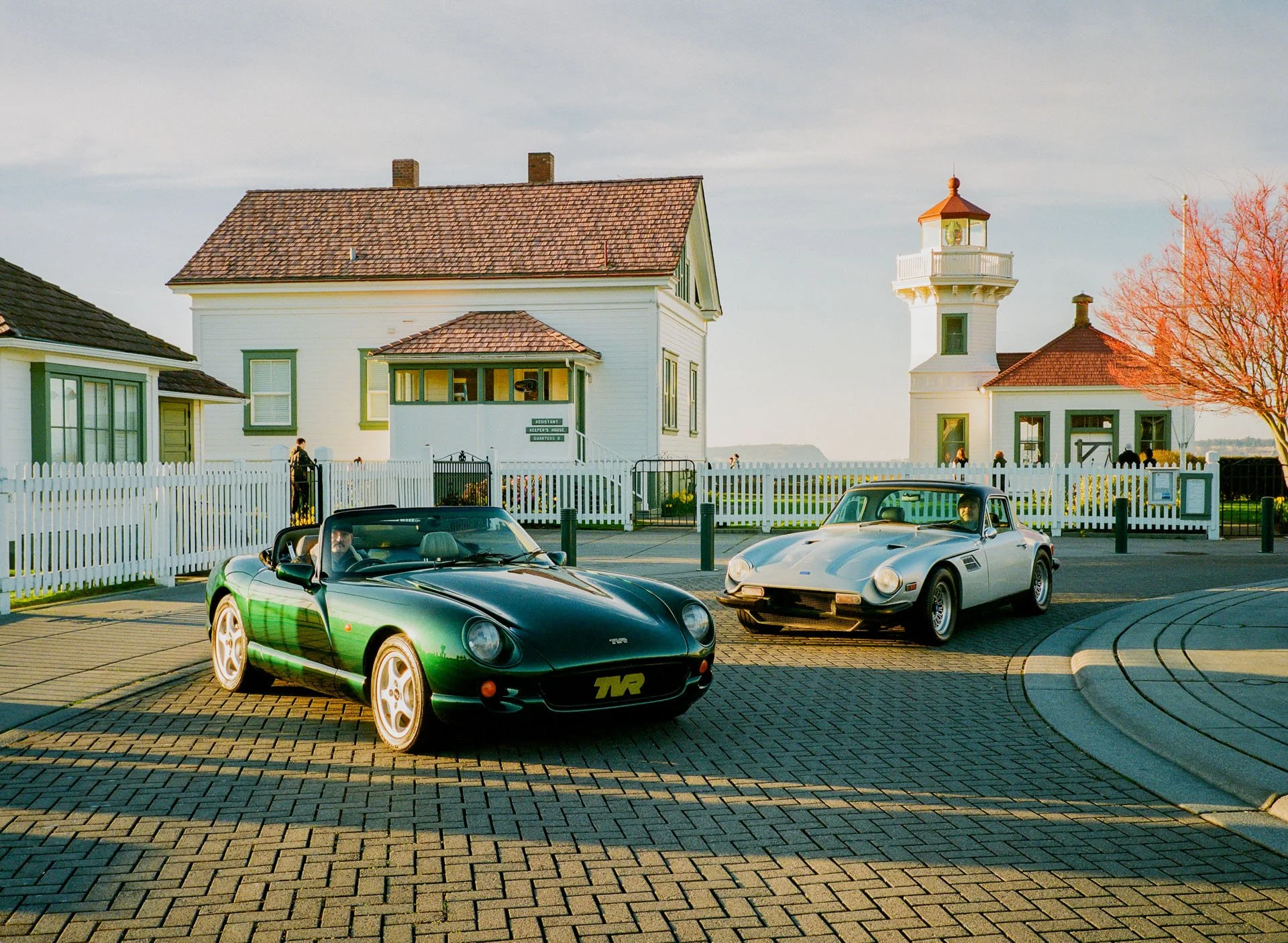
British sports cars are prim and proper machines. Whether your passion is for MGs, Triumphs, Jaguars, or Austin Healeys, these relics from the golden age of motoring were designed as if adhering to an unwritten code of conduct from the royal family itself. A utilitarian chassis, chrome wire wheels with flowing body lines, and an English four- or six-cylinder motor are requirements for a proper English car. But in a sea of British conformists, one company stands out and breaks the rules like the rebellious middle child. Their mission isn’t to adhere to the British Sportscar Code of Conduct, their mission is to build the fastest and most eccentric cars they can. This company, of course, is TVR.
Car Week for All
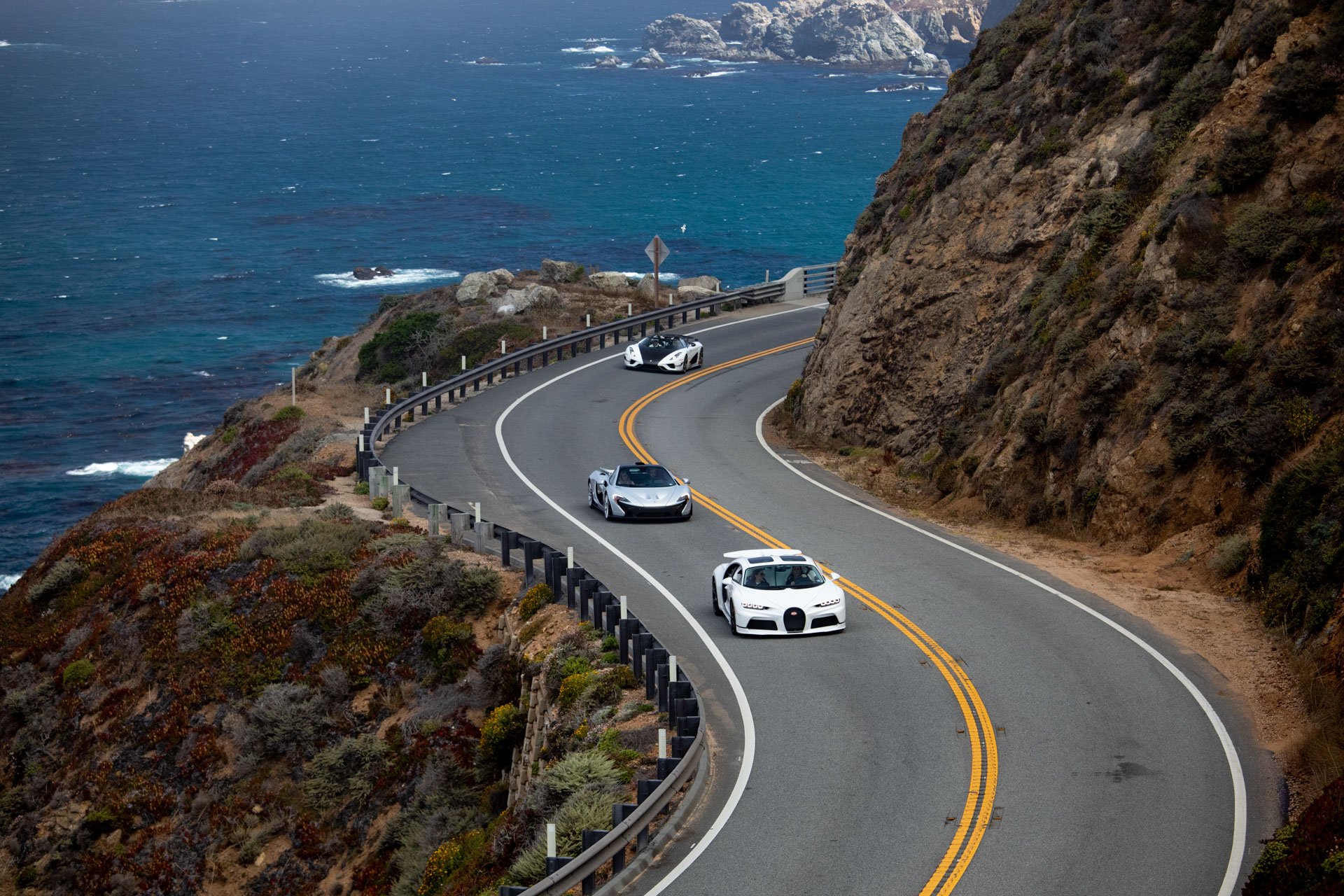
You’ve just disembarked your jet at Monterey Regional Airport, your Koenigsegg Regera has been delivered after you shipped it across the country, and you’re sitting in the driver’s seat, trying to decide what your first Monterey Car Week activity will be once you drop your matched set of luggage at the finest hotel on the peninsula.
Wait, that’s not you? Don’t worry, there are many ways to enjoy the Car Week atmosphere without dropping a lot of coin.
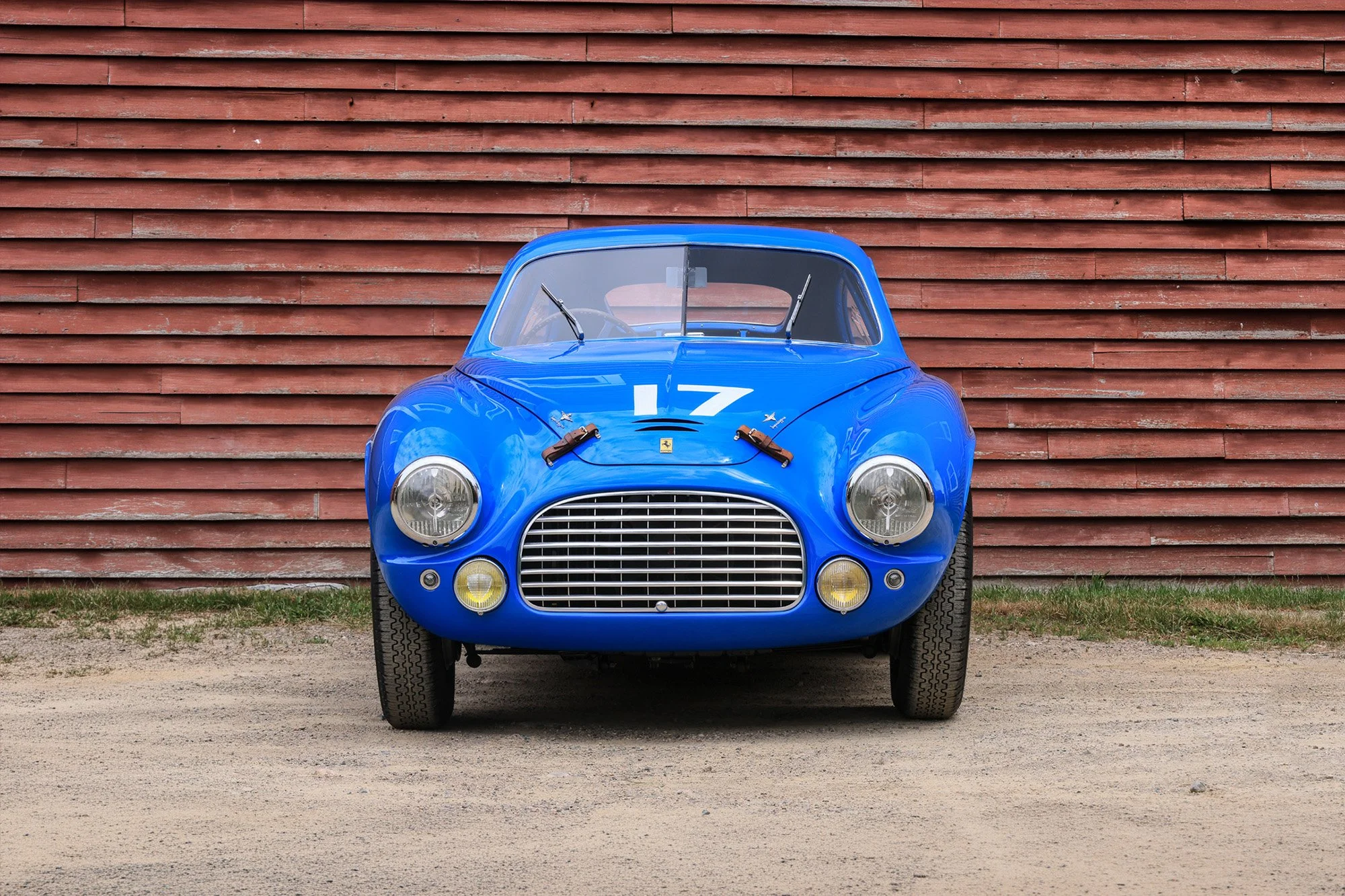
The Last of the Le Mans Berlinettas
Under the glass canopy of the 1950 Paris Motor Show, a light blue fastback caught the spotlights — and the imagination — of Europe’s motoring elite. Displayed on Luigi Chinetti’s stand between a 166 MM Barchetta and a 166 Inter Cabriolet, the Ferrari 166 MM Berlinetta Le Mans looked every inch the future of speed: leather bonnet straps, faired-in fog lights, Plexiglas windows, and the purposeful austerity of a cockpit built for endurance racing.

Micro Cars, Macro Aspirations
In a world where bigger is often better, meet the Peel P50 and Peel Trident… microcars with macro aspirations. Peel Engineering was a modest but wildly inventive Isle of Man company that produced fiberglass boats and motorcycle fairings before swinging for the fence and jumping into personal transportation in the early 1960s. Its idea was as simple as it was brilliant: ultra-light, ultra-efficient microcars designed for short-distance urban life.
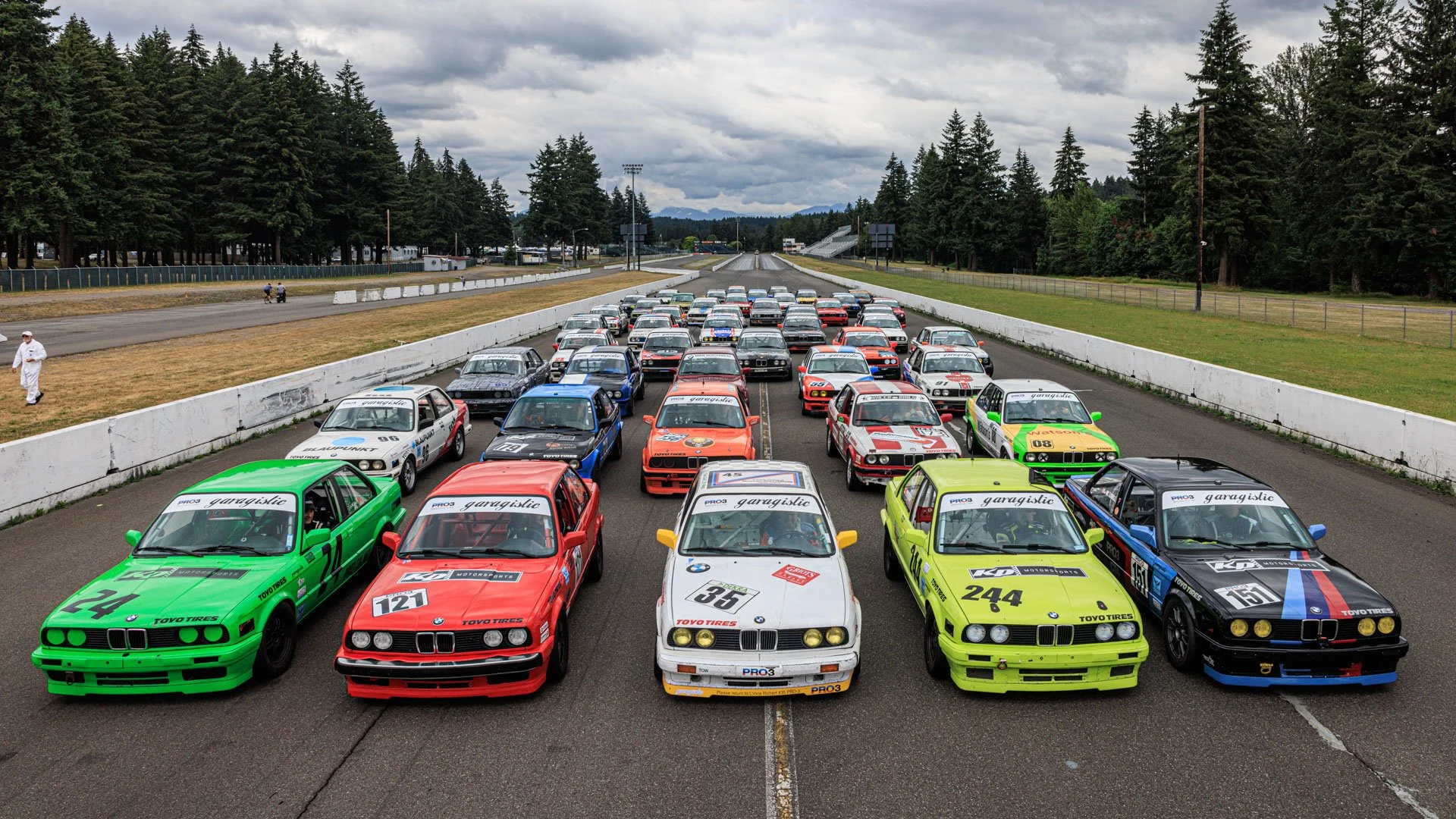
Friends Between Checkered and Green
On any given weekend in the Pacific Northwest, a chorus of straight-six BMWs rises as one: 30-plus E30s idling nose-to-tail in pre-grid, the smell of hot brakes mixing with wet pine. This is PRO3, a class built on the humble BMW 325i and shaped equally by precision driving, parity-focused rules, and a paddock culture so welcoming it feels almost subversive in motorsport.
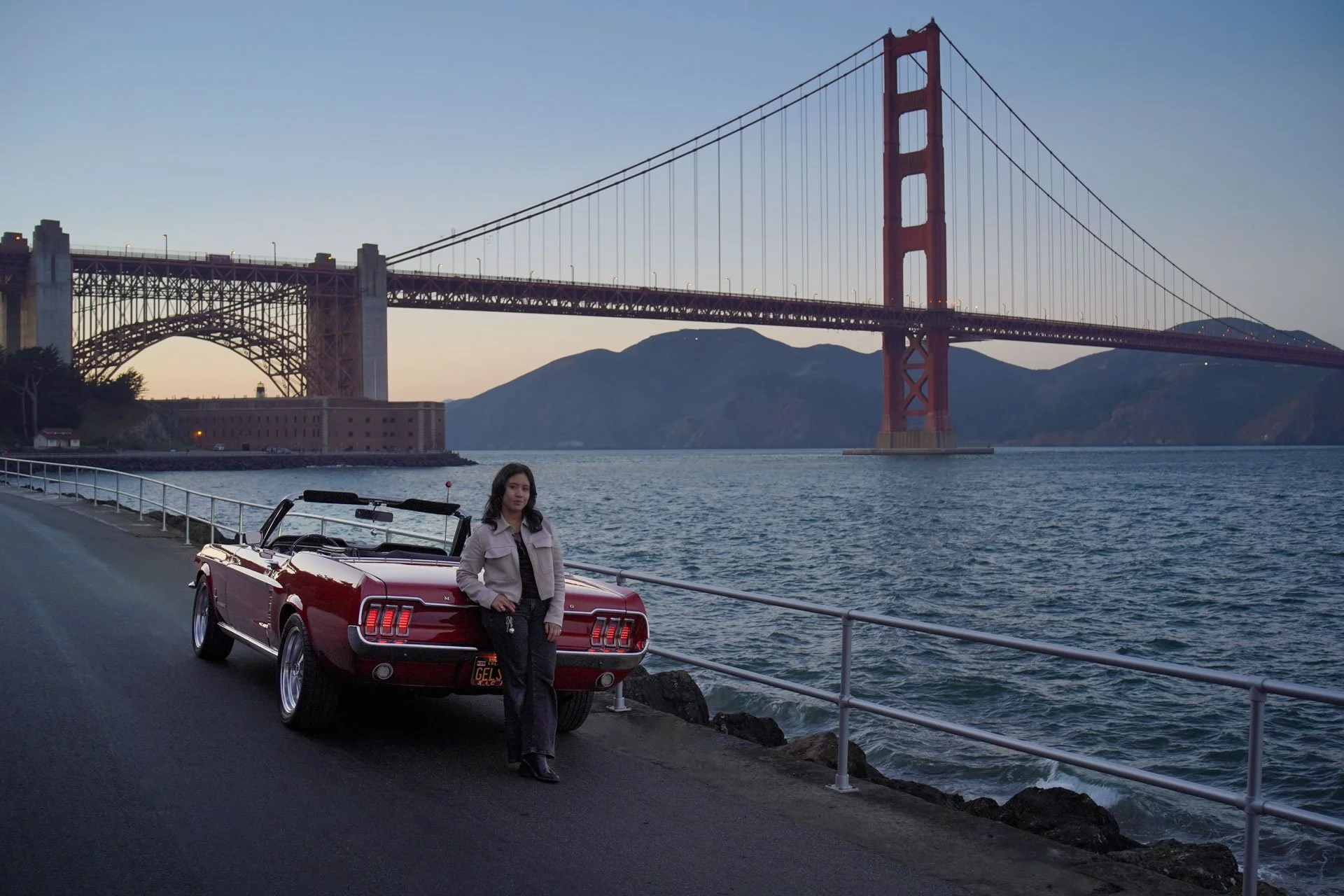
Gelstang
Gelica Peralta, known to her followers as “Gelstang,” has masterfully blended photography, storytelling, and community building into a compelling automotive lifestyle brand in San Francisco. Centered around her 1967 Ford Mustang, Gelstang is more than just an Instagram page — it is a flagbearer for classic car lifestyle. At just 27 years old, Gelica is leading the charge in showcasing that the passion for analog muscle, late-night drives, and the character of classic cars is alive and well among younger generations. Her work, including high-profile branding collaborations with Ford, is inspiring a new cohort of enthusiasts to get their hands dirty and ensure the legacy of the American classic car endures.
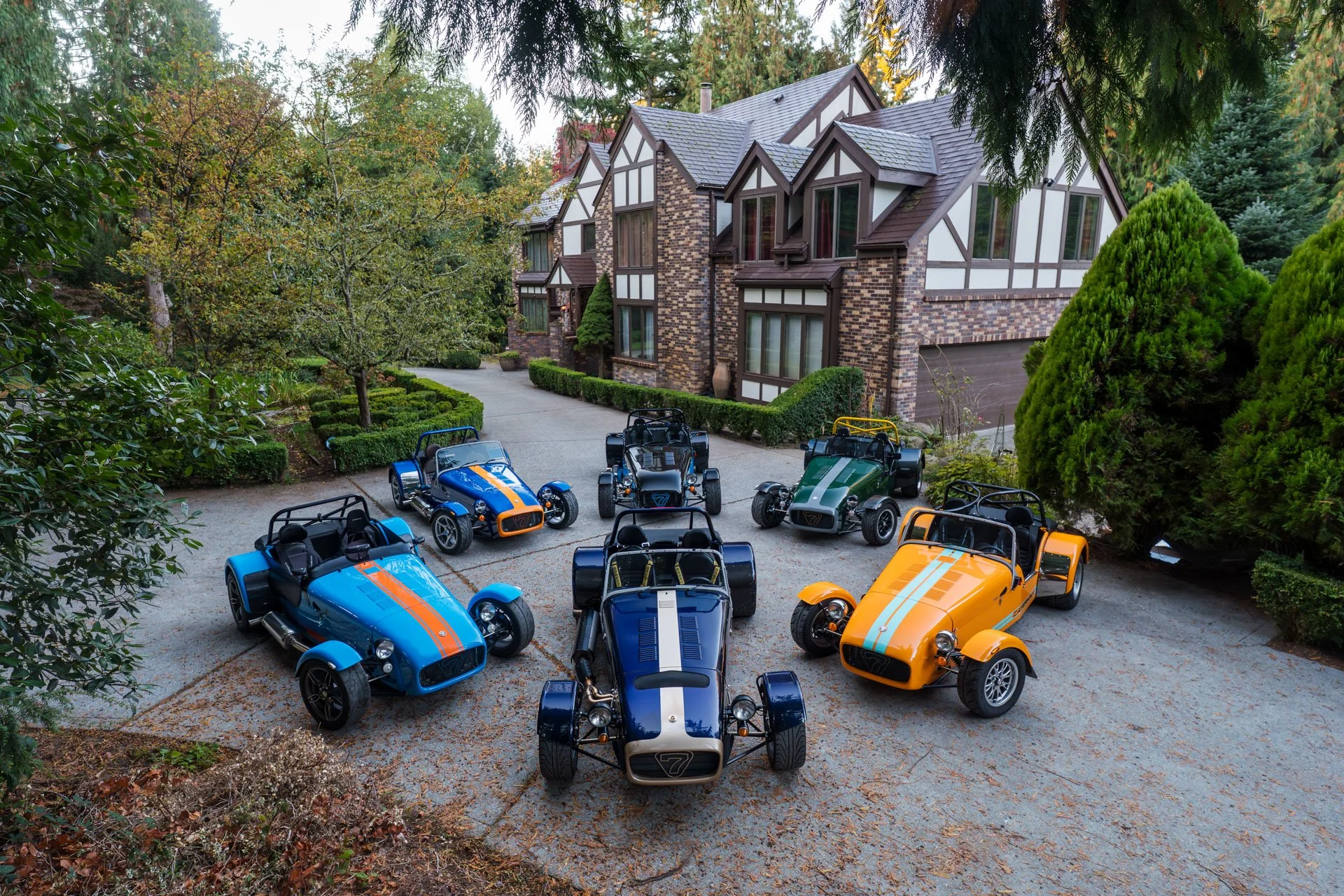
The Benchmark for Lightness
Every year, cars get heavier and more bloated. As they pack on the pounds, the taste of pure driving experience fades closer to oblivion. For passionate drivers, this weight is the fastest and easiest way to murder the driving experience.
By contrast, prioritizing lightness has compounding benefits. The car is light, the chassis is stiff, and because of this, it speaks clearly to the driver and grips, dives, and slides like no other car can.
So what is the real-life version of this car? The boiled down, ultra-concentrated, and full of flavor iteration of a sports car is the Caterham Seven.

The Hatchback That Broke the Rules
Just as it looks, the Renault Clio V6 began as a wild concept. In the late ’90s, Renault wanted to spark excitement for their second-generation Clio micro-hatch. To do this, they designed a concept car meant to serve as a modern tribute to their ’80s rally champion — the boxy, mid-engined Renault R5 Turbo. By the turn of the millennium, Renault realized their concept car could be more than just that.
The Road Less Traveled
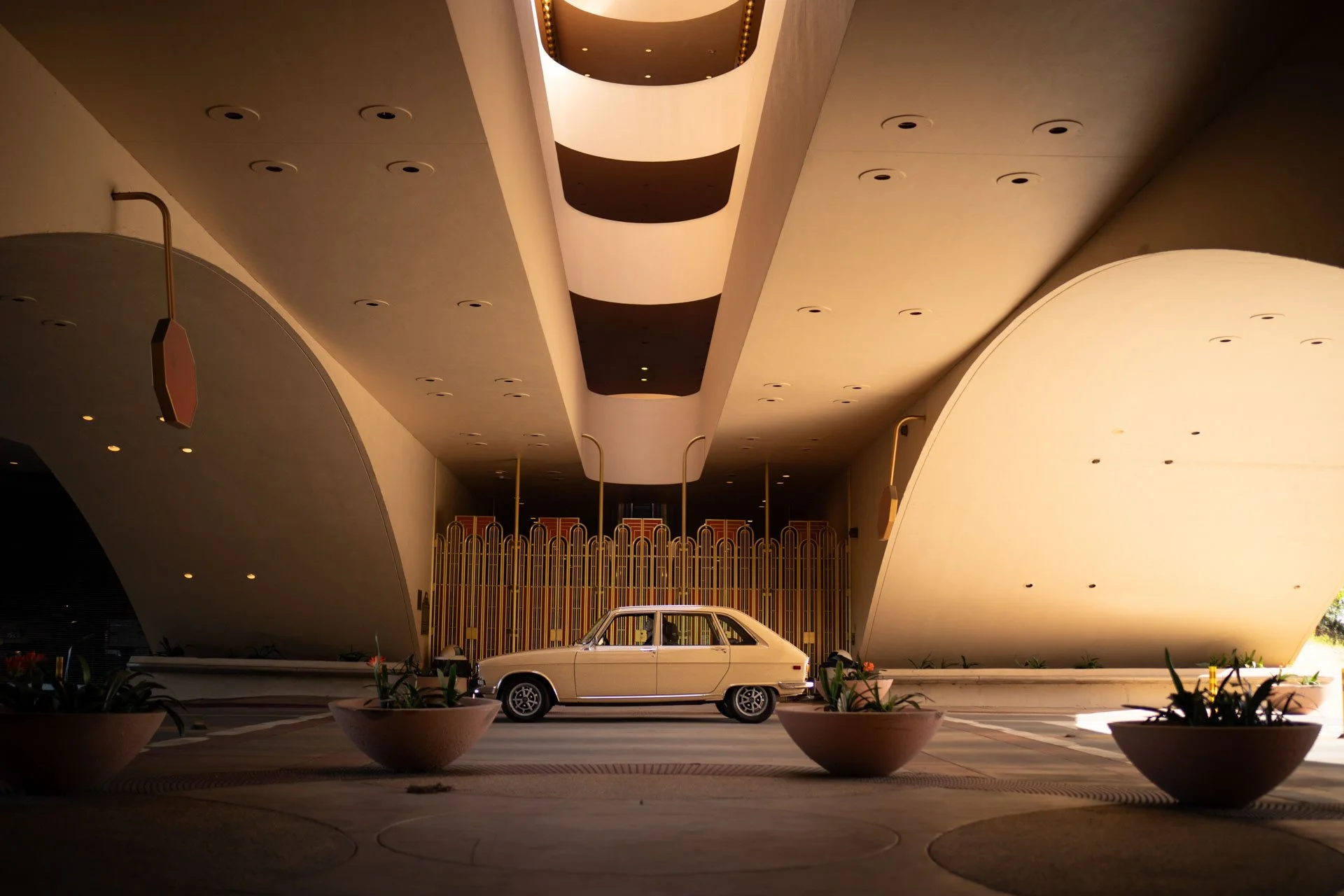
For the better part of the last century, French cars pushed the frontiers of innovation in industrial design, engineering, and styling. Their efforts were often labeled offbeat and risky, and rightly so, resulting in a slew of cars that were highly distinguished from the rest of the automotive world. A surprising number of automotive technologies that are ubiquitous today were either introduced or early adopted by the French.
Joining Forces
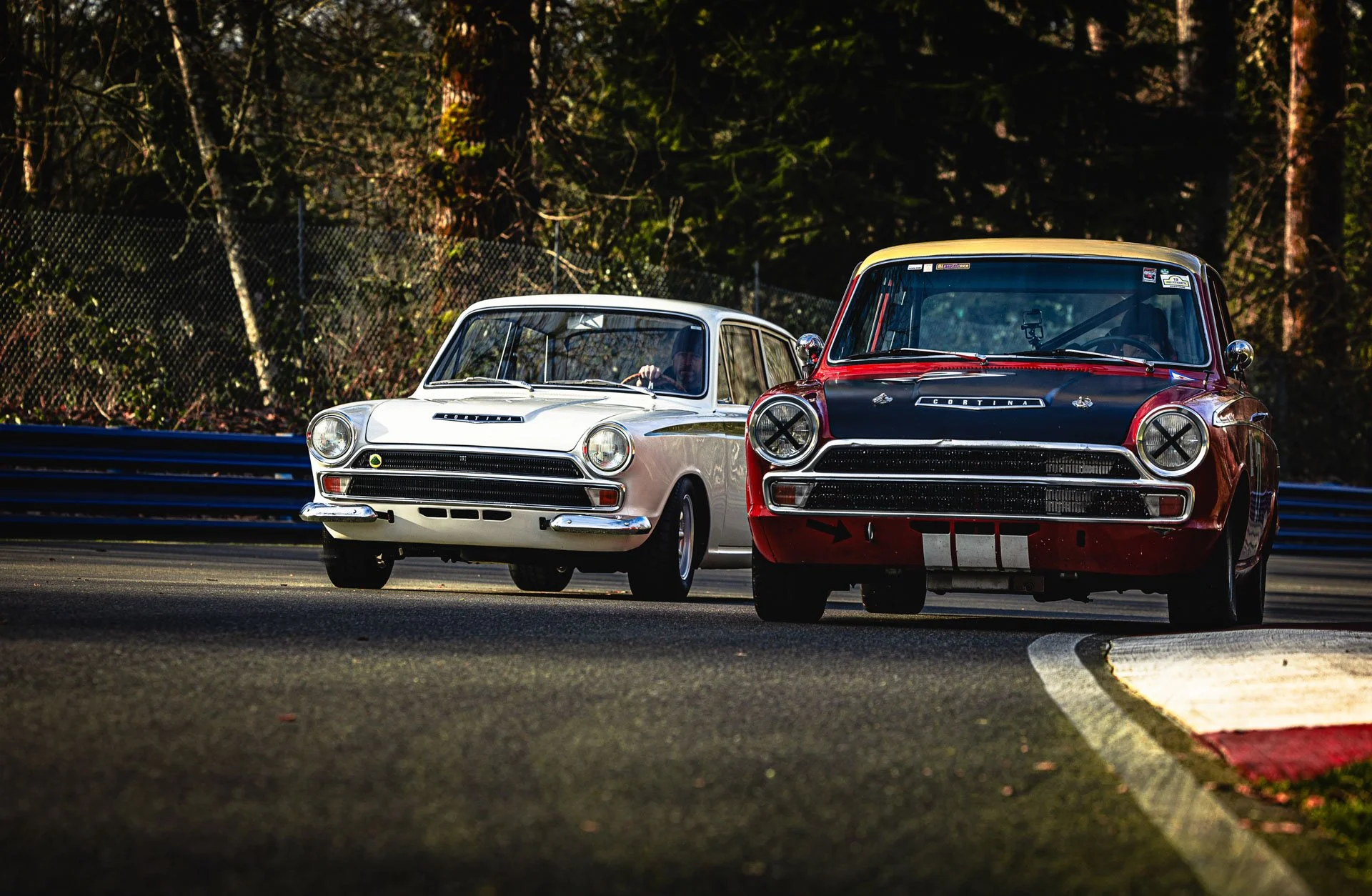
Sebring, Florida, 1964. Heat radiates from black asphalt as the sun hovers high in the sky. The air is thick and humid, each breath dense enough to chew as storm clouds, dark and saturated, loom menacingly in the distance. Spectators fill rickety wooden stands wearing freshly pressed slacks while drinking Coke from sweating glass bottles.
In this busy scene, there are two standouts. First is a short, young man with dark hair; 28-year-old Jim Clark, driver for Lotus, who had just been crowned the Formula One Drivers World Champion of 1963. Second is the car he will be piloting.
RAD RIDES: 1992-1996 Subaru SVX
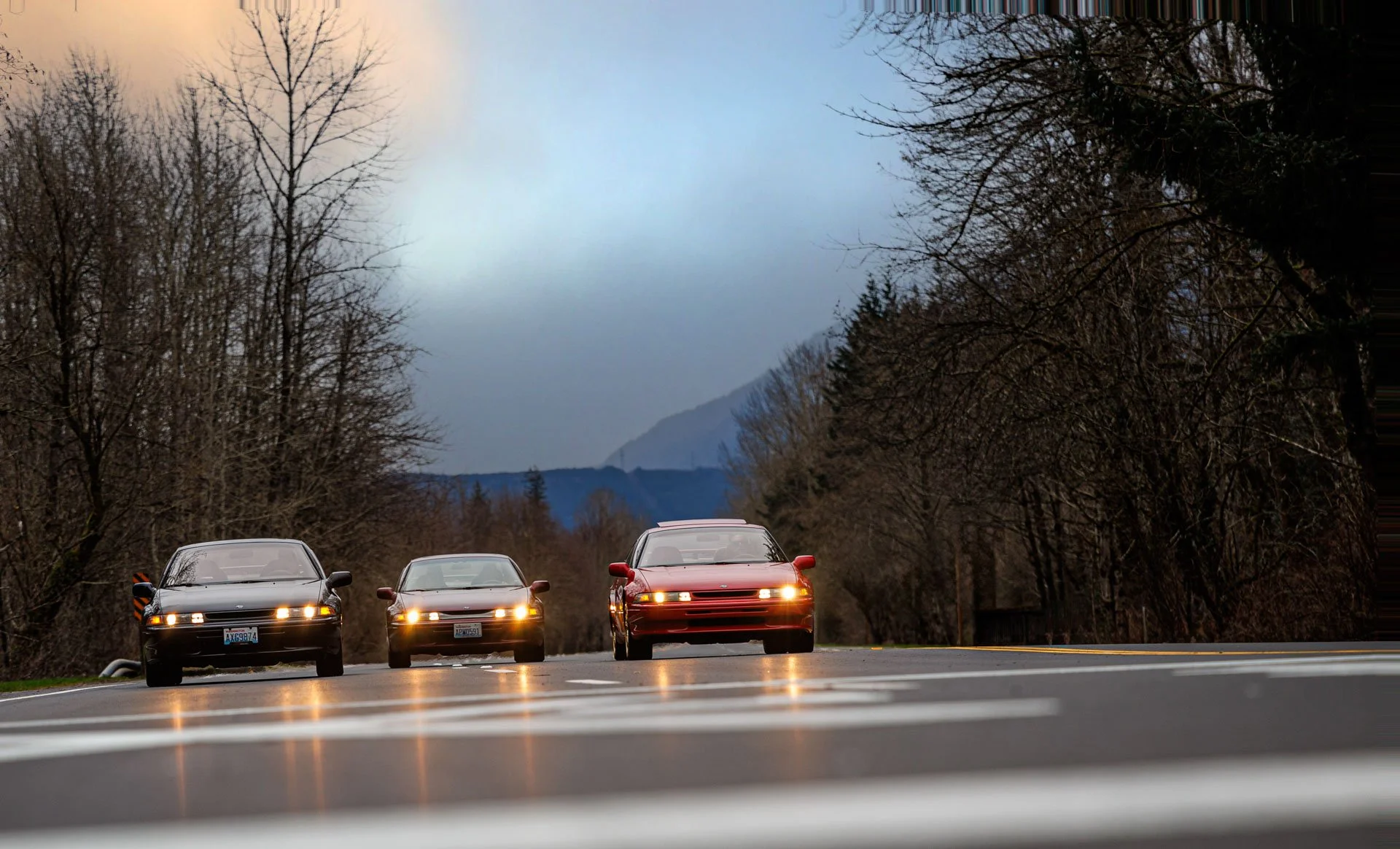
The Subaru SVX is not one of those ahead-of-its-time rides that for some unexplainable reason flew under the radar when it first hit the scene. It was simply too expensive to even appear on the radar. The Grand Touring Subaru was offered in America from 1992 to 1996 and cost $36,000 at the end of its run which also happened to coincide with an economic downturn. The sum of its parts were impressive, an all-aluminum, 230-horsepower, 3.3-liter DOHC H6 engine backed by a four-speed automatic provided motivation via an all-wheel-drive powertrain. Like any vehicle that is bold and daring, the SVX generates loyalty, passion, and deep appreciation to those who own them.
A Promise Unkept
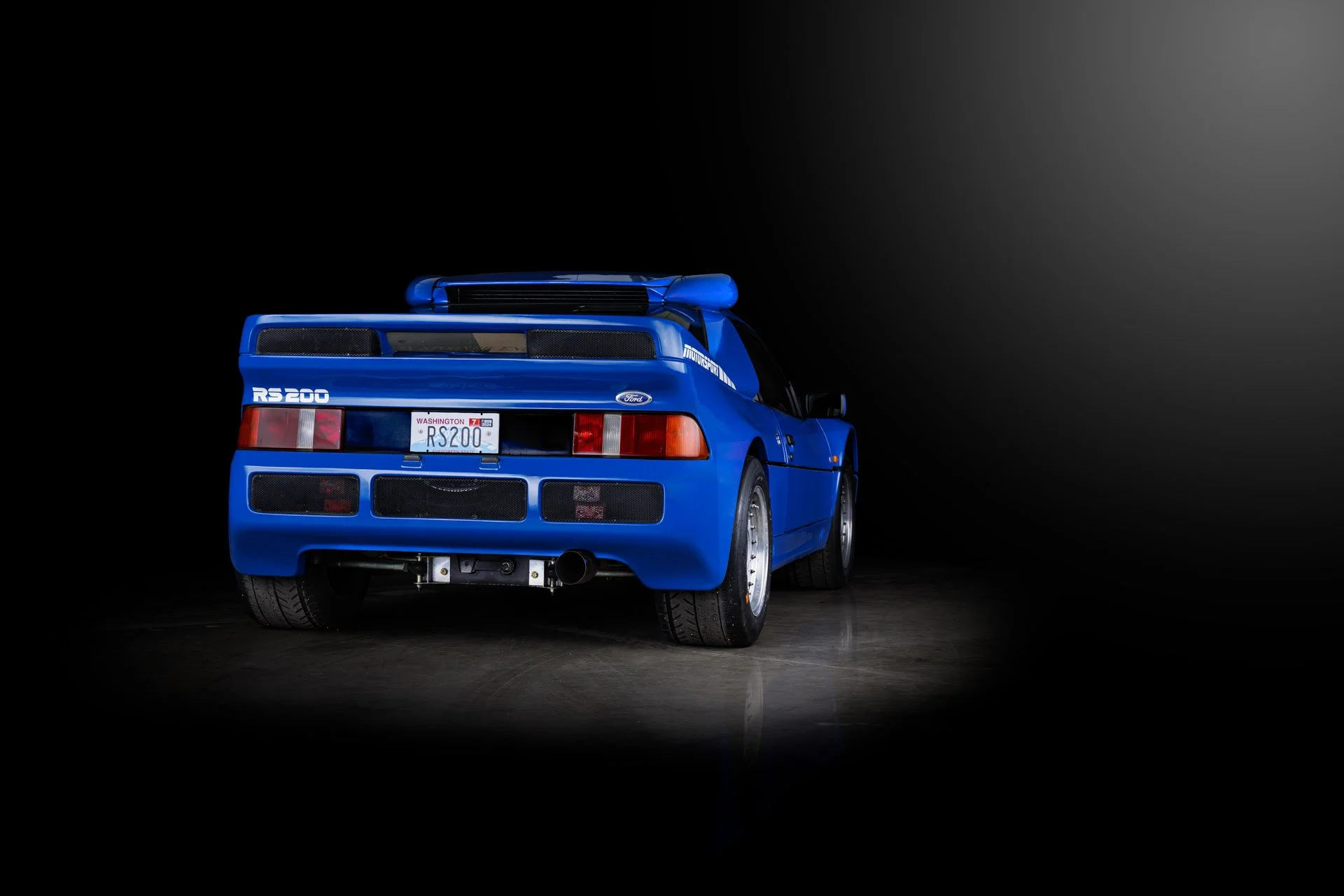
Once every few decades, the engineers at Ford are let off their leashes. Budgets are thrown out the window, lesser projects are cut, and their best and brightest create something that revolutionizes the industry. Case in point… In the early 20th century, Ford invented the Model T, which transformed American society as we know it today. In the 1960s, they brought down the racing empire of Ferrari with the GT40. But in the 1980s, the Blue Oval crew engineered their most ludicrous car of all time, the Ford RS200.
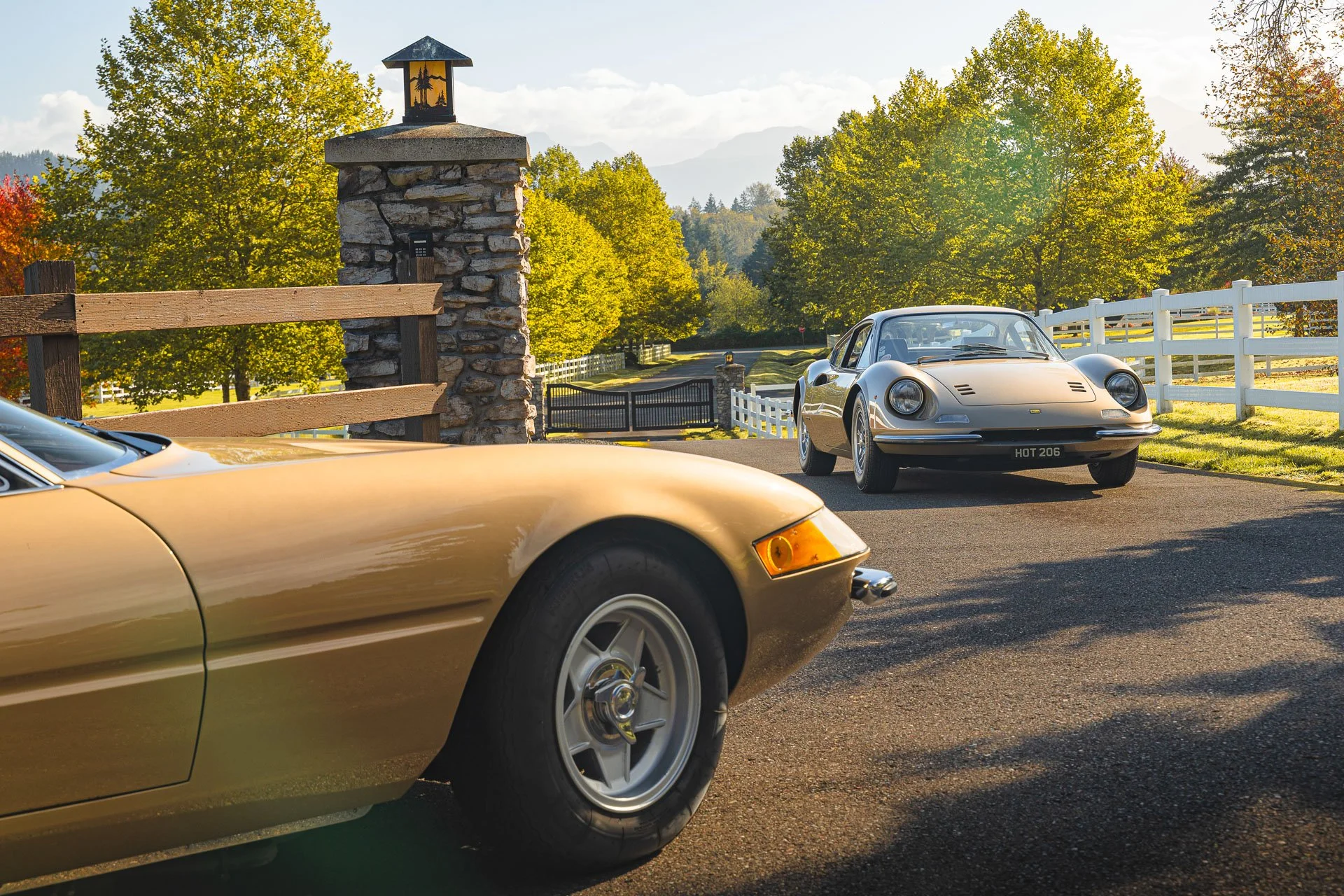
Gold Rush
Close your eyes and picture a Ferrari. What do you see? Beautiful leather interior with hand stitching and a gated shifter? Gold or silver wheels wrapped in black Pirelli leather? Specifics aside, one thing is certain, the car you are picturing is painted red.
But as Enzo Ferrari himself implied, a red Ferrari is a child’s car. It looks cool and fast, but is flashy and seeks attention. The most dignified, refined, and gentlemanly of Ferraris can only be one color: gold.
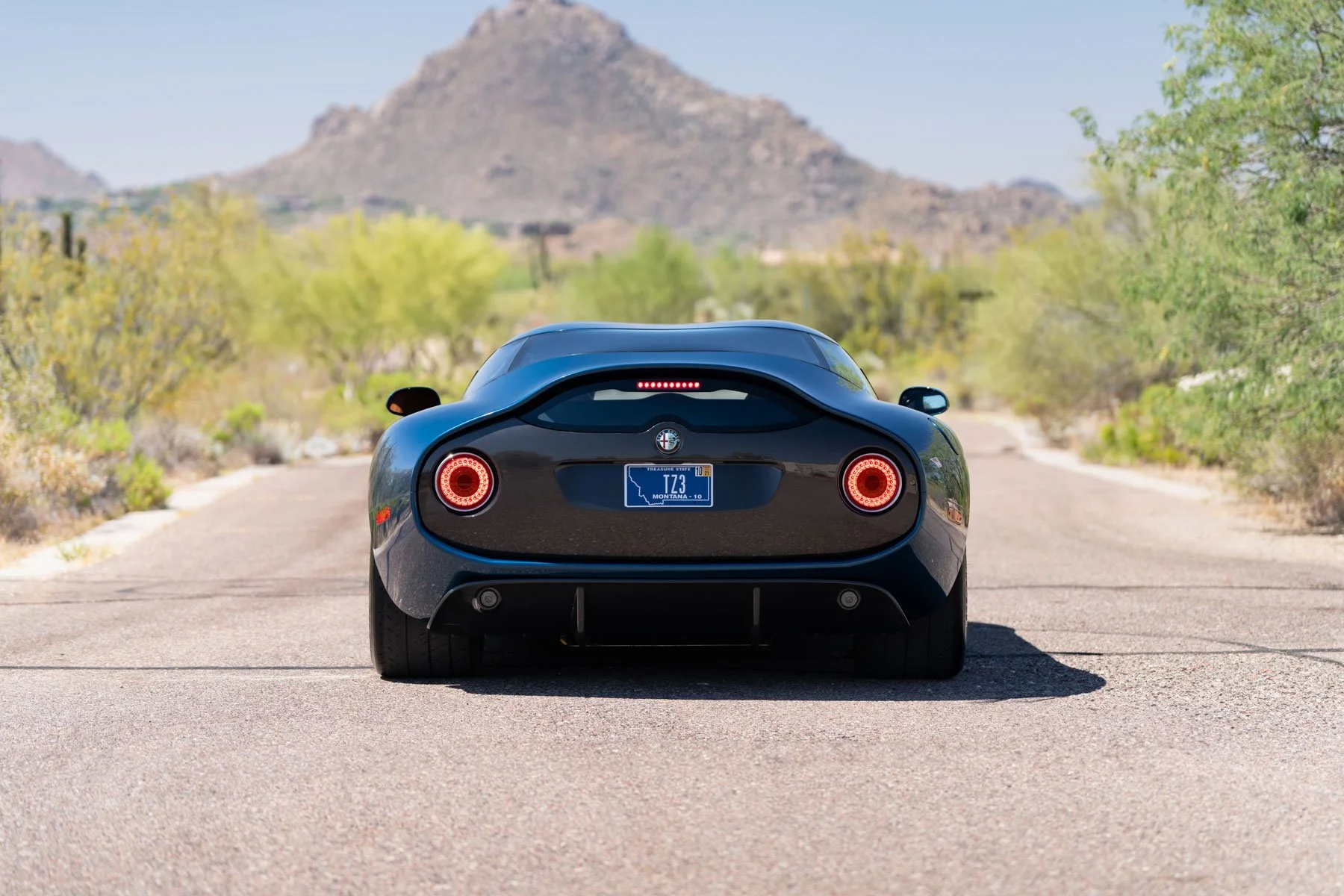
From Track to Tarmac
Please note this car is titled Dodge Viper.
Excuse me?
This was my reaction upon reading the Gooding & Co. auction listing for this car. I imagine many others had the same reaction. The fact that it sits atop a Dodge Viper ACR chassis is just part of what makes the 2010 Alfa Romeo TZ3 Stradale so unique.
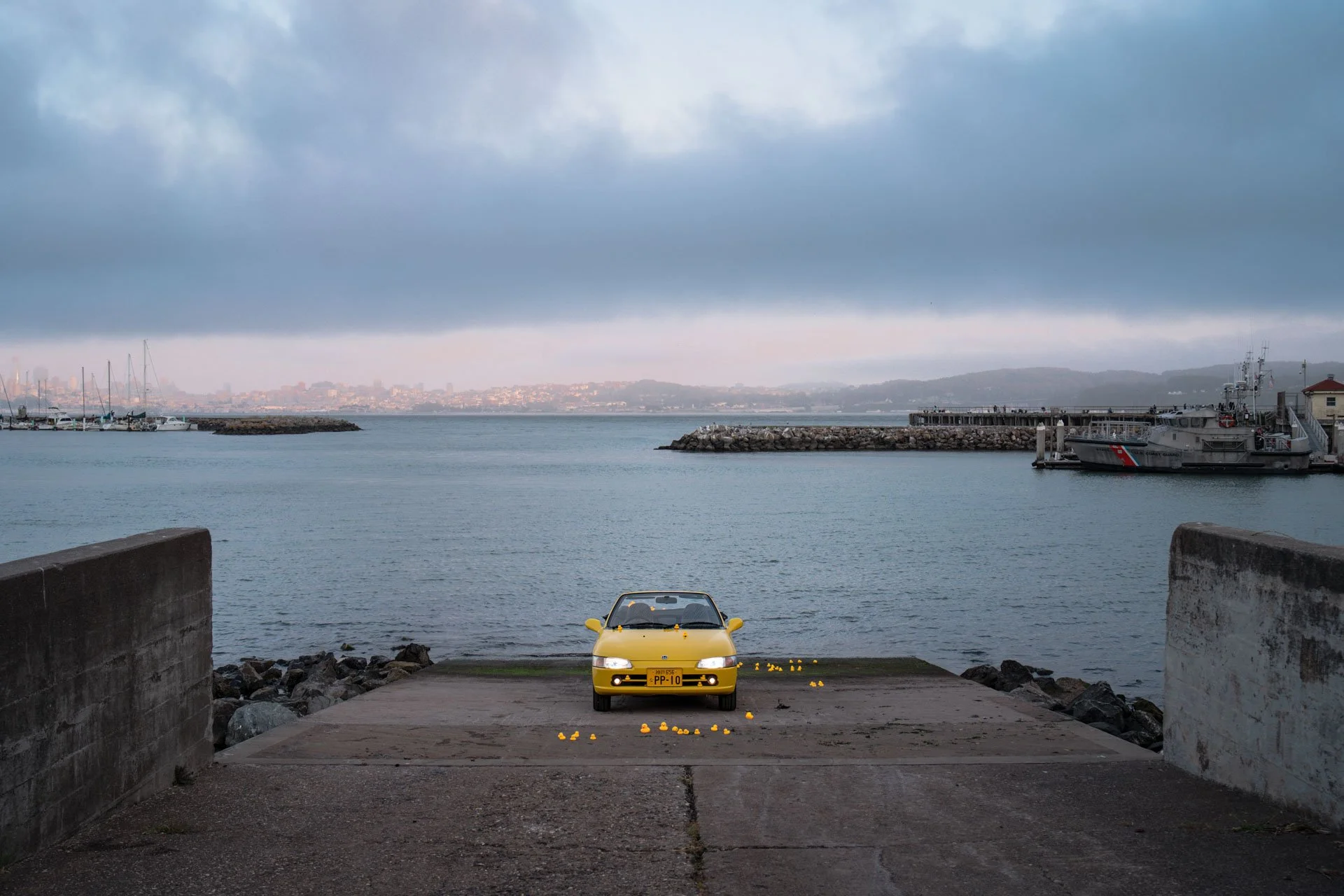
Know Your ABC’s
Keijidosha, which translates to “light automobiles” and is known as Kei for short to enthusiasts, are a classification of microcar introduced in 1949. In 1990, the Japanese economy was riding high. Automakers stepped up, looked past the Kei car’s boring basic transportation persona, and ushered in a sports car revolution, which included the Pininfarina-designed Honda Beat.
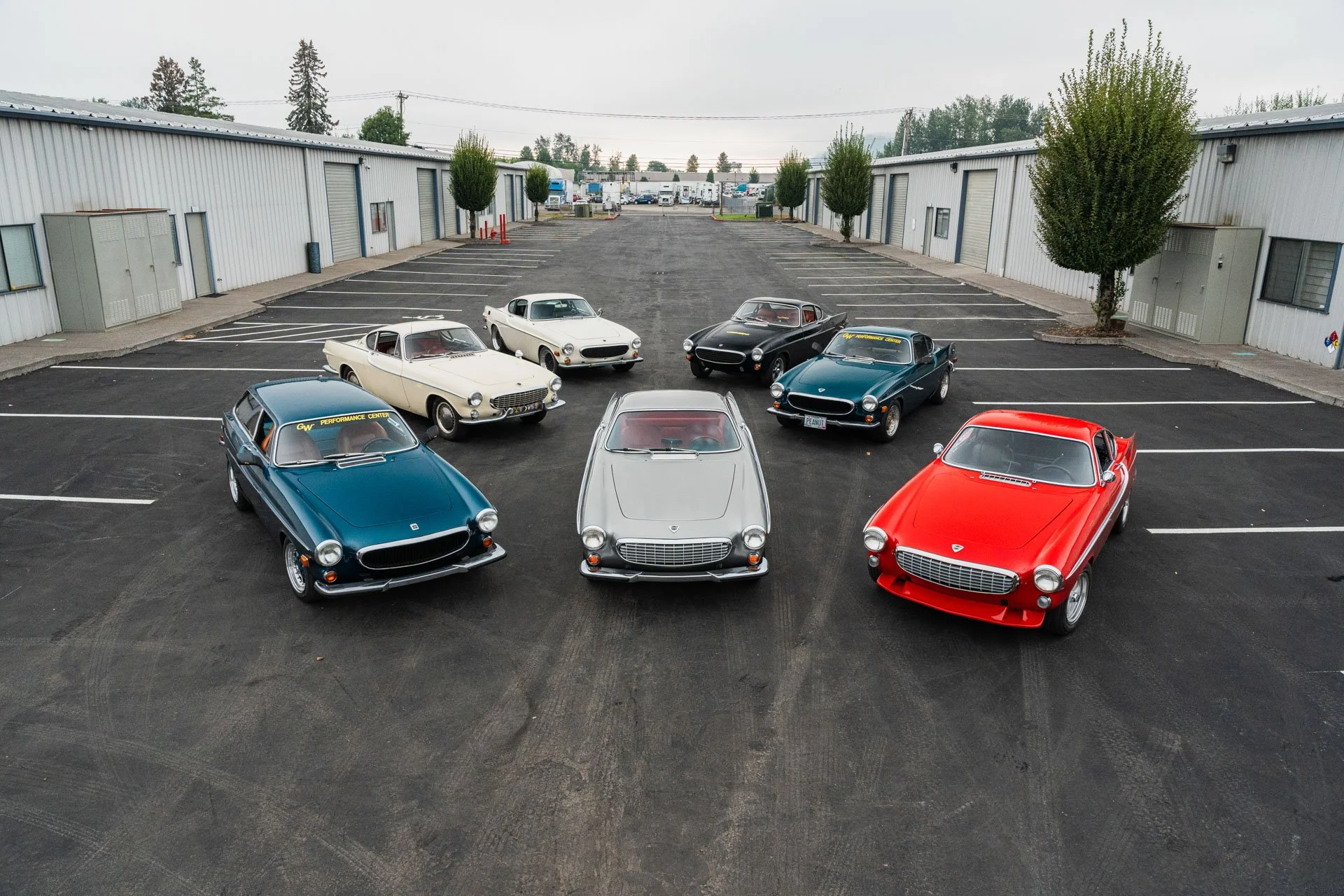
The Swedish Connection
For Larry Rembold, cars have always been more than just a mode of transportation—they’re a passion, a hobby, and a lifelong love affair. His journey with the Volvo P1800 began at a young age. At just eight years old, he vividly remembers the day he saw a P1800 being repaired in his father’s friend’s body shop.
It was that moment that ignited a spark that would fuel his passion for years to come, ultimately manifesting in a collection of seven P1800s.
Mid-Engined Masterpiece
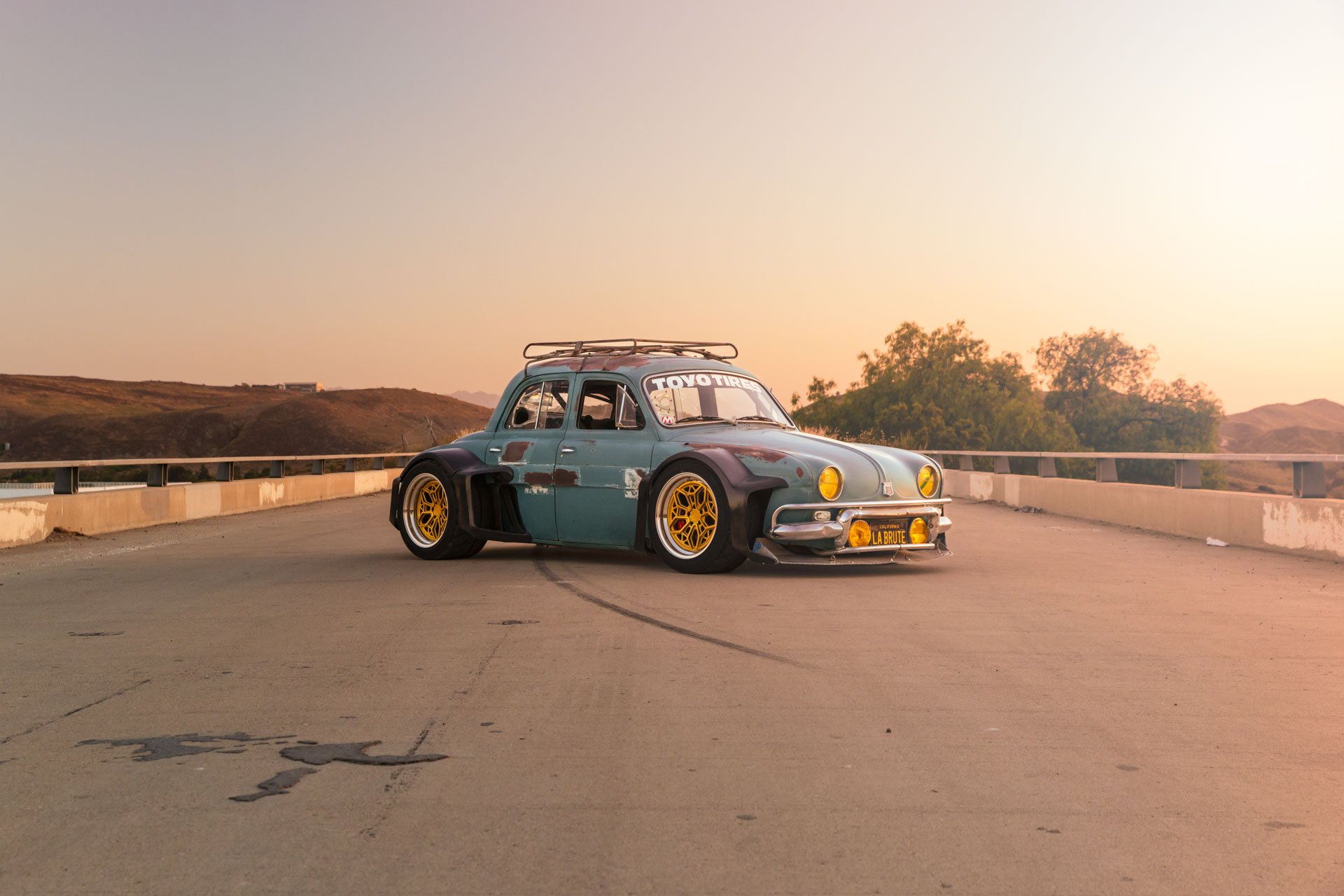
There is no doubt Justin Cashmore marches to the beat of a twisted, acid-dropping drummer on the verge of insanity. Does anyone in their right mind look at a Renault Dauphine and build the beast you see here? Perhaps the biggest yawn of a car on the European continent in the 1960s, the Dauphine is basic transportation at its most basic. The car was slow, even by horse-and-buggy standards, posting a 22.3-second 0-60 as tested by Road & Track in 1962. What did Justin see in this car and how did he ever find it?
Driving Nostalgia
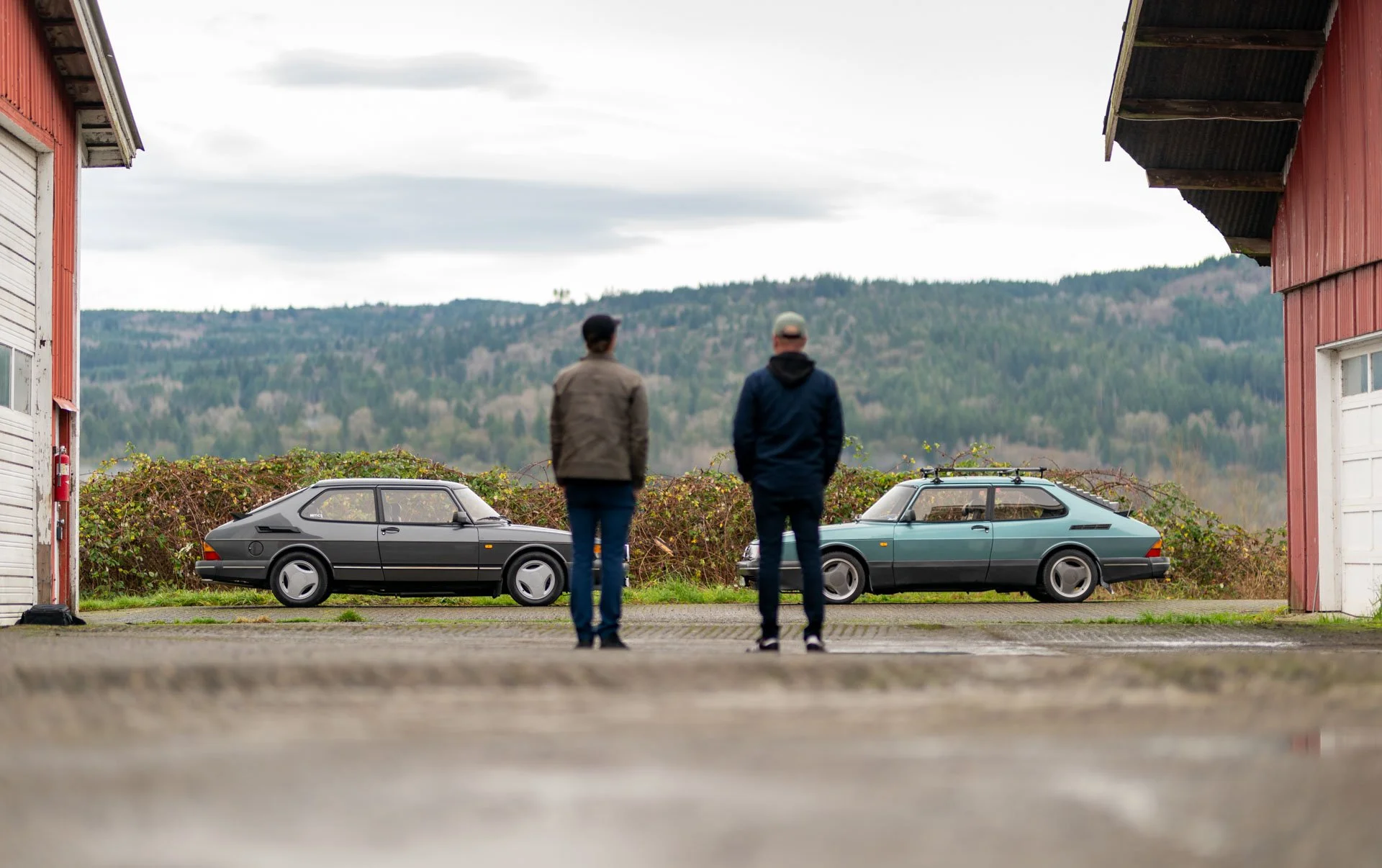
The Saab 900 holds a special place in the hearts of its owners. From the subtle nods to Saab’s aircraft heritage to the trademark turbo lag to its distinctive smell, it must be experienced to be understood.
Chris Seely and I both consider ourselves fervent devotees of the distinctive Swedish marque. As with most fans of these unusual cars, our Saab origin stories differ, but our passion is the same.
Powerful Provenance, Legendary Legacy
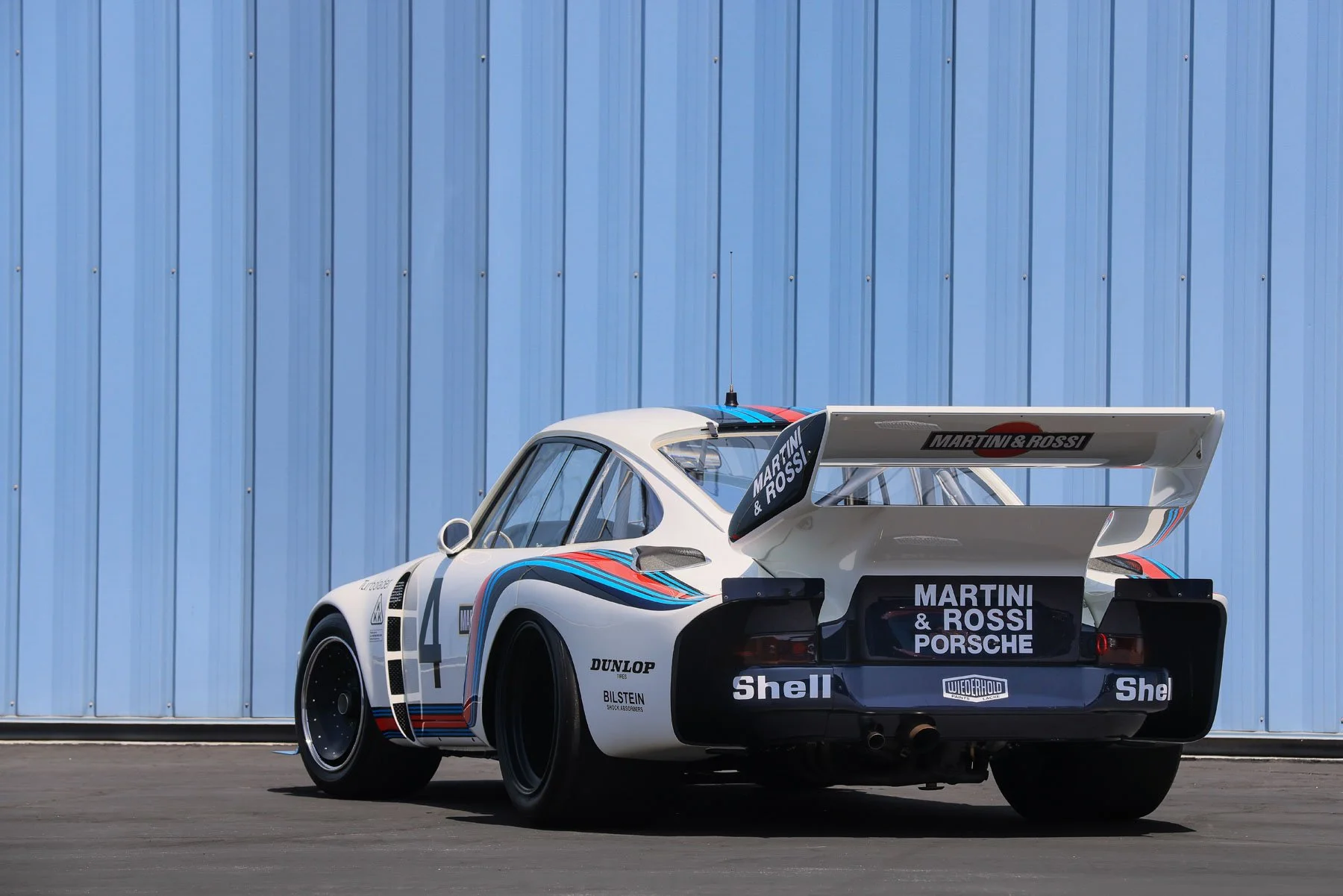
Where there is change, there is opportunity. So, when FIA’s Group 5 category implemented changes in 1976, allowing extensive modifications to production-based vehicles, Porsche seized the opportunity.
These new rules aimed at the World Championship for Makes permitted significant bodywork and chassis improvements while retaining the car’s basic silhouette. This allowed Porsche to further enhance its turbocharged 911, resulting in the creation of the 935.