
Gelstang
Passing the Keys to a New Wave of Enthusiasts
STORY & Photography | Vijay Sankar Anil
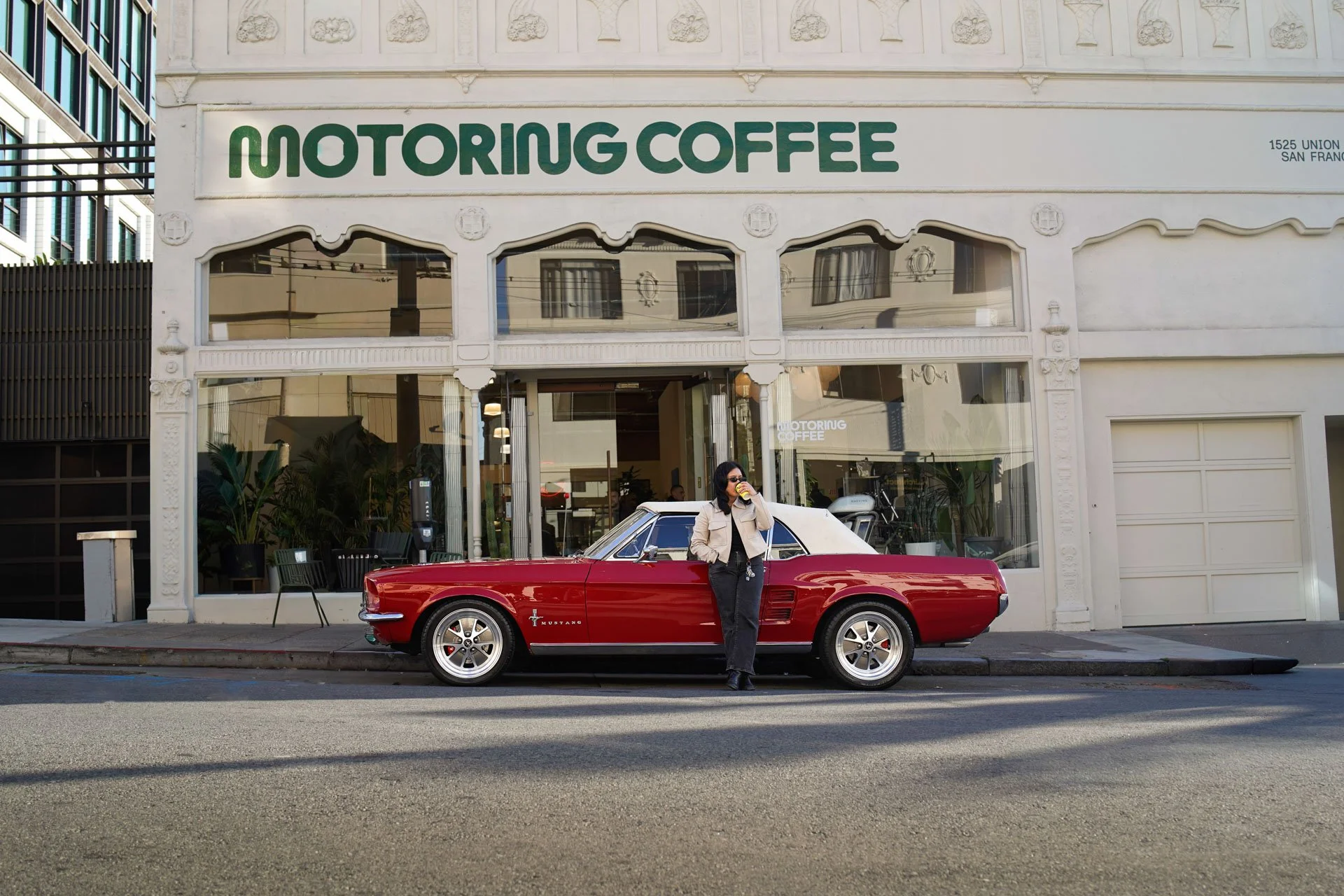
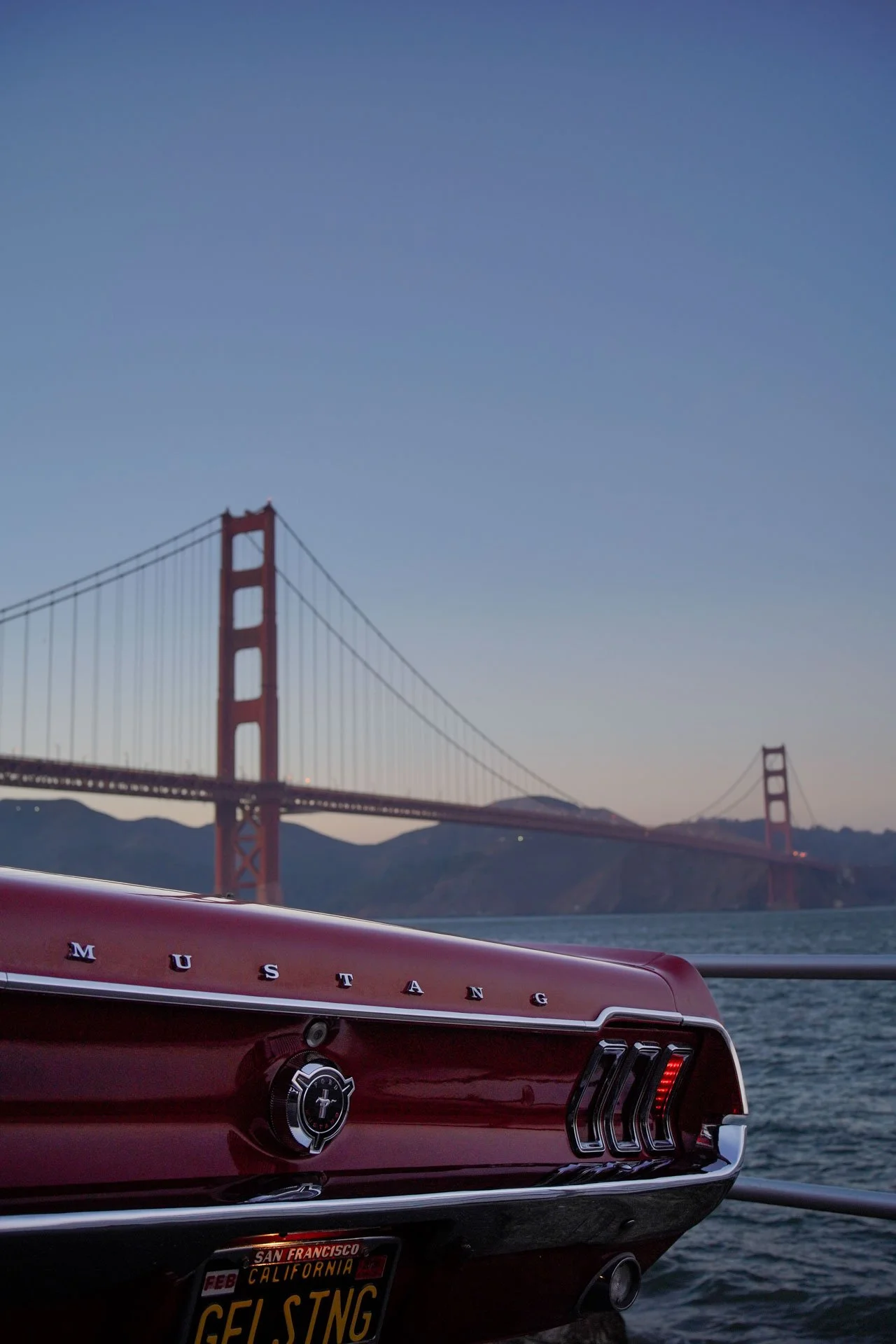
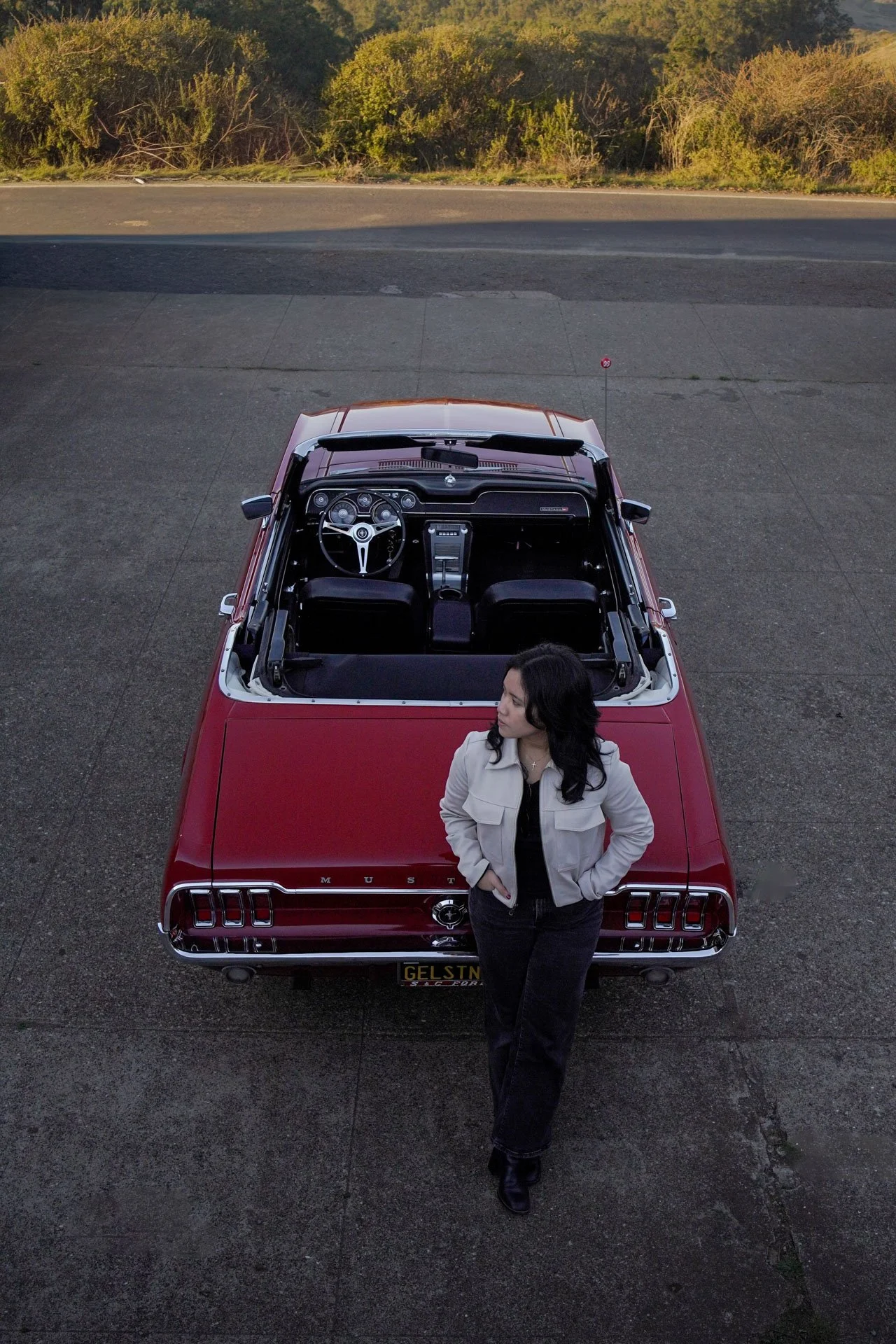
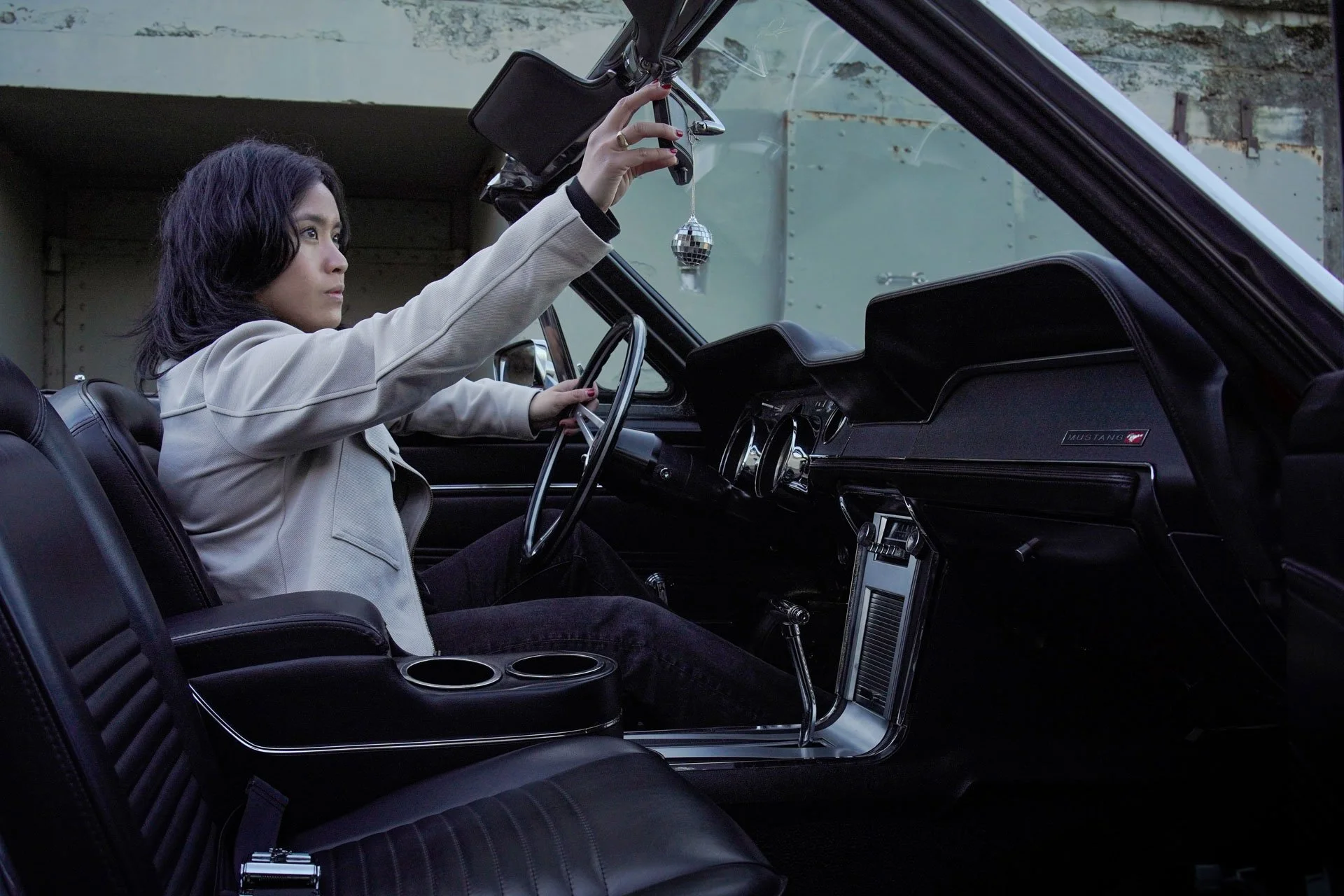
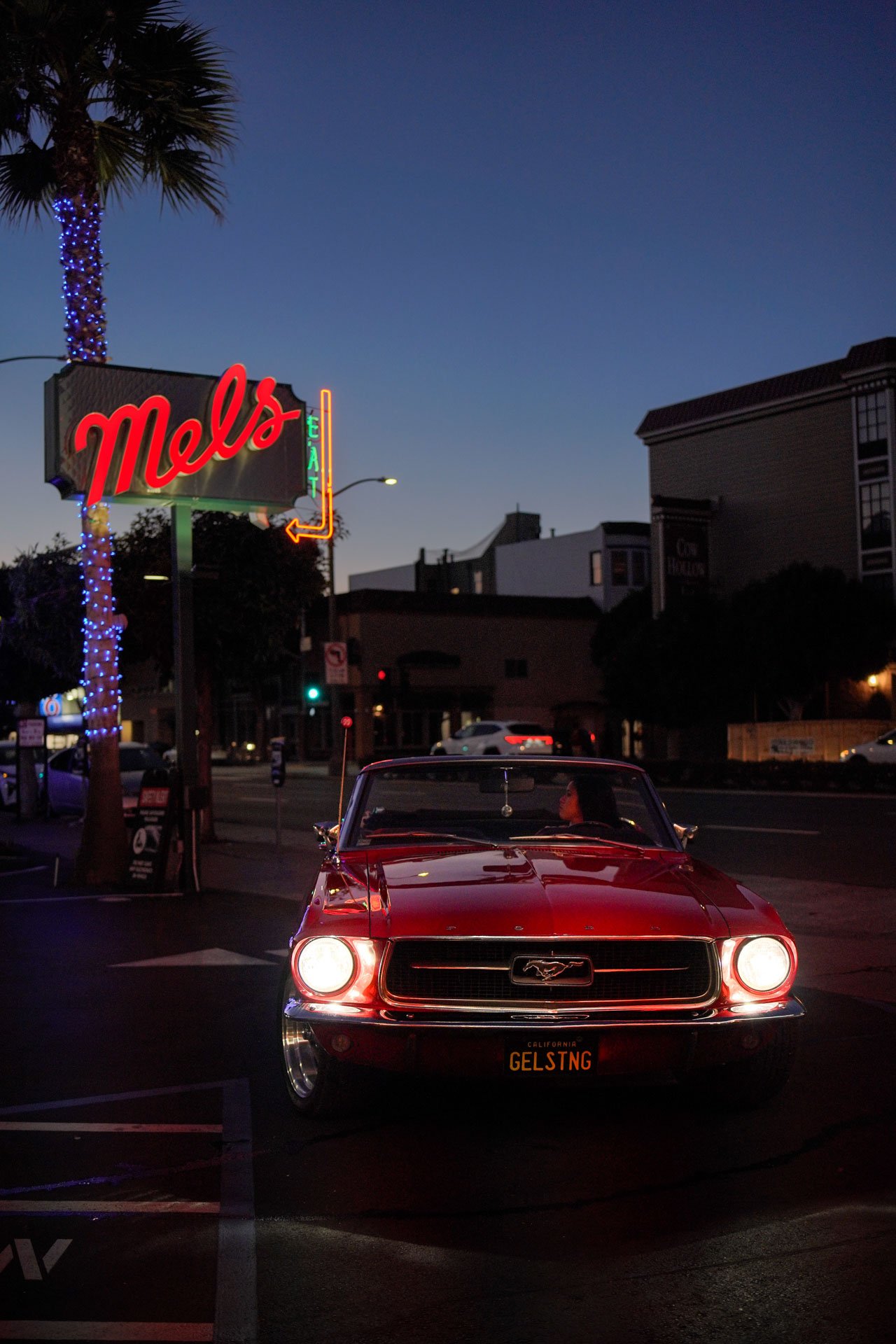
The San Francisco Bay Area is arguably the world’s leading hub for automotive innovation today, home to pioneers including Waymo, Lucid, Rivian, Zoox, and Tesla. At the other end of the automotive spectrum, the city also has a thriving classic car culture, where younger generations are getting involved with increasing enthusiasm. Gelica Peralta, known to her followers as “@Gelstang,” has masterfully blended photography, storytelling, and community building into a compelling automotive lifestyle brand in San Francisco. Centered around her 1967 Ford Mustang, Gelstang is more than just an Instagram page — it is a flagbearer for classic car lifestyle. At just 27 years old, Gelica is leading the charge in showcasing that the passion for analog muscle, late-night drives, and the character of classic cars is alive and well among younger generations. Her work, including high-profile branding collaborations with Ford, is inspiring a new cohort of enthusiasts to get their hands dirty and ensure the legacy of the American classic car endures.
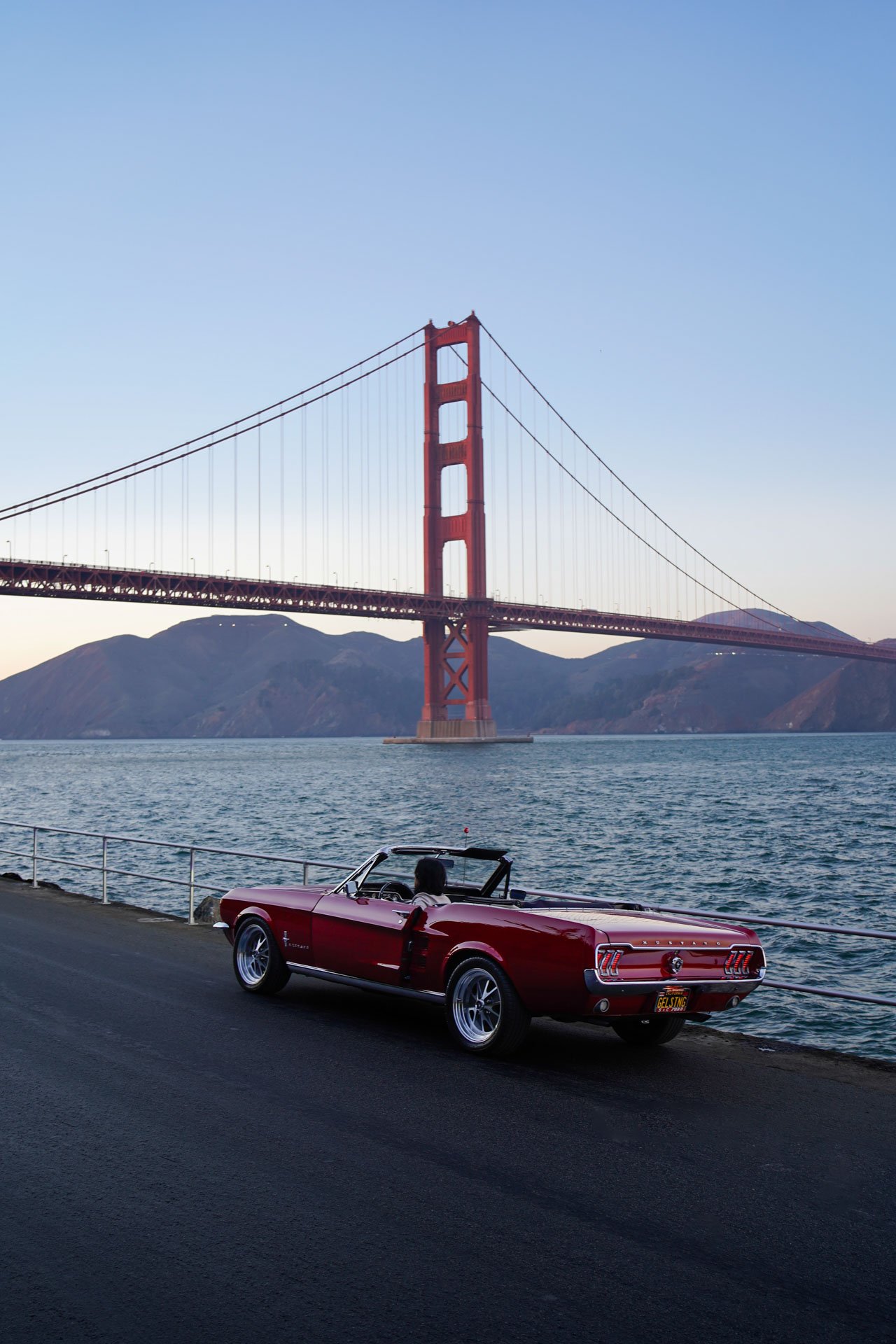
Her brand, “Gelstang,” started as a fun Instagram page combining her name with “Mustang.” It began when she was 19, documenting daily life with her 1967 Ford Mustang and photographing cars at local meets. Over the years, it organically grew into a recognizable automotive lifestyle brand, leading to collaborations with companies like Ford, Holley, Turo, and others, along with shooting media for various automotive events and brands. Today, Gelstang is equal parts photography, storytelling, classic car culture, and community building. She has slowly committed to pixels a repository of idyllic moments, seamlessly pairing classic Americana with stunning California landscapes.
How did you get interested in cars? What and who were your influences?
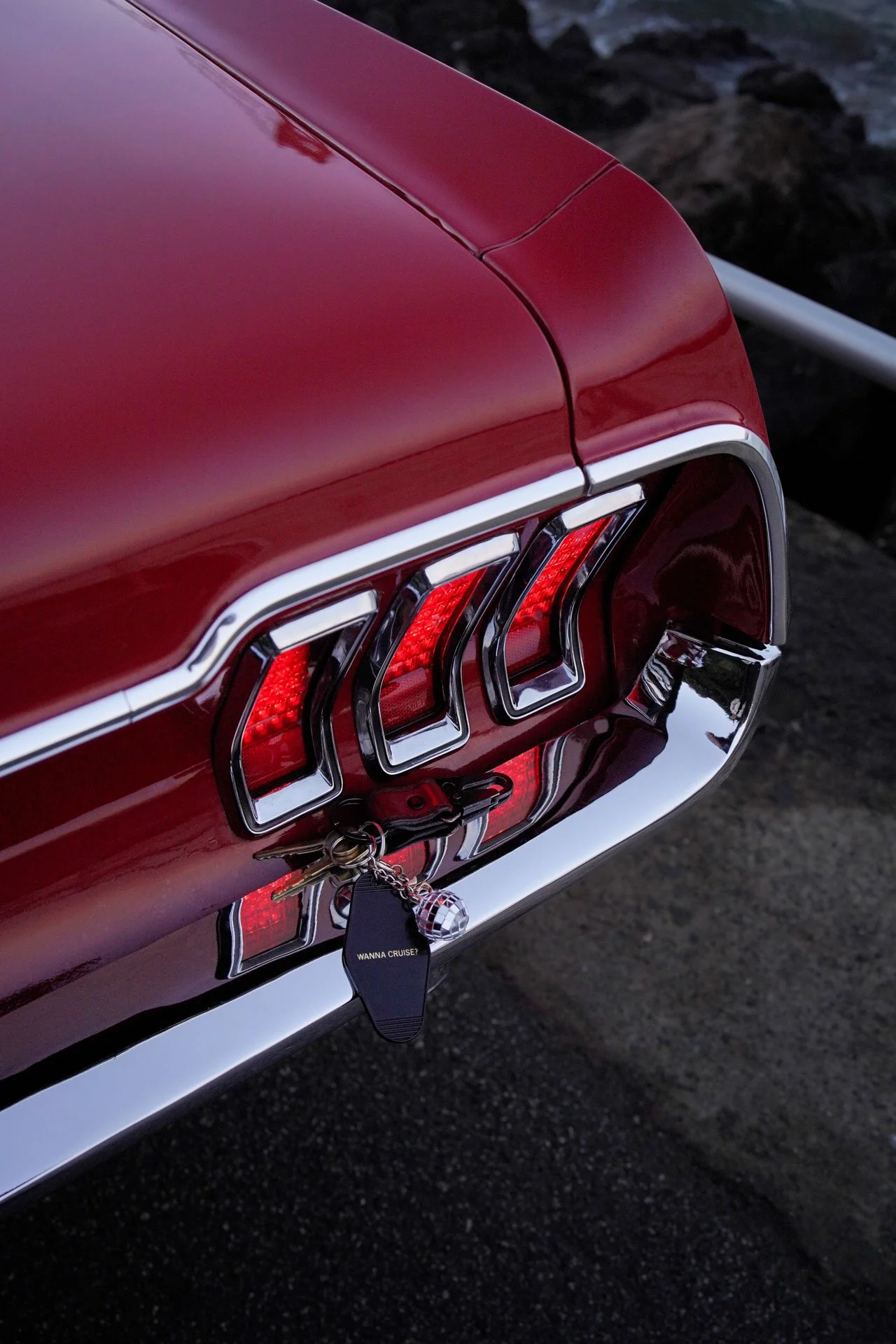
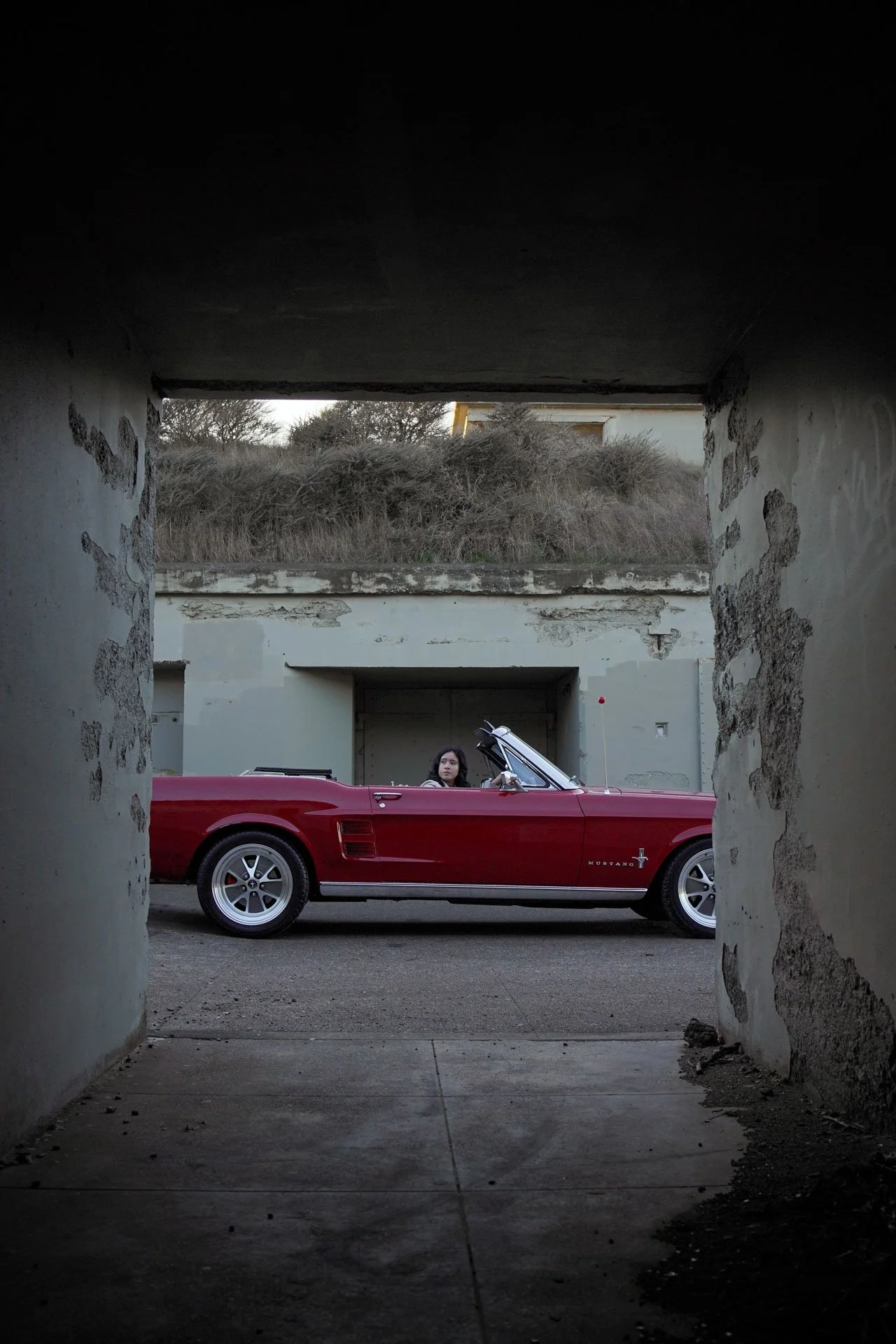
I grew up going to car shows with my dad, who owns a 1969 Camaro. Most of my family were Chevy people—my uncles had Chevelles, Camaros, all of them. But something about the Mustang always stood out to me. The silhouette, the sound, and the history, it all felt iconic. Watching Goldfinger and Bullitt sealed the deal for me. Those films were huge influences and made me want a classic Mustang of my own one day. I bought the car after seeing it at a car show I attended in March 2018. It was originally sold in Chicago, and later in the ’70s, the owner drove it to California via Route 66. It became the car I learned to wrench on while bonding with my father, and eventually the car I documented my adventures with.
Describe the perfect day out with your Mustang.
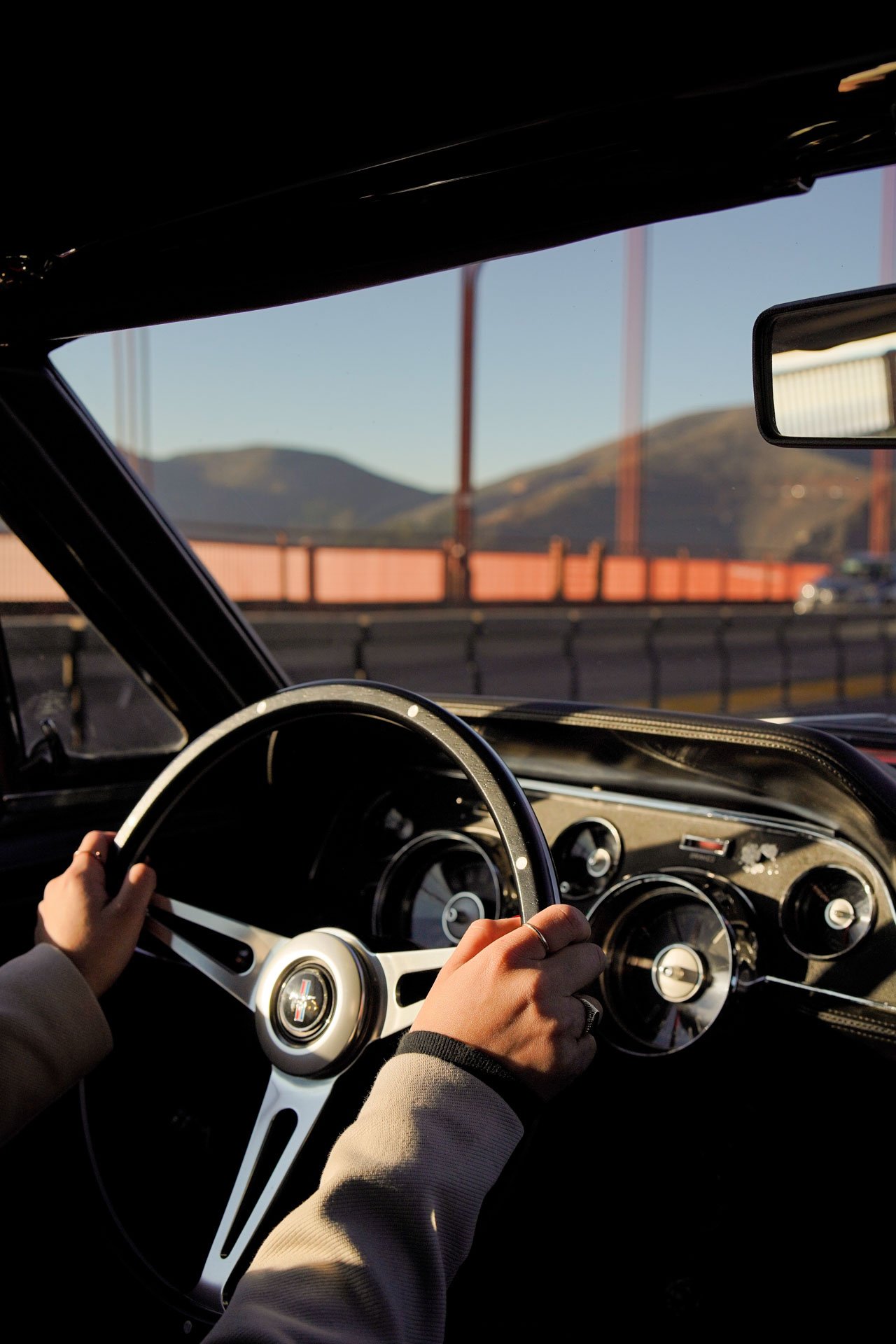
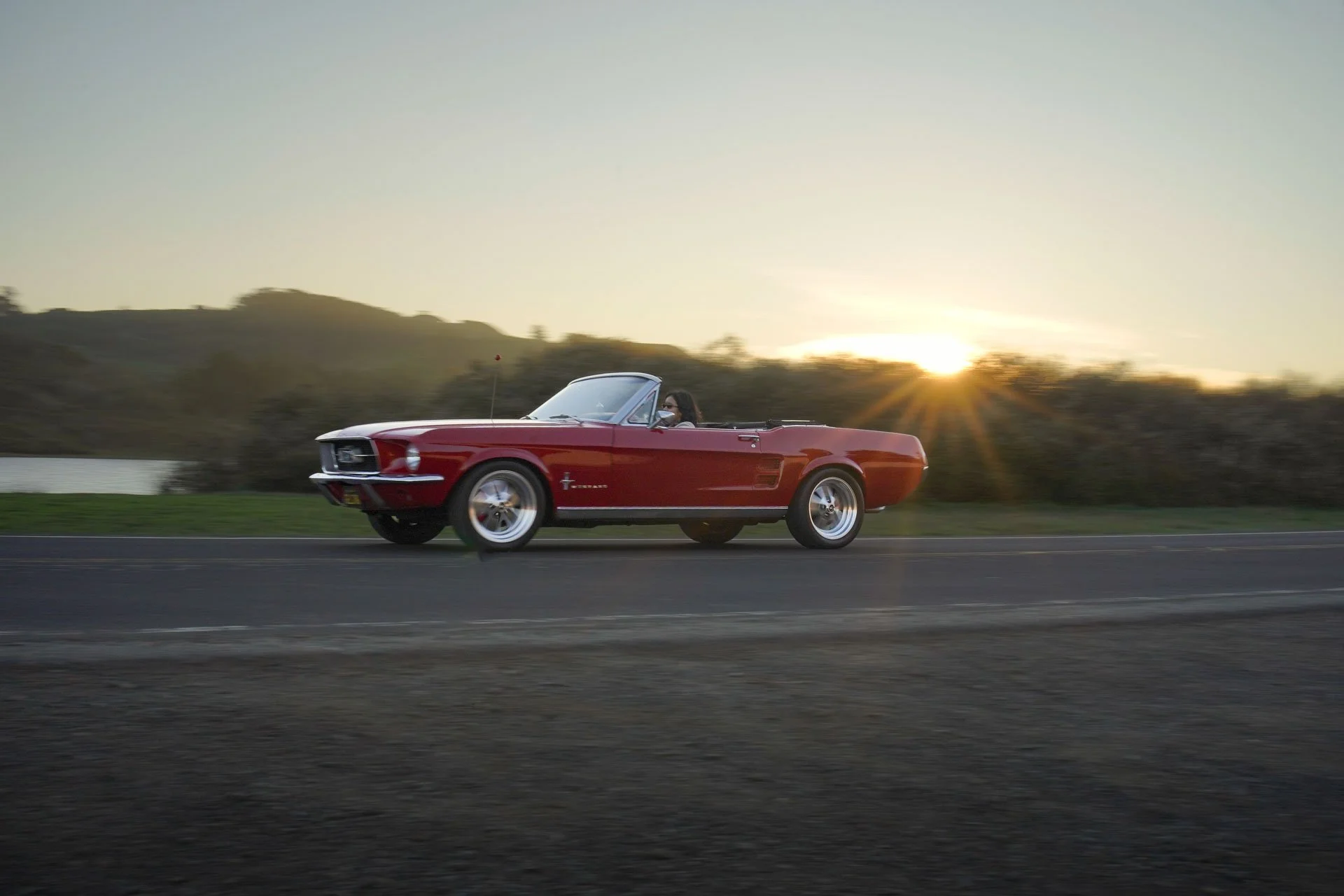
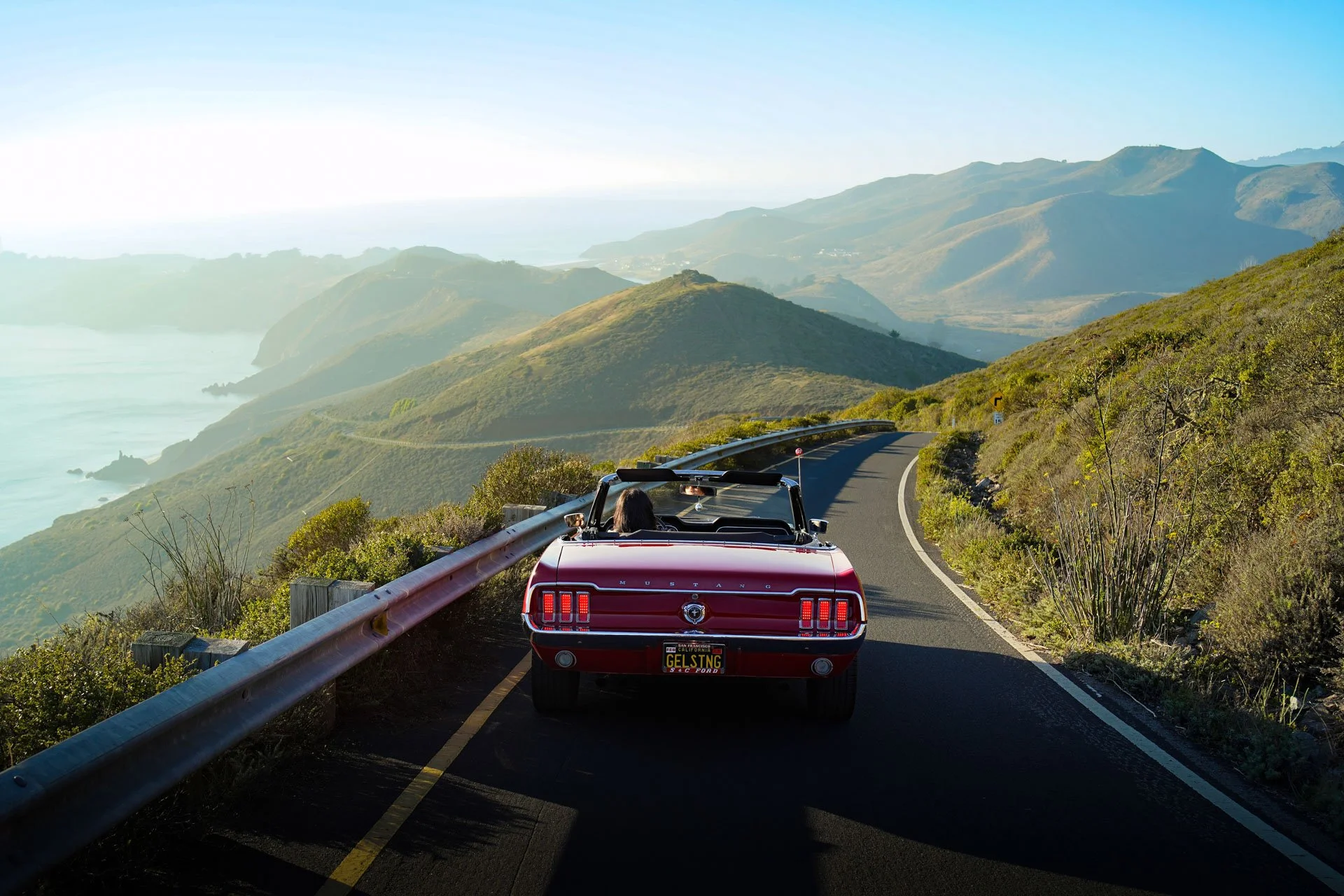
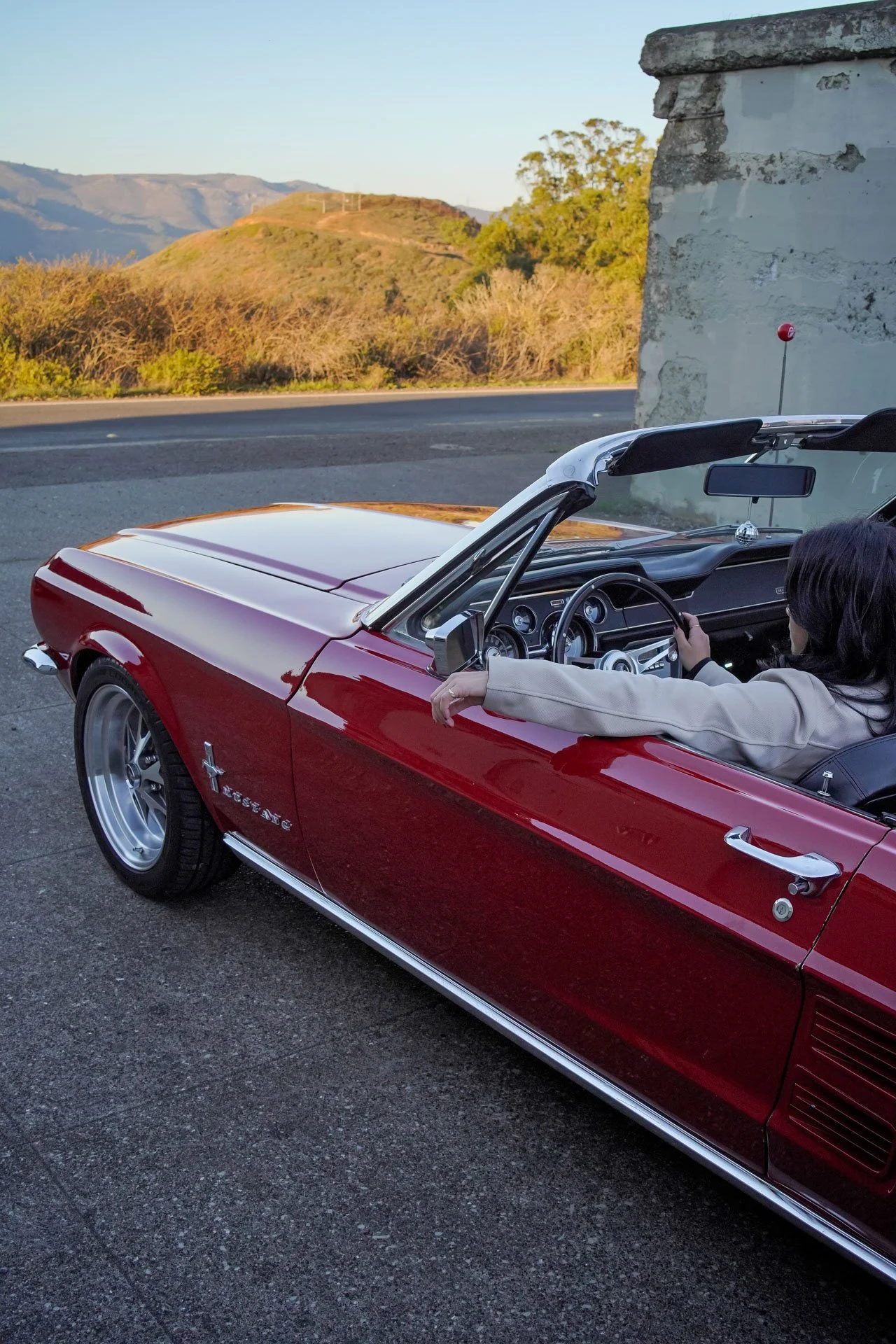
Top down in the ’67 Mustang with beautiful California weather, wind in my hair, cruising along the Pacific Coast Highway, or through the canyons along Woodside with coffee in hand. Ideally with friends, hitting scenic pull-offs, grabbing food in our cars, and having my cameras with me to document every great moment. We’re blessed to live in this part of the country, and the Mustang really complements the roads here.
Tell us about some of the opportunities and honors you’ve had through your photography and brand building.
I’m grateful for so many incredible opportunities that came from my Mustang journey—from being invited by Ford Mustang and Ford Performance to Charlotte Motor Speedway to experience the Mustang Unleashed program, to photographing major automotive events around California, meeting industry leaders, and collaborating with brands like Turo. Being invited as a media representative at high-profile automotive events like Mecum Auctions and Velocity Invitational have also been milestones. One of my proudest moments was seeing my work showcased at an art gallery pop-up in London last winter. Having my work exhibited and sold halfway across the world was a true “pinch me” moment. I also had the honor of partnering with Ford and Sydney Sweeney on an apparel release.
How has the enthusiast community responded to your work for Mustang culture?
It’s been overwhelmingly supportive and inspiring. Before social media, I didn’t know many young people in the classic car world, but sharing my work on Instagram helped create connections and lifelong friendships. Hosting classic car cruises in the Bay Area became a huge part of it, too. Our biggest drive had over 60 classic Mustangs cruising down the Pacific Coast Highway, which still feels surreal. The community has truly embraced the brand, the philosophy, and the authenticity behind it. It’s especially rewarding to hear from audiences in Europe, Japan, and Australia who reach out to share their connection to the culture.
Do you have a bucket list of cars to own? Tell us about your personal collection.
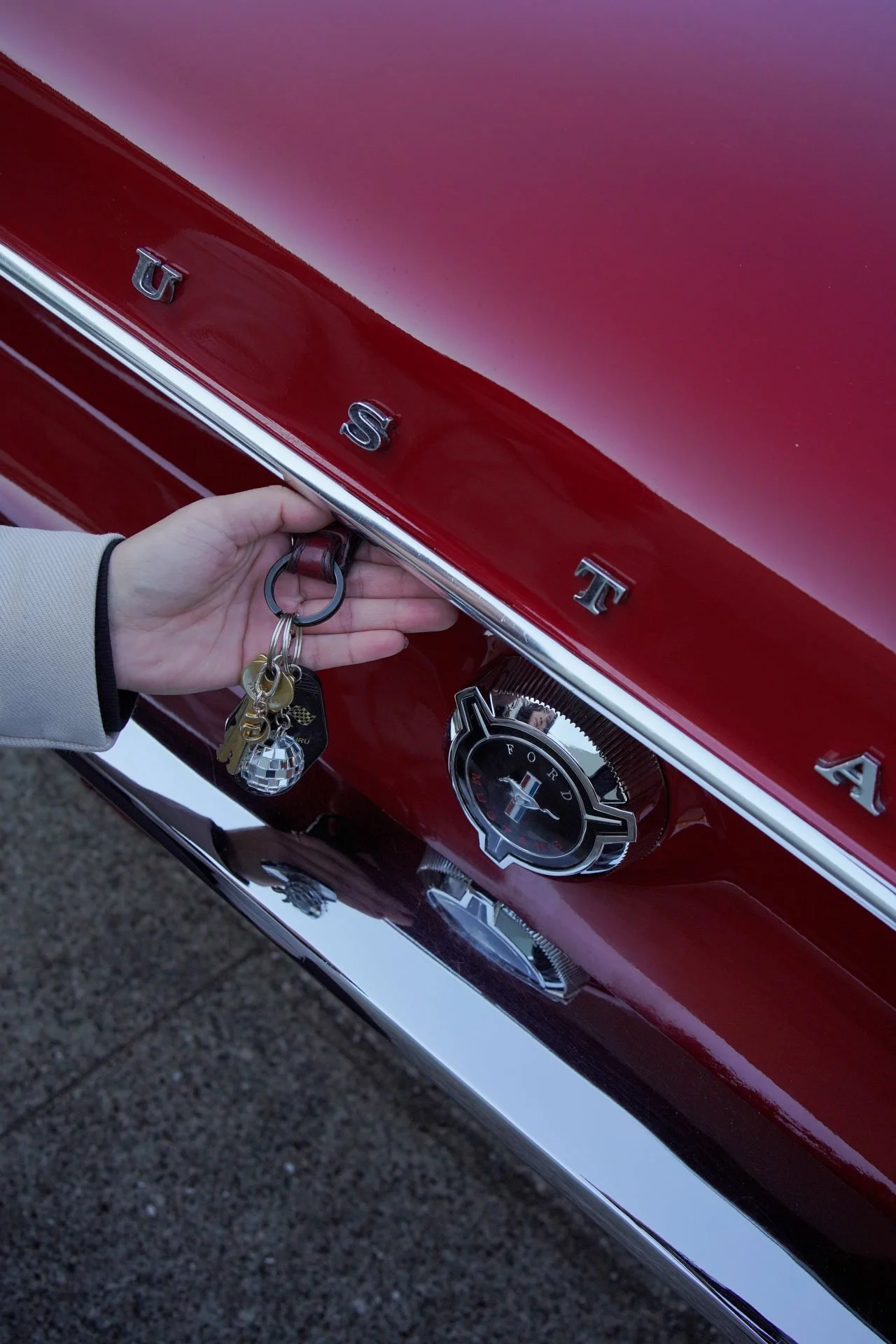
Currently, I own a 1967 Ford Mustang convertible and a 1972 Datsun 510 wagon that my dad and I bought during COVID from a family friend. My bucket list includes an ’80s Mercedes 560SL, an air-cooled Porsche 911 Targa, and a 1965–66 Ford Mustang Fastback that I’d love to restomod, autocross, and explore its sporting potential.
What are your future plans with your Mustang and the classic American car community?
My goal is to keep the ’67 mostly stock, drive it as much as possible, and give it the TLC it deserves. Someday, I’d love to take it on a Route 66 drive—just hitting the highlights instead of the entire length. For the community, I want to keep inspiring younger generations to appreciate classic cars. The hobby is shrinking, but there’s still a passionate group of us pushing to keep it alive through events, content creation, storytelling, and making classics feel accessible again.
What advice do you have for someone aspiring to build an automotive culture brand?
Be authentic. Don’t try to replicate someone else’s aesthetic or persona. Forget filters and trends—lead with passion, consistency, and your unique point of view. When you do that, your work naturally reaches the right people.
Some say younger generations aren’t interested in car culture. Agree or disagree?
I’d agree to disagree. Many younger people are moving toward EVs, automation, and convenience-based commuting, they just want to get from point A to point B. But there’s still a strong group of us who love the journey, the breakdowns, the late-night drives, and the character that only analog cars offer. My experiences online and at car meets prove the passion is still there, you just have to create spaces for it and nurture the hobby.
What are your top three car-related experiences or road trips?
First would be driving my ’67 Mustang to Yosemite National Park and cruising in front of Half Dome. It was a bucket-list drive and also nerve-wracking due to the elevation, which caused overheating on the way up. A few months later, I roadtripped to Los Angeles along Highway 1 to meet the SoCal Mustang community. Another highlight was experiencing Charlotte Motor Speedway, driving the 2025 Mustang GT on track, and piloting every generation of Mustang.
Fun cars are becoming increasingly unaffordable for young enthusiasts. What’s the solution?
Start small and start smart. Do your research—the classic market fluctuates constantly. You don’t need a fully restored or expensive car to begin; buy a project, learn as you go, and focus on reliability over perfection. Join local groups, buy used parts, trade skills within the community, and don’t be afraid to get your hands dirty. Affordable, overlooked classics still exist if you’re patient, and the knowledge you gain becomes priceless.
How does California car culture compare to other places you’ve visited?
California’s car culture is massive and diverse; there’s something happening every weekend for every type of enthusiast. On a recent trip to Australia, I was pleasantly surprised by how strong their classic and muscle car scene is. It’s different, but refreshing, especially their hot rod culture and Japanese imports. My best friend, Janette Voski, lives in Sydney and owns a right-hand-drive 1964.5 Mustang. We collaborated on a book called Chrome, featuring her poetry and my photography. The Australian car community is tight-knit, enthusiastic, and full of unique builds you don’t often see in the U.S. Both cultures have their own charm, and I love documenting cars and meeting people wherever I go.

