
Friends Between Checkered and Green
Inside the Northwest’s PRO3 Racing PHenomenon
STORY | Stein Broeder
Photography | Karl Noakes & Cole McKnight
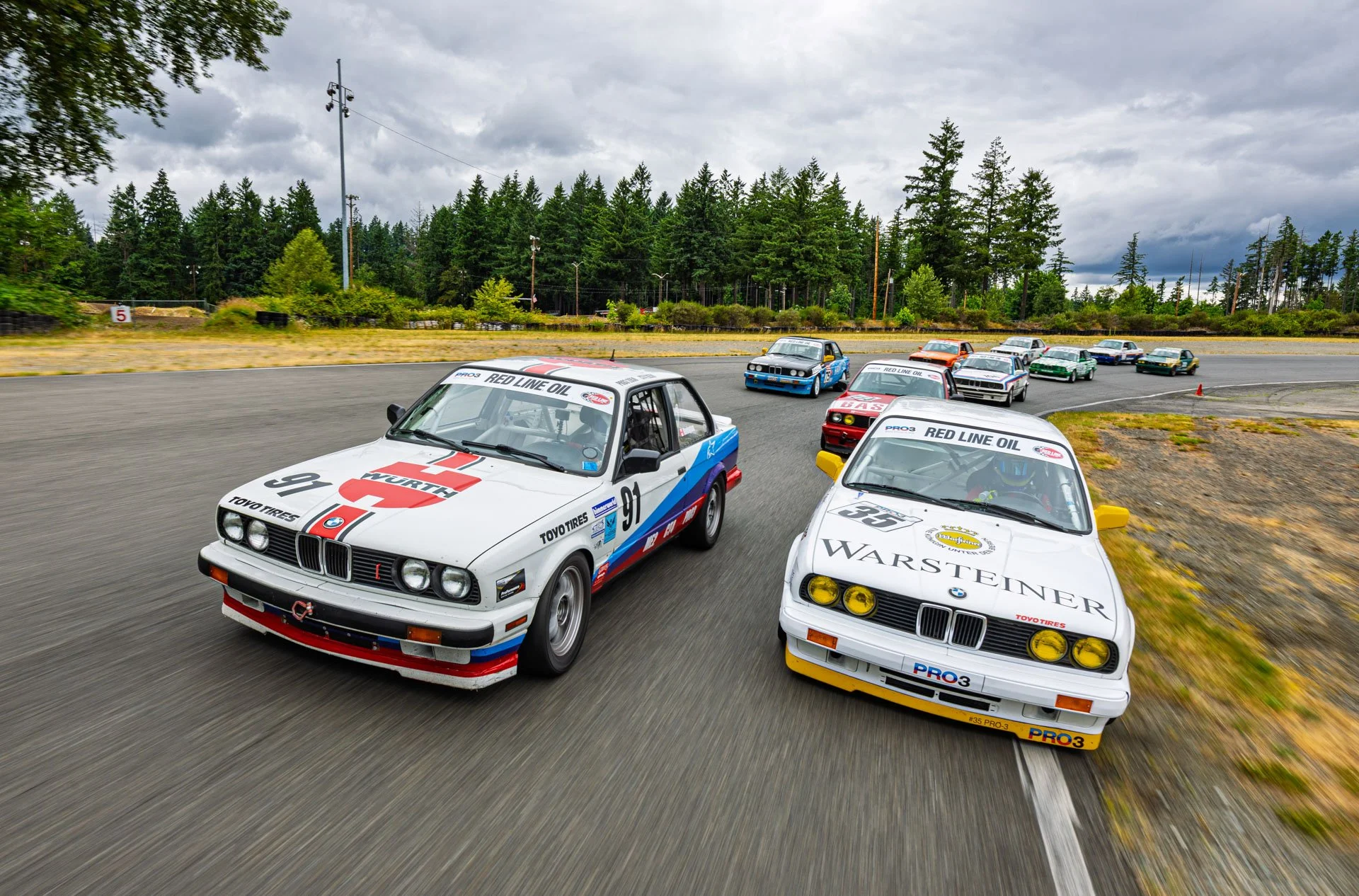
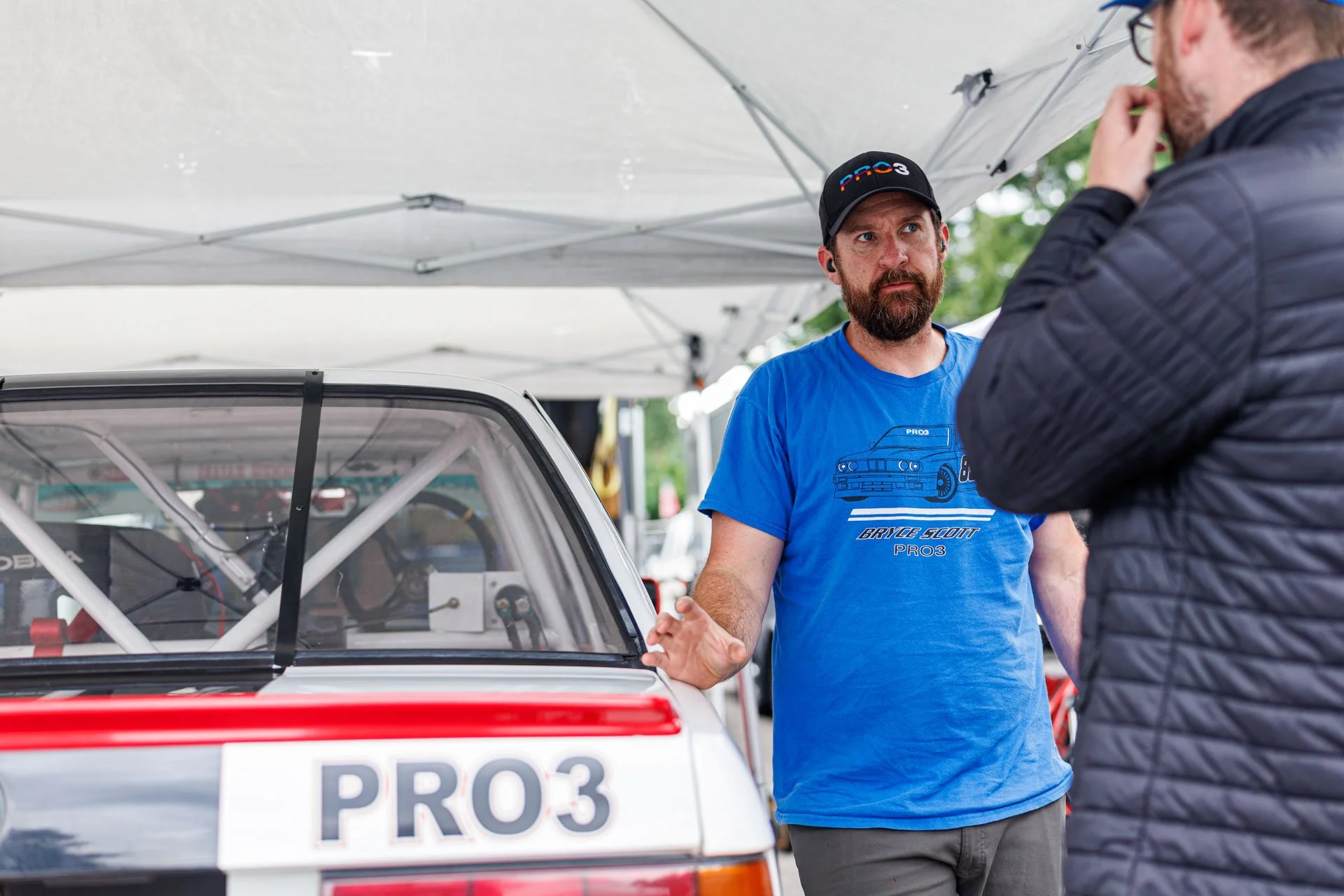
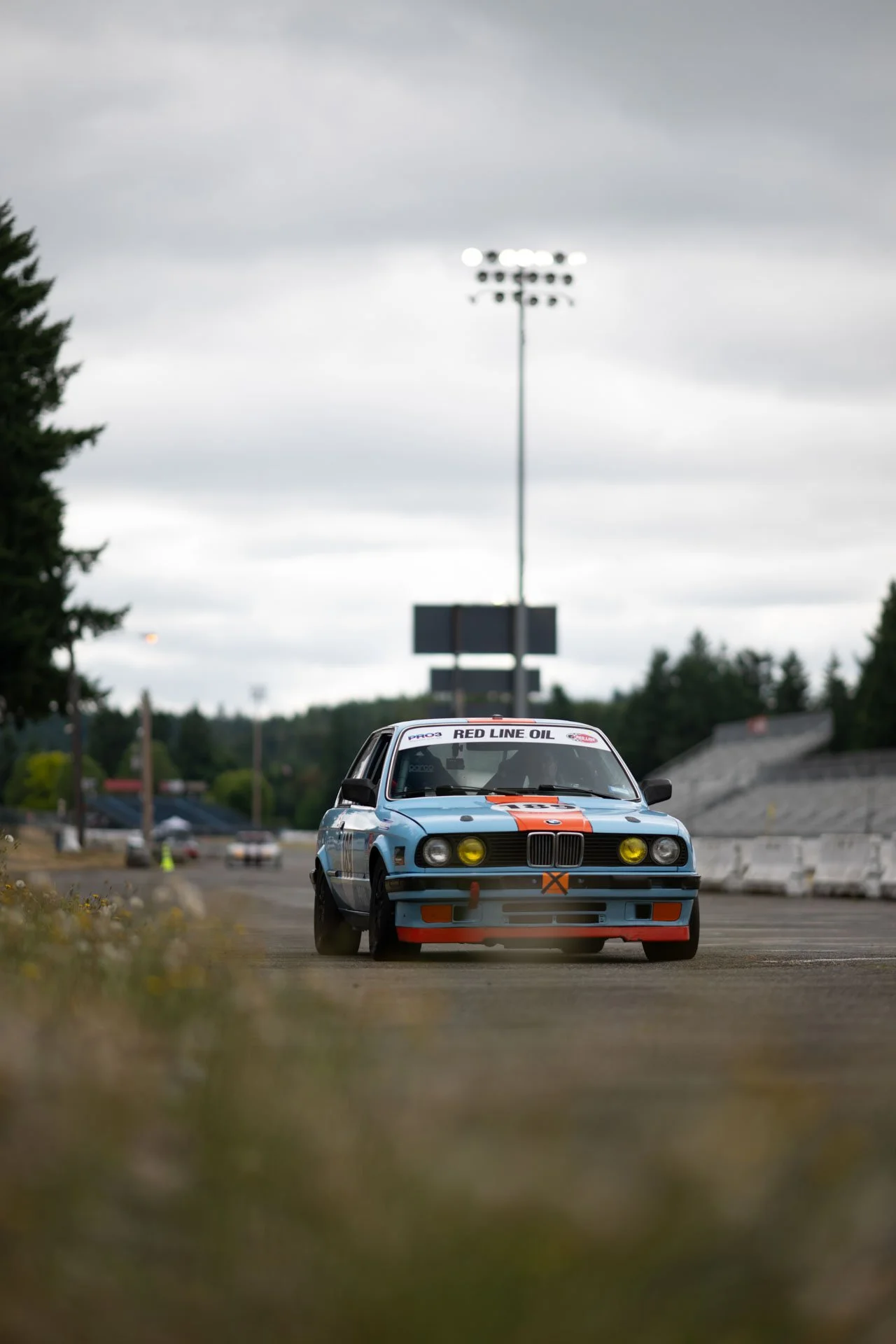
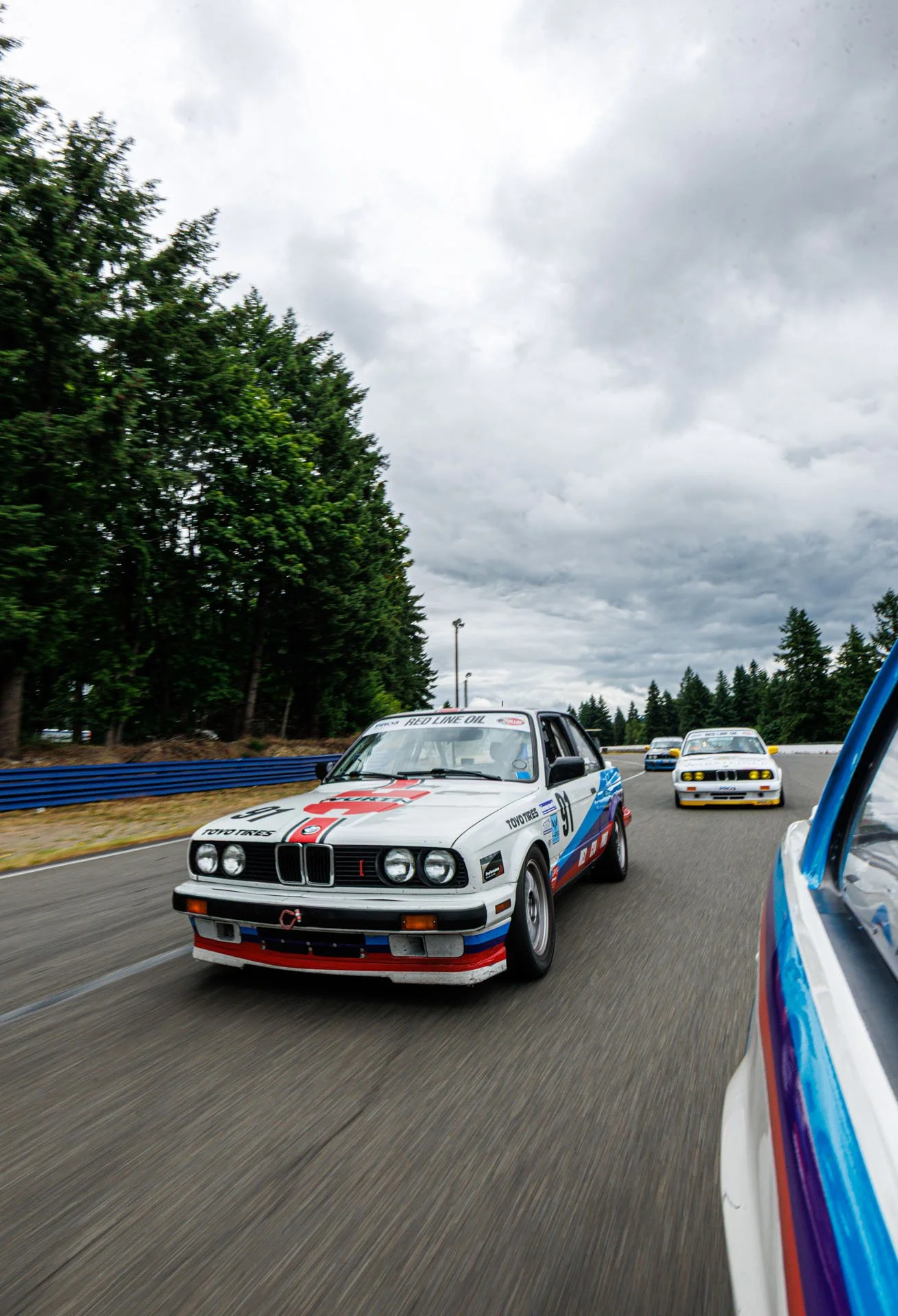
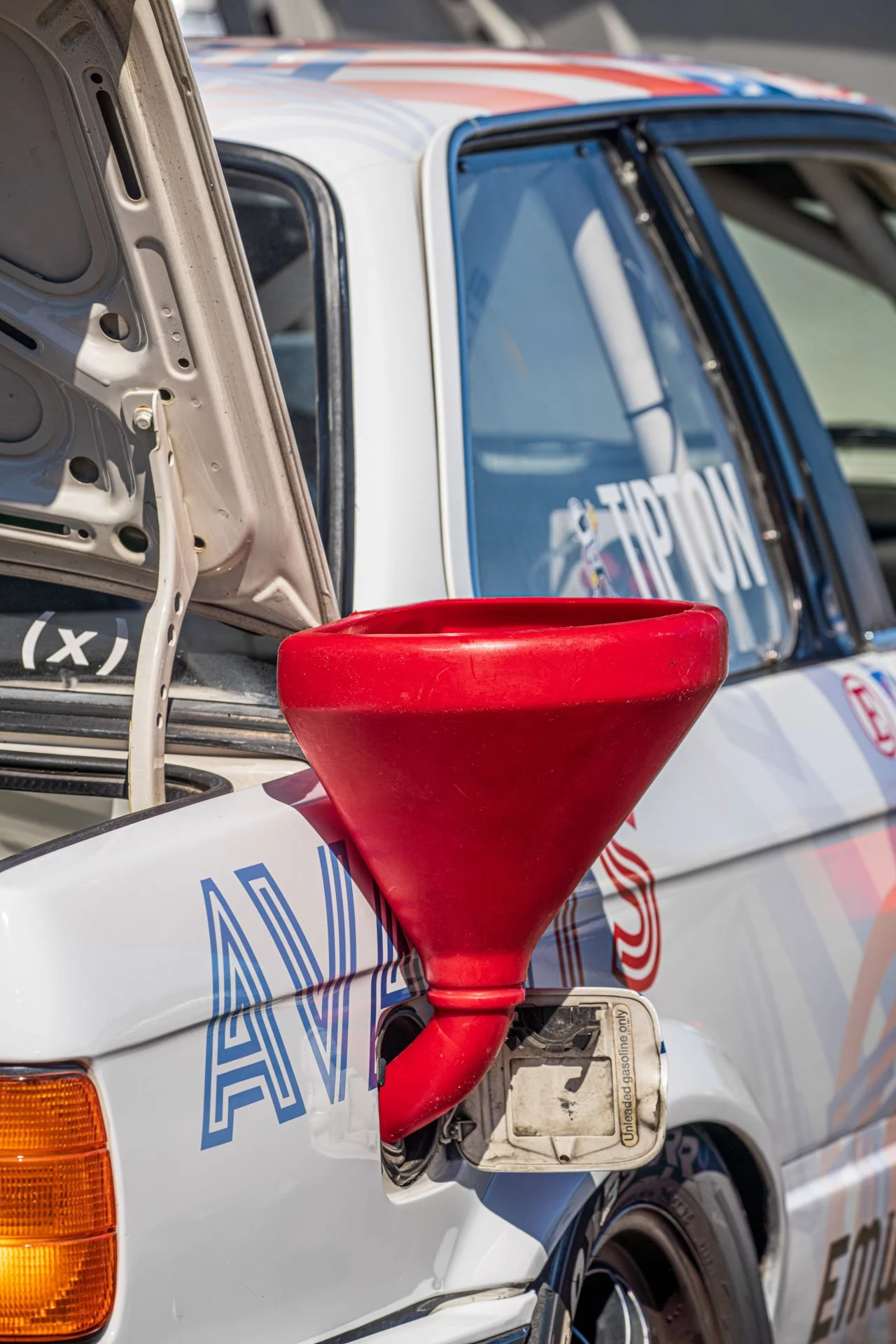
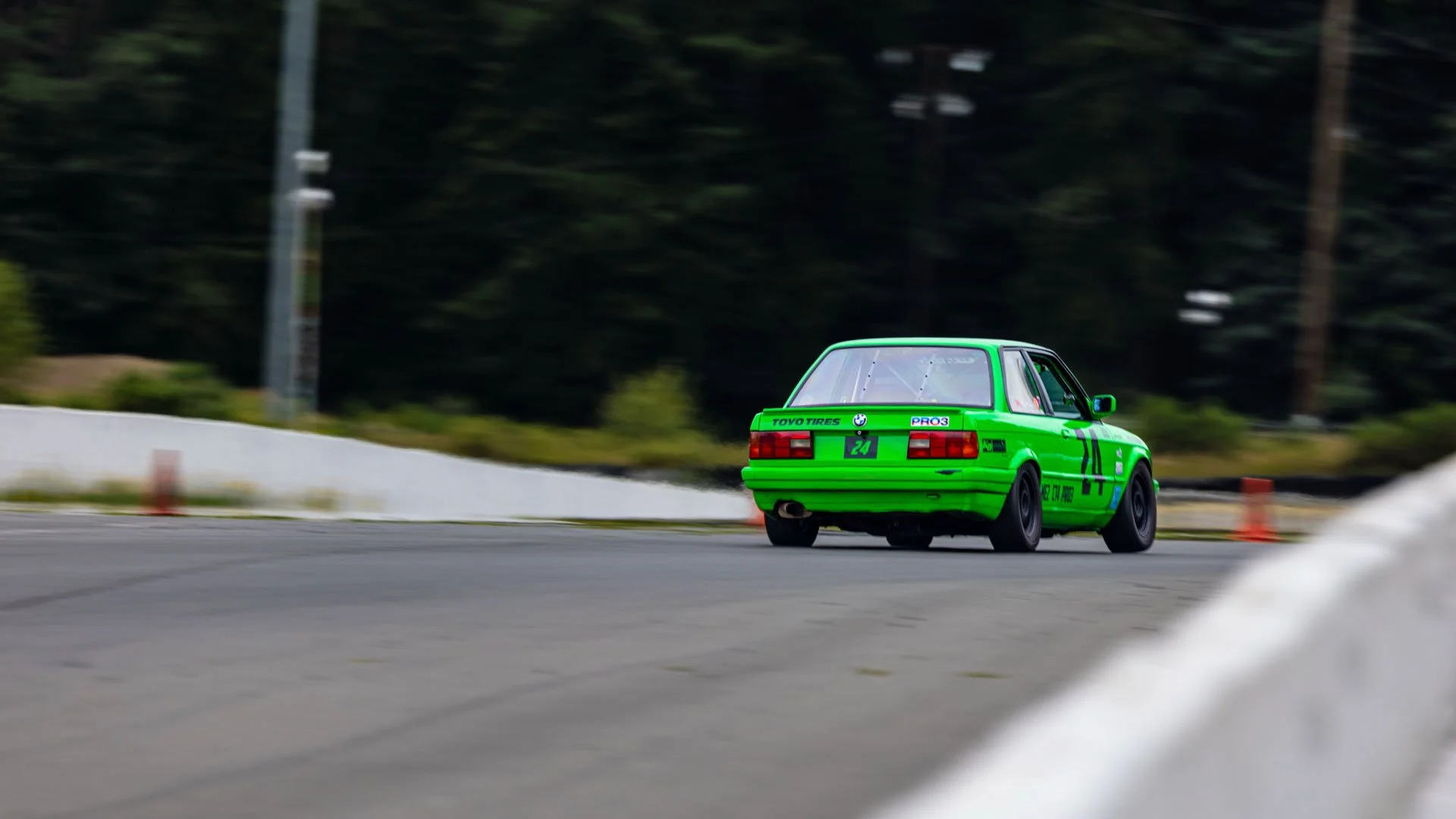
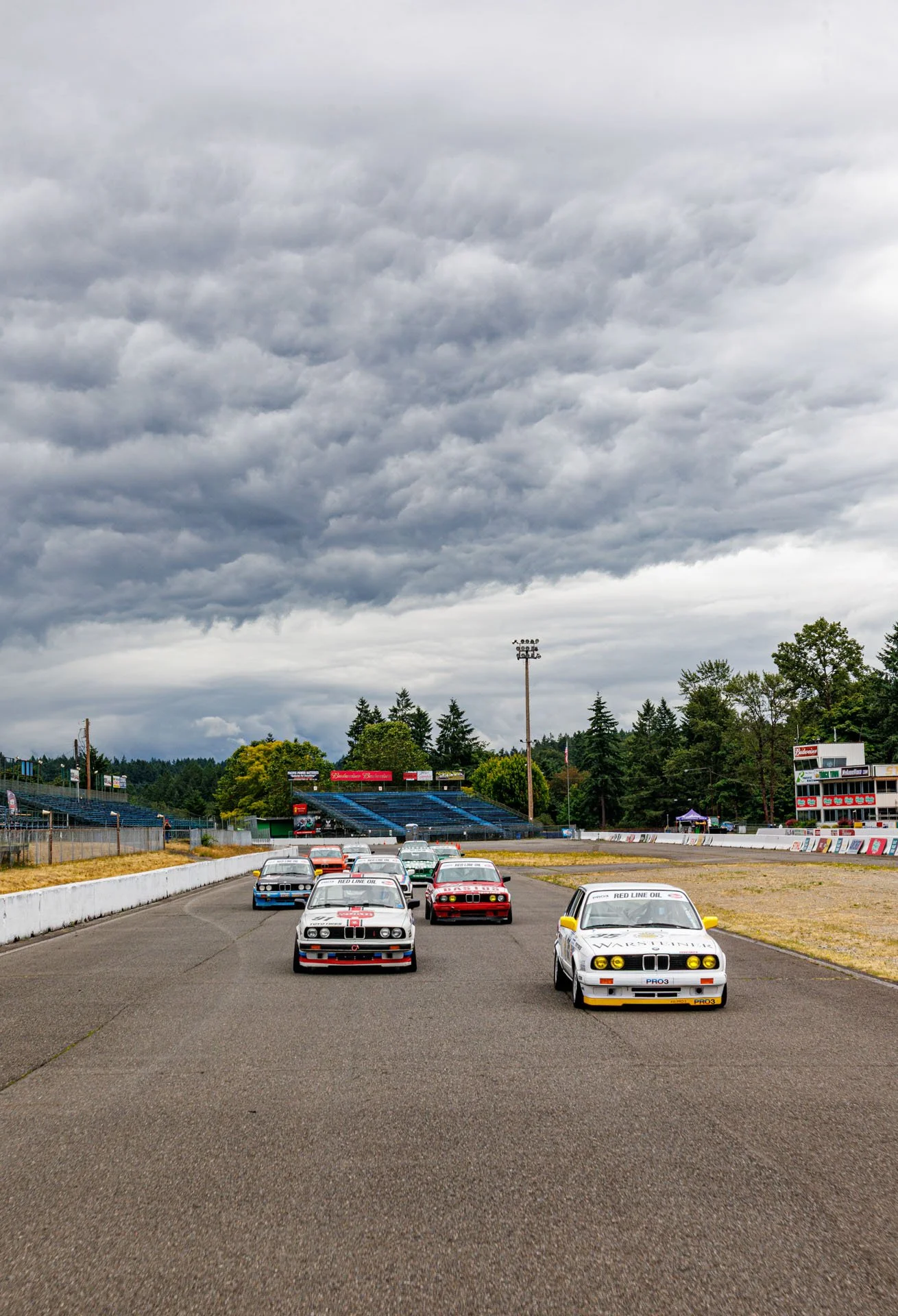
On any given weekend in the Pacific Northwest, a chorus of straight-six BMWs rises as one: 30-plus E30s idling nose-to-tail in pre-grid, the smell of hot brakes mixing with wet pine. This is PRO3, a class built on the humble BMW 325i and shaped equally by precision driving, parity-focused rules, and a paddock culture so welcoming it feels almost subversive in motorsport.
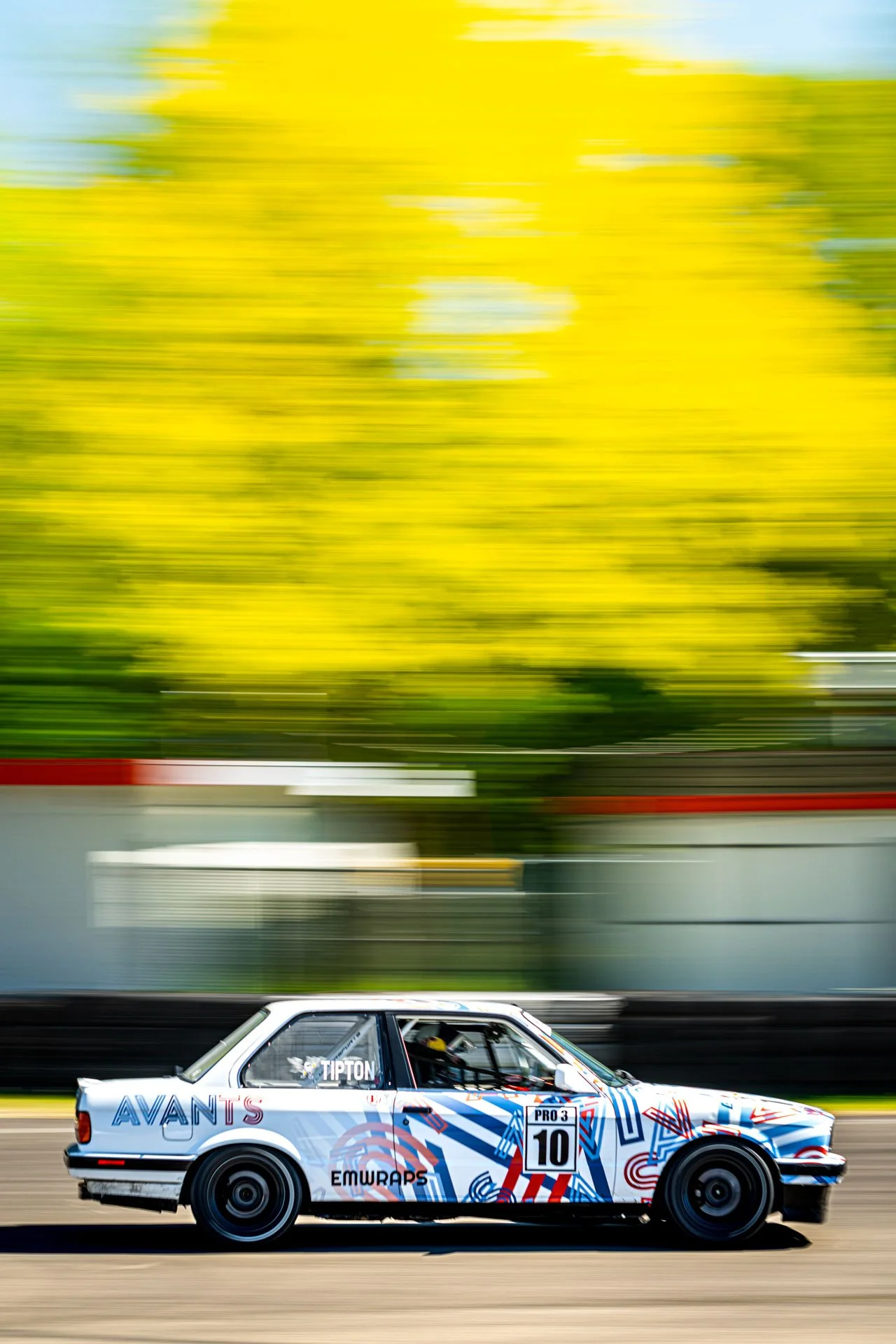
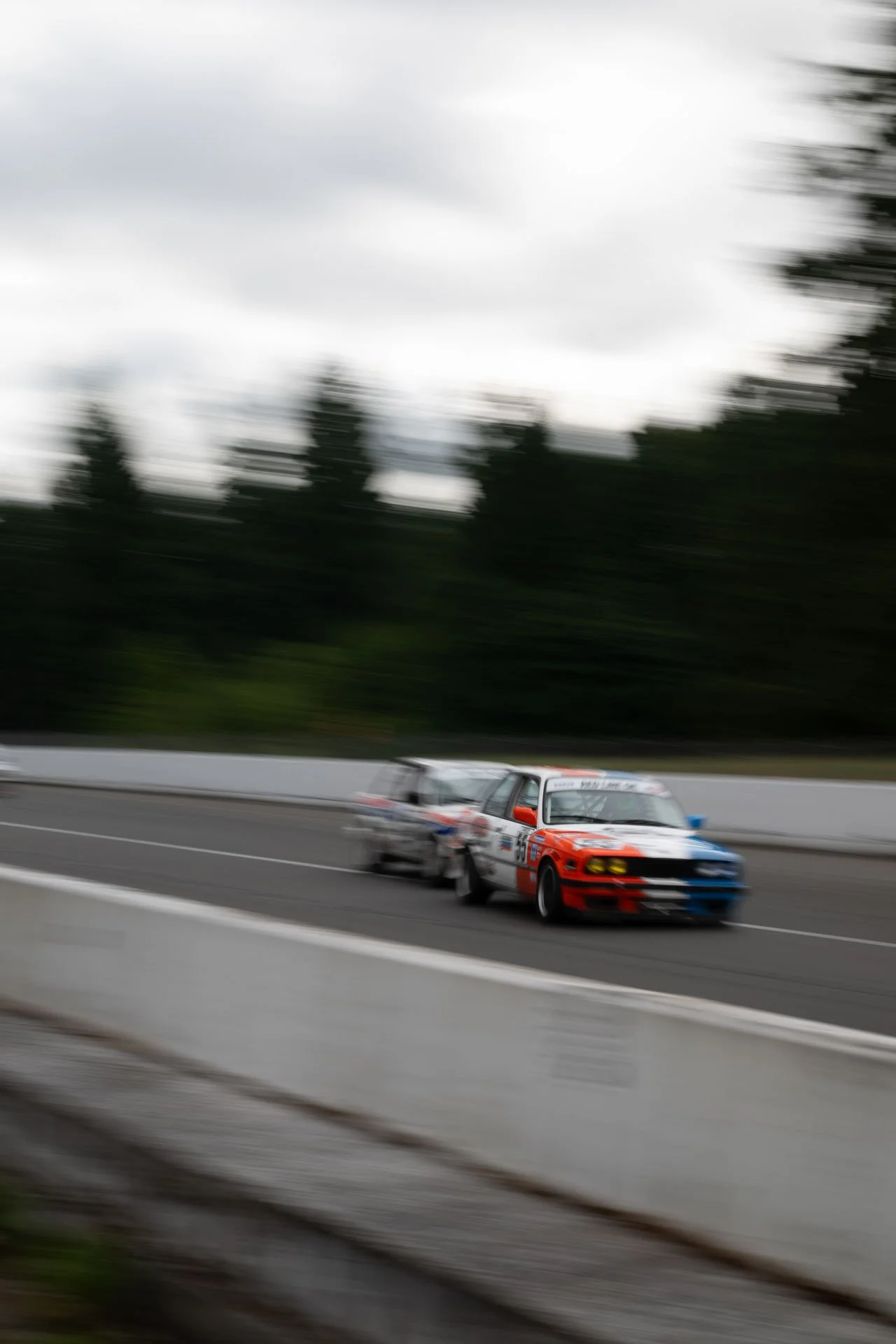
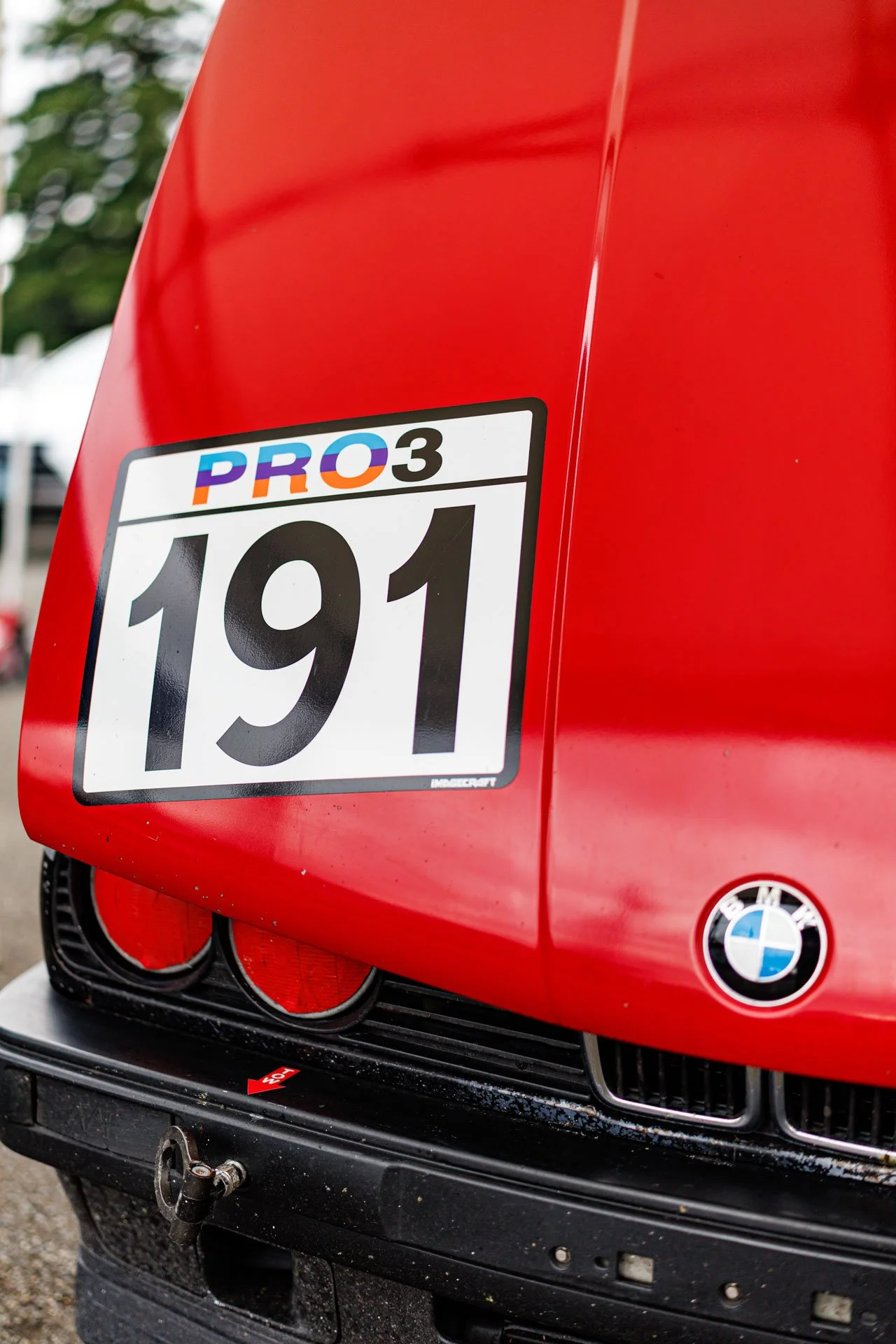
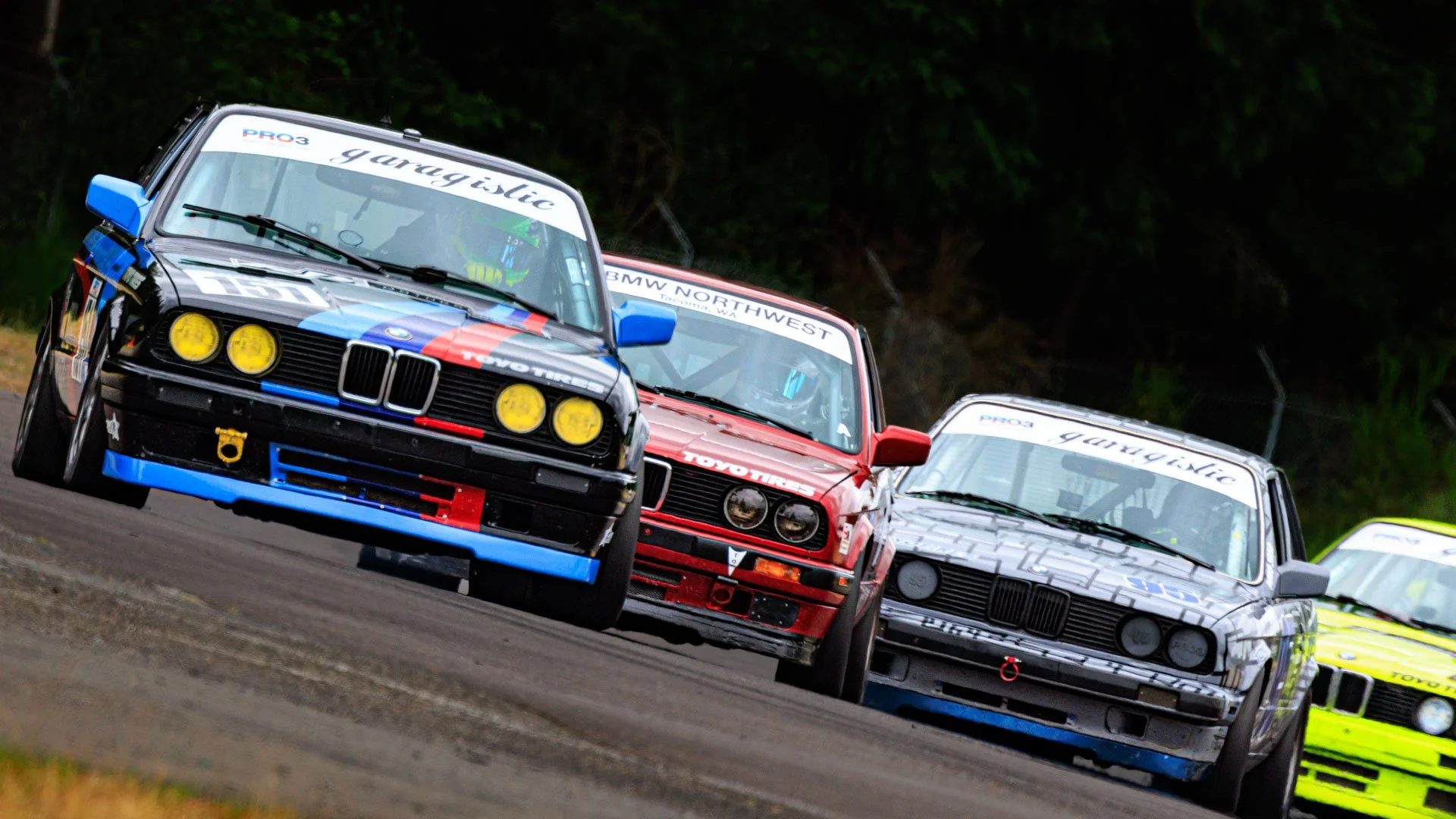
PRO3 was born two decades ago as a grassroots solution: create a tightly regulated, production-based class where driver talent, not exotic parts, wins races. The formula stuck. Today, the class routinely fields the largest grids in Northwest amateur racing. The cars share the same bones, a stock M20 engine with a chip, Toyo RR tires, OEM brakes, minimal aero, and no ABS, ensuring battles are measured not in horsepower but in discipline and craft.
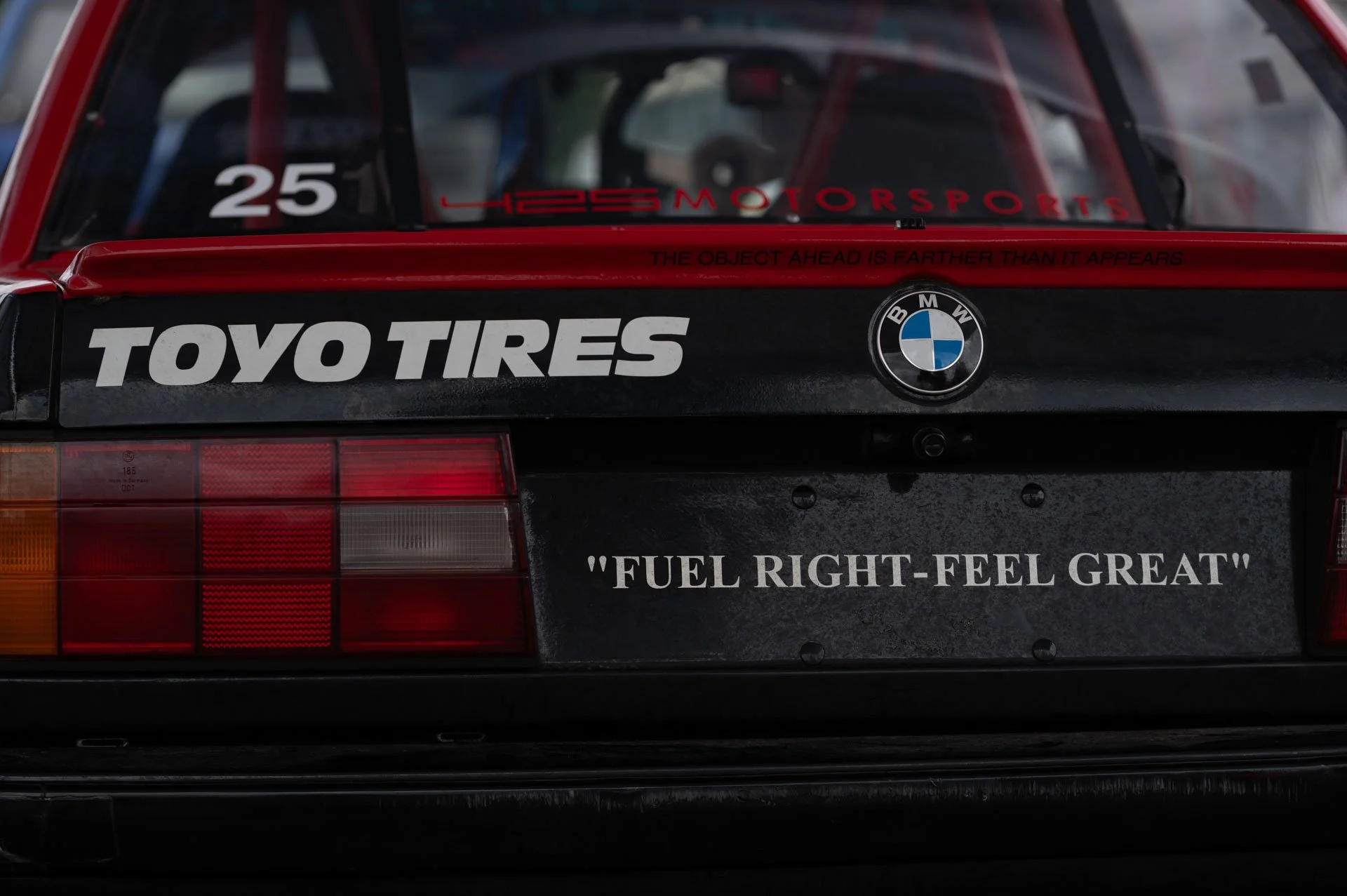
The results are unmistakable: racing that’s close and clean, a community that’s competitive but generous, and a culture defined by a motto printed on T-shirts since the early days: “Friends between checkered and green.”
The Accidental Architect
On certain Saturday mornings in Snohomish County, childhood didn’t sound like cartoons; it sounded like two-stroke exhaust. Wes Hill remembers his father showing up at dawn with jugs of gas to fuel the twins’ little dirt bikes.
“That was his babysitting tactic,” Hill laughs. “We weren’t allowed back inside until all the gas was gone.”
Those long, mud-spattered Saturdays became the foundation for a lifetime in motorsports for Wes and his twin brother, Ken. Dirt bikes eventually gave way to cars — the bones weren’t healing quite as quickly — and the brothers gravitated toward BMWs, volunteer track days, and eventually building one of amateur racing’s most enduring grassroots classes.
Their BMW story began the way many club tales do: someone needed help. When the local BMW Car Club of America (CCA) chapter discovered they had no one to run track days, they simply pointed at the Hill brothers. Soon, Wes and Ken were organizing events, giving rides, and looking for a racing platform that could pull double duty for lapping days.
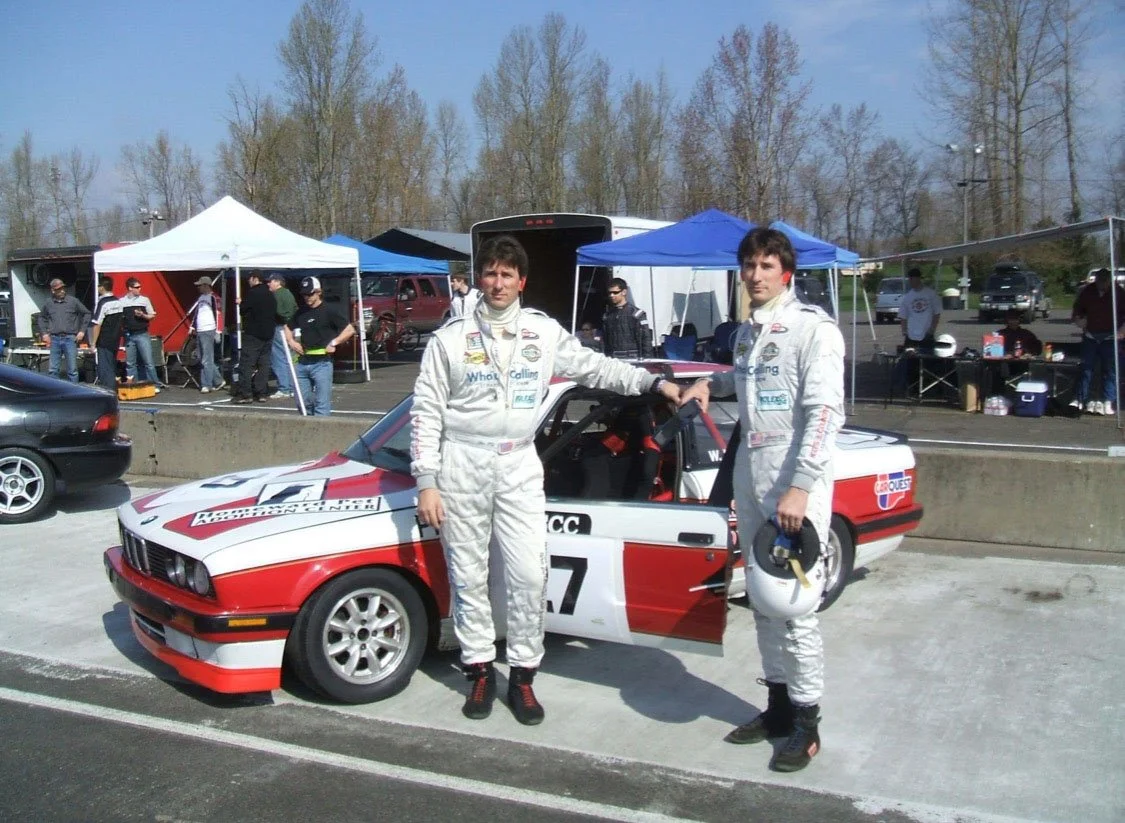
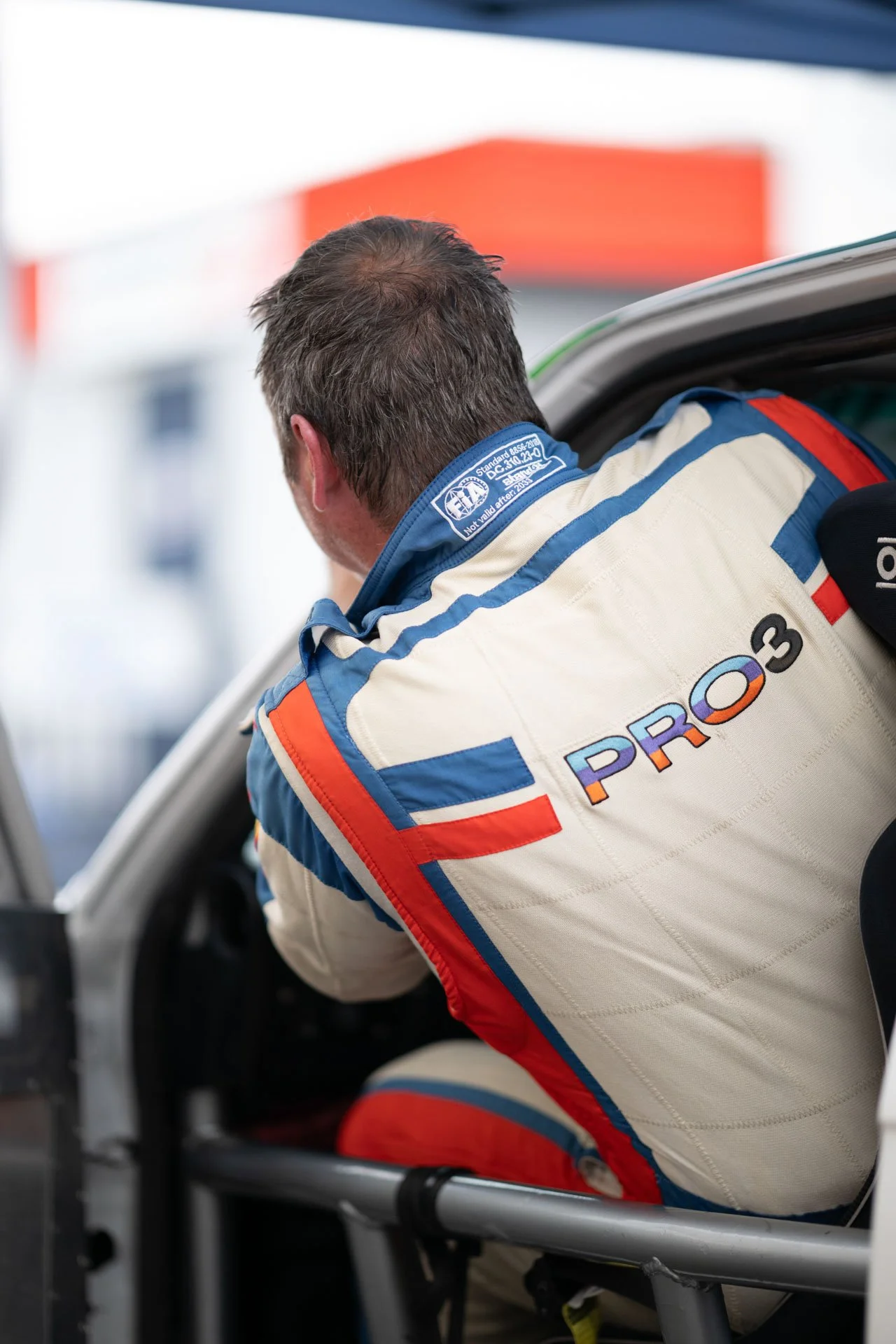
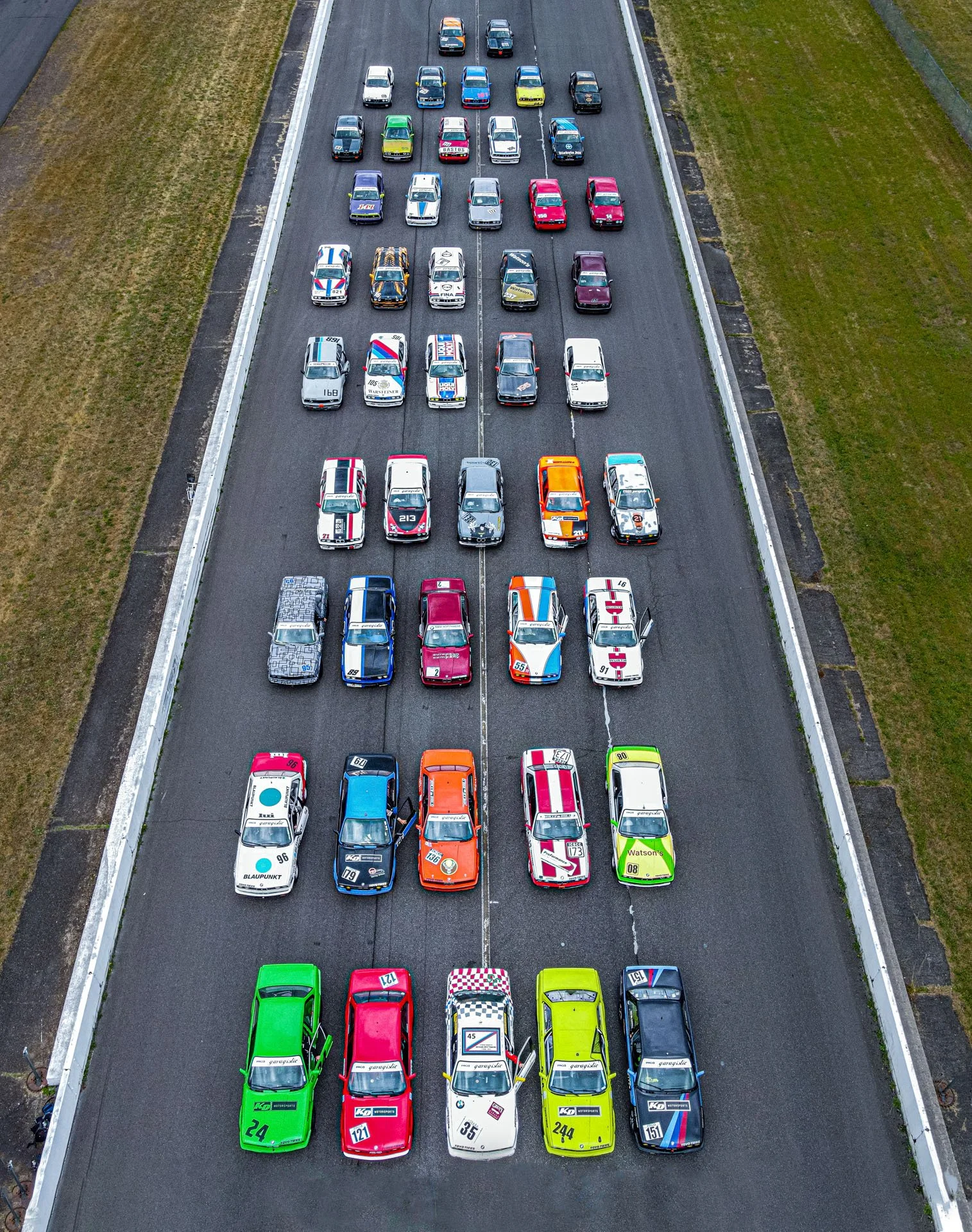
The pair dabbled in open-wheel Formula Vees before noticing the E30 3 Series gaining traction in the Sports Car Club of America’s (SCCA) Improved Touring S (ITS) class. They built five E30s to ITS spec, just in time for the rules to shift. In 1999, the E36 325i aged into eligibility, and Hill says the class adjustments made the E30 uncompetitive overnight. The brothers had five freshly built cars and nowhere sensible to race them.
“So, we wrote our own rules,” Wes says.
Within the International Conference of Sports Car Clubs (ICSCC) framework, competitors can propose a new class and prove it viable. The Hills mirrored ITS but made one pivotal change: about 100 pounds lighter. It made the cars “a little funner to drive,” easier on tires, and, crucially, kept costs down. It’s now passed the 20-year mark.
Early PRO3 culture was proudly scrappy. A banner in the paddock declared “Dirt Cheap Racing.” The idea wasn’t to build the fastest machine; it was to build a community. And the complementary motto, friends between checkered and green, set the tone: brutal competitors during the race, collaborative friends afterward.
That spirit became the class’s hallmark.
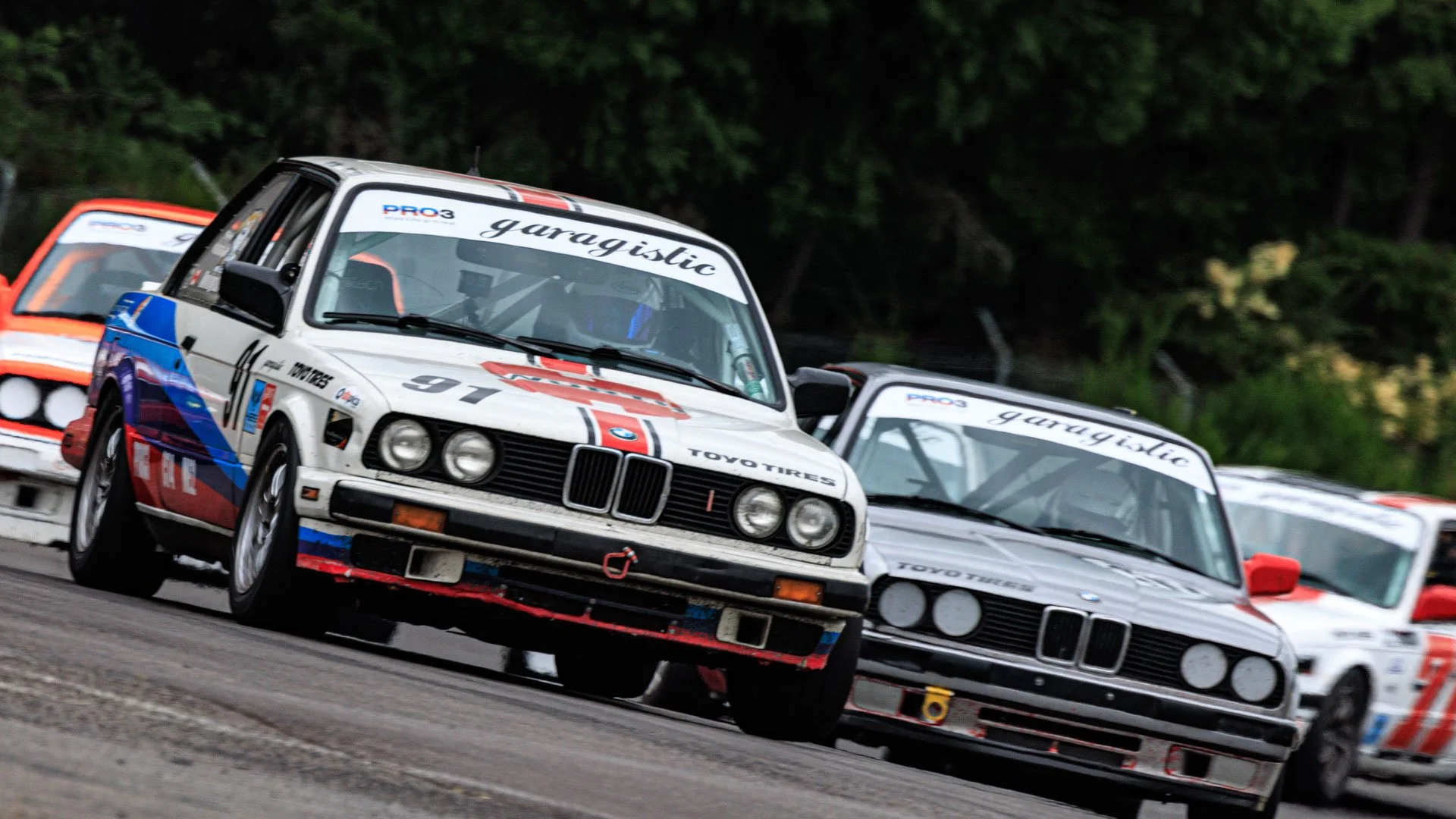
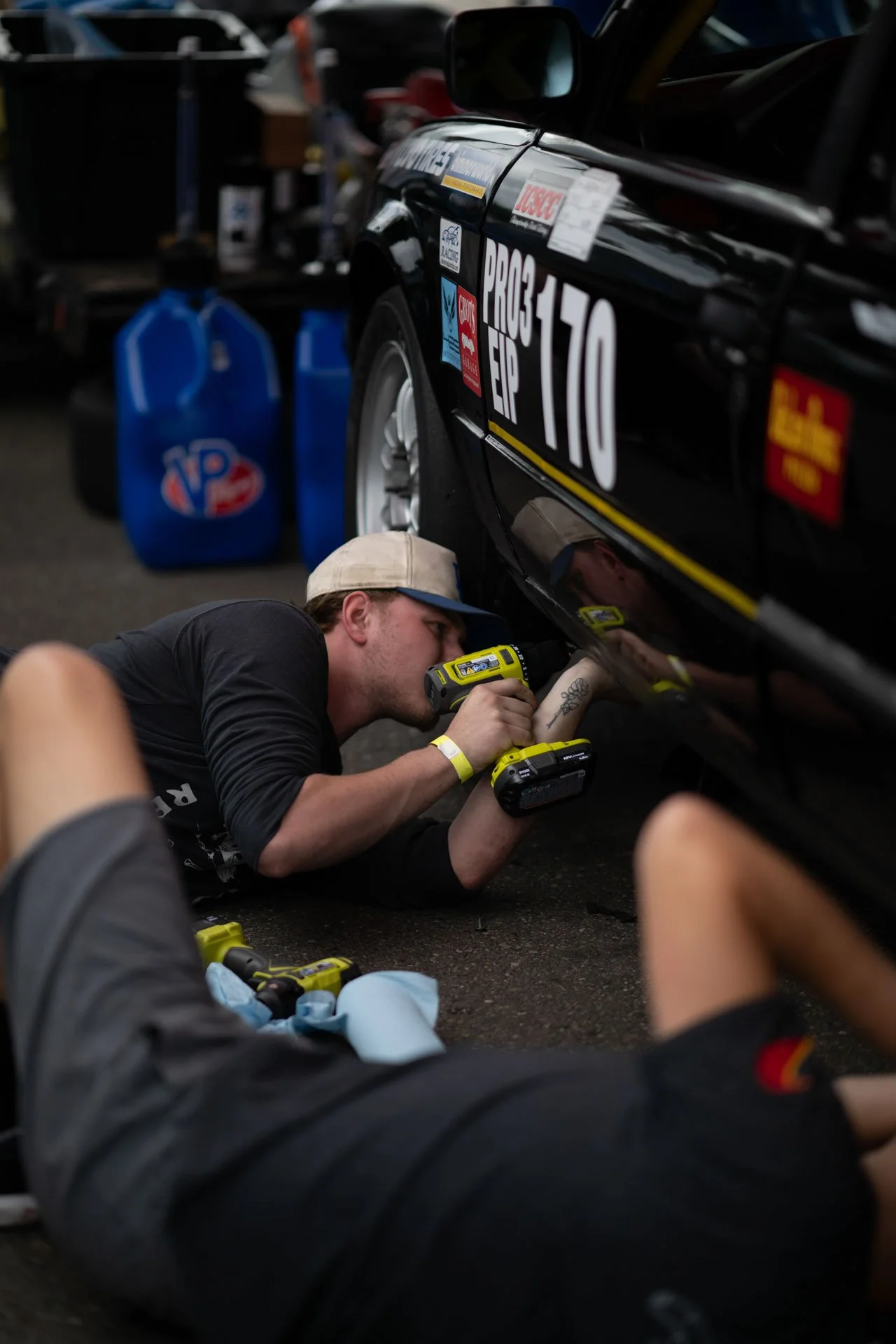
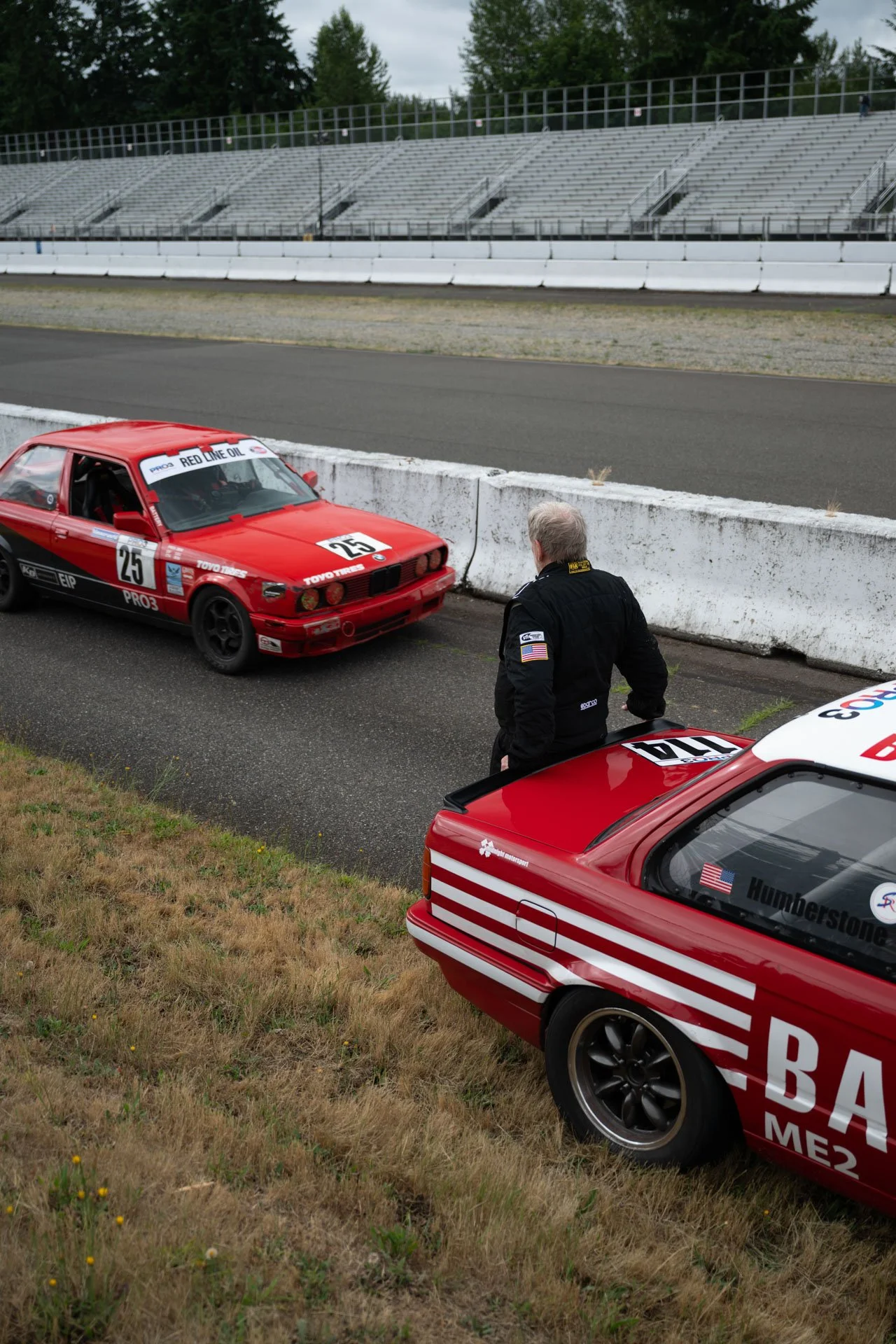
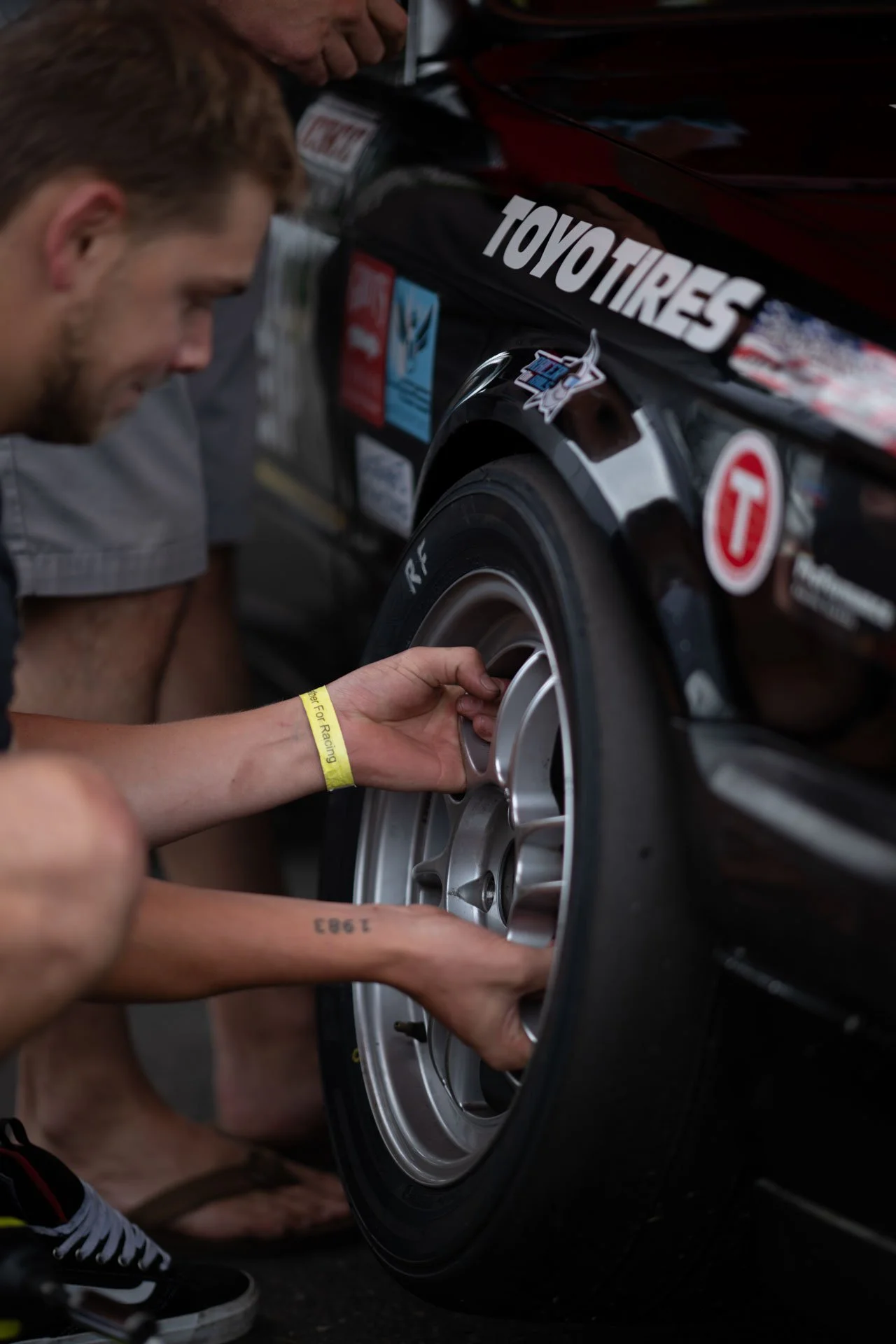
At one Portland weekend, a driver lost his clutch on Friday. “Six people jumped in… parts, tools, whatever,” Wes says. “Two guys pulled the transmission, then went to race. Two more who weren’t racing slid under and put it back in. He finished the weekend.”
The BMW E30, once a plentiful and affordable platform, is now a sought-after cult classic. Still, the class thrives. The roster of built cars sits in the mid-‘90s, and race weekends regularly field 30–35 entries, numbers Wes calls “unheard of” for a production class this old.
The Hills may not have intended to build a legacy, but that’s exactly what PRO3 has become: a class where you race one another hard and take care of one another harder.
The Composed Competitor
On a packed PRO3 weekend, the paddock feels like a pop-up neighborhood: rows of trailers, boxes of spare axles, torque wrenches clicking in a metallic chorus. Somewhere among them is Isaiah Dummer, a home developer with the measured energy of someone who understands that racing well is as much about control as aggression.
“I grew up working on cars out of need, not want,” he says. “Eventually, the want took over.”
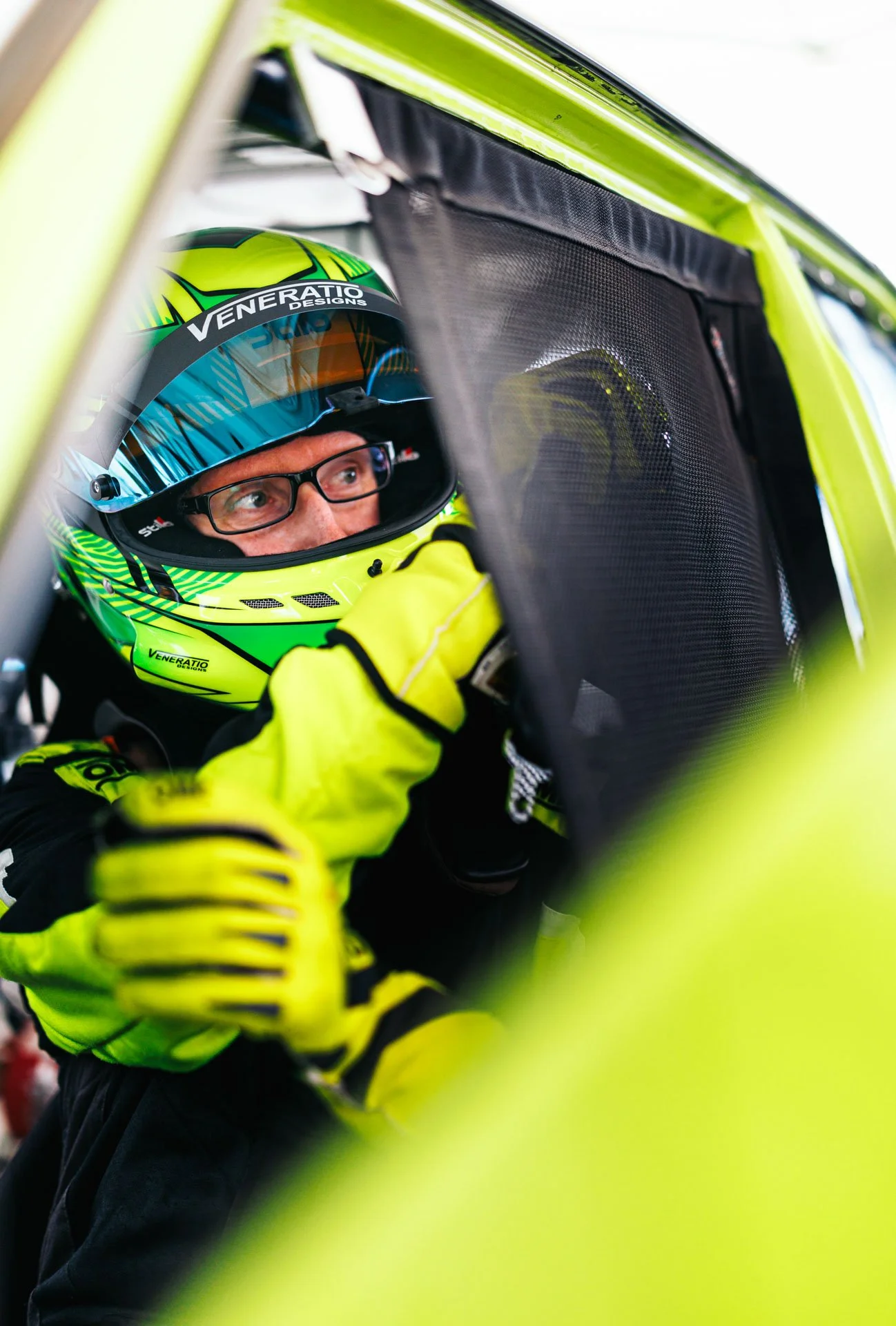
But motorsports had always felt opaque, something you needed an “in” to access. That barrier dropped when Dummer discovered PRO3. His first step was ProFormance Racing School, where PRO3 veterans Matt Lowell and Corey Peters assisted the school with their Two-Day Accredited Competition Race Licensing program by participating in the 30-minute student race.
During the car-control exercises, Matt hopped into a school car because his race car was acting up and immediately drove circles around Dummer. “It was exciting and infuriating,” he says. The message was unmistakable: horsepower doesn’t equal pace. Technique does.
The lesson crystallized again when, during a casual lapping day in his 400-horsepower street BMW, a novice in a 160-horsepower E30 passed him cleanly. “Okay,” he remembers thinking, “there’s something more to this.”
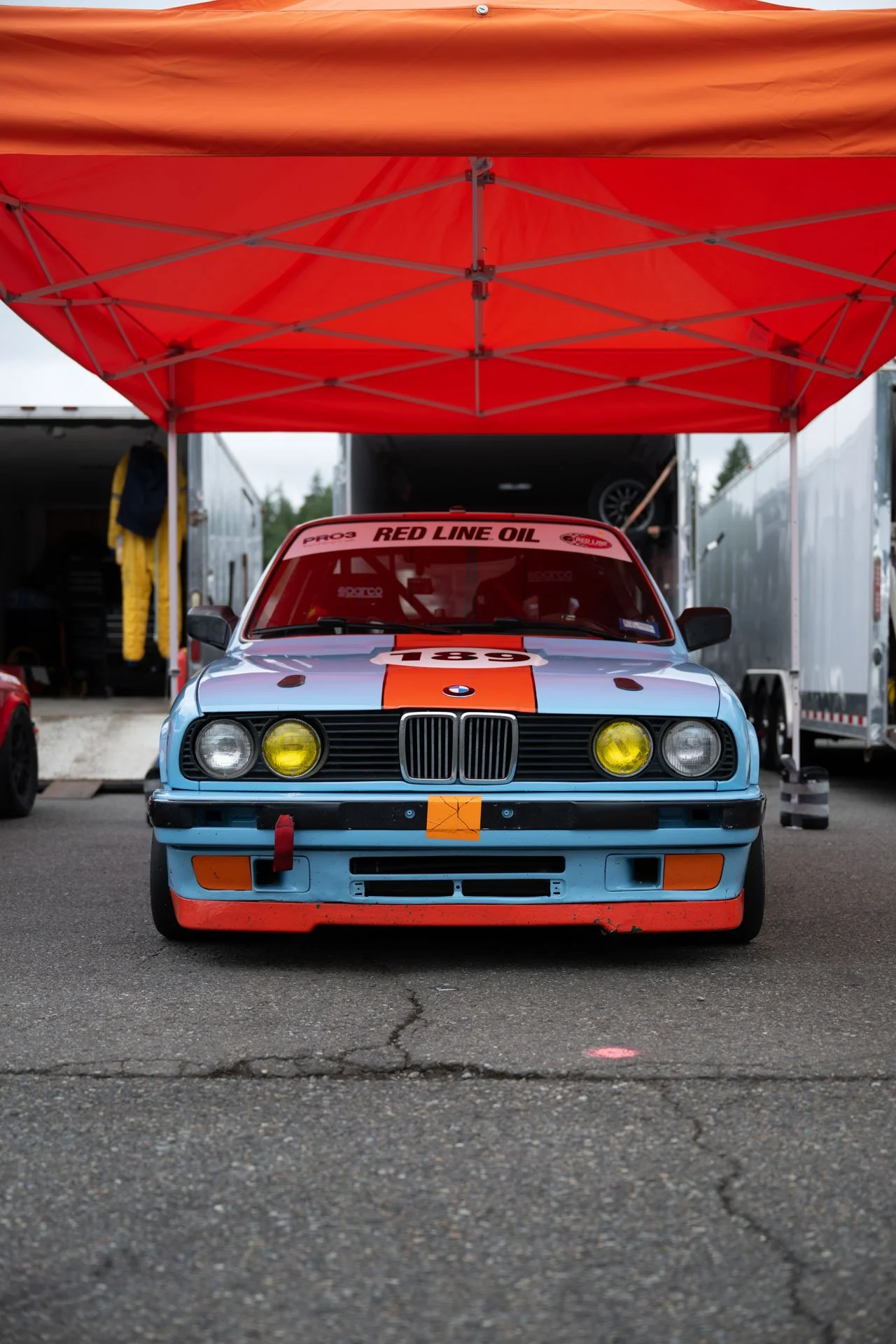
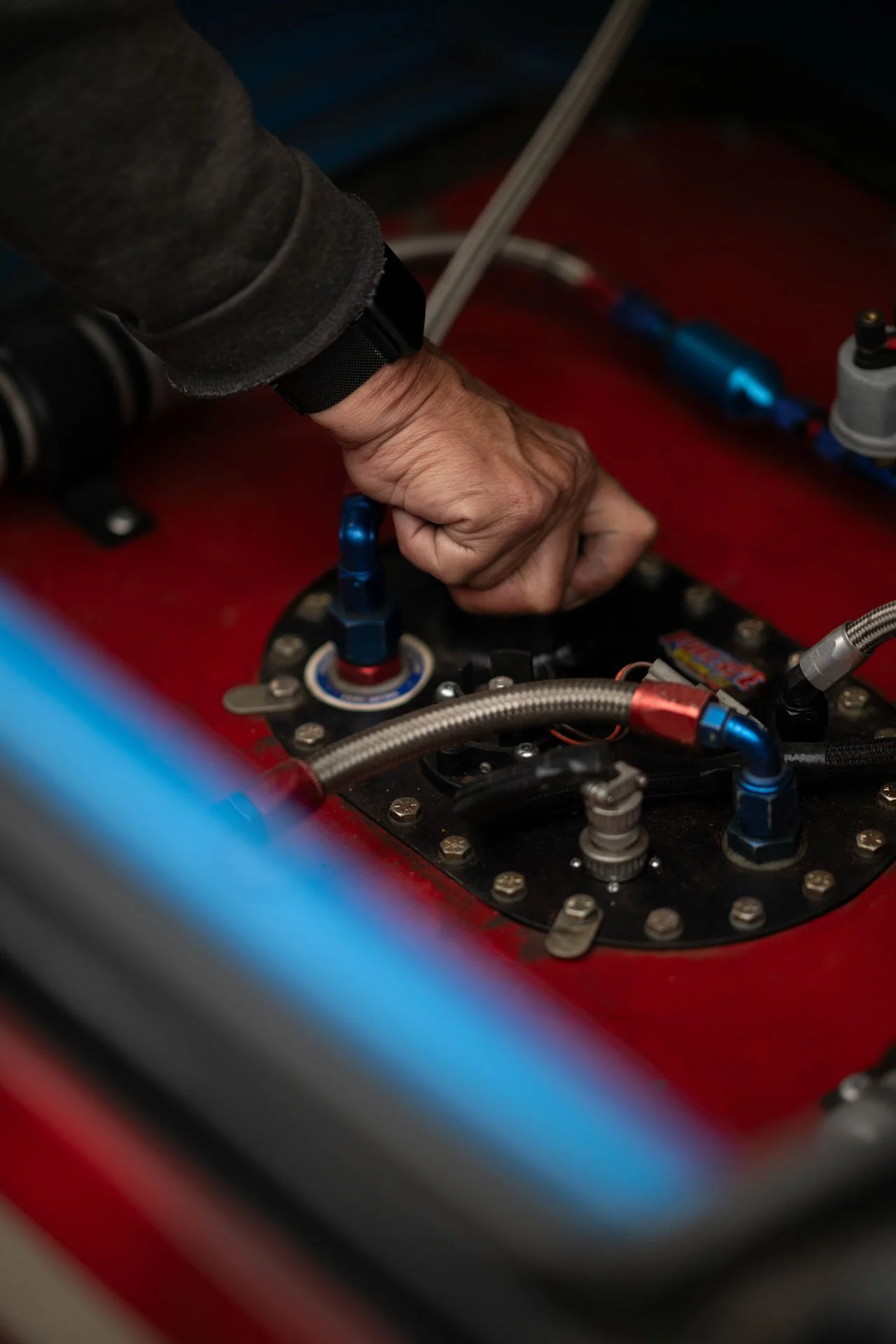
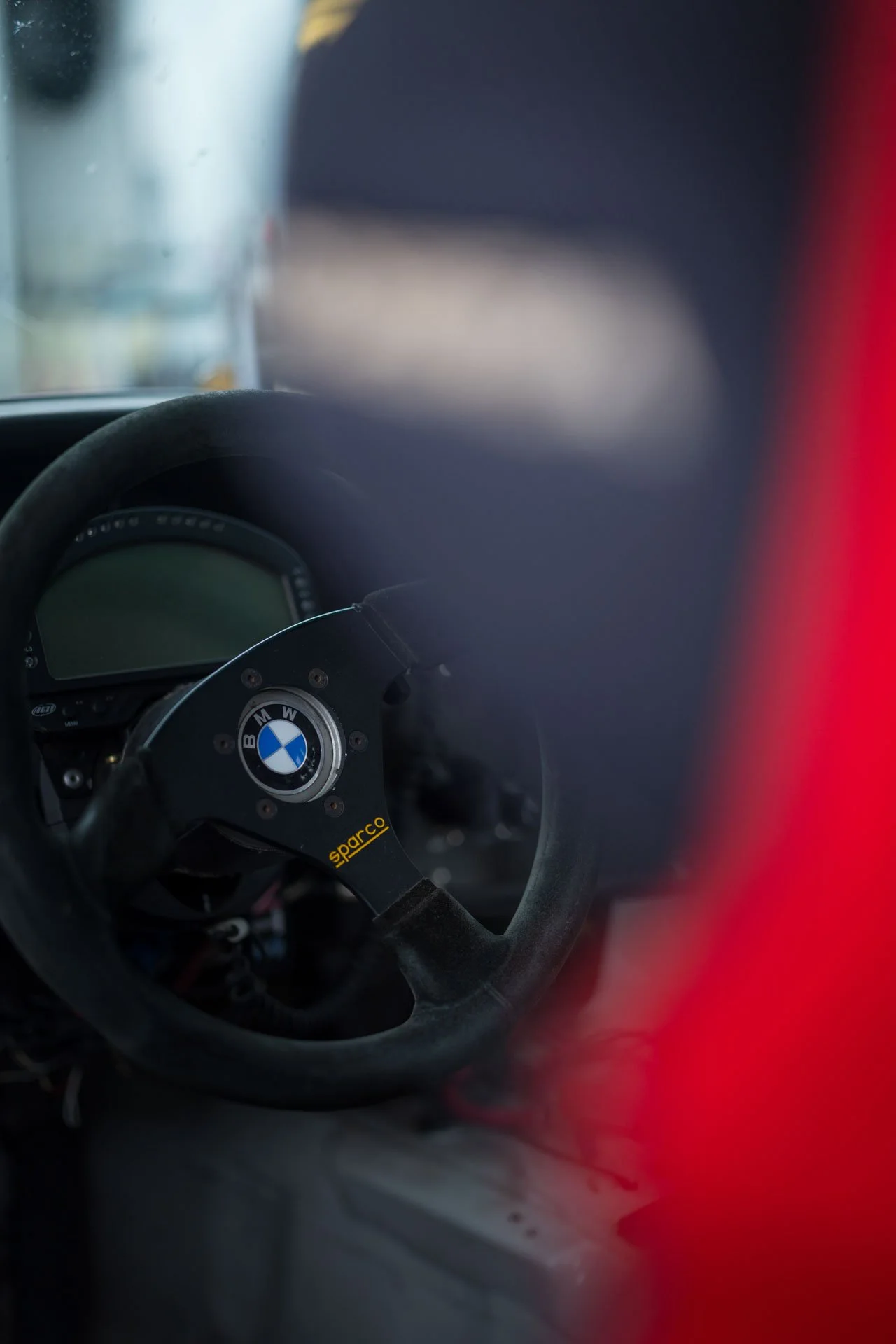
PRO3’s E30 is an analog disciplinarian. No ABS. Often no power steering. No electronics to hide sloppy inputs. “It’s crude. Visceral,” Dummer says. “You’ve got to be thoughtful with your brakes because you’ll lock up tires if you’re sloppy.”
The platform’s magic lies in its range: novices can learn without being overwhelmed, while front-runners can make the car dance.
Dummer’s pivotal moment came riding shotgun with Kevin Doyle of KD Motorsports. “I thought I was driving hard, tires squealing, all over the place,” he says. “Kevin gets in and it’s calm, quiet, and substantially faster.” The contrast rewired his understanding. “Two laps and I realized: I know nothing.”
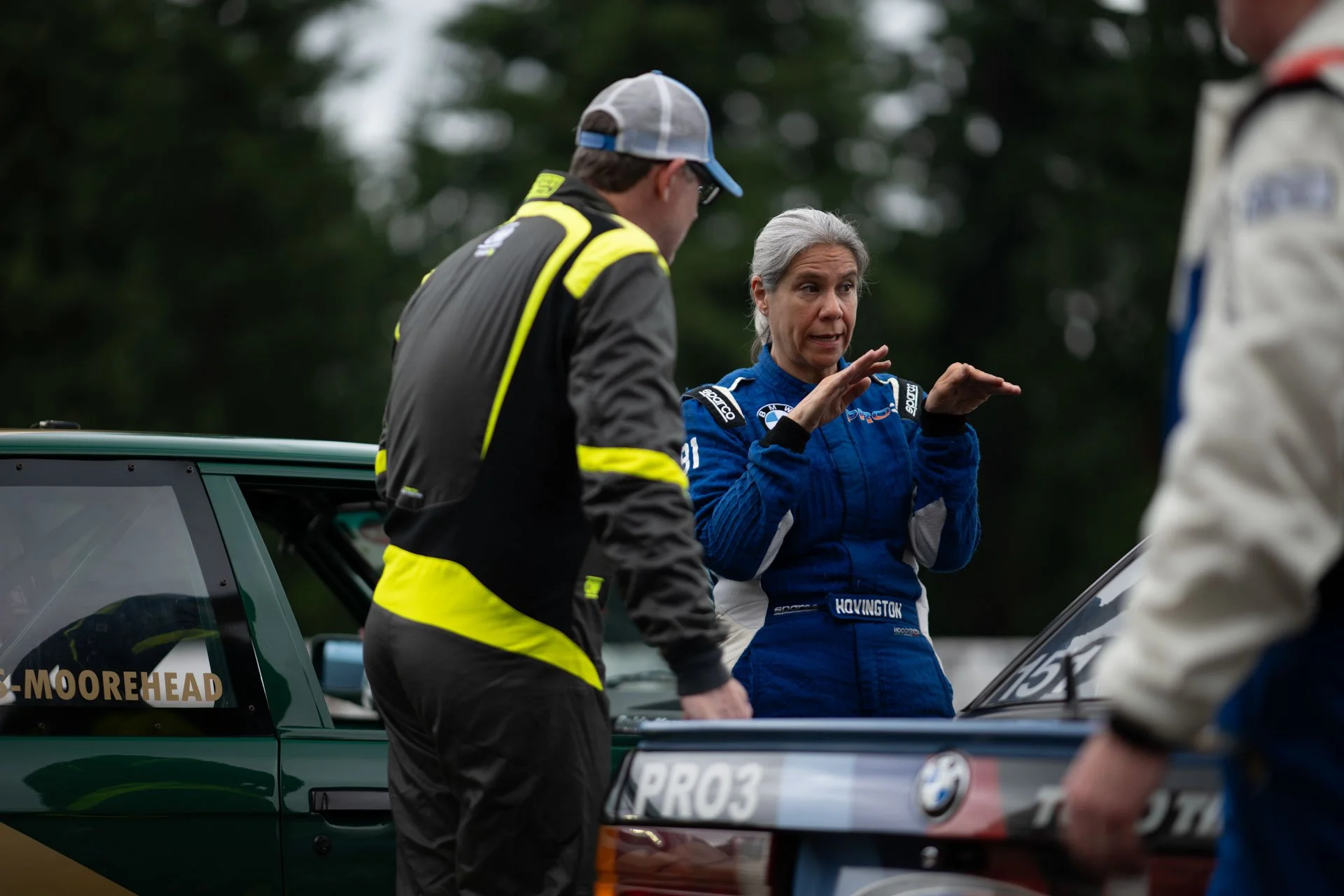
The PRO3 paddock is a paradox, fierce competition paired with deep camaraderie. “It would be like a knife fight, but with safe, not-sharpened knives,” Dummer jokes. Drivers race hard, but mutual respect runs deep. That respect has teeth. On his very first race weekend, Dummer’s transmission failed. He began packing up.
“Two or three guys came over like, ‘Don’t leave. We’ve got another transmission. Let’s change it out tonight.’ Next thing I know, I’m racing the next day.”
The spirit holds even among top competitors. “Whatever I have is yours, unless you’re going to finish in front of me tomorrow,” he laughs. “Then maybe I need it back.”
Since 2021, Dummer has progressed from student to mentor, helping with schools and coaching new drivers. But mentorship has a twist: sometimes you help someone you’ll later have to beat. “Watching them excel is awesome… until I’m racing them. There’s no exchange for youth,” he says.
Knowledge in PRO3 passes in ways that feel informal but profound. Peters once told him he instinctively knows every driver’s tendencies. “In a split second, you need to predict what someone will do when you’re door-to-door,” Dummer says. “We can be an inch apart — how much do I trust you?”
Off track, Dummer builds homes across the region, another world built on sequencing, refinement, and foresight. “I had to be smart enough to know what I didn’t know,” he says, whether learning wrenching skills or hiring a shop to guide his first season. “Develop the car as you develop.”
That philosophy aligns neatly with PRO3’s leveling effect. The paddock blends socioeconomic worlds, budget setups and luxury rigs parked side-by-side, but once the green drops, parity rules.
Dummer frames it as a kind of meditation. Early on, drivers push harder to go faster. Later, they learn that smoothing out, braking earlier, and turning in cleaner unlocks more pace. “Most people wouldn’t think you need to slow down to go faster,” he says. “But you do.”
To outsiders, racing looks risky. Dummer disagrees completely. “On track is probably the safest place I’ll be all day,” he says. “It’s the freeway that’s risky. On track, I trust the people around me.” In a class built on respect, that trust is the currency that keeps racing tight, and keeps drivers returning.
The Resolute Rookie
On a gray spring morning at Pacific Raceways, the air is heavy with mist as Siena Kitch steps into the paddock with the quiet confidence of someone who’s spent most of her life there. “I always joke that I was born at a racetrack,” she says. It’s not hyperbole; her earliest memories are of January trips to Daytona International Speedway for the Rolex 24 Hour sports car race, where her family campaigned in motorsports.
Kitch grew up in the racing world but didn’t initially envision herself behind the wheel. She was an equestrian, wired for competition, but imagined a career in finance. “I thought I was going to work on Wall Street, be a slave to the machine,” she laughs. The lure of motorsport pulled her back.
Today, Kitch is Director of Marketing at ProFormance Racing School, the Northwest’s premier racing school, training everyone from teen drivers learning street-survival skills to aspiring racers working toward their competition licenses. She has washed cars, staffed events, and worked at some of the highest levels of motorsport. But she believed credibility starts in the driver’s seat.
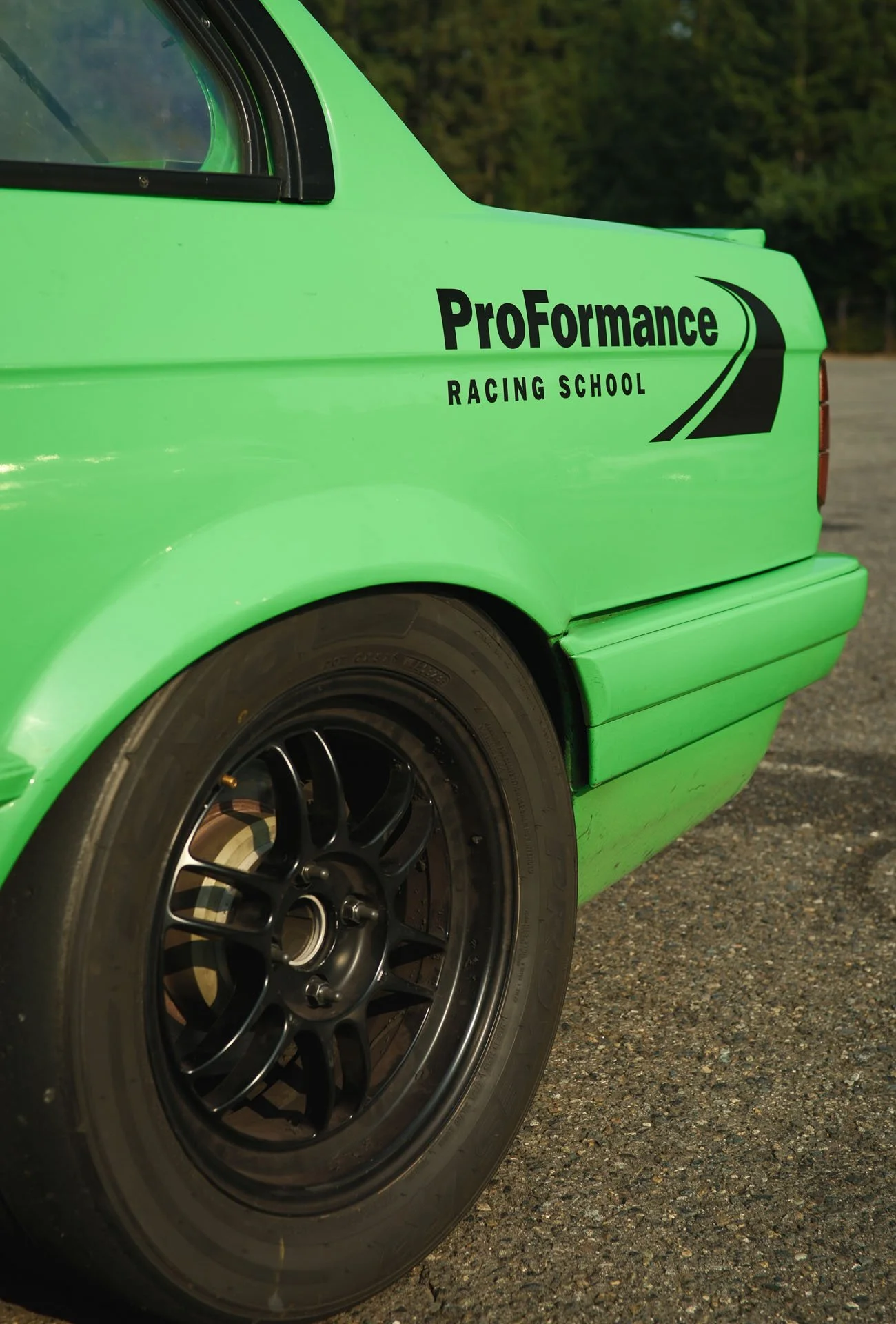
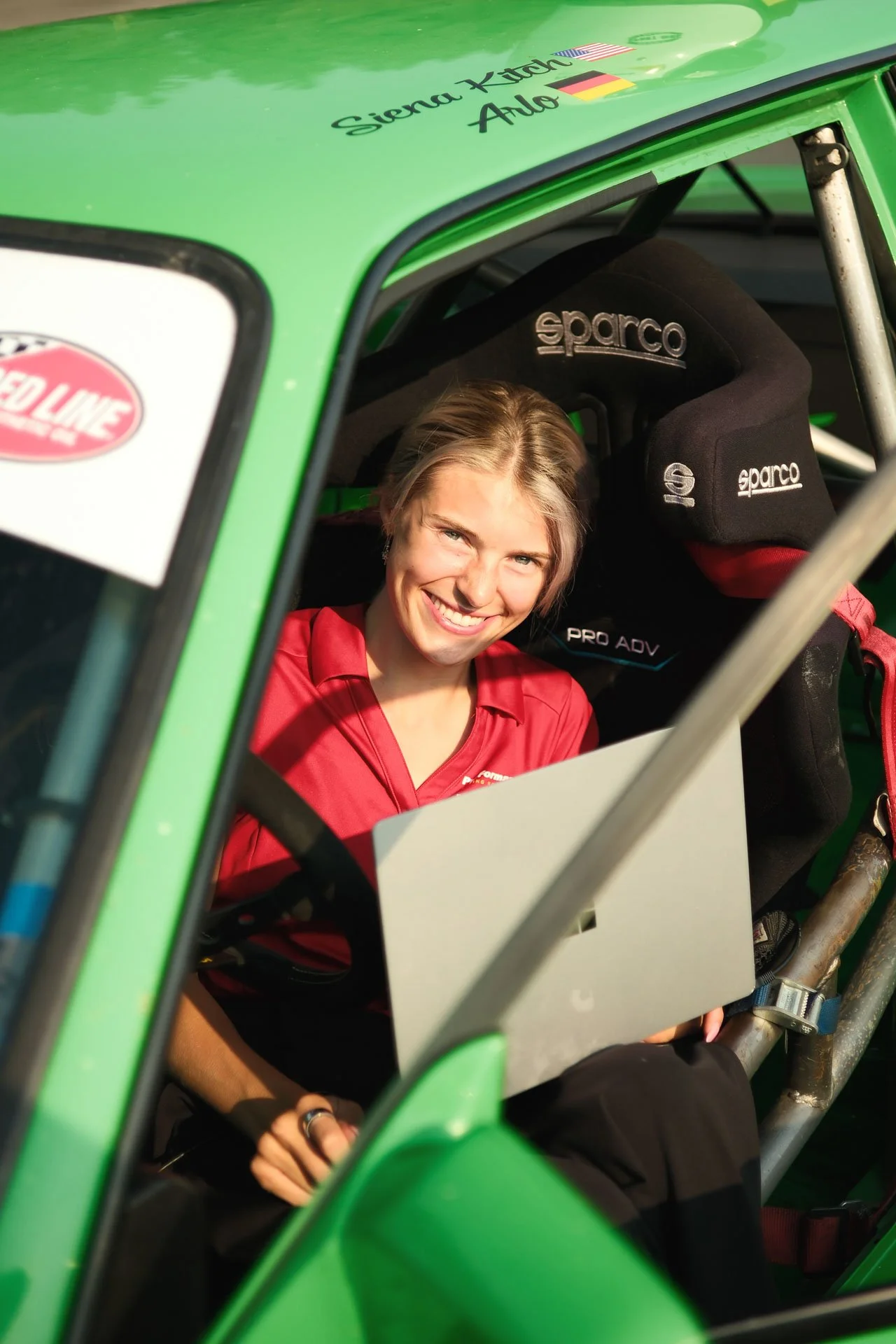
At fifteen, she took the One-Day High Performance Driving Experience on a classic, rain-soaked Seattle January day, with sheets of rain blowing sideways. She worked steadily through the school’s curriculum. Then came an unexpected opening: a last-minute cancellation in ProFormance’s Two-Day Accredited Competition Race Licensing course, a physically and mentally demanding gauntlet.
“It’s a $5,000 program; cancellations almost never happen,” she says. “I thought: This is my shot.” She took it, and earned her competition license.
If ProFormance taught her the craft, PRO3 gave her a home. “I always idolized PRO3,” Kitch says. “Wes and Ken Hill have been with us since the school was founded. I looked at them like big brothers.”
She grew up recognizing certain cars in the paddock, especially one owned by her friend’s father, Jeff McAffer. When it came up for sale, she bought it. “Full circle,” she says. “I used to go to my friend’s house after school. Now I’m in her dad’s garage learning to wrench.”
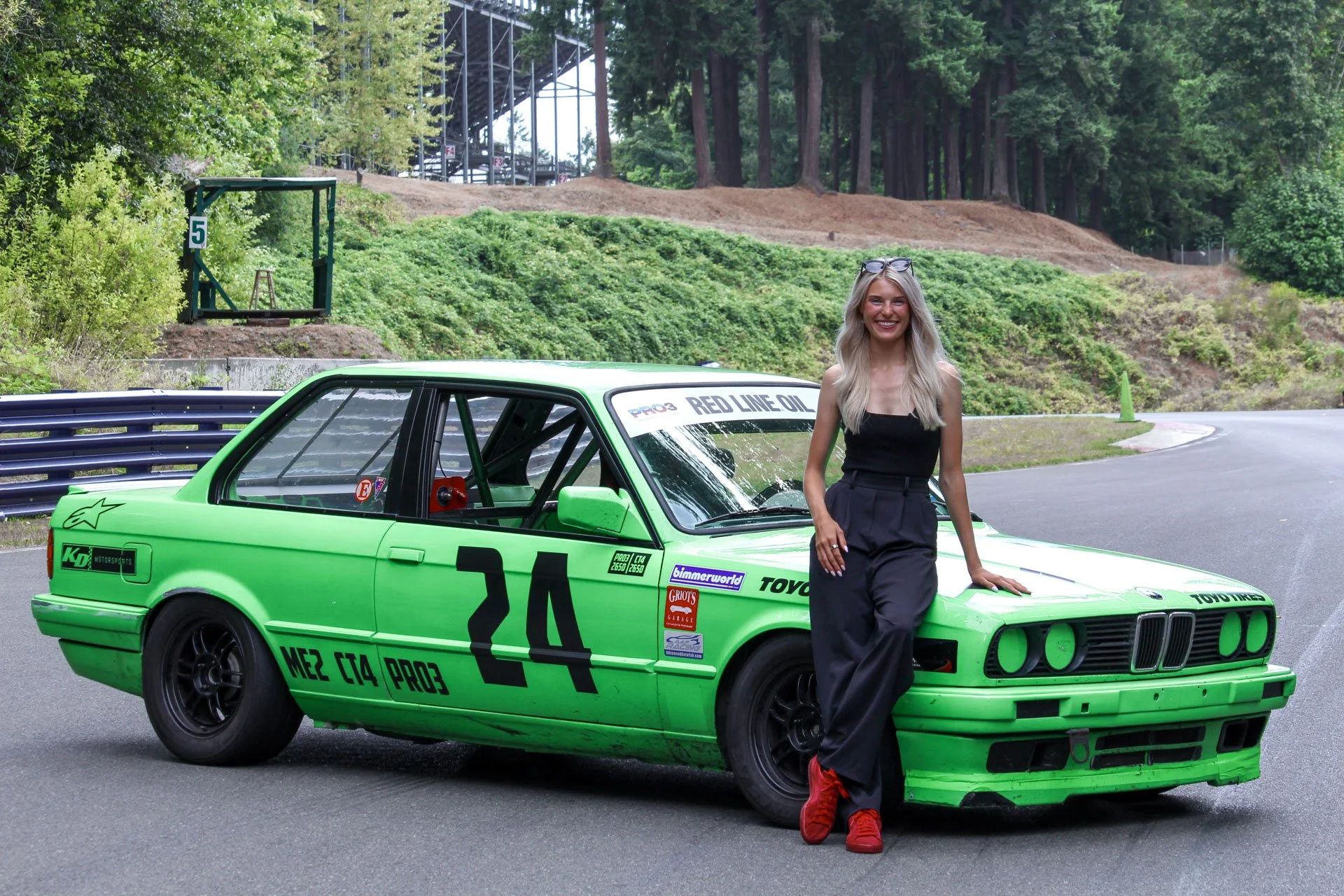
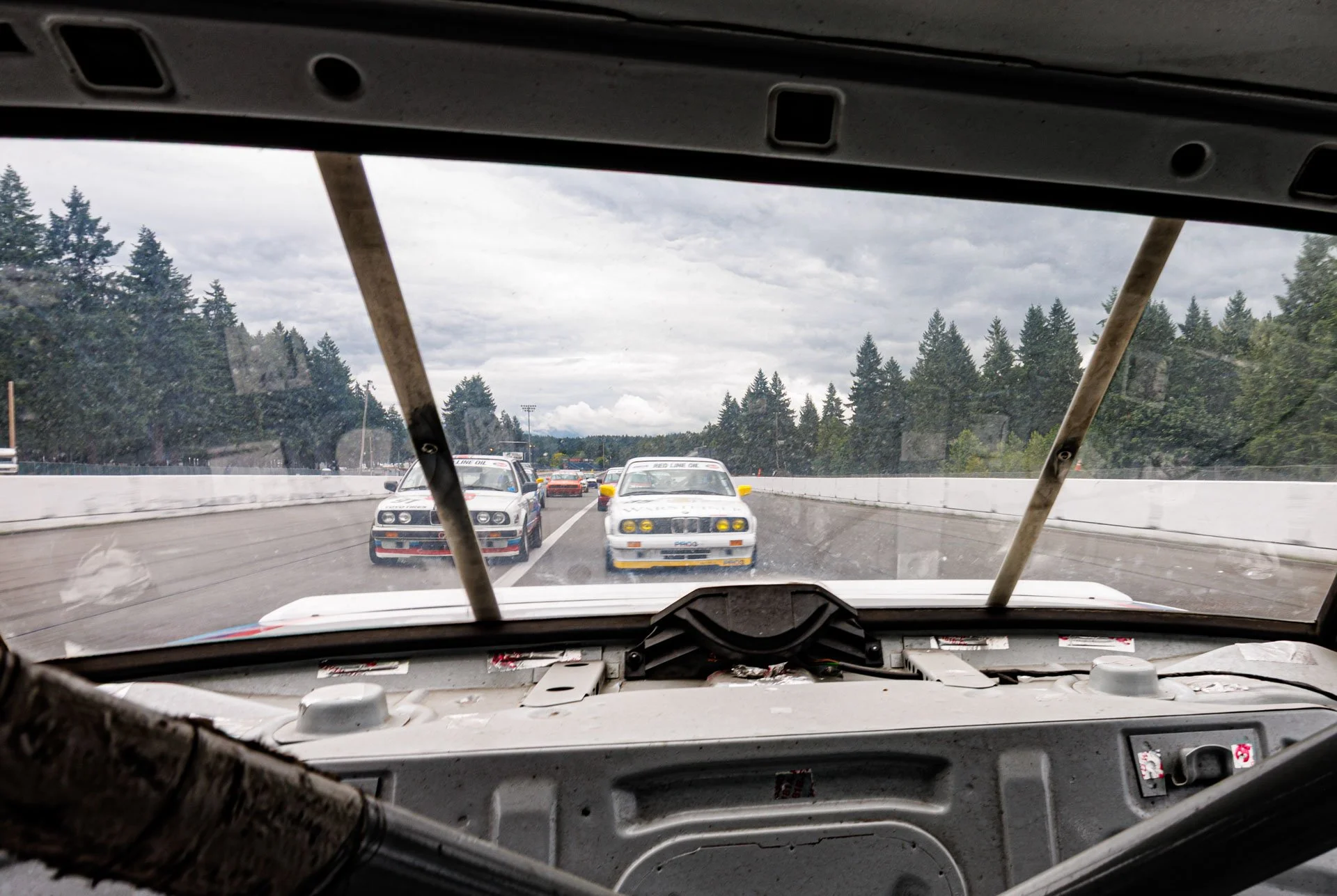
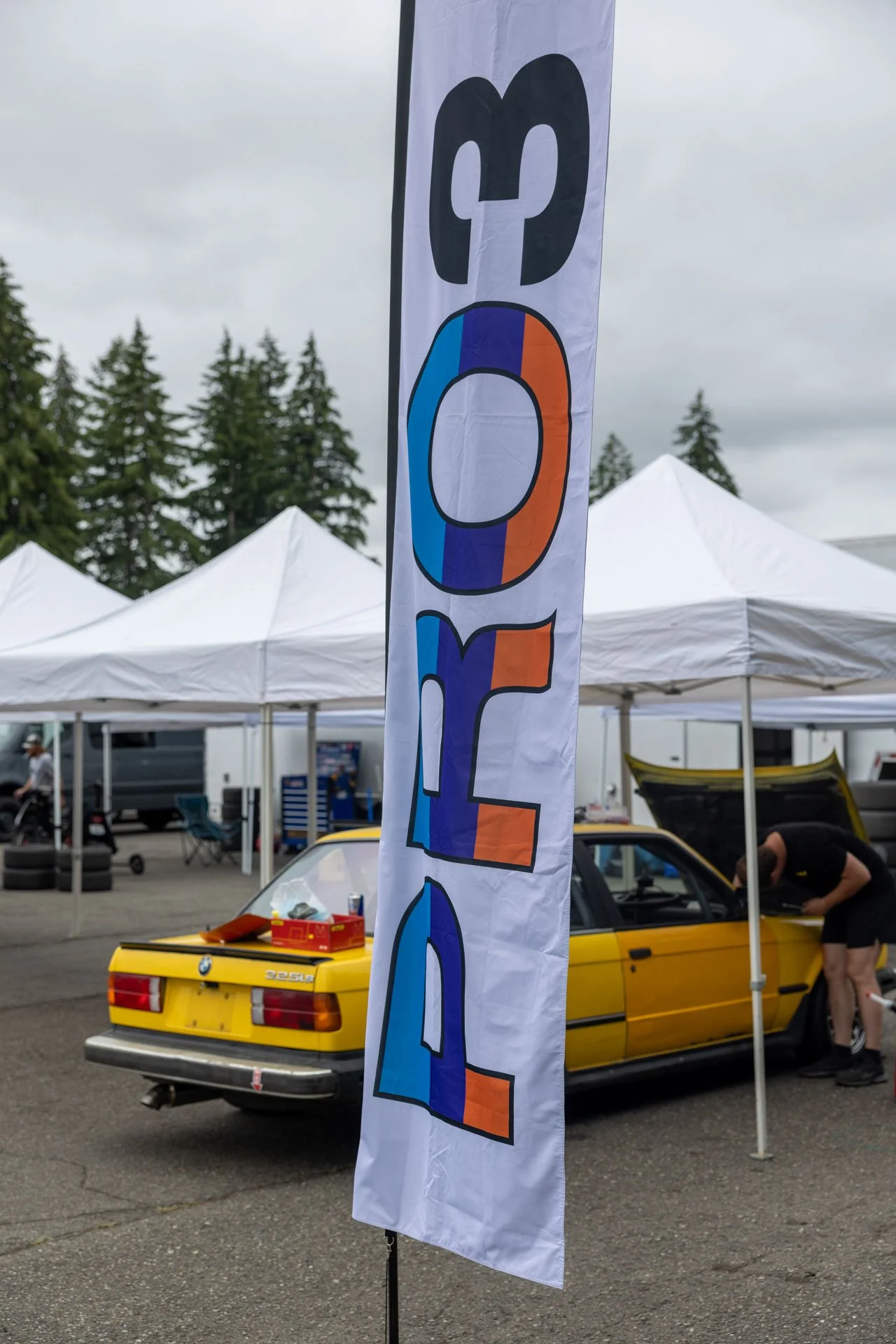
In PRO3, rivalry stays on track. Off track, generosity rules. The motto she grew up hearing, friends from checkered to green, isn’t aspirational; it’s enforced by culture. “I’ve been involved with my family in some of the highest levels of motor racing. I have never seen a culture like that of PRO3,” she says. “If someone brought a different attitude, the group would make it known: that’s not how we want to play.”
She points to the friendship between front-runners Matt Lowell and Corey Peters, best friends who race each other ferociously. Kitch is forming her own friendship with Lola Hollander, a fellow PRO3 driver. “We promised each other: we’re cutting our teeth together. Here’s what I’m doing; here’s what you’re doing.”
To Kitch, PRO3 isn’t a hobby. It’s a life rhythm. “Some people dip in and out,” she says. “The front-runners are at every weekend. That’s how you get better. I’m in that category; this is a way of life.”
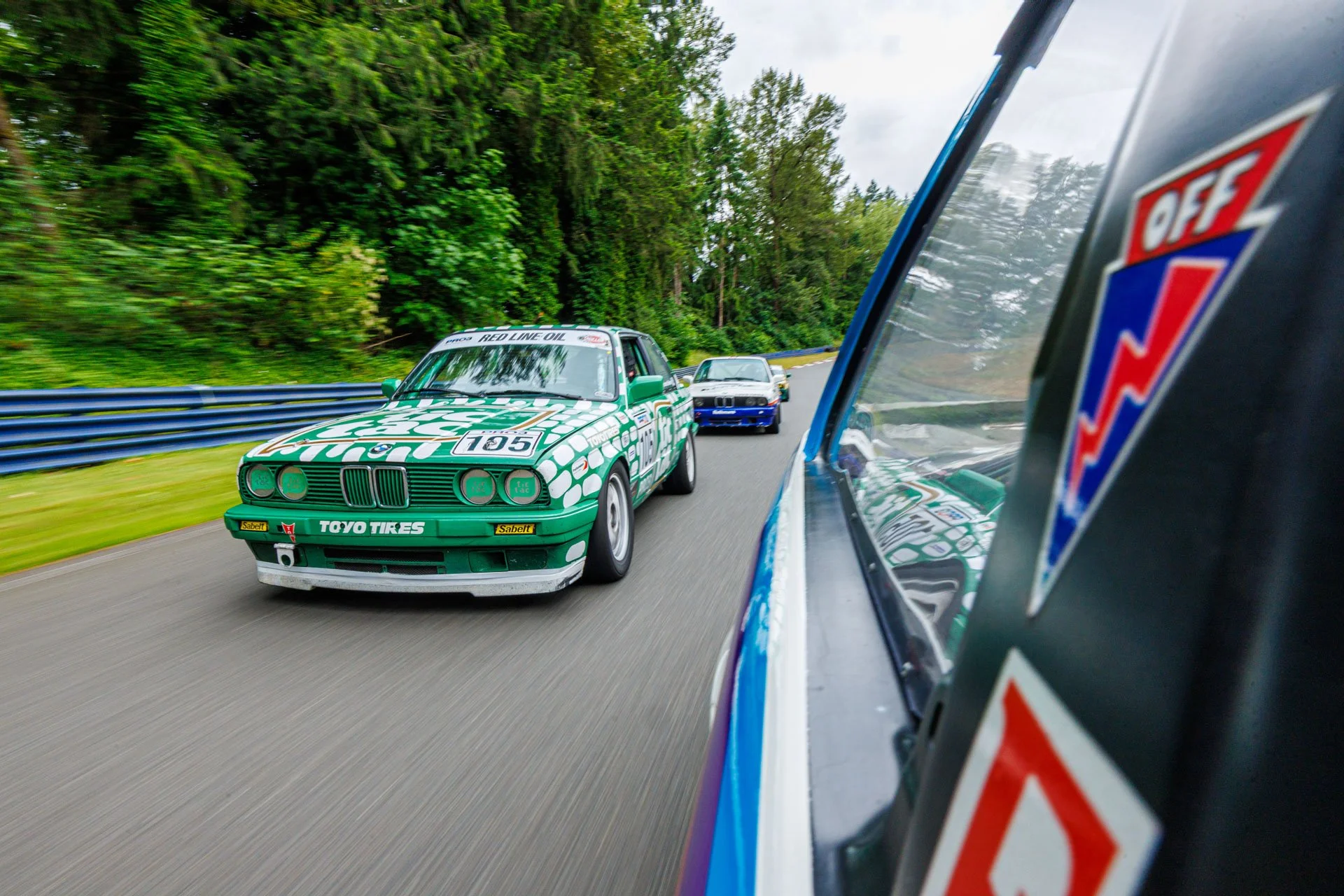
ProFormance’s philosophy, learn to drive a slow car fast, has paid dividends. After licensing, Kitch sampled a Porsche GT4 Clubsport, a purpose-built race car, and surprised herself with how quickly her skills transferred. “Some drivers who only know fast cars struggled. They were surprised how comfortable I was.”
She is quick to credit mentors: Wes Hill for teaching her to drive a manual racing gearbox (“terrifying but effective”), Jeff McAffer for continuous support, and longtime PRO3 leaders who paved the way, especially for women. “We now have seven or eight women racing regularly,” she says. “I want to help the next generation the way people helped me.”
For Kitch, PRO3 is more than a class. It’s a lineage. The car she admired as a youth now sits under her hands. The mentors she revered now call her a peer. And the culture she grew up observing has opened a place for her at the center.
“The racetrack isn’t just where I started,” she says. “It’s where I belong.”
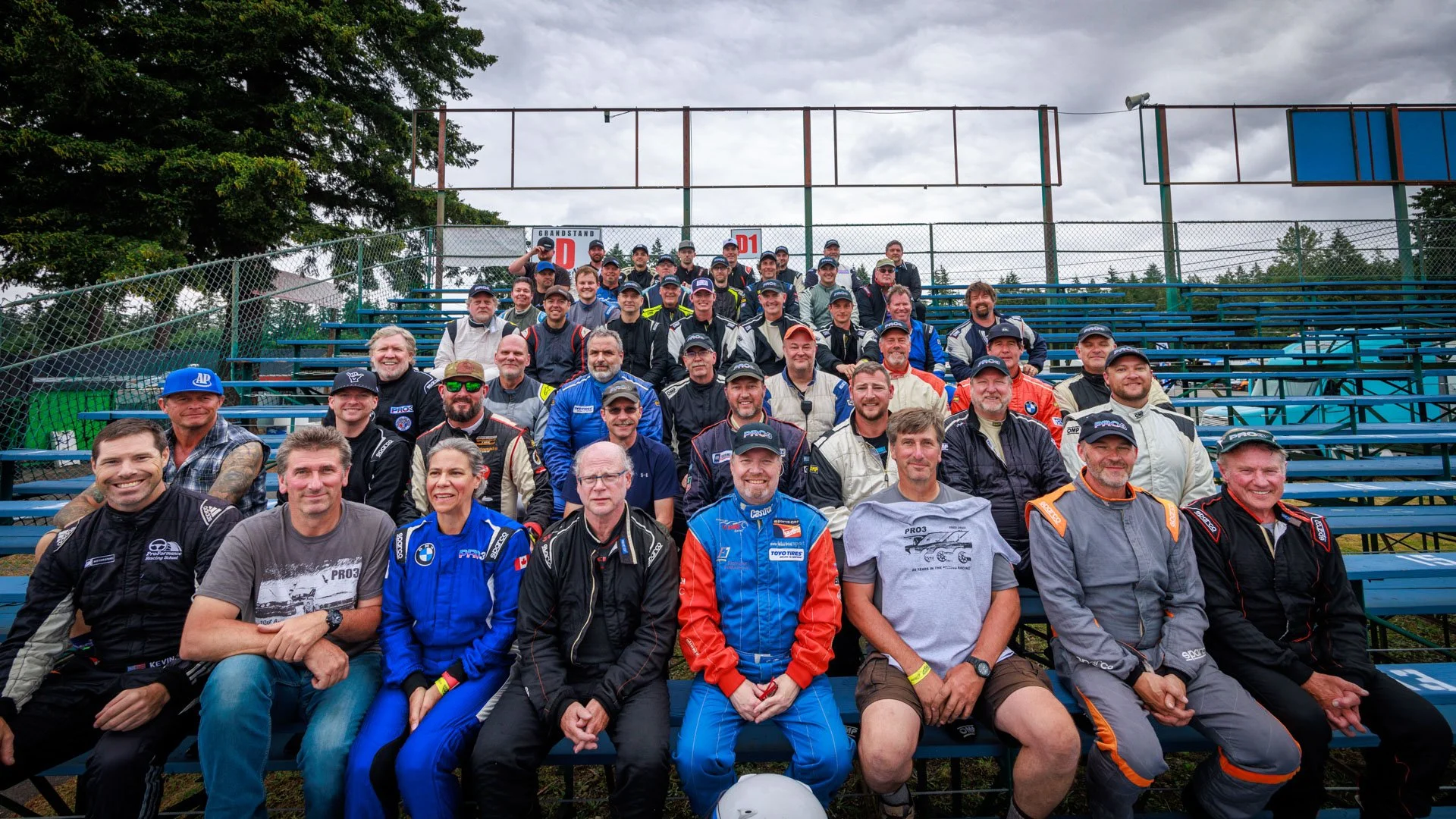
Strip away the decals and tire chalk, and PRO3 is, at its core, a study of how community can shape competition. Wes Hill’s story explains how it began, two brothers writing rules so their friends had somewhere to race. Isaiah’s journey shows why it thrives: a class that teaches humility, precision, and mutual trust. Siena’s path illuminates the future, new drivers entering with reverence, skill, and a commitment to widening the circle.
On many weekends, the entire grid compresses into a few seconds, the difference between first and tenth barely perceptible. Drivers separate themselves through fewer mistakes, cleaner lines, and calmer minds.
And when the checkered falls, the paddock transforms into a neighborhood: open trailers, shared parts, borrowed hands, and the familiar refrain that has defined PRO3 since the beginning:
Friends between checkered and green.

