
Code Breakers
TVR’s 2500M and Chimera
STORY | Chris Seely
PHOTOGRAPHY | BLAINE BECKER EFAW
British sports cars are prim and proper machines. Whether your passion is for MGs, Triumphs, Jaguars, or Austin Healeys, these relics from the golden age of motoring were designed as if adhering to an unwritten code of conduct from the royal family itself. A utilitarian chassis, chrome wire wheels with flowing body lines, and an English four- or six-cylinder motor are requirements for a proper English car. But in a sea of British conformists, one company stands out and breaks the rules like the rebellious middle child. Their mission isn’t to adhere to the British Sportscar Code of Conduct, their mission is to build the fastest and most eccentric cars they can. This company, of course, is TVR.
TVR’s recipe for British speed was developed early on, and like a meticulous chef, it never strayed from the cookbook. Founder Trevor Wilkenson’s philosophy was simple. Make the car as light as possible by designing a custom tubular chassis and aluminum or composite body, then save time and cost by using off-the-shelf parts from companies like Morris, Volkswagen, and Ford. All TVRs are parts-bin specials, but frugality has always been a key part of their go-fast road map. This was highlighted by their first commercially available car: the Grantura. The 1959 TVR Grantura was a beautiful but odd sight. It was a tube frame, fiberglass, 2-door coupe without access to the trunk, which utilized suspension from a Volkswagen Beetle, and a drivetrain from an MGA. At under 1,500 pounds, the Grantura was a parts-bin race car for the street, and even today, it can still be seen dominating vintage races.
Unfortunately, building street-going race cars is not a lucrative business model. After the launch of the Grantura, TVR was in financial trouble. Consumers quickly found that the Grantura’s light chassis and cost-saving measures were unbearable around town. The sensible thing for TVR to do was concede and give the laypeople the more traditional British car they wanted. But instead, TVR doubled down on their mission and worked to make their next car even faster. In 1964, fresh off its first bankruptcy, TVR partnered with Jack Griffith to create the “Cobra Killer;” a Grantura-style chassis wrapped around a royal family offending 289 Ford V8. This was the birth of the first psychotically quick TVR, the Griffith.
The Grantura and Griffith are important to understand because they are the genesis of all TVRs to come. Through the company’s history, TVR has remained committed to their go-fast mission and recipe. As a result, they have never had the budget or sales of British Leyland or BMW, but their fast and loose approach to running a business suggests they never wanted it in the first place. TVR has lived a rockstar life. In the ‘70s, they hired naked models to pose with their cars at the British International Motor Show, unafraid of being banned forever. In the ‘80s, they built the S series, which was poorly made but faster than a Ferrari Testarossa, and in 2003 launched the Sagaris, which weighed just 2,300 pounds, made 406 horsepower, and was a death machine with no stability control, ABS, or airbags. In total, TVR has changed hands and flirted with bankruptcy four times, but at every fork in the road, an enthusiast has stepped forward to buy the company and keep the lights on and dream alive.
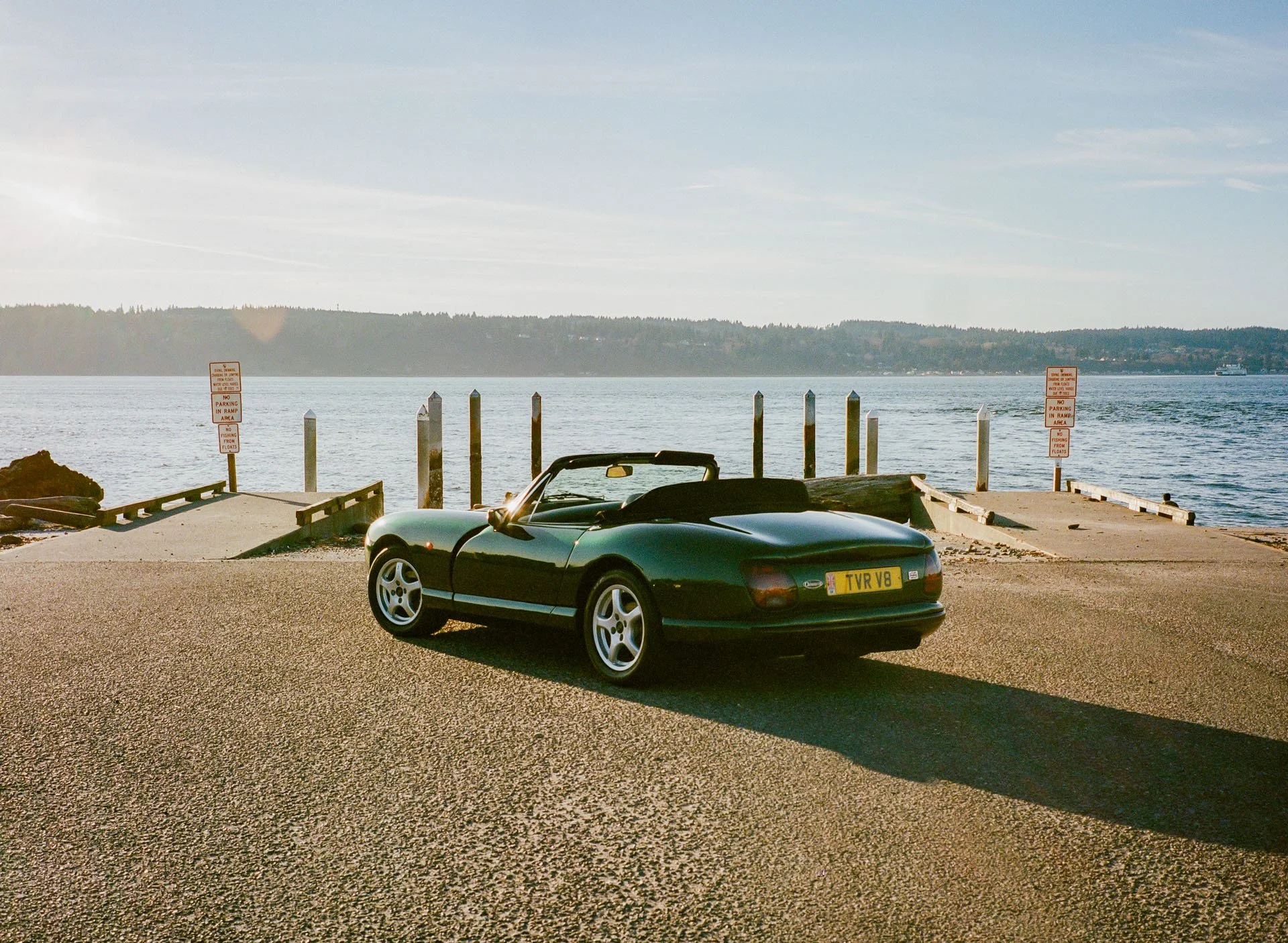
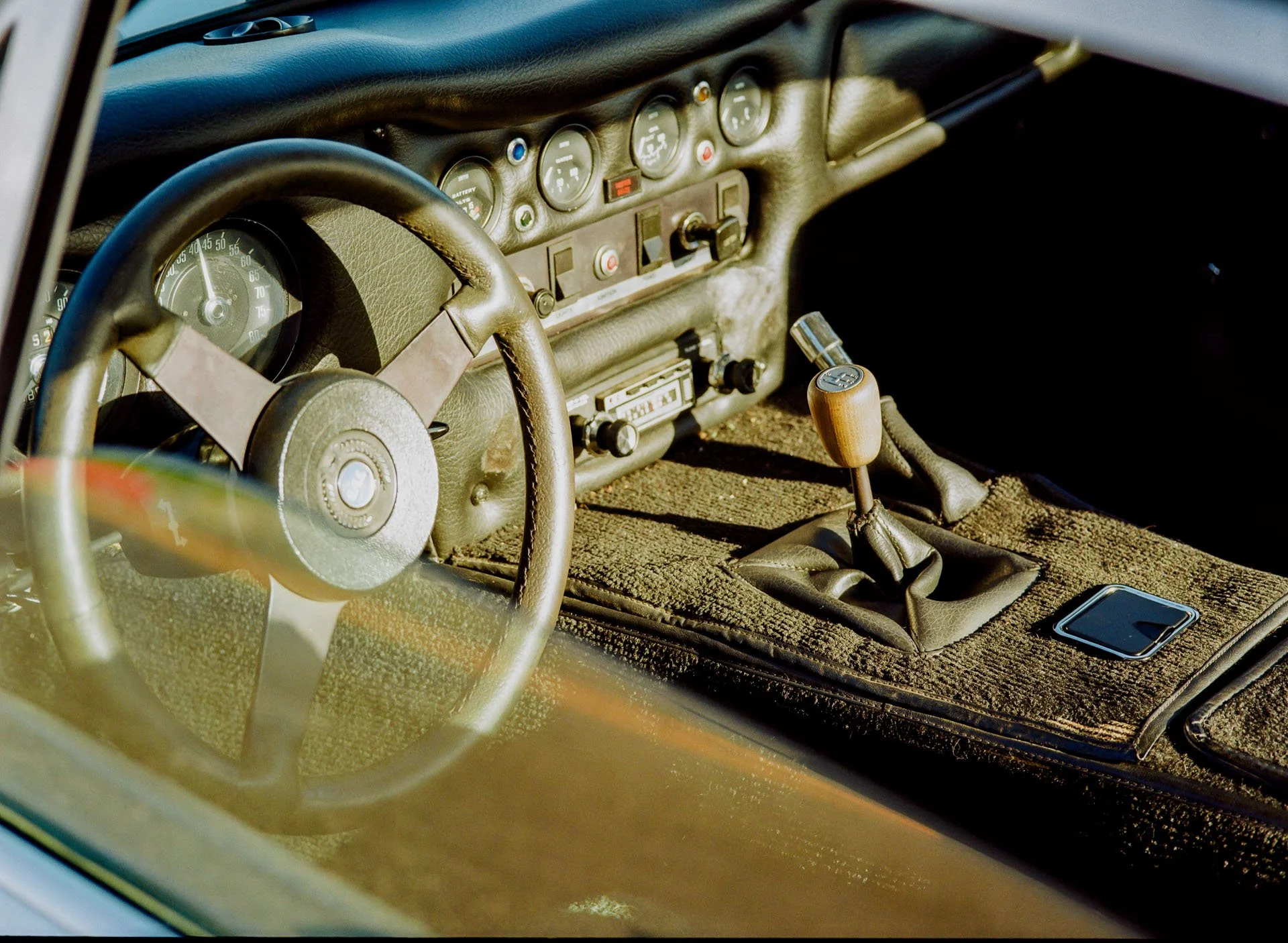
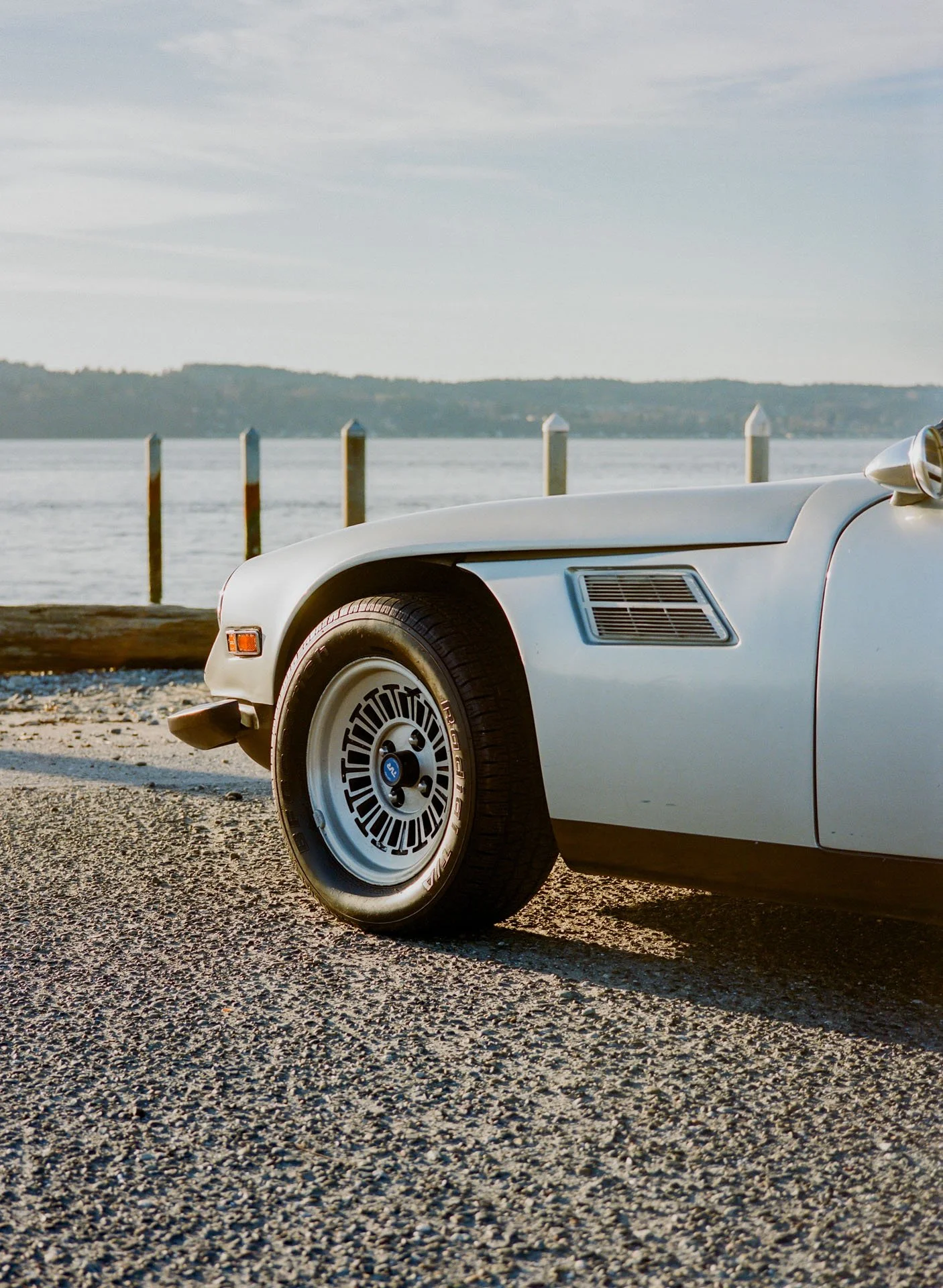
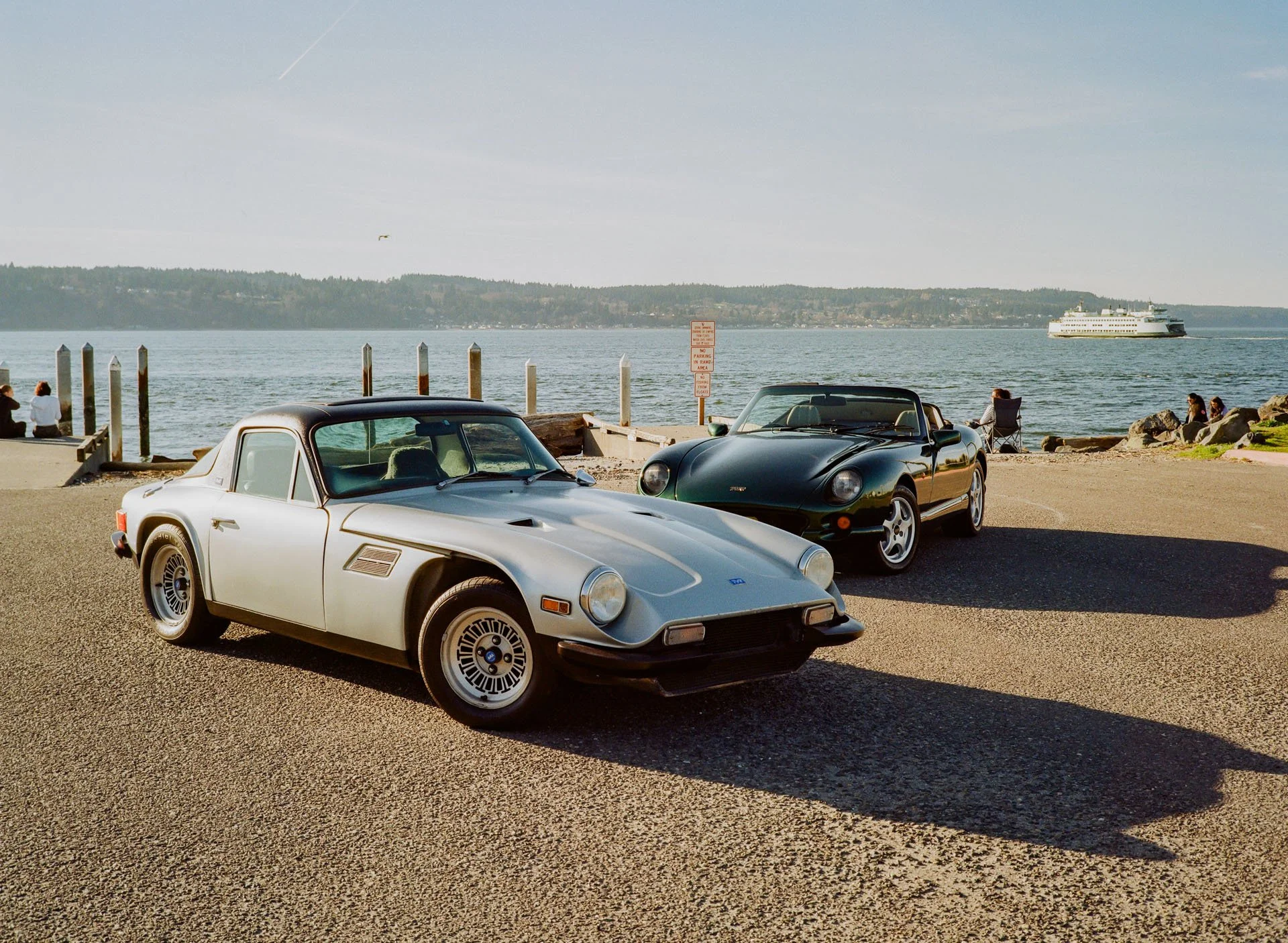
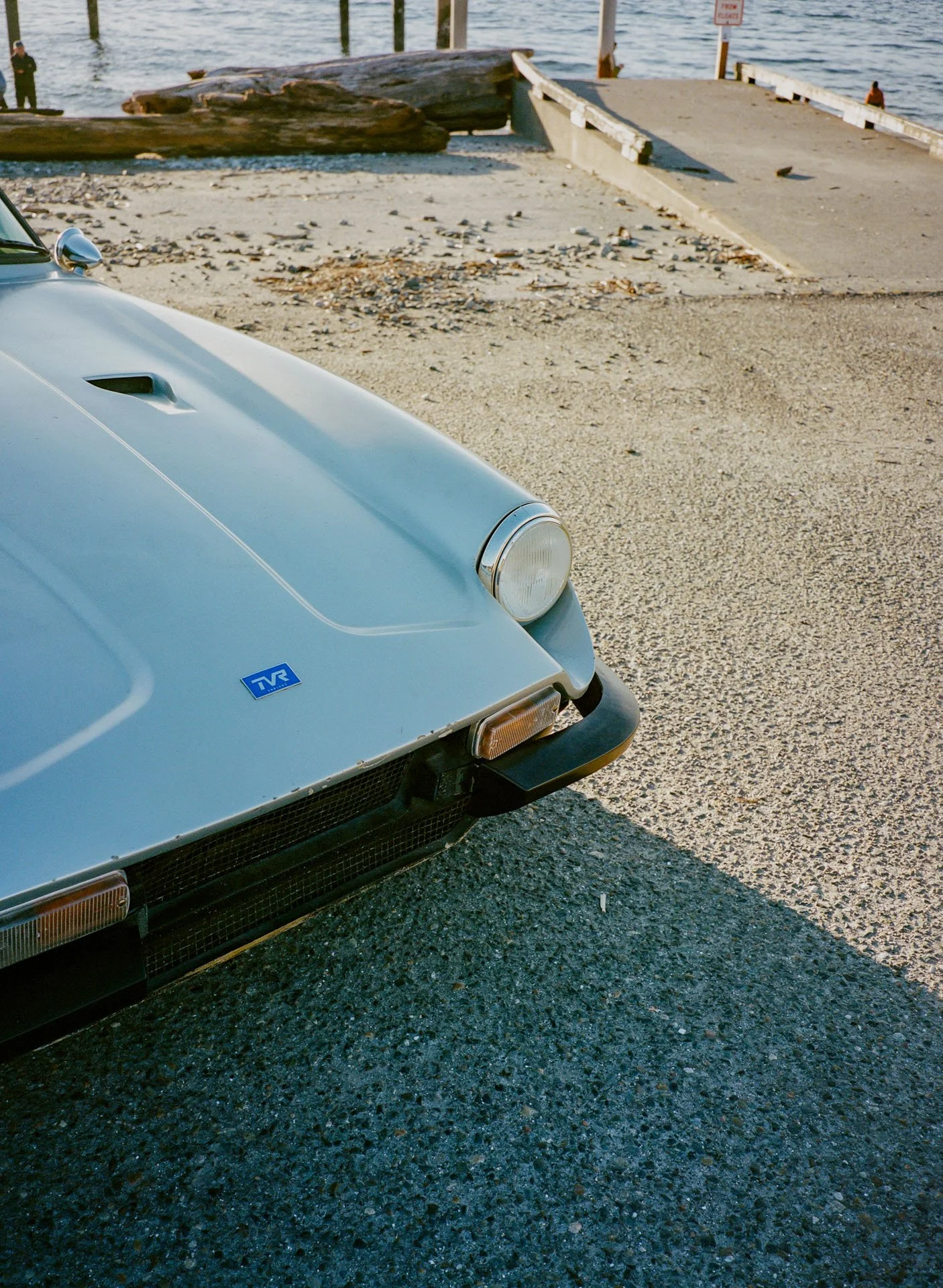
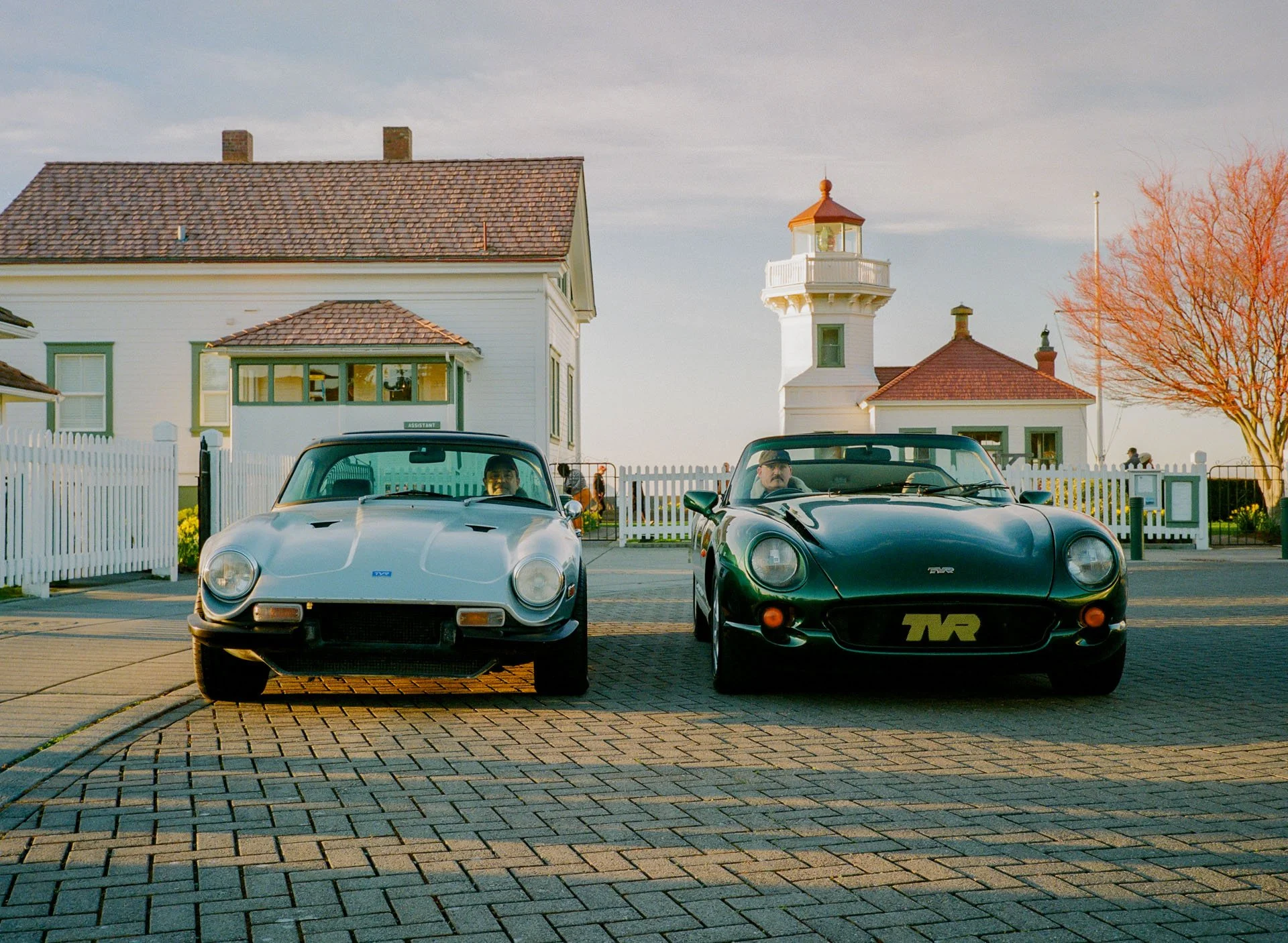
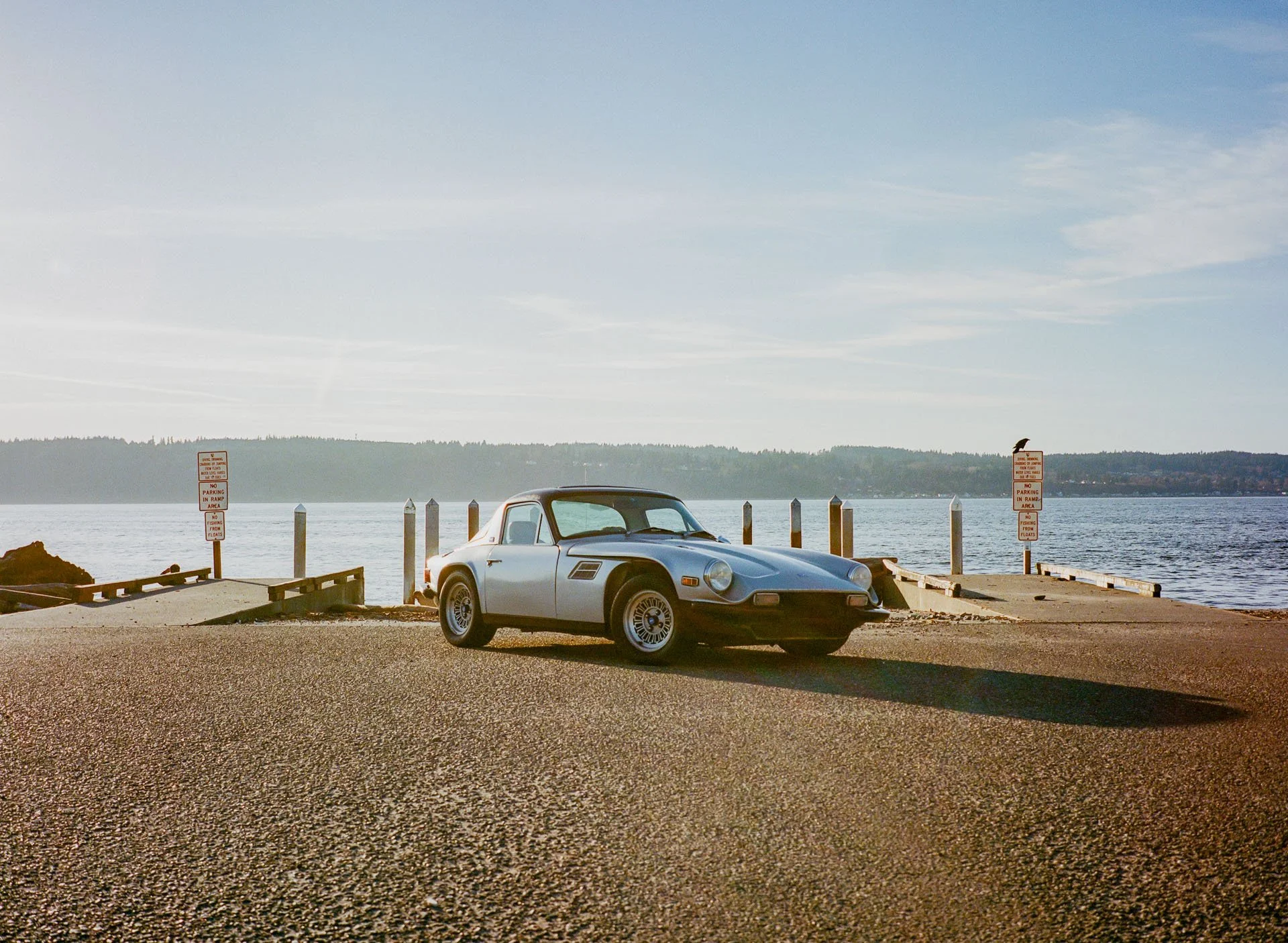
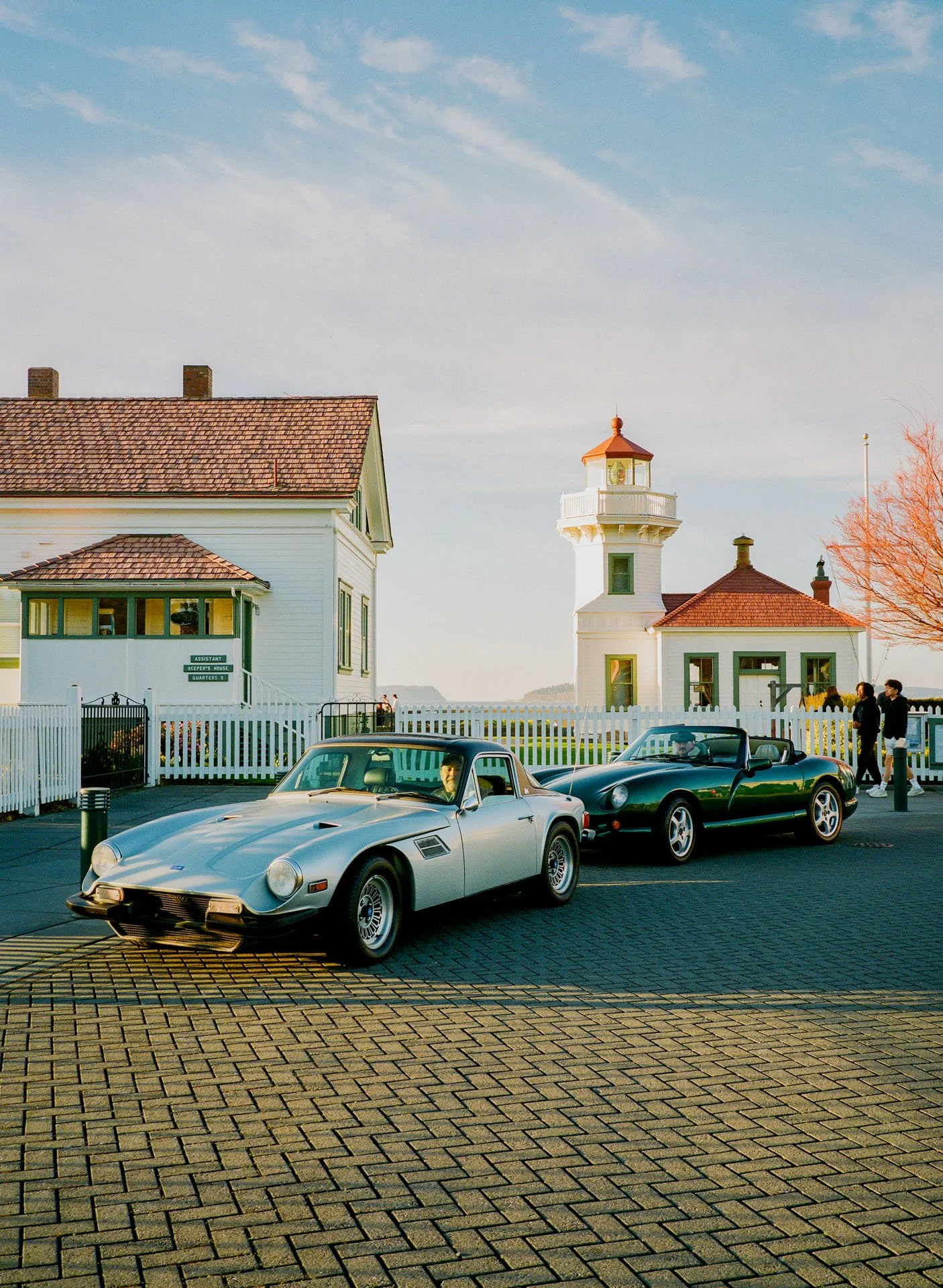
The two cars photographed in this article are the most well-known of all TVRs. The silver car is a 2500M, the highest-selling TVR in the U.S., with just under 1,000 sold. Similar to how the original Grantura was a lightened and rebodied MGA, the 2500M is a lightened and re-bodied Triumph TR6. Like all TVRs, a tube-frame chassis and fiberglass body make it faster and lighter than a TR6, while the two share a motor, transmission, differential, brakes, steering system, and taillights.
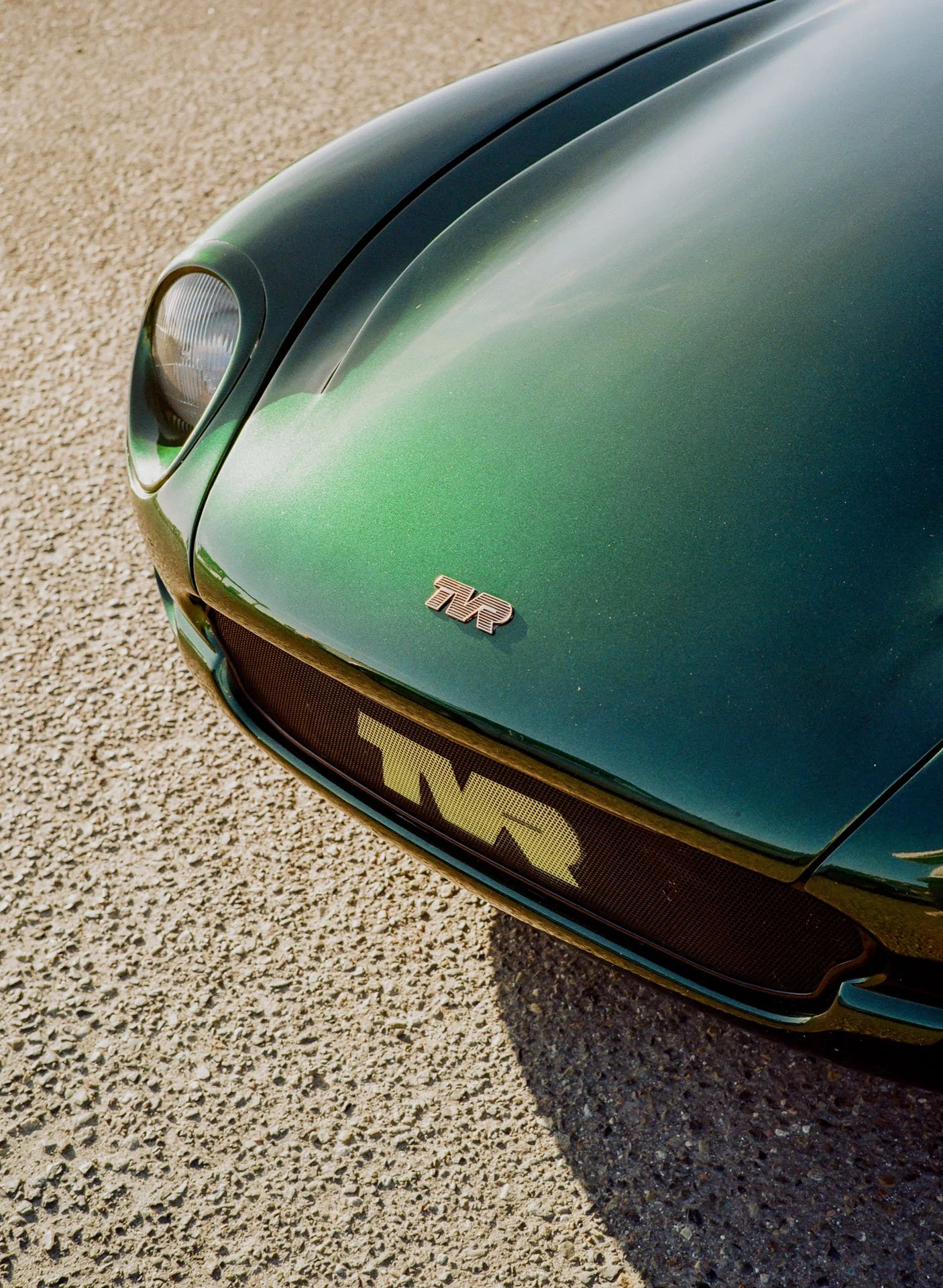
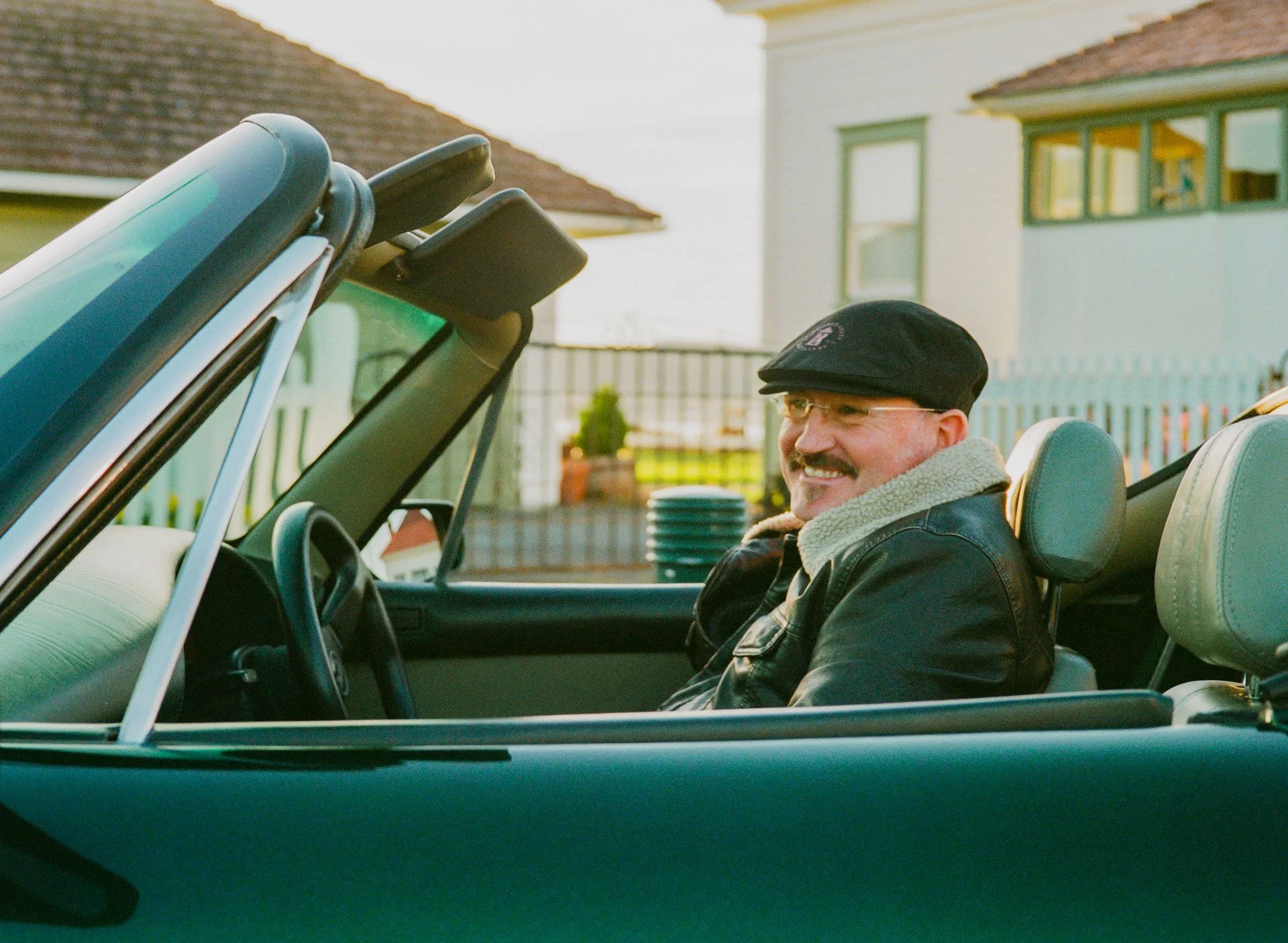
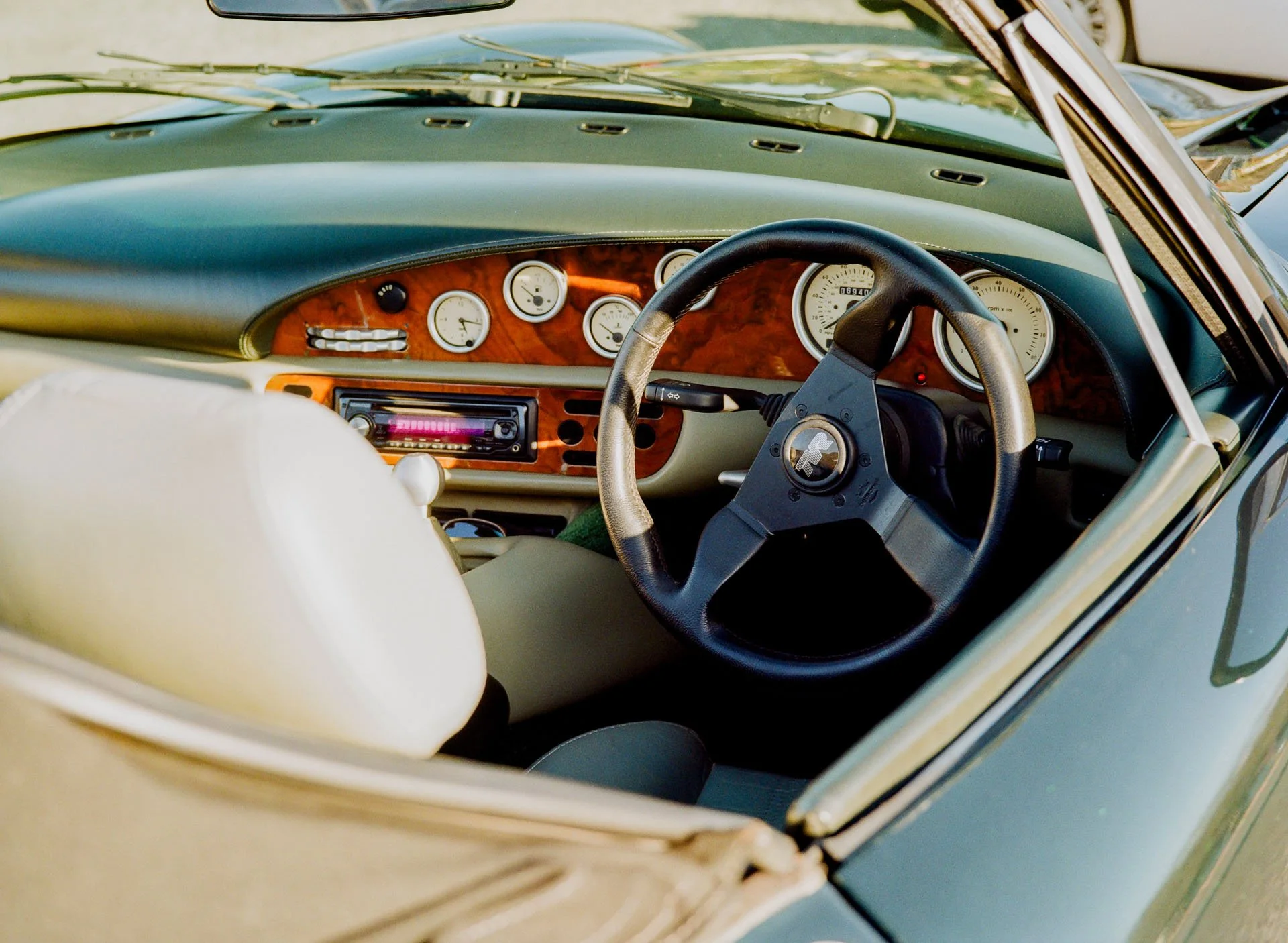
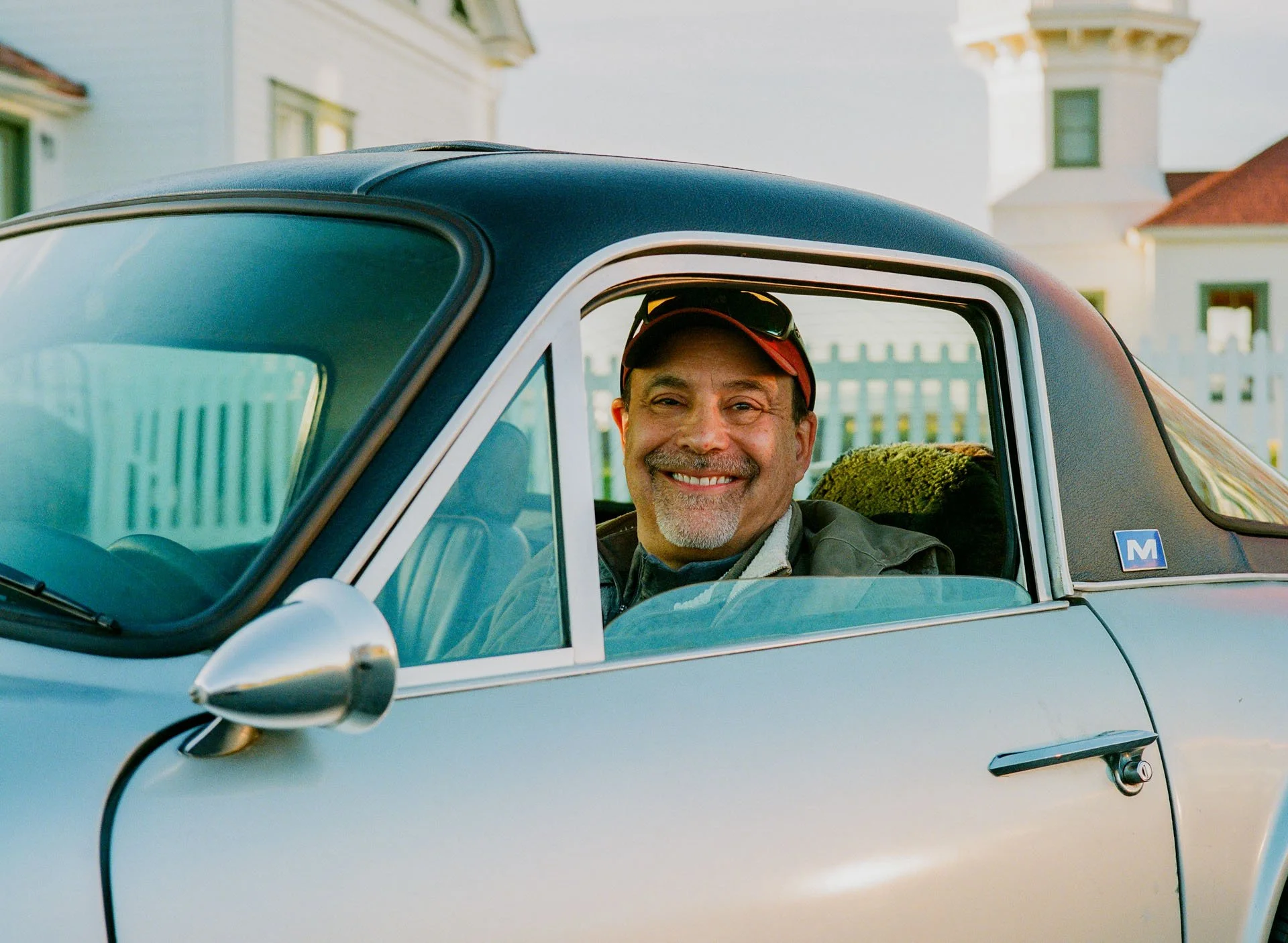
The green car is a 1996 TVR Chimera, owned by Dale Cannavan. The Chimera was the hot TVR of the ‘90s with more than 6,000 sold. Its motor, an all-aluminum Rover V8, is a nod to the great Griffith of the ‘60s, but a modern suspension geometry makes it a comfortable and capable touring car. Before the TVR, Dale owned an E46 M3, but being from the UK, something about the TVR just drew him in. “I grew up idolizing TVRs, and in the ‘90s even test drove one. But it wasn’t a practical car to drive every day,” said Dale. “When they hit the 25-year import mark, I started looking for a Chimera. They captivate you first with the low, lazy V8 rumble that wasn’t very common in the UK. Buying this one was really a young man’s dream fulfilled.” Dale’s Chimera is peak British muscle. The Rover V8 and lightweight design can accelerate the roadster from 0 to 60 in under five seconds, while TVR’s cost-cutting measures can be seen in the panel gaps. Despite this, the Chimera is a certified screamer and squarely accomplished TVR’s eclectic, go-fast mission.
TVR still exists today and is even accepting deposits for a new tube chassis, thirsty V8 Griffith designed by Gordon Murray. They may have refused to follow the unwritten British Sportscar Code of Conduct, but as a result, they have managed to stay alive while Triumph, MG, Austin Healey, and Jaguar have all been shut down or sold to a conglomerate. The secret to their survival? TVR has attracted the most passionate fans of any car brand; car fans like Dale who live for their go-fast and be slightly weird mission, fans who throughout their history could never stand idle and watch them die. TVR’s future will always remain uncertain, but as long as they stay true to their mission, we think they will be just fine.

