
A Three-Wheel Circus
The Reliant Robin
STORY | Evan Griffey
Photography | Stephen Mitchell
The three-wheeled Reliant Robin was no flash in the pan, but a stalwart of British motoring, as it enjoyed a 30-year production run from 1973 to 2002. In fact, it was the cost-leader and most popular model of the Reliant Motor Company lineup, which also included two other three-wheelers and about 10 four-wheeled vehicles. There were three generations of the tactile-smooth Robin. The Mk 1 from 1973 to 1981, then after an eight-year hiatus, the Mk 2 and its rectangular headlights in 1989, and the final iteration, the Mk 3 from 1999 to 2002. Weight distribution, center of gravity, steering geometry, as well as general physics made the Robin a touch tipsy in emergencies… Leave it to BBC’s Top Gear to illustrate this shortcoming.
The Top Gear Connection
“Oh no?... I’ve crashed it. I’ve crashed it almost immediately. I mean, literally, 20 feet,” exclaimed Jeremy Clarkson whilst hanging in his harness with the Robin resting on its side. The Robin was driven down a ramp in a self-storage facility in Sheffield; elapsed time seven seconds. Clarkson goes on to run down the car’s initial specs: 750cc engine, 32 brake horsepower, and “nought to 50 (mph) took 22 seconds… nought to 60 wasn’t really possible.” In 1975 the car was upgraded to an 850cc powerplant. To which Clarkson quipped, “this improved the acceleration enormously, but the consequences were catastrophic.” In the next scene, his Robin wheel-stands off the line and drives off the road on only the rear wheels, nose to the sky.
Later, Clarkson visits a Robin enthusiast gathering and, in classic fashion, enters the car park rolled and sliding on his side. Desperate for help, he asks the enthusiasts how to drive it, and the cheeky answer is “in straight lines, you don’t go round roundabouts.” On a more serious note, it was suggested that bags of cement be put on the passenger seat to better balance the car. Many Reliant owners are known for carrying big toolboxes for this reason. The club’s historian related that early Reliant Robins became popular with miners who fancied motorbikes but embraced the three-wheeler because it offered protection from winter weather and could be operated with a motorbike license, their preferred mode of transport.
Then Clarkson went back to rolling the Reliant, most notably during a mock live BBC newscast report. It should be noted that the car used on camera was rigged (weighted and fitted with mis-sized tires) to fall over easily. In a later episode, The Stig and Ken Block took to the test track in Robins, but neither hot-shoe could complete a full lap.

The Mr. Bean Connection
In the iconic British comedy series, Mr. Bean has a long-running feud with a blue Reliant Supervan III. In his first encounter, he simply runs the three-wheeler off into the grass, where it pirouettes onto its side. In a hilarious church scene, Mr. Bean is pictured backing his beat-up Mini into a parking place, and the viewer is shielded by a transit lorry with the camera showing both vehicles in profile. A thunk is heard and the blue Reliant is seen rolling out on the other side of the lorry.
This rivalry carried over into the animated Mr. Bean series that was produced from 2002 to 2019, long after the TV show ended in 1995. The driver of the car remained a mystery, and the use of the Reliant was rumored to be linked to Rowan Atkinson’s actual disdain for the car.
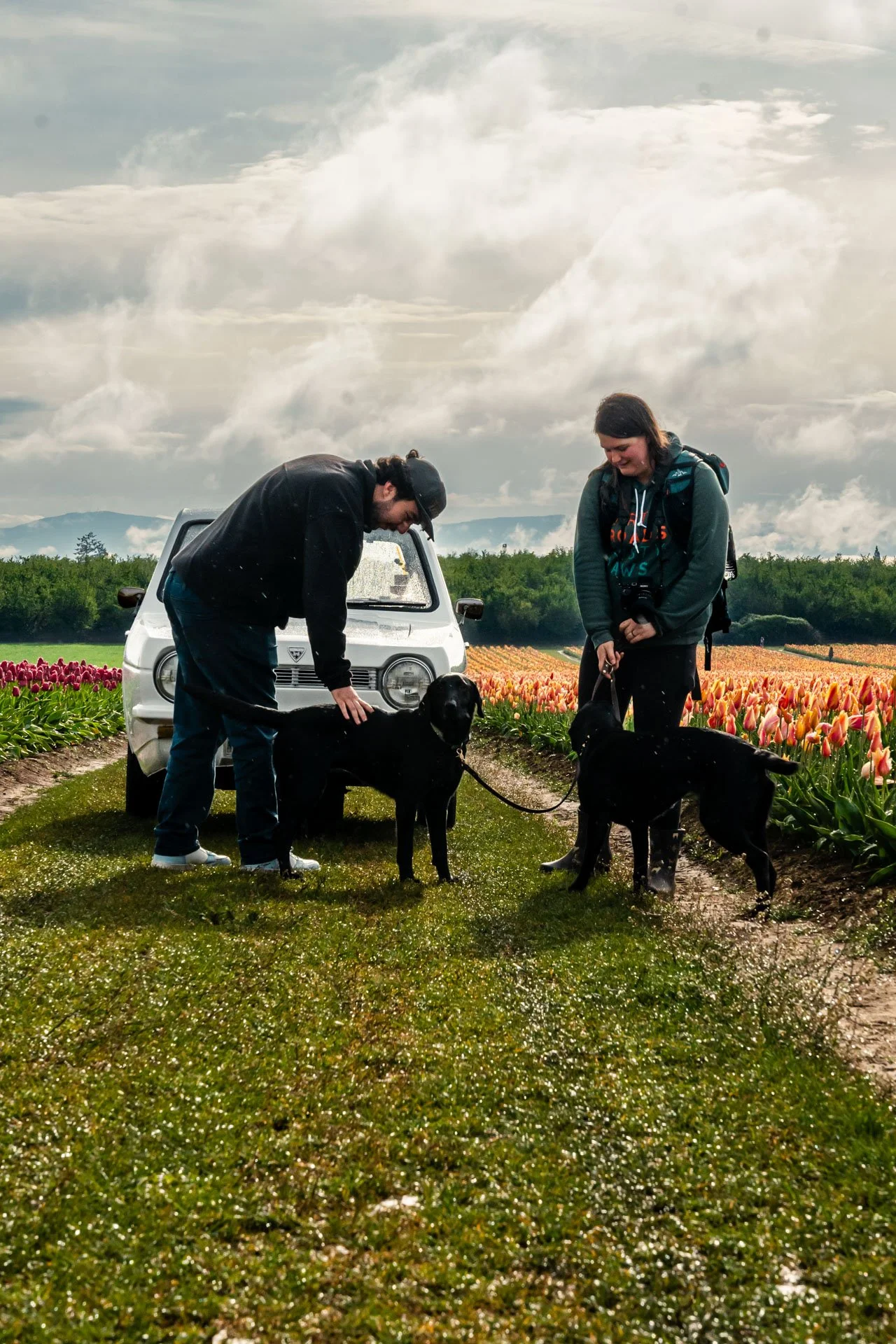
THE RELIANT ROBIN RACING PEDIGREE
Racing Robins? The punchline of an April Fool’s joke? Not exactly. Though never a legit racer in any way, it is documented that a group of three-wheelers did participate in Banger Racing, a traditional form of English motorsport. As the name implies, it’s rough-and-tumble racing where contact is part of the proceedings. Not exactly a demolition derby, the idea is to survive contact and complete a given number of laps.
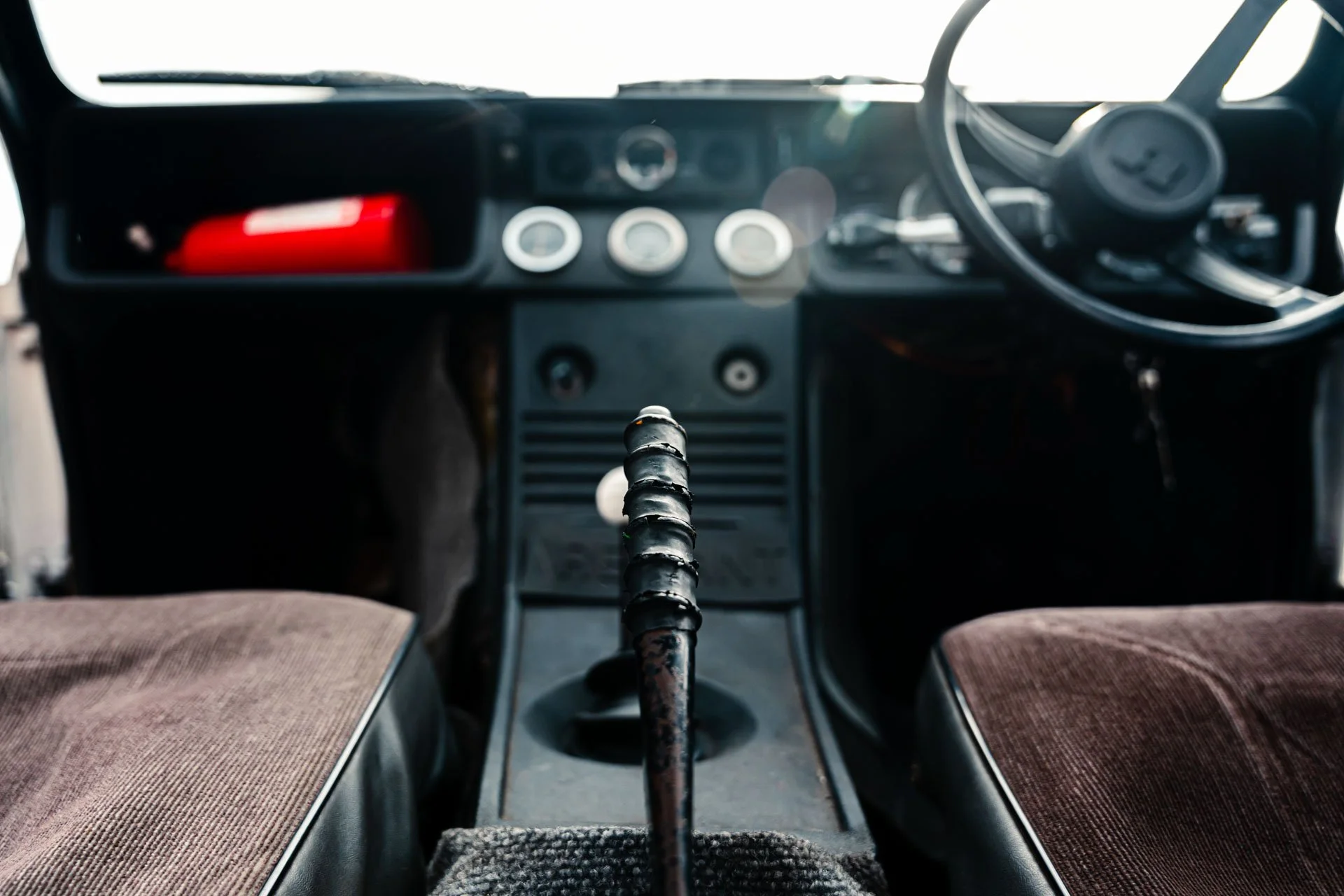
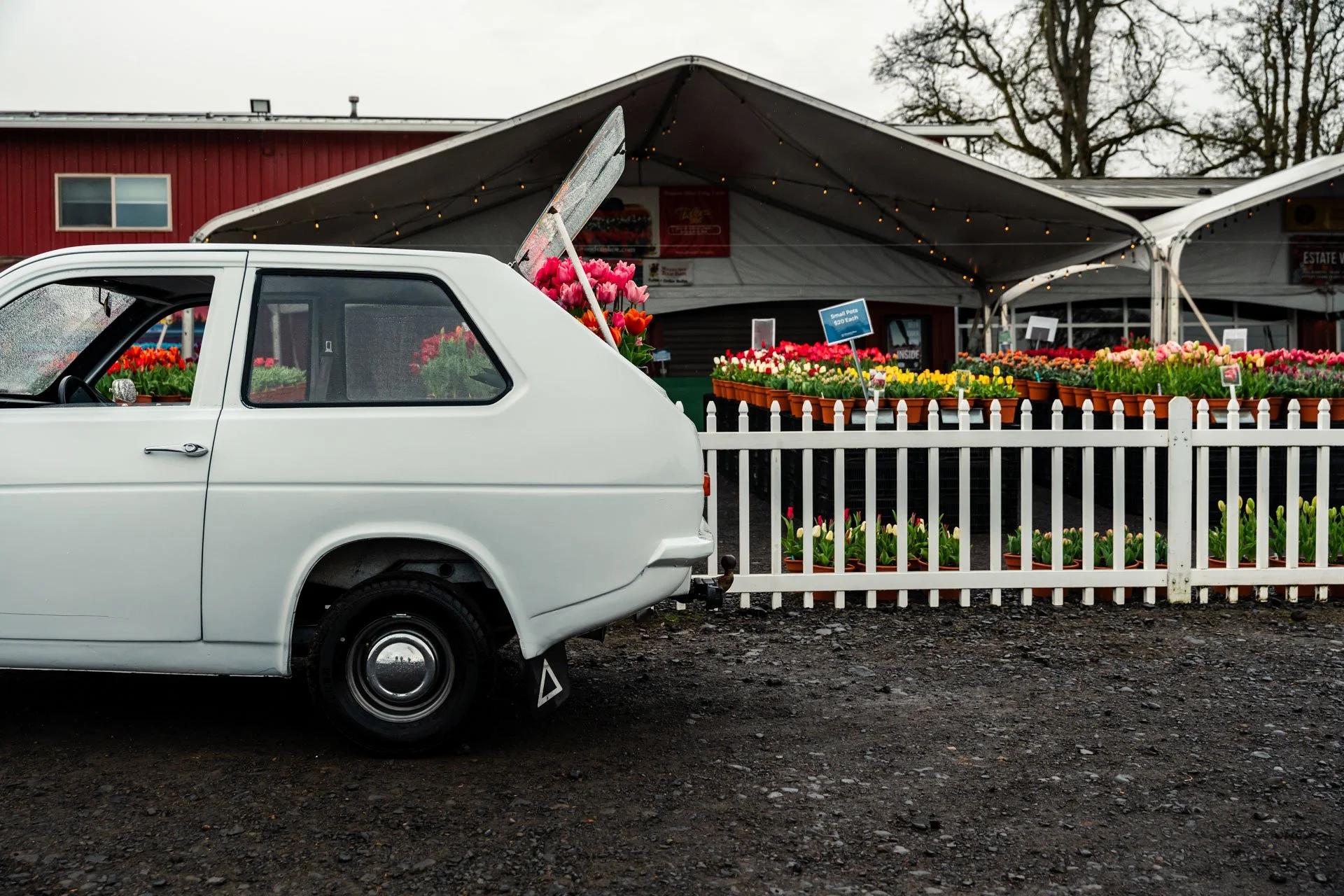
DUNCAN NODARSE’S 1976 RELIANT ROBIN
Let’s address the number one question, is the Robin stable at speed? “The Robin isn’t as tipsy as portrayed in that iconic Top Gear episode,” says Duncan (@mach5_go4_interceptor). “Obviously, if you want to flip it over you can, however I believe Robert Dunn from Aging Wheels defined the driving experience perfectly, ‘the reality is I’m constantly aware of the tipping hazard, not constantly afraid of it.’ You can floor it and jam through the gears without breaking the speed limit. Because of how incredibly lightweight it is (928 pounds), the Robin handles surprisingly well, but as mentioned, one has to remember there are three wheels.”
“When I’m daring enough to take the Robin on the freeway traffic will usually happily slow down to my 55 to 60 mph pace to snap pictures or take a look. I think first-generation Robins like mine look the best as the design was new and fit in relatively well with other British cars at the time—a time that will never come again.”

