
Back Country Renegade
Andrew Norman’s 1979 Jeep CJ-7
STORY | Evan Griffey
Photography | Travis Gallatin
Taming the trail in the late 1970’s didn’t get much more serious than the Jeep CJ-7. This is an era before they were called Wranglers. A time they still had a grasp of their hard-earned military-grade ruggedness without a hint of the Yuppie Jeep civility that was coming in the ‘90s with the Wrangler YJ.
The CJ-7 is the seventh generation of the high-riding rig and it’s considered by many to be the sweet spot for late-model Jeeps. It sported a 10-inch longer wheelbase than the CJ-5 to accommodate an automatic transmission. This lengthening netted a 15-inch increase in overall length and necessitated engineering an all-new frame consisting of two parallel longitudinal main C-section rails. The new frame design included widening the rear section of the chassis to allow for the mounting of springs and shock absorbers closer to the outside of the body, improving vehicle handling and stability through enhanced lateral stability and reduced body roll. These updates made the unruly Jeep more practical off the trail and broadened its appeal.
Despite all the attention paid to the undercarriage, the interior retained its stark, bare bones aura with a lonely center-mounted cluster and few other creature comforts. There were three powerplants in the Jeep arsenal at this time; a 145 cubic-inch (2.4-liter) four banger, a 258-inch (4.2-liter) straight six, and the top dog, an AMC 304 cubic-inch (5.0-liter) V8. The CJ-7 hit the trail in 1976, and its production run spanned 11 years, ceasing in 1986 with around 379,000 units produced.
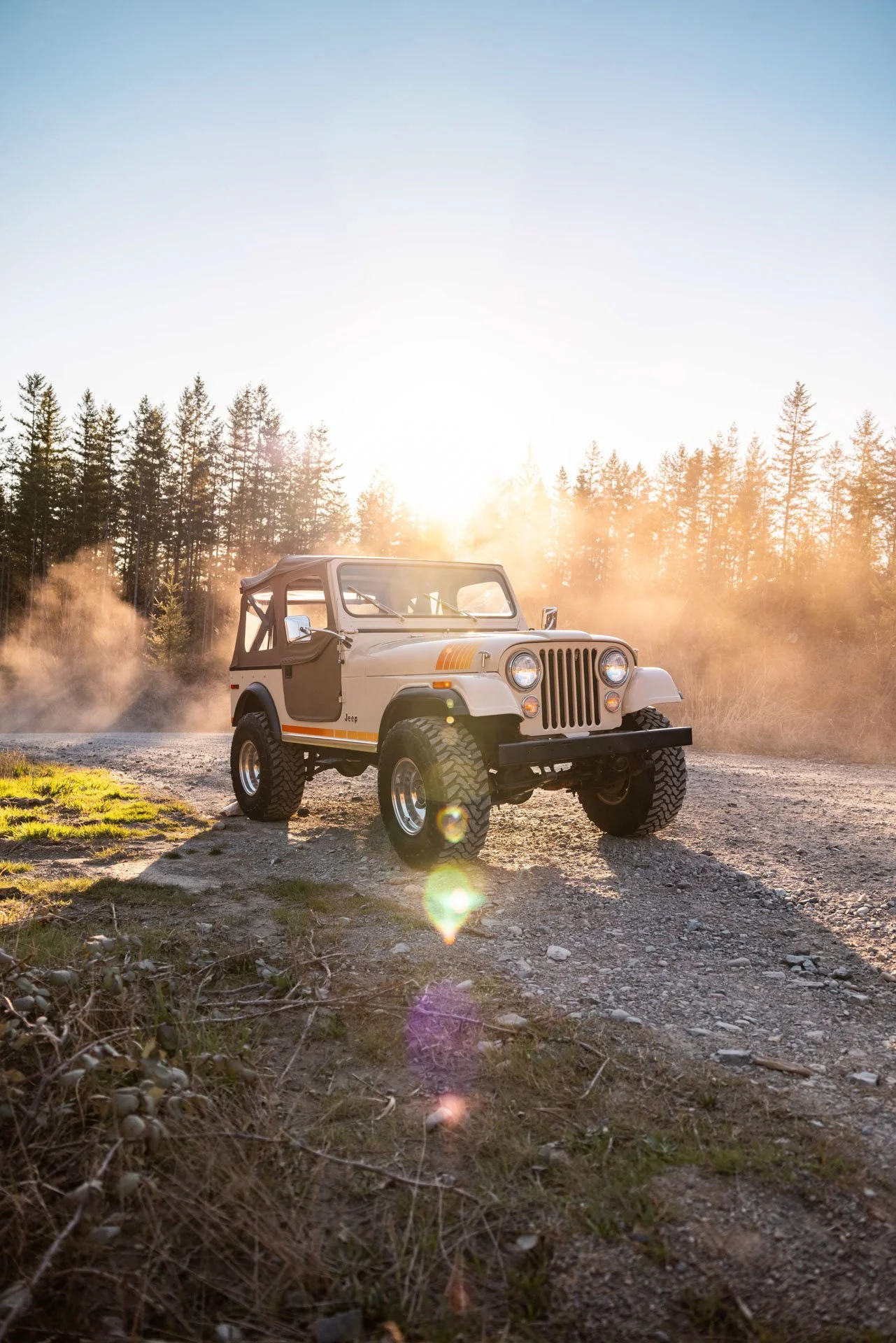
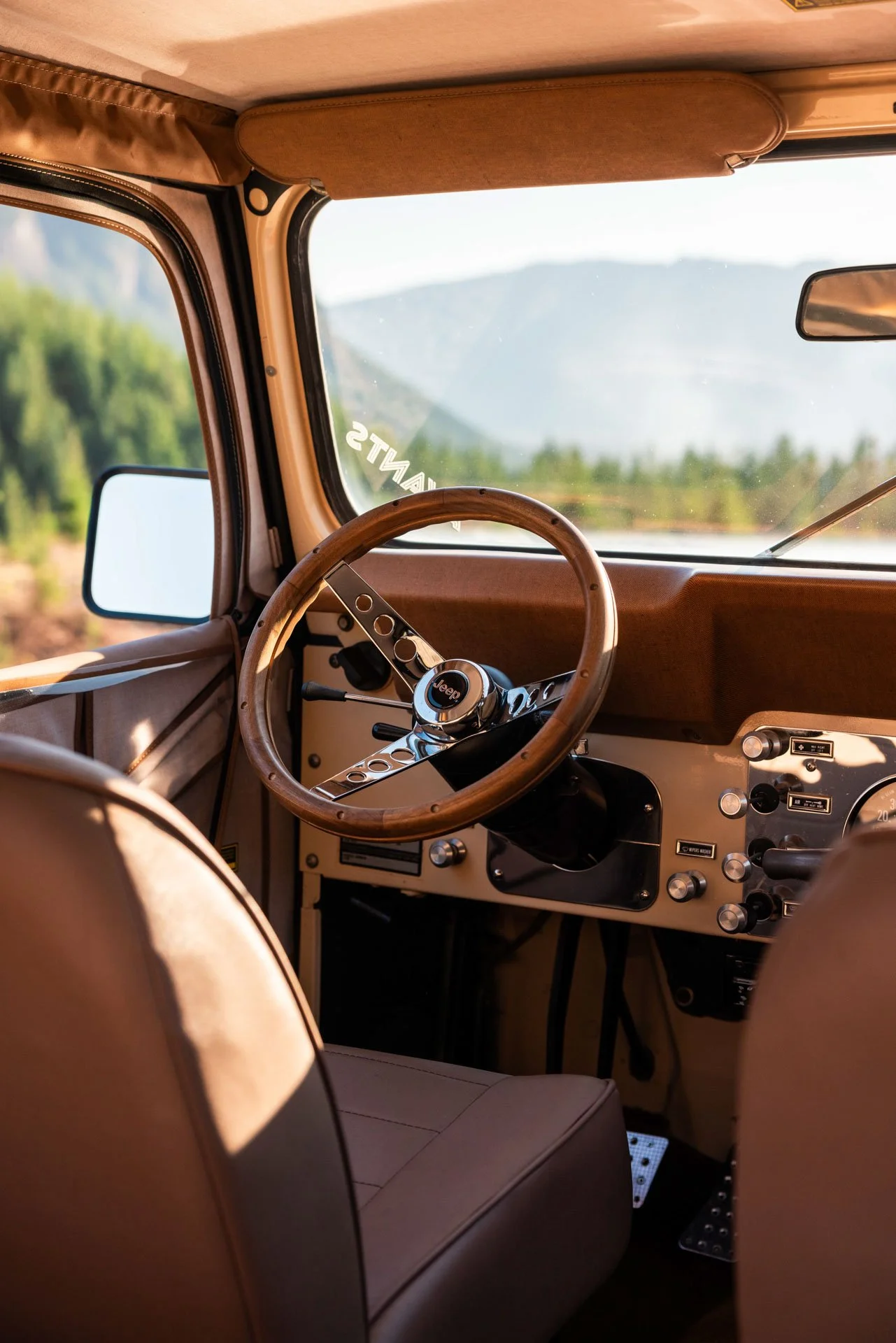
RENEGADE TRIM PACKAGE
The 1979 Renegade package offered a range of enhancements for the Jeep CJ-7, including denim-covered front bucket and rear bench seats, eight-inch wide white-spoked wheels with Goodyear Tracker all-terrain tires, a sport steering wheel, roll bar, swing-away spare tire carrier, wheel lip extensions, rocker panel molding, courtesy lights, and various other features. Buyers could choose between the 258-inch inline-six as the base engine or upgrade to the more powerful 304-inch V8. Transmission options included a standard three-speed manual (T-150), a four-speed manual (T-18), or a three-speed automatic (GM TH400).
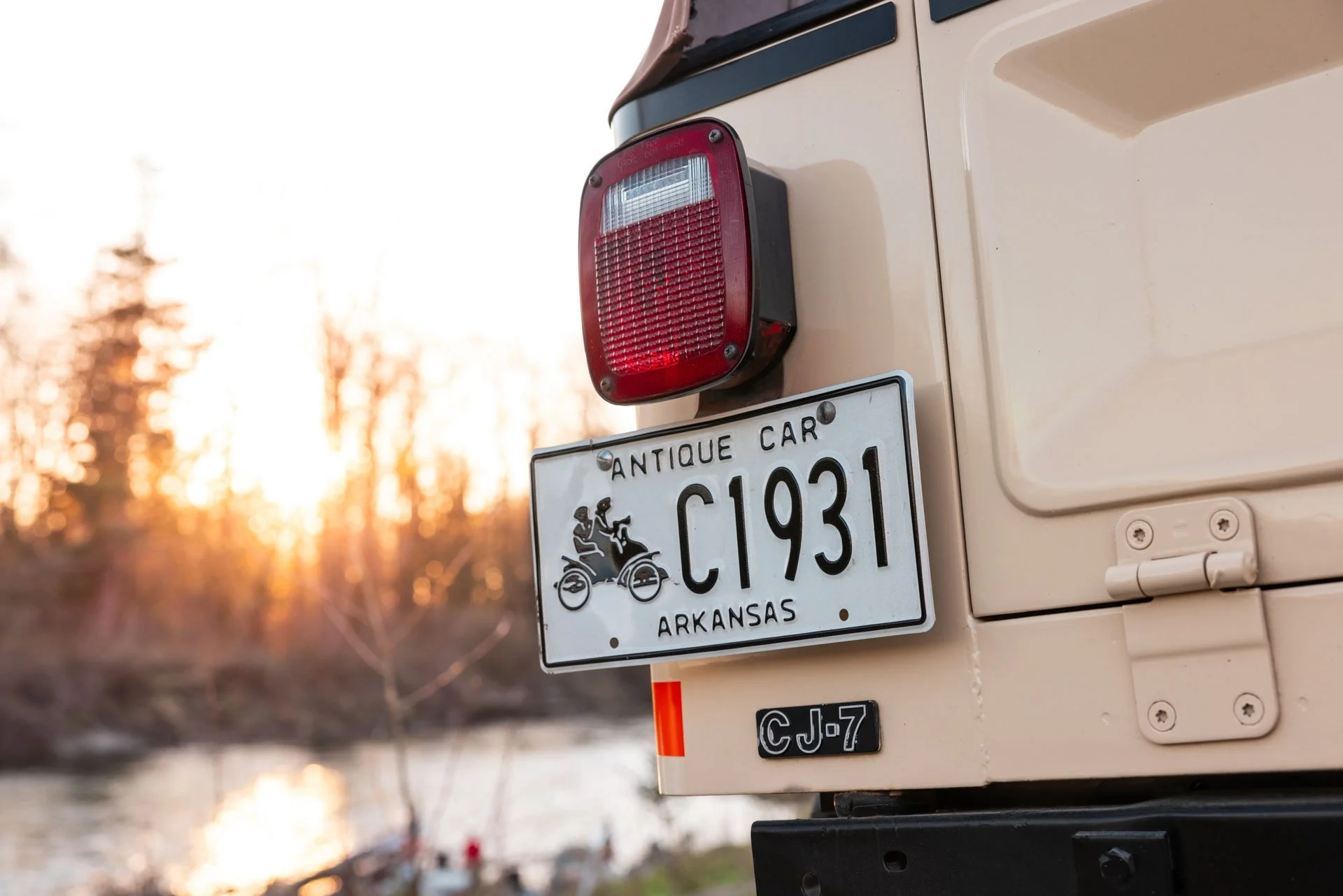
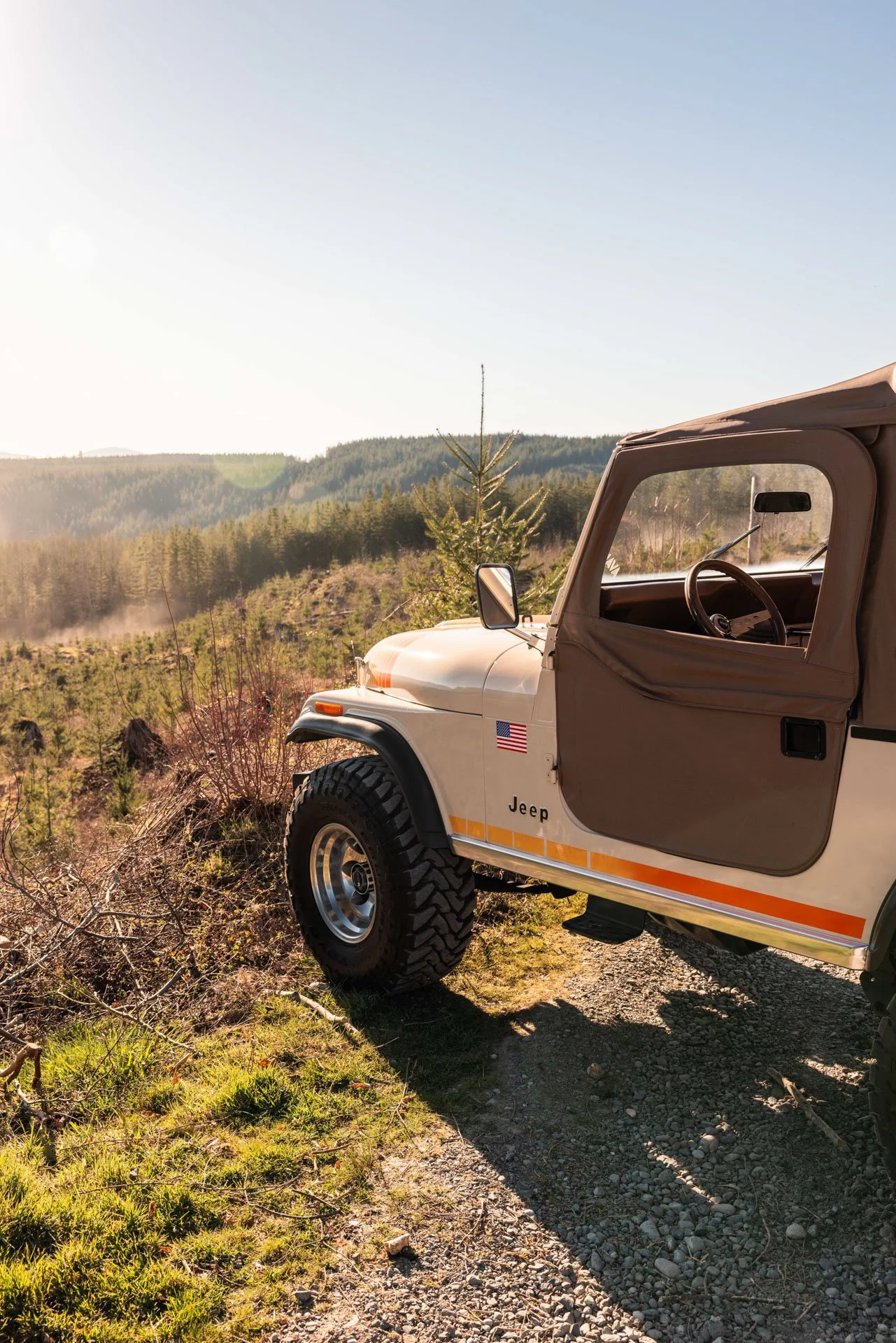
ANDREW NORMAN’S 1979 CJ-7 RENEGADE
Andrew Norman’s CJ-7 has strong family ties. Andrew, a principal at Colibri Capital, an official Avants partner, says the saga started nearly 20 years ago when he and his now wife met her family over the holidays in Arkansas. “Her father and I were talking cars, and I gave him a short list of my all-time favorites. Turns out, he loved CJ’s too. We had a long talk about Jeeps and what made them great, and having grown up in SoCal how I saw them as something of a cultural icon. The next day, he took me for an outing and surprised me by showing me what is now known in the family as “Daisy” in original condition sitting in storage. He purchased the Jeep from the original owner in South Texas… and he specifically bought a ‘79 because that was the year my wife was born. Nearly a decade later we purchased a family home in Arlington, Washington and he surprised me by shipping the Jeep up to the PNW. I made it my mission to restore all the cosmetics but keep it as original as possible while doing so. He’s since said the Jeep is mine, but we never really own these types of vehicles… we just care for them until they’re passed on to the next generation.”
The regal CJ soaks up the sun in all its glory and runs as good as it looks, so Andrew has no hesitation jumping behind the wheel and hitting the road. “There is nothing really like it… the driving experience is terrible. These Jeeps bounce like crazy, are so squirrely it’s hard to keep them on the road, they reek of burnt fuel, and they are noisy as all get out. And that’s the point! You cannot afford to do anything else but drive them… no talking on the phone or attempting to multitask, lest you wind up in a ditch, or worse, on your bonnet.
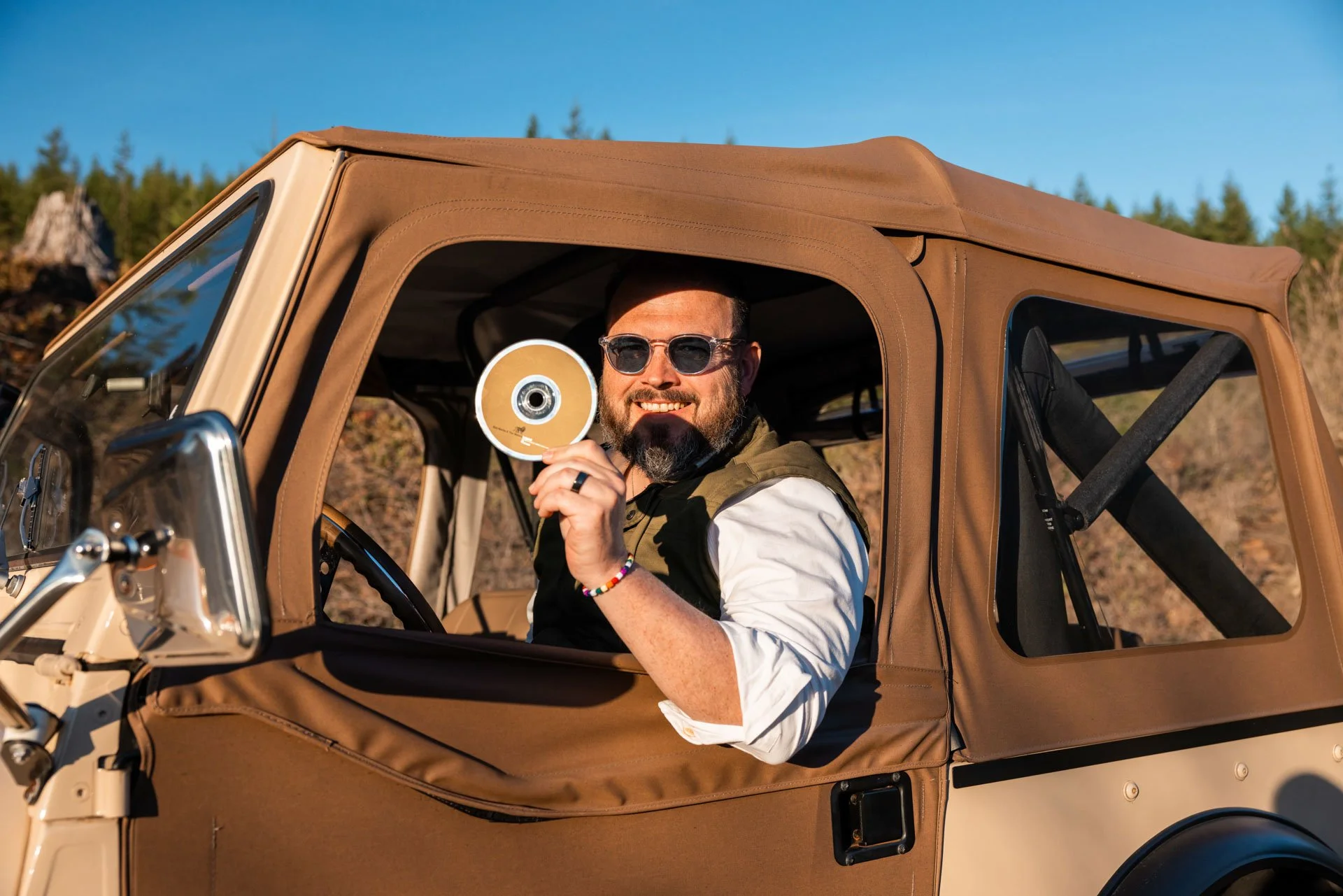
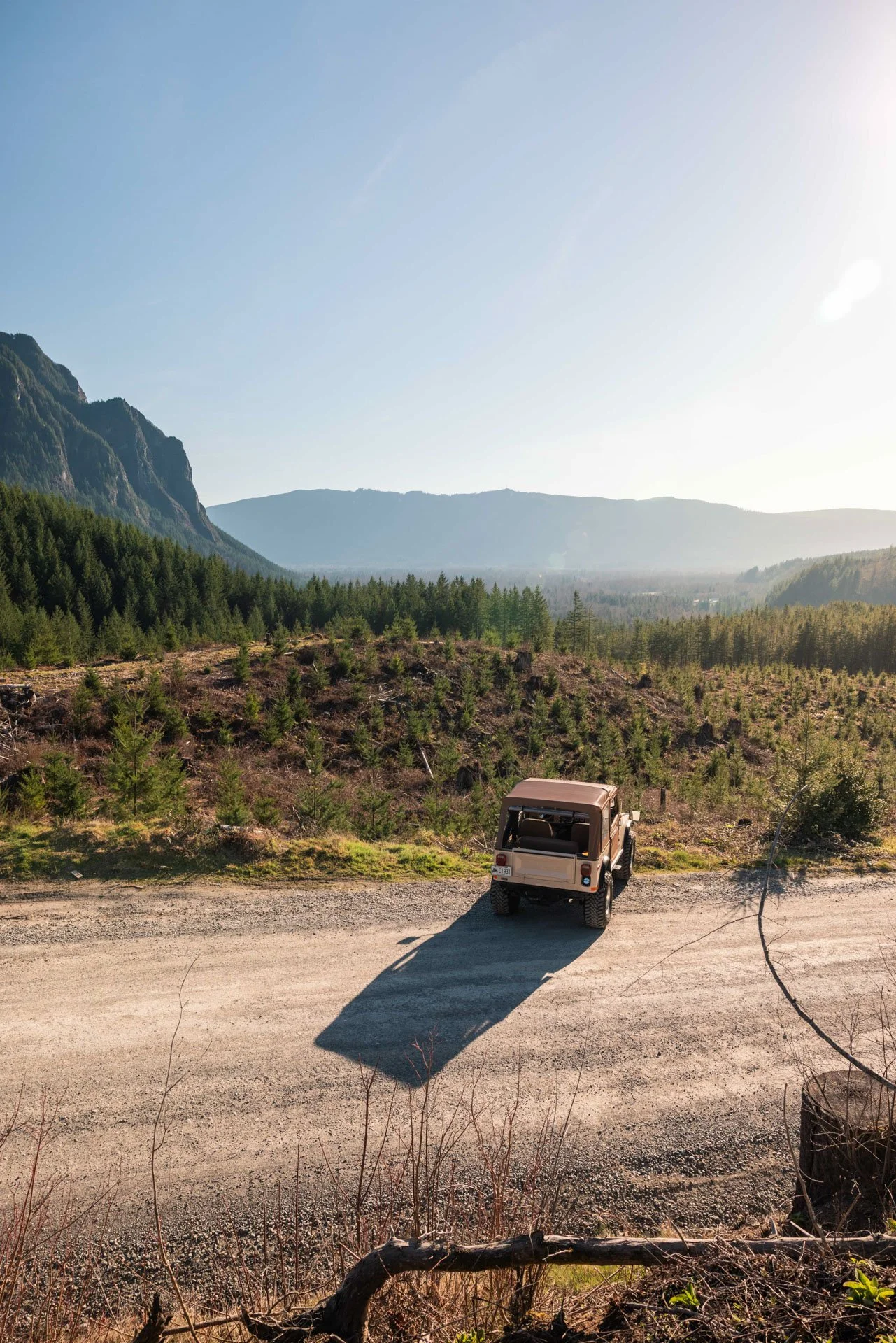
More than durable, this era of Jeep vehicles were built to last forever. “I would also say the availability of parts and the ease of wrenching on them are key,” says Andrew. “I don’t consider myself a mechanic by any means, but I can pick up parts from most auto parts stores and none of the maintenance is overly complicated, and basic stuff is all I do. This is largely due to fellow Avants member Mark Glenwood of 7 Lakes Motor Sports, who’s kept Daisy in great shape over the past decade.”
Looking forward, Andrew plans to share the Jeep with his children, their friends, and anyone that wants to go for a ride on the country backroads we have in abundance here in the beautiful PNW. He admits at some point the CJ will need a new engine and powertrain, but for now, he’s making the most of what Daisy has to offer. That’s a solid plan in our book.

