
From Concept to the Corner Store
Tim Scianamblo’s 1972 Alfa Romeo Montreal
STORY | STEIN BROEDER
Photography | STEPHEN MITCHELL
Enigmatic might be the best word to describe the Alfa Romeo Montreal. From its history to its design, the car exudes an air of mystery.
It is a rare and exotic beauty that combines the soul of a concept car and the heart of a race car. It was born out of a design challenge for the 1967 World Expo in Montreal, Canada, and became one of the most desirable and distinctive GTs of the 1970s.
This example belongs to Tim Scianamblo, from Bend, Oregon. His success as an entrepreneur has helped him build quite a car collection. Growing up in the 1960s, he was always interested in cars, especially futuristic car designs. “As a kid, I was always looking at car magazines and they would feature cars of the future, which I loved. I was always fascinated by the designs,” said Scianamblo. So, it’s no wonder the Montreal caught his eye. It just happened a little later in life.
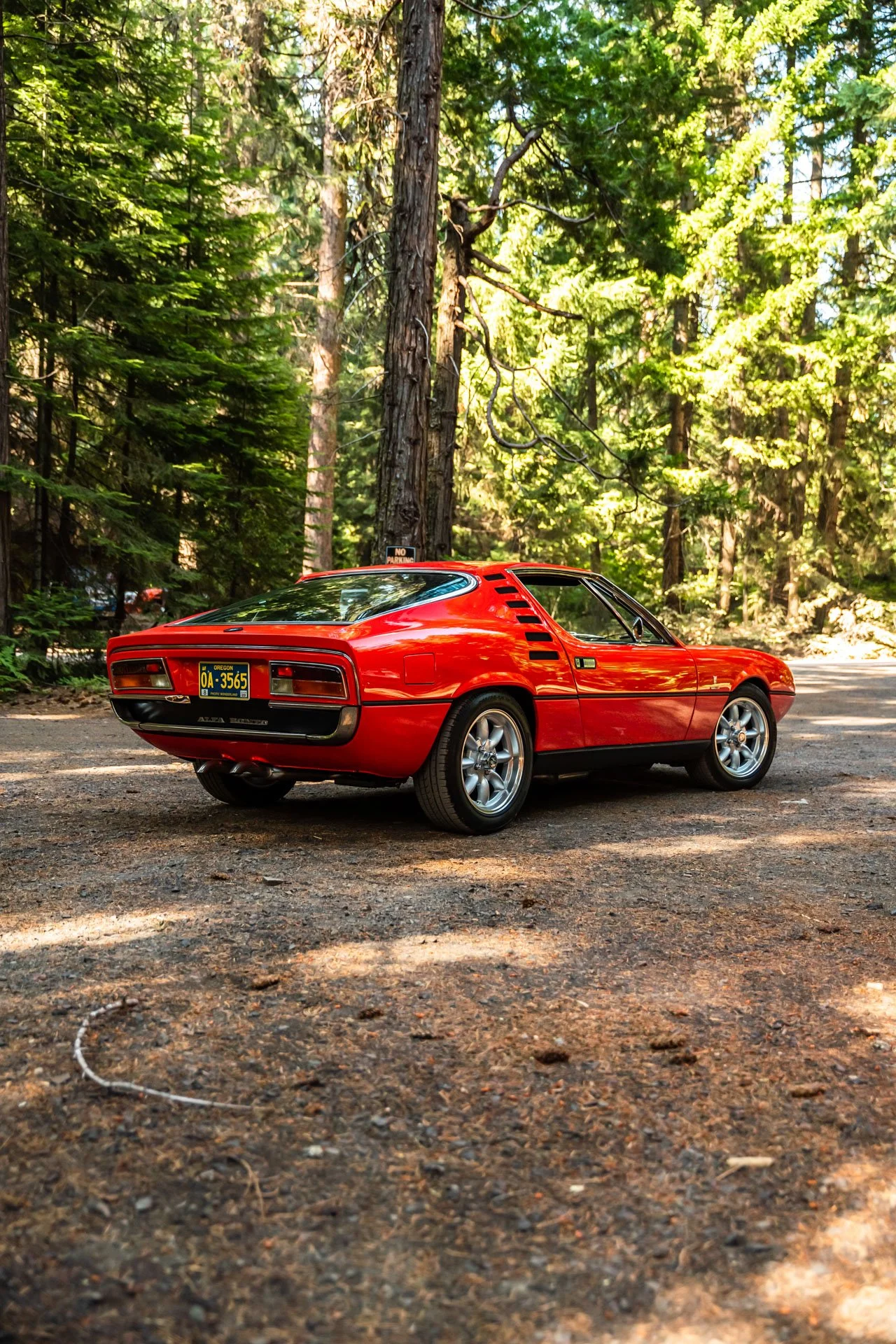
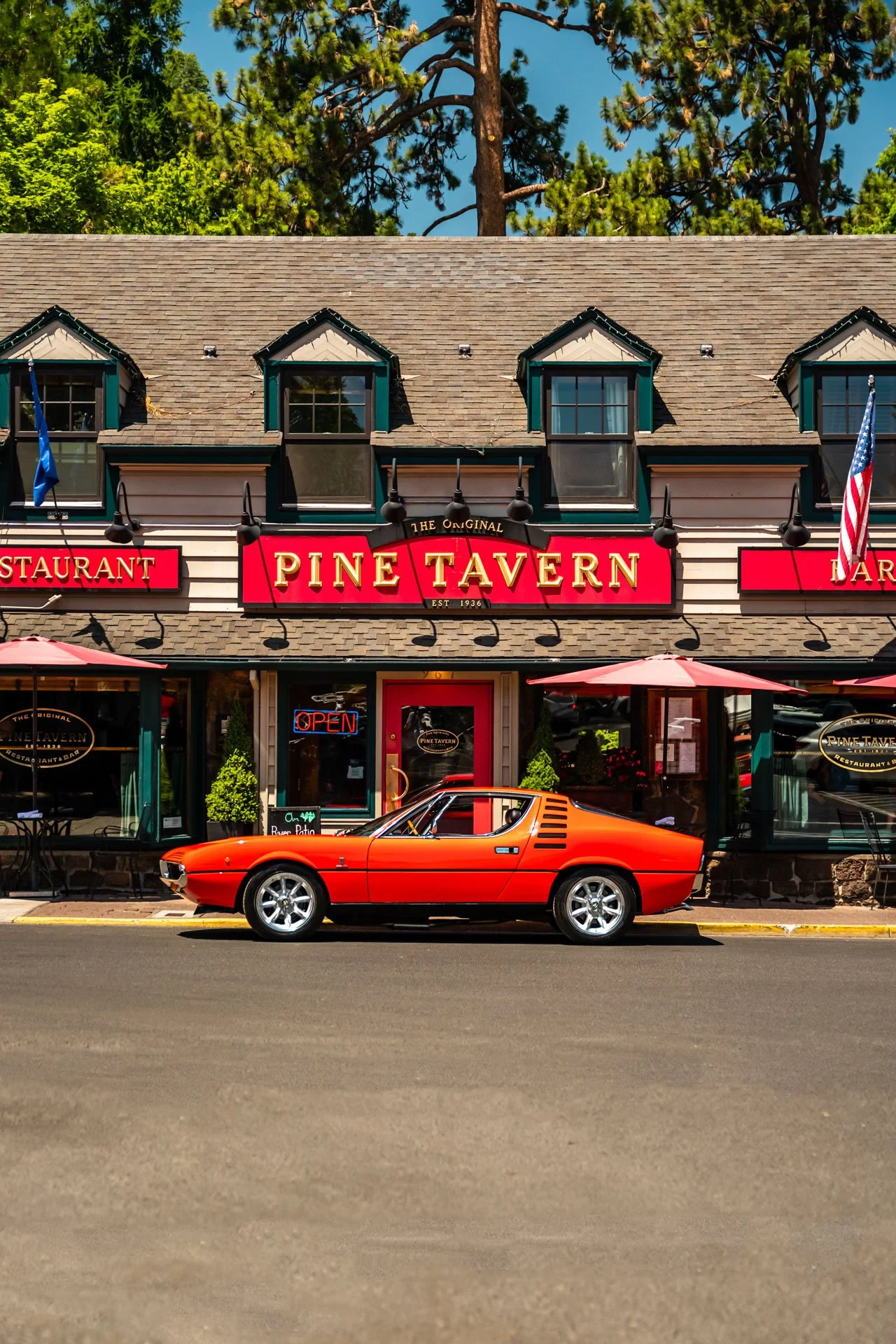
Like many car enthusiasts, Scianamblo watches Jay Leno’s Garage, and it just so happened that Leno was featuring the Montreal during one particular episode a few years ago. “If you can believe it, I wasn’t familiar with the Montreal until I saw it on Jay’s show,” said Scianamblo. “He was talking about it being a Gandini car and how rare it was, and at that point I knew I had to find one for myself,” he added.
His extensive search led him to Stockholm, Sweden, where he located this example. While cosmetically sound, it did require some mechanical restoration, which Scianamblo, along with some of his mechanic friends, were able to do themselves. “What makes it so unique is that it kind of has two personalities. It’s super-fast, yet it is still very practical. You can take it racing or to the corner store,” said Scianamblo.
The story of the Montreal begins in 1966, when the organizers of Expo 67 asked Alfa Romeo to create a car that would “express man’s ultimate aspirations in the field of motorcars.” Alfa Romeo turned to Carrozzeria Bertone, the famous Italian coachbuilder, and entrusted the project to a young designer named Marcello Gandini, who had already created the stunning Lamborghini Miura.
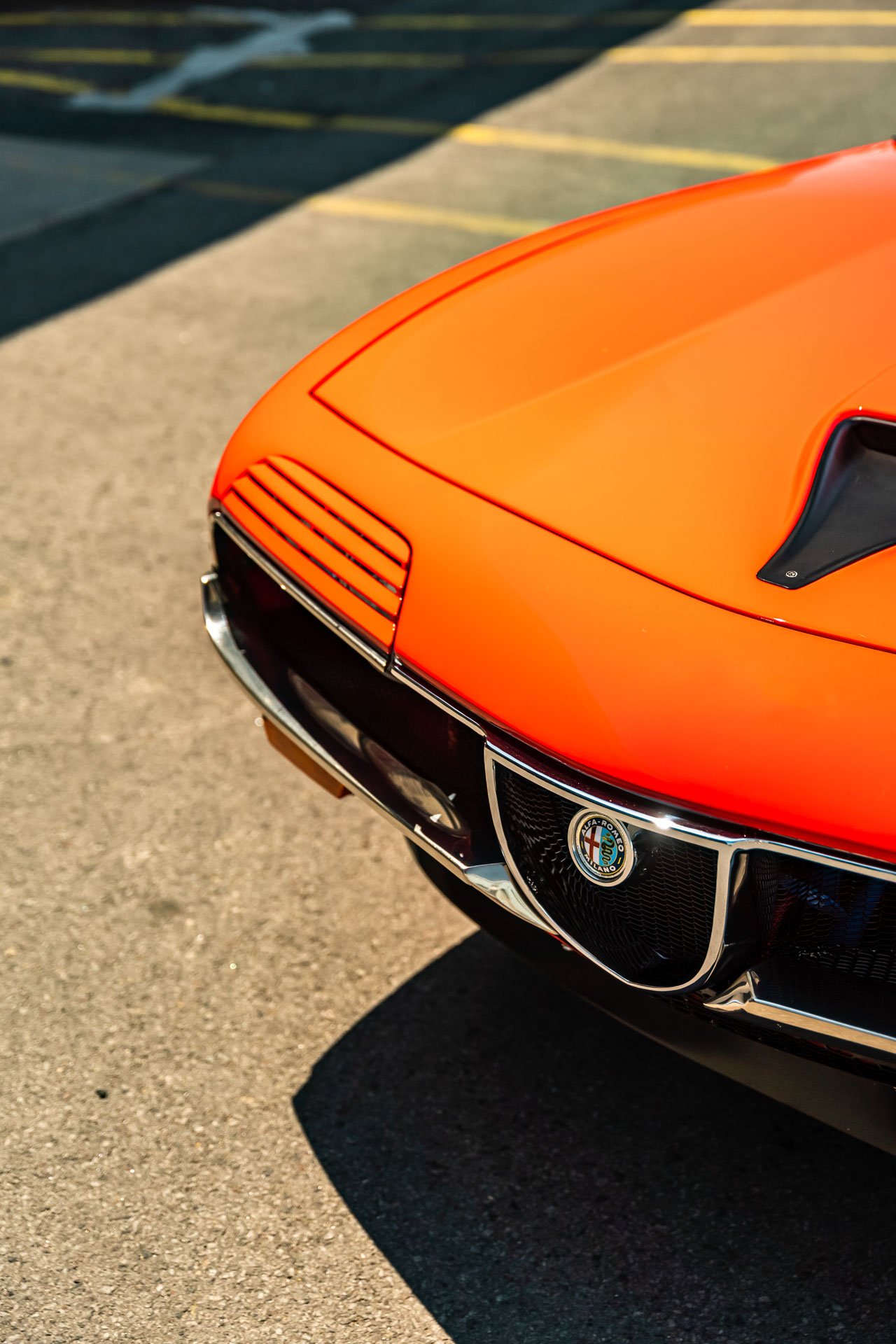
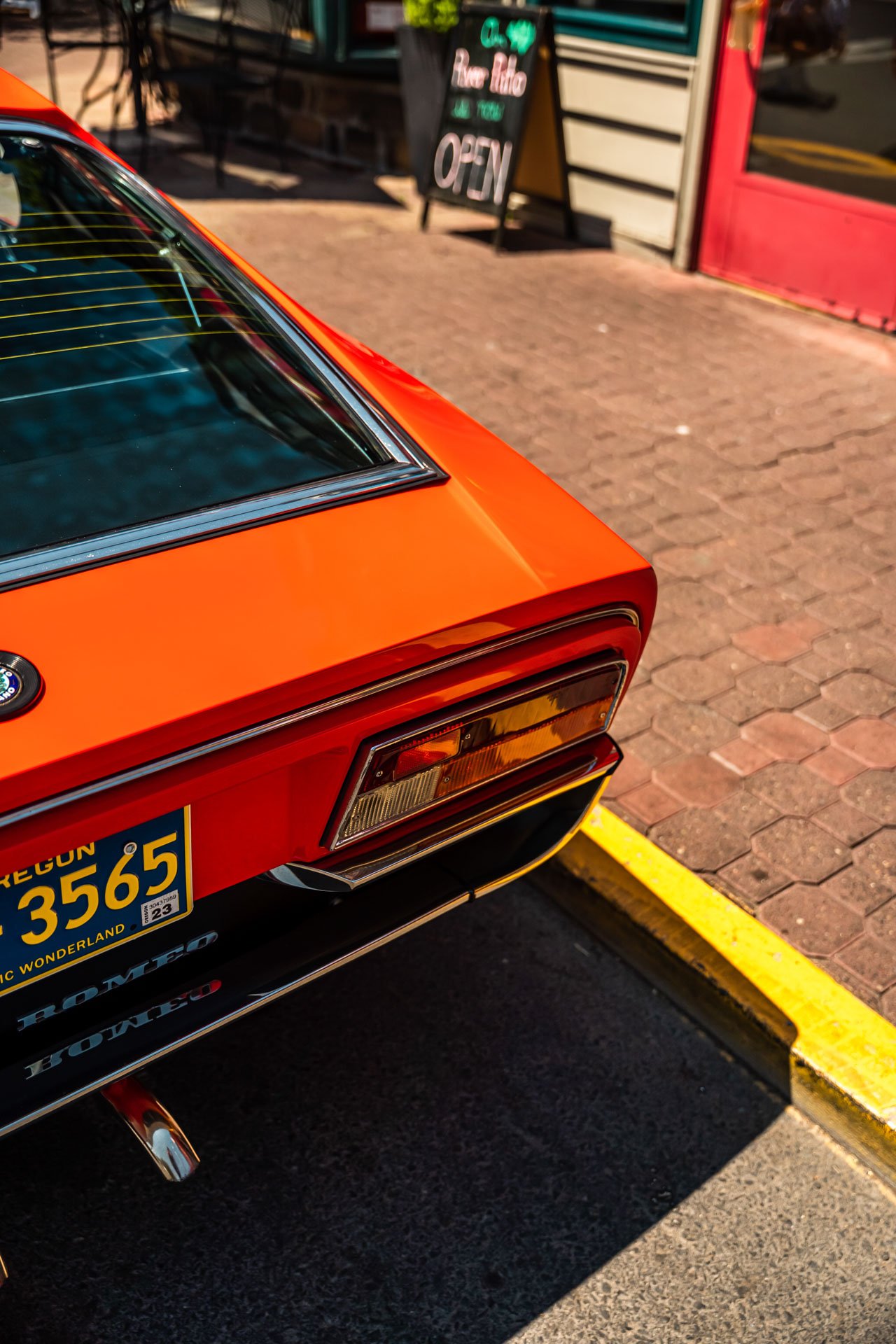
Gandini and his team worked on a tight deadline and produced two prototypes based on the Giulia Sprint GT chassis and the 1.6-liter four-cylinder engine of the Giulia TI. The result was a sleek and futuristic 2+2 coupe that featured a low-slung fastback body, partially concealed headlamps, large slats on the B-pillar, and a NACA duct on the bonnet. The car was simply called the Alfa Romeo Coupé, but the public soon nicknamed it the Montreal, after the city where it was first displayed.
The Montreal was a huge success at Expo 67, attracting more than 50 million visitors and rave reviews from the press. Alfa Romeo decided to put the car into production, but realized that the original engine and chassis were not suitable for a high-performance GT. The company looked for a more powerful and sophisticated solution, and found it in the racing department of Autodelta, led by Carlo Chiti, a former Ferrari engineer.
Chiti had developed a new 2.0-liter V8 engine for the Tipo 33 sports prototype racer, which also spawned a street-legal version called the Tipo 33 Stradale. This engine was a masterpiece of engineering, featuring a 90-degree angle, four overhead camshafts, dry-sump lubrication, and a cross-plane crankshaft. It produced 230 horsepower and could rev up to 10,000 rpm.
Alfa Romeo adapted this engine for the Montreal, enlarging it to 2.6 liters and reducing the compression ratio to 9:1. The engine was also equipped with a mechanical fuel injection system by Spica and a dual ignition system using Bosch CDI boxes and Marelli dual-point distributor. The result was a smooth and torquey powerplant that delivered 200 horsepower and 235 Nm of torque, enough to propel the Montreal from 0 to 100 km/h in 7.4 seconds and to a top speed of 220 km/h.
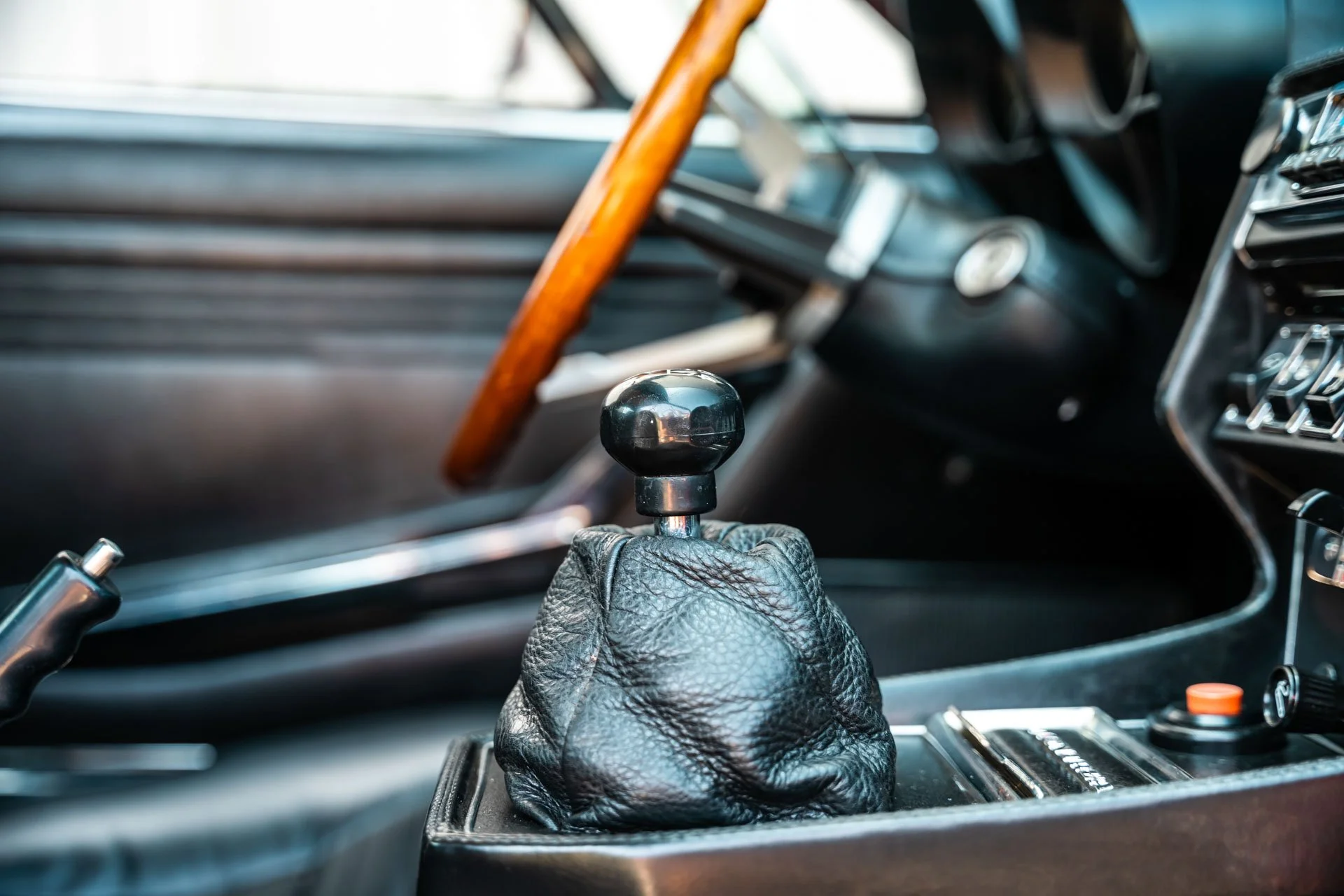
The engine was mated to a five-speed ZF manual gearbox and a limited-slip differential, and mounted in a modified Giulia GTV chassis. The suspension was composed of double wishbones with coil springs and dampers at the front and a live axle with coil springs and dampers at the rear. The brakes were discs all around, with a vacuum servo. The steering was a recirculating ball type, with a variable ratio. The production version was unveiled at the 1970 Geneva Motor Show, and was largely faithful to the original concept, except for some minor changes. The headlamps were now fully retractable, the slats on the B-pillar were reduced in number, and the NACA duct was blocked off. The car also gained a chromed front grille, a pair of air intakes on the bonnet, and four exhaust pipes.
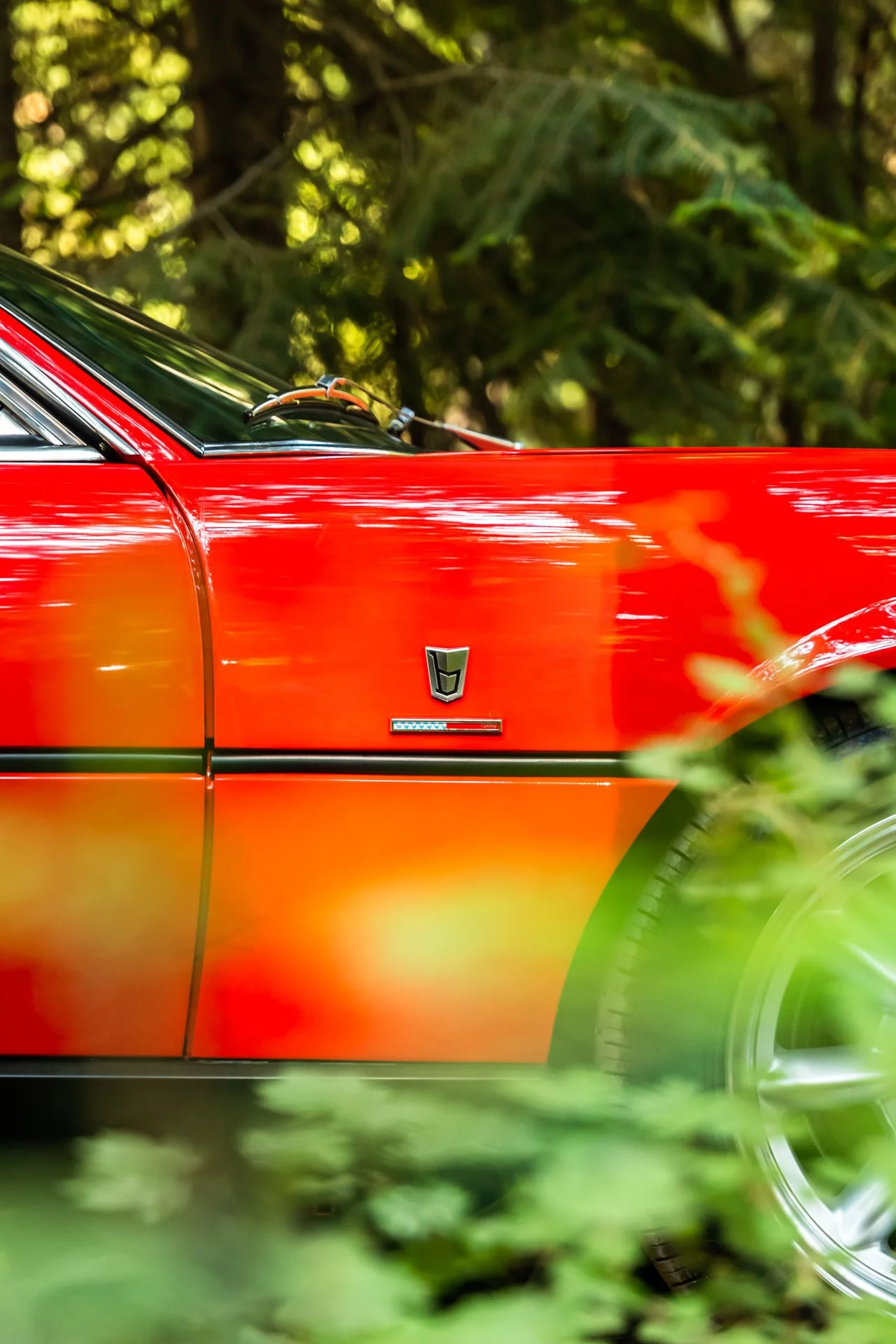
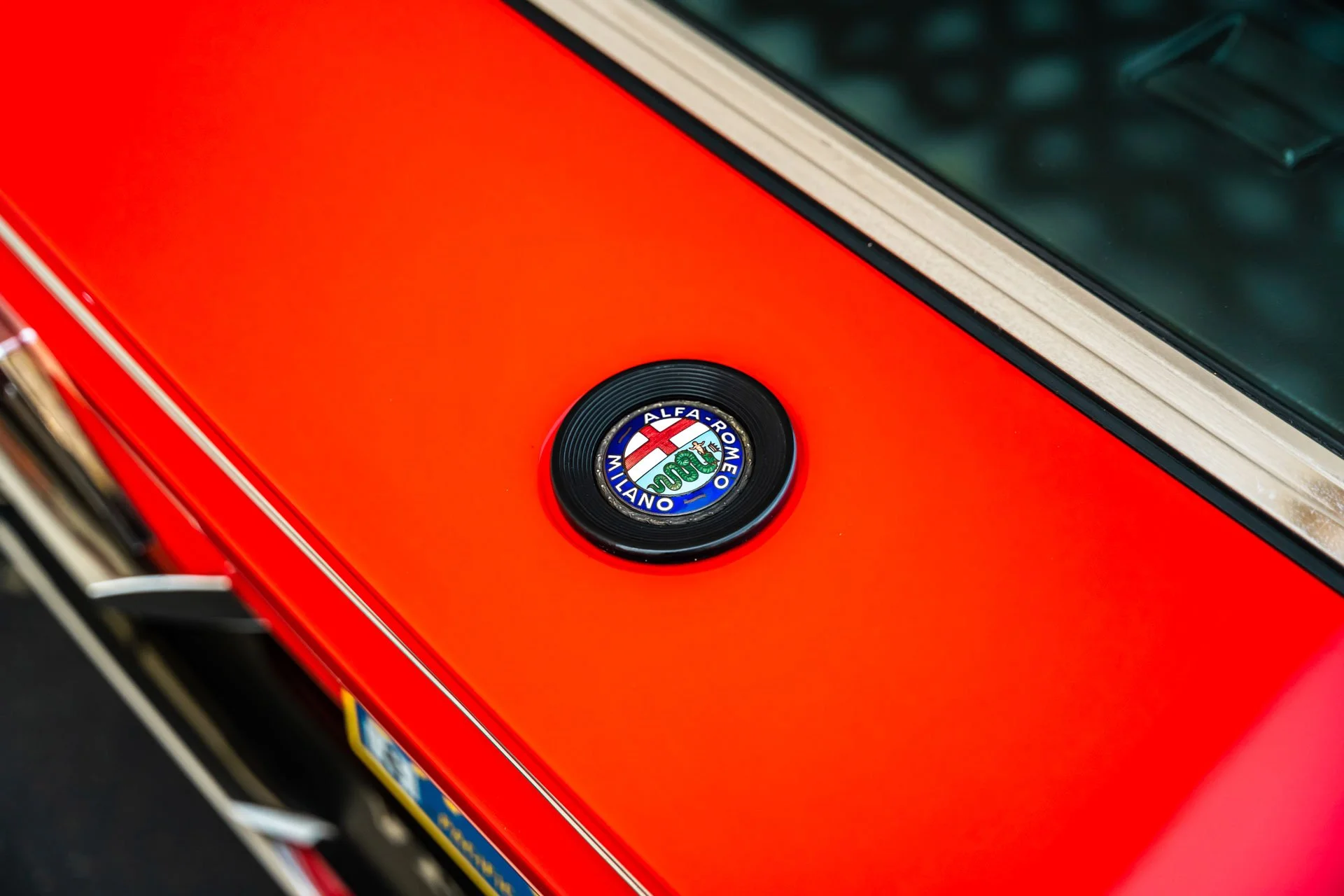
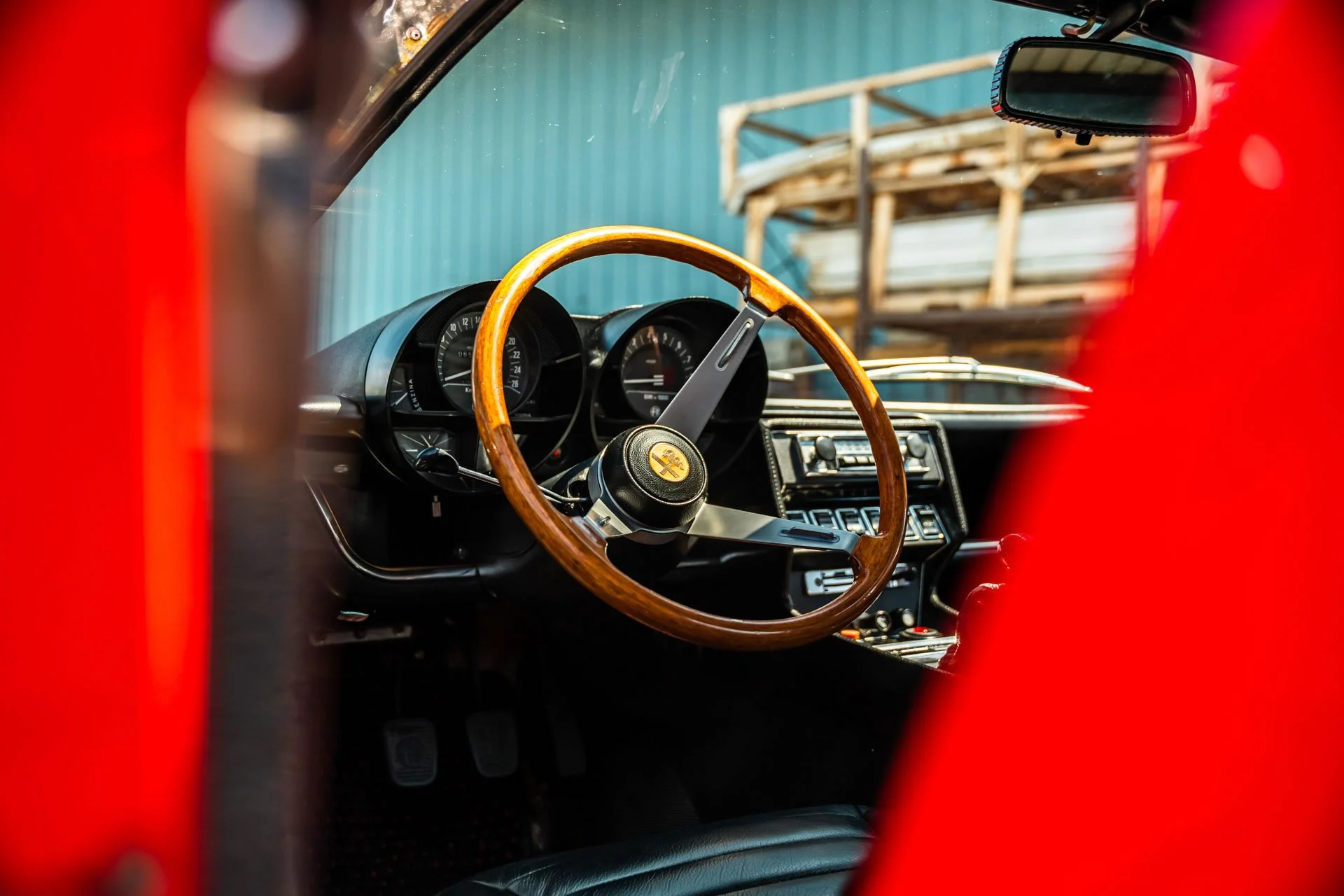
The Montreal was a stunning sight, with its elegant and muscular lines, its distinctive quad-headlamp arrangement, and its vibrant colors. The interior was equally impressive, with a leather-wrapped dashboard, a wood-rimmed steering wheel, a full set of Veglia instruments, and comfortable bucket seats. The car also offered a decent amount of space for luggage and passengers, making it a practical, as well as a stylish, GT.
It was not a cheap car, costing more than a Jaguar E-Type or a Porsche 911. It was also not a mass-produced car, with only 3,917 units built between 1970 and 1977. The majority of the cars were sold in Europe, with only a handful reaching North America. It was certainly a niche product, aimed at discerning and affluent customers who appreciated its unique blend of design, performance, and exclusivity.
And it is a car that defies categorization.
It is not a pure sports car, nor a conventional GT. It is a car that transcends its origins and its era, and stands as a testament to the creativity and passion of Alfa Romeo and Bertone. It is a car that was born as a dream, and became a reality.

