
Art & Muscle
Ferrari 250 GTO
STORY | Fred Russell
Photography | Karl Noakes
The weekend of July 20–21, 1962 was noteworthy to Northwest-based car enthusiasts because the crowd gathered at Pacific Raceways had the privilege to witness a pair of Ferrari’s new 250 GTOs going to battle in the USRRC Manufacturers Race. Mike Gammino took fourth overall in a red 250 GTO with a white stripe, and Frank Crane, who came up from San Fransisco finished sixth in his white 250 GTO with a blue stripe. Though four of Ferrari’s new race cars had made it to the U.S.A. in 1962 to race at Sebring and Daytona, this was the first time 250 GTOs would come to the Northwest, but not the last.
At the time, Jerry Grant’s new ‘63 Corvette Z06 was equally popular with its sleek new design and thundering V8. Carroll Shelby’s race-prepped 289 AC Cobras took first, second, and third places on the day. There was a lot to enjoy for these lucky spectators.
FROM WINNING WAYS
Ferrari’s dominance in racing was well known in the late 1950s. As the 1960s began, most race Ferraris were privately owned, and the factory would support these cars at any of the races that factored into the Manufacturers’ Championship. The factory’s primary focus was on the F1 teams, as well as the paradigm shifts happening throughout motorsports. Ferrari’s dominant front-engine cars in F1 had been losing to the smaller, mid-engine cars made by Cooper and Lotus, so the Italian automaker also transitioned to the mid-engine layout with the 246 P and then the 156 Sharknose. This layout change was happening quickly in both F1 as well as IndyCar racing, but when applied to GT car racing, this new technology wasn’t as immediately successful as their F1 efforts had been. Within the development teams, there was some infighting as Enzo insisted the GT development team stay the course with the front-engine 250 GT car layout.
The 250 series cars had started life 10 years earlier with the 250 Sport that won the Mille Miglia, the 1,000-mile race on the roads of Italy. The 250 designation, in line with Ferrari nomenclature, was derived from the engine displacement; each cylinder displaced 250 cubic centimeters, with the 12 cylinders making it a 3.0-liter motor. This was a large, powerful engine when new, but by the early ‘60s, others like Jaguar and Aston Martin had much larger motors, resulting in a number of race wins for Ferrari’s competition. Ferrari had larger V12 engines, but the 250 had proven to be bulletproof in endurance races. They needed to focus on how to make the overall car faster.
As 1961 started, Ferrari’s first step was to build a test mule using the 250 SWB Competition chassis #2643 GT. They reinforced known weak points, like where the chassis and suspension attached to the lightweight space frame. The 250 engine was upgraded with a dry-sump design, allowing it to be lower, while also pushing it further back in the chassis. This enabled both improved weight distribution and a lower and more aerodynamic front fascia. The body design was trusted to Pininfarina who created a unique shape modeled after the Ferrari 400 Super America using thin alloy to keep the weight down. It was rumored that Enzo had it painted blue so it wouldn’t attract as much attention if it didn’t do as well as hoped. Entering the 1961 24 Hours of Le Mans, the car did well, but broke 13 hours into the race. It raced again at Daytona and again at Sebring. Good tests indeed, but one key determination was the body shape meant the car was too unstable at high speed. Though happy with the power they were getting, now Ferrari needed to sort out the aerodynamics. The future was looking brighter, or was it?
ENZO’S WAY OR YOUR OWN WAY
After years of tension between some of the leaders within the Ferrari company, an exchange with Enzo and a sales manager named Girolamo Gardini became heated. They argued over Laura Garello (Enzo’s wife) and her increasing control within the company with the spat culminating in Girolamo threatening to leave if Garello wasn’t forced out. Enzo sided with Laura. Unfortunately, many others within the company agreed with Girolamo and suddenly walked out as well. Among them was the development lead Giotto Bizzarrini, chief engineer Carlo Chiti, and Scuderia Ferrari manager Romolo Tavoni, all working on the 250 GT program. At that point, a number of other key people and executives left the company too. Some may have just left from being tired of working for an extremely demanding leader like Enzo, or simply wanting out to avoid the coming turmoil. Either way, a storm had hit the development teams.
It was October 1961 and Enzo immediately summoned his junior hires. “We got rid of the generals,” he said. “Now you corporals must take charge.”
New Changes
Mauro Forghieri took charge of finishing the new GT development. The body and aerodynamic redesign used much of what Bizzarrini had originally created but was then handed to Sergio Scaglietti to perfect in a wind tunnel.
Behind the scenes, a few other timely changes were happening. Pressure had been applied to the FIA, the governing body behind racing, to attempt to make racing safer. After numerous tragic deaths of drivers and fans, the blame kept falling on the increased speeds. New rules for F1 limited engine size to 1.5 liters in hopes of lowering top speeds while keeping the racing competitive. Tragically, in 1961, Wolfgang Von Trips crashed his Ferrari F1 car at Monza and died along with 15 spectators. More had to be done. Perhaps over a good dinner and fine wine, the FIA made the choice to impose engine limits on GT race cars, like they had on F1 cars. Though these changes had been rejected in previous years, the changes limited engine sizes in Class 1 to 1.0 liters, Class 2 to 2.0 liters, and the biggest was Class 3 with a 3.0-liter limit. This rule change relegated the Jaguars, Astons, and others with larger engines into the Prototype race groups that didn’t factor into the ever increasingly important Manufacturers’ Race points. Fiat-Abarth would go on to dominate Class 1, while Porsche owned Class 2, and Ferrari would enjoy the Class 3 category. Was it safer? Maybe a little, but the key was it played well into the ‘Win on Sunday, sell on Monday’ mindset.
Additionally, the concept of homologation was now being enforced in the GT categories. The concept that if the manufacturer’s GT car was supposed to be based on a street car, as opposed to a purpose-built racer, they would have to have produced at least 100 of the cars for the street. Enzo’s winning ways came through as he convinced the FIA that this latest 250 GT was simply the logical extension of the previous 250 GT cars from the last nine years. As soon as the FIA approved the car as homologated, or ‘Omologato’ in Italian, the paperwork was updated with the name 250 GT-O. The press made a typo when they referred to the car, leaving out the dash, so the name became 250 GTO.
Racing into the Record Books
The 250 GTO was a powerhouse for Ferrari for a number of reasons, with all 36 being produced as race cars but also capable of driving on the street, albeit not very well. Technology at that time was such that excelling on both track and street was not really possible. During ‘62 and ’63, 32 were built with the Scaglietti bodywork, plus one with a heavier Pininfarina body. Then in 1964, three more were produced as a series II version. The series II was slightly wider, the same basic length, but the body lines were markedly different. Each of the GTOs sold for around $23,000 USD, which equates to about $240,000 in today’s dollars.
Overall, the GTOs dominated the GT races with 25 overall wins and 45 class wins in the 49 races held in 1962, including first in class at the 12 Hours of Sebring and first, second, and third in class at the 24 Hours of Le Mans. By 1963, they faced stronger competition from Cobras and the new E-Type lightweights, but they repeated their first, second, and third places in class at Le Mans as well as 22 overall wins and 73 class wins in the 107 races that season. In their final really competitive year, 1964, they still enjoyed 28 overall wins and 85 class wins in the 139 races entered. The GTO’s performance was strong enough to earn Ferrari the Manufacturers’ Championship in all three years.
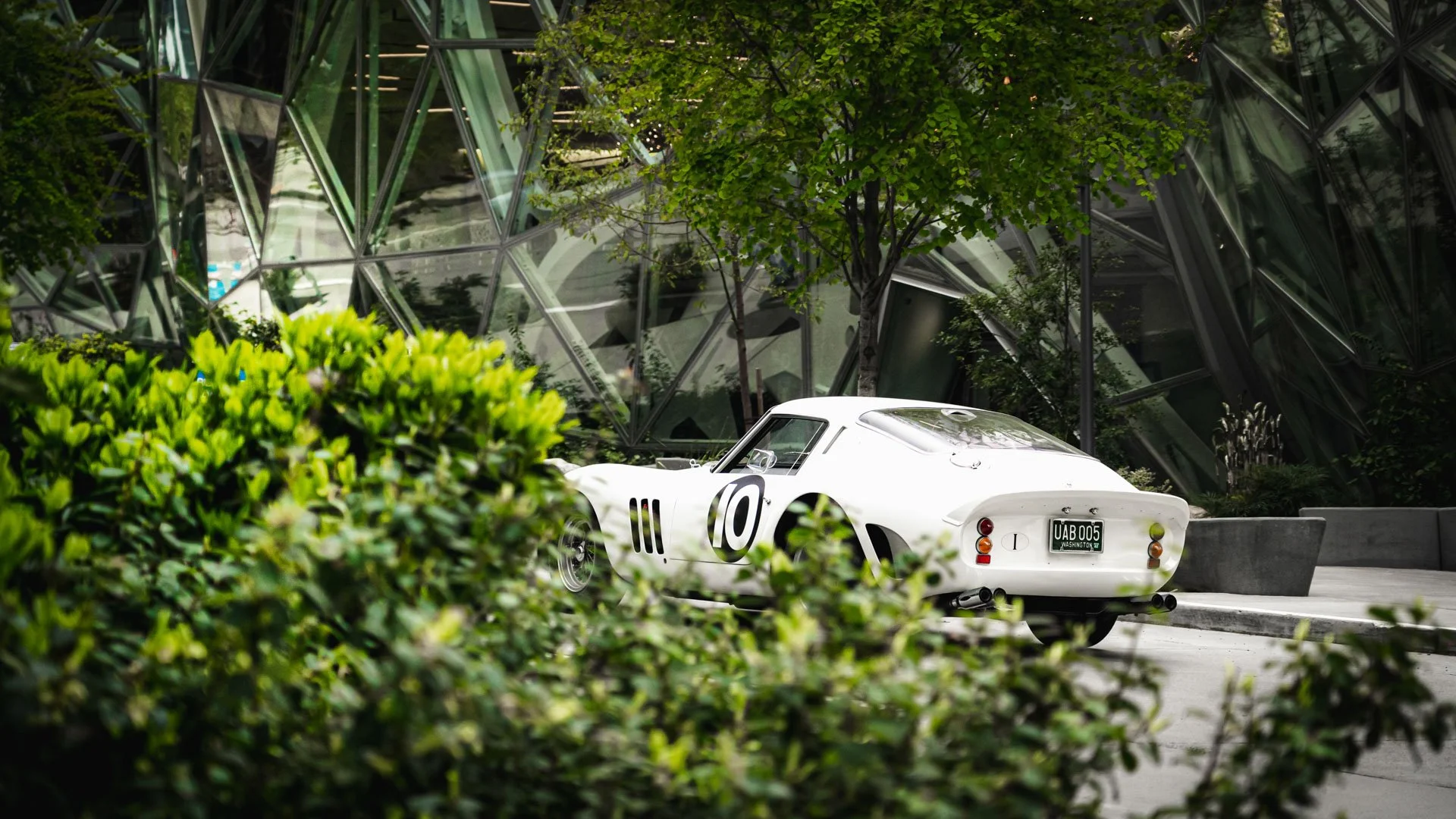
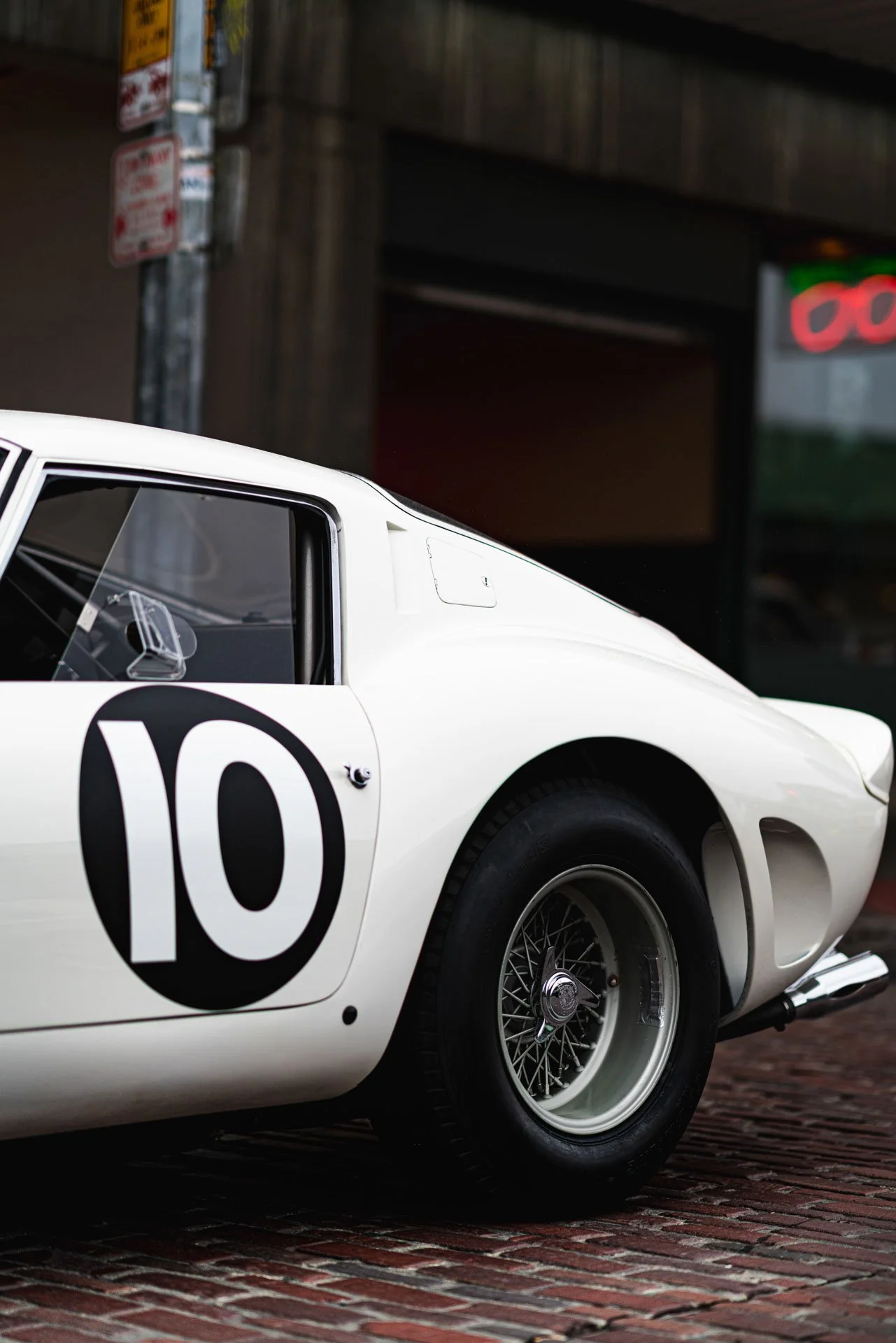
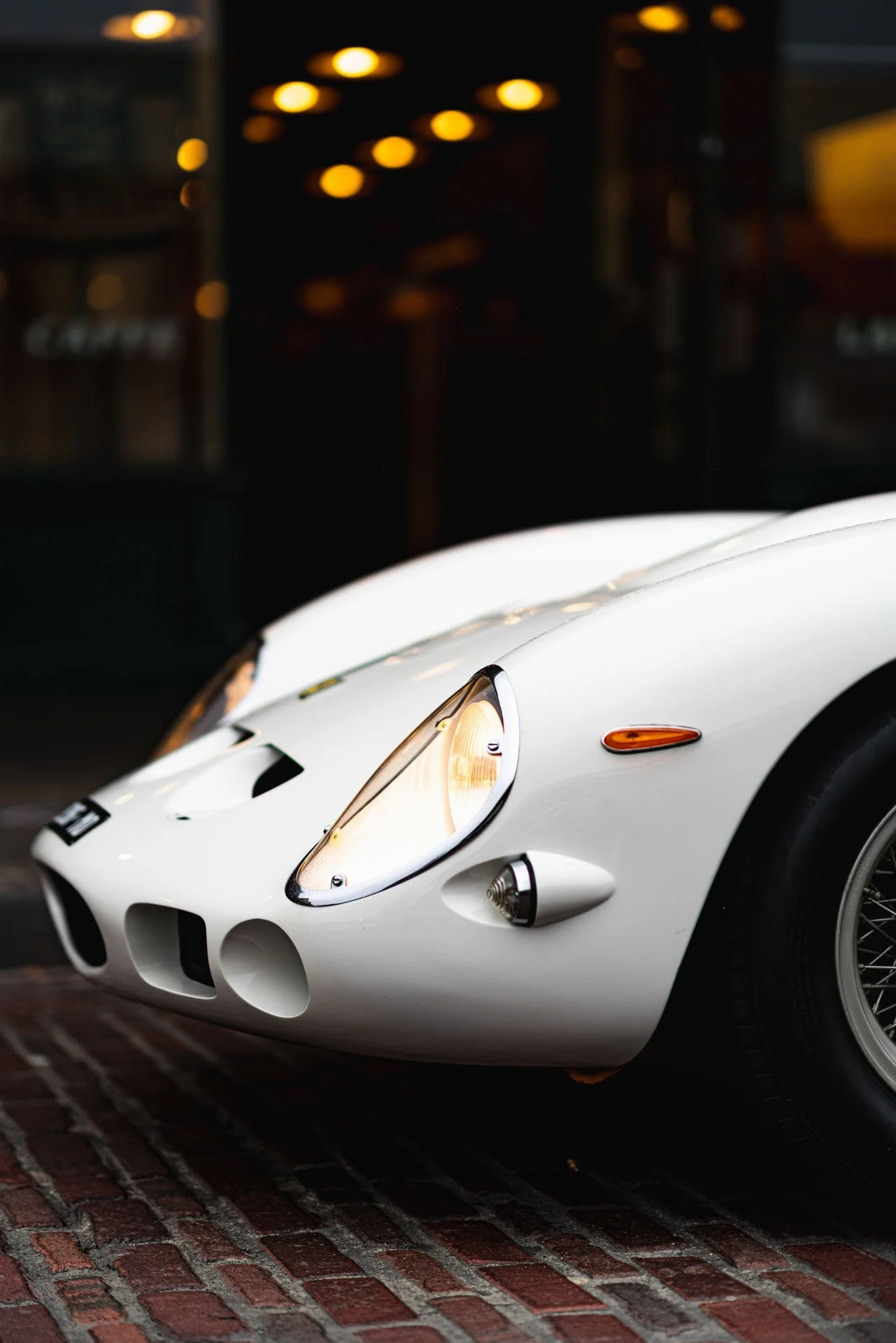
The Life of Chassis 3729GT
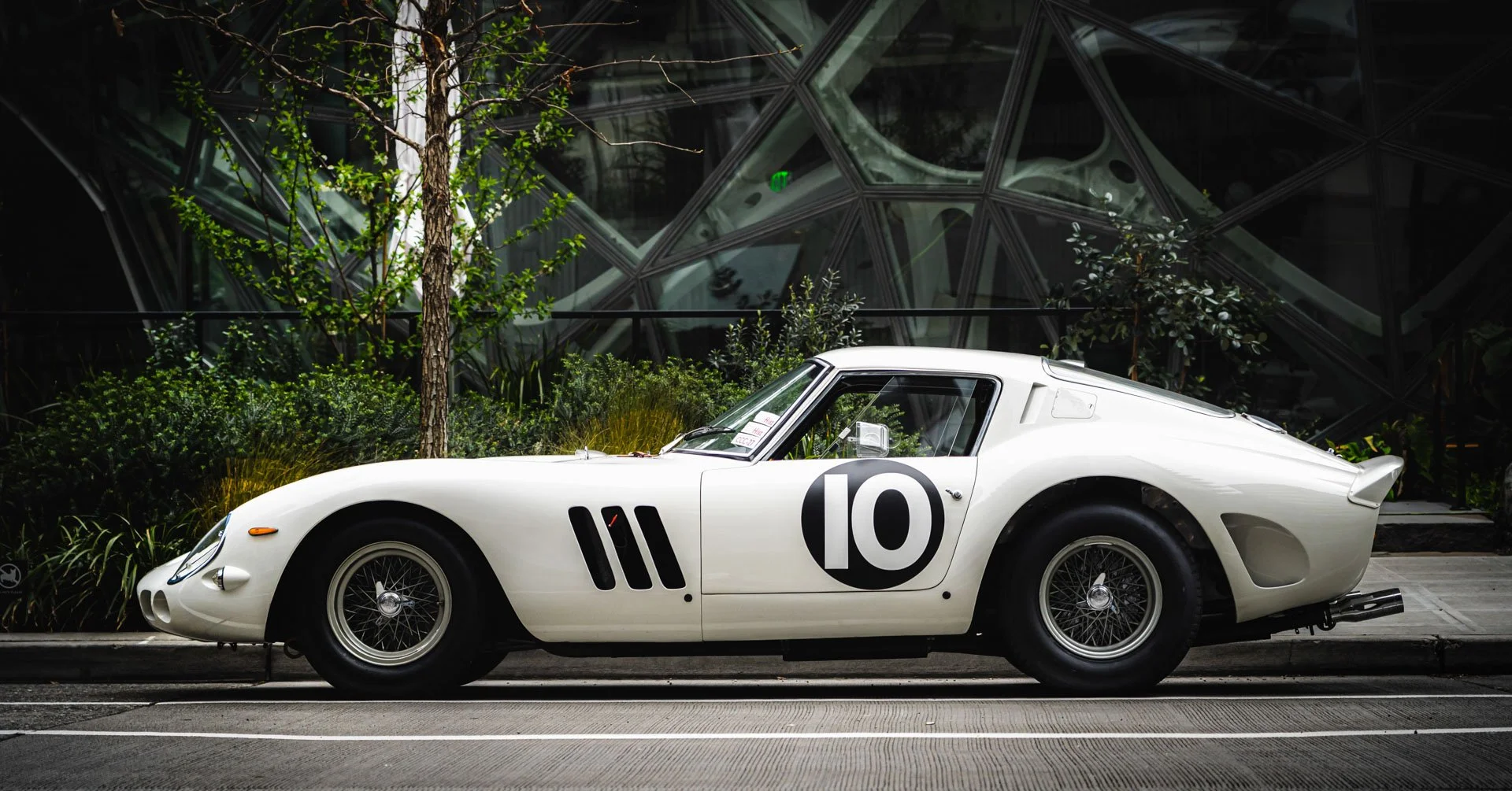
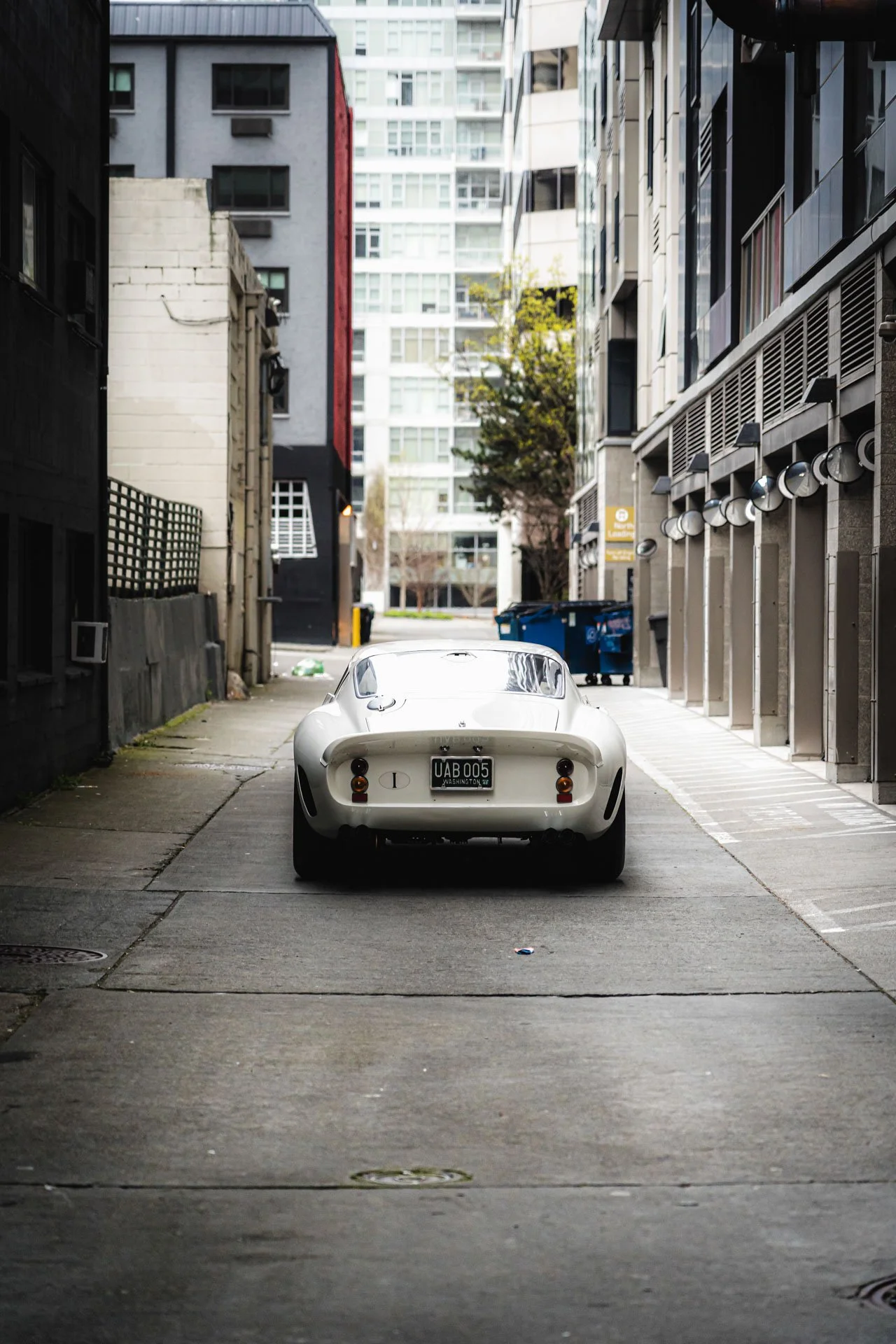
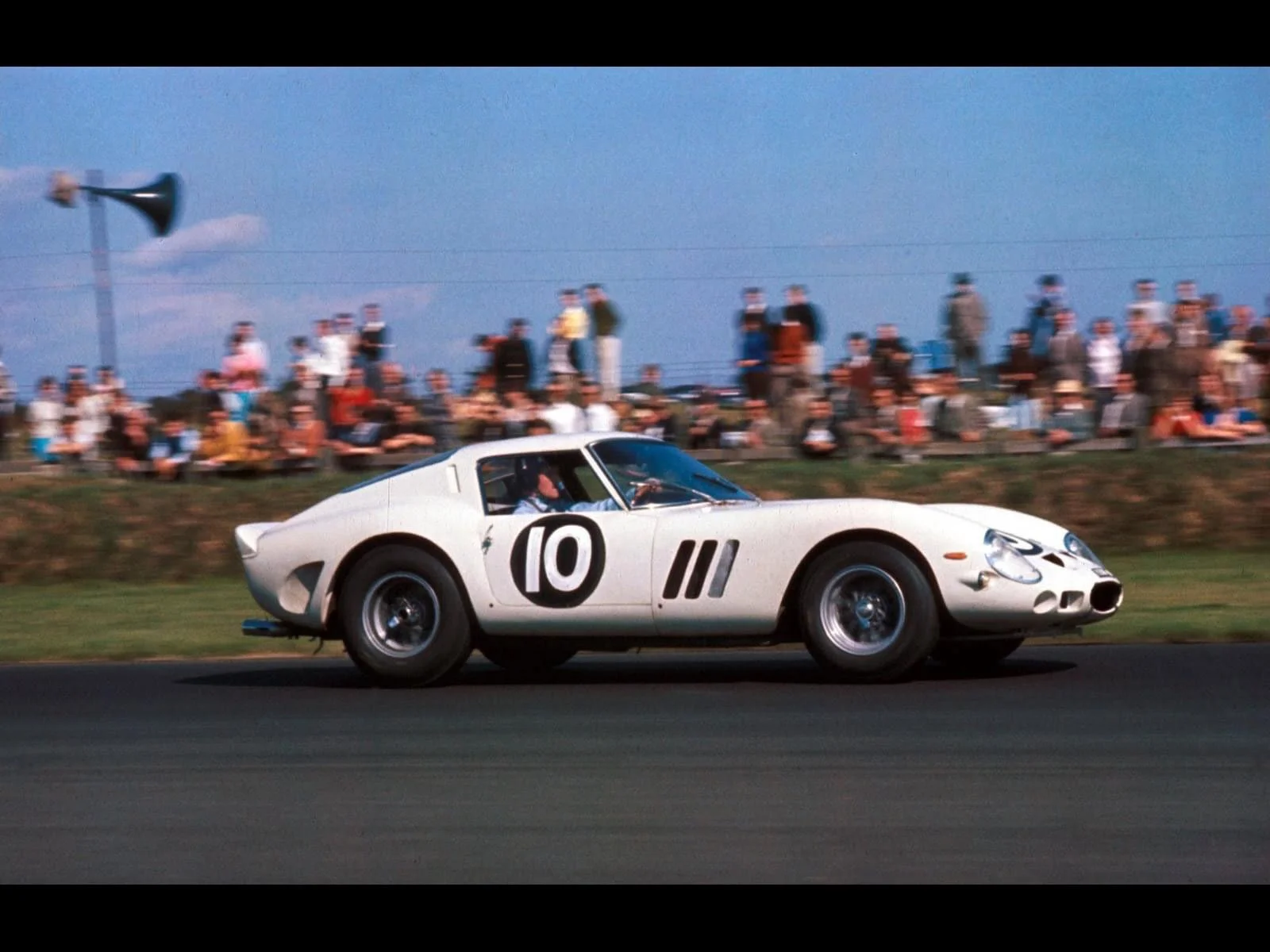
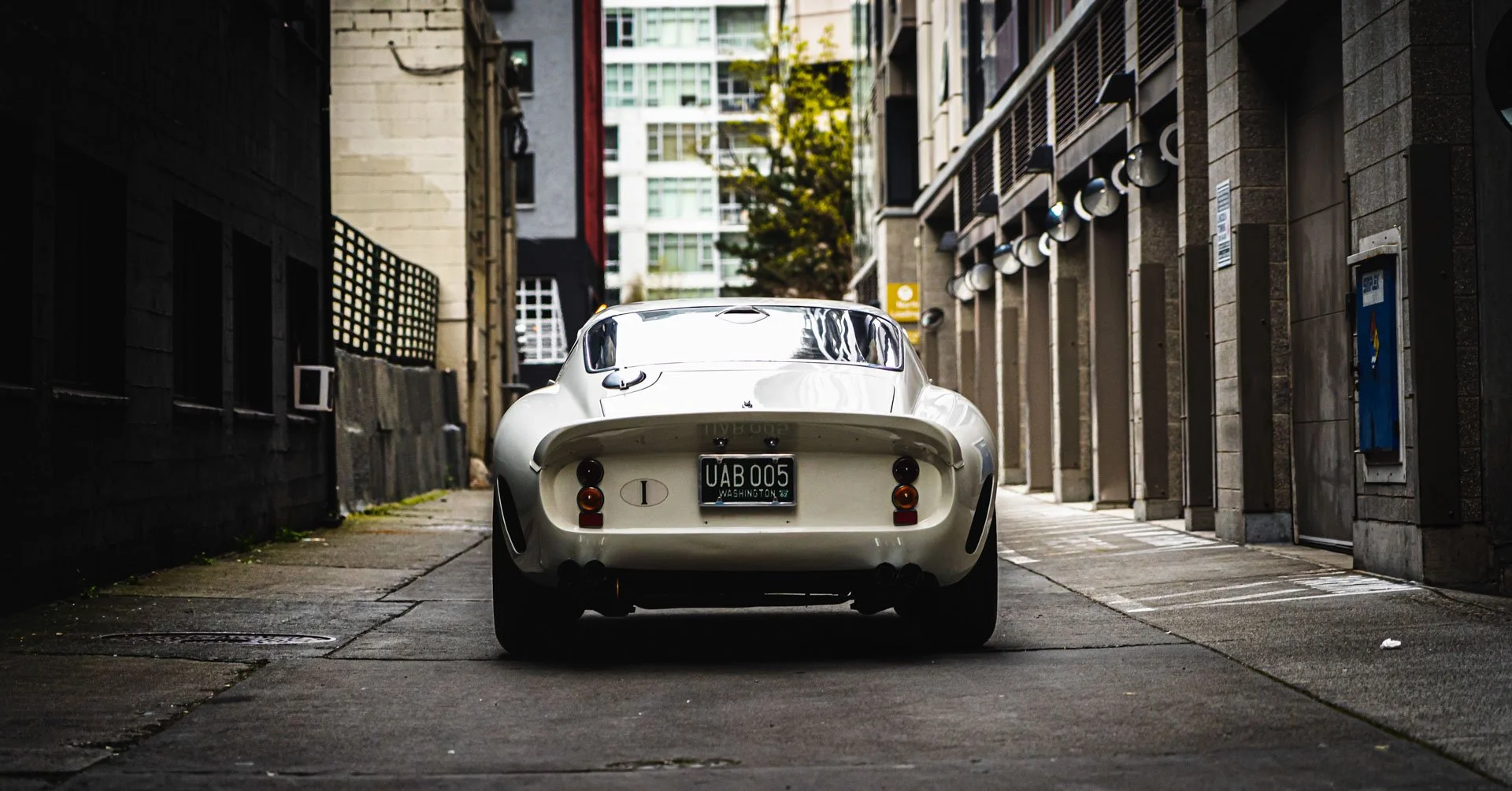
Chassis number 3729GT left the factory in July 1962 as the only bianco (white) 250 GTO. It went to its first owner, John Coombs, a well-known Englishman who at the time had a successful Jaguar dealership, a great relationship with Jaguar factory, and was a racer and accomplished race team owner. Some of the best drivers in the day drove for Coombs, including the future world champion, Graham Hill, the great Roy Salvadori, and Bruce McLaren. Coombs was working with the racing side of the Jaguar factory when the E-Type was launched in 1961, doing much of the testing and advising thanks to his stable of great drivers.
Recognizing that against the Ferrari GTO, the E-Type was never going to make a competitive racing car, Coombs bought a GTO. He told Bill Heynes, Jaguar’s chief engineer, “Your car is too heavy. If you don’t do something about it, I’ll just have to race my Ferrari.”
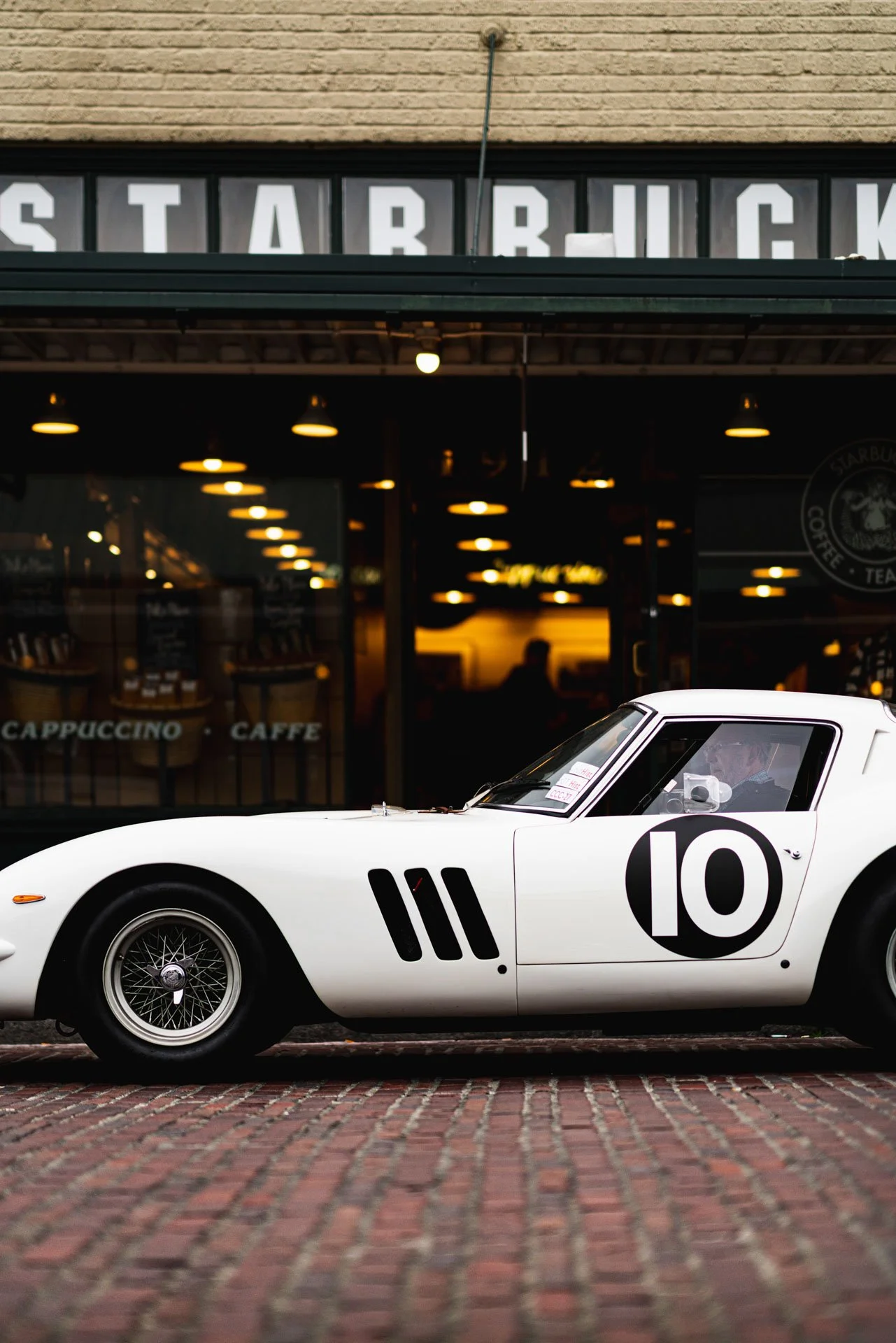
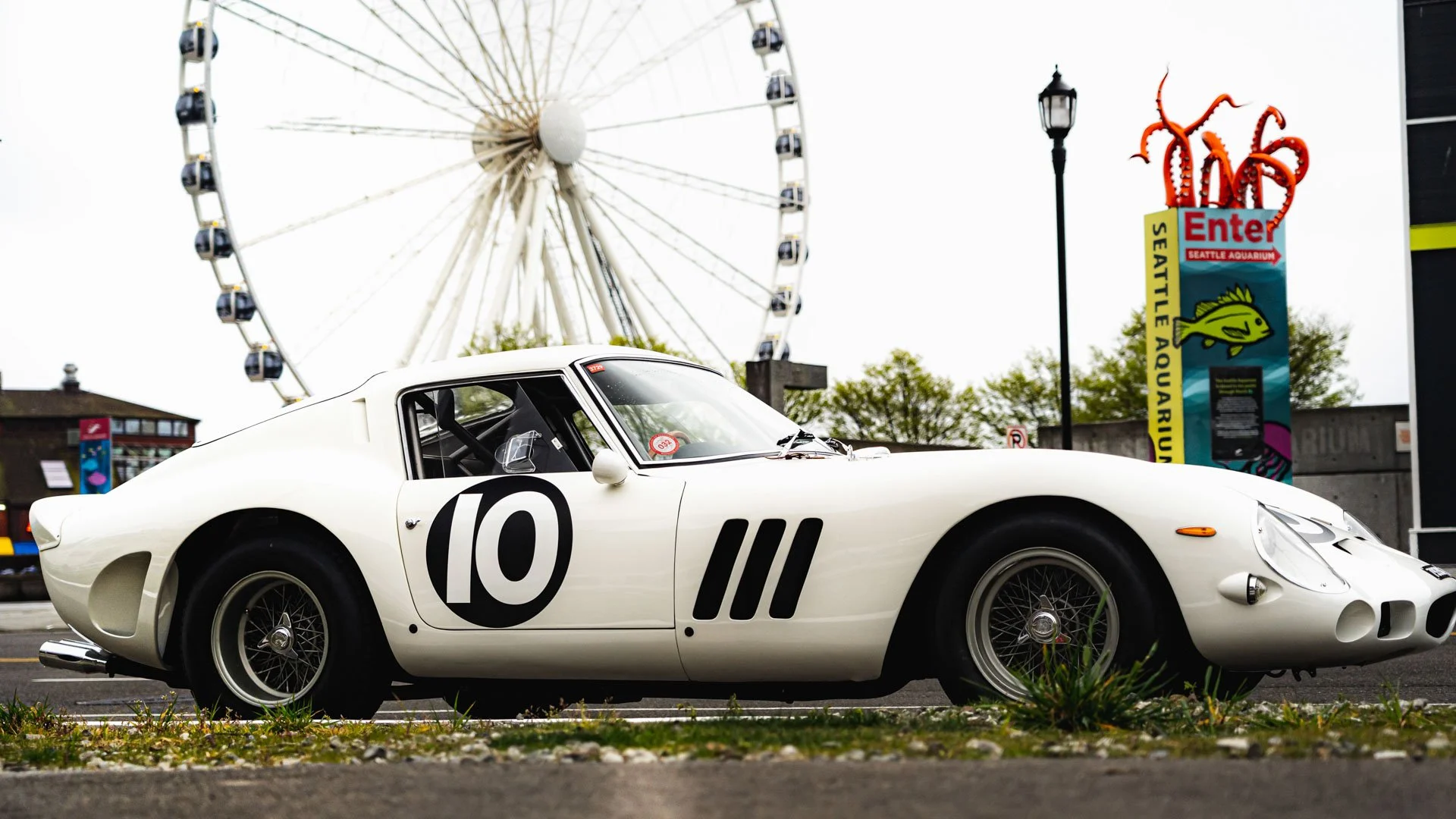
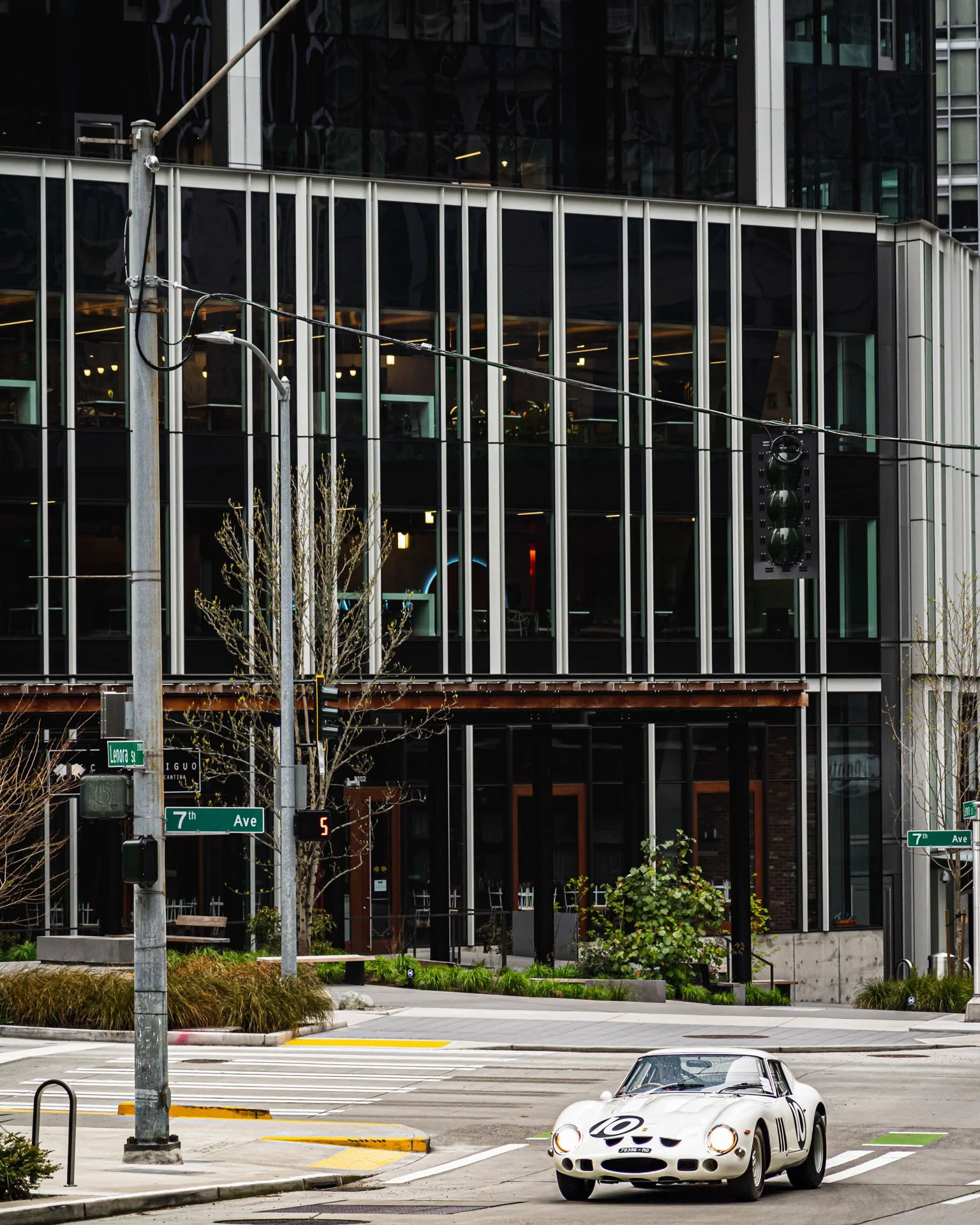
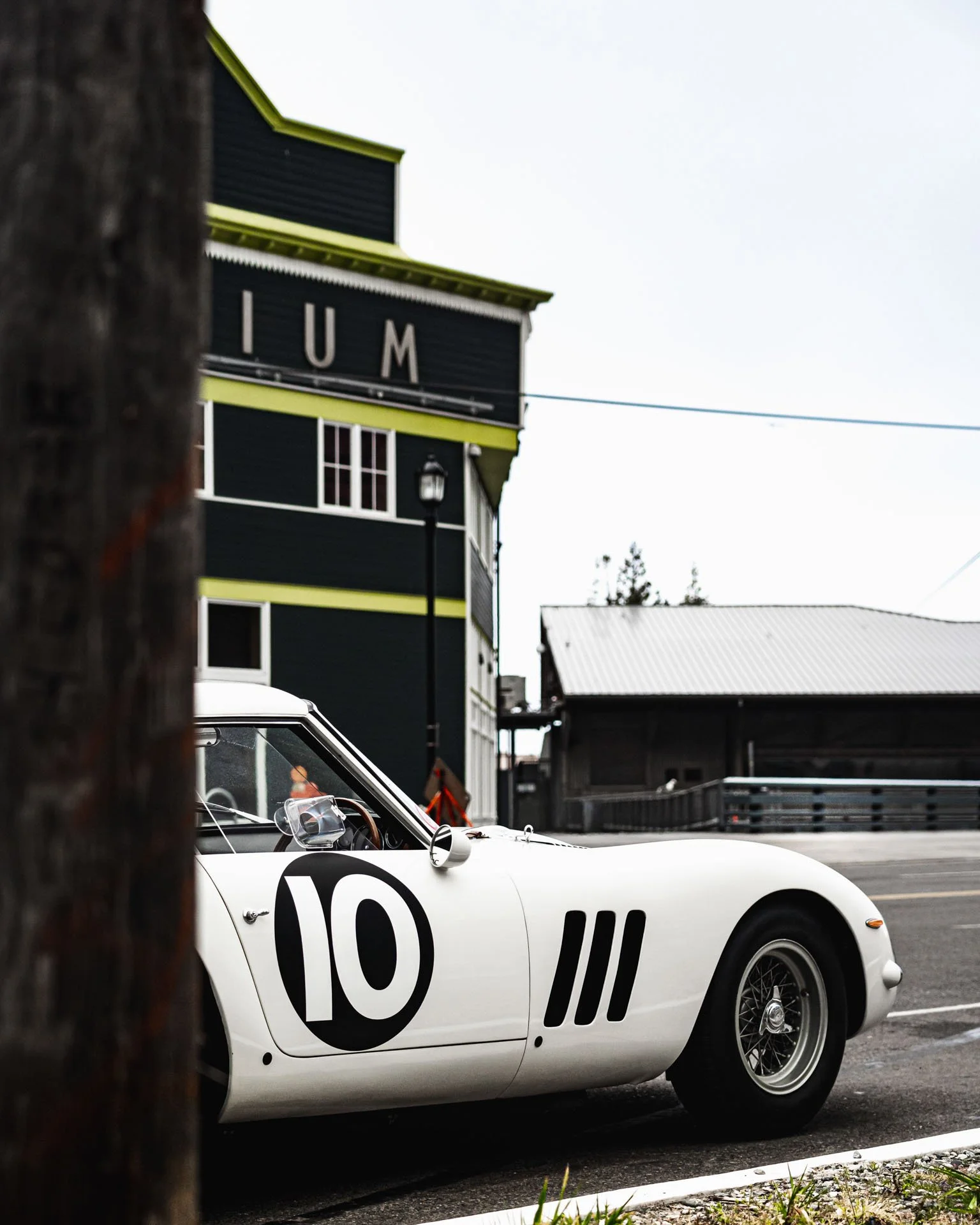
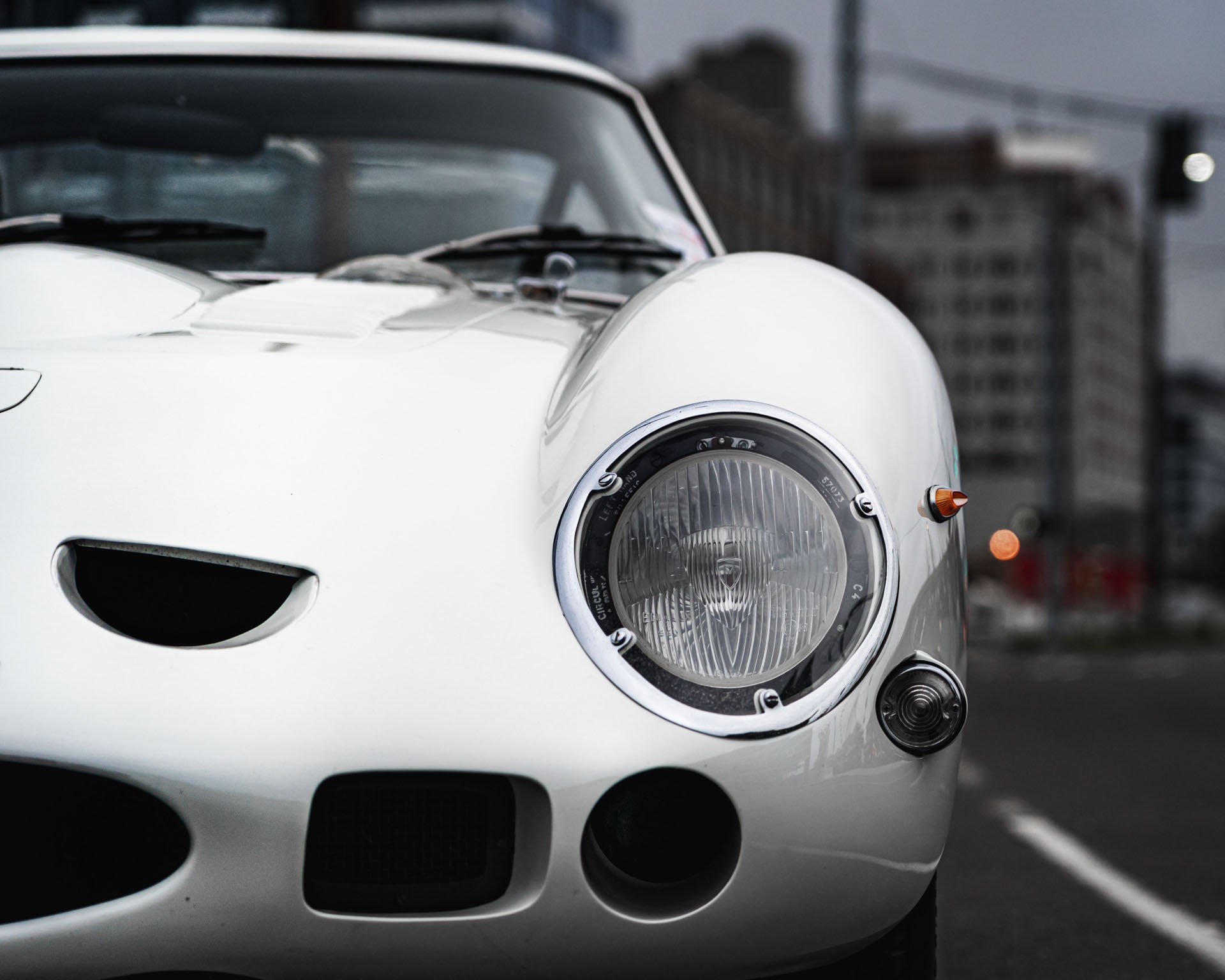
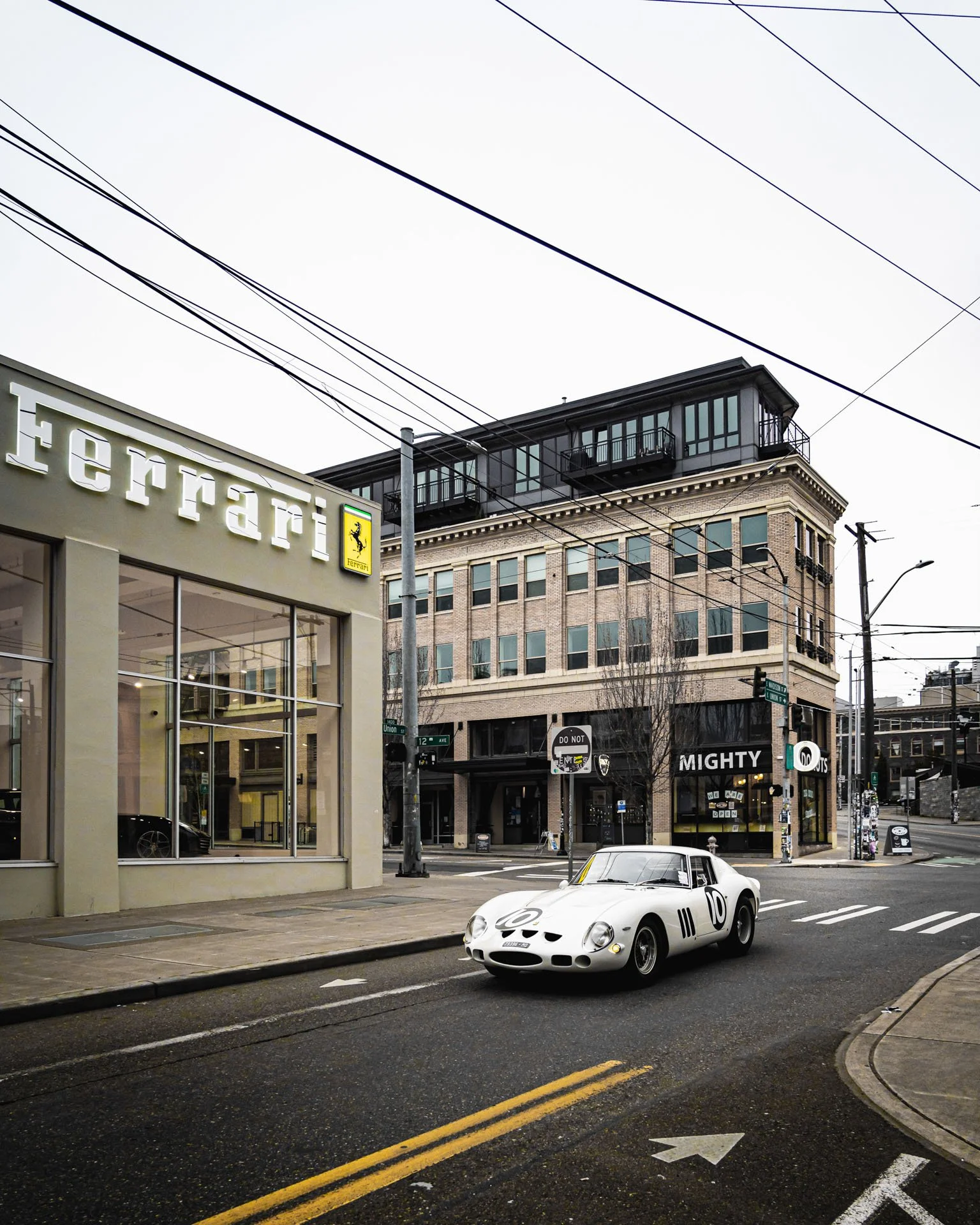
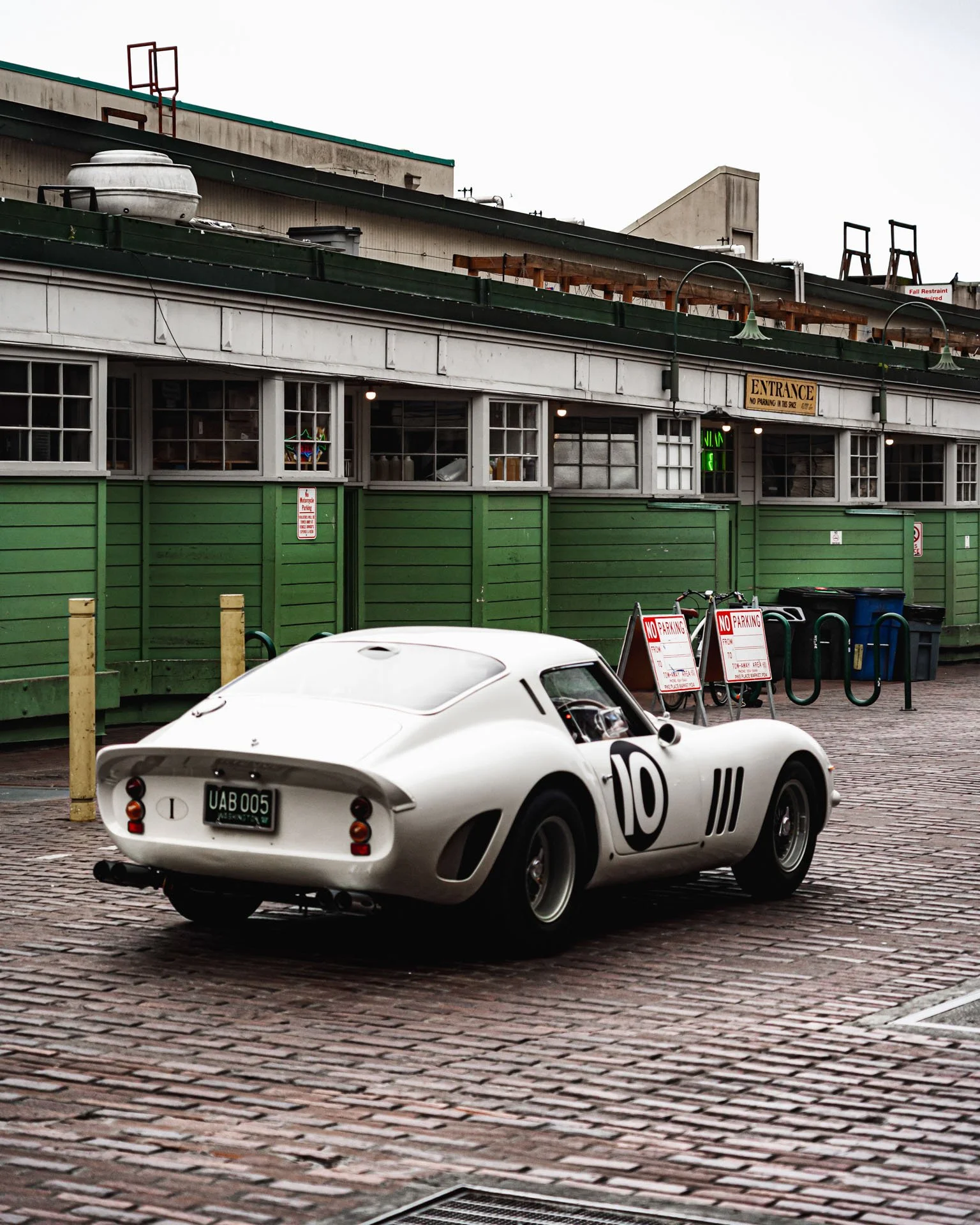
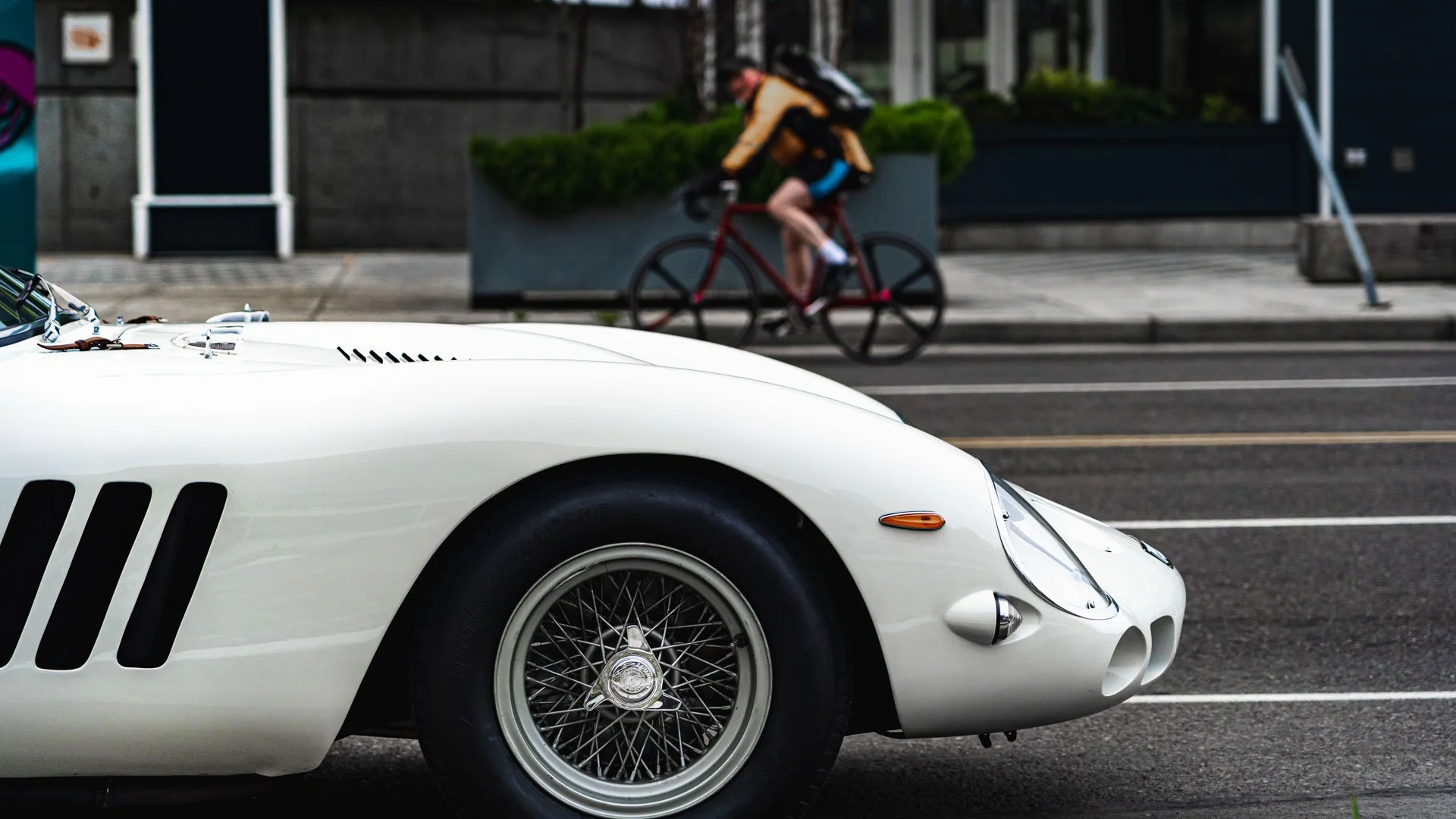
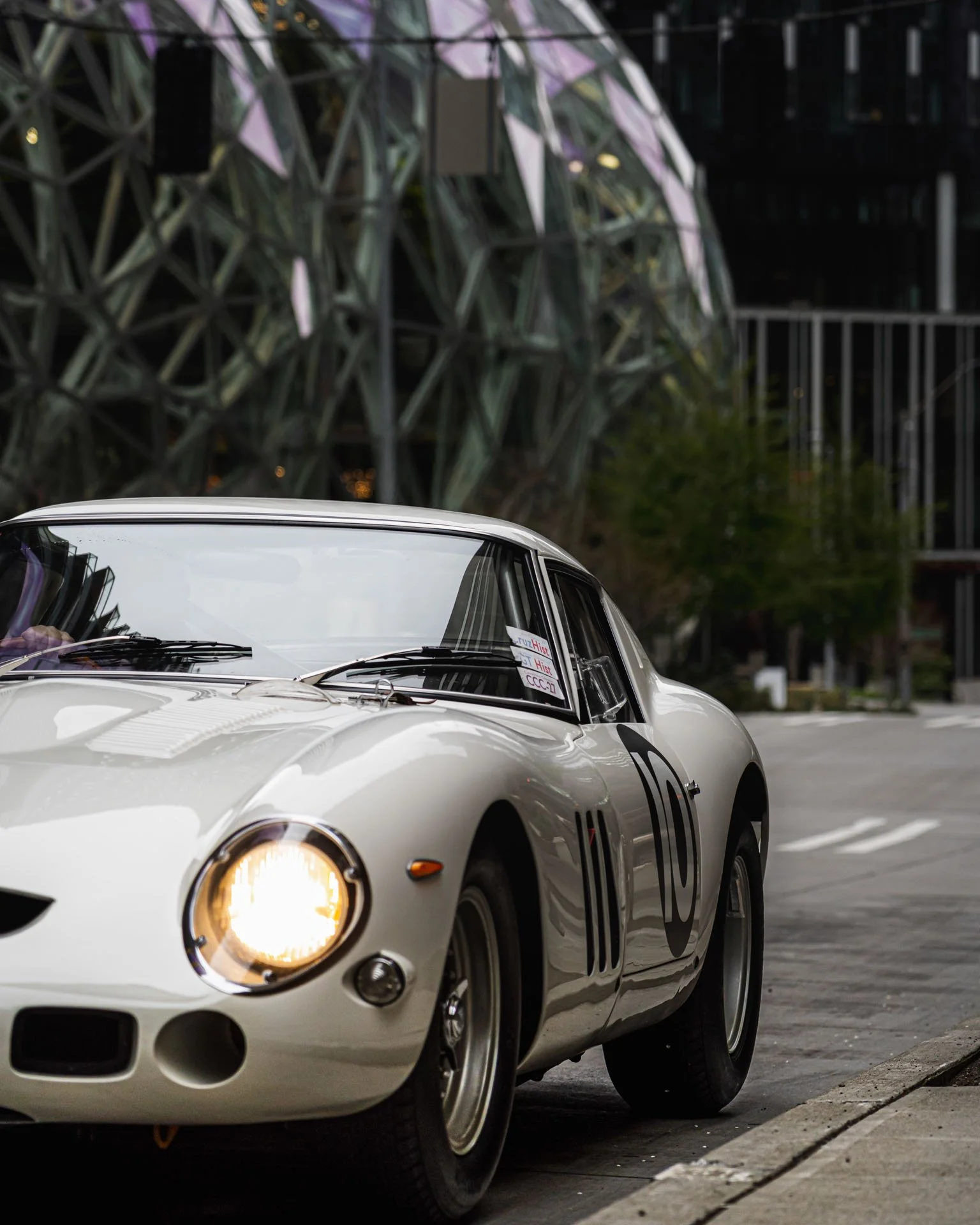
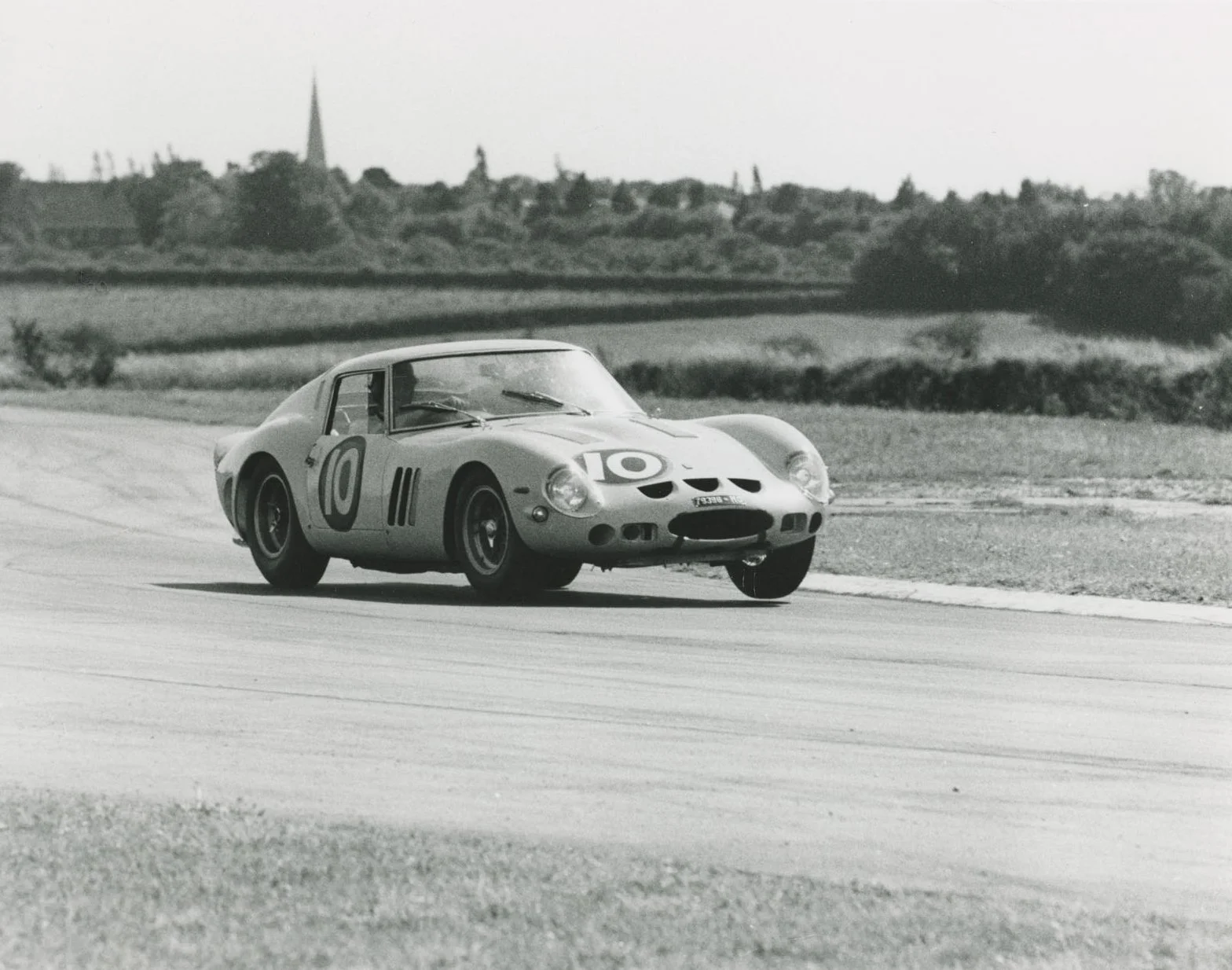
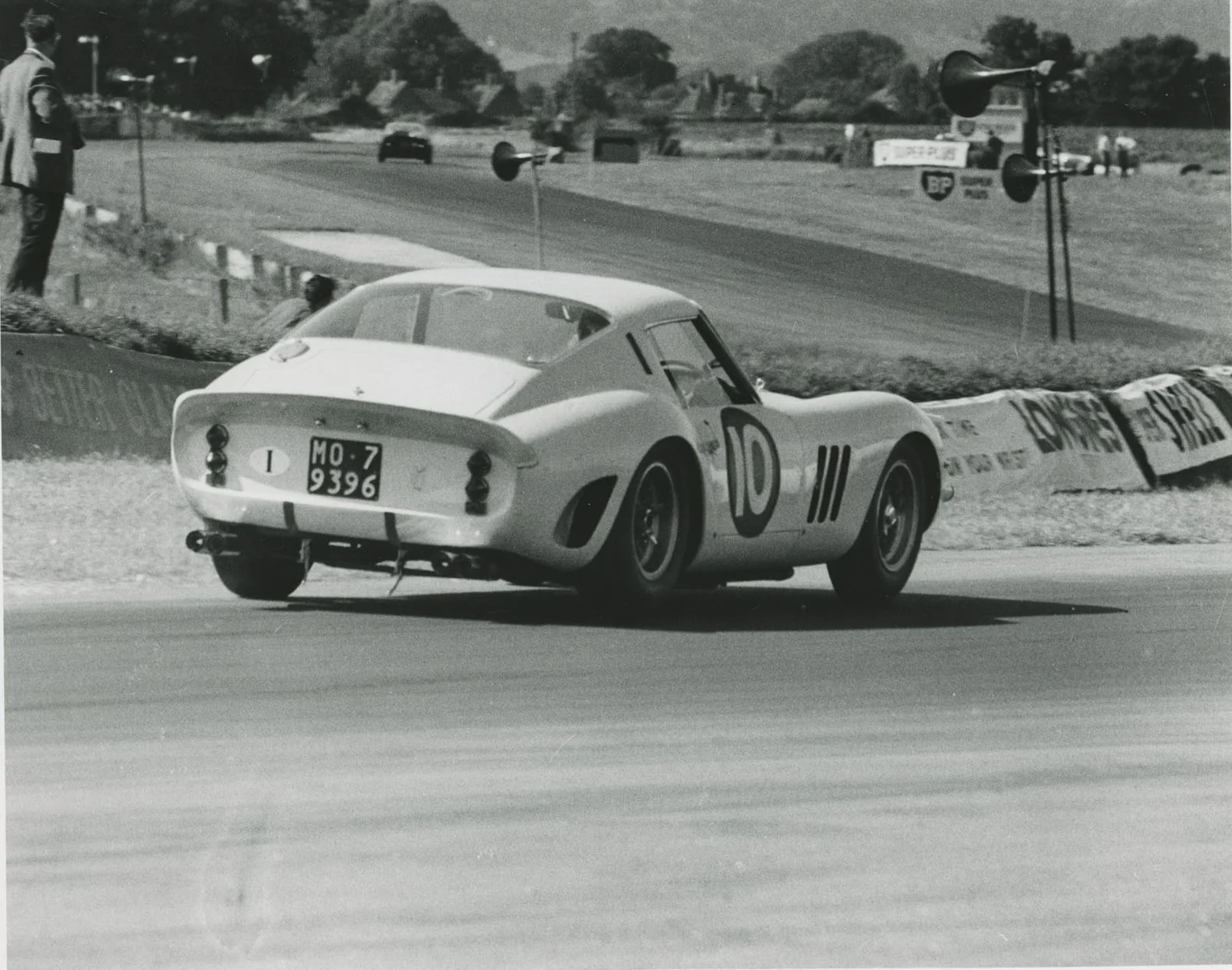
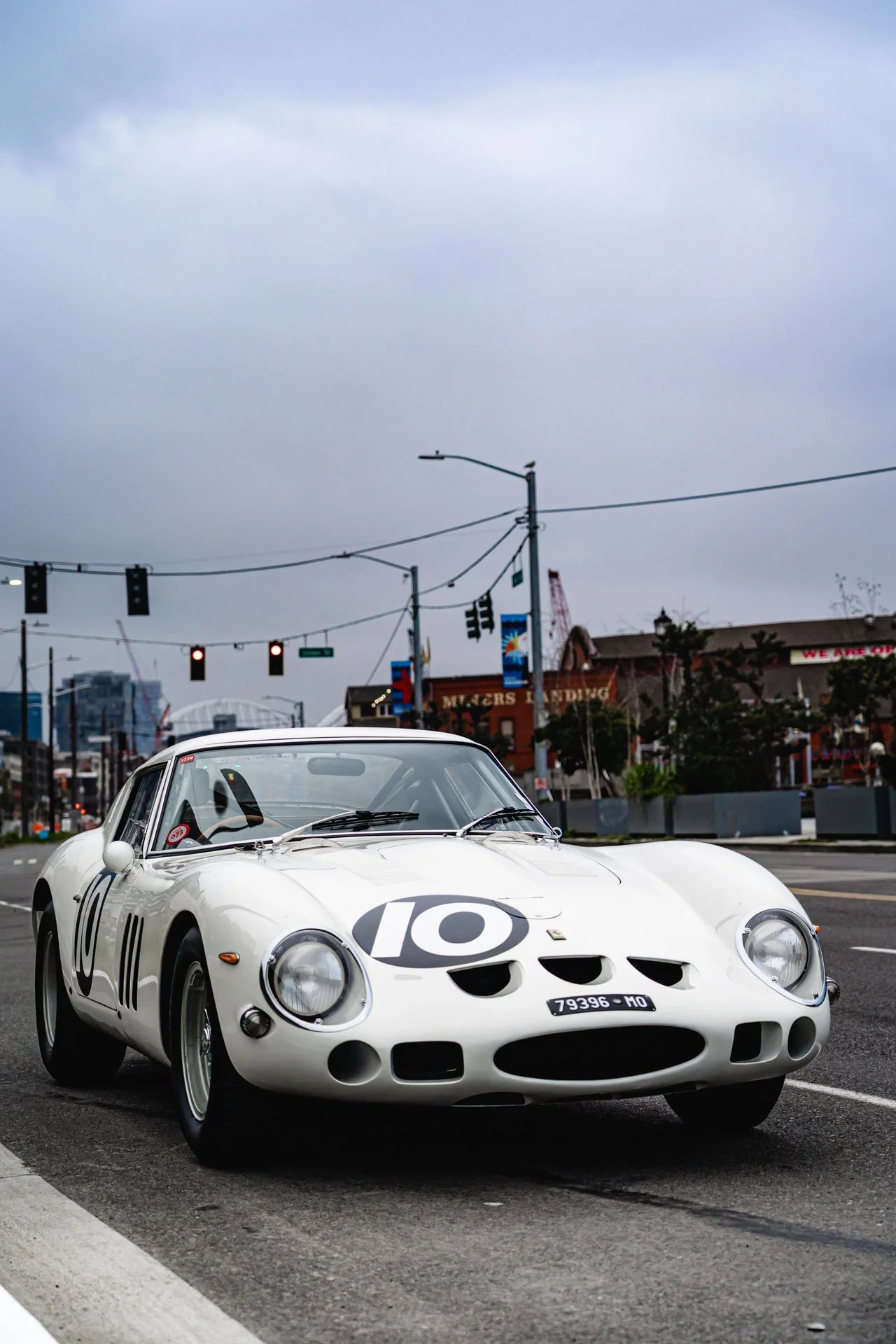
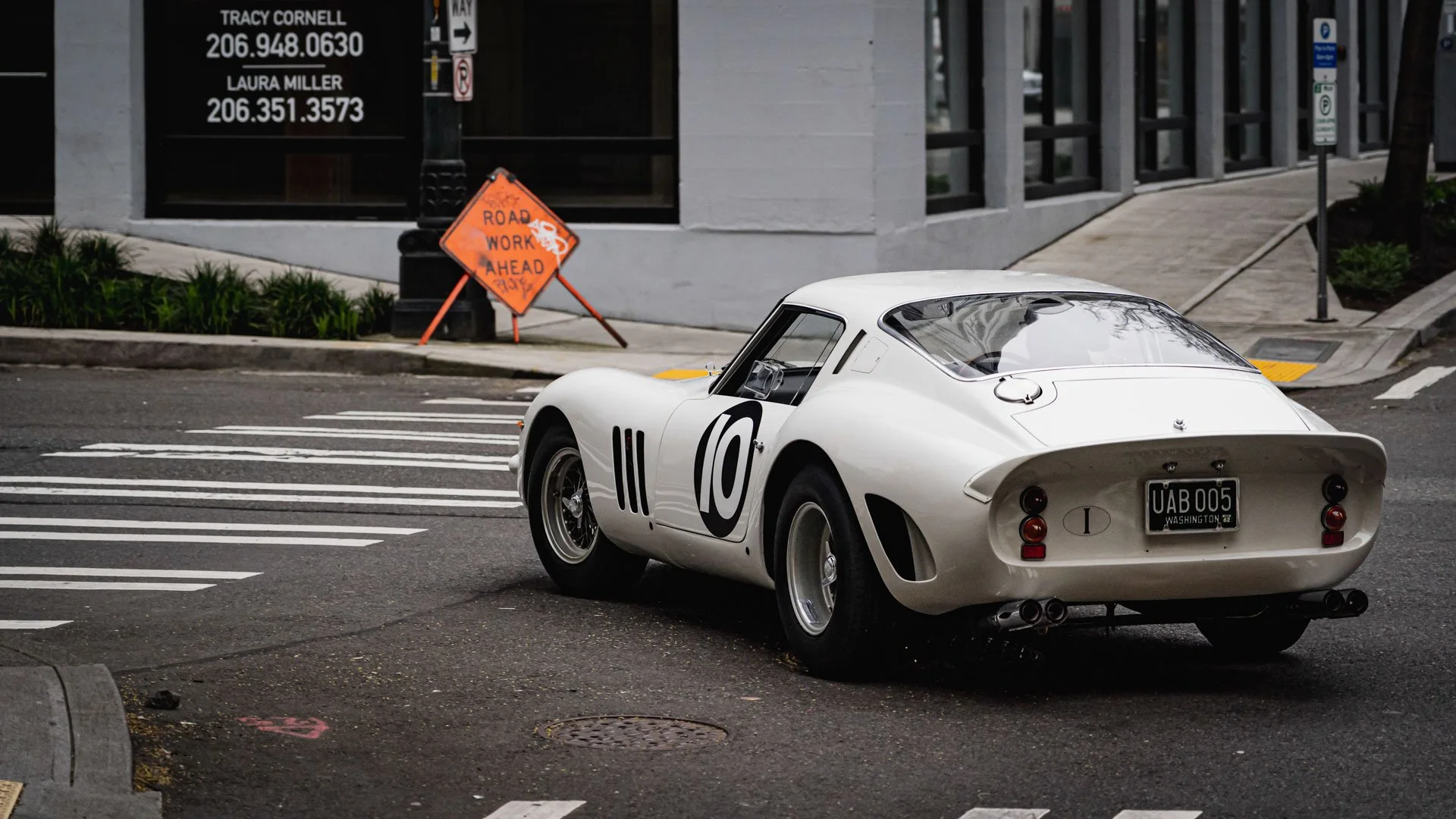
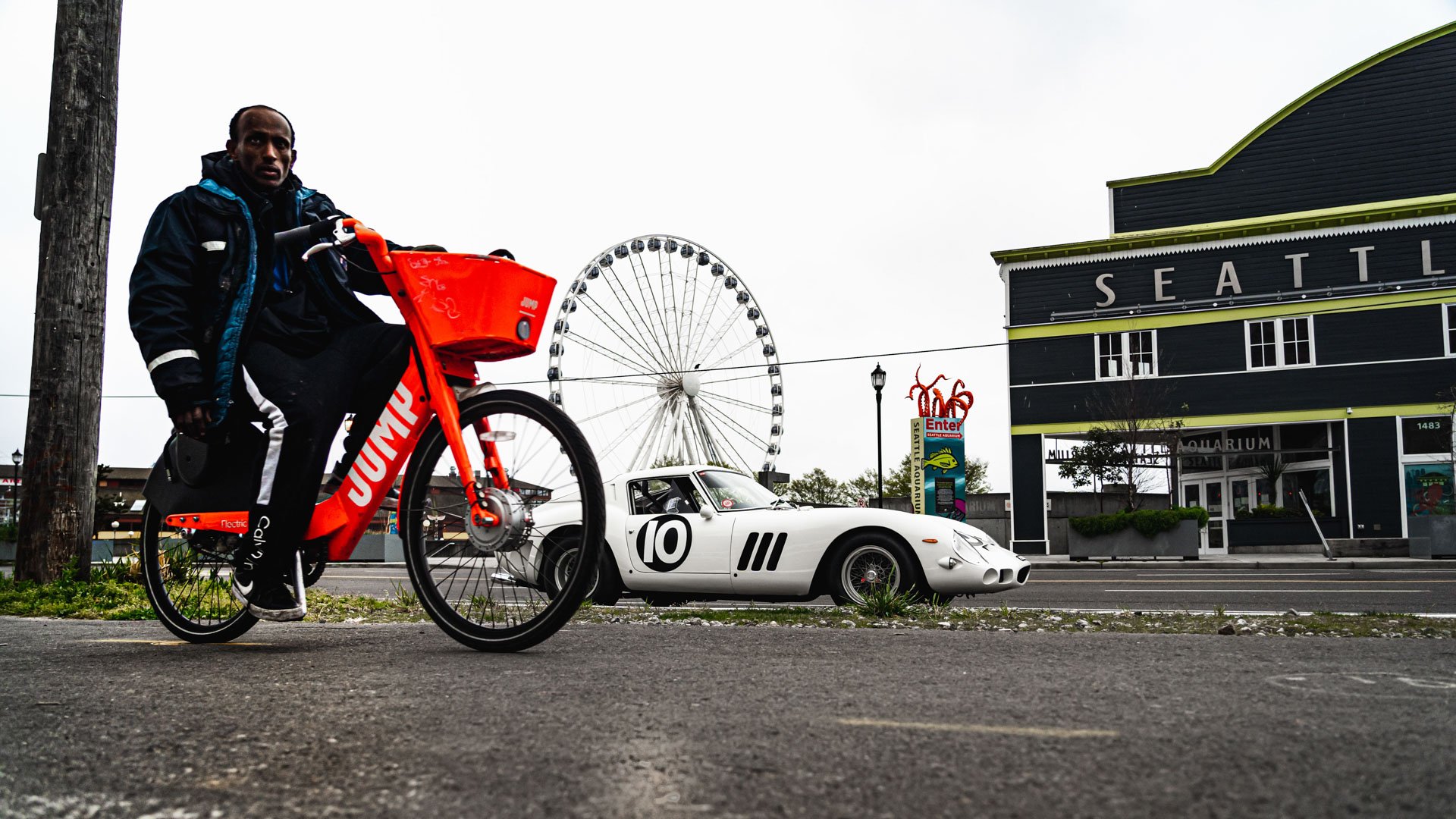
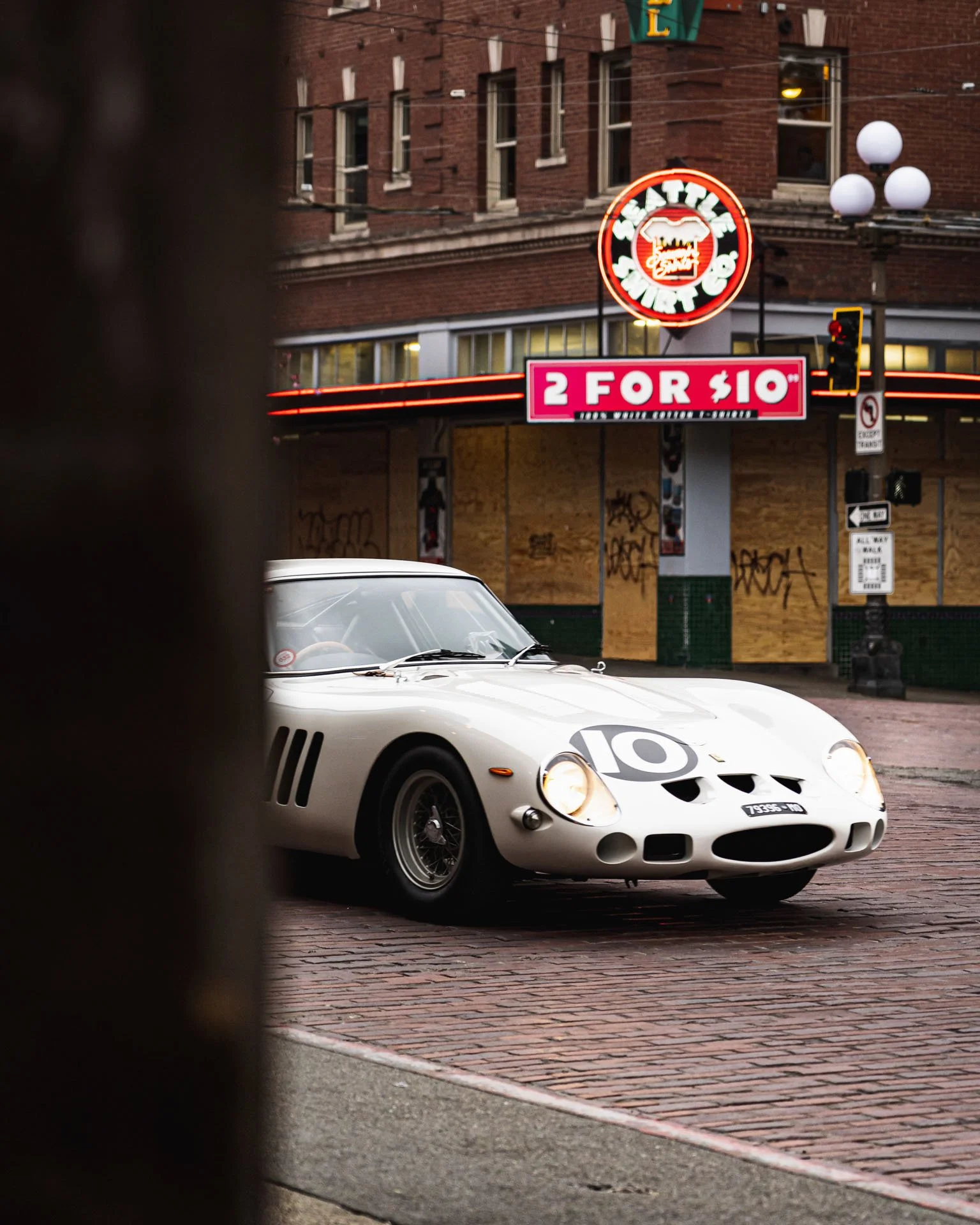
Coombs made a couple of personalizations to his GTO based on his racing experience. He added louvers to the hood to draw heat out at speed, and removed the driving lights, making those openings into vents to cool the brakes. He and others raced the car, and on August 18, 1962, he loaned it to Graham Hill, who raced it in the Goodwood Tourist Trophy race. This day, the car was given the number 10, and challenged well but took second place overall to Innes Ireland driving another 250 GTO. Since Graham Hill went on to win the Driver’s Championship in F1 later that year, the car’s livery, as seen in these photos, honors his time behind the wheel.
One day, after returning from an off-season trip, Coombs walked into his race shop to find his Ferrari 250 GTO nearly disassembled and the Jaguar factory race team going over every detail. They learned what they could, and at Coombs’ strong urging, reassembled the car for him. What they learned became the legendary Jaguar E-Type Lightweight, a true competitor to the 250 GTO.
Coombs sold the car in 1964 for next to nothing, as was normal for a used race car in the day. Four more owners raced it over the next couple years before it was sold in 1970, to Jack Sears who used it as a street car.
Old Retired Race Cars
After a couple years, the value of any 250 GTO was that of a used race car. Value was based only on how good of a race car it was, and by the late ‘60s or early ‘70s and that wasn’t much. One of the classic GTO stories is of chassis 3589GT, which, after racing for two years, was simply donated by its Texan owner to his local High School automotive mechanics’ class. After a few years the school found parts hard to come by so they sold it for minimal money to an Ohio businessman who got it running and put it on his ‘Exotic Car Rental’ lot. That didn’t go well so after two years, he loaded it onto an open trailer and hauled it home where it sat in his field behind his house for 13 years.
During this time a few things happened, including OPEC creating gas shortages, the auto industry creating questionable cars like L82 Corvettes with just 220 horsepower and the stock market underperforming. Some people loved the rarity and yet proven success of the Ferrari 250 GTO and with this car, 36 different collectors, and no more, could attain one of these cars. Eventually, these cars became known as the last of the real front-engine GT race cars sold by Ferrari. By the early ‘80s, each of the 250 GTOs sold seemed to far outpace any other type of investment, causing the Ohio owner to quietly roll his car into a garage in 1986. In 1988, it sold at auction for $4.2 million. The numbers started going crazy, peaking in 1991 with a sale of around $15 million. Then this bubble burst and values dropped on these and all collector cars during much of the ‘90s before values started climbing again. Chassis 3729GT was purchased from Jack Sears and added to the Shirley Collection in 1999.
Drive Time
With an overall length of 174.5 inches the 250 GTO is more than five inches shorter than today’s Porsche 911 GT3 RS. At just under 2,300 pounds, it also weighs in at a full 1,000 pounds less. Sure, the Porsche has 518 horsepower, but the Ferrari is no slouch with around 310 horses. Top speed was dependent upon whether the short or fast track gearset was installed, but assume between 140 and 180 mph. These cars were sparsely outfitted. In fact, exterior color, and black leather versus blue cloth seats were just about the only real options. No speedometer, radio, heater, window lifts, insulation, sound deadener, cigarette lighter, or ashtray was available. The steering wheel is a unique Nardi wood wheel with a black inset into the wooden rim. All the cars came with silver-painted Borrani wire wheels with steel spokes and alloy rims, with three-wing spinner knock-off hubs.
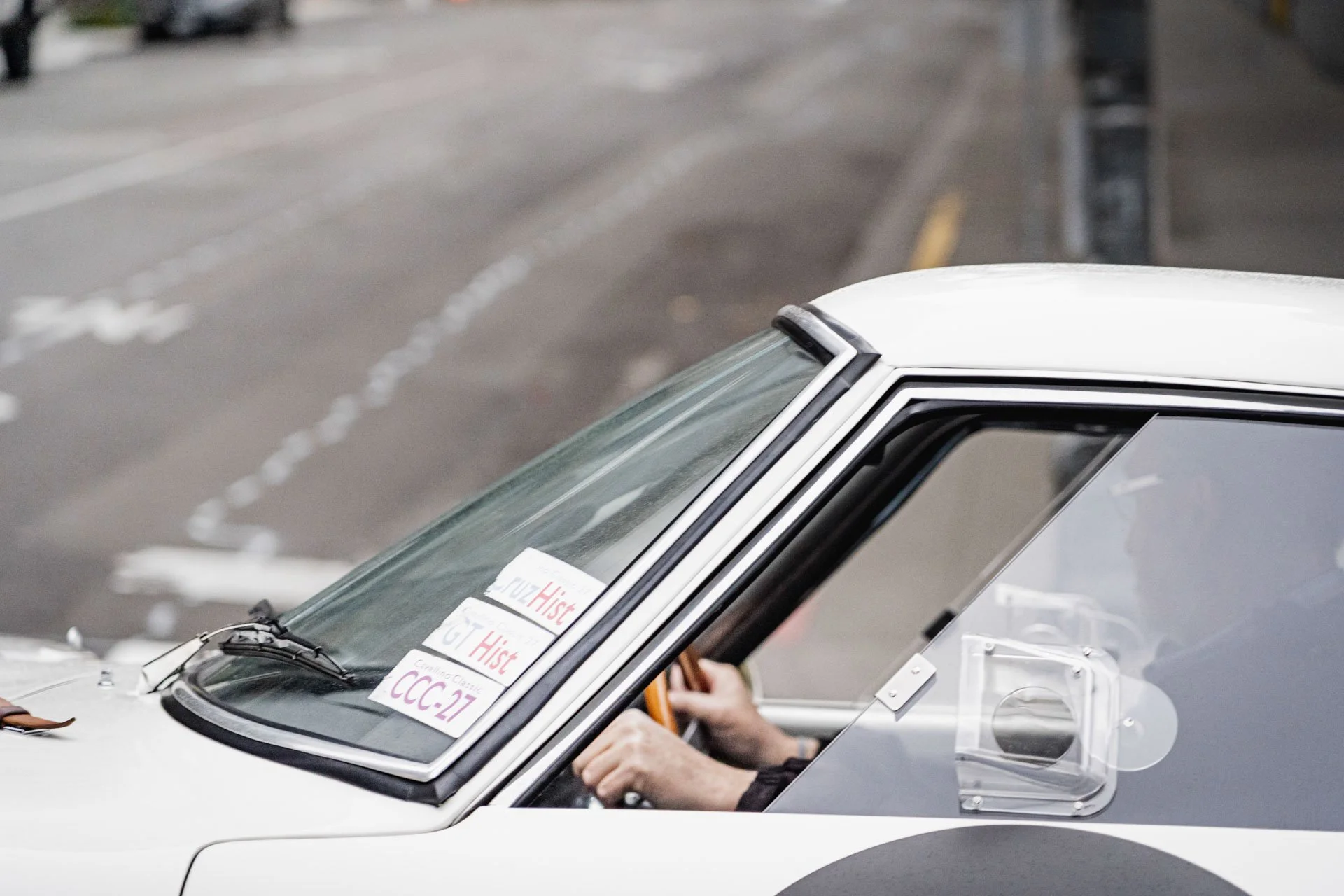
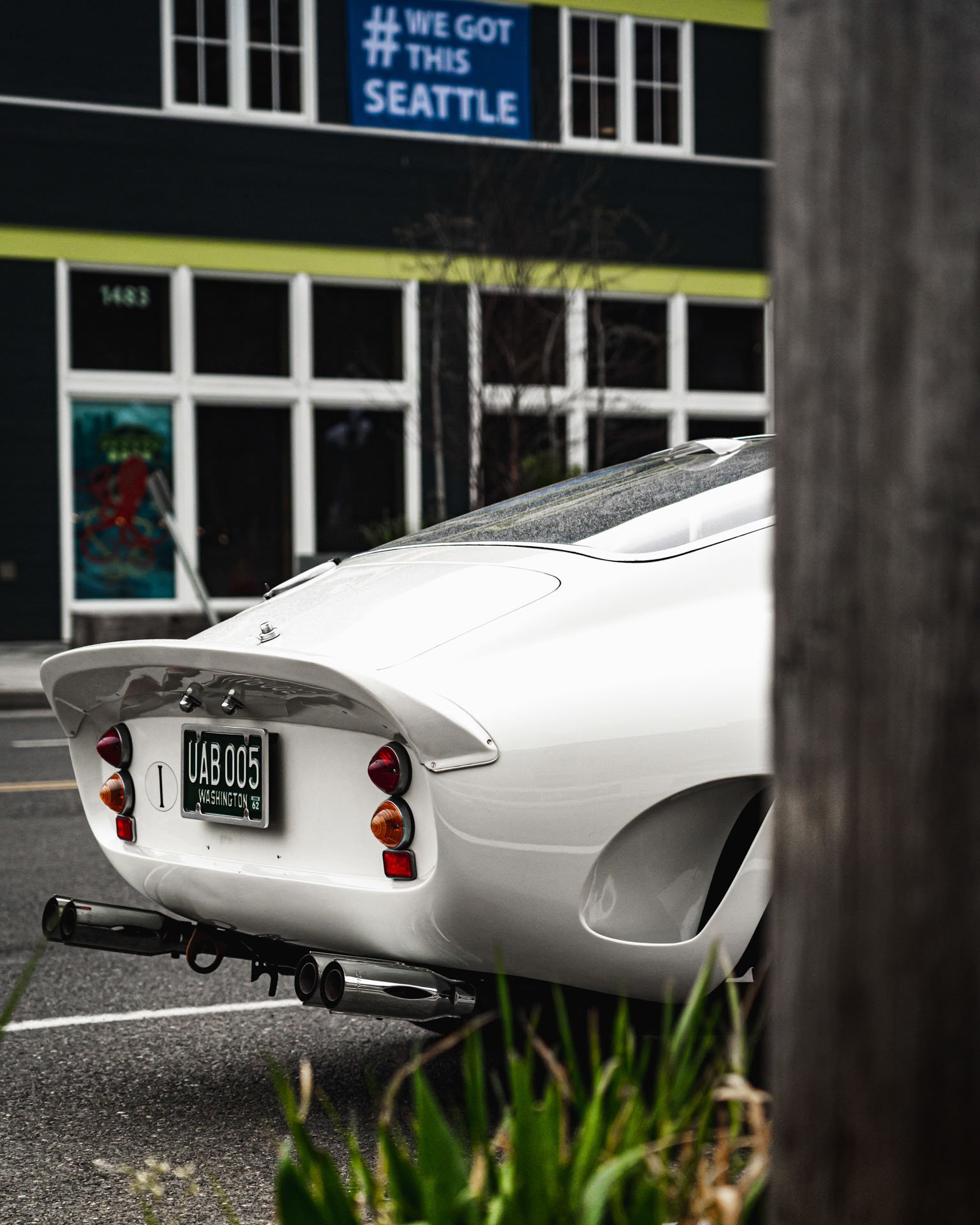
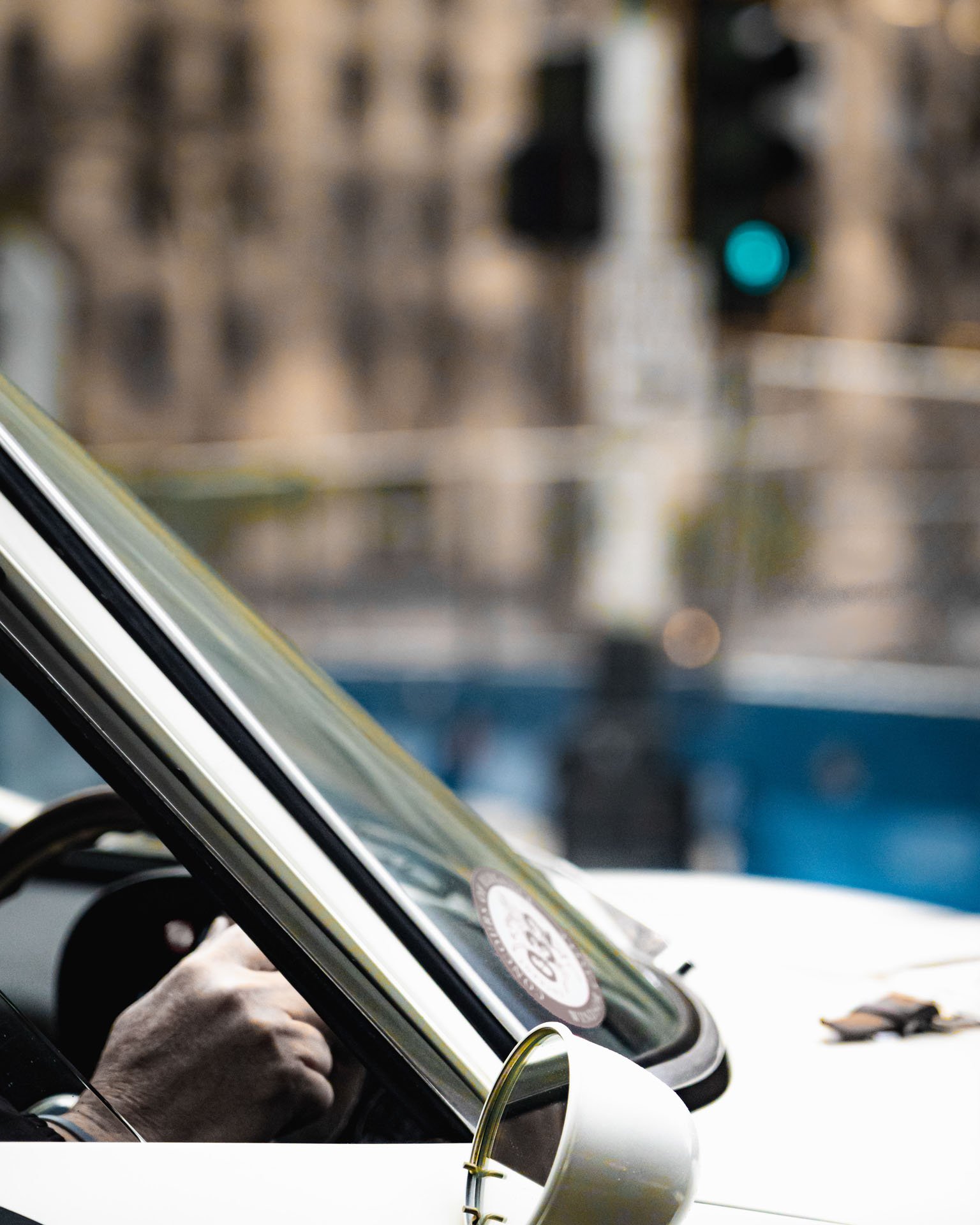
Having driven hundreds of miles in a GTO, the experience is both thrilling and numbing. Entry is snug, thanks to the roll cage added for vintage race events, but once in, the driving position fits my 6-foot 2-inch size just fine. Visibility is rather good out the front and rear, with the rear side pillars creating the standard blind spots. Mirrors are small but they work. Switch on the electric fuel pump for a few seconds listening for it to pressure up, the sign it has pushed fuel to the bank of six carburetors, then pump the gas pedal a half dozen times before pushing the key in to engage the starter. Your ears are treated to a combination of great sounds. Like a symphony, of sorts. The mechanical whirring of the flywheel, cams, chains, valves, pumps, and pistons as the starter spins the engine, then the burble as it starts to catch and run. The engine fires up to its 1,500-rpm idle with a loud sound and the feel of the vibration, which is carried throughout the car as the engine mounts are not designed for quiet comfort. The street exhaust exits out the rear; it’s loud, but quieter than the side dump race exhaust that was often used back in the day. The thinly cushioned seat provides little to no comfort, and forget about moving the seat forward or back without a wrench and a lift.
Competition clutches are not very forgiving, so it’s keenly important to execute the throttle-and-clutch dance properly. It’s easier on track, where leaving with some tire spin is not an issue, but at each light in Bellevue, WA, that might be frowned upon.
As the car starts to roll, you are reminded that what made it a good race car, doesn’t make it a comfortable street car. The ride shares every nuance from the road surface. The engine responds quickly both on and off throttle thanks to its high compression. Tire noise combines with wind noise, and the thin aluminum body and firewall does nothing to quiet the engine, transmission, and drivetrain. Luckily, you don’t want to talk. You simply enjoy the sounds.
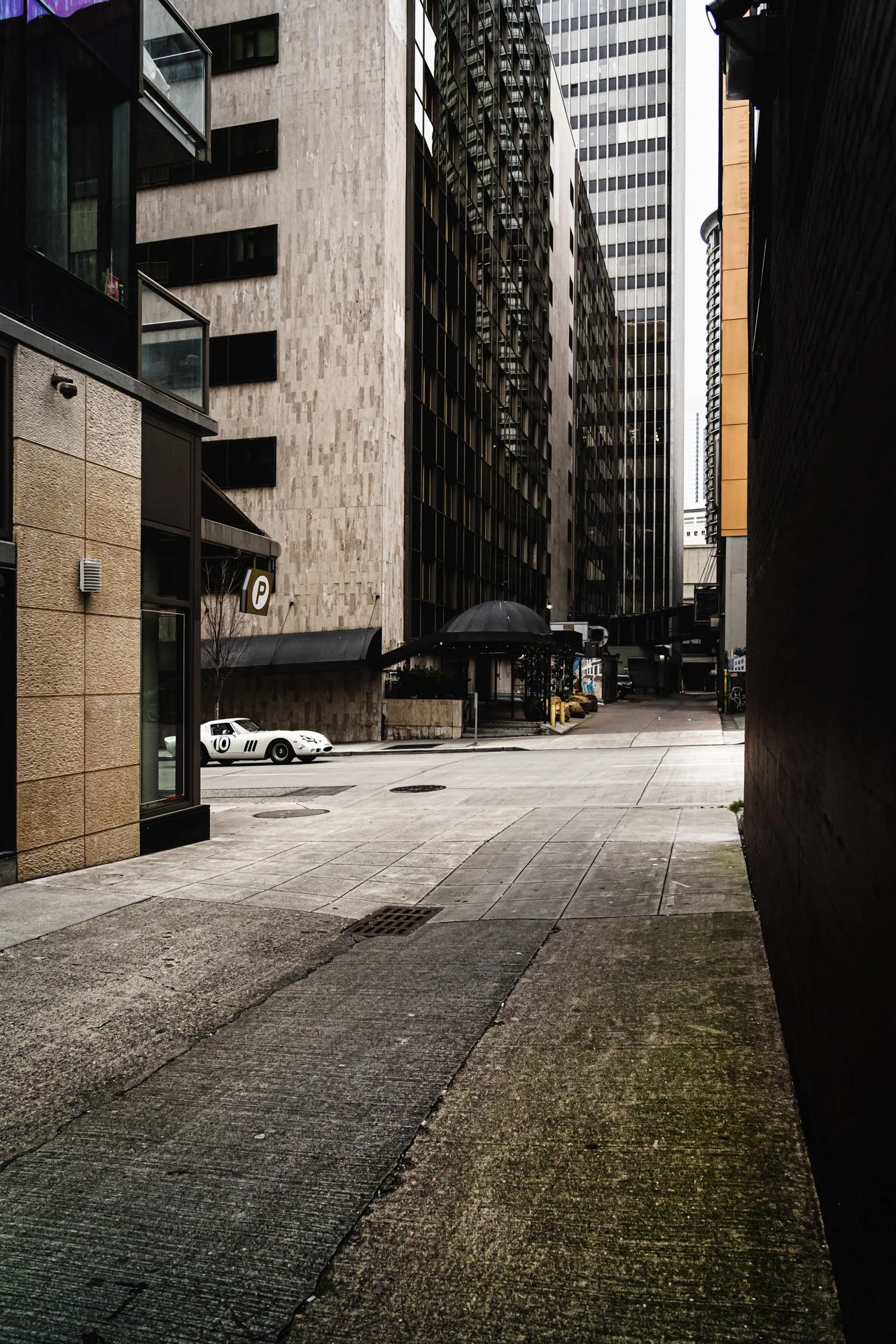
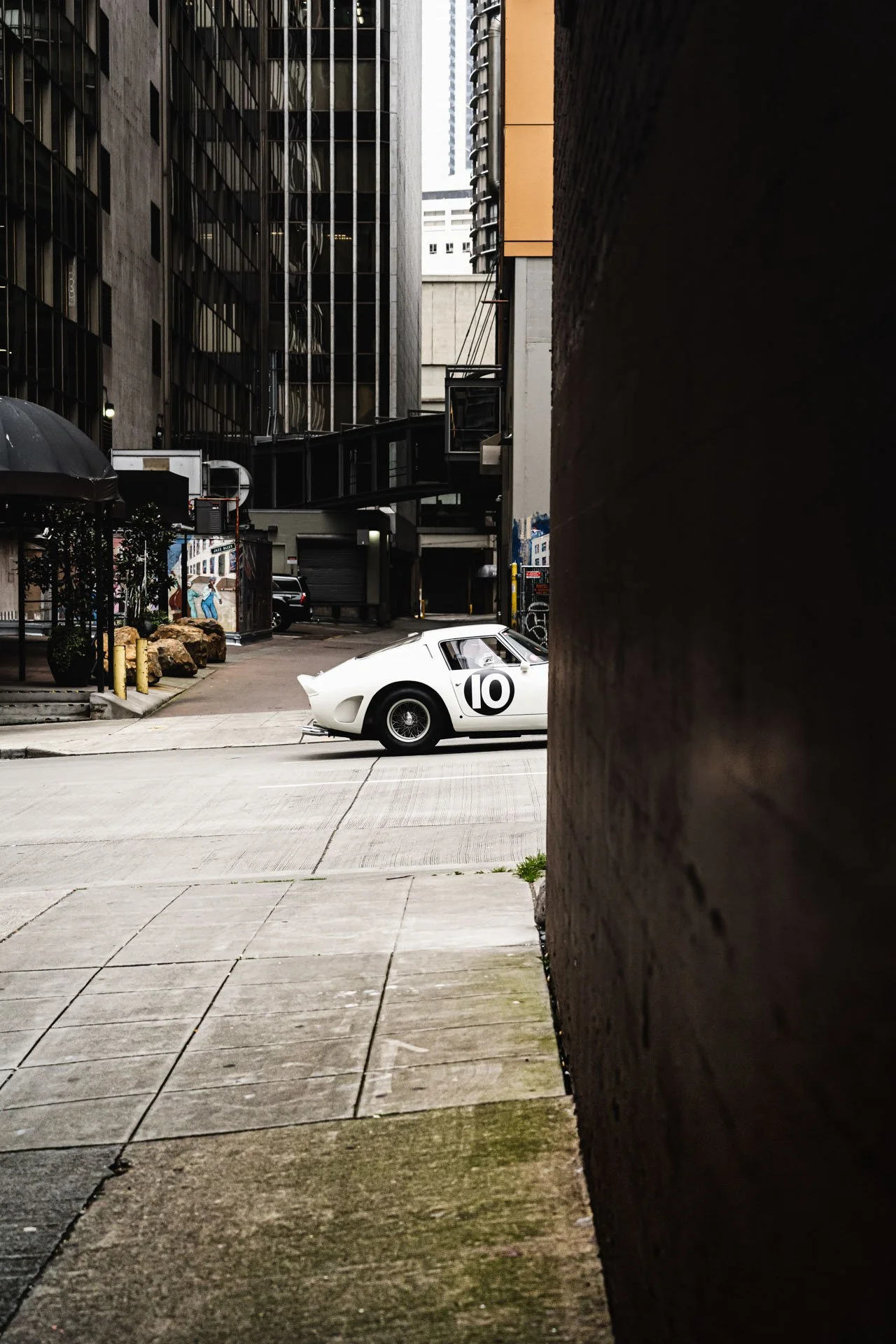
Drives usually involve wonderful back roads in the Snoqualmie Valley where you can pretend you’re in Italy, but sometimes, when the city center has empty streets, you just have to live a little. Almost everyone seeing the car knows it’s different, but almost nobody knows what they are seeing. Your brain gets used to how loud everything is the longer you drive. You start to listen to the individual sounds within the cacophony of noise—the clunk from the gated shifter during gear changes and the slight squeak from the clutch as it engages.
Looking into the Future
What does the future hold for this car, or the other 250 GTOs? Throughout their meteoric value increases, there have always been people saying they’ve reached their peak and the bubble will soon burst. I’ve heard that as the collectors age, the younger collectors will focus on other cars and the Ferrari 250 GTO will lose its luster and value. So far the status quo has won out, with the extremely rare sales still staying in the $70 million range. Either way, the legend of the car will continue long into the future. The key is when you get a chance to see one, photograph one, listen to one, or drive one… the price doesn’t matter. Jump at your chance and enjoy the moment.

