
The Ultimate Beach Cruiser
Bruce Shelby’s 1979 Renault Le Car
STORY | Evan Griffey
Photography | Stephen Mitchell
The Renault Le Car, known globally as the Renault 5, holds a unique place in automotive history as one of the first truly modern superminis. Introduced in the early 1970s, it helped redefine what a small, affordable car could be by combining practicality, efficiency, and clever design in a compact footprint. Its front-wheel-drive layout, hatchback versatility, and distinctive styling made it a standout in Europe, where it became a massive success and influenced an entire generation of small cars. For Renault, it marked a shift toward more youthful, urban-focused vehicles and established a template that would shape the brand’s future compact offerings.
In Volkswagen-like fashion, but with a distinctly French character, the Le Car served as both a cultural icon and a proving ground for innovation within Renault’s lineup. It demonstrated that small cars didn’t have to be dull or purely utilitarian; they could be stylish, fun, and even performance-oriented, as later versions like the Renault 5 Alpine and the 113-horse GT Turbo proved. Although its reception in the U.S. market was more limited, the Le Car still played a key role in expanding Renault’s global presence and identity. Its legacy lives on in Renault’s continued emphasis on compact, design-forward vehicles, and in the broader automotive world as a pioneer of the modern hatchback formula.
RENAULT LE CAR: BETTER THE SECOND TIME AROUND?
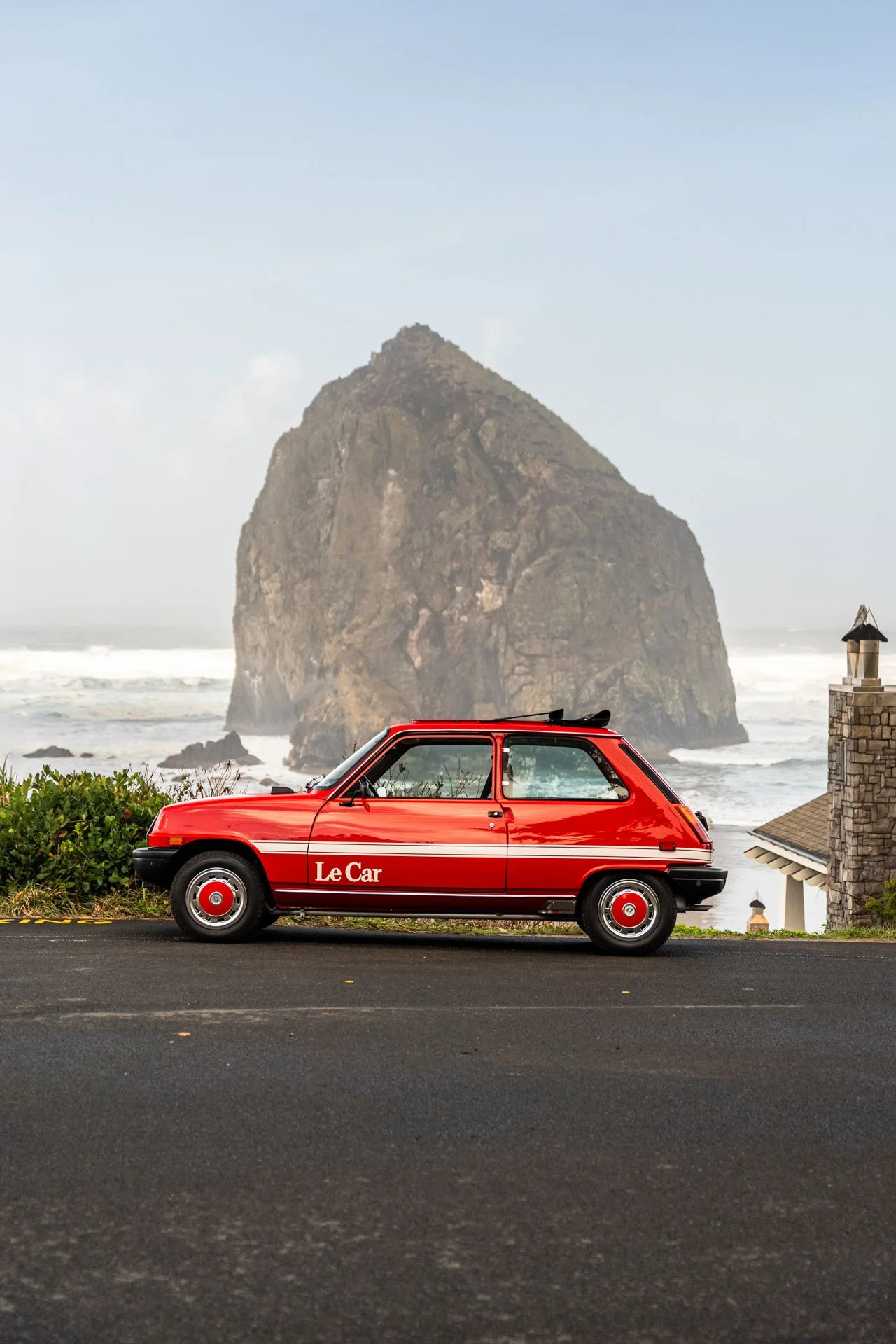
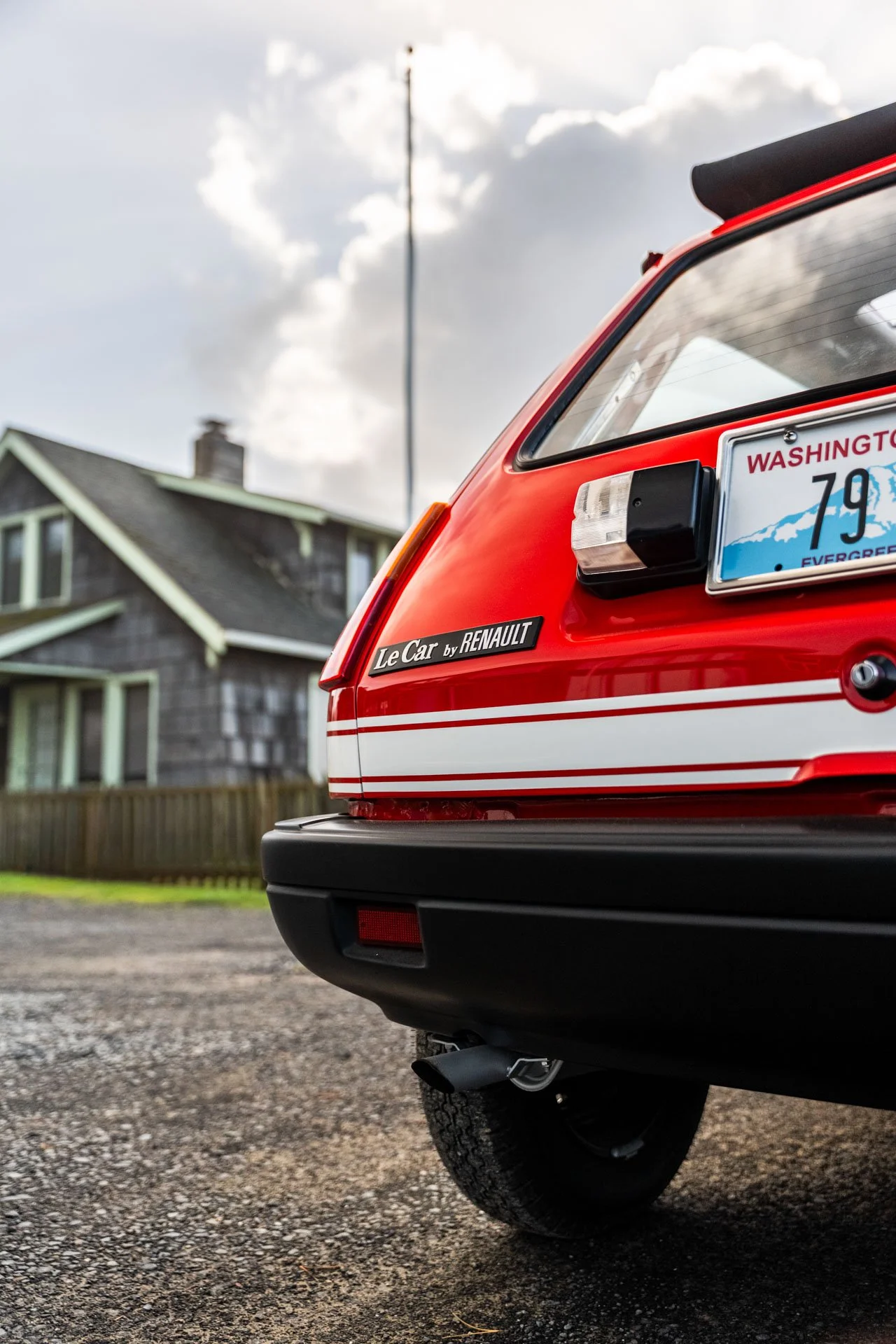
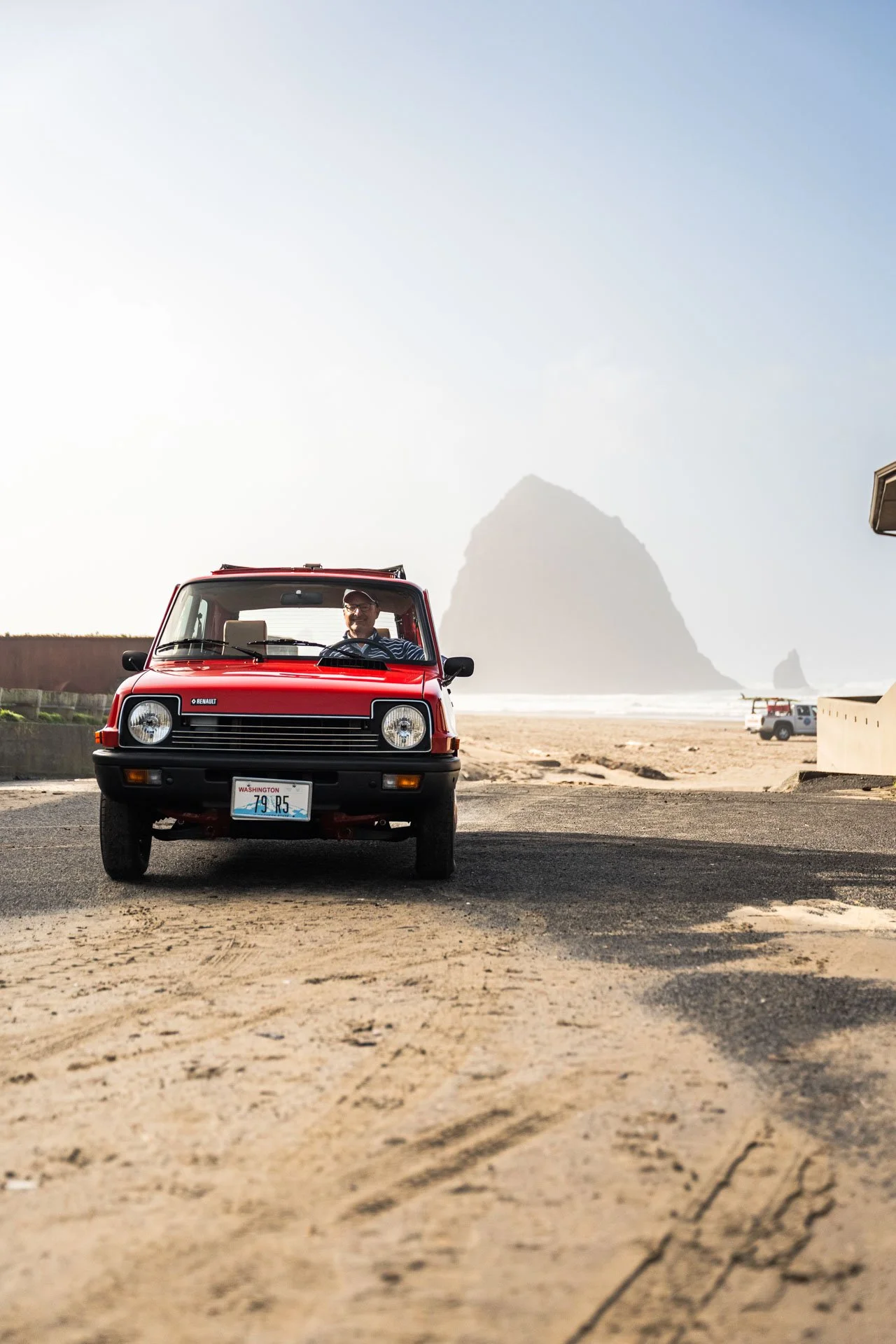
Bruce Shelby acquired his first Le Car, a 1979 model, in 1982. I drove it for more than 100,000 miles,” says Bruce, “and then my brother and his friend took over and rolled up another 100,000 miles. I haven’t seen one on the road in the last 20 years and thought it would be a fun Cannon Beach car. I landed the current Le Car in 2022. It is a lot of fun to drive in nice weather with the top open and it’s been a real crowd pleaser here in Cannon Beach.”
Bruce says he enjoys the nostalgia of re-creating his first car and driving something that many people have never seen or, if they have, haven’t seen in decades. “It’s fun driving something unique,” says Bruce. “The car only has about 55 horsepower, but it also only weighs about 1,500 pounds, so it is nimble, fun to drive, and gets great gas mileage! I also really enjoy how totally analog it is. You feel like you are really driving the car… raw and mechanical, no hydraulic or computer assists going on. It is as basic as it gets, and that’s what I love about it. You feel the road, you feel the car… There is no tachometer, but the car definitely tells you when it’s time to shift gears.”
WHIPPING FRENCH ENGINEERING INTO SHAPE
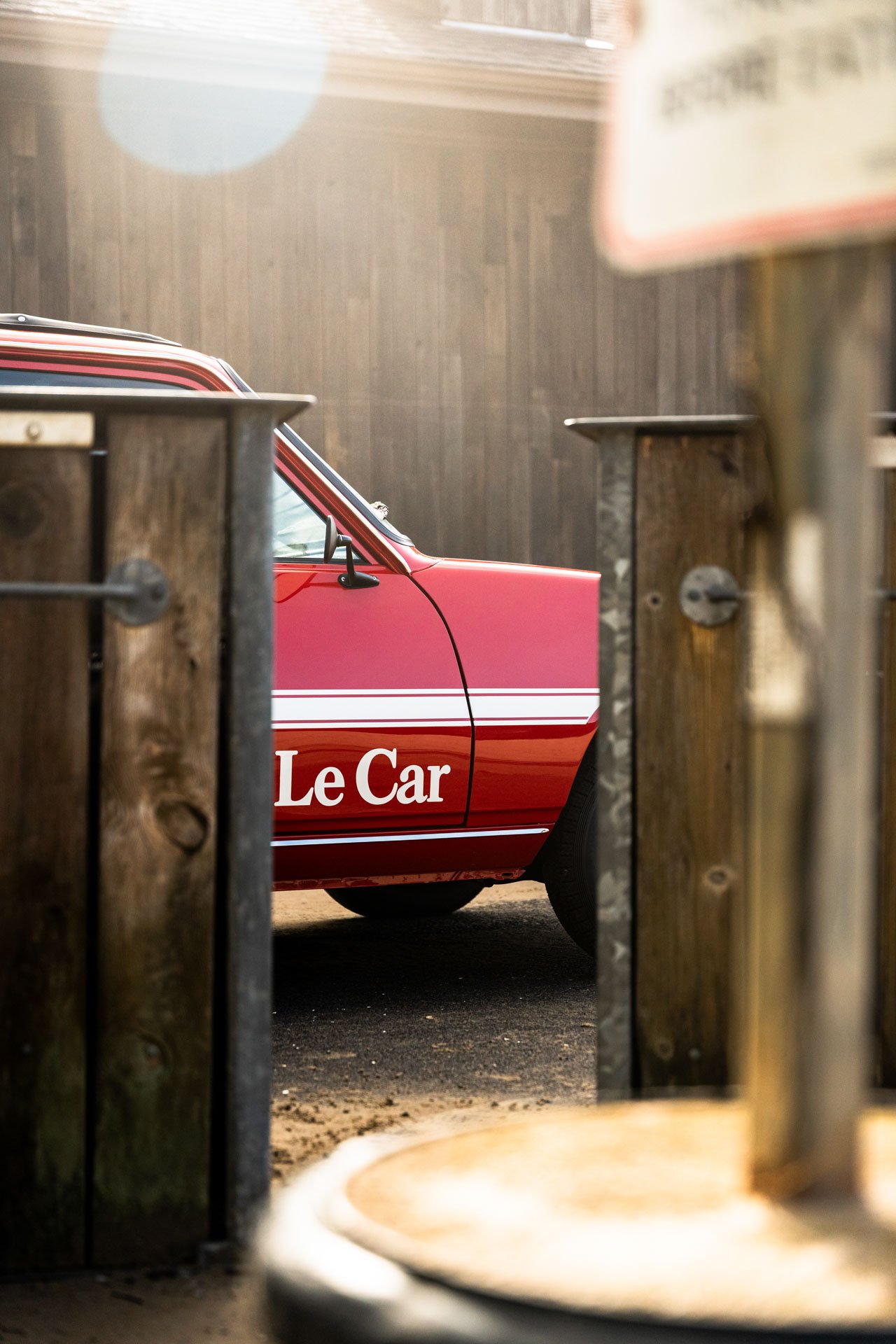
When I bought the car, I wanted to find a shop that would restore it for me. Andy and Tyler Osborn of Rule Garage in Lakewood, Washington took the project on. They did a wonderful job with the restoration. Their attention to detail was incredible.”
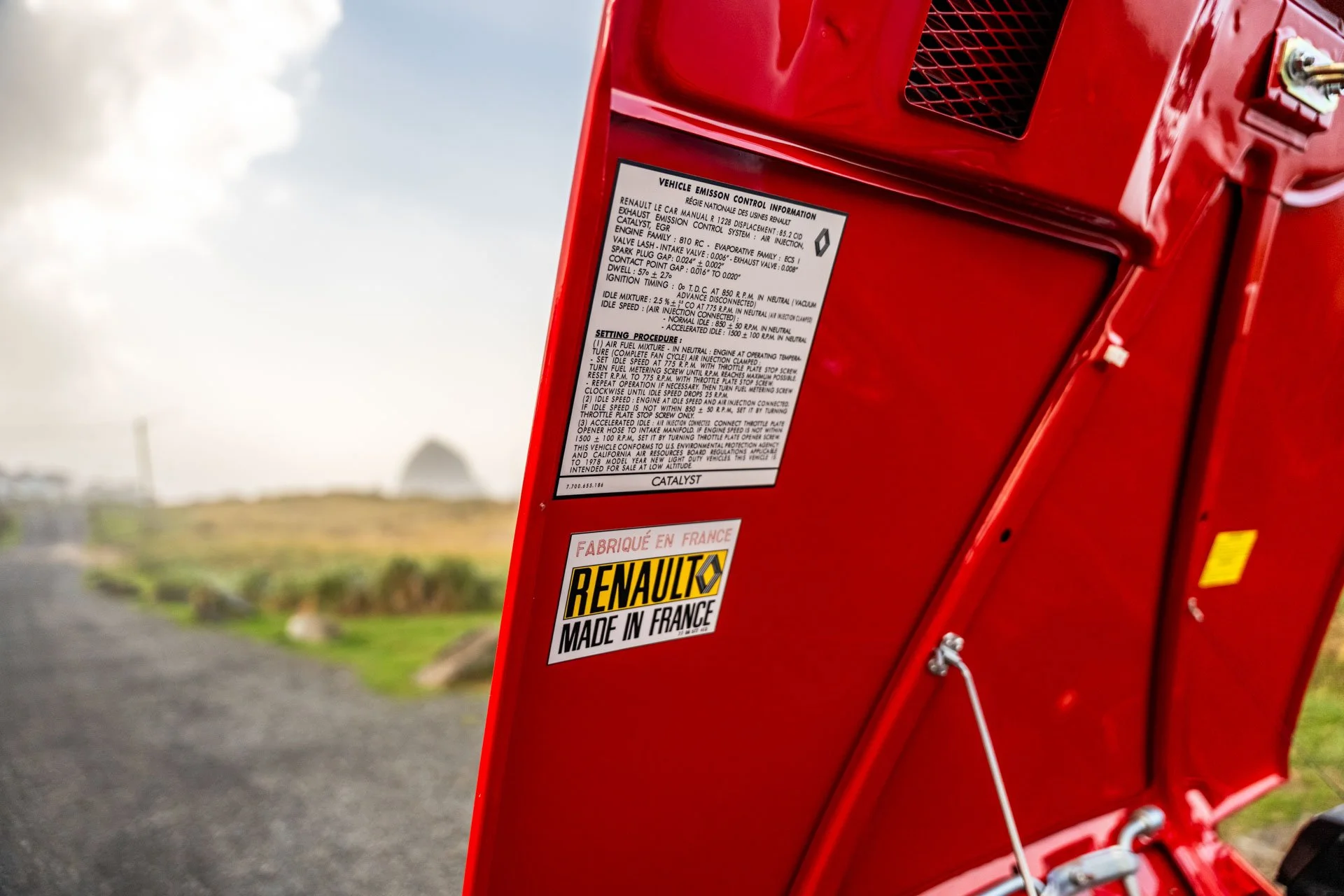
The Le Car introduced Rule Garage to “The French Way.” Andy points to the short overhangs on the Le Car. “The axles are pushed way out to each end of the body, giving the vehicle a surprising amount of interior room but making drivetrain packaging challenging. The engine in this front-wheel-drive car is positioned longitudinally instead of the more common transverse layout. Not only that, but the engine is in the car backwards! The front of the engine faces the rear of the car, and the transmission is at the front. The alternator is driven off the rear of the camshaft! The camshaft!”
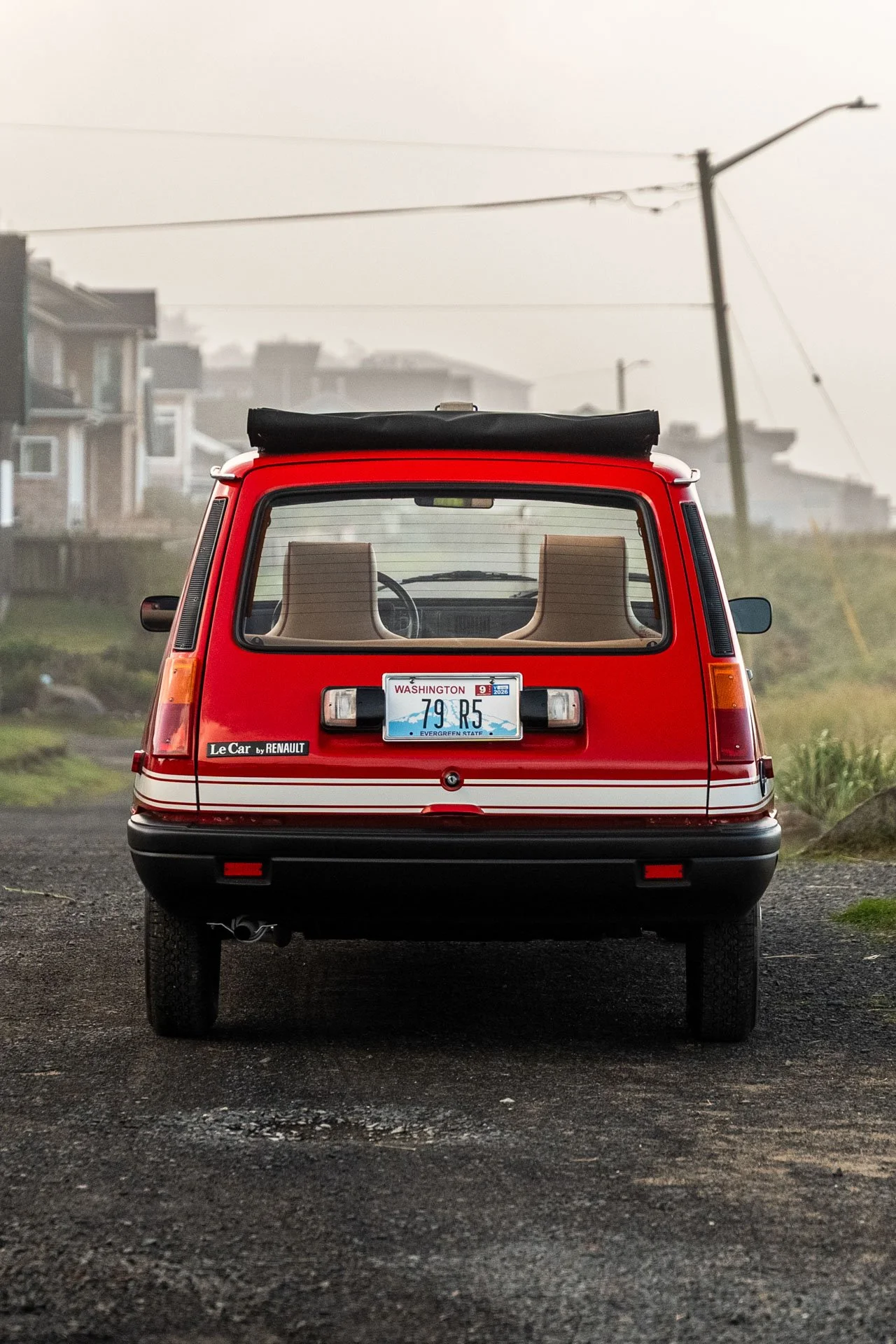
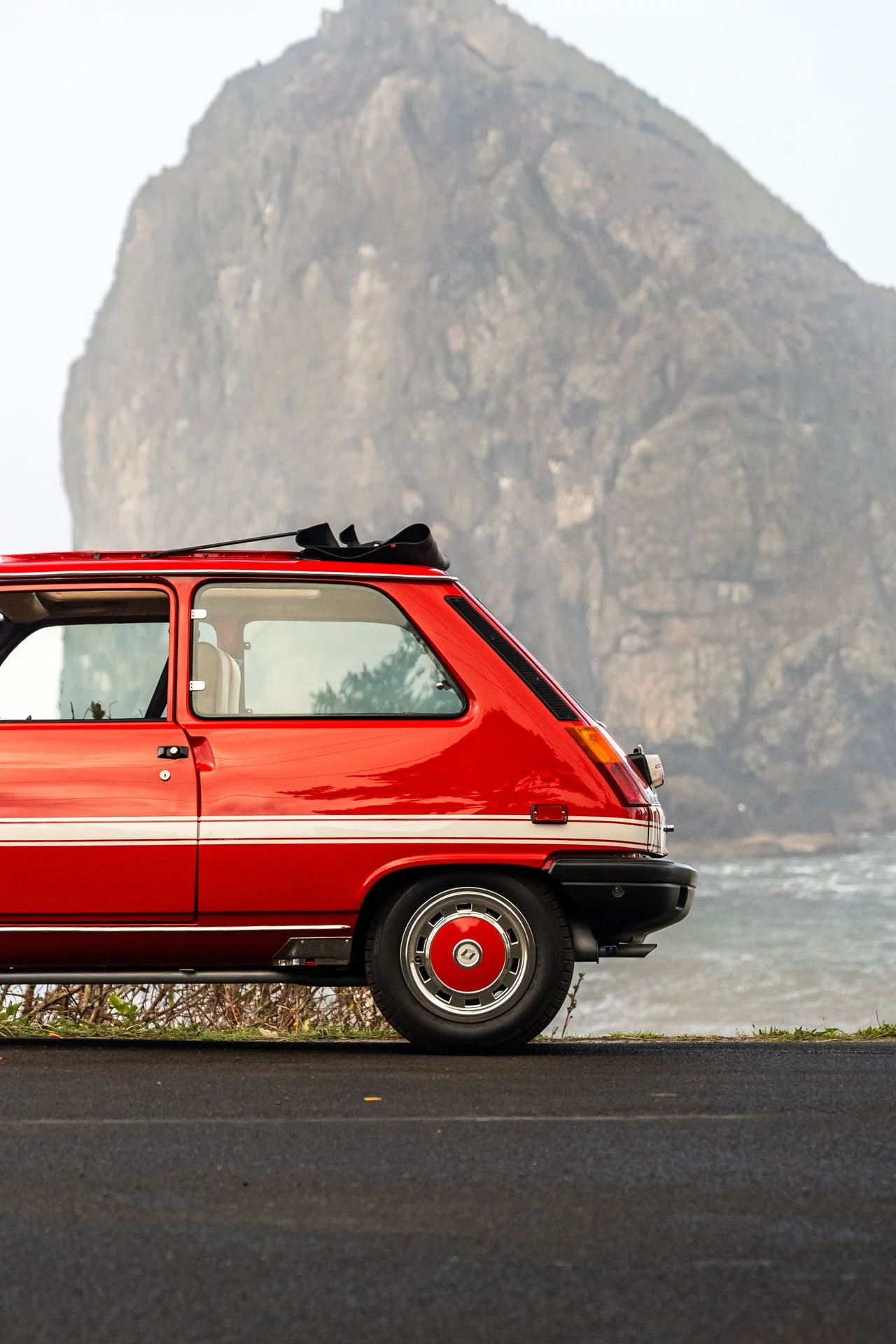
The idiosyncrasies continue. The exhaust is stock, but with a slightly higher-flowing muffler. “Speaking of exhaust,” quips Andy, “the Le Car system is uniquely routed forward and up from the engine, passes through the left side inner fender to a resonator above the left front tire, then down the inner fender well to the bottom of the body. It can be seen clearly below the rocker on the left side of the car. I could go on and on talking about all the quirks and ‘weird’ engineering we encountered with this project. It was quite the education!”
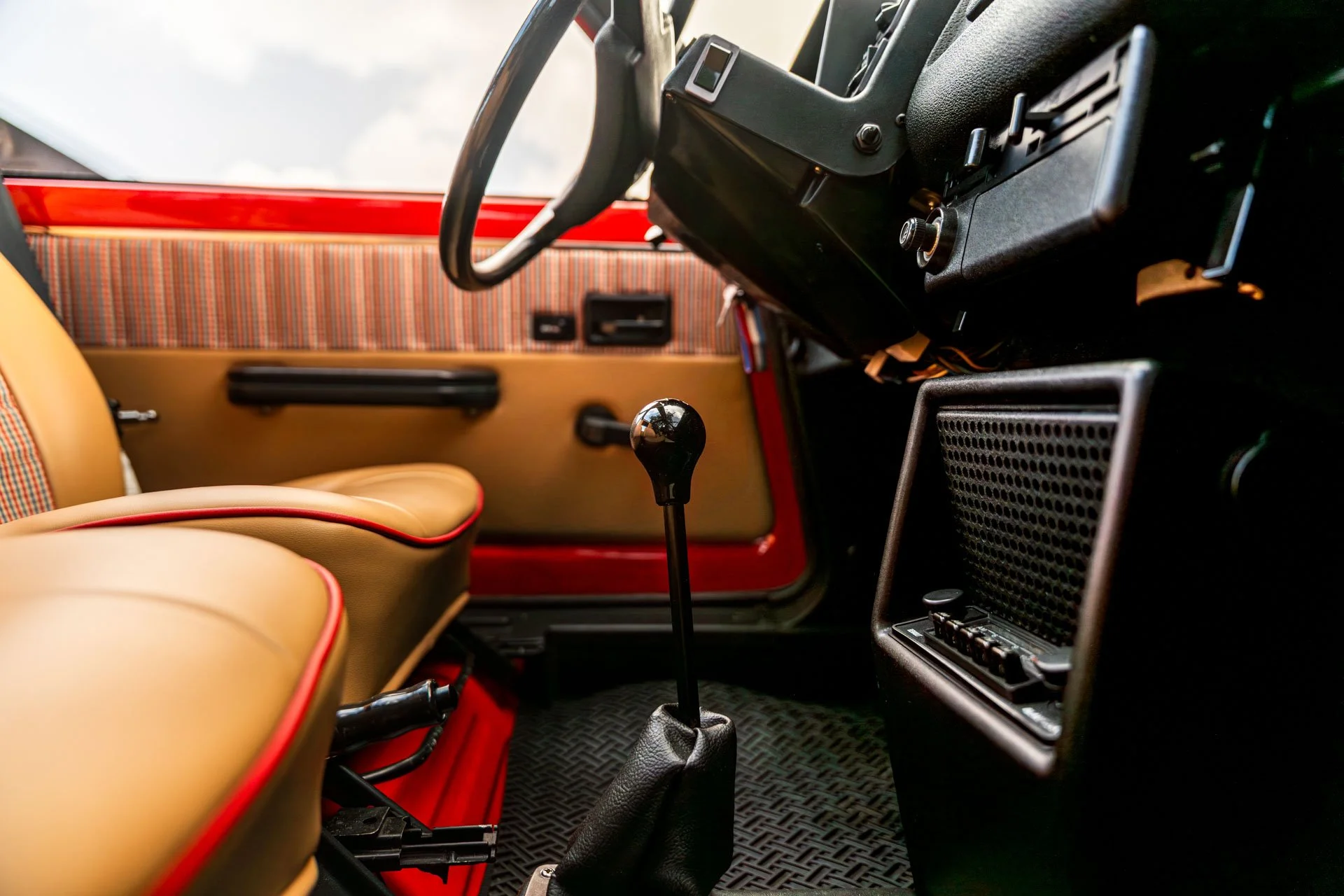
Inside, continues Bruce, “the Rule crew sent my original Blaupunkt radio out to have a Bluetooth unit installed inside… still looks like a 47-year-old radio! Jamie McFarland at McFarland Auto Upholstery of Fife did an incredible job on the interior, which I think is a highlight of the car.”
LE CAR BY THE NUMBERS
The Renault Le Car (Renault 5) was a major commercial success globally, even if its U.S. story was more modest. Worldwide, Renault sold over 5.5 million Renault 5s between 1972 and 1996 (including later Supercinq models), making it one of the best-selling French cars of all time.
In contrast, U.S. sales were relatively lackluster. Imported from 1976 to 1983, primarily via American Motors Corporation, total U.S. sales are estimated at around 180,000 to 200,000 units.
For Bruce, it’s not a popularity contest — he’s playing the long game. “This Le Car will be my Cannon Beach cruiser for years to come. I plan to teach my sons how to drive it so that they can take over when I’m gone.” A solid plan, Bruce.

