
Catching Up at Full Speed
Kaylee Countryman’s F1 Academy Experience
STORY | Karl Noakes
Photography | Haas Team, Courtsey of Kaylee Countryman
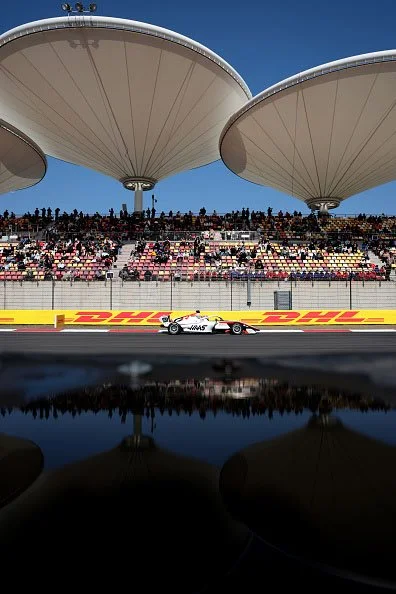
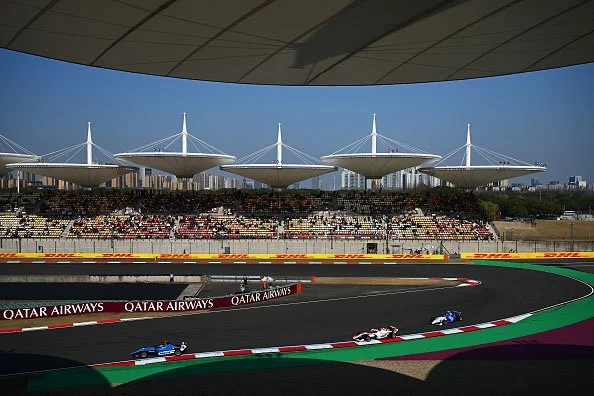
As the F1 Academy race weekend kicks off in Shanghai, the tone is clear from the moment you arrive. At the first checkpoint — badges checked, bags scanned — the Shanghai Audi International Circuit sets the tone.
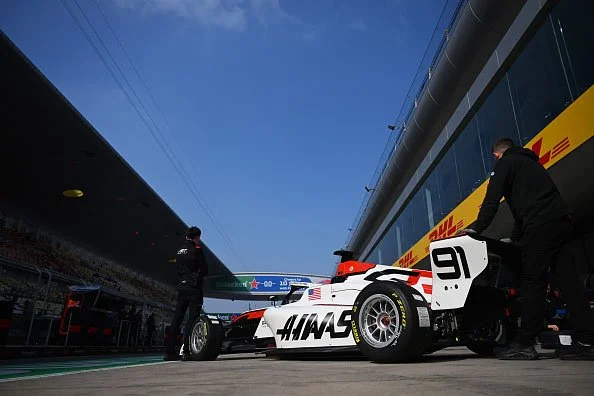
Security is strict, and distances are longer than they seem. The paddock is at one end of the track, and the media center is at the other, with a walk between them that’s long enough to make you check your watch halfway through. Moving between the paddock, pit lane, and media areas takes time and patience.
Simple things, like sticking to a schedule or meeting someone across the circuit, require more planning. Leaving early, building in extra time, and accepting delays become routine.
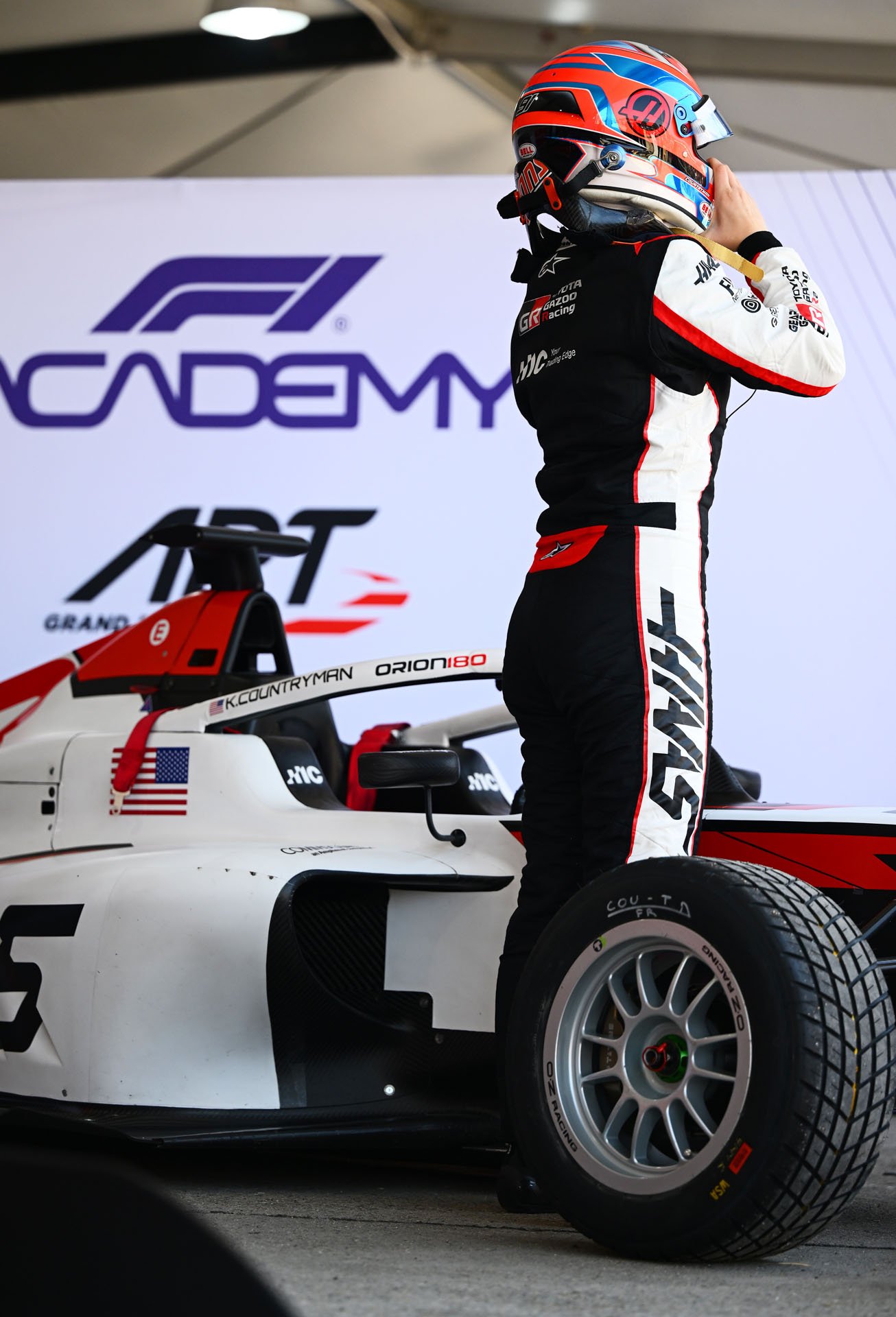
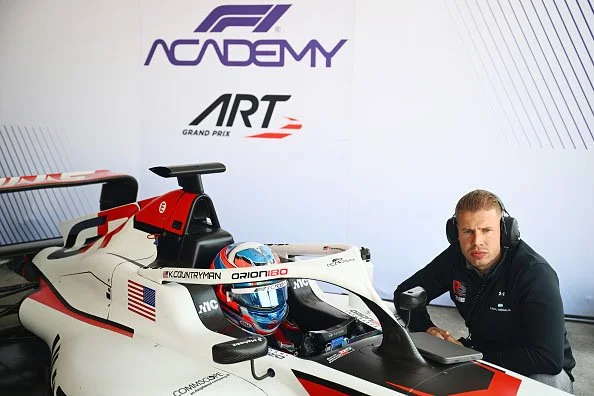
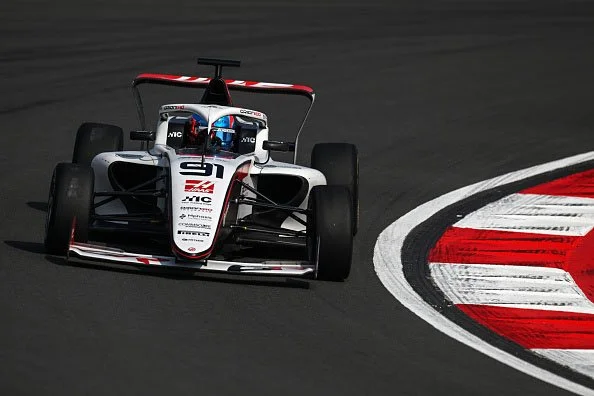
Rising racer Kaylee Countryman handled that pace easily. This was her first race of the season in F1 Academy, and it took place during a Formula One weekend where everything moves fast.
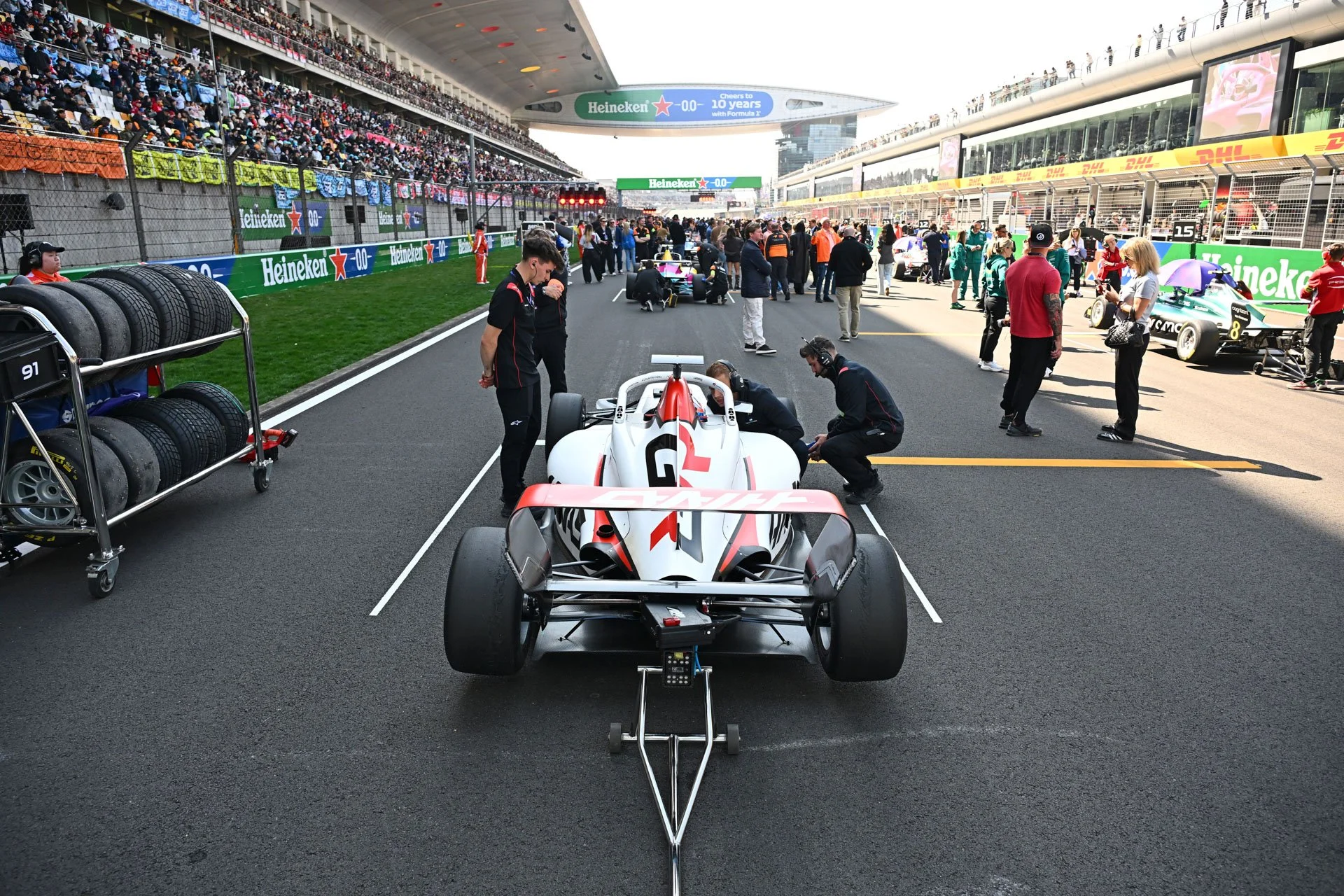
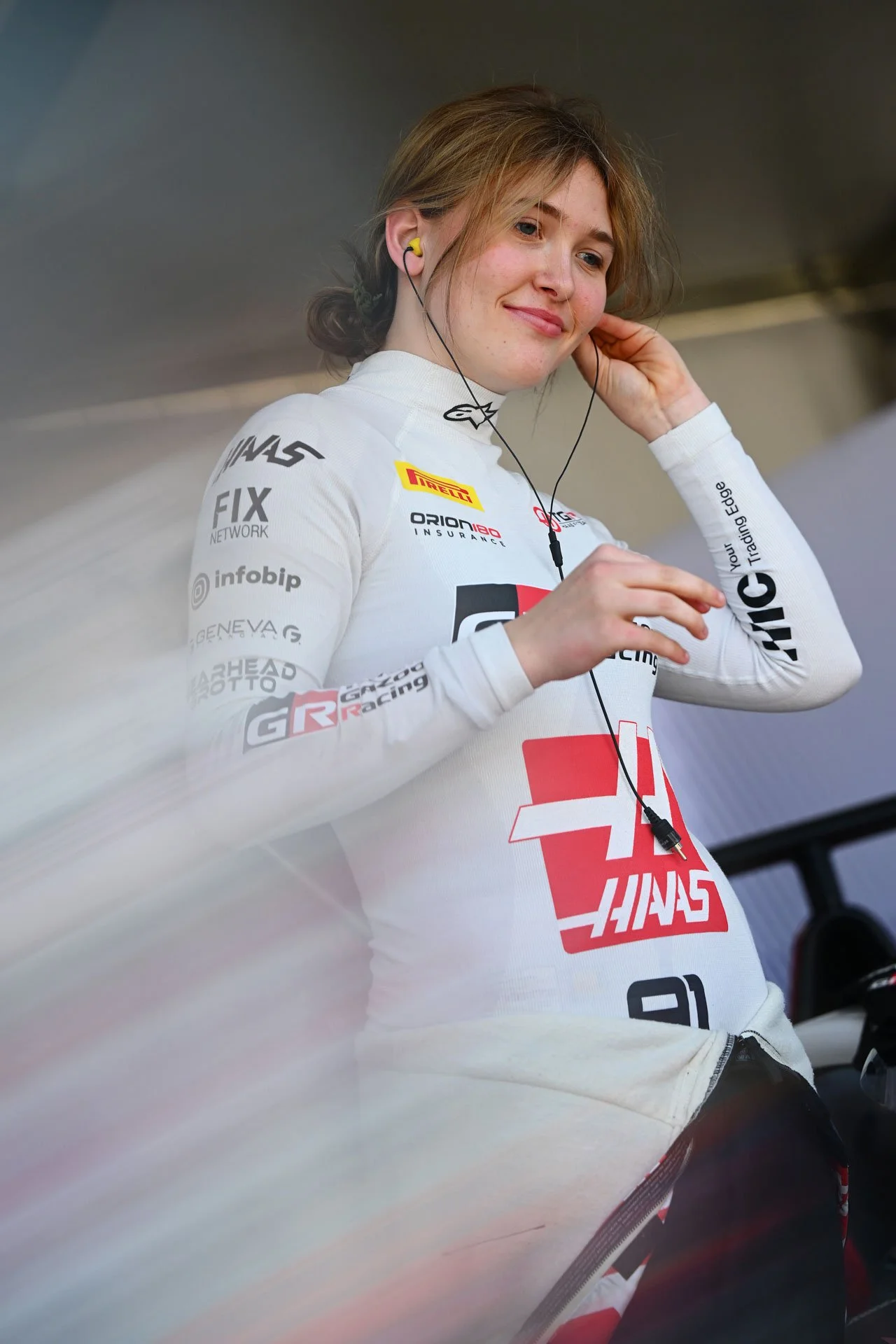
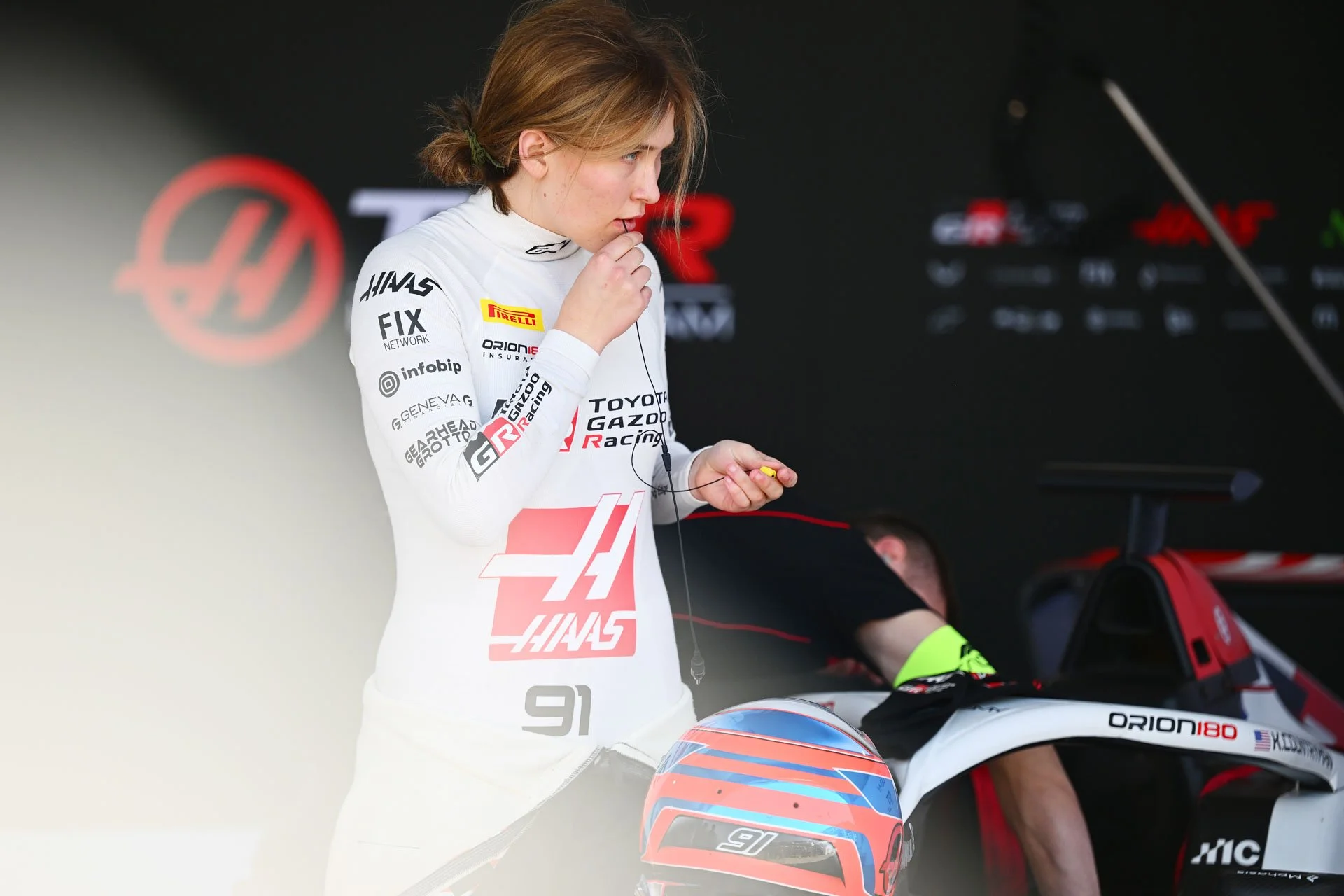
F1 Academy is a six-round FIA series for talented young female drivers. The races occur on the same circuits and during the same race weekends as Formula One. F1 Academy drivers, cars, and teams face many of the same pressures and challenges as Formula One, with very little room for error and even less time to recover.
Kaylee left her hotel 90 minutes early for her first team briefing — and still nearly missed it.
After her first practice, she stepped out of the garage to find race fans waiting behind the barriers — arms outstretched with hats, jackets, phones, and photos of her. She signed hats, jackets, phones, and even printed photos — some already creased from being carried around.
Kaylee enjoyed the attention, but she finished the session pretty quickly. “We might have been there for a long time if we hadn’t moved on,” she said. The remark hit the perfect balance between dry humor and quiet honesty.
Recognition arrives as a surprise, and brings new challenges and expectations.
A tough qualifying session, caused by technical issues, placed her at the back of the grid for the race. On a weekend like this, the starting position becomes less of a setback and more of a reset. The race arrives quickly, so there’s no time to dwell — and less opportunity to carry anything forward. The focus shifts.
“It wasn’t the qualifying we wanted,” Kaylee said. “But once you’re there, you just focus on the race and what you can control.”
A LATE START
Kaylee did not follow the usual path into motorsport, and that shaped how she approached her challenging journey.
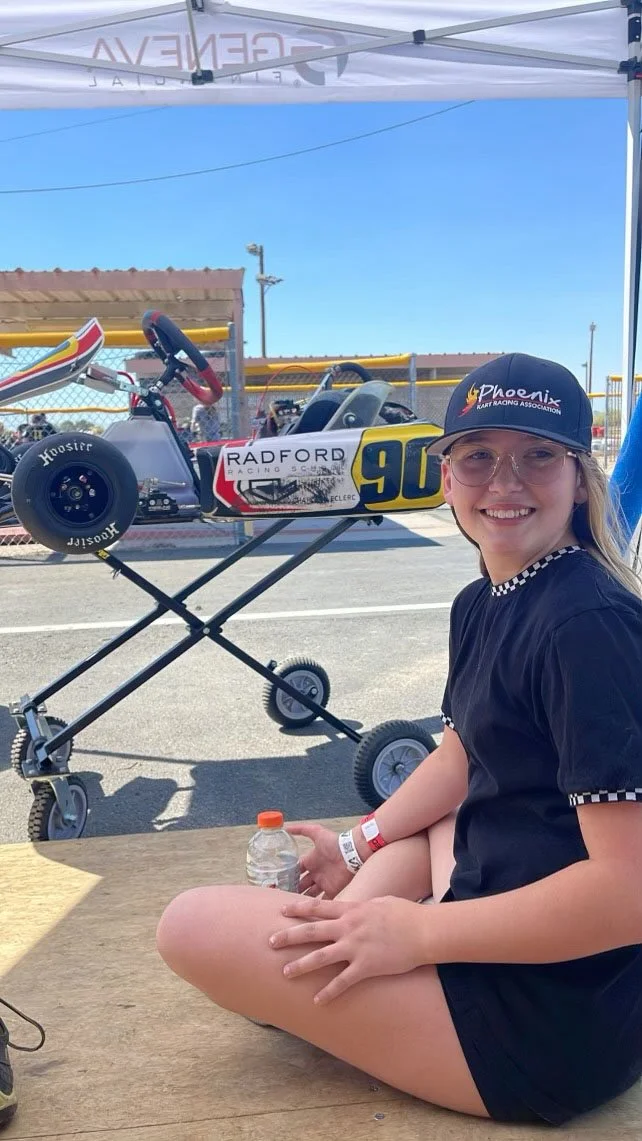
She didn’t grow up in karting paddocks or move through the typical junior routes. Kaylee discovered motorsport on her 12th birthday at the Phoenix Kart Racing Association in Glendale, Arizona. She started in a four-stroke LO206 kart that gives a direct, unfiltered response to inputs — often before a new driver is ready for it.
She quickly saw the difference between herself and the more experienced drivers.
“When I figured out that most of the drivers I wanted to be like had started when they were four or five, and I was 12, I knew I had to catch up,” she said.
Her weeks were filled with track days, followed by weekends on the track, leaving little room for anything else.
“Once I understood that, that’s when everything changed,” she said. “My weeks and weekends just became track days.” The shift required trade-offs. Online schooling replaced in-person classes to fit the schedule, and Kaylee dropped most activities that were not directly related to motorsport. It was the price to pay for progress on the track.
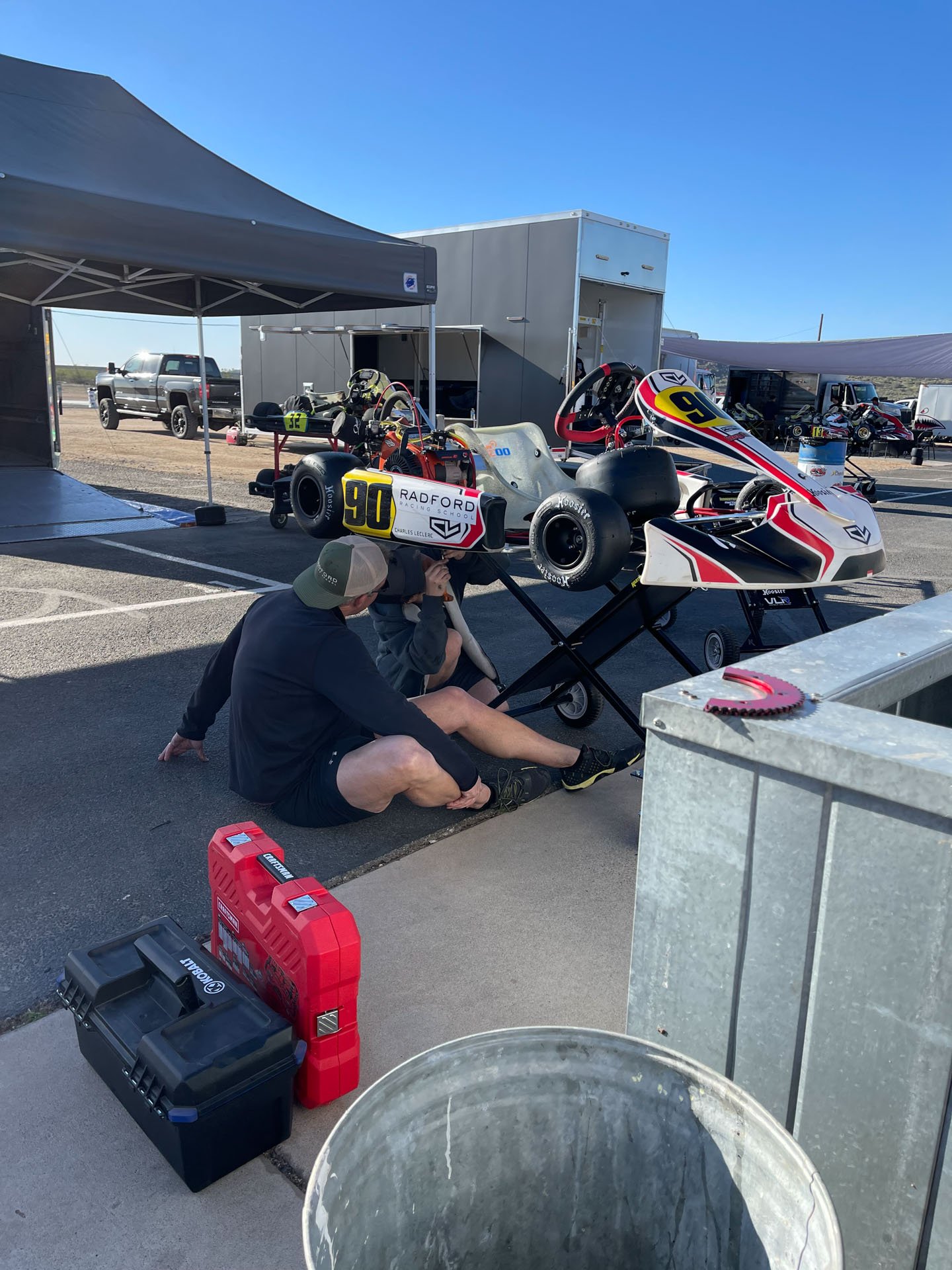
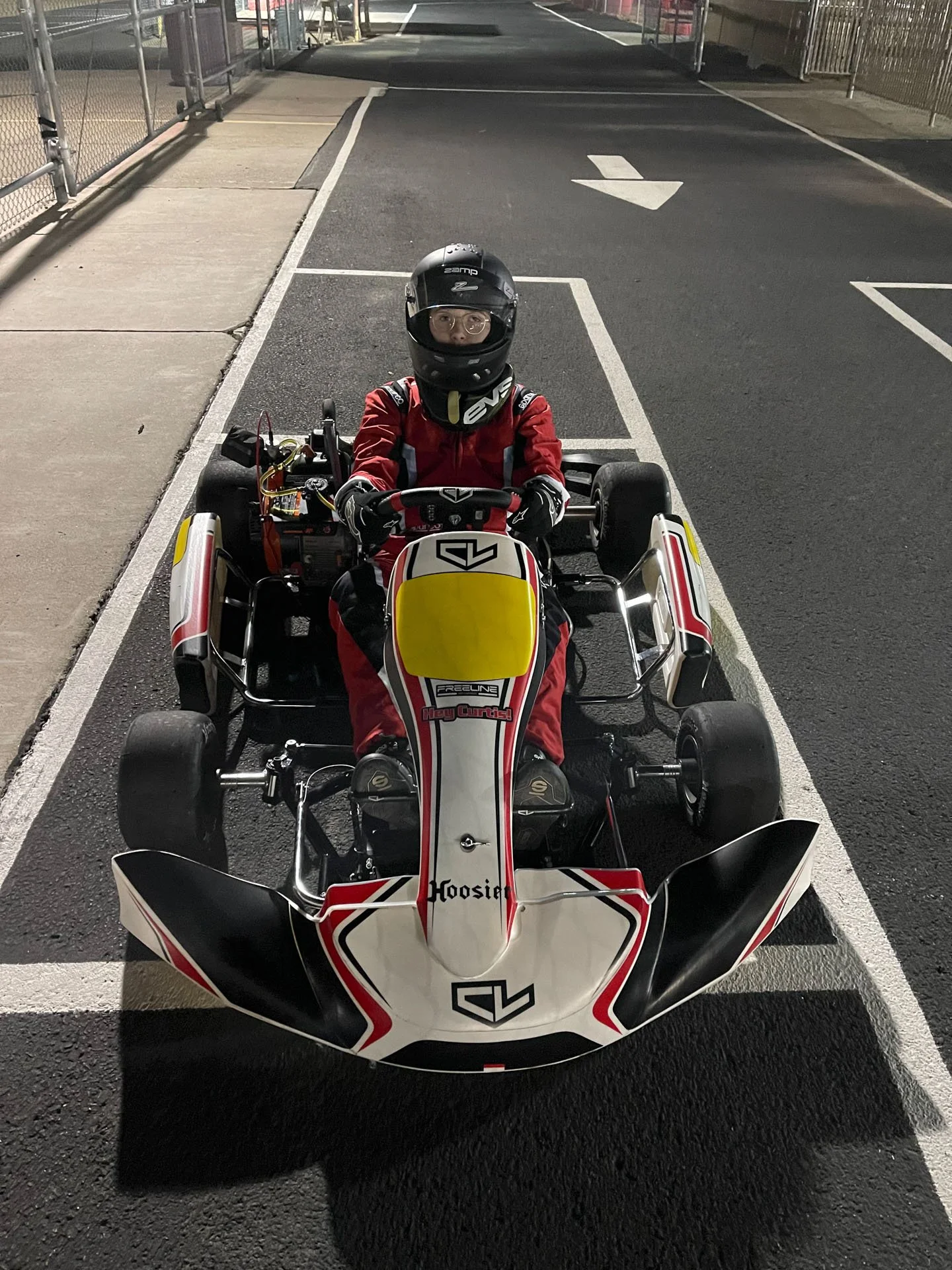
“My family made a lot of sacrifices,” she said. “I would have missed months of school otherwise. I missed family events, but it made sense at the time.”
Within a year of starting in karts, she achieved podium finishes. Then she placed second at a national event. Afterwards, she earned a spot at the Grand Nationals. Kaylee quickly built her track skills and caught up with more-experienced drivers.
A switch to faster, two-stroke engines raised the demands and the feedback, while a factory driver role with CompKart expanded her schedule beyond Arizona to Canada, Spain, and the UK. She kept moving, from race to race, country to country, with little time between events.
By age 14, she started driving proper race cars. Kaylee completed an SCCA licensing course at the Podium Club track in Arizona, where she graduated at the top of her class. She was preparing for her first open-wheel race shortly after getting her license.
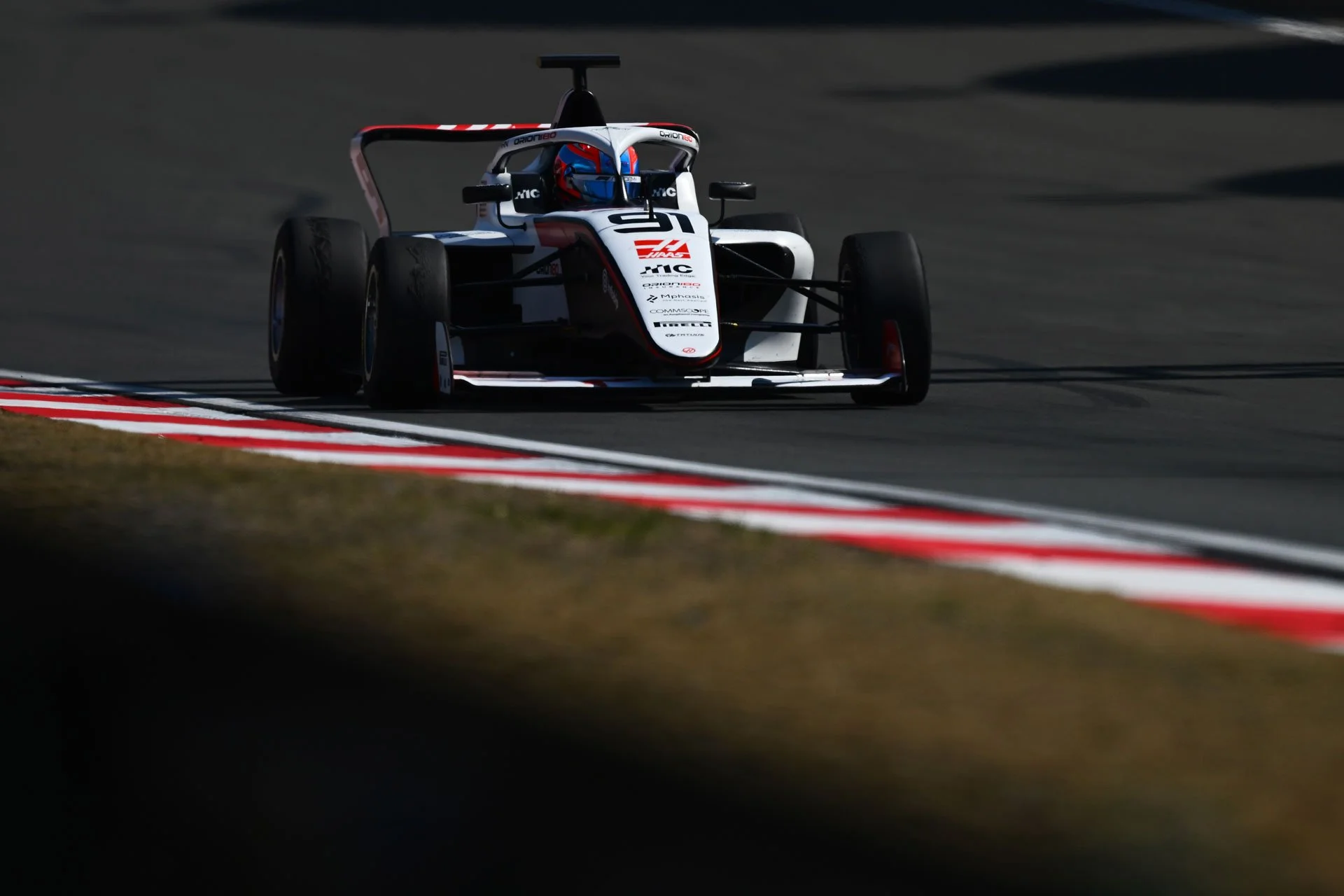
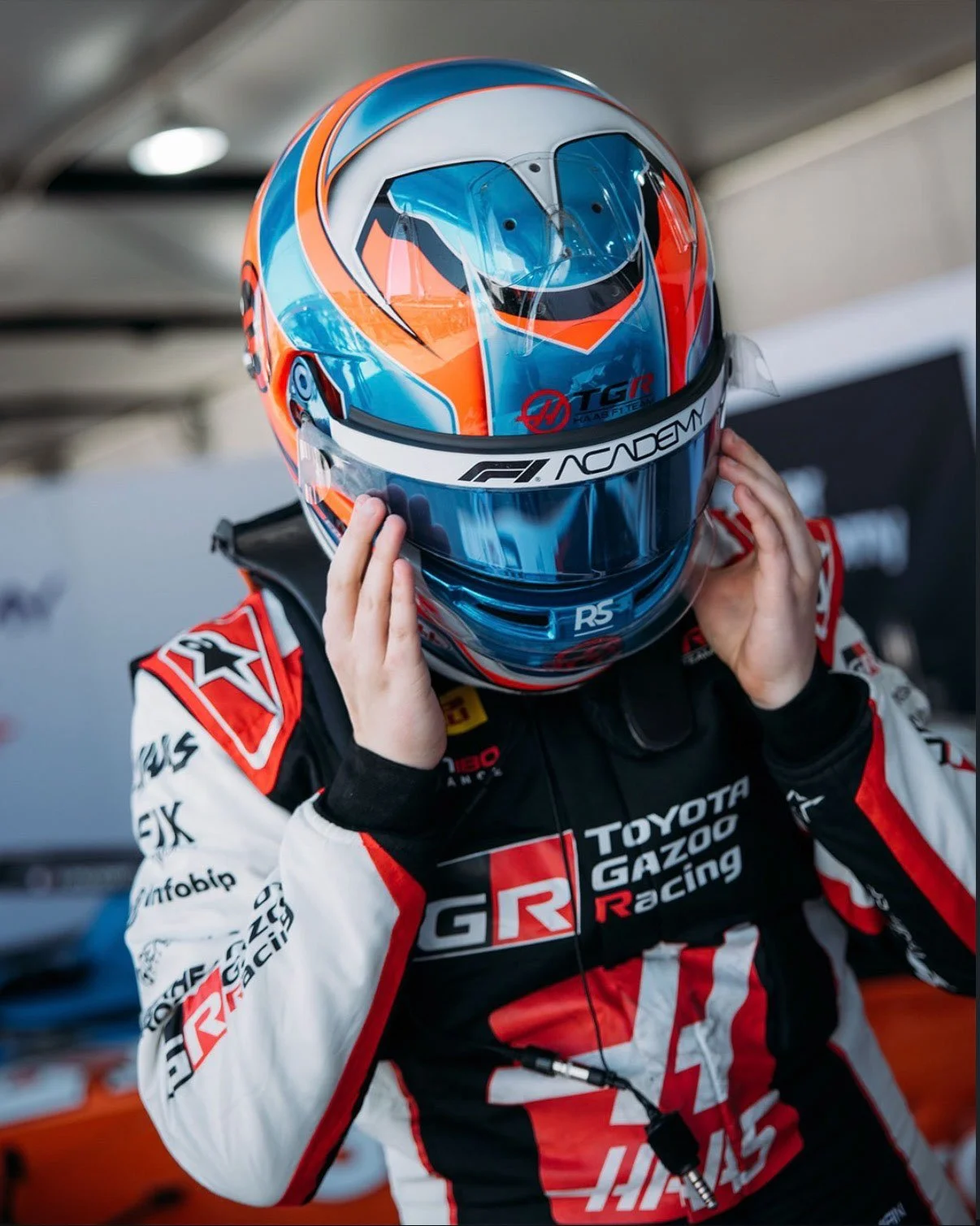
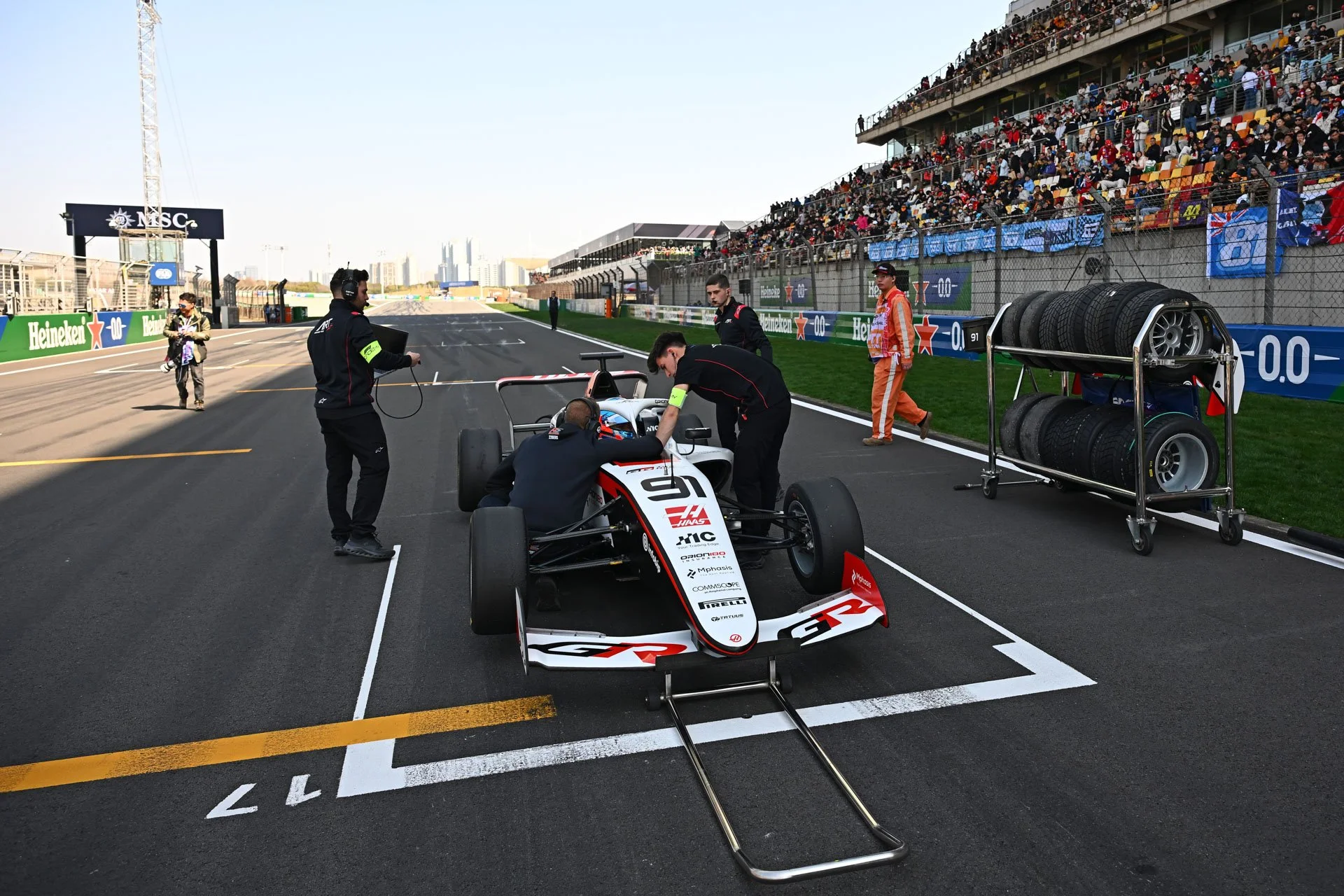
She finished third in that first race. From there, her journey continued: USF Juniors, USF2000 races, and now a drive at the F1 Academy. Just 4-1/2 years after her first kart session, she was in Shanghai, lined up with the TGR Haas F1 Team on the F1 Academy grid at a Formula One race weekend.
That is quick progress. Countryman is still just 16 years old. Other teens her age have barely gotten their driver’s licenses
Learning Fast
Progress comes not just from time in the car, but from how she interprets what happens while she’s behind the wheel. Kaylee combines instinct with a growing understanding of cause and effect. She feels the rear step before it fully breaks loose and corrects it before the lap unravels, working with a clear awareness of what the car is doing beneath her.
“I’ve always had good control of the car,” Kaylee said. “If I made a mistake, I could usually fix it before it became a big problem.” Repetition took over, and each lap was a lesson.
“The more you drive, the more you start to feel exactly what went wrong,” she said. “Not by looking at it — just by how the car reacts. If the rear moves, if the front pushes, you know what you need to change next lap.”
Small gains — reflected in faster laps — piled up. “I started noticing small improvements, and then more, and then more,” she said. “At some point you realize this is actually adding up, which is usually how it happens.”
At Shanghai, those gains come in tenths of seconds — often through the long, loaded corners where the car never quite settles, and small inputs carry through the entire radius.
The Discipline of Less
Early on, Kaylee attempted to improve by addressing everything at once, adding corrections and instructions in hopes of lowering lap times. This instinct is common, especially when trying to quickly close an experience gap, but it rarely works well under pressure.
Kaylee replaced that method with a less structured one, and that change is visible in the small notebook she keeps nearby, usually tucked next to her gear with a pen clipped into the spine. She doesn’t fill it with pages of notes or analysis; more often, she writes just a few lines — two or three clear points, sometimes just “brake later” or “clean exit.”
The notebook is practical rather than performative. Writing becomes less about capturing everything and more about choosing what matters, and what doesn’t.
“I used to overcomplicate things,” Kaylee said. “I’d get in the car thinking about 10 different things I needed to fix, and then none of it worked.”
“What works for me is two or three things,” she said. “That’s it. If you try to remember everything, you just get stressed. At that point, it just becomes throttle, brake, turn.”
Even her language reflects that boiled-down outlook. “You don’t need to say, ‘brake 10 meters later,’” she said. “Just say ‘brake a car length later.’ Something you can actually feel.”
The Mental Game
While Countryman’s technical skills advanced quickly, her confidence developed at a different pace and required more deliberate attention.
“I struggled with believing that I could do it,” she said. “That was probably the biggest thing for me.”
Even as her lap times improved, Kaylee still wondered if she belonged on the track. “I’ve only recently started to see progress there,” she said. “Just noticing the small improvements boosts my confidence.”
Kaylee carefully manages the balance between expectation and performance. “You want to win — every driver does — but expecting everything to come together perfectly right away isn’t realistic,” she said.
Keeping On
Spend enough time around motorsport and the big moments start to matter less; most of it comes down to small decisions repeated often enough to matter. “I think the biggest thing,” Countryman says, “is just keeping it simple. Don’t put too much pressure on yourself.”
Countryman arrives at that with a clear sense of direction, not something being figured out, but something already understood. Less room to carry mistakes forward and more expectation to deal with them quickly.
“My focus is open wheel,” she says. “Formula One is the goal—that’s where I want to be. IndyCar as well, absolutely, but F1 is what I’ve always had in mind.”
There’s a quiet certainty in how she frames it. The work now is to turn performances at this level into something that carries—results, consistency, and the kind of weekends that make people take notice.
The work itself is straightforward. The context around it is changing. F1 Academy places drivers on the same circuits as Formula One and into clear view, at a level where performance is harder to ignore and progression harder to delay. For Countryman, that means the next step is no longer abstract. It’s visible, measurable, and happening in real time.
And more broadly, it reflects something else beginning to take shape—drivers coming through with the expectation that the highest levels of the sport are not out of reach, but simply the next place to go. The pathways at the top are no longer as fixed as they once were, with recent moves—such as Colton Herta stepping into FIA Formula 2—starting to shift what feels possible.
She’s one to keep an eye on this season.

