
Workshop 5001
STORY | Anthony Pitt
Photography | Brandon Faith
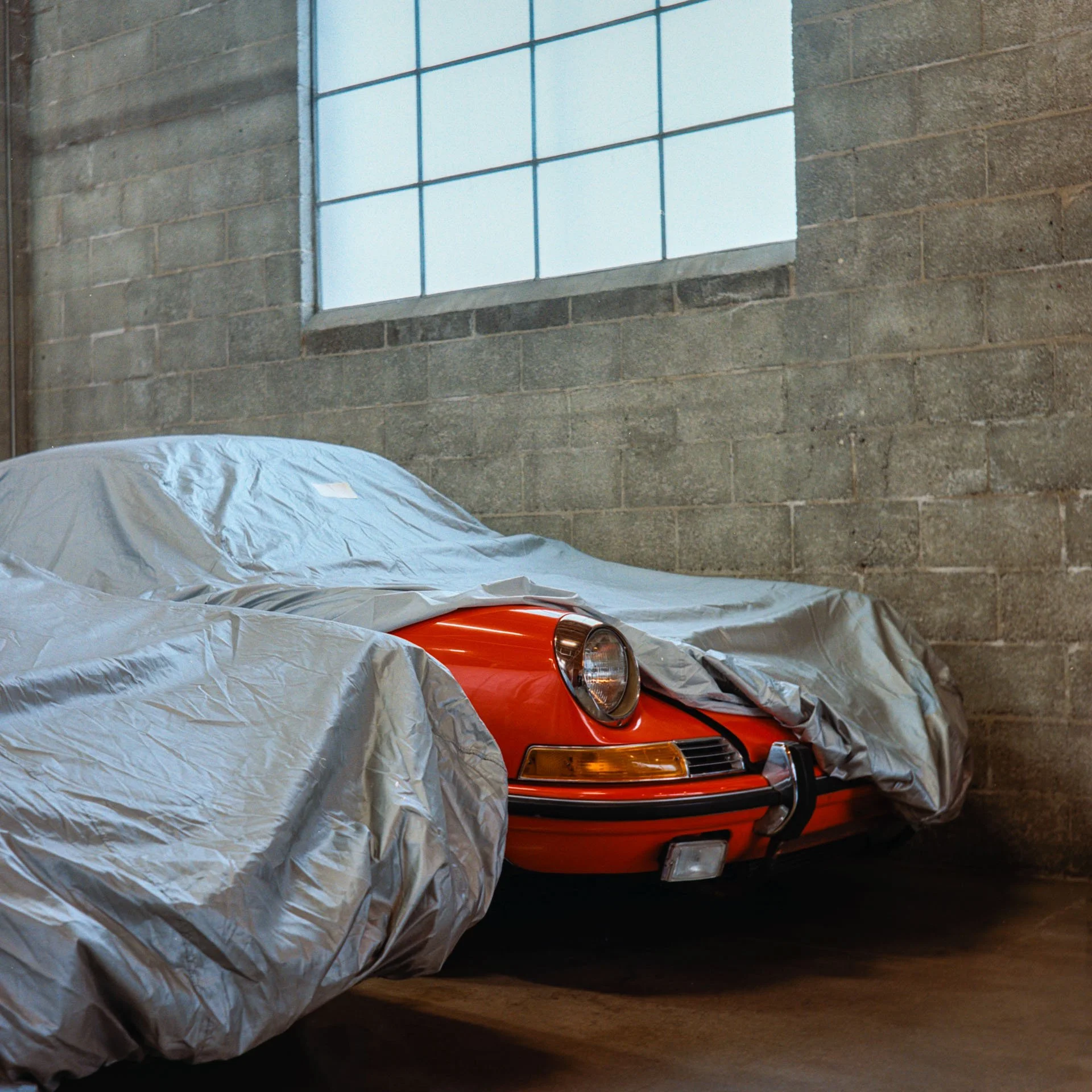
There’s nothing on the outside of the building that tells you what’s inside. No dramatic signage, no showroom glass, no invitation to look closer. Just a mid-century warehouse in Los Angeles sitting quietly among its neighbors, the kind of place you’d drive past without a second look, which is exactly the point.
From a Porsche dealership in New York to Beverly Hills Porsche, an engine-building apprenticeship at ANDIAL, AutoGallery Porsche (now Porsche Woodland Hills), and Singer Vehicle Design — it’s a résumé that eventually led Marlon Goldberg to found Workshop 5001. The shop takes its name from the building’s street address: practical, unassuming, and entirely without pretense. It’s a fitting introduction to how he thinks. And neither do the 6-figure air-cooled Porsche builds that come out of 5001. “Hidden in plain sight” isn’t a cliché here. It’s exactly how 5001 builds its cars.
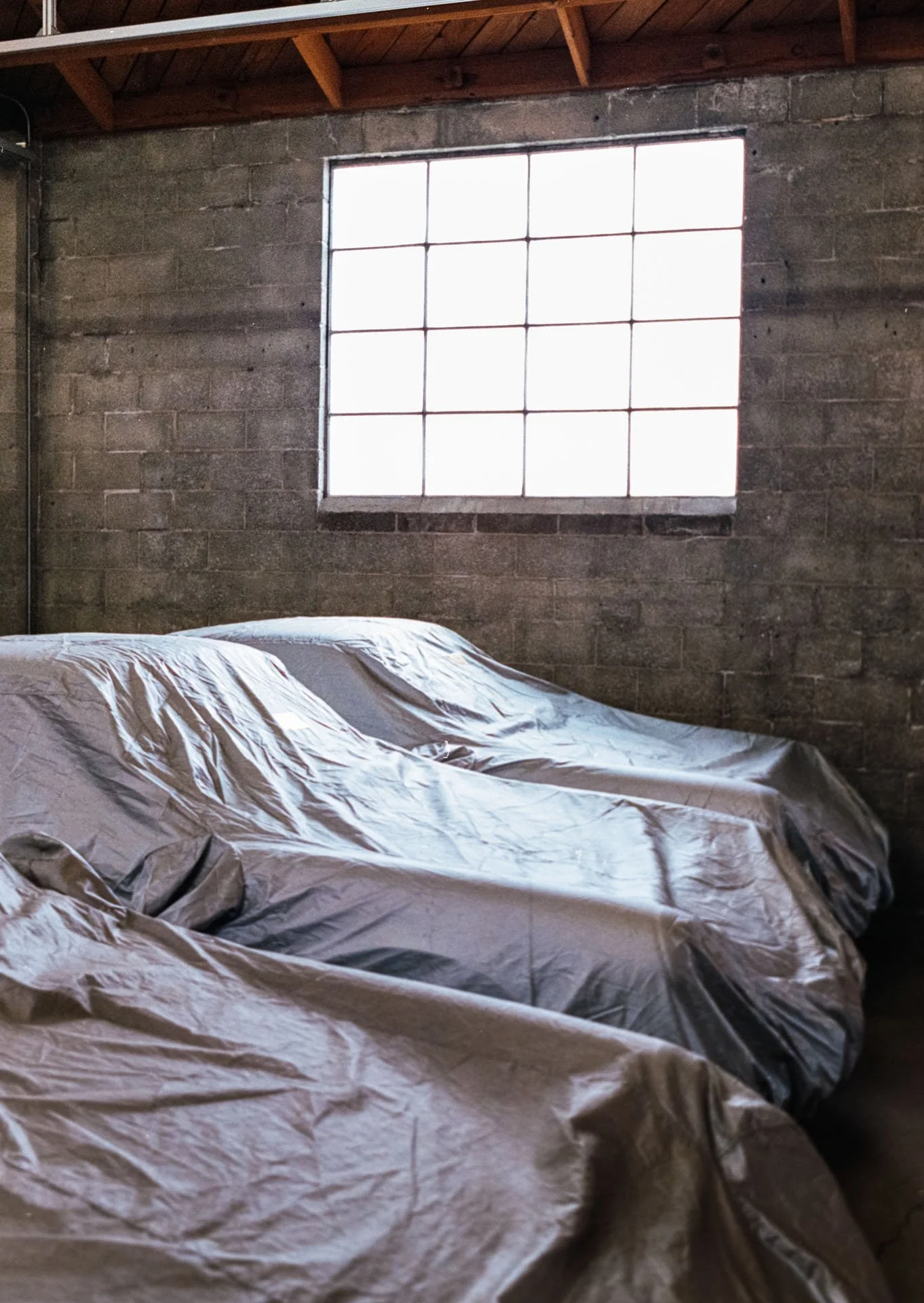
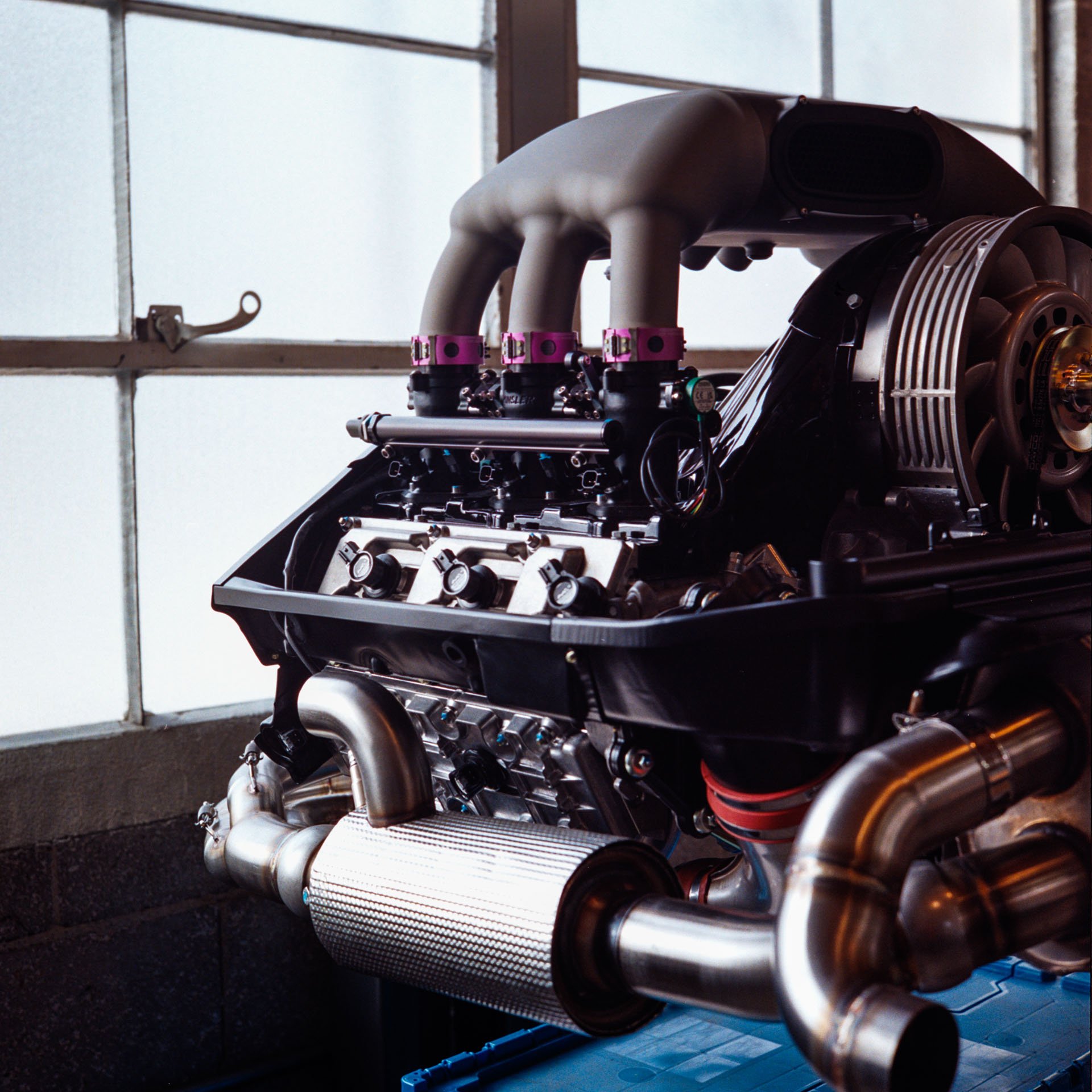
BUILDING MASTERPIECES IN A PATINA MONSTER
Marlon bought the unassuming building rather than renting it, a decision he credits as foundational to everything that followed. He’d grown up watching This Old House, and that same instinct, that a building deserves the same respect as anything else worth restoring, shaped what came next. “If you’re renting a building,” he says, “how much money do you really want to put into someone else’s place?”
The building was stripped back to bare studs and rebuilt to last: new plumbing, new electric, three-phase power for the lifts and compressors, and a modern fire suppression system. None of it is easy to see, but it’s the difference between a shop that holds up for decades and one that doesn’t. Outside, nothing changed. Faded paint, rust spots, and bars on the windows, the same scars the building wore the day he bought it, unremarkable on purpose. Other than the 5001 Workshop sign strategically designed to be no bigger than the minimum the DMV requires for his dealer license.
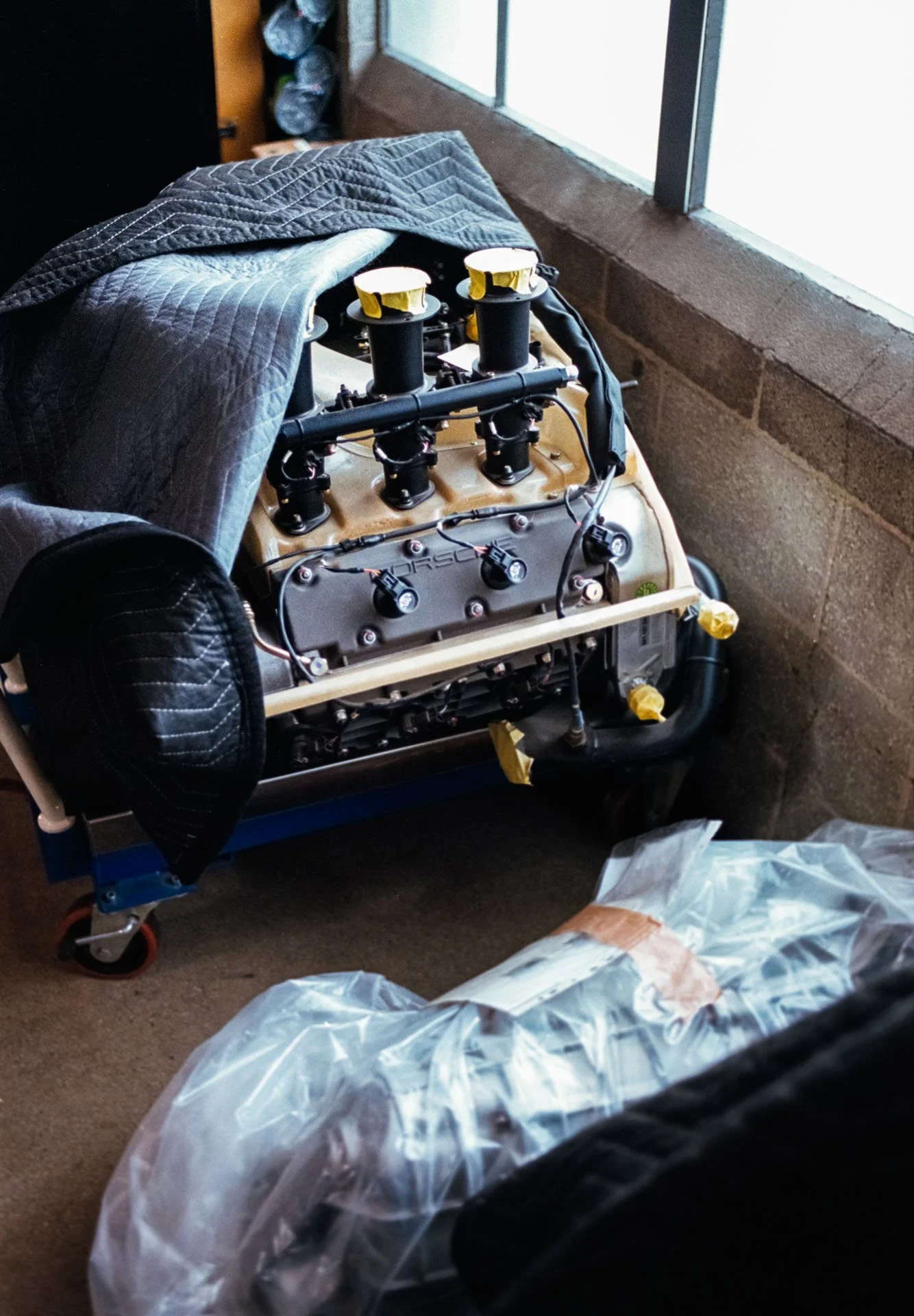
Inside tells a different story. Cars sit on lifts throughout the shop; others are parked on dollies waiting their turn at the next assembly station. Engines come apart in careful stages, laid out piece by piece before they go back together, nothing rushed and nothing skipped along the way. Bookshelves hold decades of manuals and wiring diagrams, the kind of reference material that doesn’t exist anymore and can’t be replaced. It’s a space built entirely for use, not for show, and it looks exactly the part.
Marlon calls this shop a “patina monster,” left rough on the outside, rebuilt completely underneath. The building earns the same label as the cars that come out of it, everything that truly matters torn out and done right, nothing more than needed.
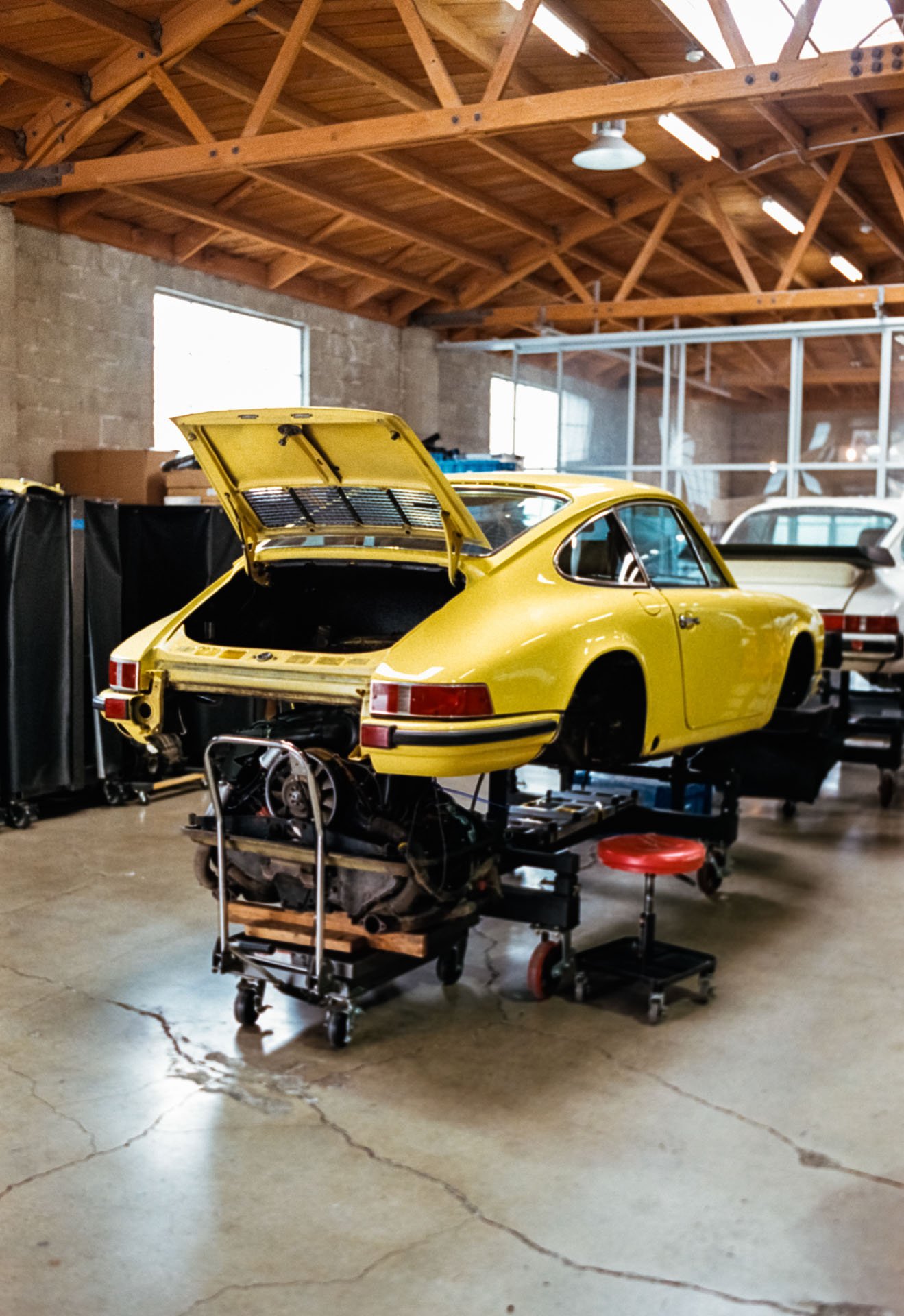
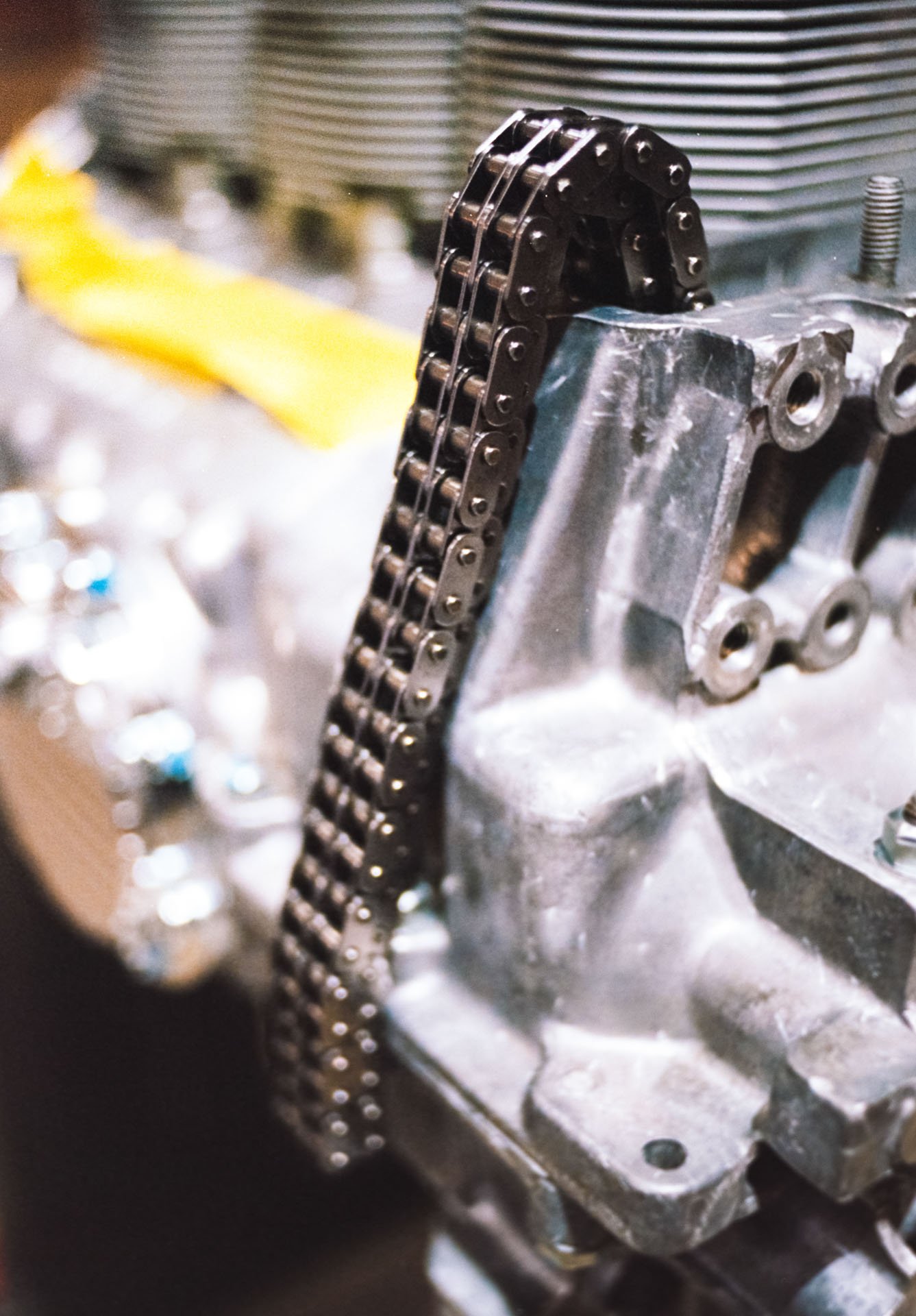
HANDCRAFTED EVERYTHING
Workshop 5001 has completed 14 full numbered builds over 12 years, alongside a much larger body of mechanical restorations: cars where the exterior stays as found and everything underneath gets done right. Every engine that leaves the shop was built by Marlon. The crew handles assembly, fabrication, and the detail work, but the engine is his, every time.
“We build these in a way that when they go on a lift at another shop, those guys look at the car and they’re like, holy shit, these guys are the real deal,” he says. “That’s the goal.” Every project starts with an honest assessment of the car and the client. For full builds, Marlon will often help source the right donor, steering away from crashed or compromised chassis. A cleaner car costs more upfront and far less in the long run. One of the shop’s earliest full builds, a 356, looked solid going in but turned out to be a mess underneath: multiple prior crashes, a rolled structure, lead filler applied in quantities that told their own story. They worked through it, but the lesson stuck.
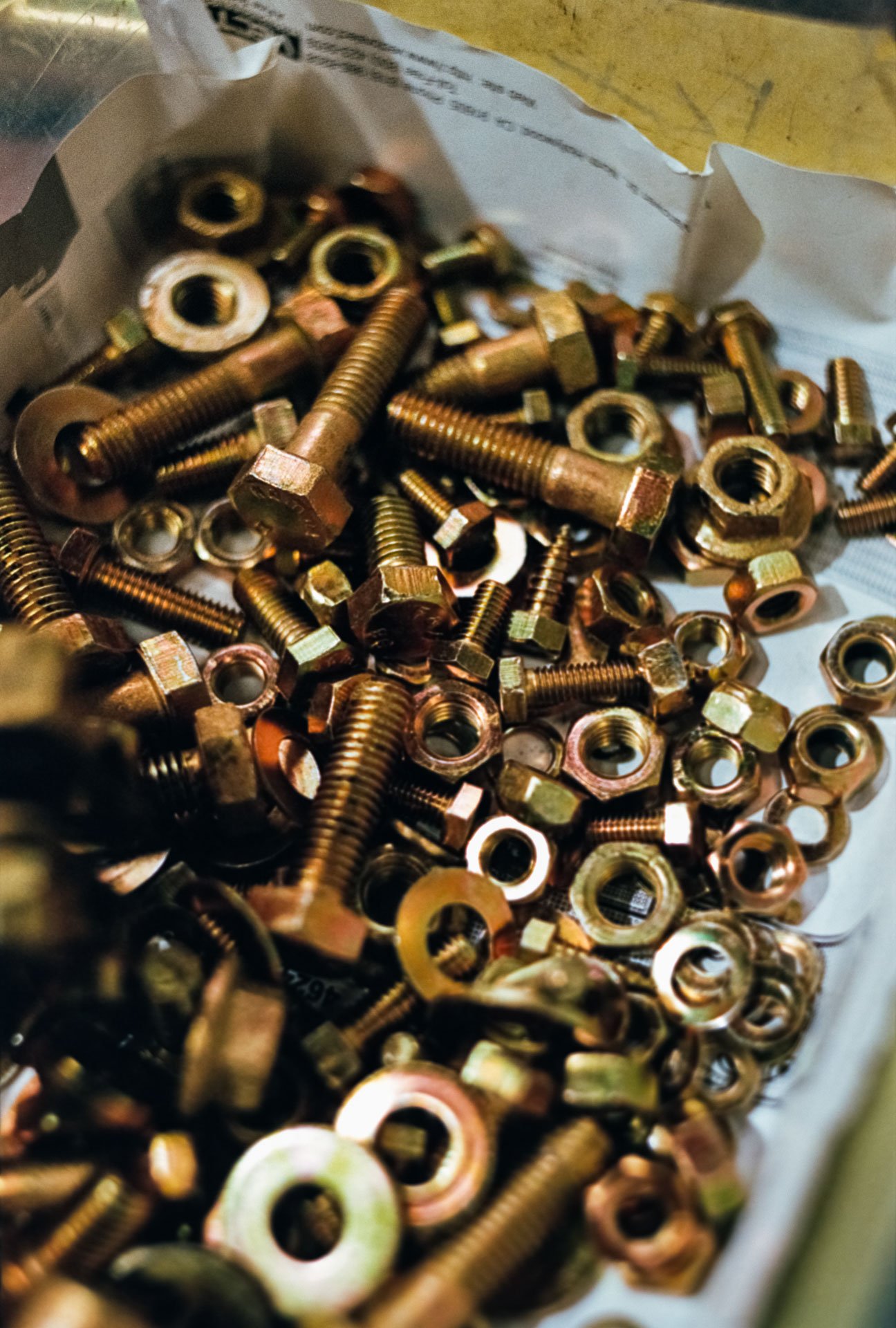
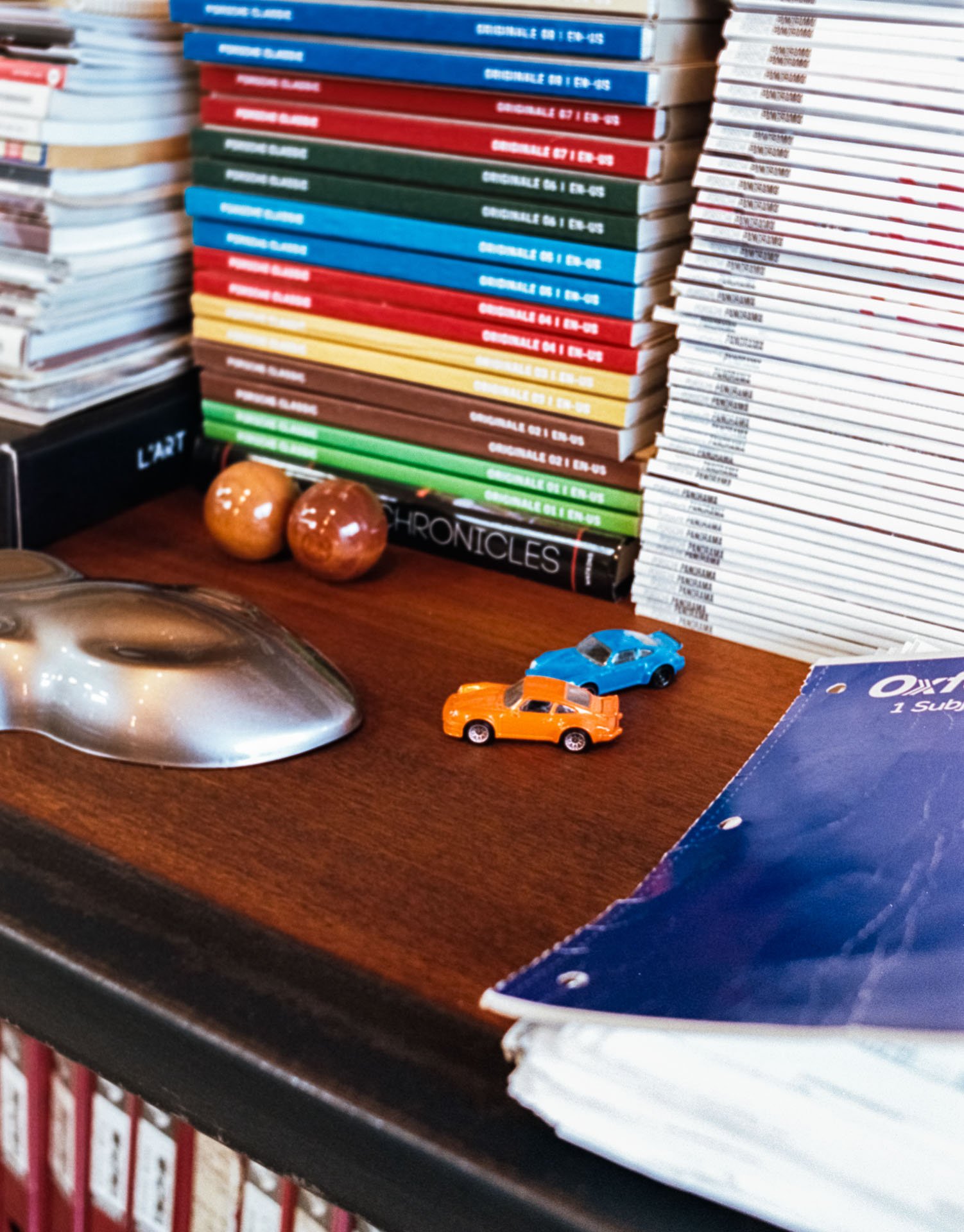
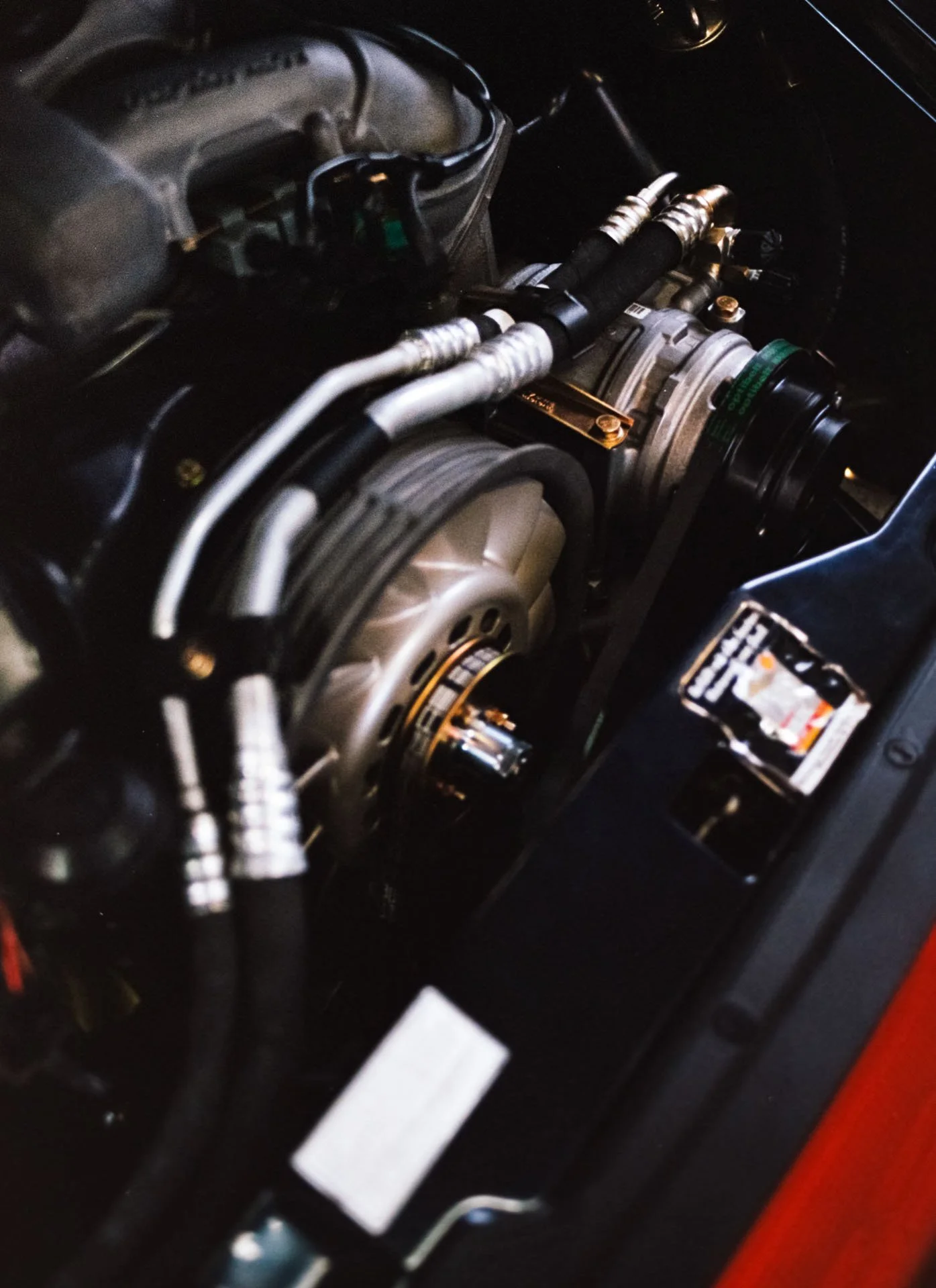
“Doing things properly” has a specific meaning for Marlon, and it splits cleanly into two categories. Some things aren’t optional: any air-cooled 911, even a five-thousand-mile survivor kept as a museum piece, is running on decades-old rubber fuel lines that have gone dry and brittle, and if a client wants to actually drive the car, those get replaced. That’s a safety call, not a styling one. What he won’t touch is the car’s identity. He steers clients away from oversized fenders, back-dated badges, and modifications that read as impressive today but dated in 20 years.
“I don’t want to do something to a car that in 20, 30, 50 years someone looks back and thinks, ‘What in the hell was he thinking,’” he says. If a client’s budget doesn’t allow for doing things properly, Marlon says so and points them in a different direction. Sometimes that’s a lesser build sheet; sometimes that’s to another shop that may cut corners for a cheaper build. Workshop 5001 isn’t one of them. They do it right or they don’t do it at all.
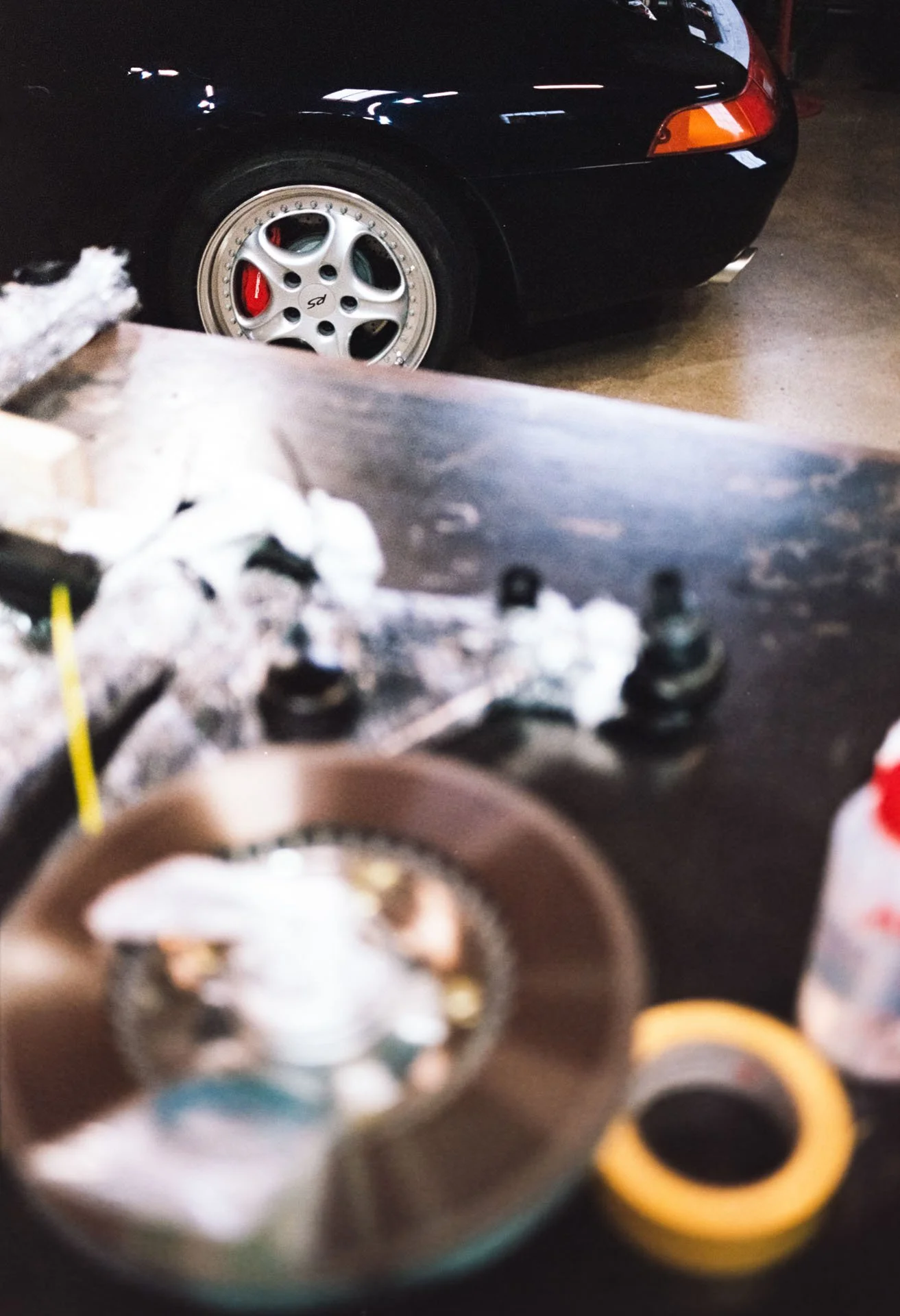
PASSED-DOWN KNOWLEDGE
Staffing is, by Marlon’s own admission, the hardest part of running the business. The skills required to restore these cars properly aren’t widely taught anymore, most body shops today are built around replacement, not restoration. Panels get swapped, plastics get clipped, and the deeper knowledge quietly disappears with the generation that carried it.
The shop’s lead metal man is in his 70s, with 40 years in Mercedes collision repair, running the body shop at one of the largest dealerships in the country, and significant Porsche experience alongside it. Next to him, a younger structural specialist. It’s a deliberate pairing: deep experience where it can’t be substituted, younger hands where they can be properly developed. The craft passes between them the way it always has: in person, by doing, over time.
“Finding employees is the most challenging part of the business,” Marlon says. The shop stays small by intention. Volume is not the goal. “If I had 100 orders tomorrow, I don’t know what I would do,” he says. “The people don’t exist to build these cars at that volume.” What matters is that every car that leaves the shop can be stood behind completely.
FLYING UNDER THE RADAR, BY DESIGN
Fourteen full builds in, nothing about Workshop 5001 has changed to accommodate its own success, not the size of the crew, not the building, not the standard a car has to meet before it’s allowed to leave the shop. That kind of restraint is easy to talk about and much harder to put into practice, especially once a reputation starts to build and the temptation to scale up follows right behind it. Marlon hasn’t taken the bait.
What that restraint buys, more than anything, is trust. A new client doesn’t get a sales pitch, they get a straight answer about where their car sits in the queue and why, and they don’t have to ask twice. Two photographers pass through the shop each week, tracking every build stage by stage so a client can watch their car come together in real time rather than wait for a call when it’s done. It isn’t a marketing decision. It’s what happens when a shop has nothing to hide and no interest in performing for an audience that isn’t there.
That’s the whole philosophy stripped down: no chasing the next flashy benchmark, no need to be louder than the shop down the street. Marlon’s read on the market hasn’t changed, build the car right the first time, and let the work speak for itself. Most of Workshop 5001’s clients come back, whether for another full build, mechanical restorations, or just for general service work. In a business built on reputation, that’s the only review that matters.

