
RAD RIDES: Triumph TR8
the English Corvette
STORY | Evan Griffey
Photography| Karl Noakes
The TR8 is the car that British Leyland had always intended to build… the ultimate expression of the British take on wedge-inspired design that had been the exclusive domain of Italian design houses throughout the ‘60s and ‘70s. It was the logical progression of the TR7 and addressed its two biggest shortcomings: high engine failure rates and low power production. The TR8 was produced from 1978 to 1981 and the production totals may surprise many by how low they are. The final tally is somewhere between 2,750 to 2,815 units, and a vast majority of the cars were sold in North America.
The bone of contention for the TR7 was always under the bonnet. British Leyland’s master plan was nixing the TR7’s anemic four-cylinder engine and swapping in an all-aluminum 3.5-liter Rover V8 based on the Buick 215-inch small-block from the 1960s. But in many ways the engine swap only addressed one of British Leyland’s concerns. It was fairly reliable, but in its most muscular form, the V8 pumped out a paltry 148 horsepower… from a V8… with fuel injection. Despite the powerplant’s less-than-inspiring numbers the European media dubbed the TR8 the English Corvette.
MOTORSPORTS CONNECTION
It is somewhat unexpected that a car with such a low production run has any racing heritage at all. But the TR8 is full of surprises. The most successful TR8 racing cars are a pair from Bob Tullius and his Group 44, the official British Leyland racing division in the U.S.A. at the time. The duo competed in IMSA, SCCA, and Trans Am. The TR8 wedge aerodynamics were pushed to their limits by a stout 3.9-liter fuel-injected V8 that was conservatively rated at 395 horsepower.
The TR8 hit the track running, winning the GT class, and checking in seventh overall in its debut at the 1979 Watkins Glen 6 Hour. The Tullius entry was the first non-Porsche 935 to cross the finish line and bested the likes of big-block Corvettes and Chevy Camaros. The car was no fluke, as evidenced by the SCCA bestowing weight penalties on the British upstart. Unhappy, Tullius took his toys to IMSA. The results struck a familiar tone as the TR8 won its class and checked in sixth overall at the Sebring 12-hour race. The TR8s would win nine races, and Tullius nabbed second place in the GTO Championship.
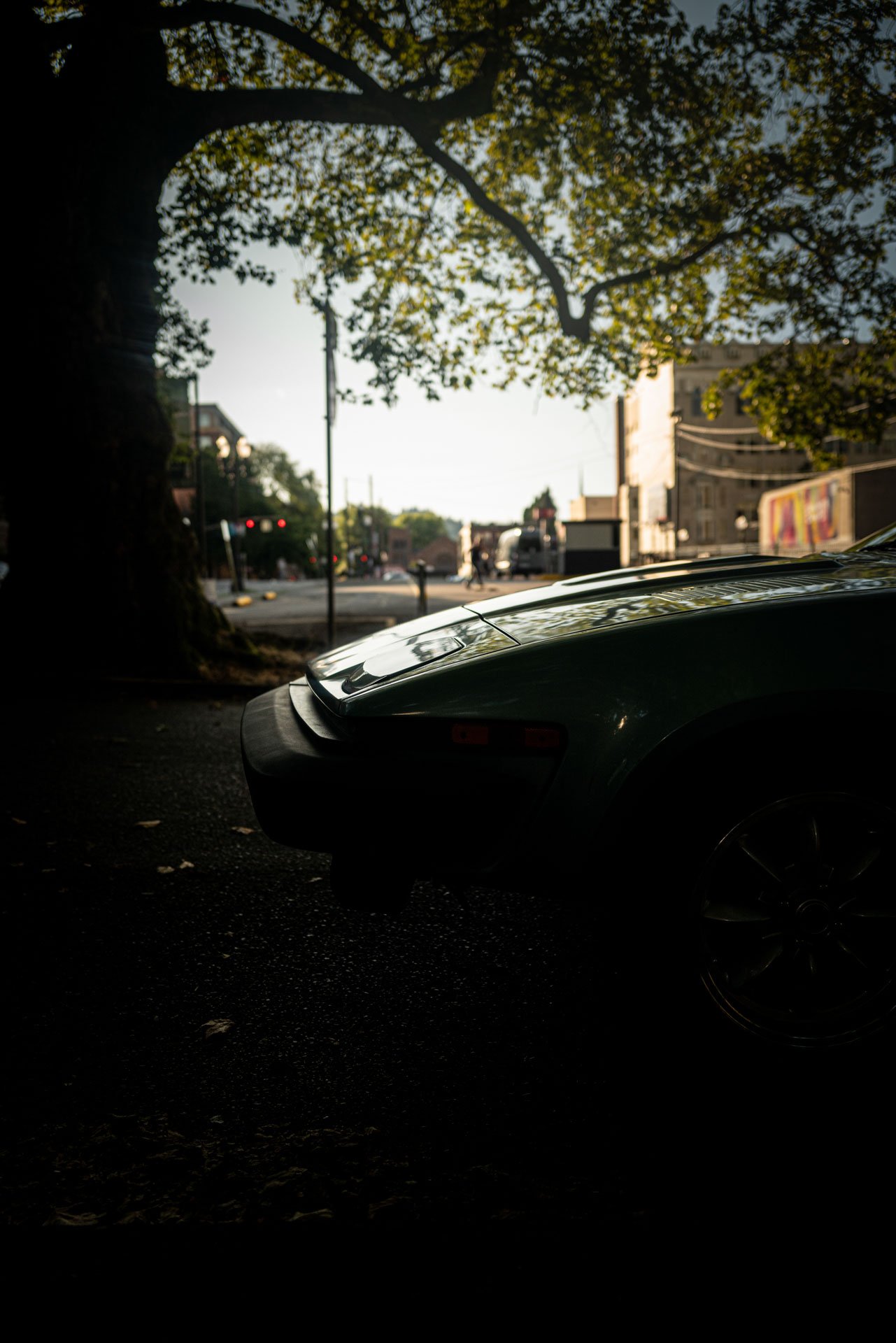
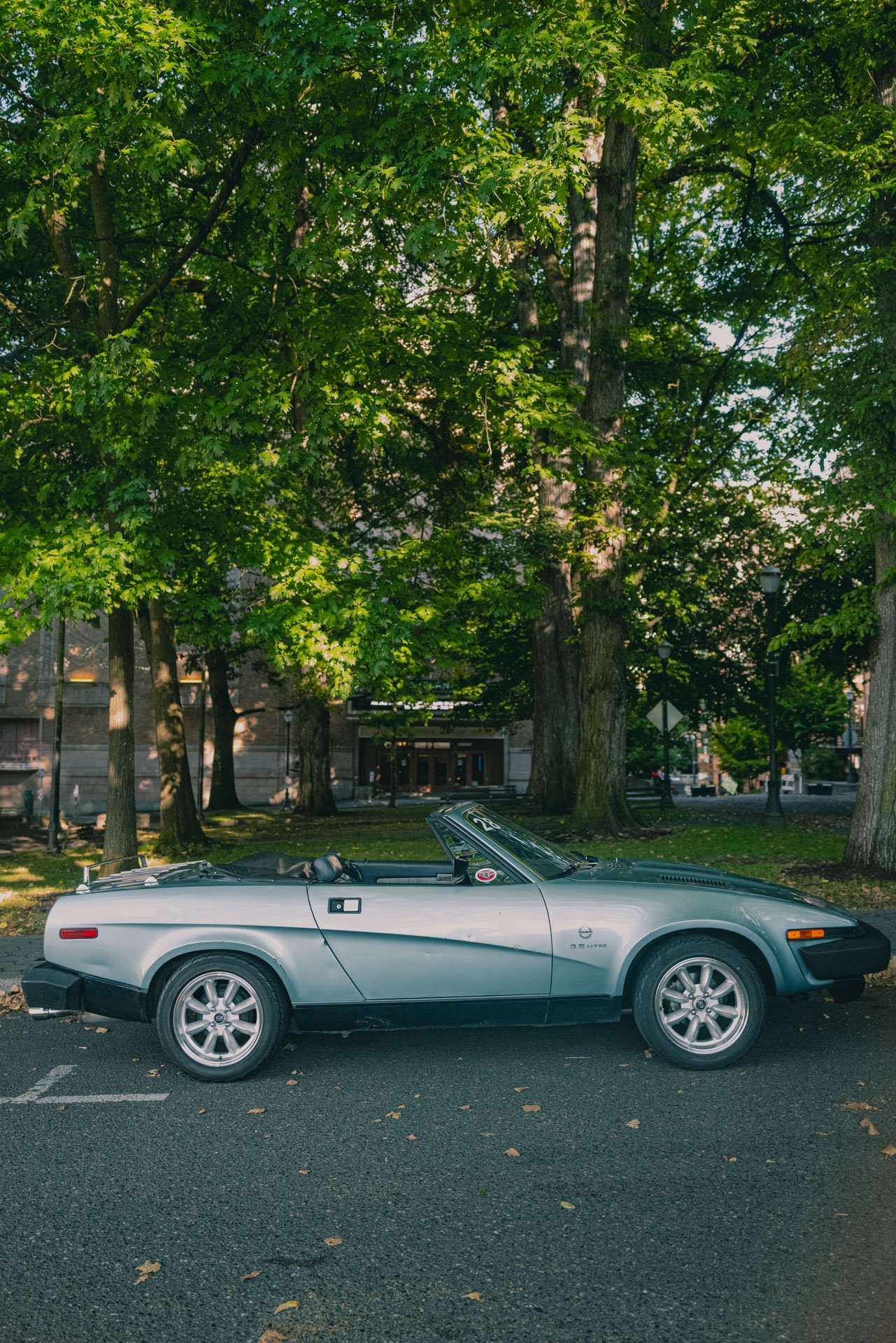
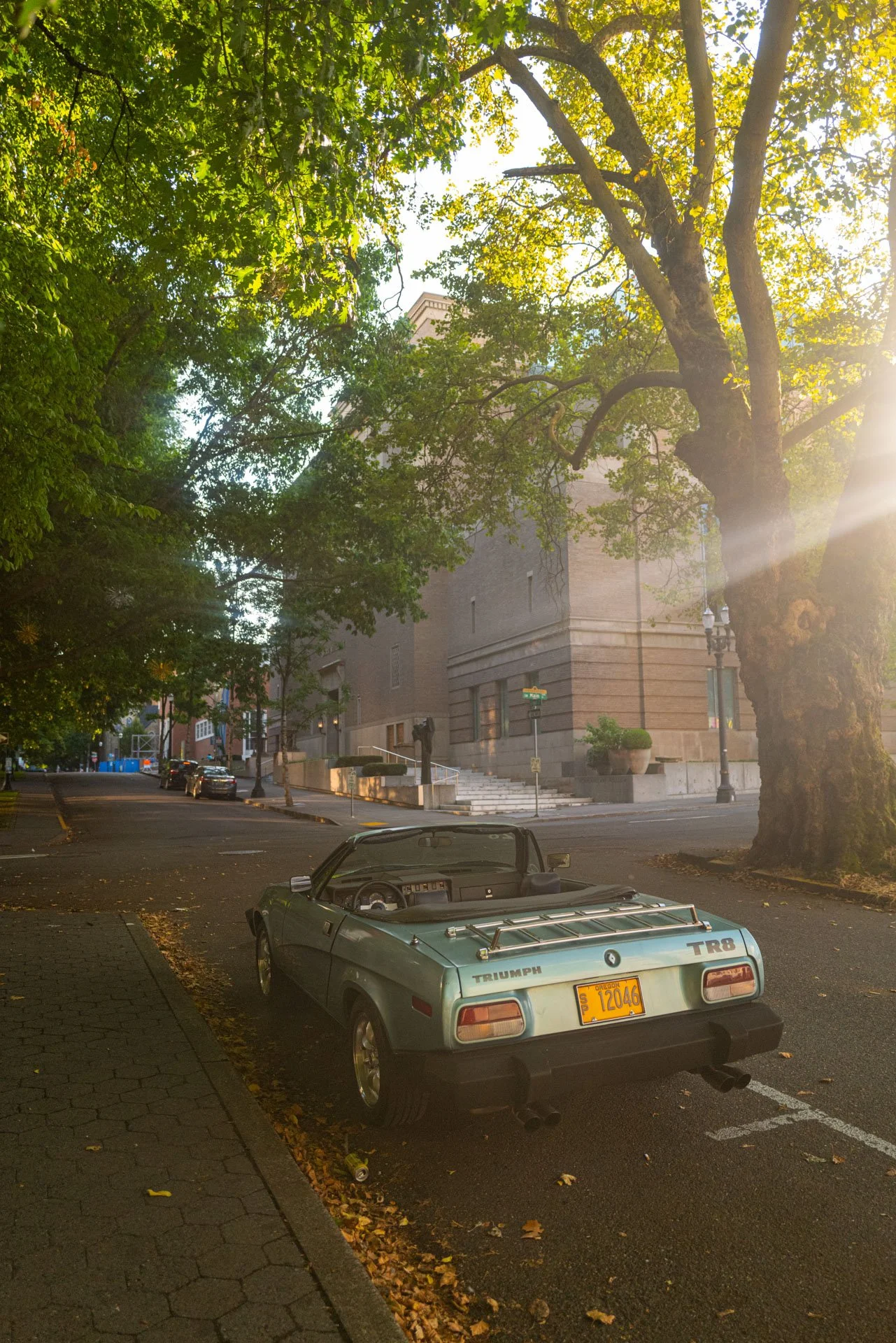
NEIL & GENE D’AUTREMONT’S 1980 TRIUMPH TR8
For Neil d’Autremont (@neil.sidedraughtcity), British cars in general, and Triumphs in particular, are the only way to roll. His TR8 came with high expectations. “The idea was the 8 was going to appreciate like a Sunbeam Tiger,” says Neil. “Well, we’re still waiting. I sold the 7 at the All British Field Meet as it was a fun driver but seriously underpowered.”
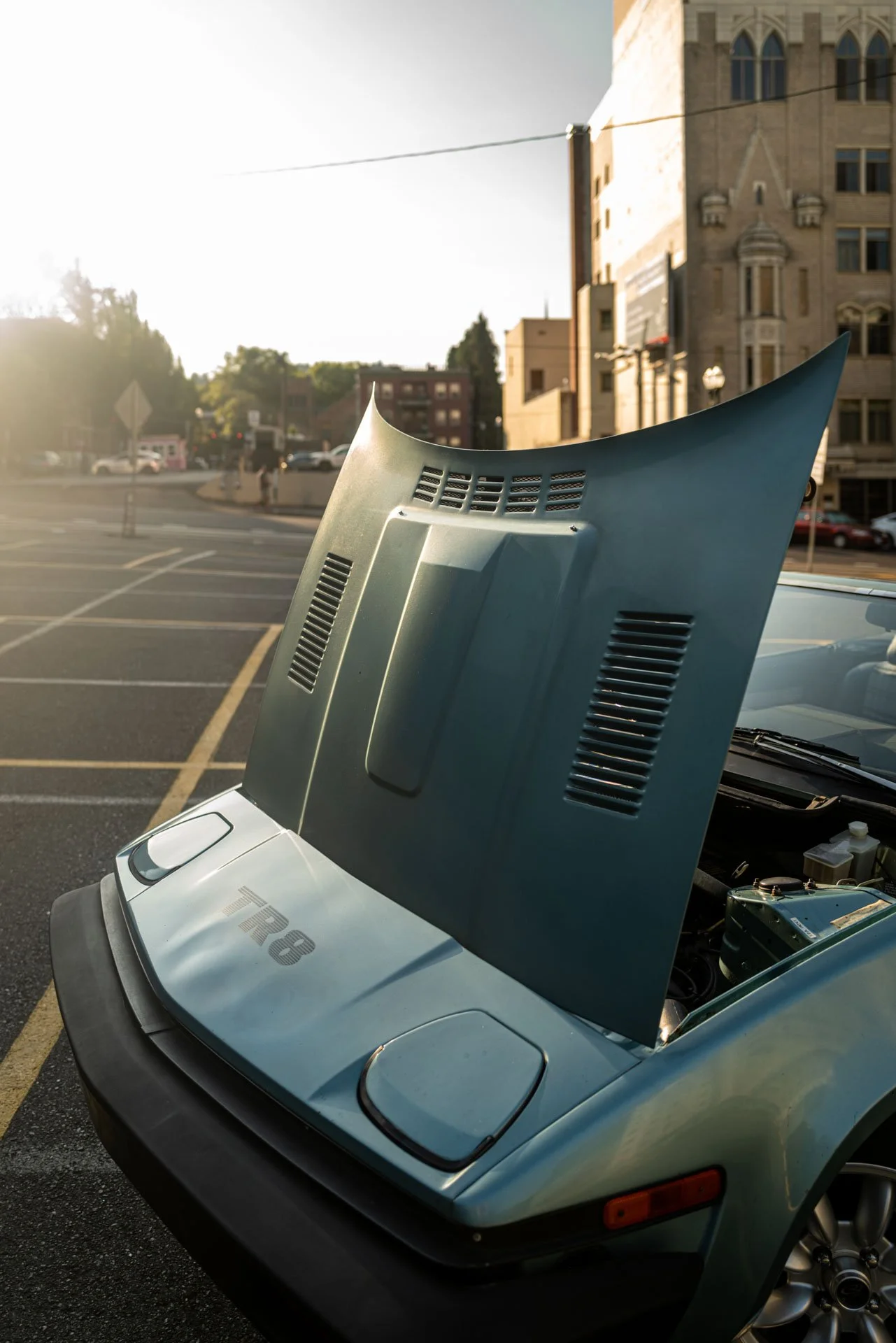
“My brother Gene has hung onto this 8 and made some wonderful improvements. The previous owner ran a British repair shop, and this was his personal car. He installed a lumpier cam and removed the fuel injection, replacing it with an Edelbrock four-barrel carb and manifold. This setup fits nicely under the louvered hood and was the hot setup in the 1980s. A set of headers, Magnaflow exhaust, lowering springs, and 15- inch wheels and tires completed the build.”

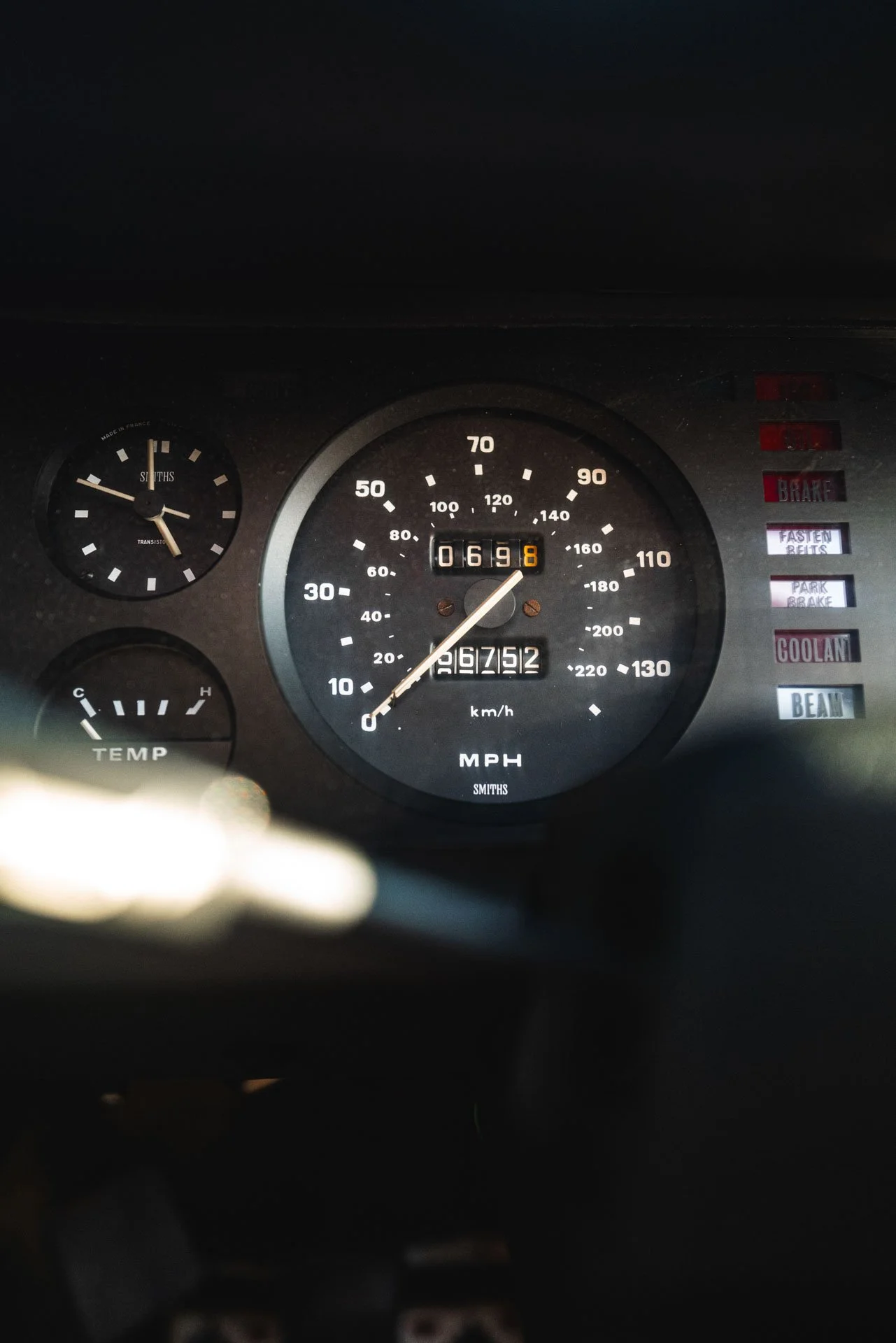
“We use it for TSD (Time, Speed, Distance) rallies! The loud exhaust helps both the driver and navigator handle CAST (Change Average Speed To) throttle inputs where a variation in speed can make us early or late to checkpoints. The other feature of this particular TR is the odometer is dead nuts on, which means the navigator doesn’t need to be making ‘odo math corrections’ while on course. It’s loud, smelly, and pretty fast for a 1980’s sports car with a 215-cubic-inch V8. It handles the curves really well, brakes well, and has a roomy and stylish interior. Definitely not a show queen, but the Triumph still gathers a lot of attention for its wedge shape and the sound of the V8.”
It’s sadly ironic that British Leyland really hit the mark with the TR8, the car did everything asked of it: addressing the shortcomings of the TR7 and keeping the British wedge look alive, yet it never generated the sales to reflect this accomplishment. The bottom line is seeing a TR8 in the wild is a rare and special treat.

