
Born to Run
Allen Lugue’s Run Free AE86
STORY | Evan Griffey
Photography | Rami Garcia
The 1984 to 1987 Toyota Corolla GT-S has legit street and motorsports credentials that belie its econobox aura. The cars, called AE86s because of their chassis code and affectionately known by the Japanese words for 8-6, hachi roku, were offered in coupe and more desirable hatchback configurations. This generation of Corolla was the last to flex rear-wheel drive as the platform transitioned to FWD in 1988.
Unlike mortal SR5 models and their carbureted, single-cam 4-AC engine, GT-S models are powered by Toyota’s high-tech electronically fuel-injected, DOHC 4AGE engine. The AE86’s biggest claims to fame are being one of the founding fathers of touge drifting in Japan and starring in the iconic Manga series, Initial D. Looking beyond the drift circuit, the Corolla’s 4A-GE served as the base engine in the Formula Atlantic open-wheel road racing series and was the driving force behind why the series was renamed Toyota Atlantic in 1990.
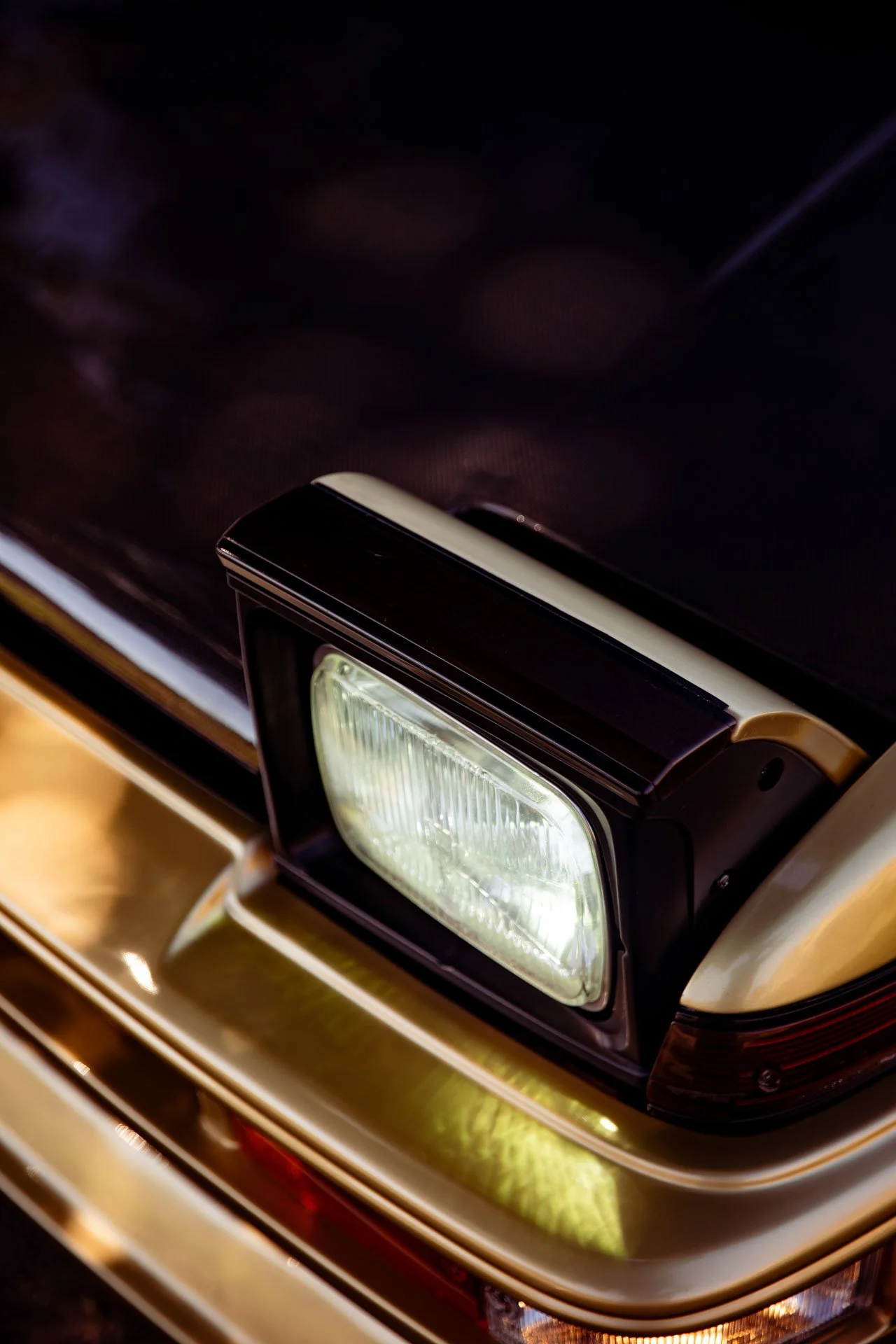
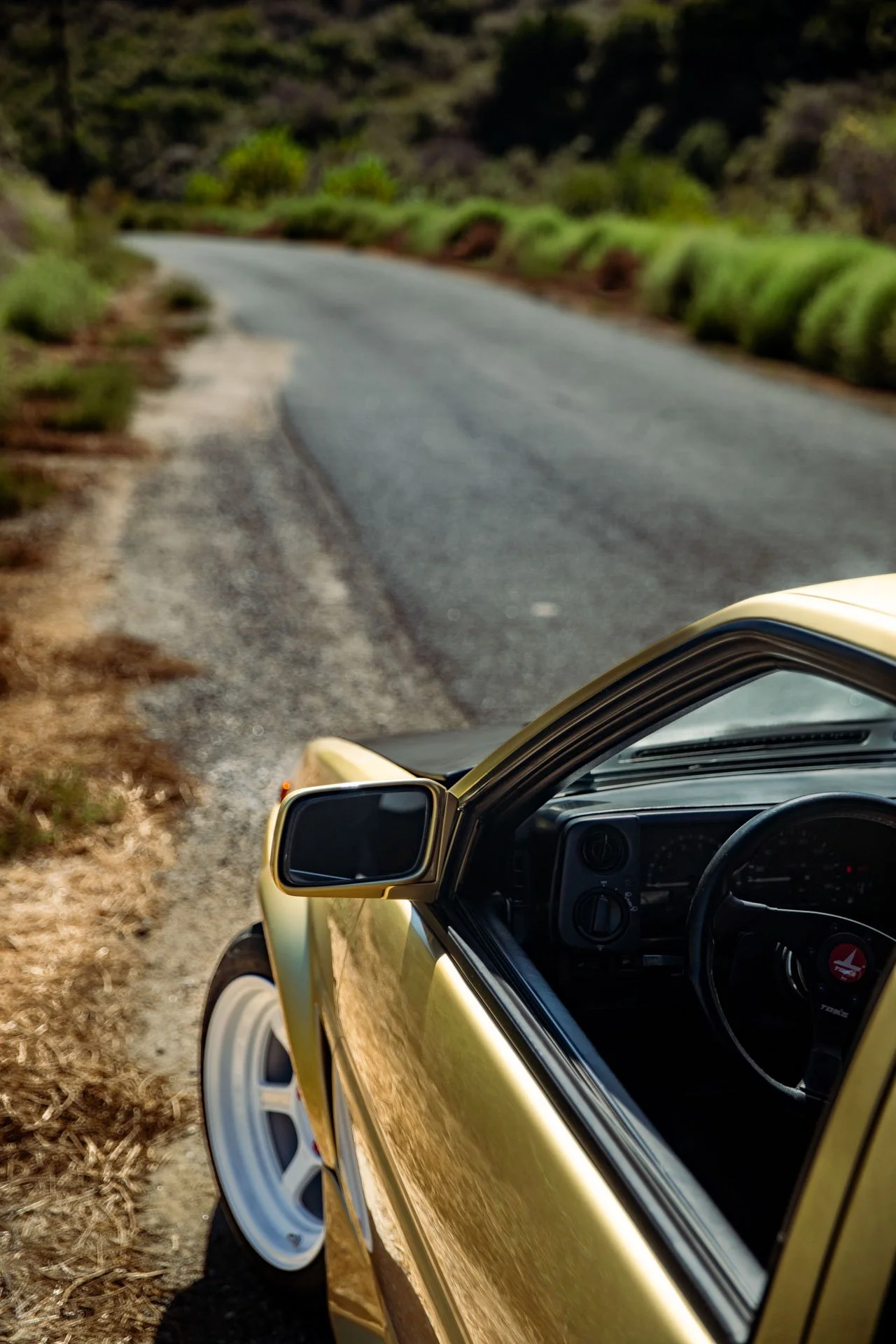
Allen Lugue (@allendavidlugue), the owner of our feature car, is a long-time JDM enthusiast. Curiously, despite all its accolades, Allen wasn’t that familiar with the AE86 because they weren’t popular in the Philippines, where he lived until the early 1990s. He was a Toyota guy but the AE92 Corolla and older liftbacks were the popular whips in the islands. A friend introduced Allen to the crew at PJ Bonifacio Paint & Autobody in 2001. The La Puente, California shop was in the epicenter of the import tuning scene in the 1990s and has kept the fire burning and custom paint flowing ever since. They took him under their wing and Allen eventually helped out around the shop, pulling cars out of the work area in the mornings. This is where Allen first got his hands on a hachi roku. He was enchanted: “a pristine completely stock AE86 was on display in PJ’s showroom, and I told myself one day I would own one. Lucky for me a year later the owner of that car got so obsessed with his new Subaru WRX wagon he decided to sell me the AE86. I was in the game.”
Allen dove deeper into the scene he loved, landing a job at JDM racing seat company, Bride USA. “We had a good working relationship with the now-defunct Do-Luck USA company located in Seattle. They were the official distributors of Run Free Japan in the U.S. at that time. I was fortunate enough that Mr. Koichi Yamashita chose my car to become the first Run Free U.S. demo car that debuted at the 2004 SEMA Show. And I guess you can say the rest is history.”
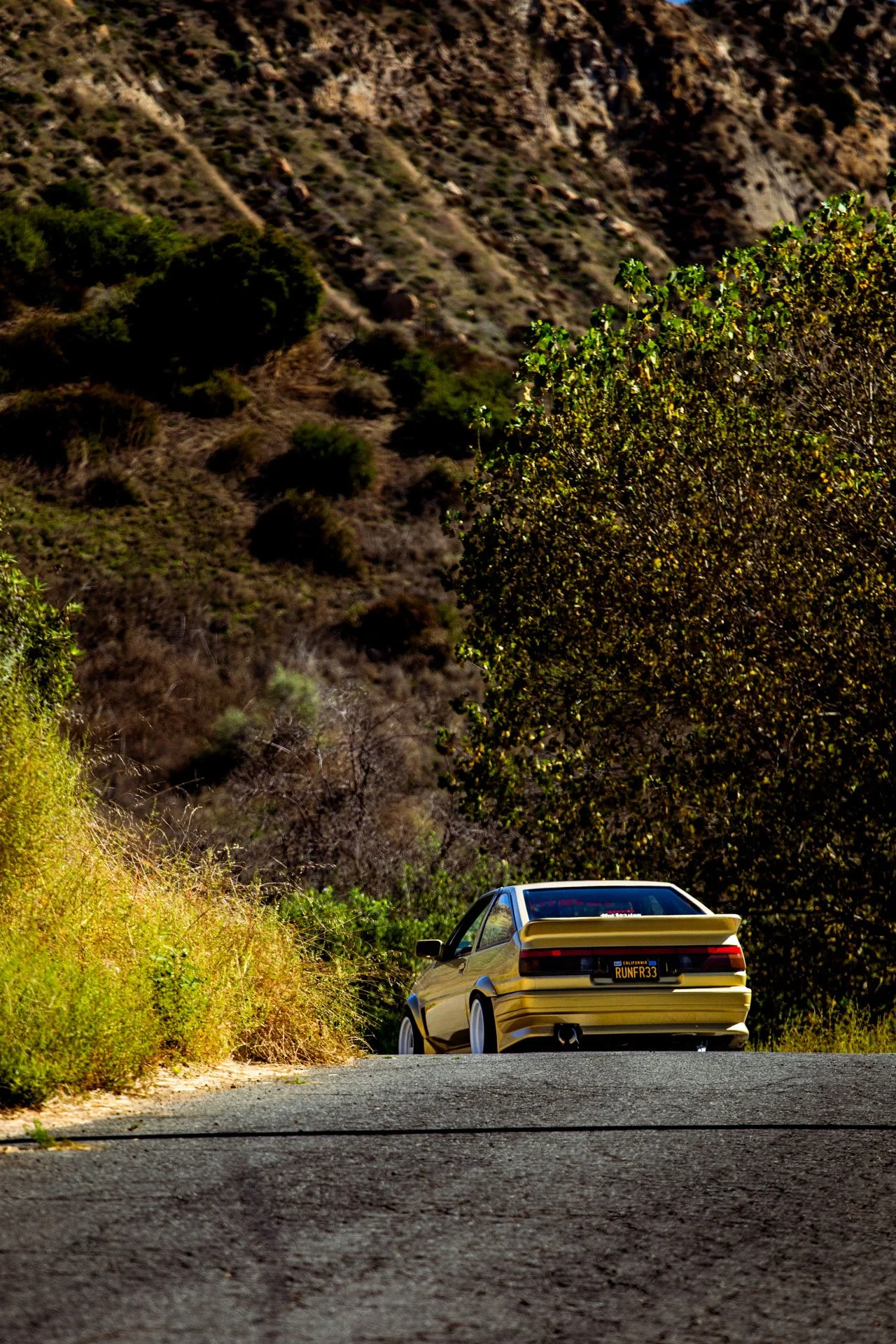
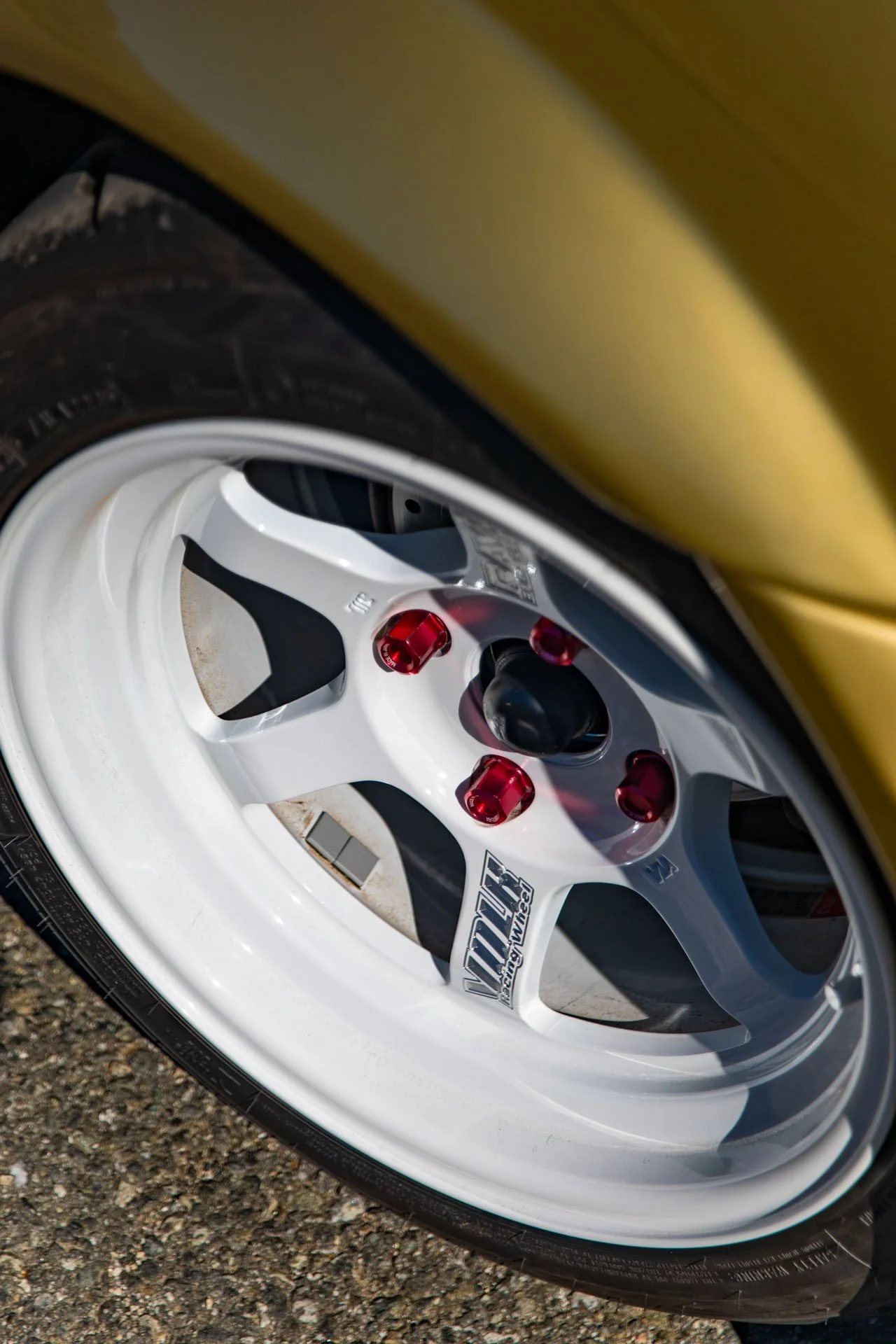
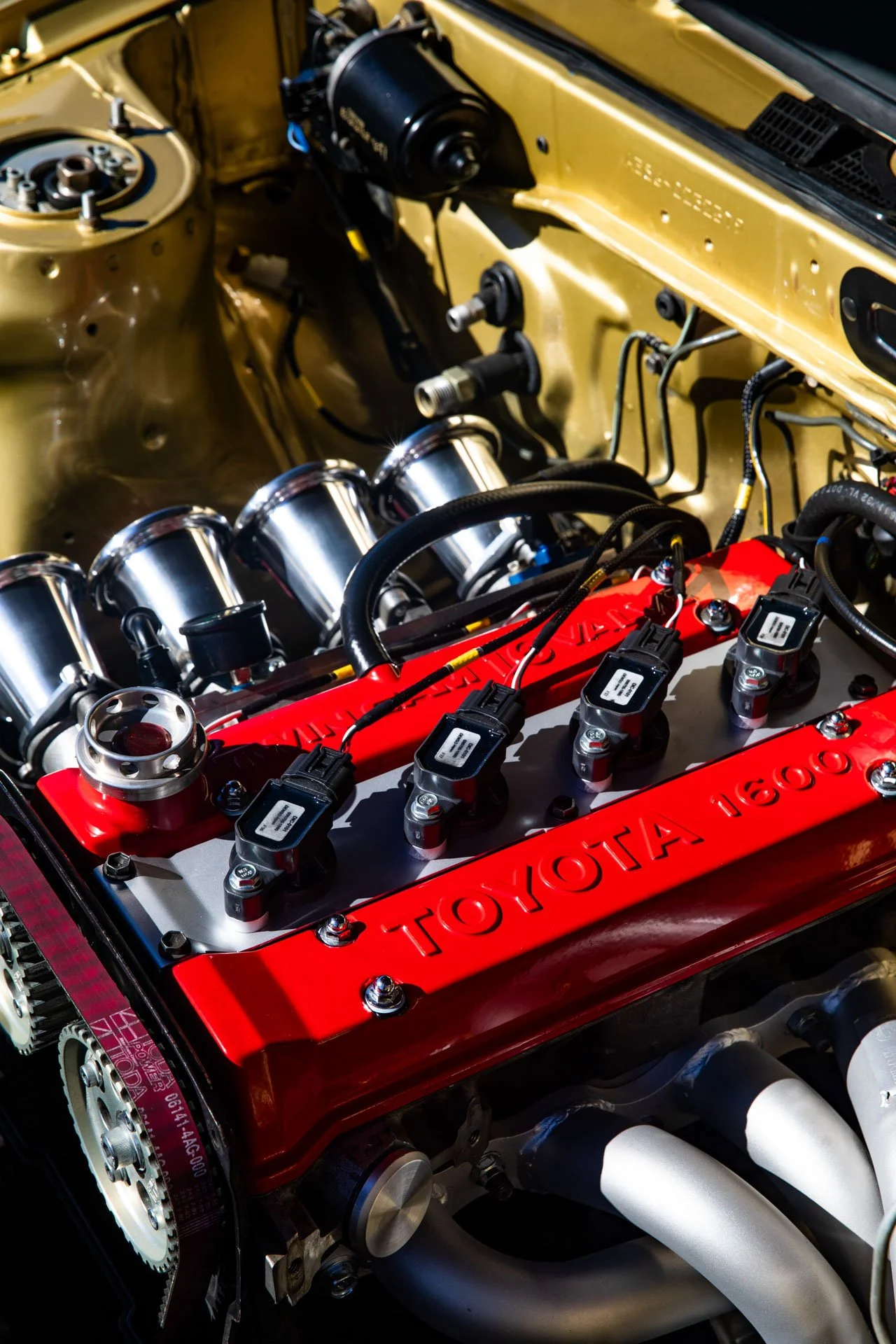
Based in the Kanagawa prefecture, a hotbed for performance tuning in the Tokyo area, Run Free is known for its AE86 and Nissan Silvia (240SX here) wide-body kits. In fact, Run Free was an early supporter of Japan’s D1 Grand Prix drifting series. Allen’s kit is the popular Type 1 widebody kit with plus-20mm front fenders, plus-35mm rear over-fenders, an aggressive front nose treatment, side skirts, and bumpers. While the aero kit projects the biggest visual impact, Allen also says he gets the warm and fuzzies when he pops the hood. “It was always my dream to have a 4A-GE with an ITB setup. The individual throttle bodies are more meaningful to me because my good friend Ely Hernandez and I worked on the conversion ourselves.”
With AE86’s daring personality and deep-rooted performance pedigree, it’s no surprise Allen is often asked to describe the hachi roku driving experience. “Yep, I’ve been asked this question a bunch of times and still to this day I can’t put it into simple words. As many people know the AE86 is not really known for its speed, I mean they’re factory rated at 112 horsepower. For me I get the ultimate high driving my AE86 because the handling on this car is so amazing, it really communicates. And there is something about driving an almost 40-year-old Japanese car that makes you feel good without having the modern technology that is being offered in brand-new automobiles nowadays.”
“For me today’s cars are designed with too many safety features to assist the driver in being safe on the road, they buzz and beep at you all the time. Beyond having a PDKs instead of a three-pedal manual transmission, it’s having sensors on your side mirrors to detect if there is a car next to you or to tell you if you’re near the edge of the lane, and some cars come with technology to adjust your speed when you need to slow down and so forth and so on. Don’t get me wrong, I am not against new car technology but for me you lose your driving instincts and capabilities when you’re being “assisted” in so many ways.”
The popularity of the AE86 has jumped significantly in recent years. They have always had an “Initial D Tax” associated with them, but a clean driver GT-S is now a $12,000 to $15,000 buy-in. Low-mile, collector-quality examples and properly executed high-performance builds can go for more than $30,000. No matter the price point, the hachi-roku is a “the more the road twists, the better the drive gets” proposition. And, like any rad era ride… they are best enjoyed revving in the sweet spot of their powerband.

