Between Stages
40 Years of Legend at Olympus Rally
STORY & Photography | KArl Noakes
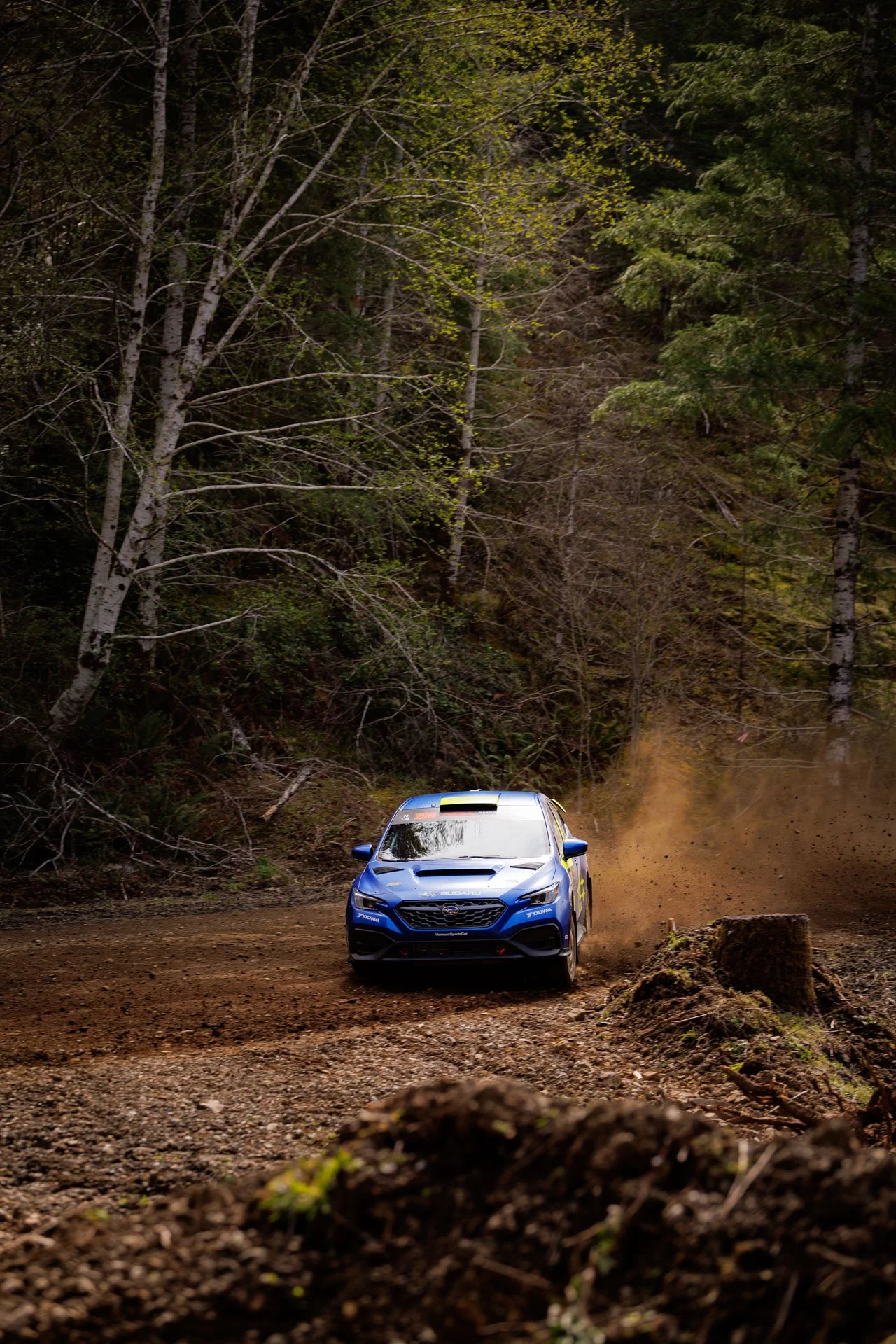
The course narrows as it leaves the highway, giving way to gravel and then to forest trails. Spectators gather where they can — at junctions, in small clearings, along the edges of the course. Cars pass in brief, violent bursts, the sound arriving before the headlights, and then they’re gone in a heartbeat, leaving only dust and silence hanging in the air.
It’s been like this for decades.
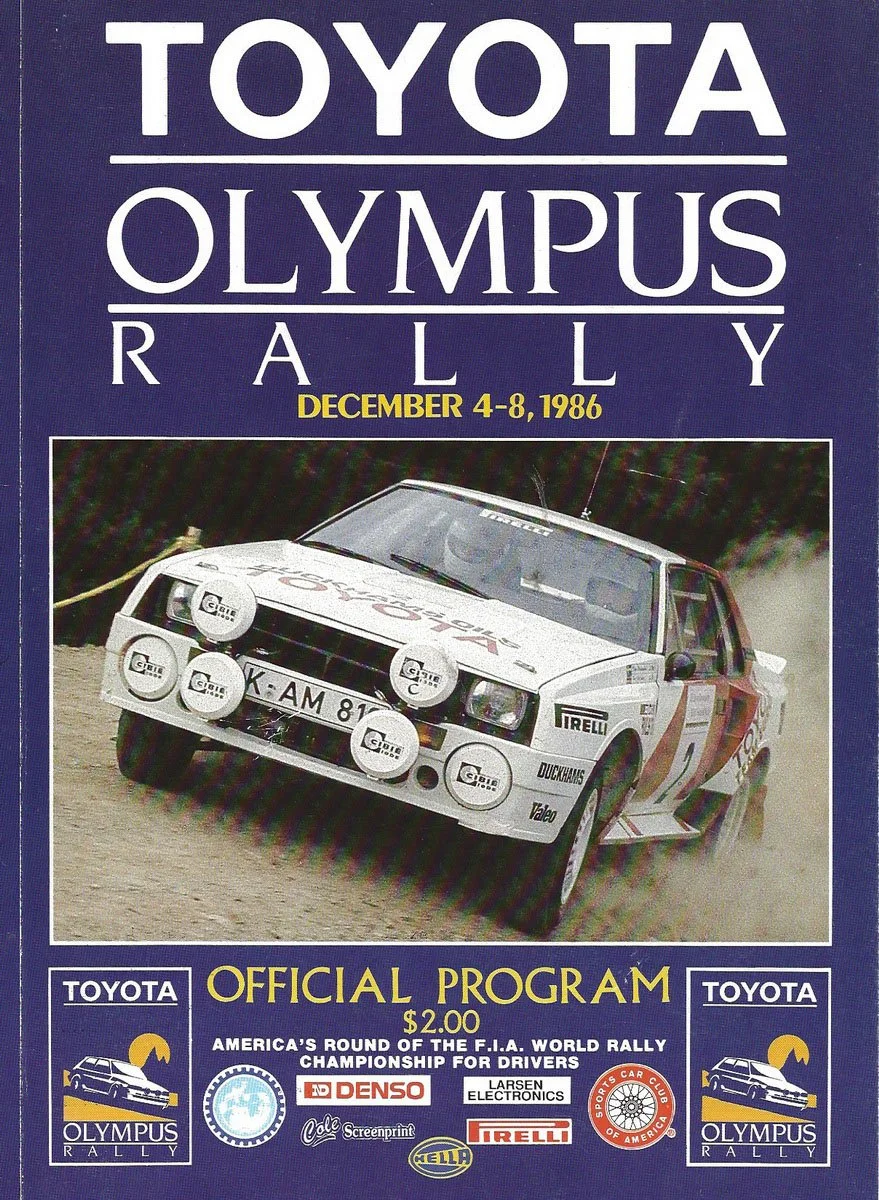
In December 1986, Washington State hosted the final round of the World Rally Championship — the Olympus Rally, which later proved to be the last appearance of Group B cars in the series, but at the time there was little sense of that page being turned. The season closed in the forests around Shelton with Markku Alén and Juha Kankkunen still in contention for the drivers’ title, the manufacturers’ championship already settled, and a field beginning to thin. None of that carried the weight it would later assume. It was simply the last rally of the season.
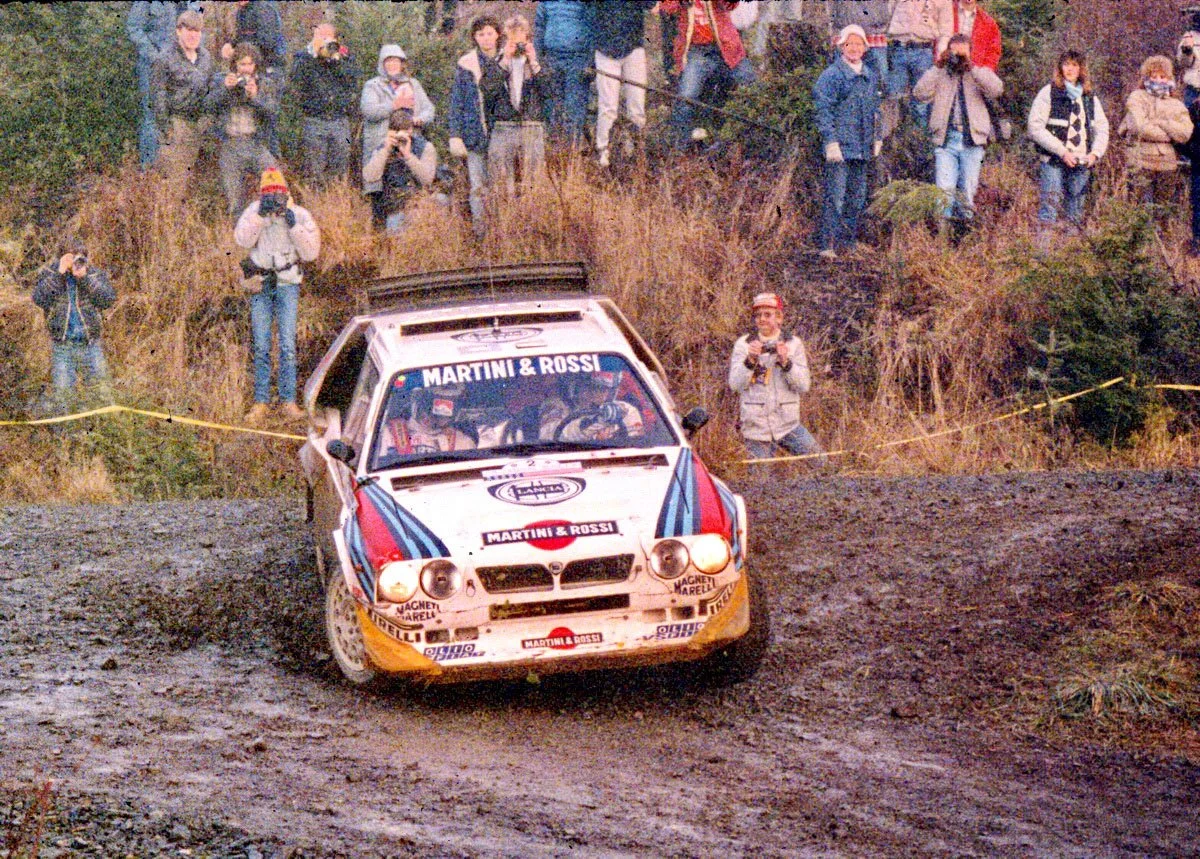
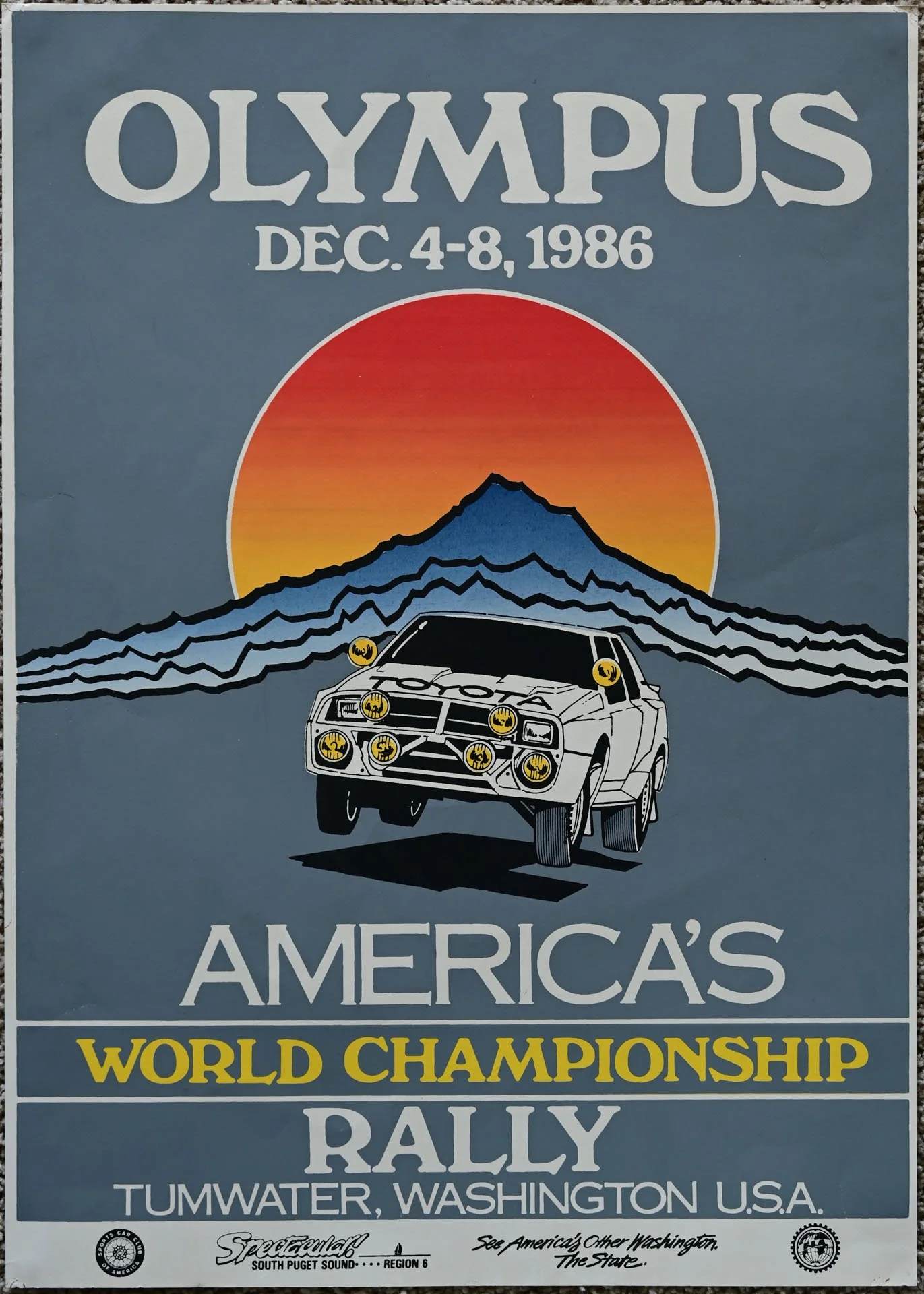
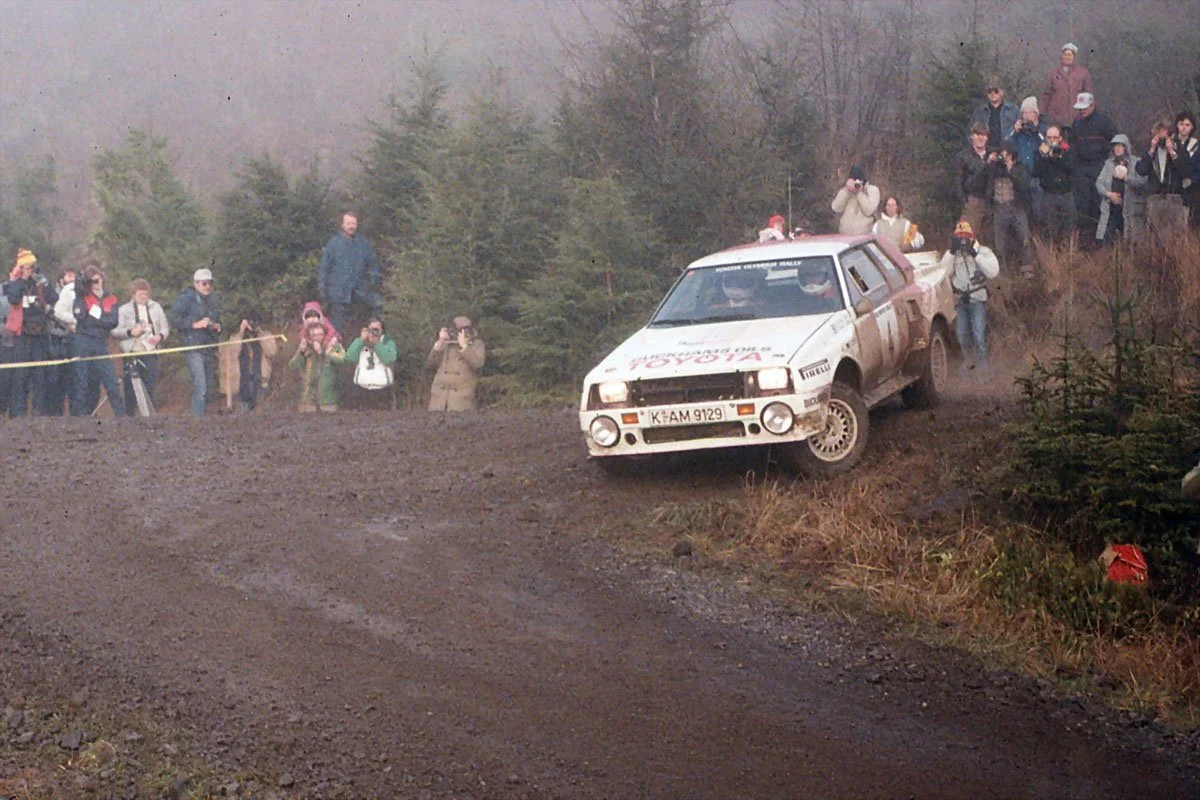
For those there, it did not feel like an era ending so much as another rally unfolding in the way they always did.
Steve McQuaid, now chairman of the Olympus Rally, had already been part of it for over a decade, having first got involved in 1975. Looking back now — 40 years on — 1986 did not stand apart in the moment.
“I didn’t realize the magnitude,” he says. “I wish I would have... I would have done things differently — collected more souvenirs.”
Jim Culp, working in the press room at the time, remembers it much the same way — busy, procedural, focused on keeping up with the action.
“It was just another rally at the time,” he says. “We were busy getting results out, keeping things moving.”
That sense of it passing without recognition sits in contrast to how the ’86 event is understood now.
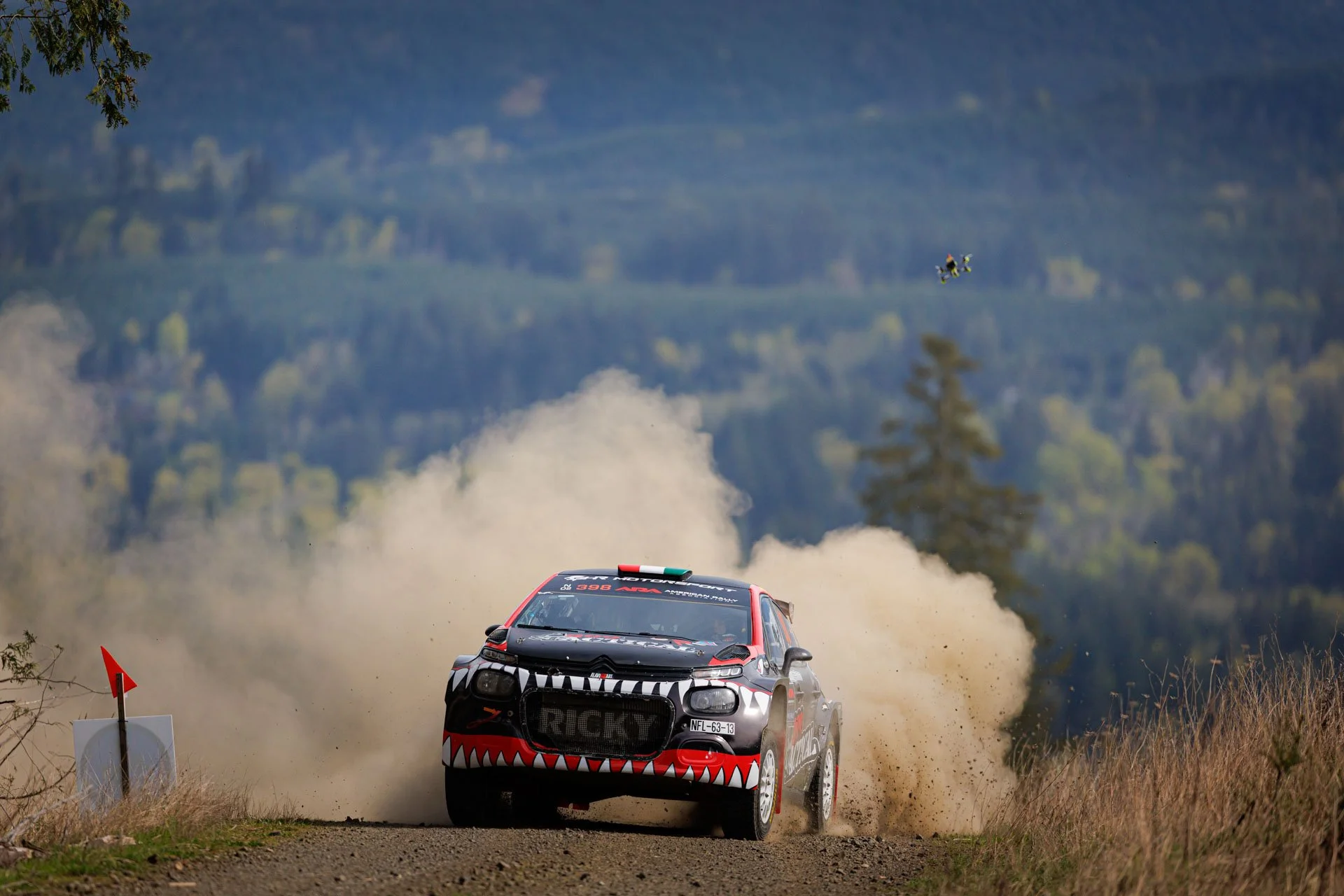
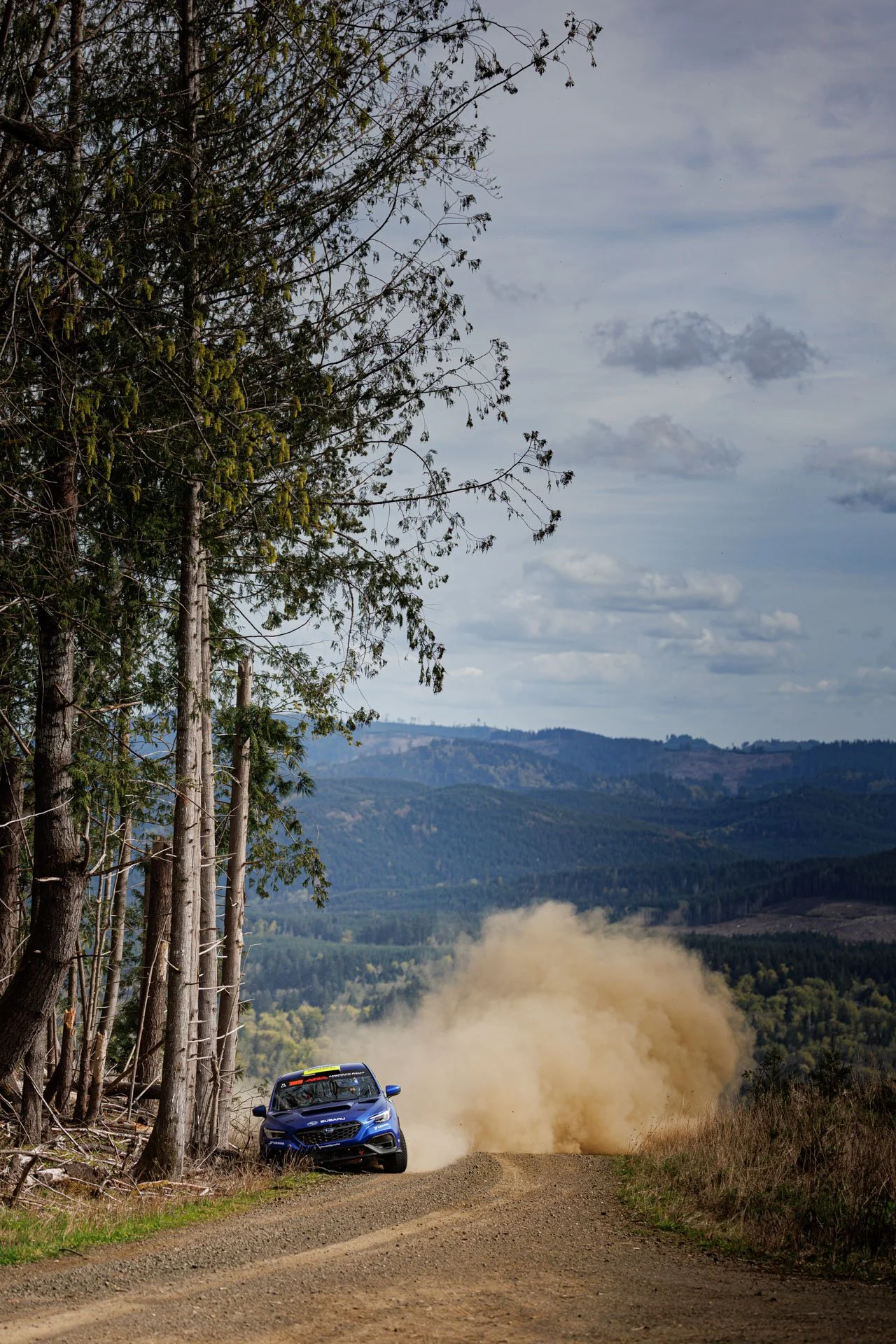
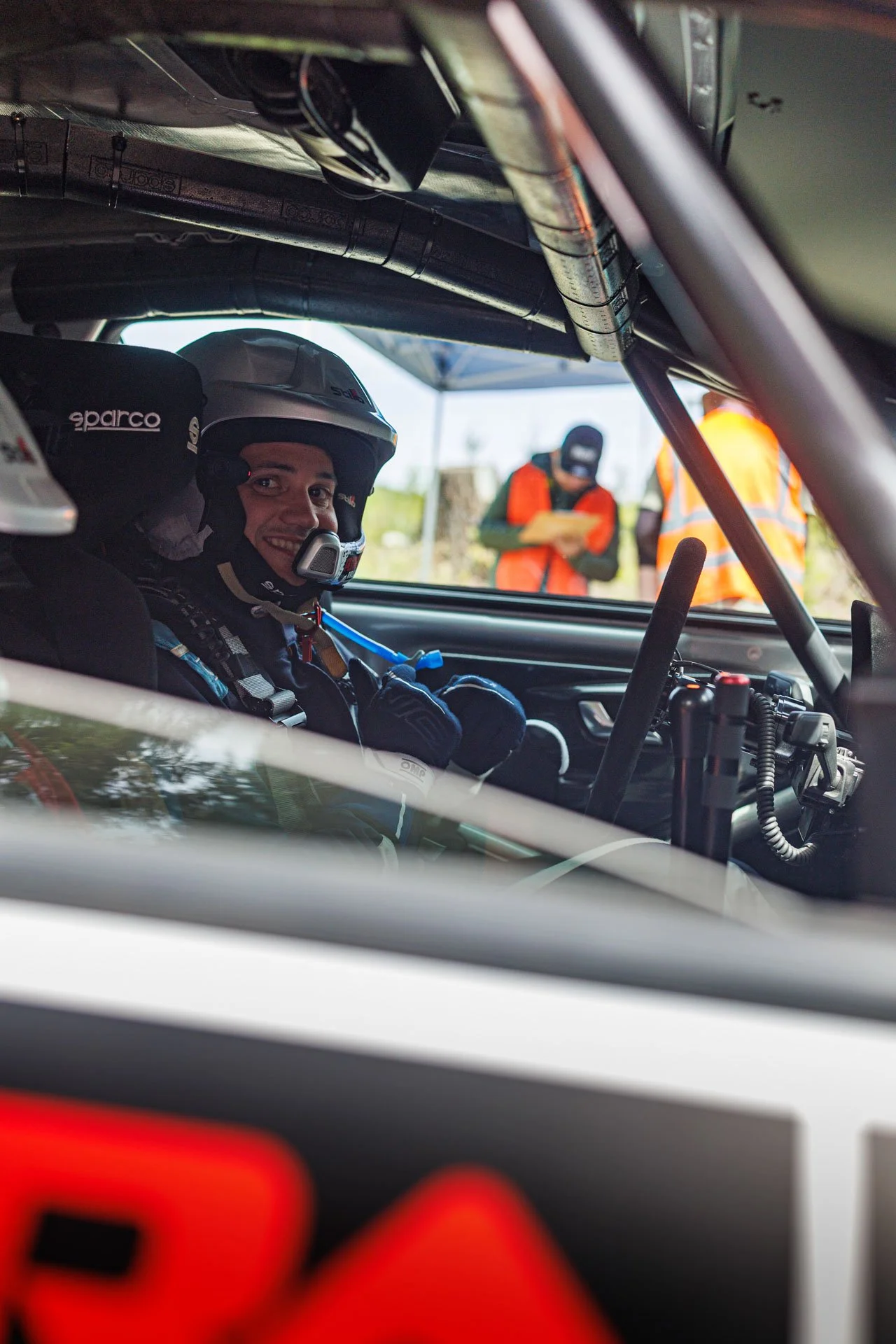
Today, Olympus runs as part of the American Rally Association (ARA) National Championship and remains one of the more demanding events on the calendar, not only in distance but in the way it stretches across terrain that still feels closer to its World Rally Championship past than most ARA events.
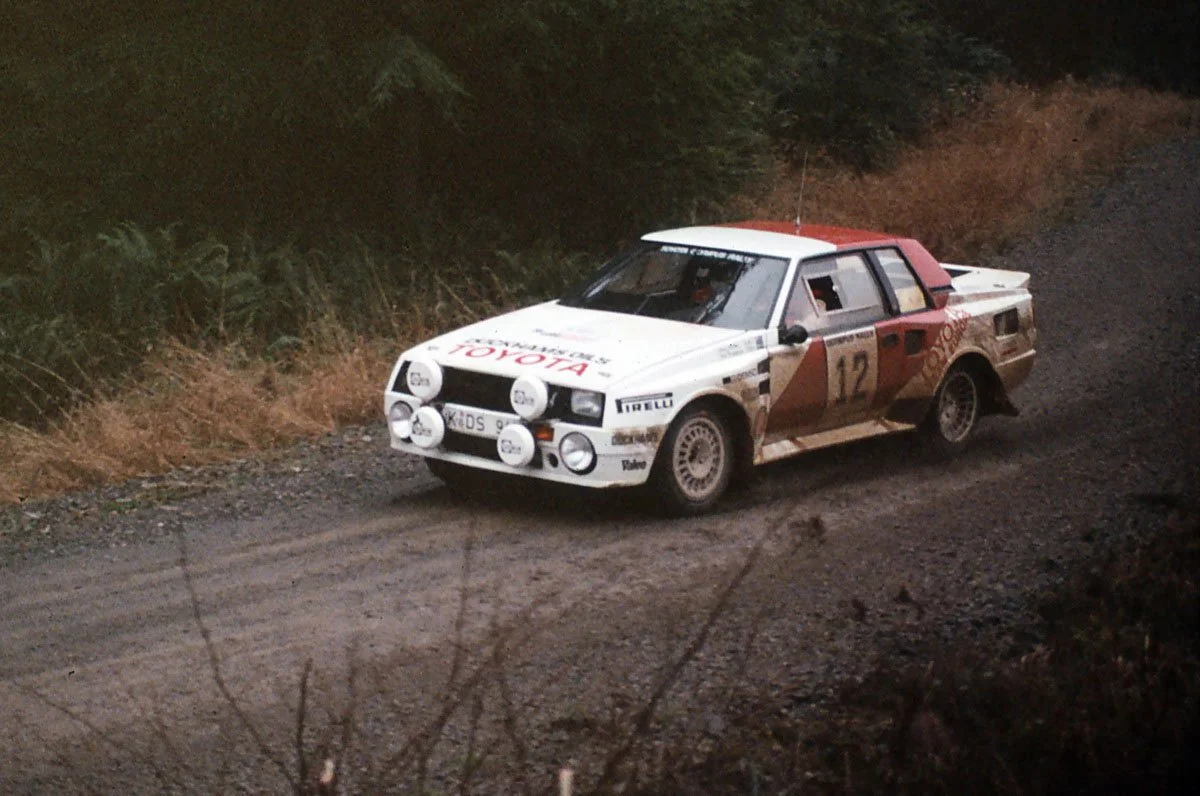
Toyota was among the field that arrived in 1986, running alongside Lancia and Peugeot, though doing so with a car already at a disadvantage. The Celica Twin Cam remained rear-wheel drive at a time when front-runners in the field had moved to all-wheel drive, and while that limited outright pace, it revealed something else — a kind of consistency that mattered more as the stages unfolded and other cars began to fall away.
“They were just indestructible,” Culp says of the Toyotas. “They’d come off another rally, straight into this one, and just kept going.”
Those cars had arrived from the Hong Kong–Beijing Rally, crossing continents before being dropped into these forests with little adjustment. Björn Waldegård approached it with precision rather than force, allowing the result to build. Fourth and fifth overall didn’t stand out then, but it carries more weight considering the historical context of the event.
In 1986, Toyota was here learning these roads in a different era. The fundamentals haven’t changed. Rallying here has always tested what works.
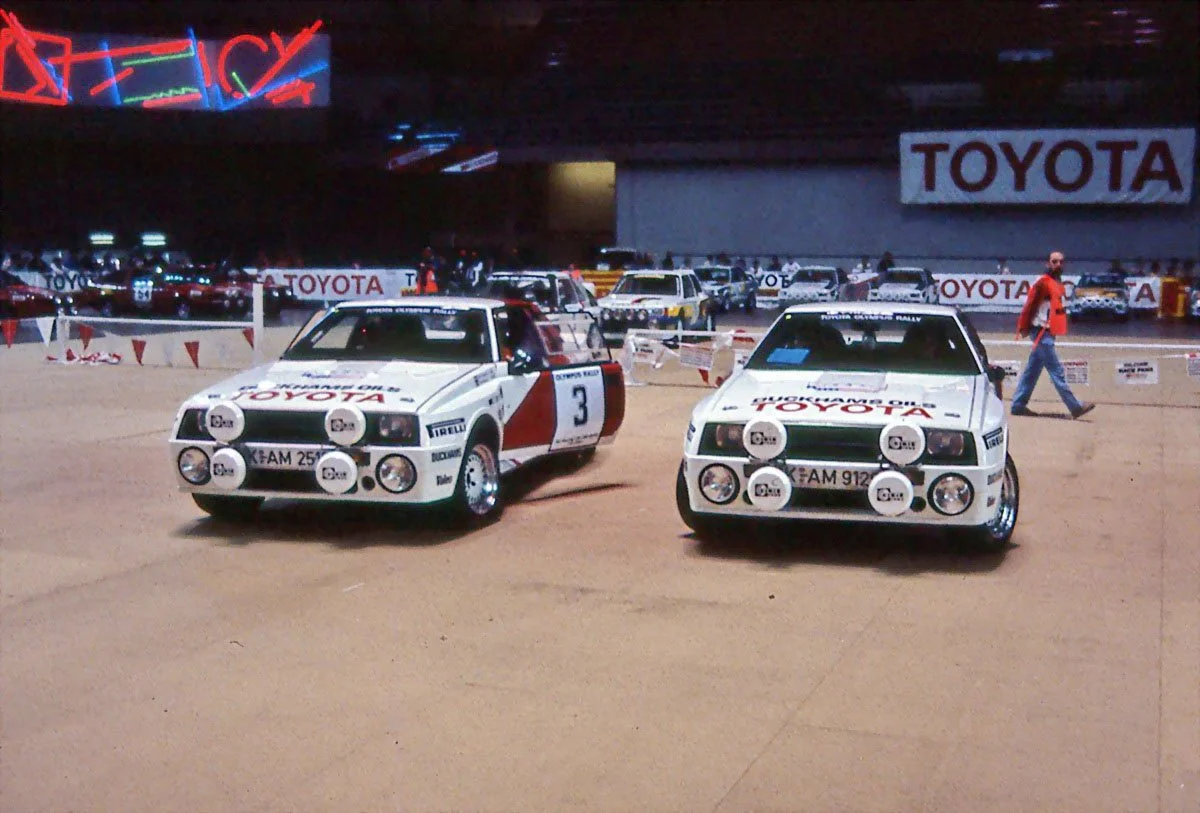
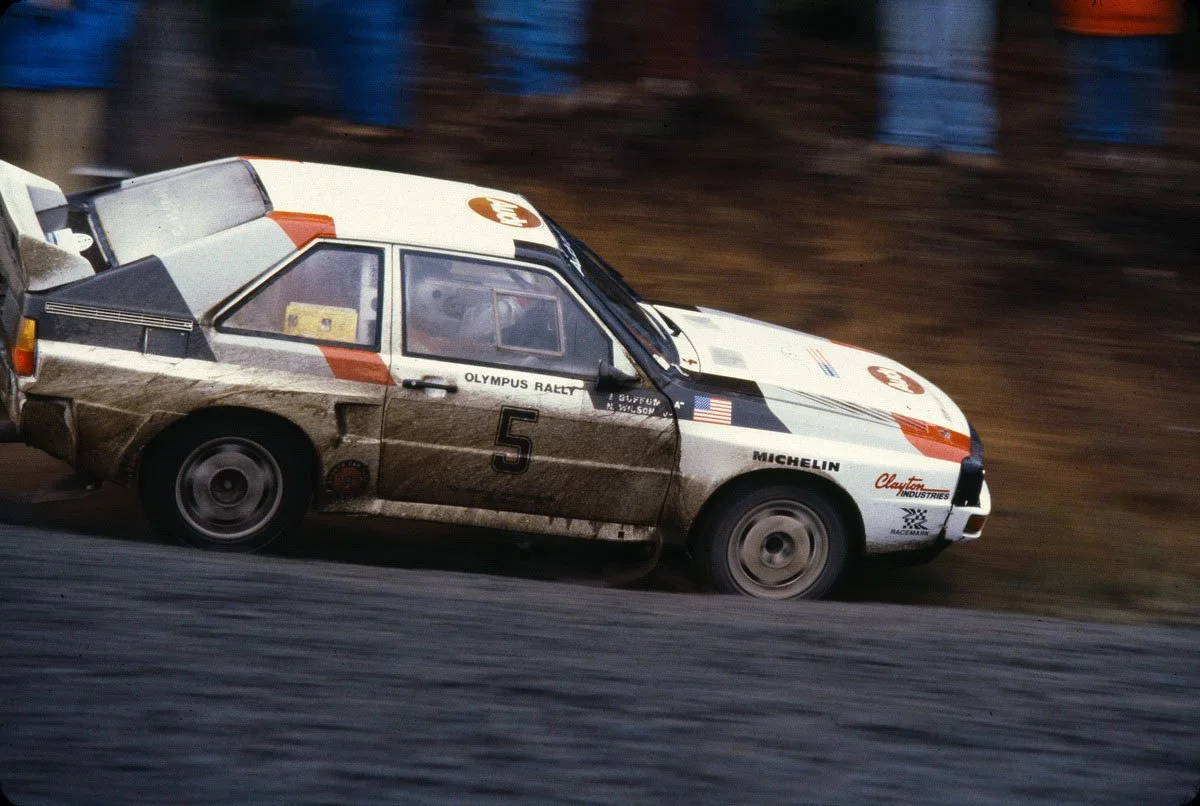
What’s different now is not the presence, but the intent. Through Toyota Gazoo Racing World Rally Team, Toyota’s program in ARA is less about a single result and more about building something that holds together over time — drivers, engineers, and cars developing together under conditions that can’t be replicated elsewhere. Not to prove something in a single weekend, but to understand what can take the abuse for the long term.
At the center sits the GR Corolla Rally RC2. It carries the outline of a production car, but little about its purpose is superficial. This isn’t a halo project; it’s a working platform designed to absorb reality, stage after stage, and return real-world answers.
The week before the rally begins, that work continues with two days of testing, with a stage shaped to push limits. The stage, an out-and-back run, presents as if it’s been borrowed for the day. Cones mark certain points that won’t exist by the weekend, and small adjustments are made between runs — ride heights are checked, notes exchanged quietly, tire pressures measured constantly. Nothing feels rushed.
The difference here is time. Runs are repeated, corners revisited, the same section approached with slightly different intentions and from slightly different angles. It’s less about speed and more about understanding— how the car settles, how it reacts when the surface breaks away, how much can be asked of it before it gives something back...or stops giving. By the time the cars leave, there’s little sign they were there at all.
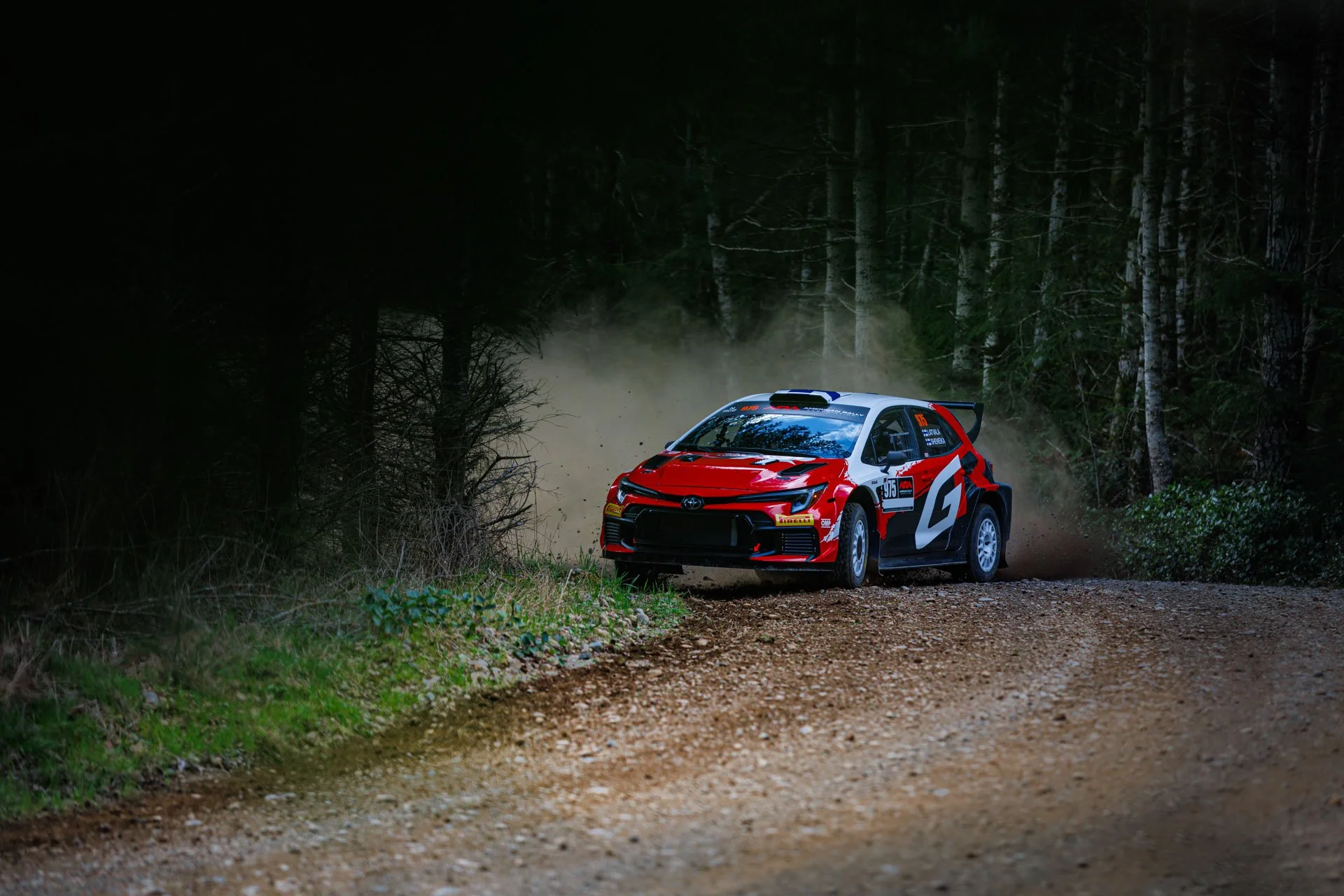
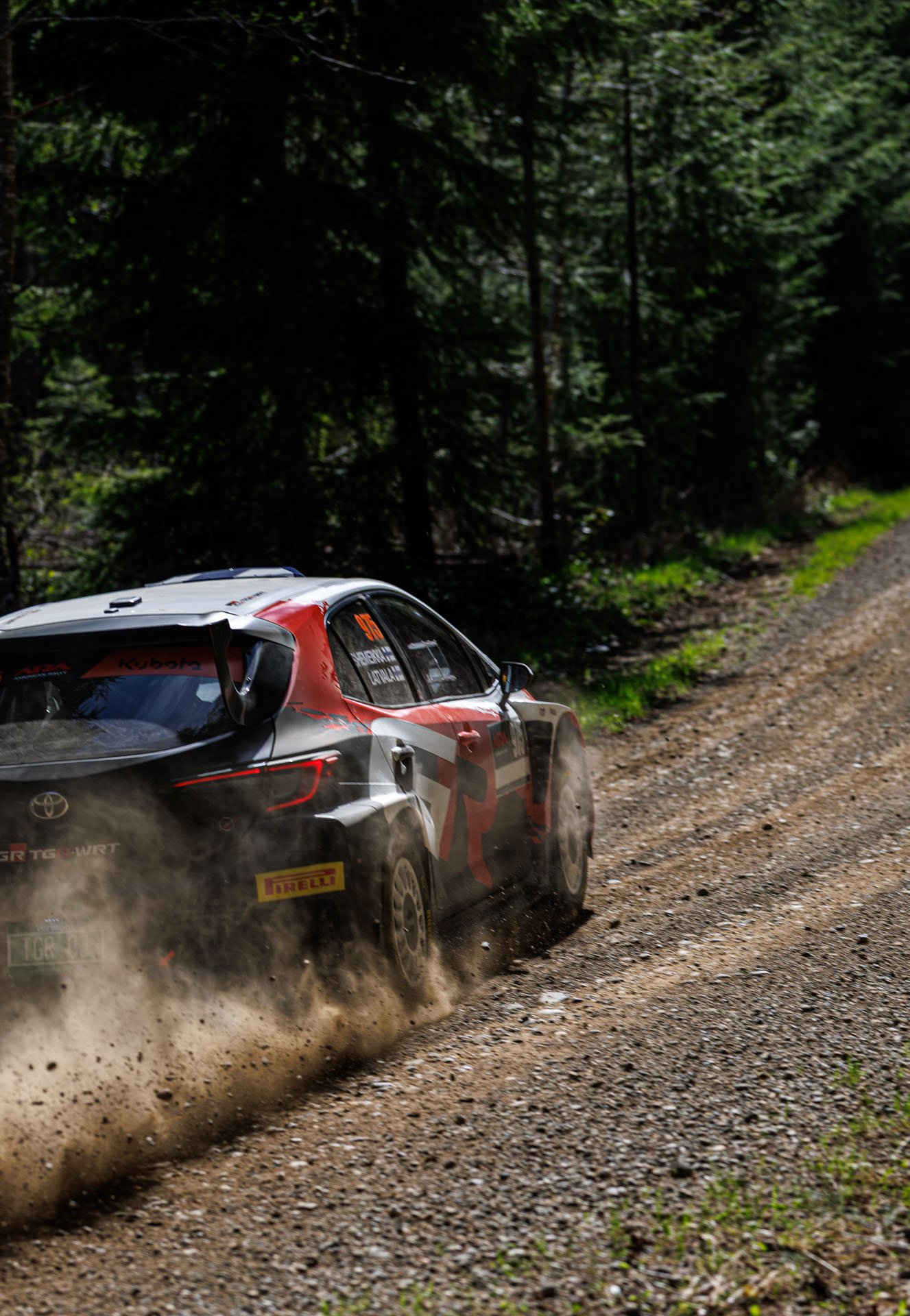
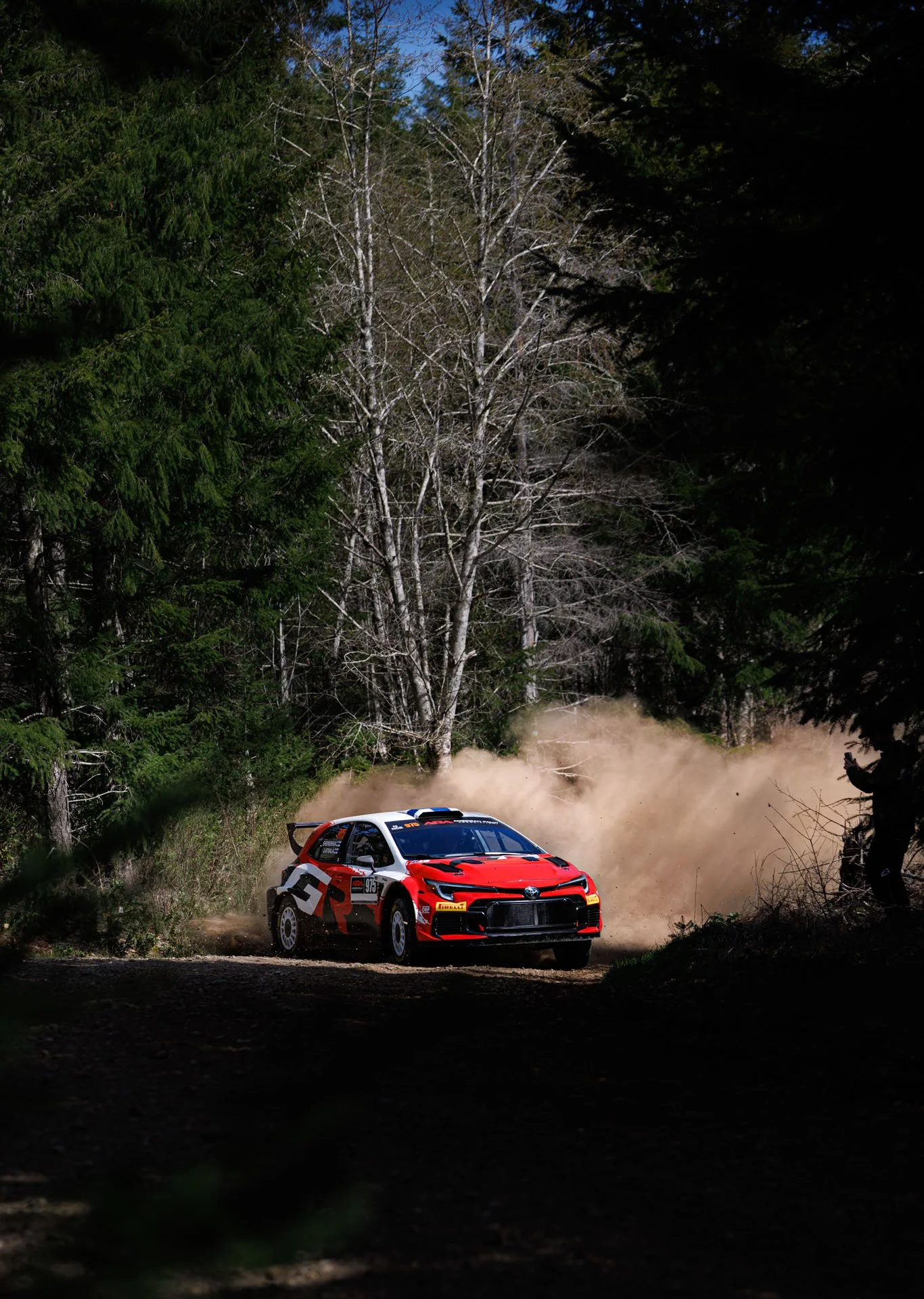
That controlled environment gives way quickly once the rally begins. TGR presence also gives the weekend a different center of gravity. Jari-Matti Latvala arrives not simply as another entry, but the most experienced World Rally Championship driver, with 200+ starts and 18 WRC victories to his name. He joins Seth Quinn-tero, who’s in his first season and eager to learn his craft.
A few days later, after testing and recce are concluded, the proceedings begin on Friday afternoon. Before cars head to the forest, they appear at Toyota of Olympia for the Parc Exposé. The atmosphere shifts. Fans arrive early, filling the lot with a mix of tribute deliveries, well-used rally cars, and the kind of personal expression that doesn’t exist elsewhere. Pickup beds double as viewing platforms, folding chairs appear from nowhere, and conversations start easily — about stages, about cars, about years gone by.
Drivers and co-drivers are within easy reach, lines form for autographs, and conversations happen naturally. Kids, dogs, longtime followers, and first-timers all find a place. It’s informal, unguarded, and close in a way few motor-sports still are.
Among the cars on display, an Audi Sport Quattro S1 E2 draws a steady crowd, many seeing one up close for the first time. Brought by DirtFish Rally School alongside a Lancia Delta S4 and Peugeot 205 T16, it sits as a reminder of what once passed through these forests in 1986. Nearby, the modern entries gather their own attention — TravisPastrana, Lia Block, Aoife Raftery, Jari-Matti Latvala — their cars more familiar in shape, drawn from the same lines as the Subaru Impreza, Ford Fiesta, Hyundai i20, and Toyota Corolla found in showrooms today. From there, the rally moves outward into the forest near Shelton.
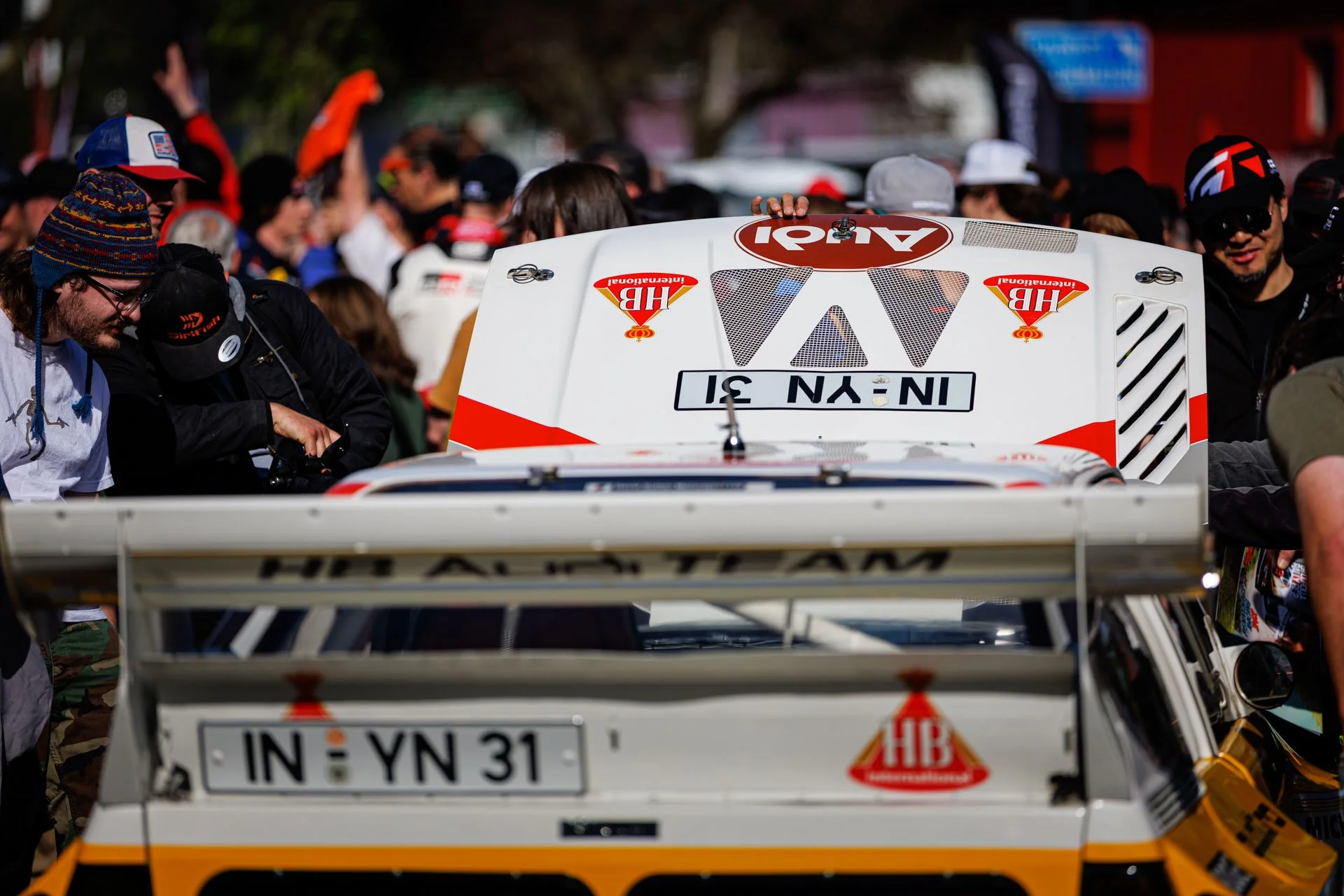
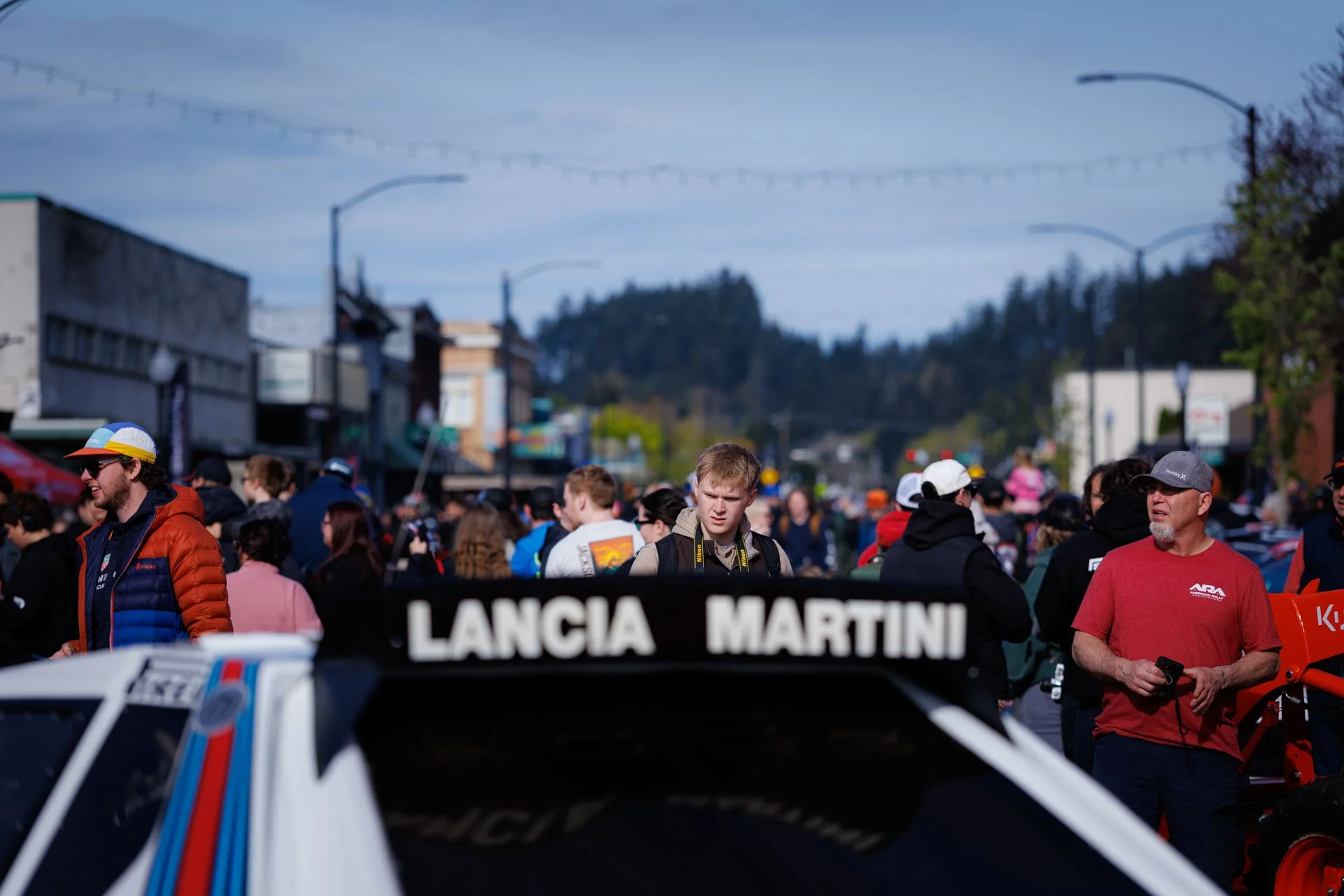
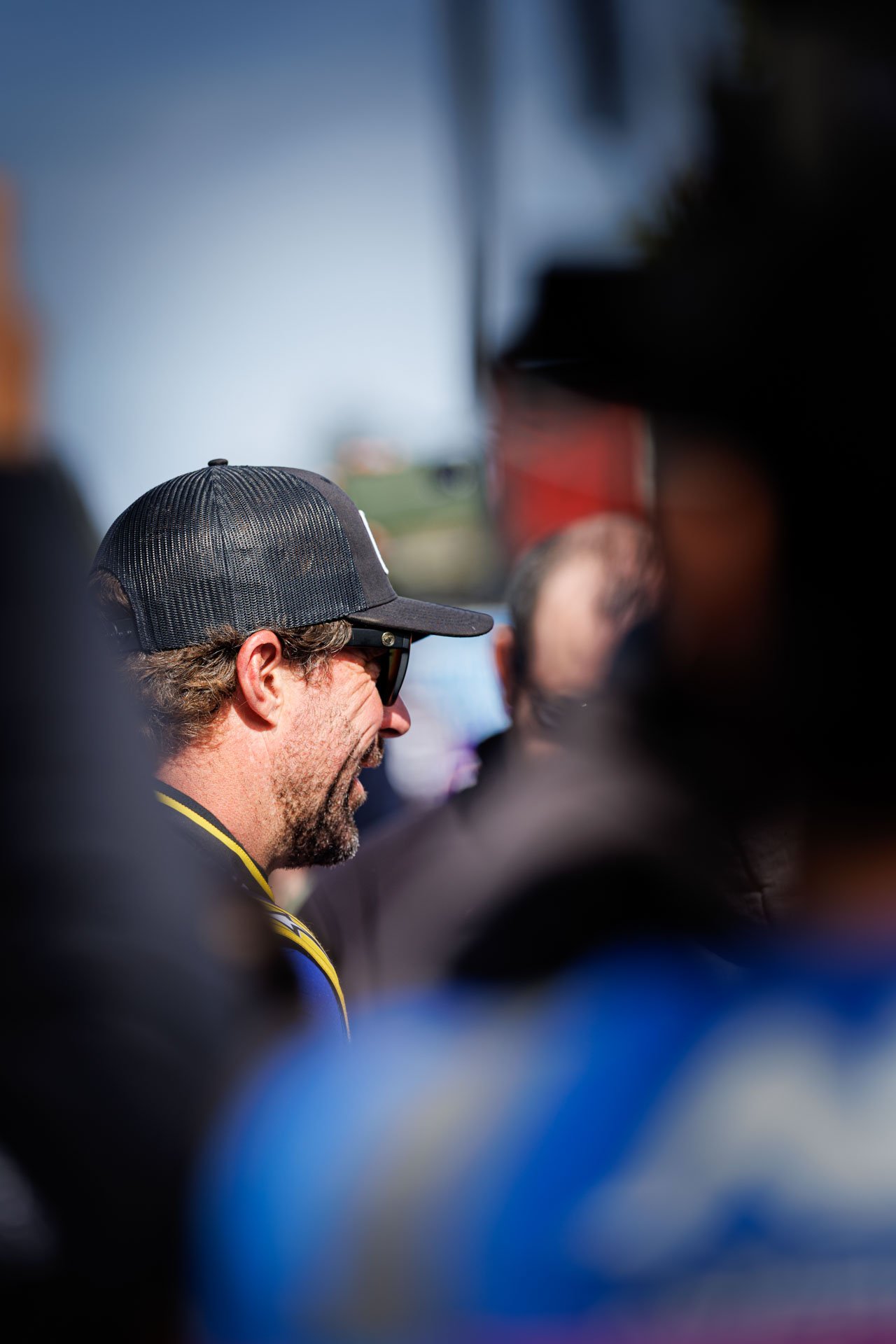
This year’s route stretches to nearly 200 stage miles, carrying the rally deeper into the forest and into the night. It’s long, demanding, and shaped as much by endurance as outright pace.
“You don’t get that by accident,” says Matt Flaisig, clerk of the course. “The goal is to build something that challenges drivers at every level —something that reflects what this rally has always been capable of.”
Following the event properly — or at least attempting to — involves a level of planning that sits somewhere between mild optimism and quiet delusion. At various points along the route, vantage points emerge, revealing an imposing backdrop to the cars passing through. Across the field of nearly 100 entries, local teams alongside national contenders carry the rally forward. Alongside them, a sizeable media presence follows the competition just as closely.
The opening stages set the tone quickly. Brandon Semenuk takes the first stage, establishing the early pace. Latvala responds immediately. “OK, now we’re going to have a fight,” he says. It doesn’t last. Mechanical issues remove Semenuk from that early contest. The opportunity for Semenuk to benchmark himself against one of the sport’s best was sadly short-lived, but we’re sure his SS1 win won’t go unnoticed.
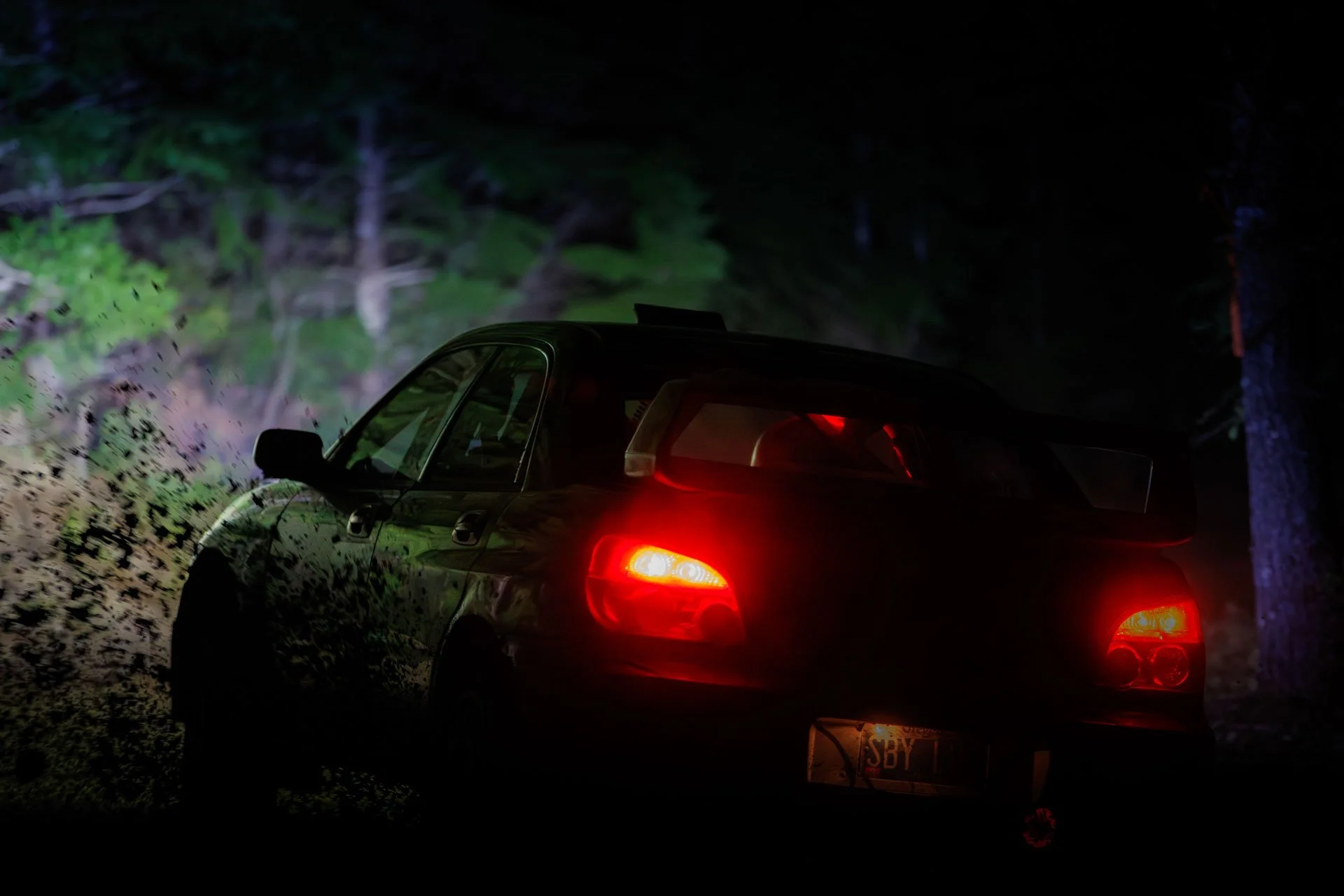
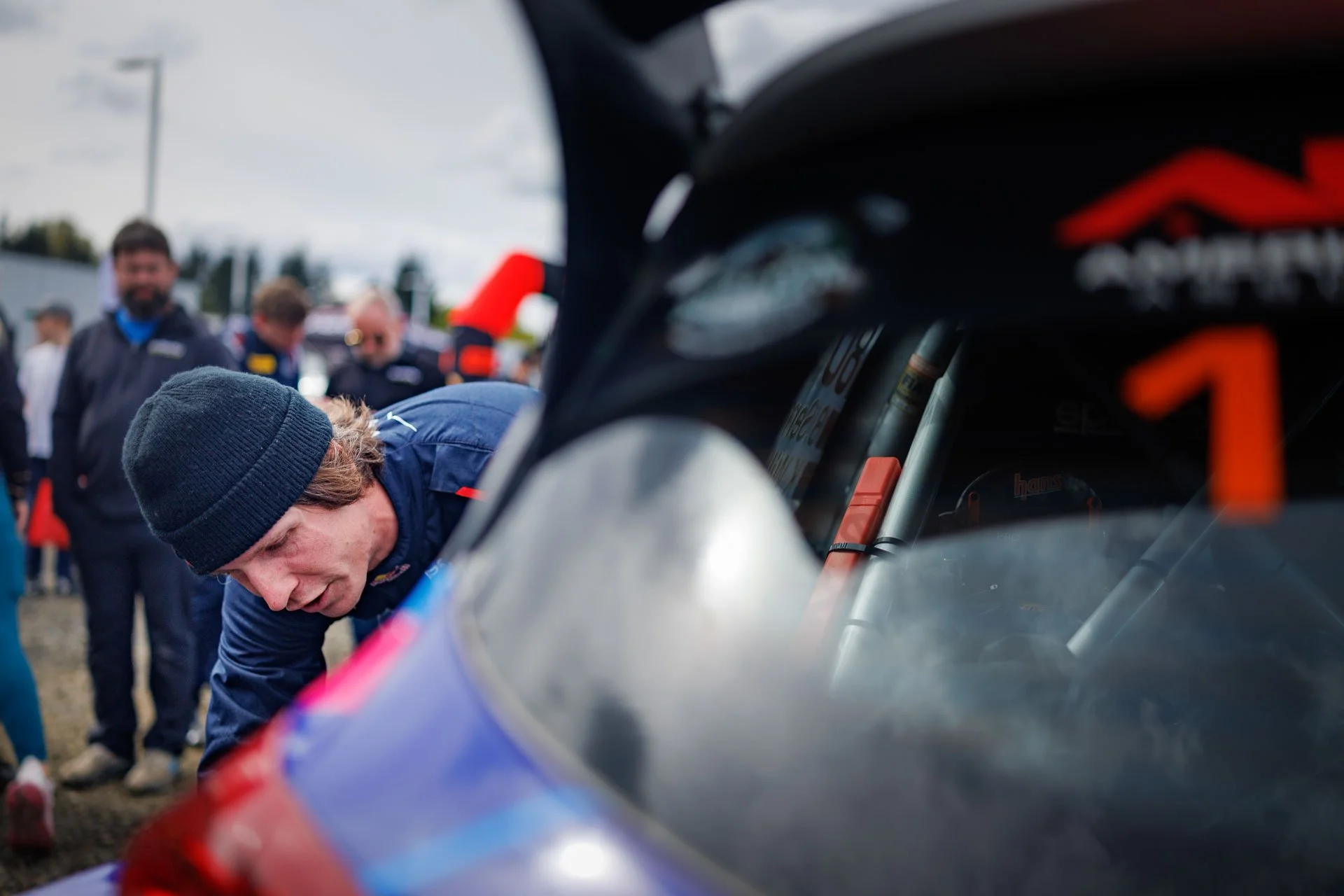
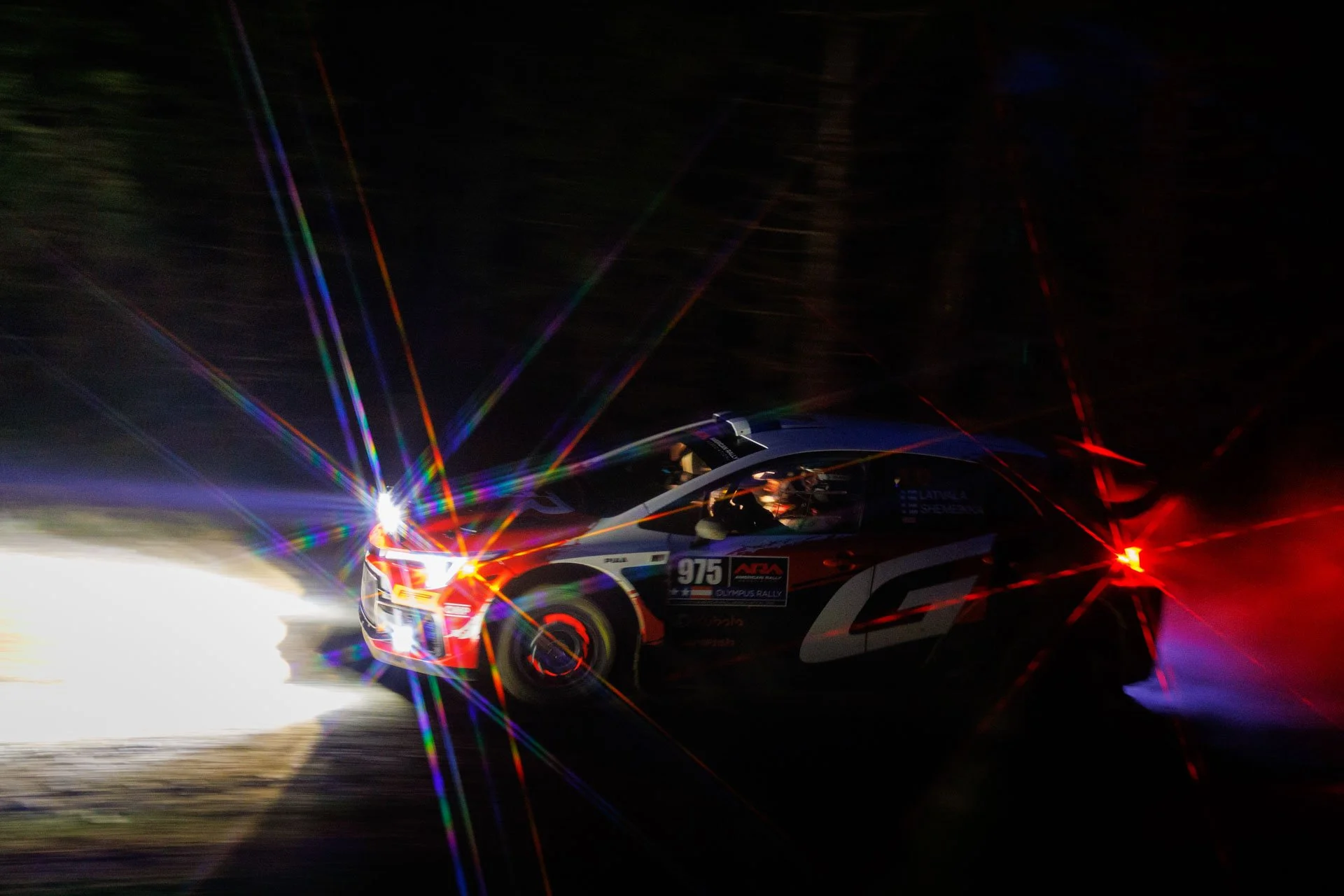
Saturday brings more disruption. Travis Pastrana rolls, others encounter issues, and the running order shifts. Latvala responds with control, building a sequence of stage wins.
Elsewhere, Aoife Raftery, driving the Women in Motorsport Ford Fiesta RC2, runs slightly wide during one stage, beaches the car, and is unable to continue— a simple mistake, but a costly one. She was running at a blistering pace before the trouble. By Sunday, the rally settles.
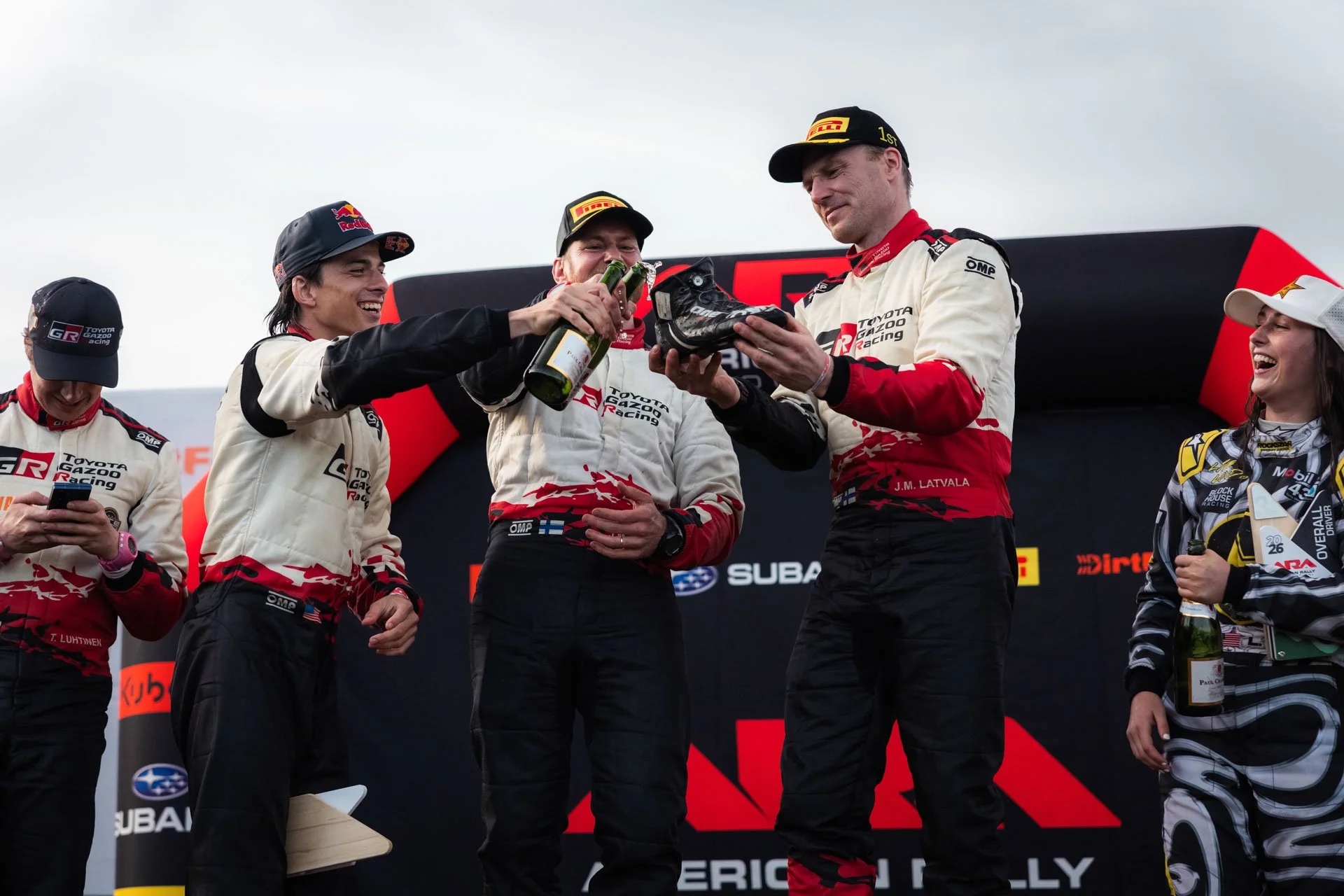
Latvala wins on his first competitive start in the United States, alongside co-driver Tuukka Shemeikka. With his victory, Latvala becomes the fourth Finn to capture the Olympus, joining Hannu Mikkola, Marku Alen, and Juna Kankkunen — an illustrious list of rally legends that cements the legacy of this event.
Seth Quintero finishes second.
“Seth’s car control is great... he wants to learn,” Latvala says of Quintero.
Lia Block completes the podium — her first ARA national podium, a result built steadily across the weekend, even with an early puncture that left time on the road.
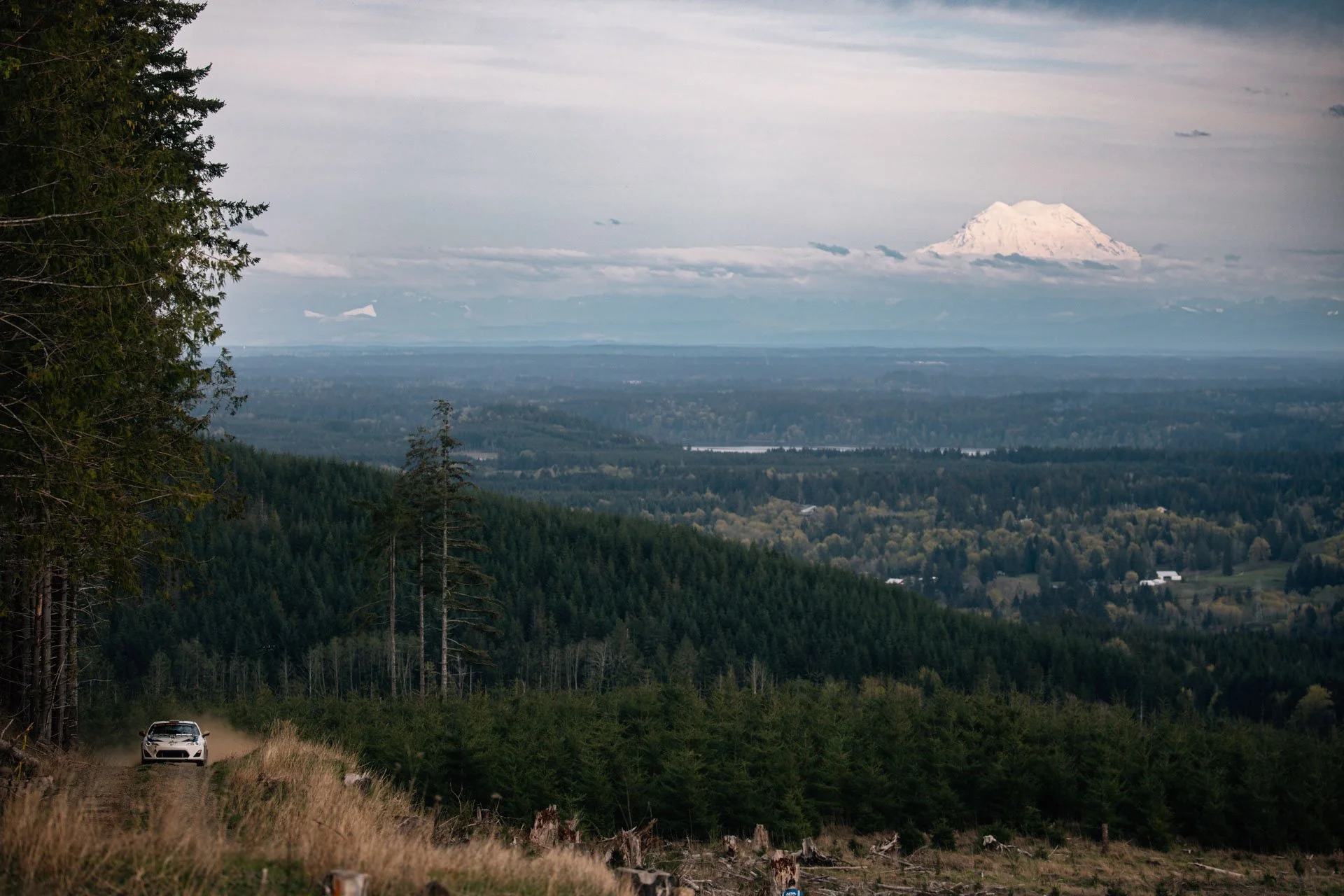
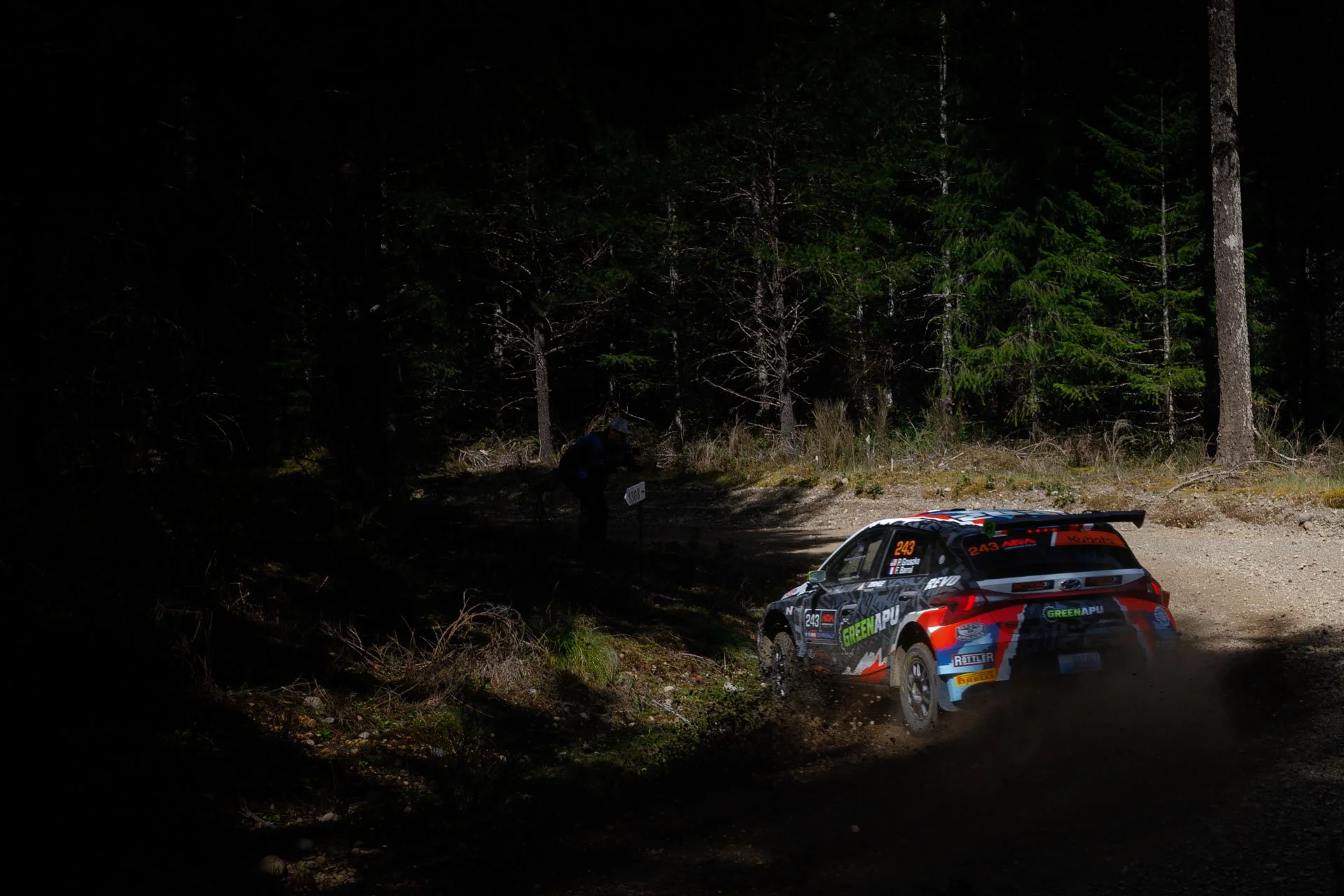
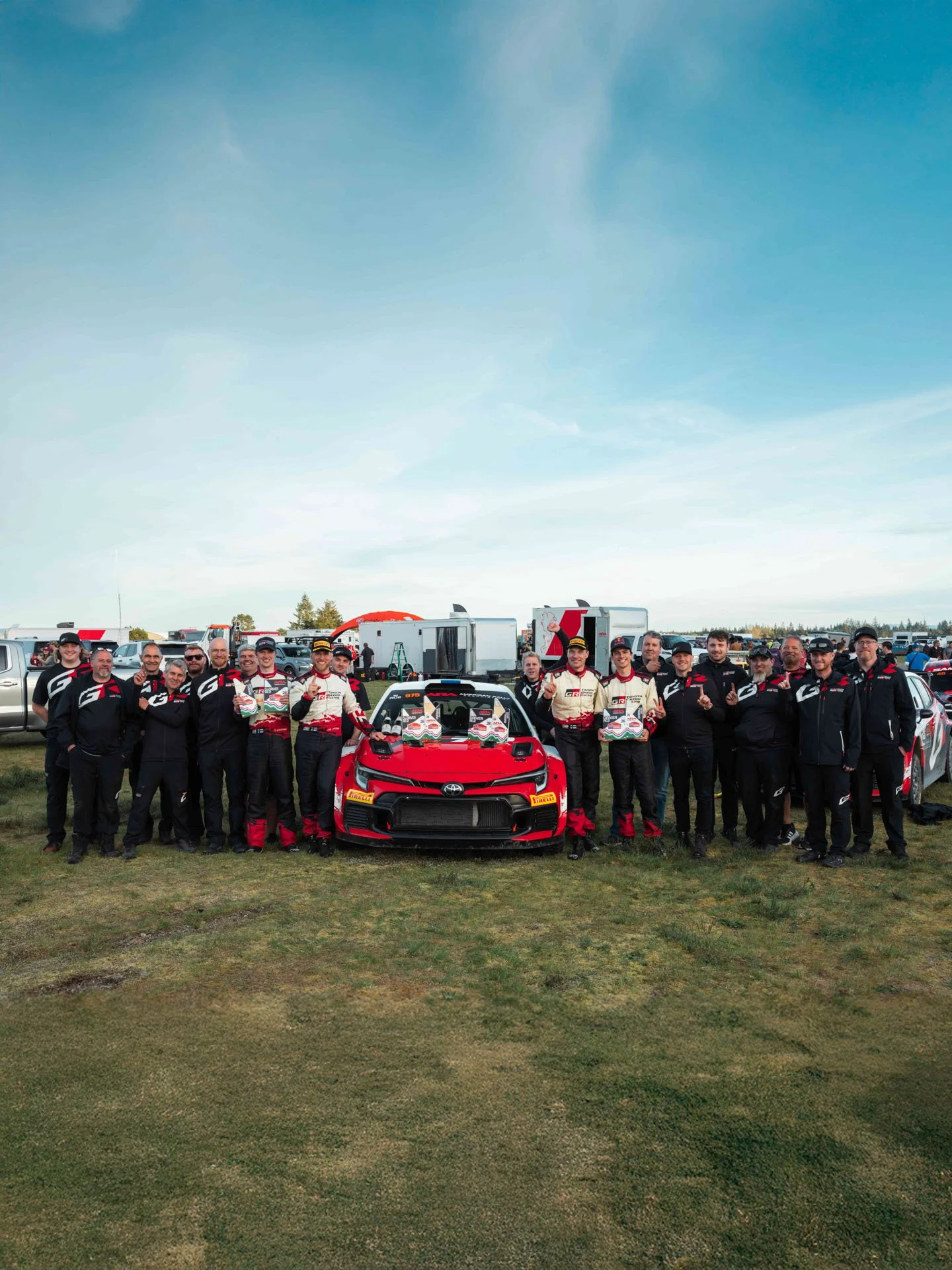
Forty years earlier, Olympus marked the close of one chapter. A year later, Juha Kankkunen won here; now he sits within the same Toyota structure under Latvala. Toyota has been here before. In 1986, it finished fourth and fifth. In 2026, it leaves with first and second.
The dust settles. The cars return to service, conversations trend about the trials and tribulations of the competition, and attention turns, quietly, to next year’s event