The Measure of a Good Car
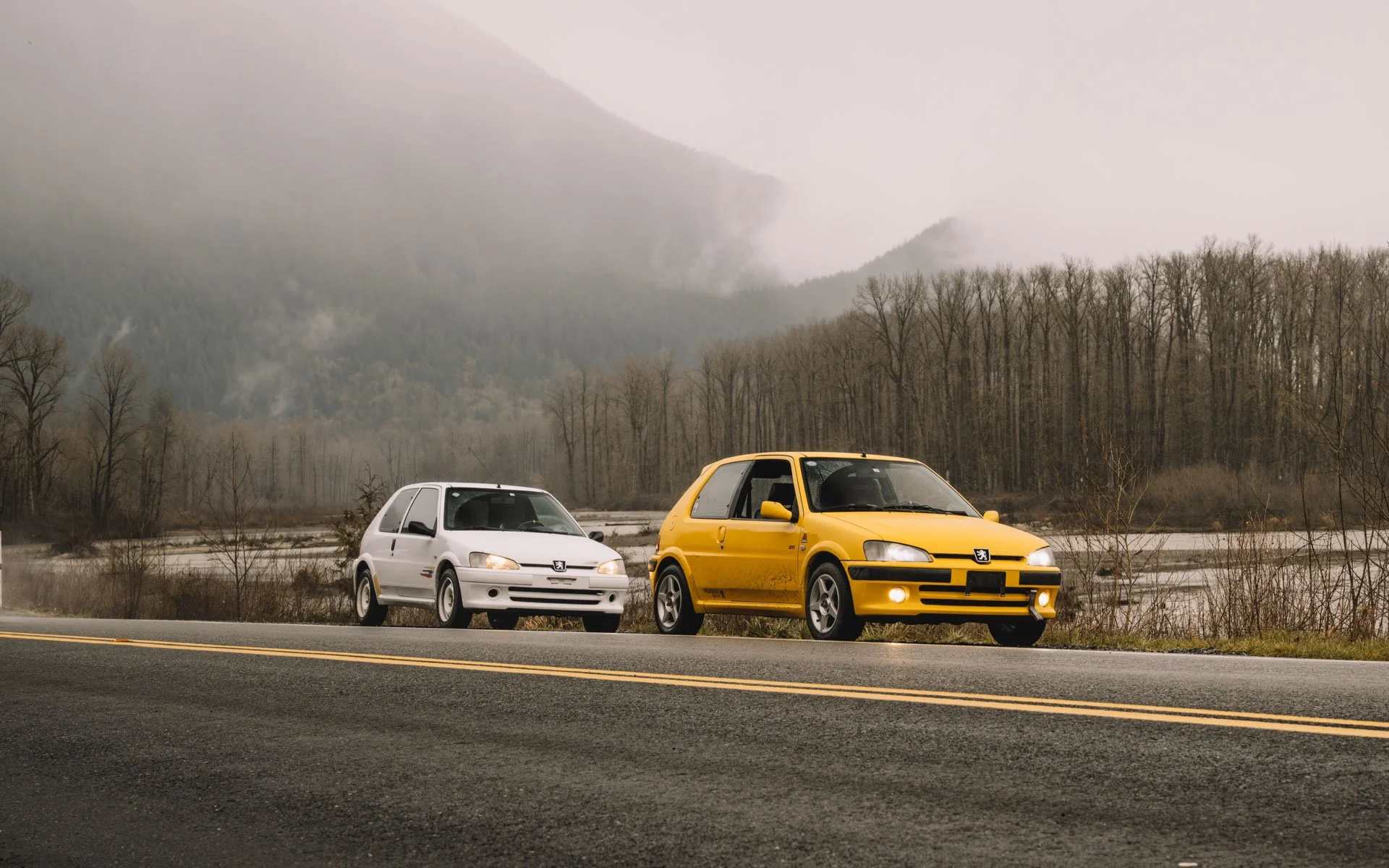
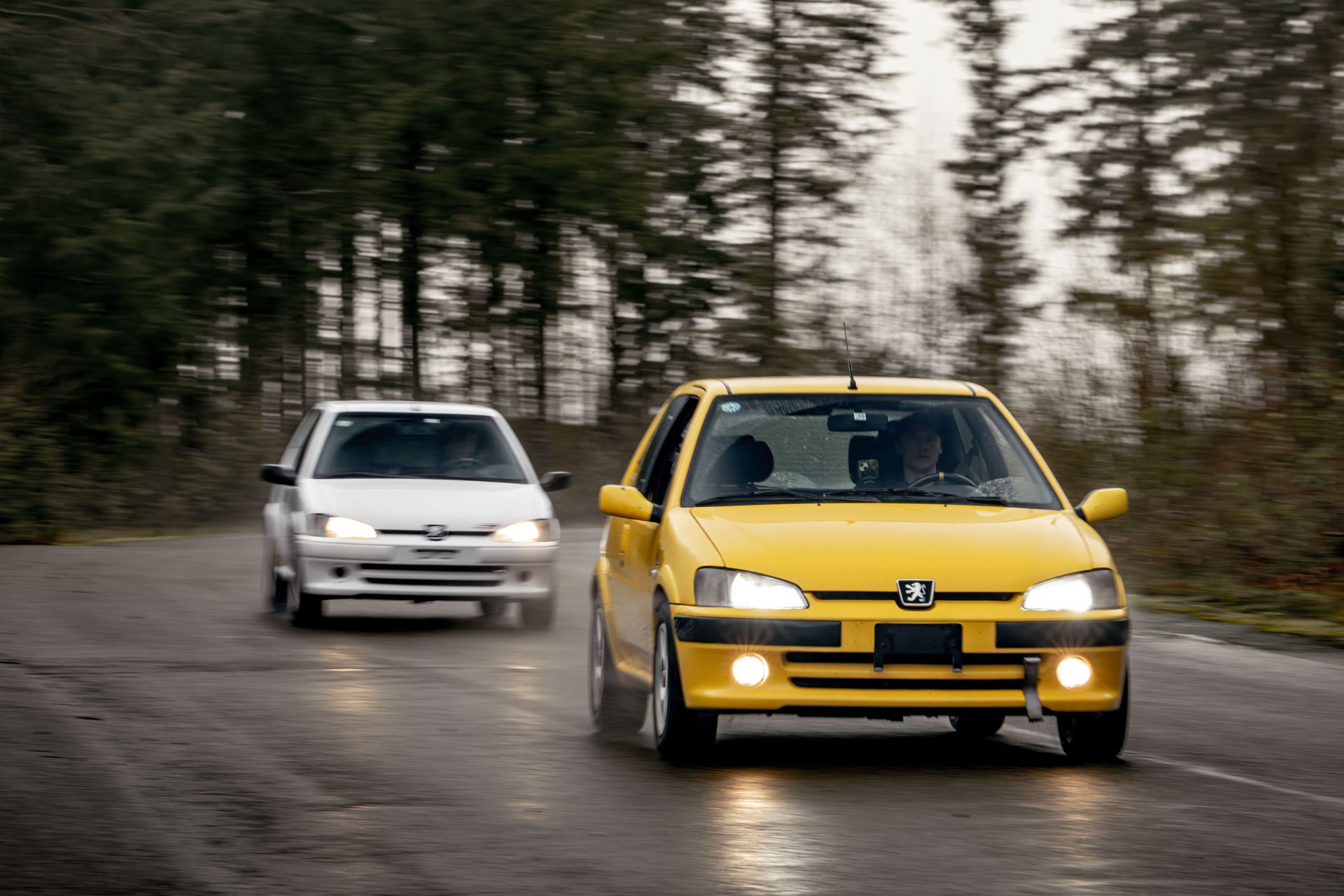
Peugeot 106 Rallye and GTI
STORY | Chris Seely
Photography | Cole McKnight
The Peugeot 106 Rallye and GTI prove that lightness, balance, and intent matter more than power or status. During my tenure at Avants, I’ve had the opportunity to write about some incredible cars. I’ve stood in the presence of machines like the Aston Martin DB4, Ferrari Daytona, and Ford RS200 — cars that defined the idea of a dream.
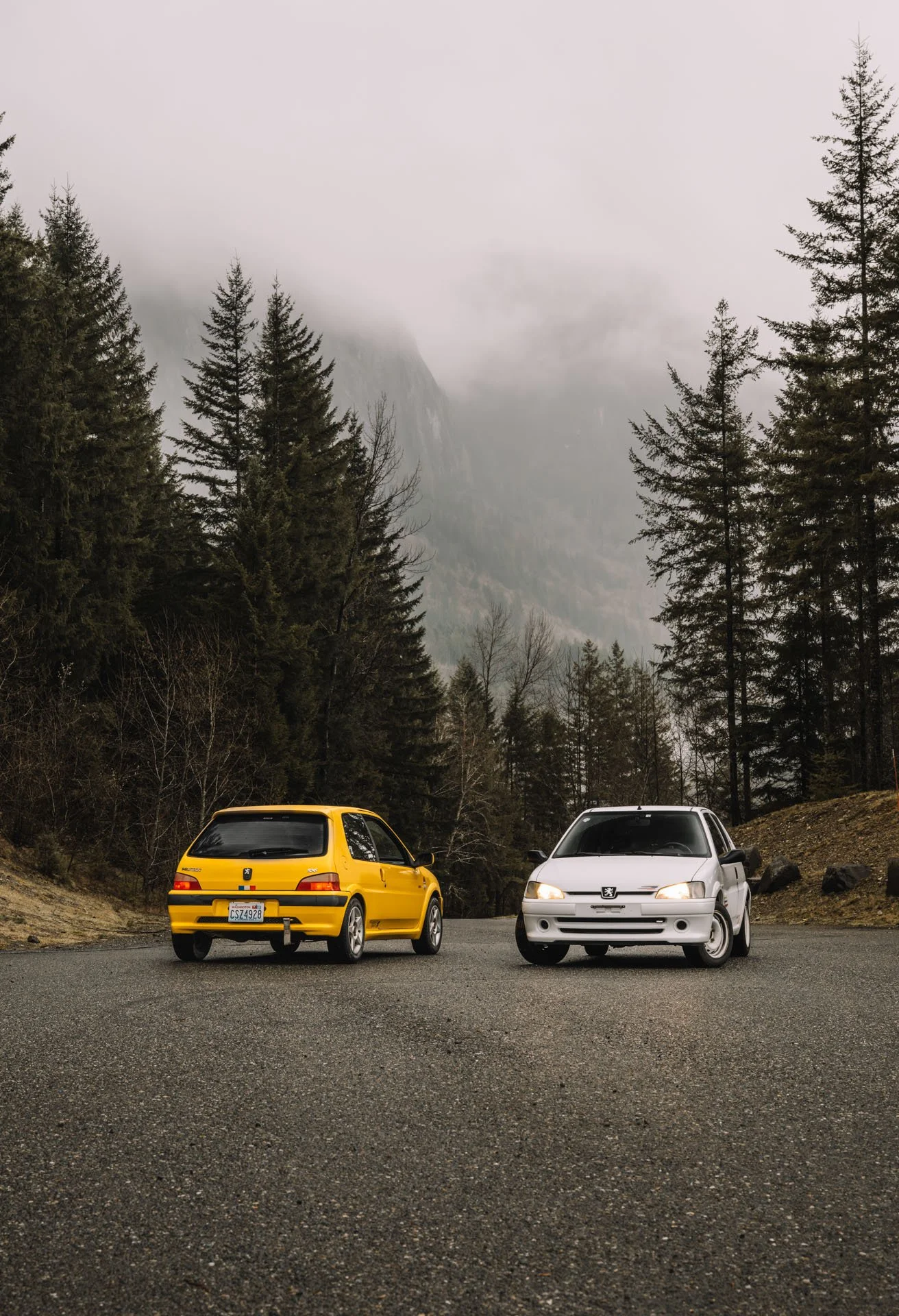
But for this issue, the assignment shifted in a different direction: two cars of far lower status, but machines I know intimately. My own Peugeot 106 GTI, and my good friend Mark’s 106 Rallye.
These are not hero cars. No bedroom wall has ever worn a poster of a Peugeot 106. And yet, they are so engaging that owning one quietly changes what you look for in a car.
PEUGEOT: PEPPER GRINDERS, BICYCLES, & AUTOMOBILES
To understand the 106, you have to understand Peugeot’s particular way of doing things.
Founded in 1810 as a steel manufacturer, Peugeot has produced everything from pepper grinders to bicycles. By the 1980s, however, the company had refined something far more focused: the lightweight hot hatch. Cars like the 205 GTI — and the unhinged, mid-engine Group B 205 T16 — cemented that reputation.
Here in the United States, we never received those smaller, more-focused cars. Instead, Peugeot sold larger sedans like the 505 Turbo, appealing in their own way, but far removed from the brand’s rally-bred character.
If you want to understand Peugeot properly, you have to start small.
Most people point to the 205. By our reckoning, the 106 is better. The two cars on these pages, the Rallye and the GTI, represent the sharpest expressions of that philosophy. But the truth is simpler: every 106 drives this way.
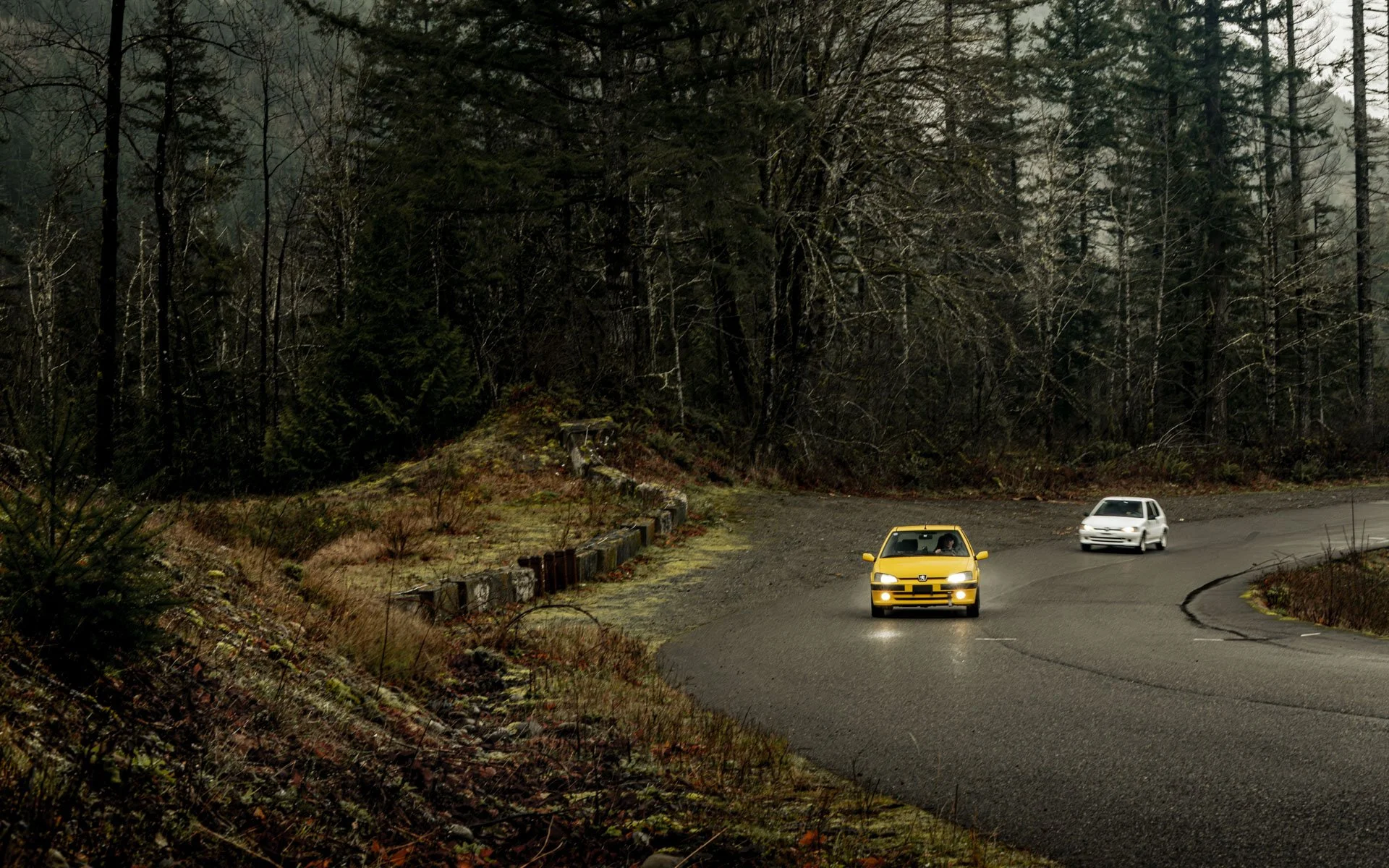
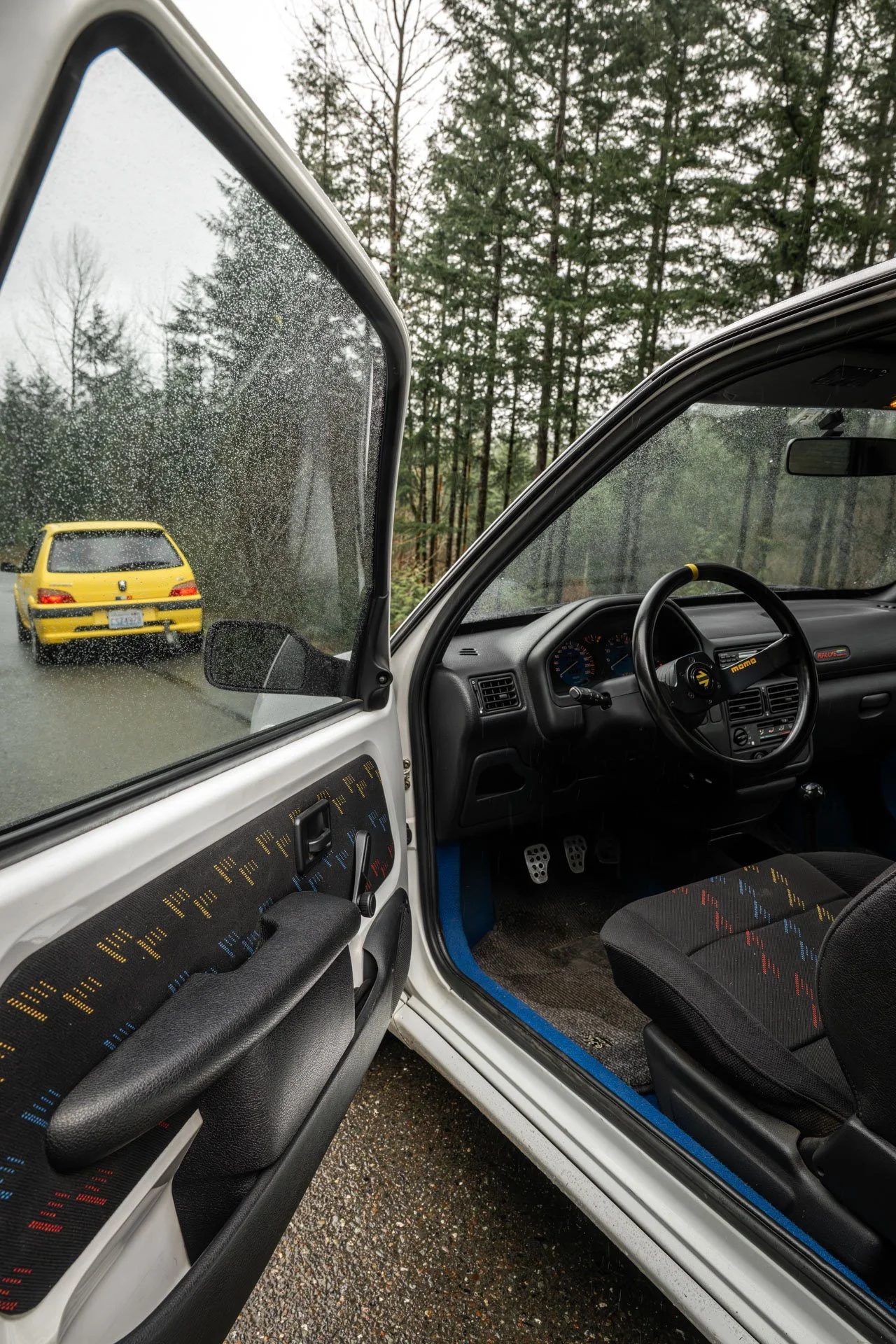
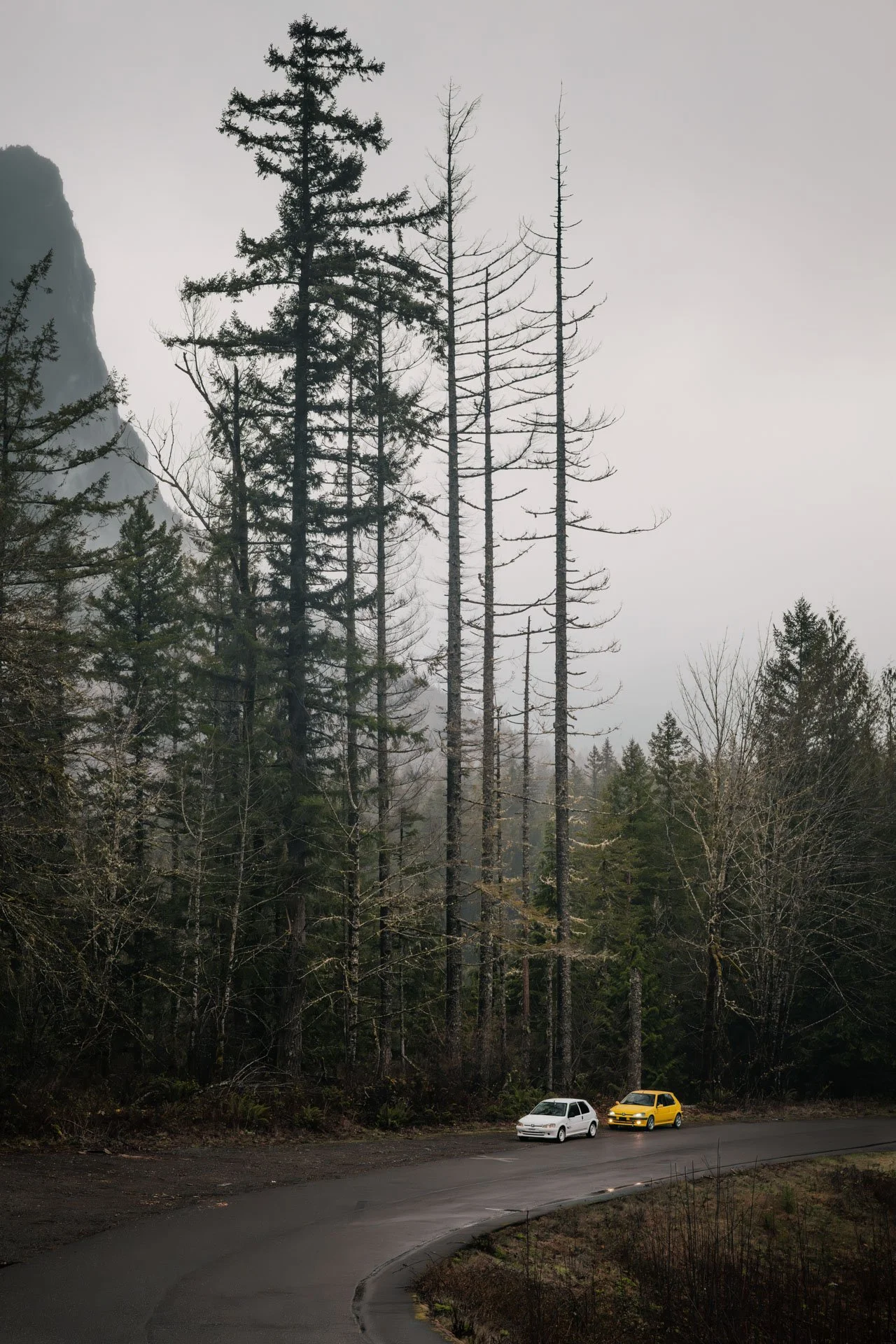
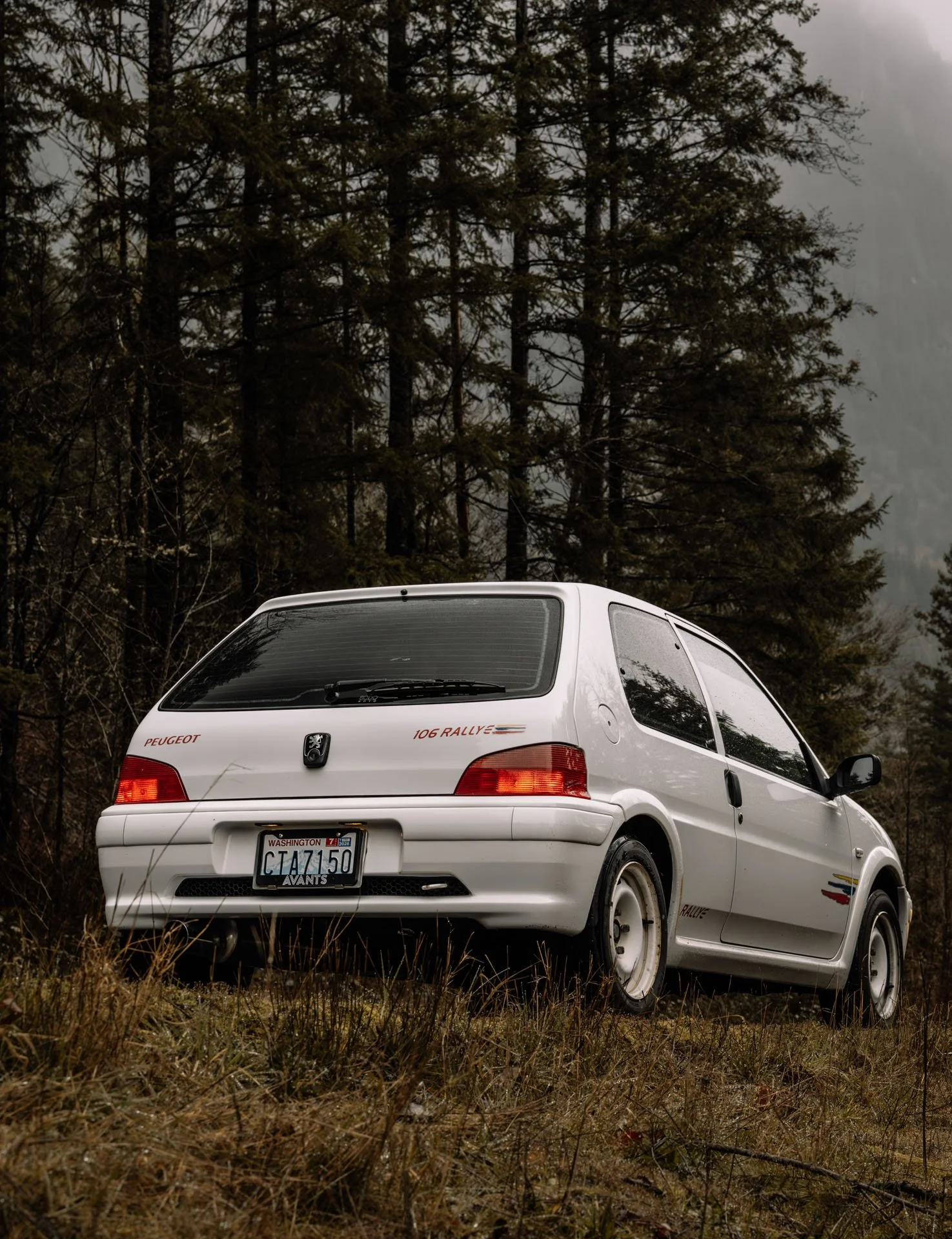
Mark Chang’s Peugeot 106 Rallye
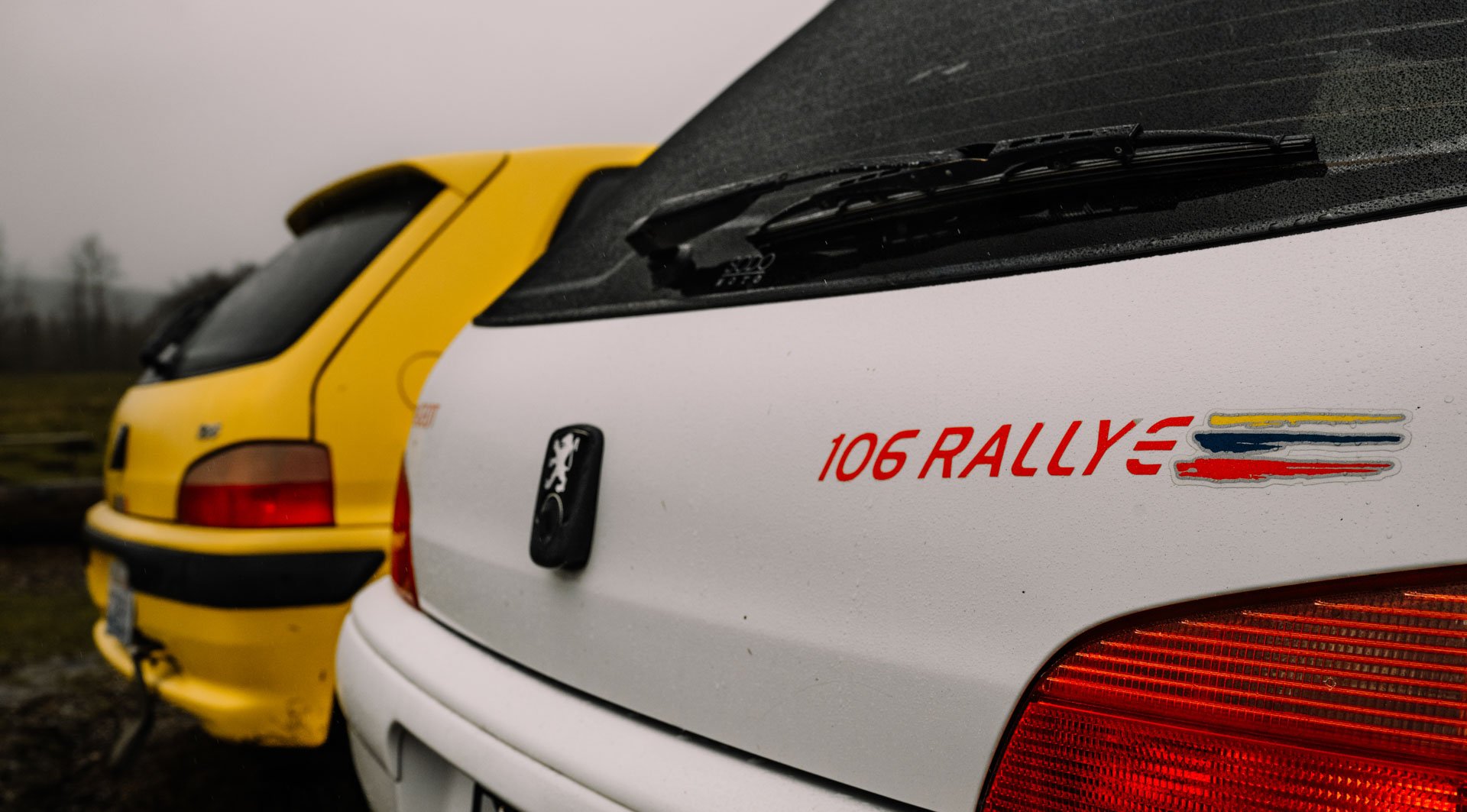
Like the Audi Quattro or Lancia Delta Integrale, the 106 Rallye exists because of competition. Built for Group N, it followed a simple directive: reduce weight, keep it simple, and let the driver do the rest.
Peugeot took that seriously.
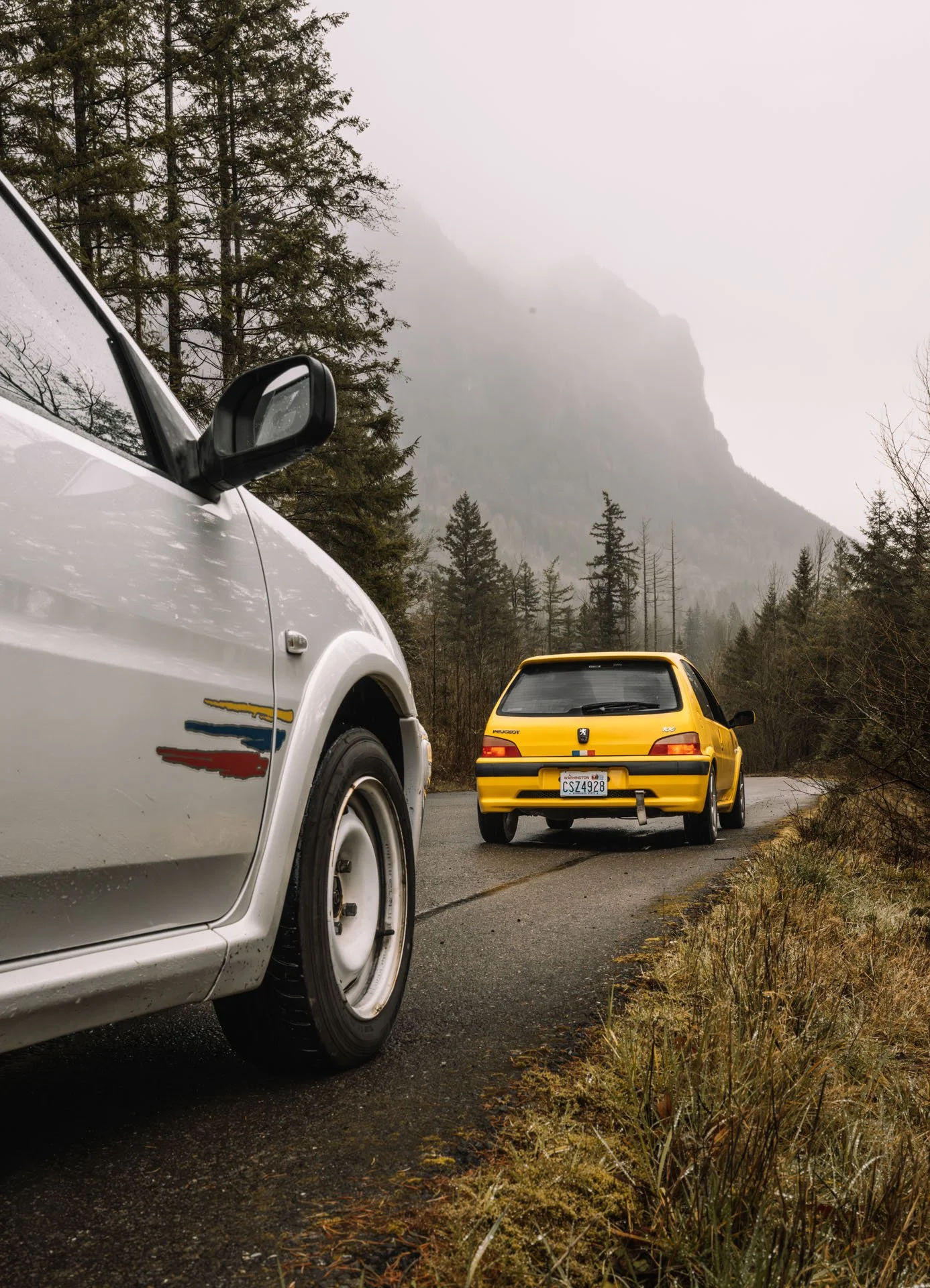
The Rallye strips everything back to intent. Roll-up windows. No air conditioning. No excess weight. The result is a car that feels closer to a tool than a product. To underscore that purpose, every Rallye came with its own visual identity, distinct livery, interior details, and white Michelin steel wheels. Subtle cues, but unmistakable once you know what to look for.
There were two versions — the Series 1 with its 1.3-liter engine, and the Series 2 with a 1.6-liter engine. Both produce around 100 horsepower, but they deliver it differently.
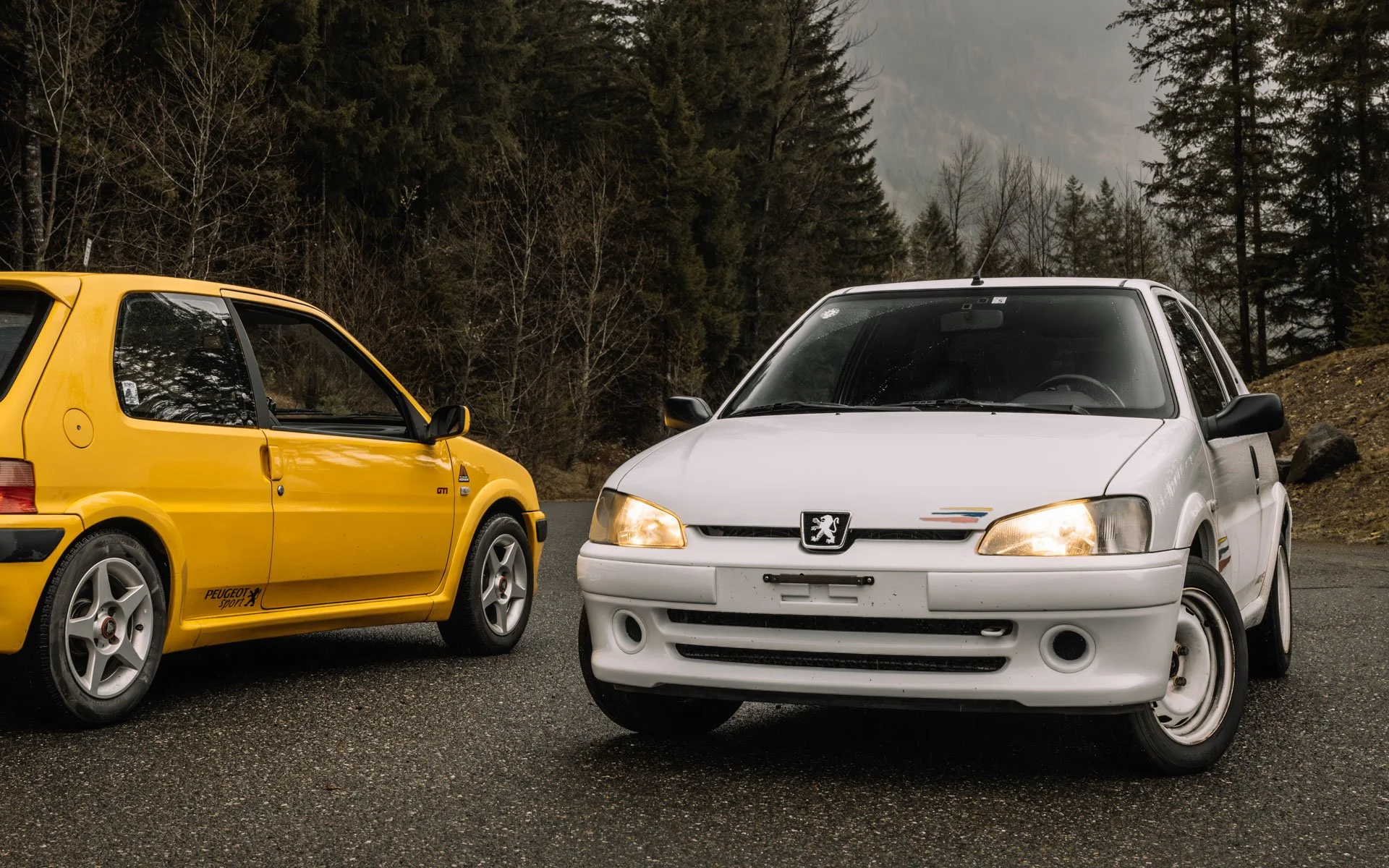
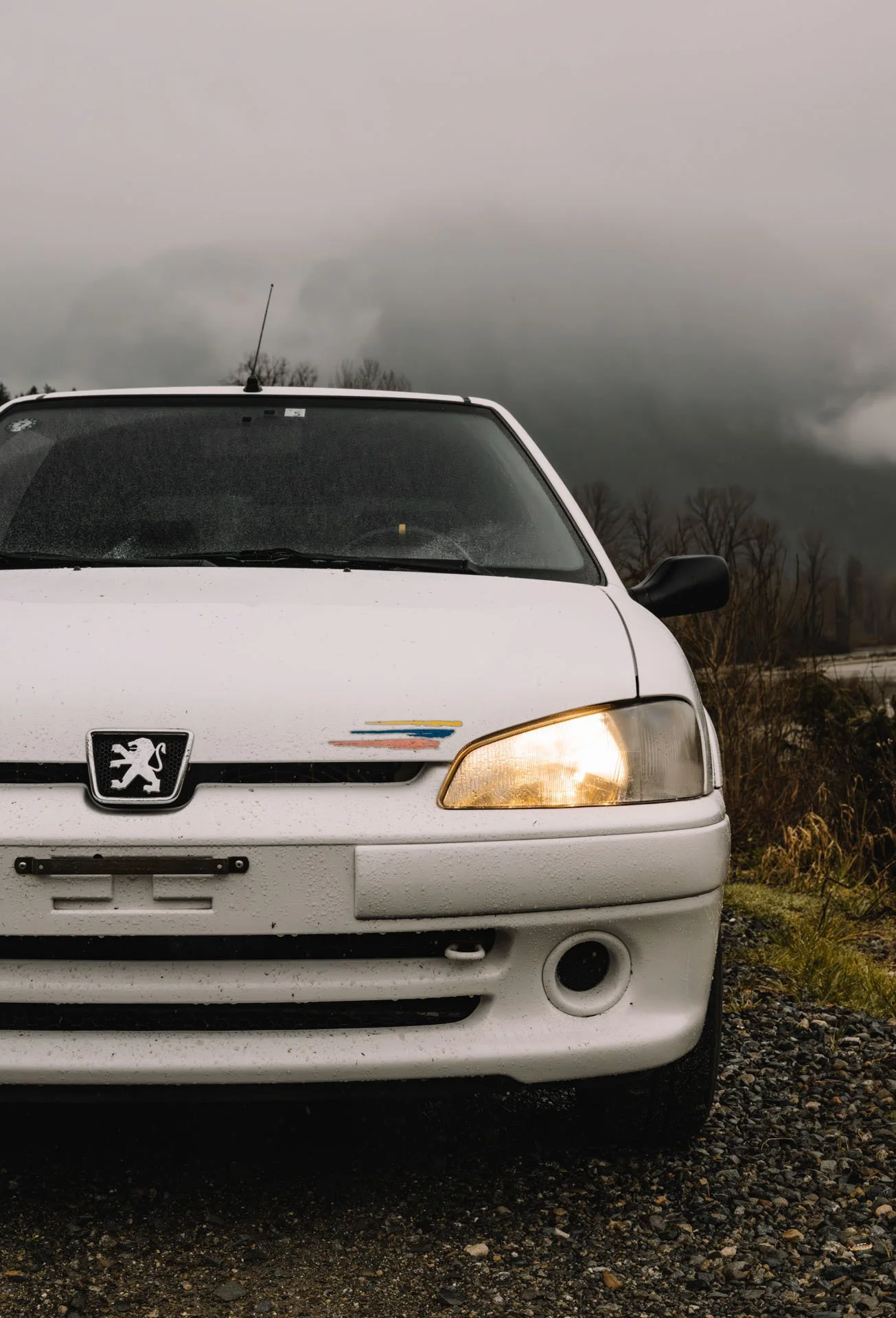
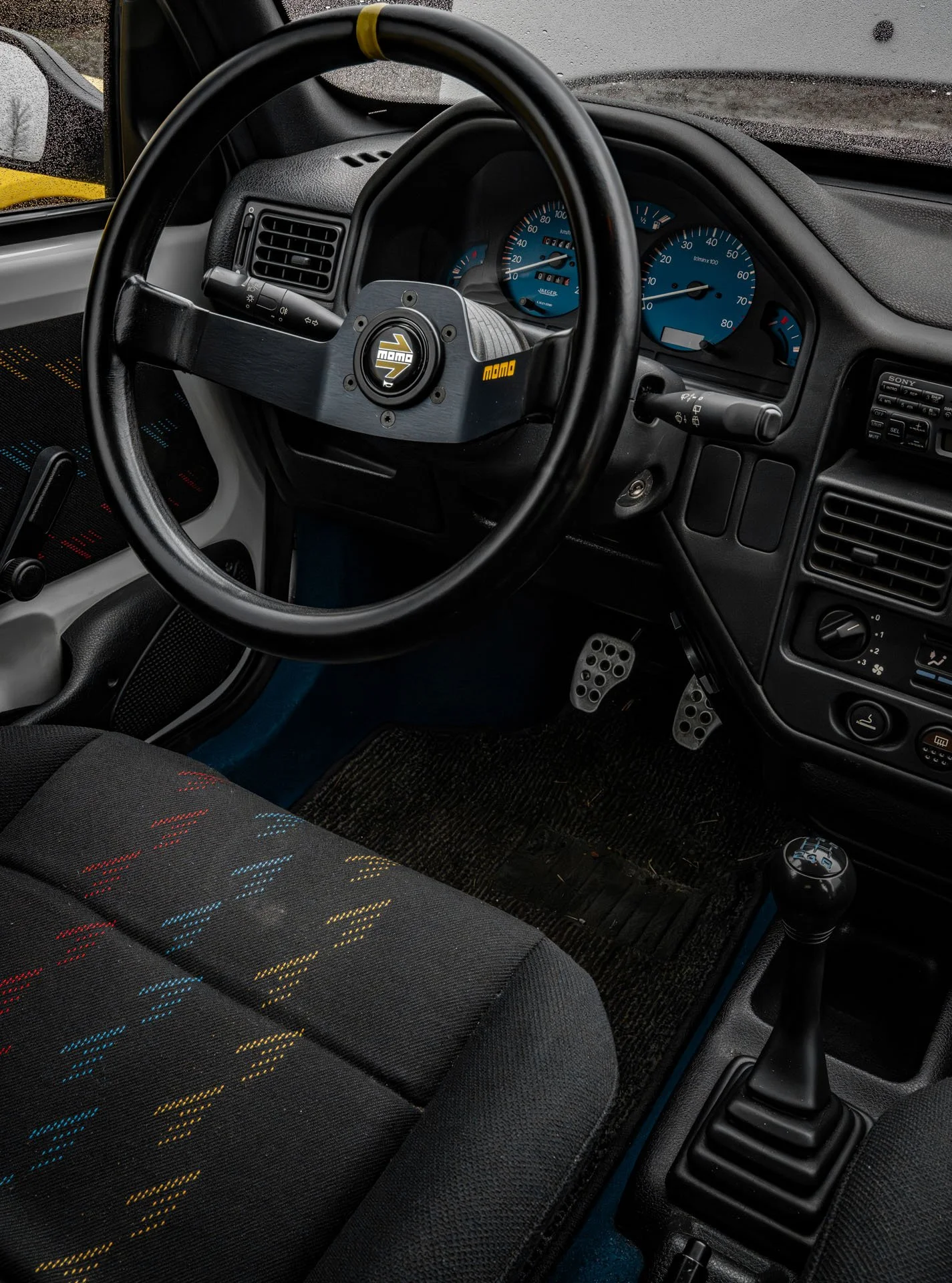
The Series 1 is the purer expression. It comes alive above 5,500 rpm, demanding commitment even in everyday driving. The Series 2 adds usability, more torque, better brakes, and a broader operating range.
Inside, blue Jaeger gauges remind you that this was never meant to be just another economy car.
This is exactly why Mark Chang bought one. His Series 2 handles Seattle traffic during the week and stretches its legs on back roads at the weekend. Appropriately, it was an impulse decision. He came along when I bought my GTI, saw the Rallye, and didn’t hesitate.
“It was a bit opportunistic,” he says. “But it’s remarkably easy to drive, to daily, to hoon. The weight makes everything feel possible.”
Chris Seely’s Peugeot 106 GTI
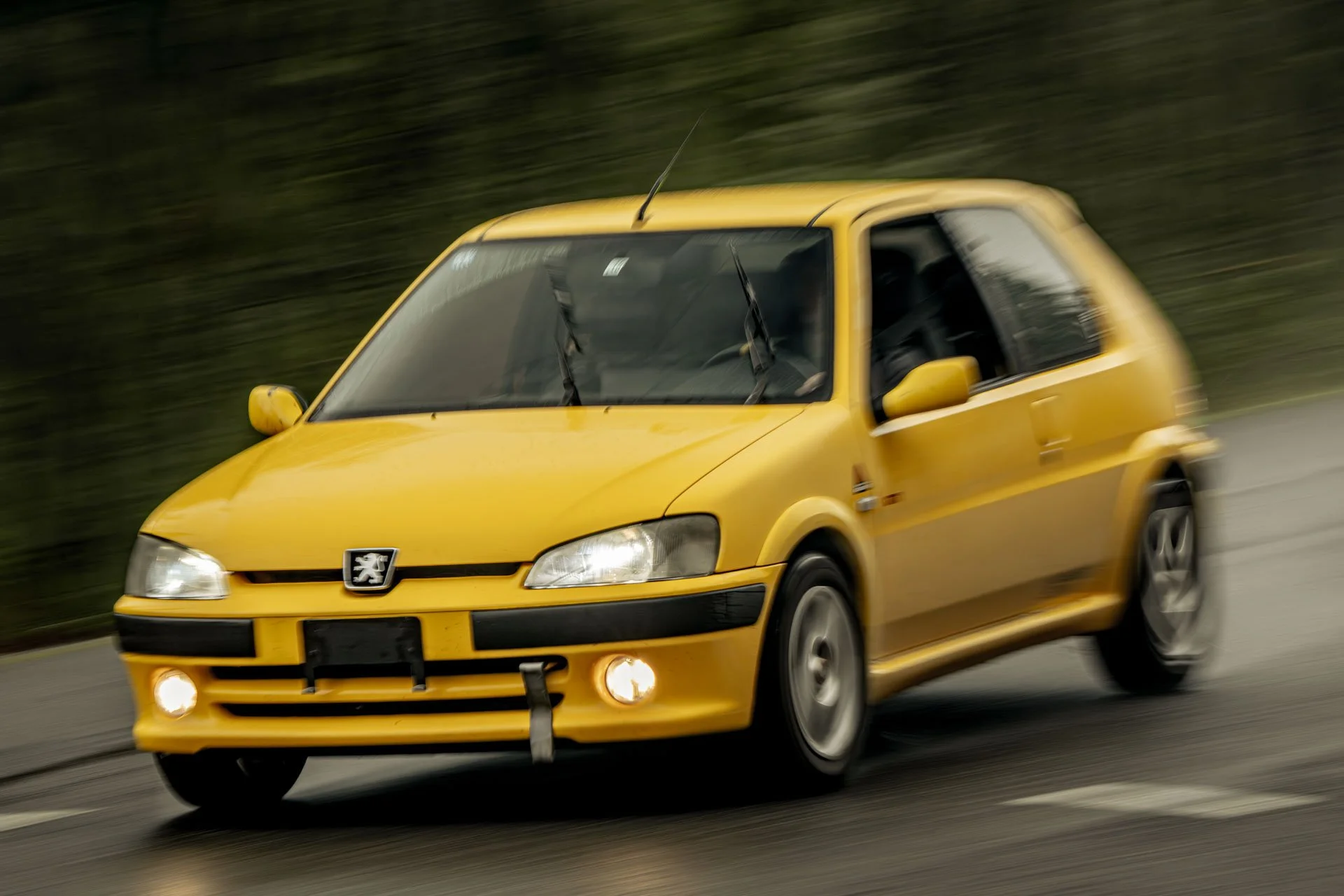
If your philosophy is absolute lightness, the Rallye is the answer. But the GTI offers a different kind of completeness.
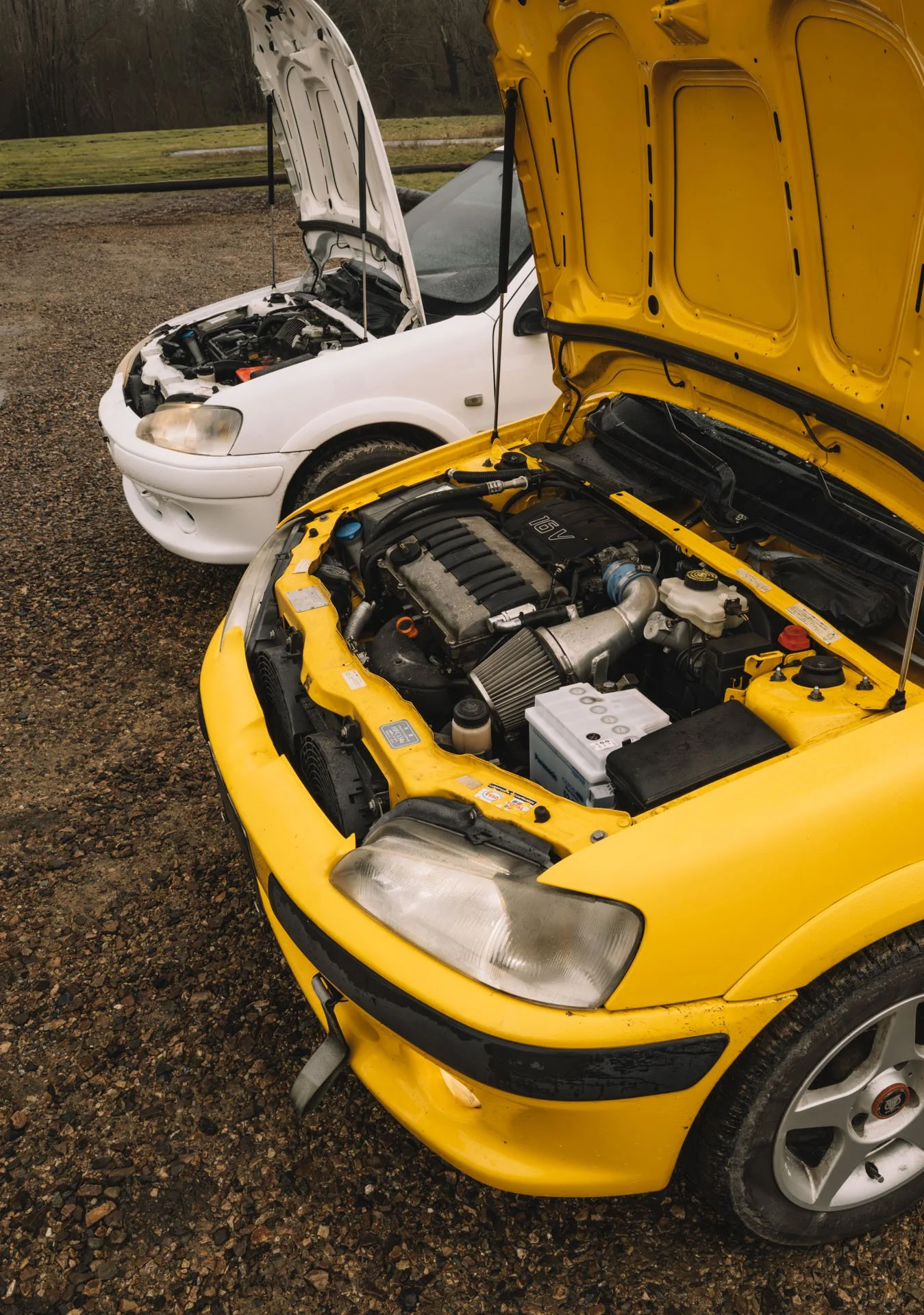
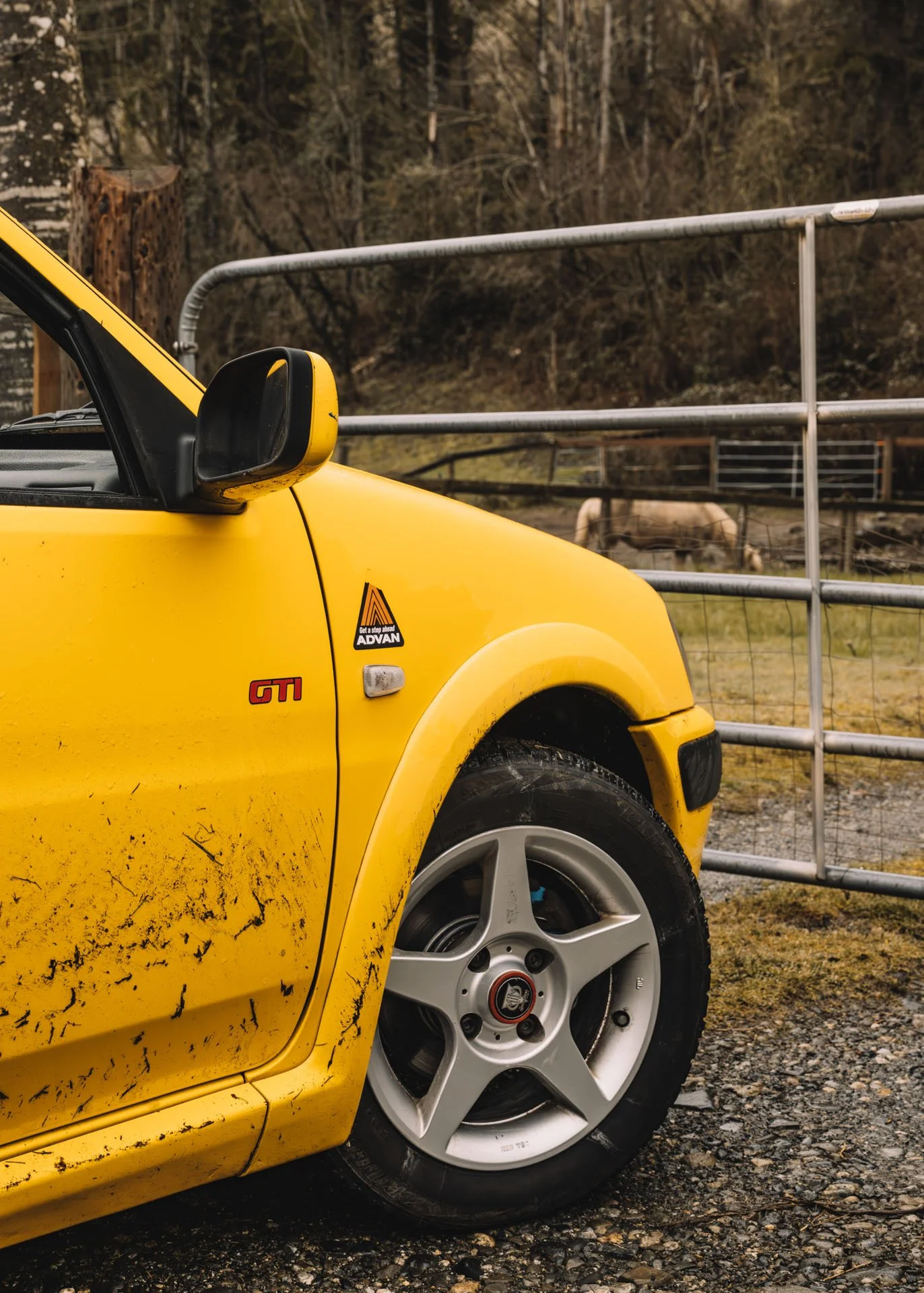
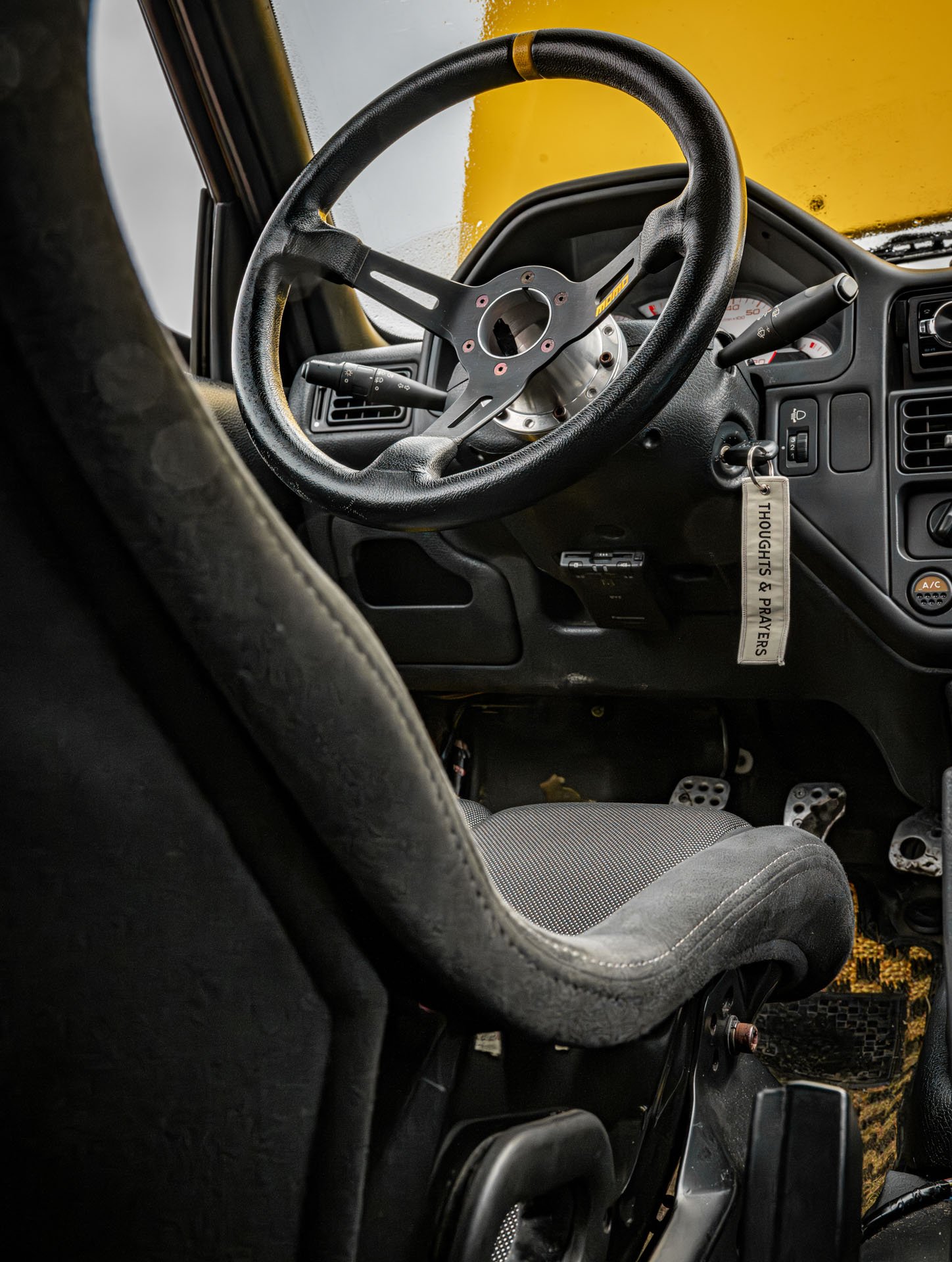
Where the Rallye removes, the GTI adds — central locking, electric windows, and air conditioning. At around 2,000 pounds, it’s not as light, but it’s far easier to live with day to day.
And then there’s the engine.
The GTI’s twin-cam 16-valve transforms the character of the car. Compared to the Rallye’s simpler setup, it feels sharper, more urgent, and more willing to chase the top of the rev range.
It’s not fast by modern standards, as 0 to 60 mph happens in the mid-seven-second range, but that misses the point.
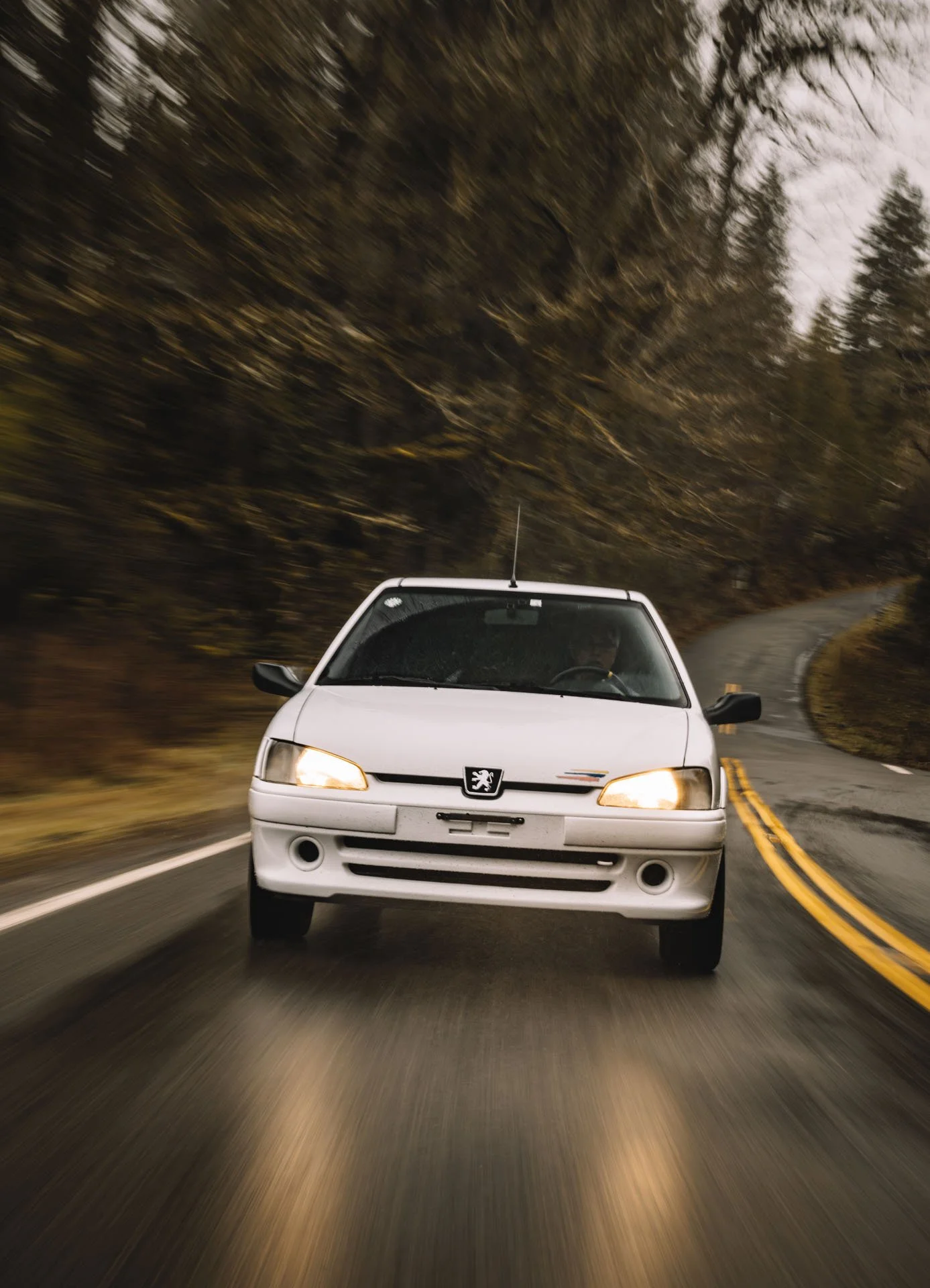
With short gearing and a willingness to rev to 7,500 rpm, the GTI encourages you to stay engaged. It rewards how you drive it, not how fast it is.
Where the Rallye feels stripped and direct, the GTI feels alive. That balance of usability paired with character is what drew me to the Peugeot.
PEUGEOT OWNERSHIP AND DYNAMICS
Regardless of version, every 106 shares the same underlying philosophy — light weight, compliant suspension, and clarity of control.
The setup is unconventional. MacPherson struts up front, torsion bars at the rear, with shocks mounted inward. On paper, it shouldn’t work as well as it does. On the road, it makes complete sense.
The car moves. It communicates. It leans into corners and tells you exactly what’s happening beneath you. On rough roads, it stays composed, absorbing imperfections rather than reacting to them.
Driving it quickly requires commitment.
There’s little weight over the rear axle, which means the car pivots easily — just brake in a straight line. Carry speed into the corner, and manage the balance carefully.
Lift, and the rear rotates. Commit, and everything settles. When you get it right, the car feels far quicker than it is.
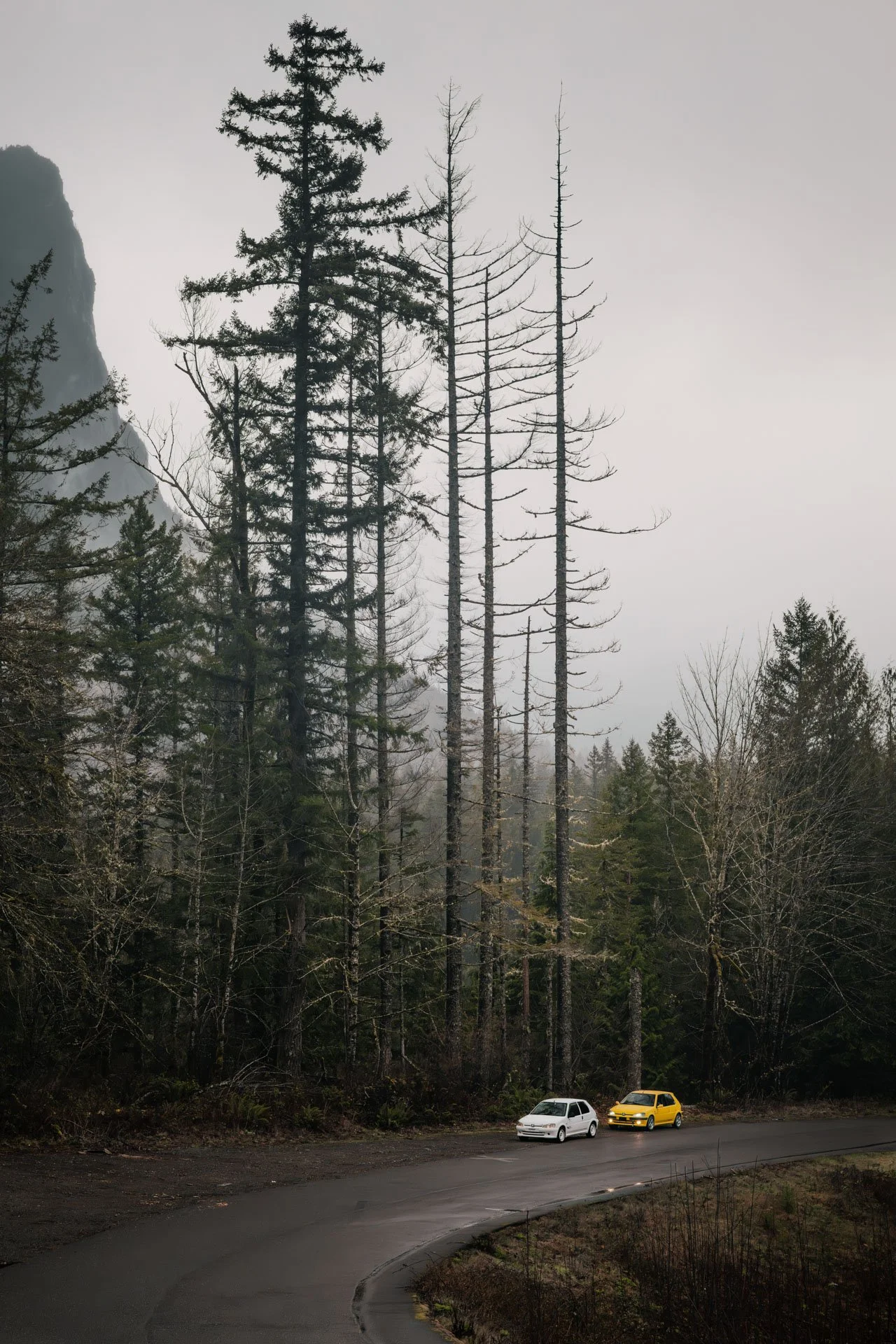
It’s easy to overlook cars like the Peugeot 106. They don’t carry the status of the cars we usually celebrate. They weren’t poster cars. They don’t rely on power or presence.
What they offer is something quieter, but harder to replace. They communicate. They move. They reward attention and input in a way few modern cars can.
Spend time in one, and you start to value different things, and that may be the most surprising thing of all.

