The Modern Spirit of Air-Cooled
KAMM Manufaktur
STORY | Anthony Pitt
Photography | Daniel Piker & Máté Boér
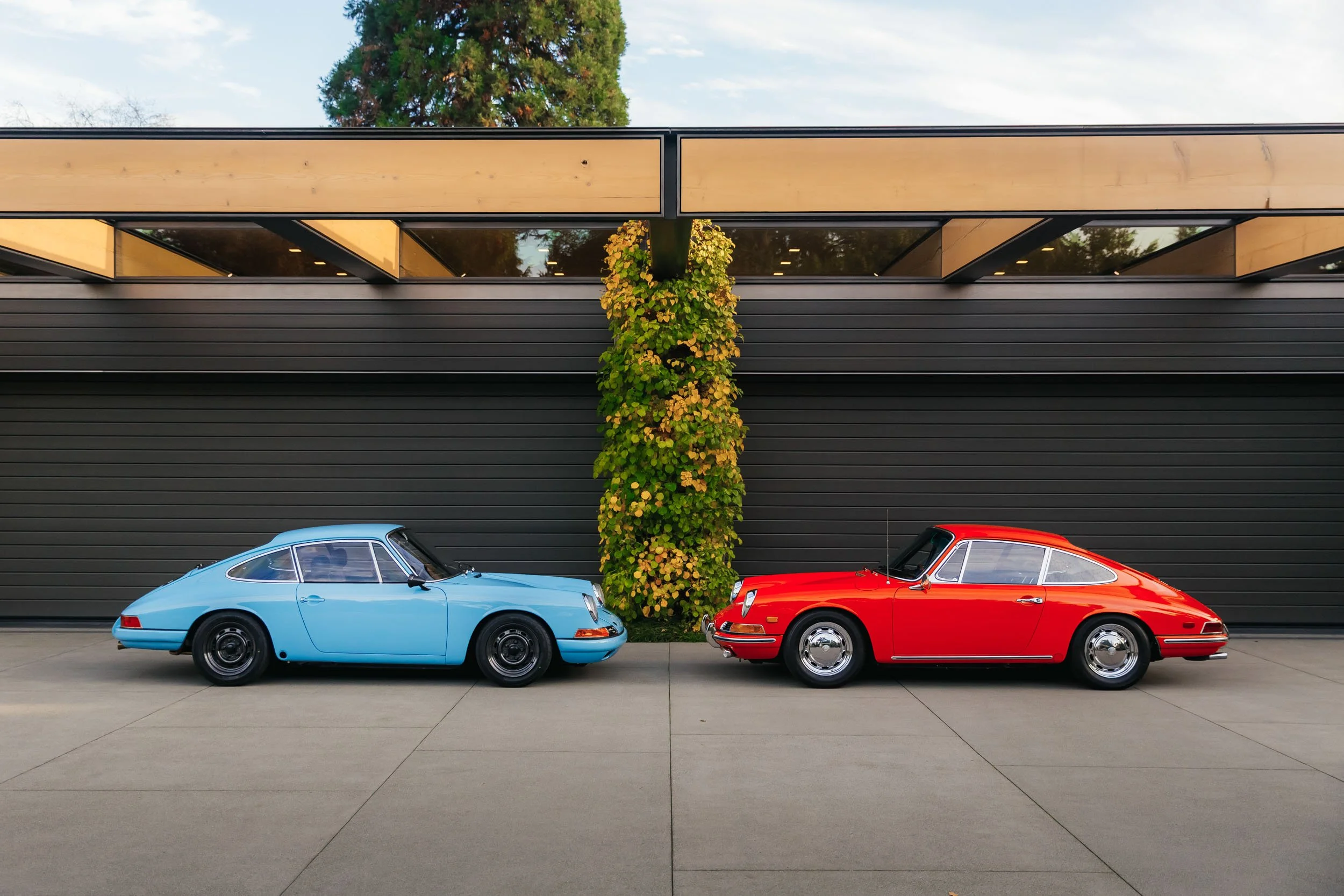
There’s a workshop near Budapest building a car that shouldn’t exist — a Porsche 912 stripped of nearly 400 pounds through a full-carbon body and fitted with a four-cylinder engine built to produce roughly double its original power. It’s called the 912C, and it comes from KAMM, a small operation led by a man who believed the most overlooked car in Porsche’s lineage deserved a second act.
THE CREATION
Miklós Kázmér never planned to build cars. He spent 20 years producing films, assembling teams around ideas and pushing projects through resistance until they reached the screen. But cars kept pulling at him, and when he bought a 912 as a donor for another project, he made the mistake of driving it first. “I was absolutely amazed, blown away,” he recalls. “The balance of the car, the braking, the cornering — it was so much more fun than any short-wheelbase 911. You jump in, turn the key, and you’re there.” The revelation was mechanical: the lighter four-cylinder engine sits closer to the rear axle, transforming the car’s weight distribution into something more balanced, more intuitive. Where the 911 demands negotiation, the 912 simply cooperates. Kázmér saw potential where most Porsche enthusiasts saw a lesser car.
So he took a different approach. An empty warehouse left over from a film shoot still had time on its lease, and Kázmér fell back on what he knew from two decades behind the camera: find the right people, then push the project through. Instead of searching for shops, he started searching for talent. Enthusiasts from motorsport. Craftsmen from Beetle restoration shops. Specialists who had worked on rally cars and knew their way around fabrication. “Trial and error,” he says. “Finding the people, picking them up along the journey. Some failed. Some were brilliant.” The question that guided everything once the team came together:
“If Porsche would build this car today, what would they do with it?” The answer wasn’t reinvention. It was evolution.
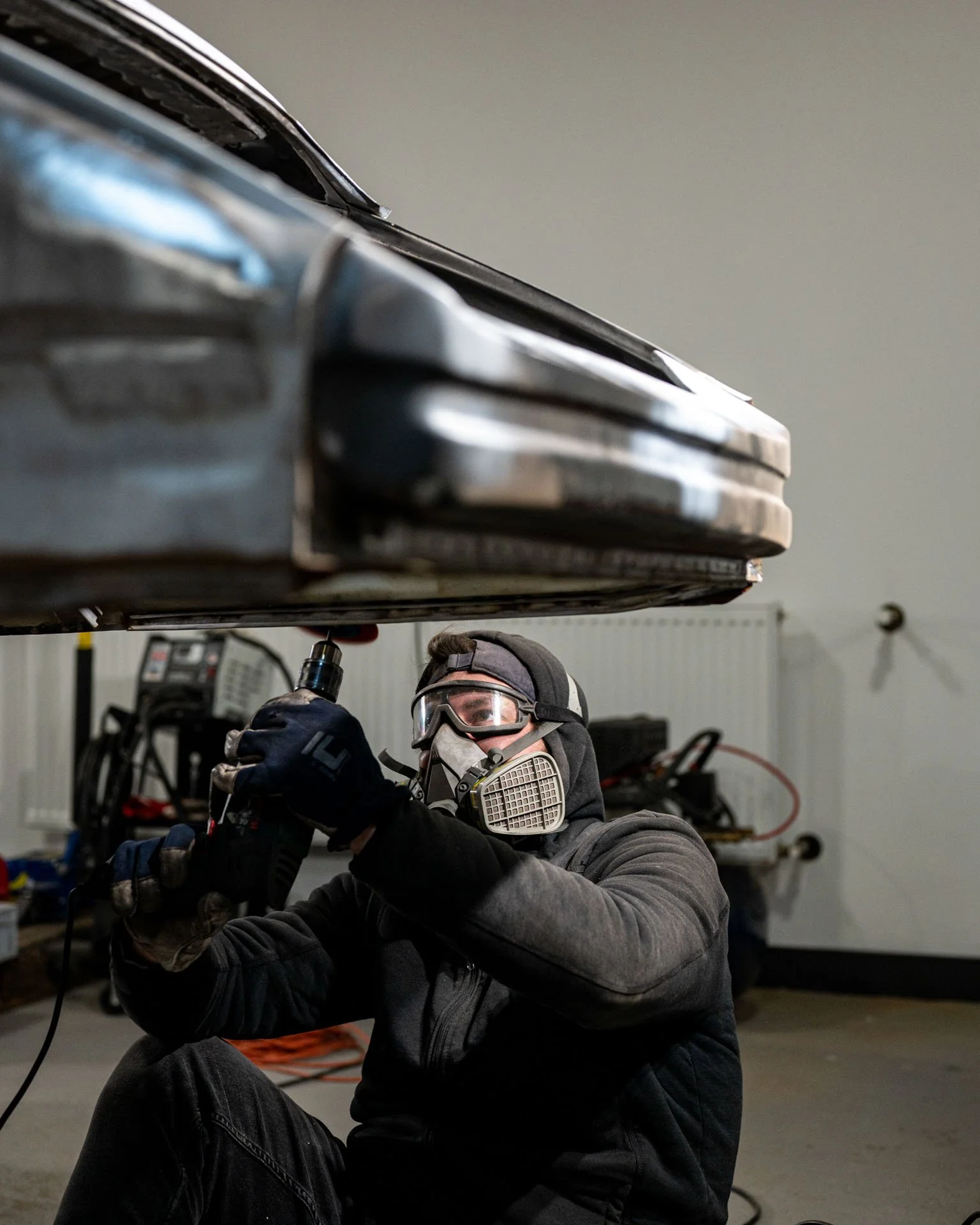
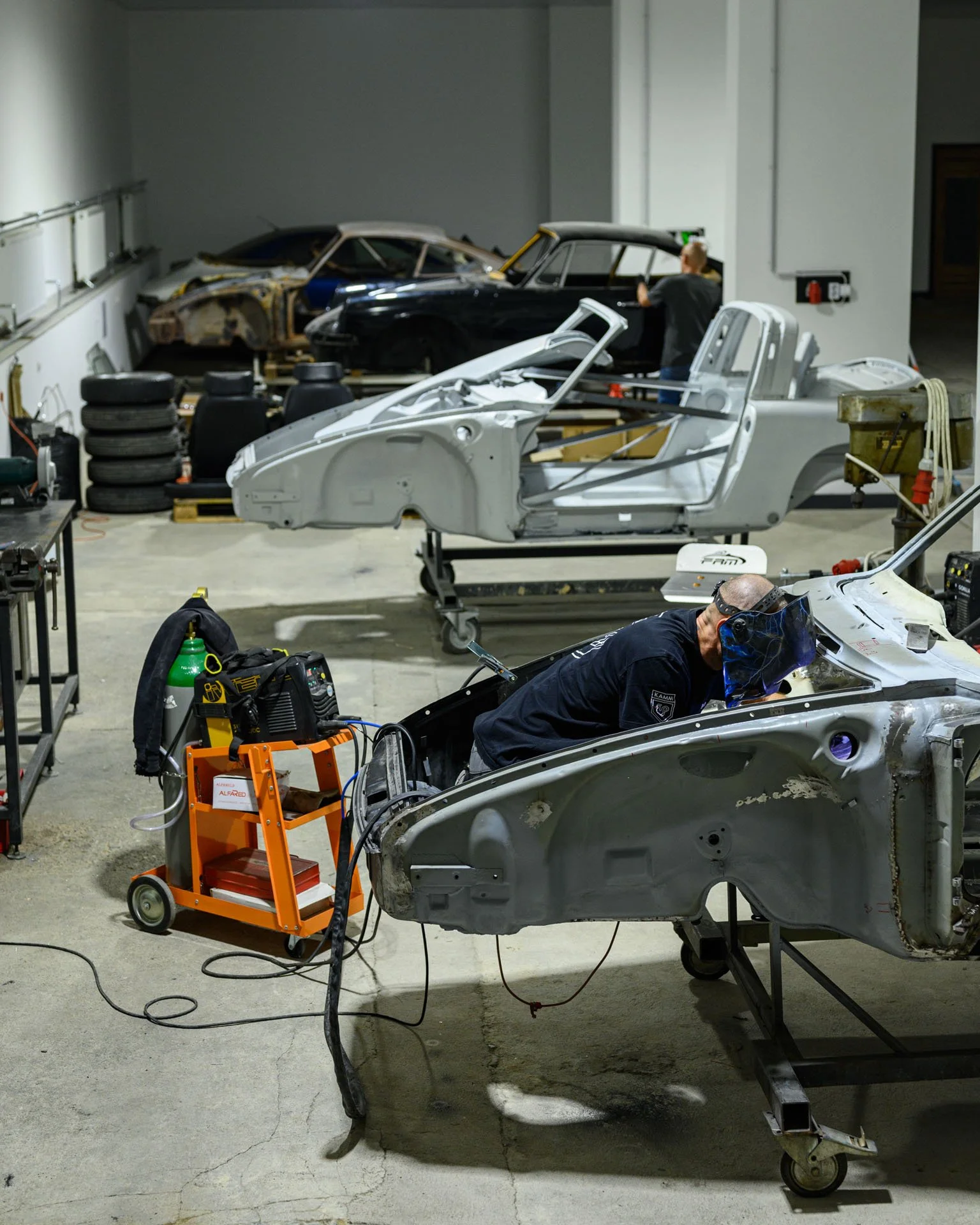
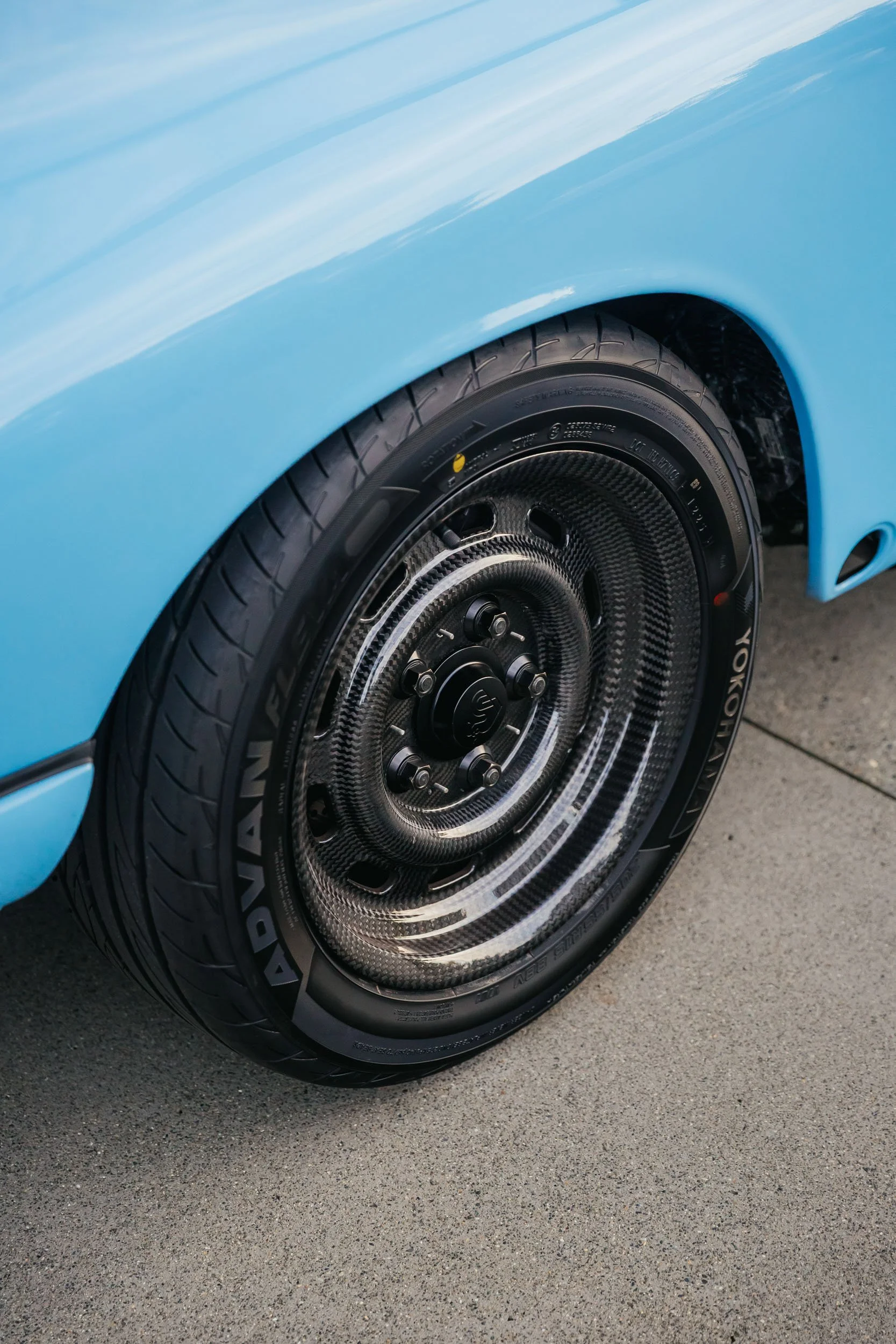
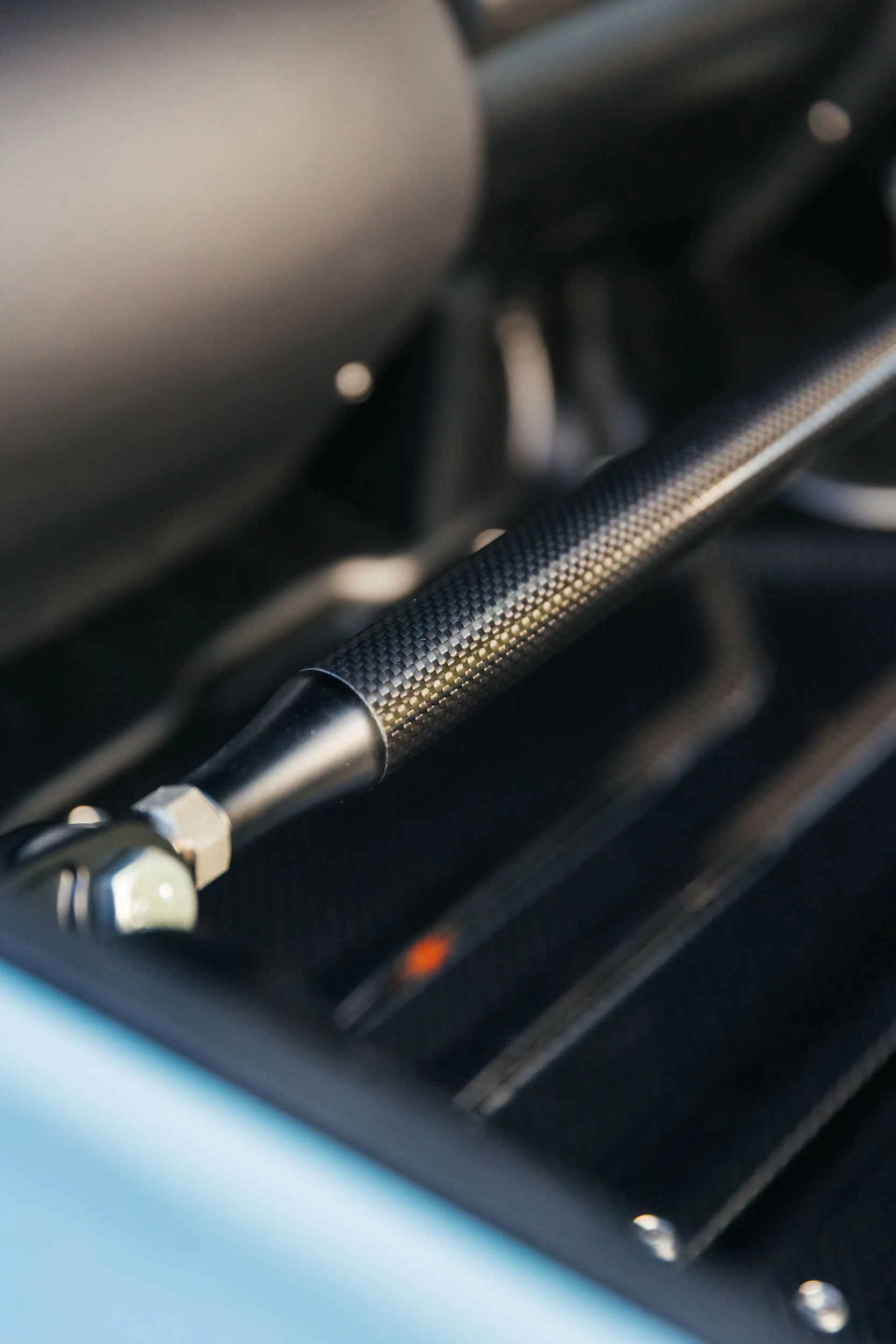
The original pushrod engine stays, bored out and refi ned through hundreds of digital simulations. The 901 gearbox remains, strengthened with custom internals. Carbon fiber replaces steel not to announce itself but to subtract weight. The temptation in this space is to chase bigger numbers. Swap in a modern flat-six. Bolt-on turbos. Build a car that dominates a spec sheet but loses whatever made the original worth saving. Kázmér went the other direction. “It’s basically Porsche’s hot rod,” he says. “Taking away whatever’s unnecessary, reducing as much weight as possible, tucking in the biggest motor on the shelf.” The biggest motor on his shelf is still a four-cylinder. Where competitors reach for 500 horsepower and wide-body flares, KAMM kept the narrow hips and the original engine architecture. The point was never to build the fastest restomod. It was to build the most honest one.
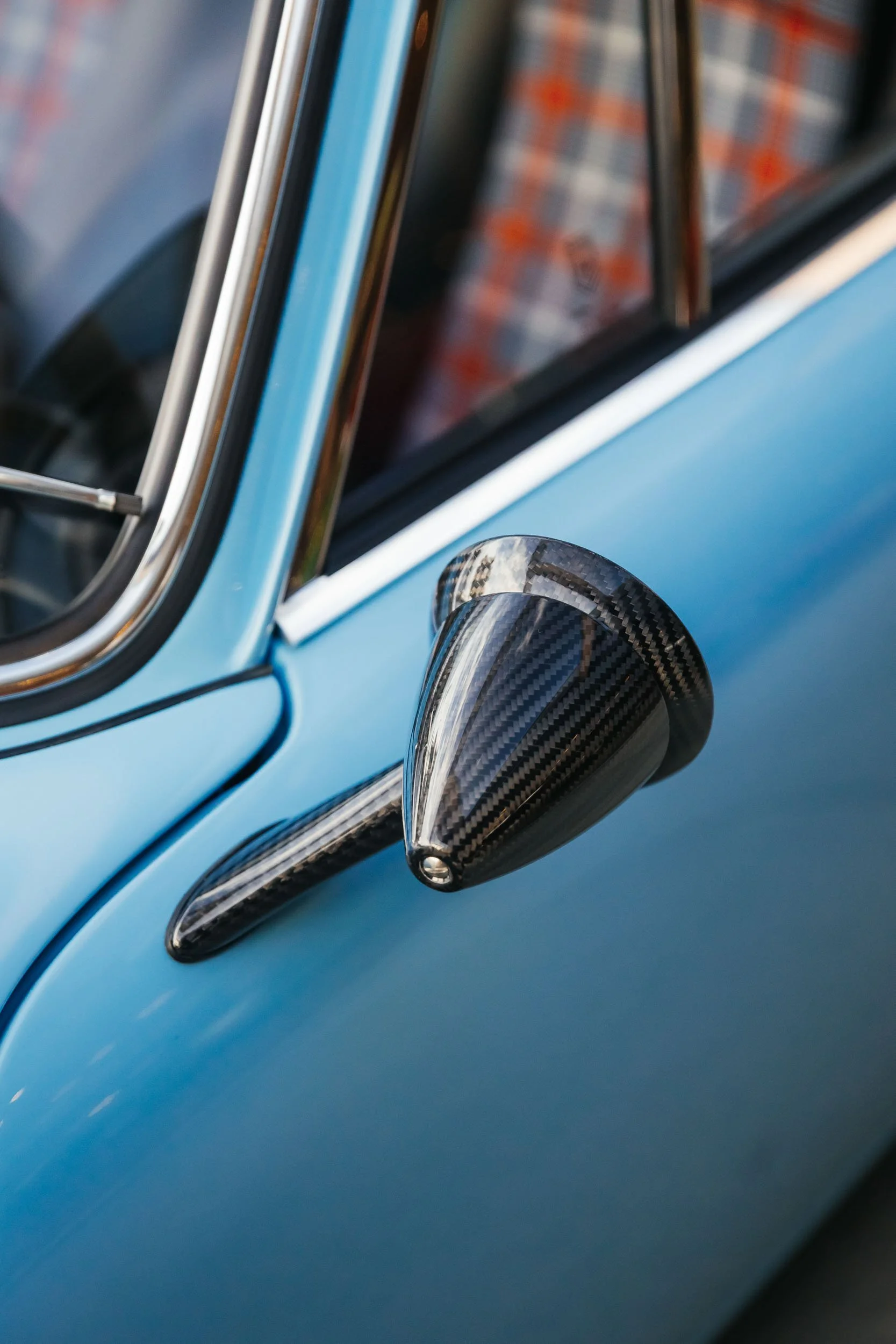
The subtlety is intentional. Paint the carbon panels in period colors. Hide the one-piece carbon wheels beneath hubcaps that look like vintage Fuchs. “More of this car is for the people that, if you know, you know,” he says. “Little Easter eggs everywhere, instead of shouting and trying to impress.” It’s a philosophy that only works if the right people notice.
EARNED, NOT GIVEN
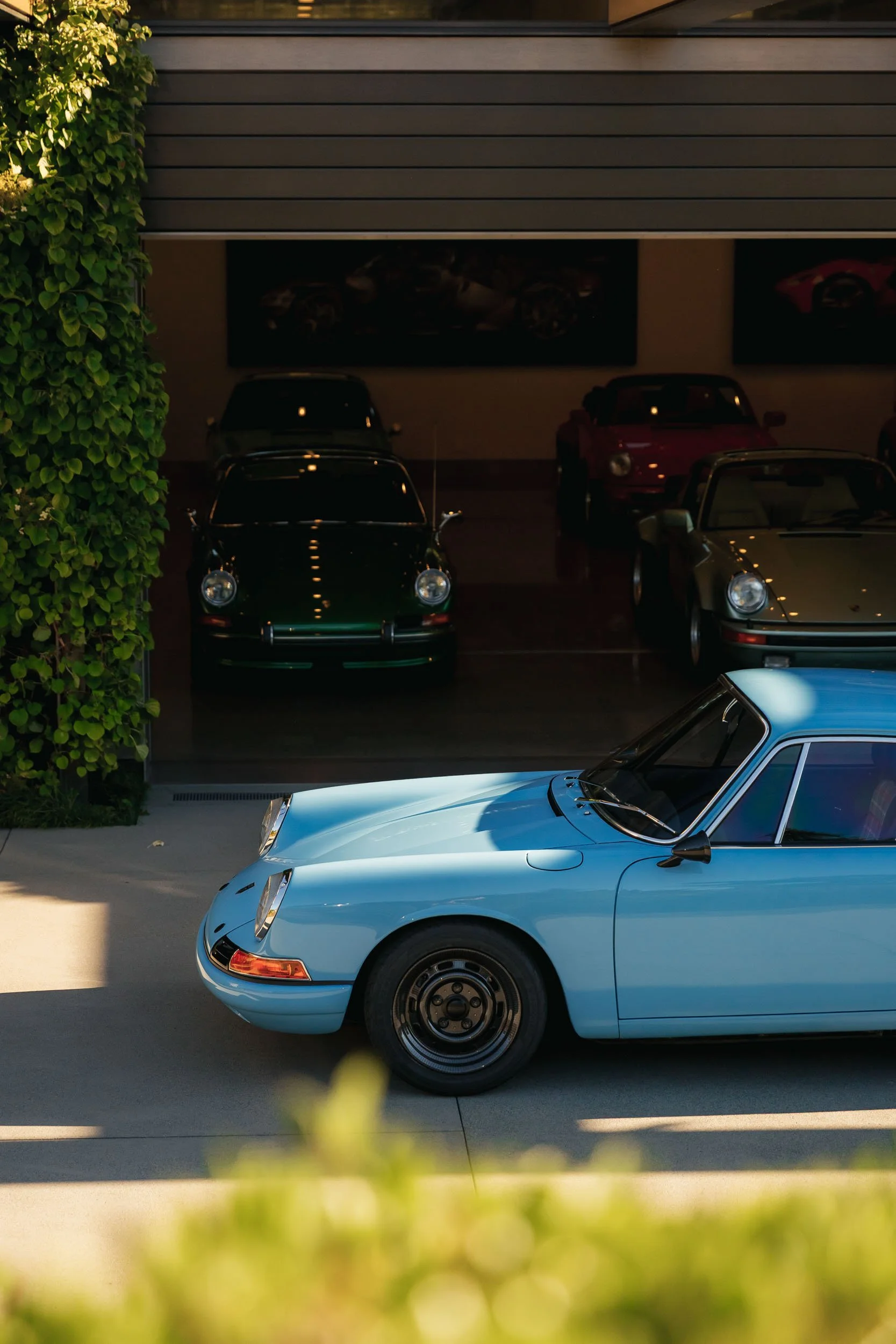
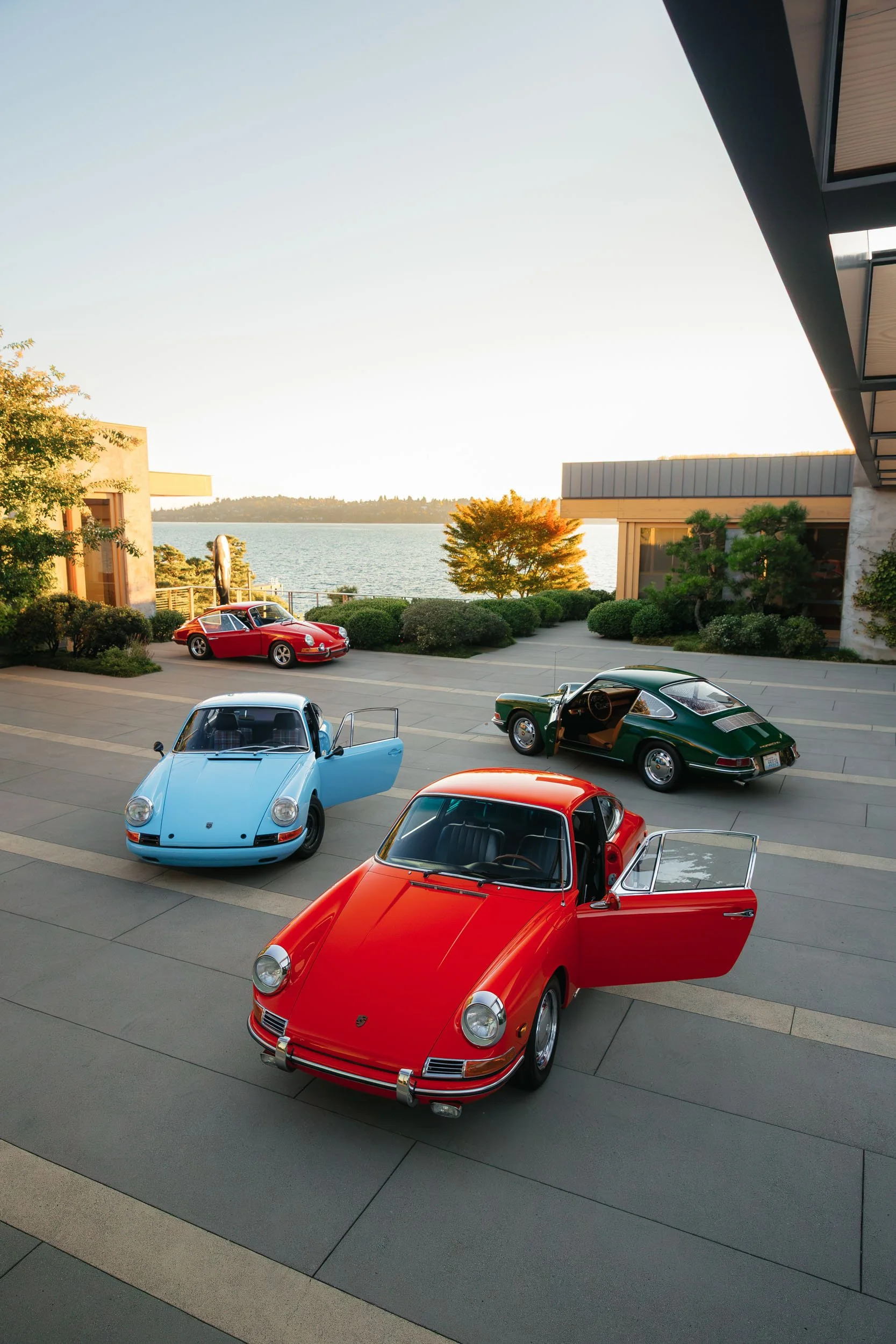
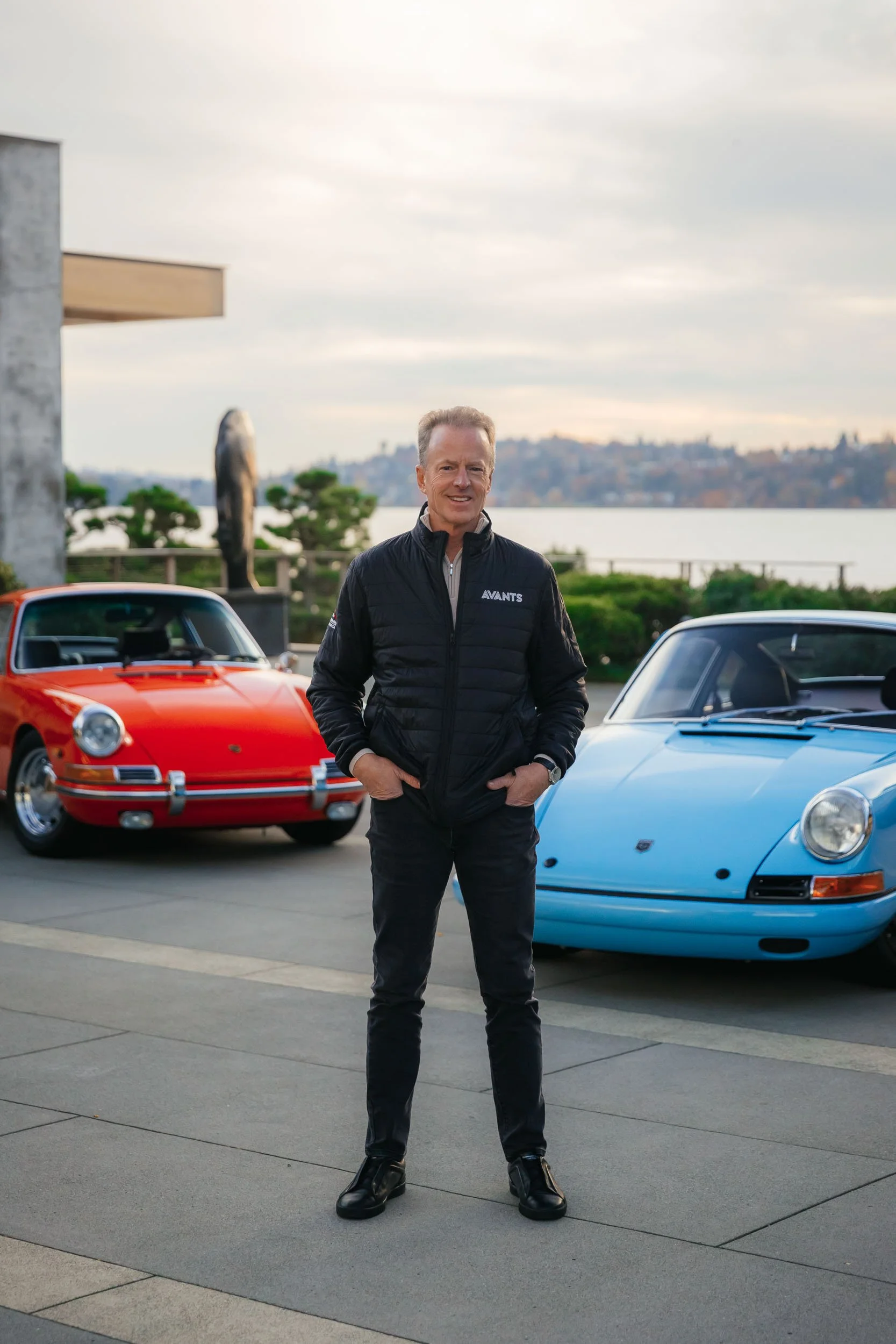
Tom Ellison is exactly that kind of person. An Avants member and a Porsche collector “from way, way back,” his garage tells a story of deep immersion rather than casual accumulation: a 1968 912 he’s owned for years, two Singers (a Classic and a Turbo Study), and enough seat time in enough machinery to know precisely what he’s feeling through a steering wheel. His enthusiast credibility wasn’t handed to him. It was earned through decades of ownership, maintenance, and miles. He found KAMM through an Octane magazine article almost two and a half years ago. “This is just a really unique thing that no one else is doing,” he explains. “It seemed too cool to be true.” A long call with Kázmér followed, then a commitment. For someone who could commission another Singer or chase any established restomod, KAMM represented something different: subtraction instead of addition, focus instead of flash.
In May 2025, Ellison and his wife traveled to Budapest to see the factory before delivery, a pilgrimage Kázmér encourages for customers who can make it. Walking through the workshop, meeting the craftsmen, understanding the hands that shaped his car. “That was super fun,” Ellison recalls. The 912C that followed him home became the second KAMM on American soil.
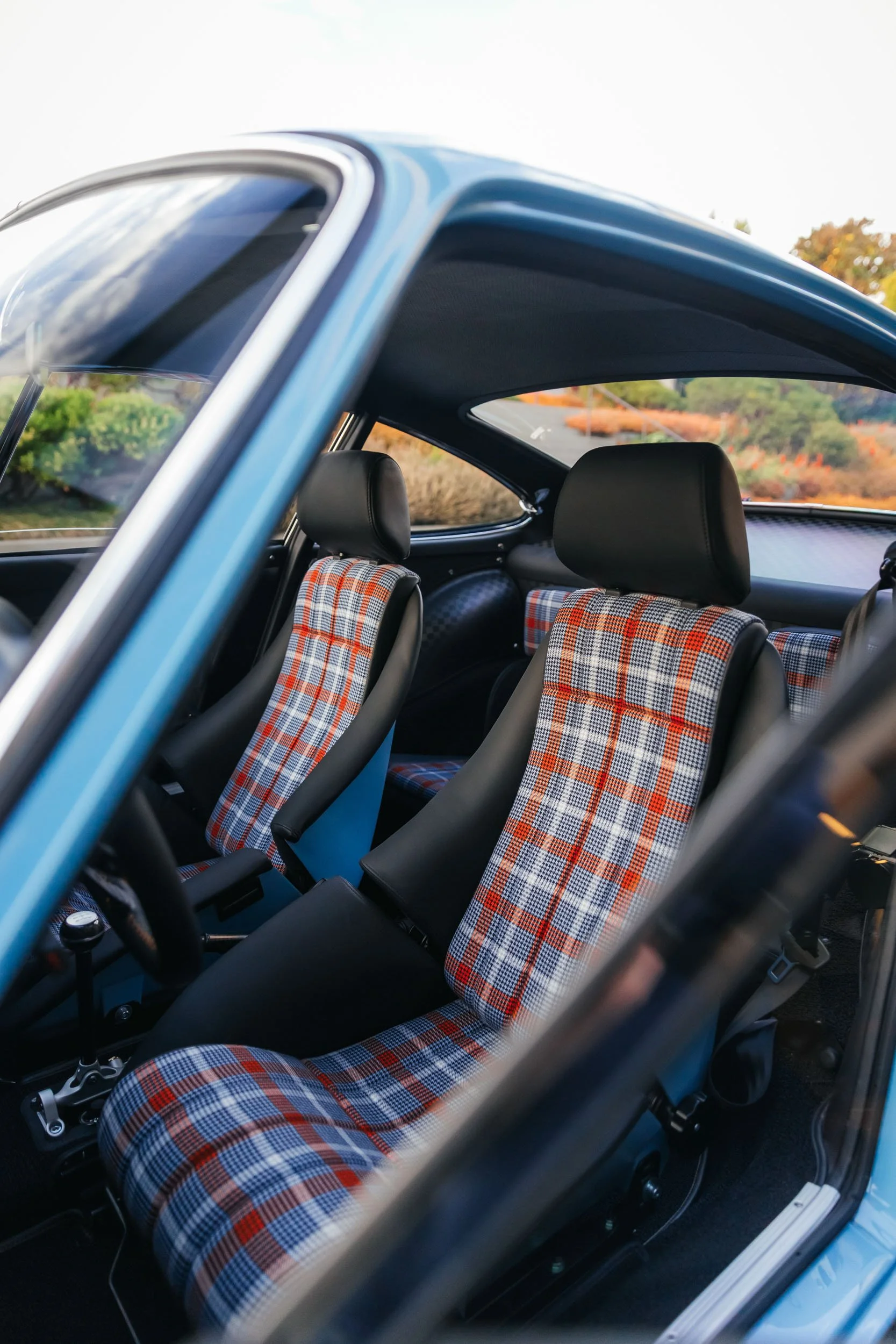
“This car is active and challenging and loud and fun,” Ellison says. “It doesn’t have any electronic nannies. But it does have modern air conditioning and creature comforts, just not to the extent of a Singer.” The horsepower-to-weight ratio matches cars with far bigger numbers. “And it’s just fun,” he says. “Really fun.”
The engagement is the point. A car that asks something of its driver and rewards the effort. That kind of respect isn’t given. It’s earned.
FAR FROM CALIFORNIA
Building credibility from Budapest means operating far from the established centers of restomod royalty. Singer and Gunther Werks dominate the conversation from California, their names carrying weight in every collector’s circle. Kázmér chose a different path: stay small, stay focused, let the work speak.
KAMM produces four to six cars per year by design. “We don’t want to expand into hundreds of cars,” he says. “It’s about building a great community of owners who appreciate what we do.” The customers who find their way to Hungary share a profile: collectors who could buy anything but want something their garages lack. Not another trophy for the climate-controlled garage. Something that demands to be driven.
“Tom is a perfect representation,” Kázmér reflects. “He has all sorts of cars and can buy basically whatever he wants. And owning and appreciating a 912, that’s more important than anything else.” What draws collectors like Ellison isn’t the spec sheet or the exclusivity. It’s the intention behind every decision. Ellison didn’t buy a KAMM because he needed another fast car. He bought it because he recognized the difference between a car that’s been built to impress and one that’s been built to drive. After decades behind the wheel, he knows that difference when he feels it.
BUILT FOR THOSE WHO KNOW
“It’s not for everyone,” Kázmér admits. “It shouldn’t be for everyone.” KAMM exists for a specific kind of driver: one who values lightness over luxury, engagement over isolation, and the satisfaction of a machine built with conviction. In a market crowded with restomods chasing headlines and horsepower records, that restraint is its own kind of statement.
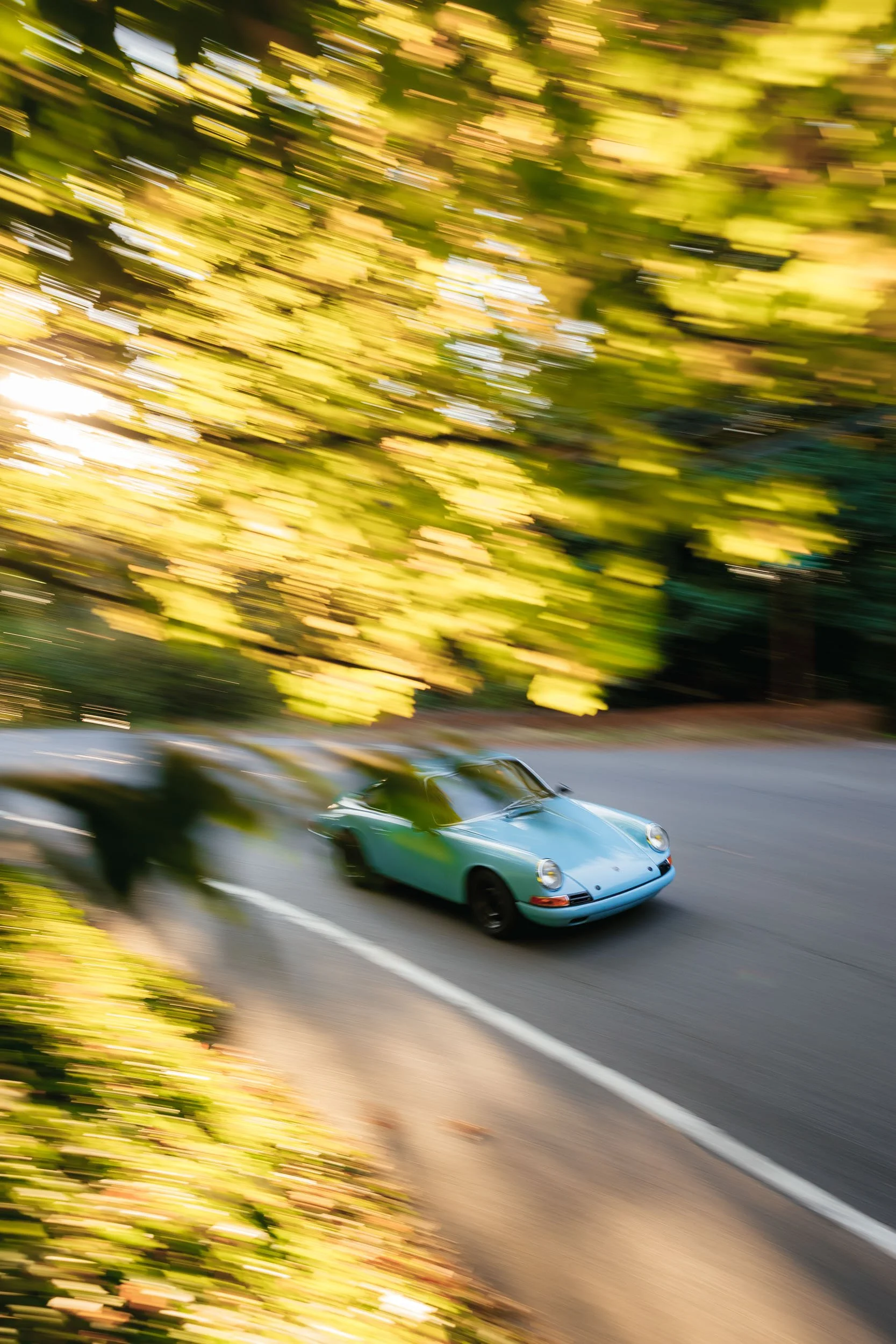
He wants his owners to show up at a canyon run alongside friends in their sports cars and hold their own. To be able to run with them, corner for corner, in a car almost half a century older. “I think it’s much cooler that you have a ‘60s car performing at almost the same level,” he says. “I like this underdog mentality.” It’s the same impulse that led him to the 912 in the first place, the overlooked sibling that turned out to be better balanced than its more famous brother.
That mentality runs through everything KAMM builds. It’s there in the carbon panels painted to hide their modernity. In the rebuilt four-cylinder that could have been swapped for something easier and more powerful. The decision to stay small when scaling up would be more profitable. It’s the quiet confidence of a car that doesn’t need to announce itself, made by people who’d rather be underestimated than oversold. KAMM just gave it the tools to prove everyone wrong. The 912C is built for those who know, and no one else.