
Griot’s Motors Finds the Unseen Details
STORY & Photography | KARL NOAKES
The small glass prism on the dashboard of a 1956 Cadillac is easy to overlook. Phillip Griot, who is CEO and co-founder of Griot’s Motors, drove the car for months before he properly noticed it. Mounted just below the windshield, the prism catches the colour of the traffic signal above and reflects it back toward the driver, so red or green appears directly in your line of sight without needing to lean forward past the roofline. It is a simple solution — and a telling one.
The Cadillac itself follows the familiar logic of mid-century American design, with a long hood, a low roofline, and an emphasis on presence over practicality. Visibility was never the priority, and you can feel that when you sit in it, which was rather the point. Instead of compromising the proportions of the car, which is what would later happen as safety regulations introduced thicker pillars and stricter sightlines, someone solved the problem with a small piece of glass that does its job quietly and effectively. Once you notice it, it is difficult to ignore, and you begin to wonder why more car manufacturers didn’t bother try the solution.
That sort of detail tends to stay with Phillip, not because it is clever in a showy sense, but because it works without announcing itself. Cars are full of these moments if you take the time to look for them — the small decisions where design, engineering and practicality meet in a way that feels considered rather than forced. It is rarely the headline features that reveal the most. The real story behind a car are the subtle features that allow everything else to function as intended. All this is also a fairly accurate way of understanding how Phillip approaches his work — and where that instinct began.
BORN INTO IT
Phillip grew up in a house where cars were simply part of the environment rather than a separate interest. A motorcycle sat in the living room, carburetor-shaped salt and pepper shakers lived on the dining table and the garage door was rarely closed for long. The smell of oil and fuel drifted through the house in a way that suggested it belonged there rather than being alien and unwanted.
“Working on cars was the only language my dad really spoke,” Phillip said. This is not a criticism — but a straightforward description of how the two connected. Time together happened in the garage, learning by doing or often learning by watching something go slightly wrong and figuring out why things went sideways. There was never a clear moment where that interest became something more formal. When asked when an interest in cars — and how they work — turned into a career, Phillip paused, as if trying to identify a point that probably never existed.
“I was born into it,” he said eventually. This feels less like a clever line and more like a statement of fact.
WATCHING, LEARNING AND FEELING
Phillip’s early years followed a pattern of enthusiasm outpacing structure.
A 1976 BMW 2002 was taken apart with every intention of putting it back together, although not with a clear plan for how that would happen. A Mercedes 240D went through much the same treatment. What those projects lacked in discipline they made up for in exposure.
Phillip’s early years followed a pattern of enthusiasm outpacing structure. A 1976 BMW 2002 was taken apart with every intention of putting it back together, although not with a clear plan for how that would happen. A Mercedes 240D went through much the same treatment. What those projects lacked in discipline they made up for in exposure.
Over time, the exposure to cars and new ideas mattered more than discipline. The discipline came later.
Phillip watched and learned, always curious to notice how things behaved rather than just how they were assembled. Most important, he learned to recognize when something felt right, even if he could not immediately explain why.
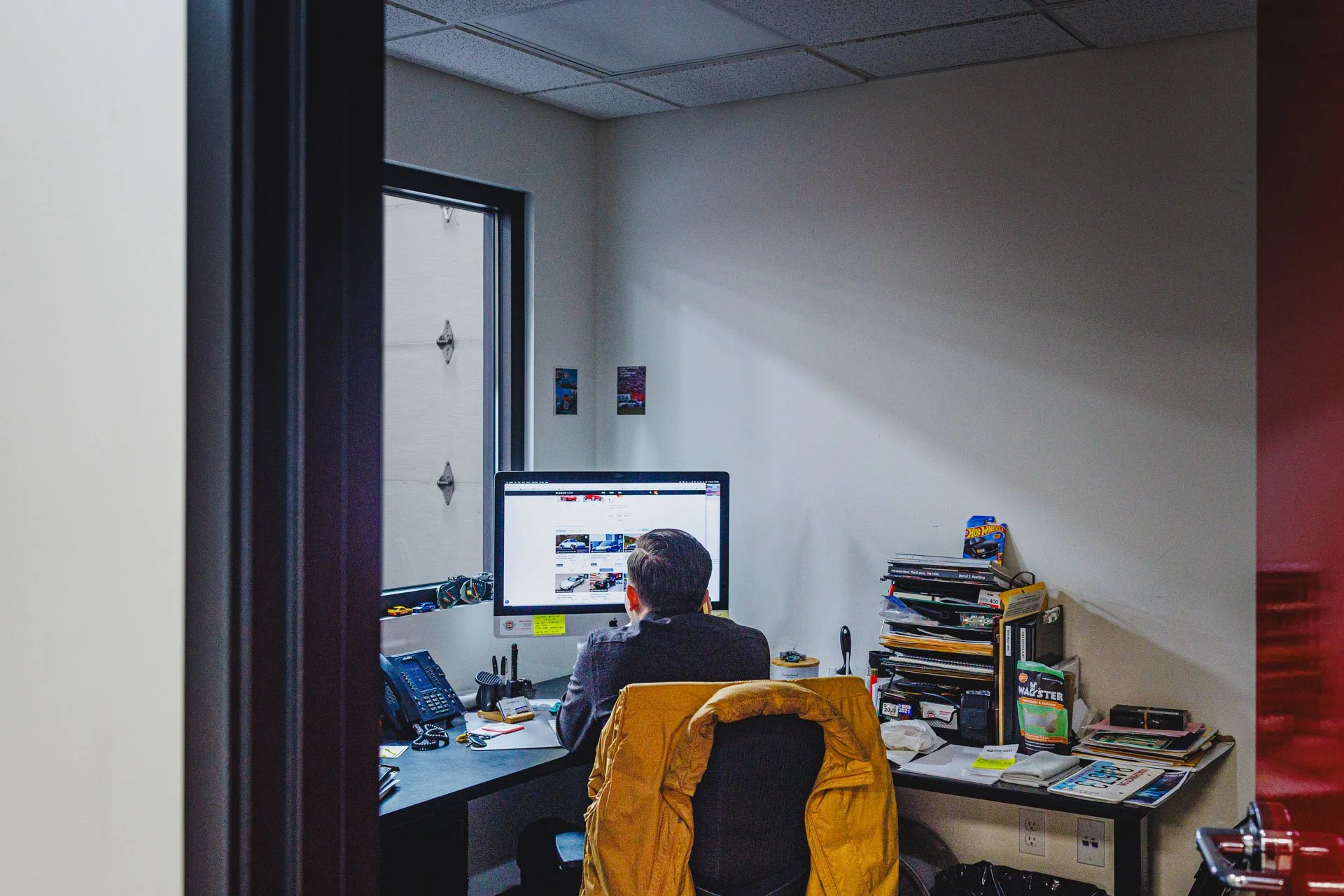
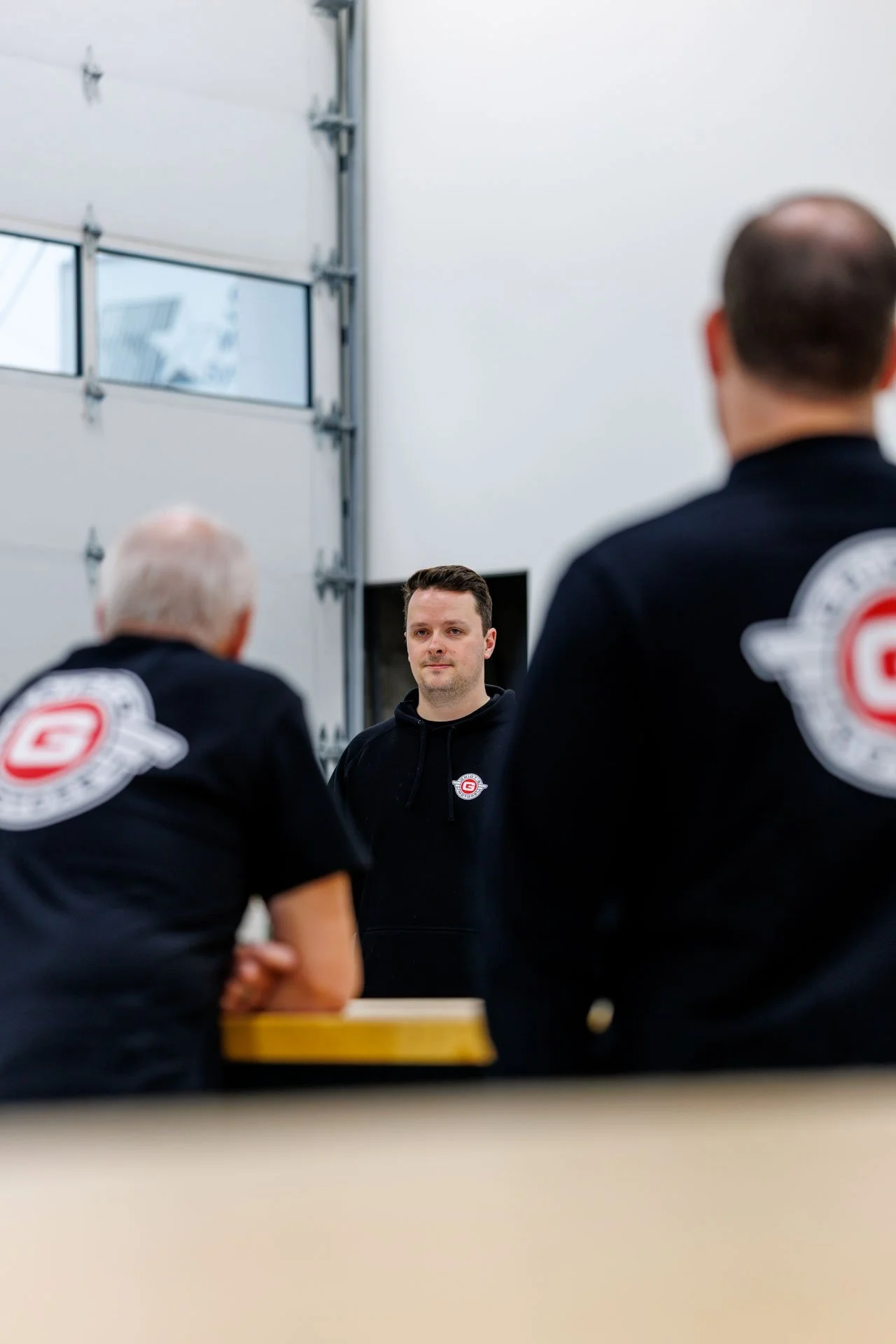
That instinct carried forward into maintaining his father’s car collection, where he began working alongside Forrest Davis. They approached the work differently, but they shared a similar curiosity about how things actually functioned in practice. Forrest’s focus was direct from the outset.
“When I started working for Richard Griot, my focus was learning as many skills as possible,” Forrest said, which meant getting involved in whatever needed doing and working through problems until they made sense.
Early on, that included time spent working on a 1976 Ferrari 312T Formula One car that was driven by Niki Lauda. This is not a bad place to start. “That’s really what got my feet wet,” Forrest said.
While Phillip leaned toward research and context, Forrest leaned toward execution, learning by doing until the process held together. The overlap between those approaches became obvious fairly quickly.
“I was the hands-on guy,” Forrest says. “Phillip was the one thinking about how we turn what we’re doing into a business.”
HEAD AND HANDS
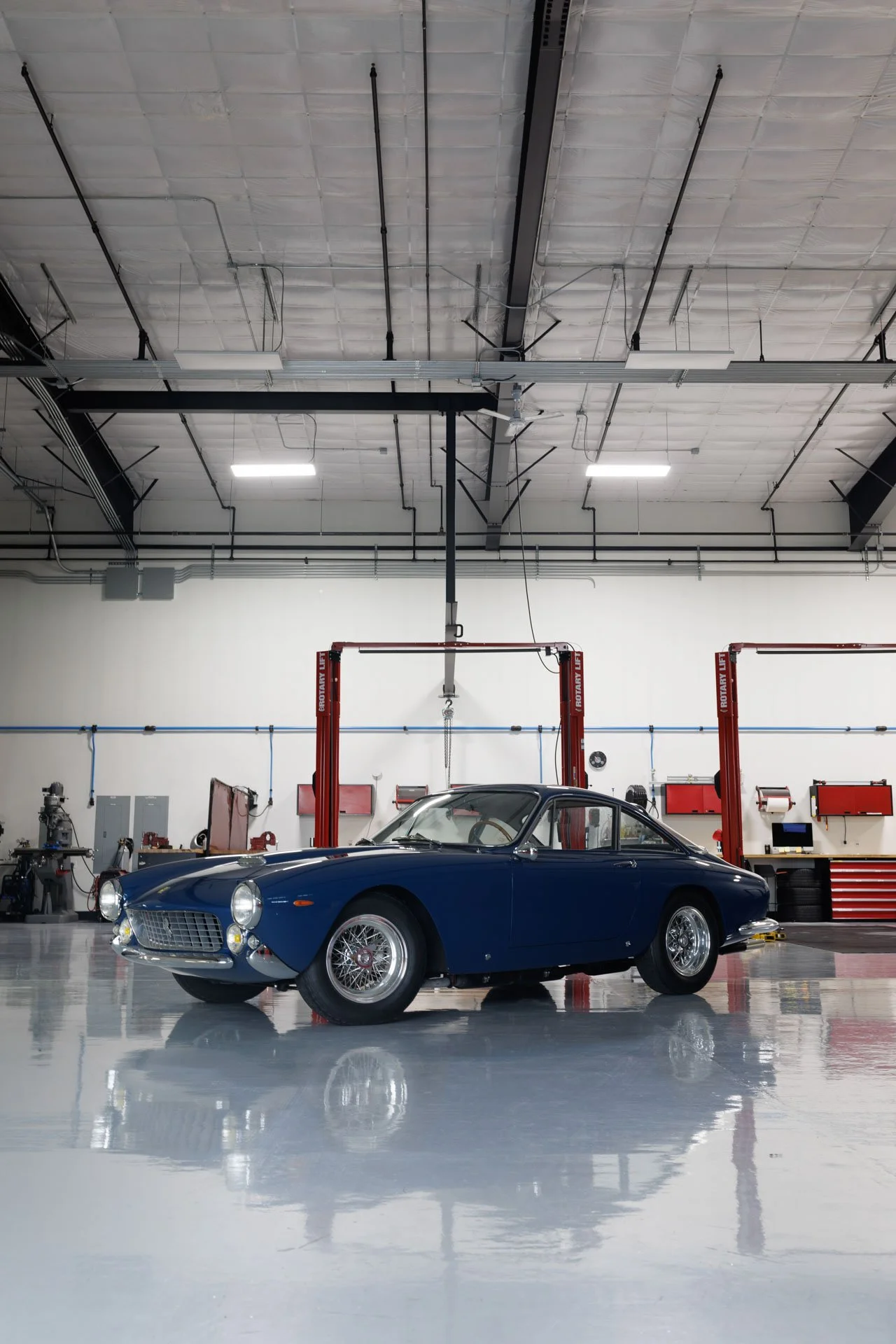
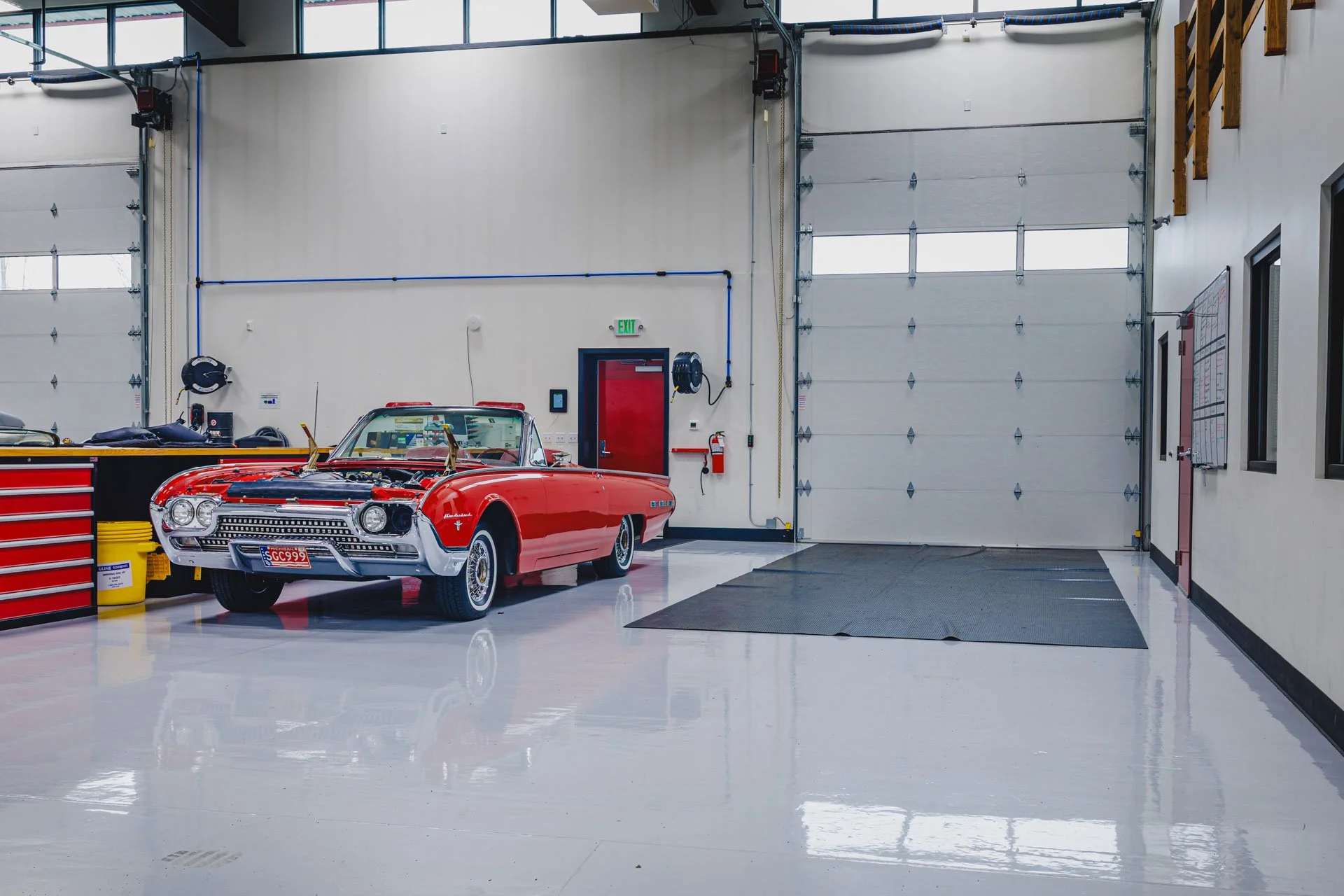
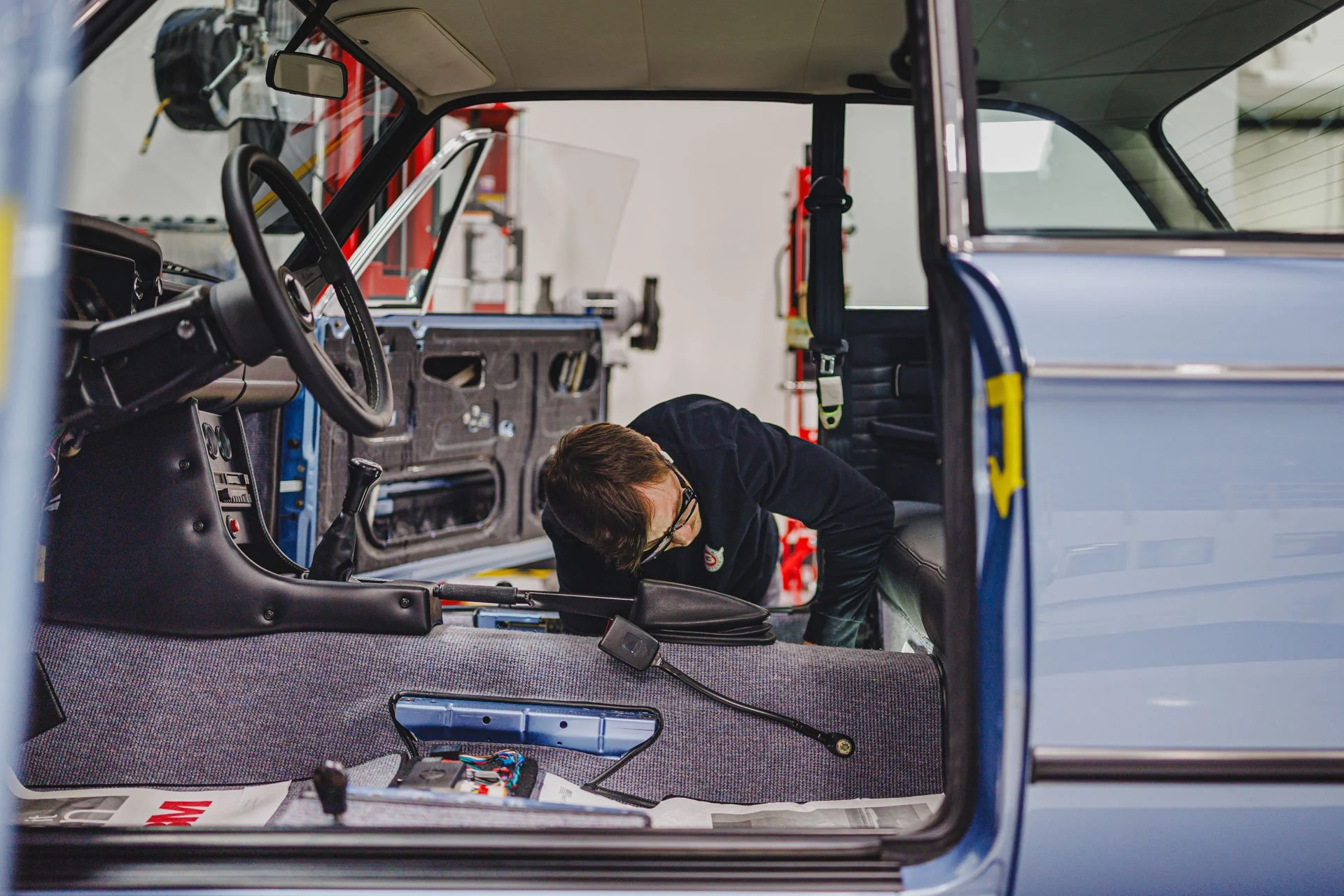
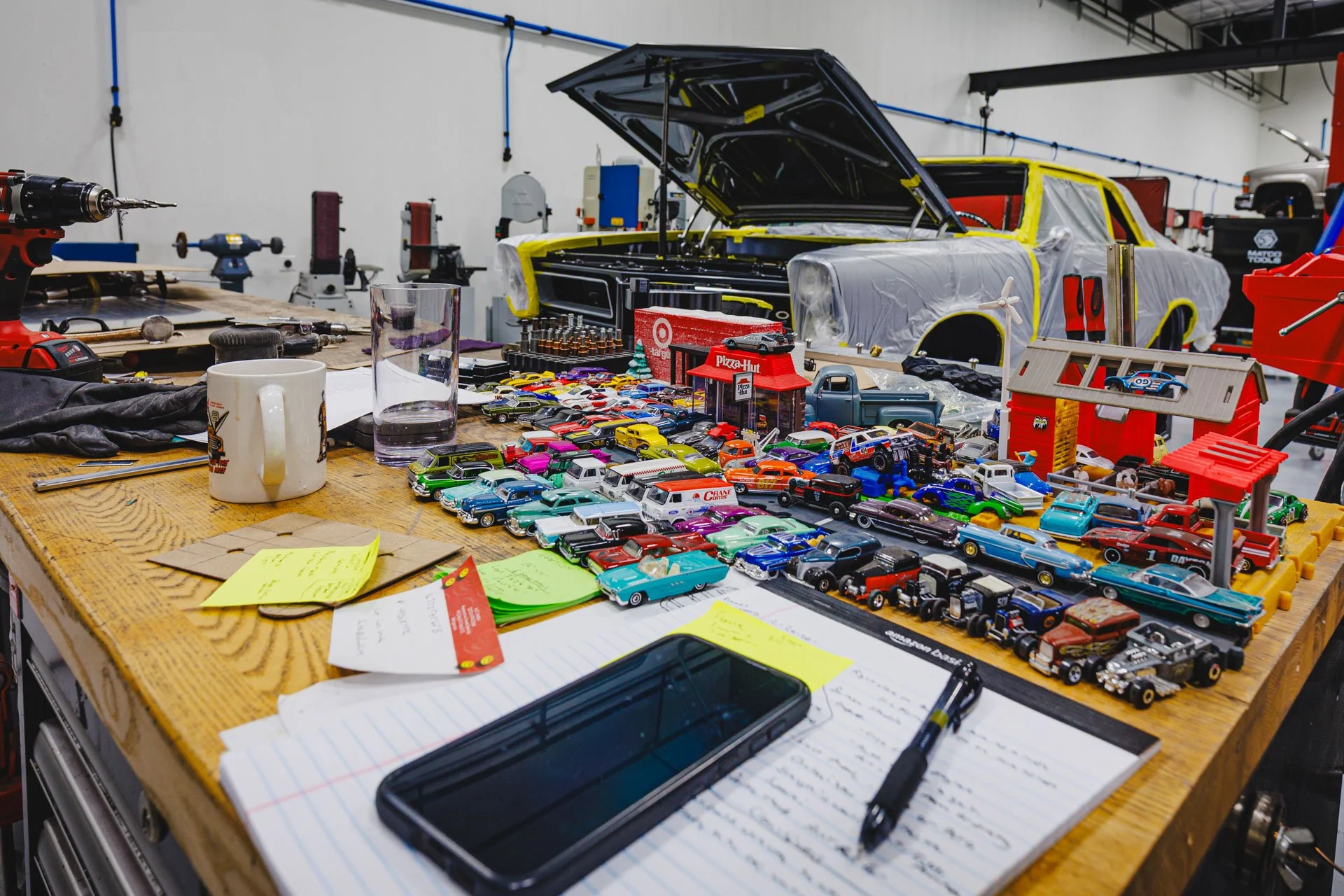
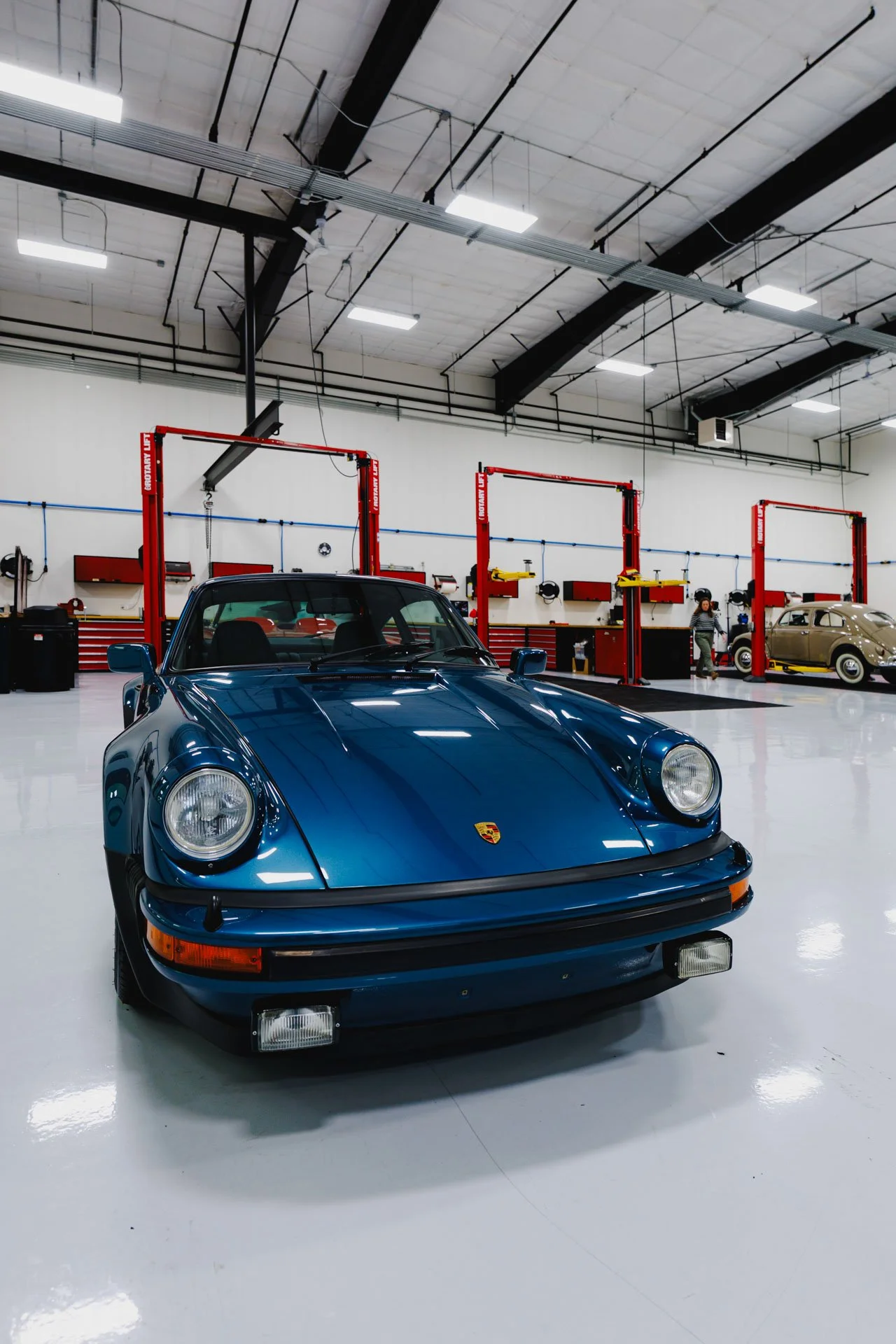
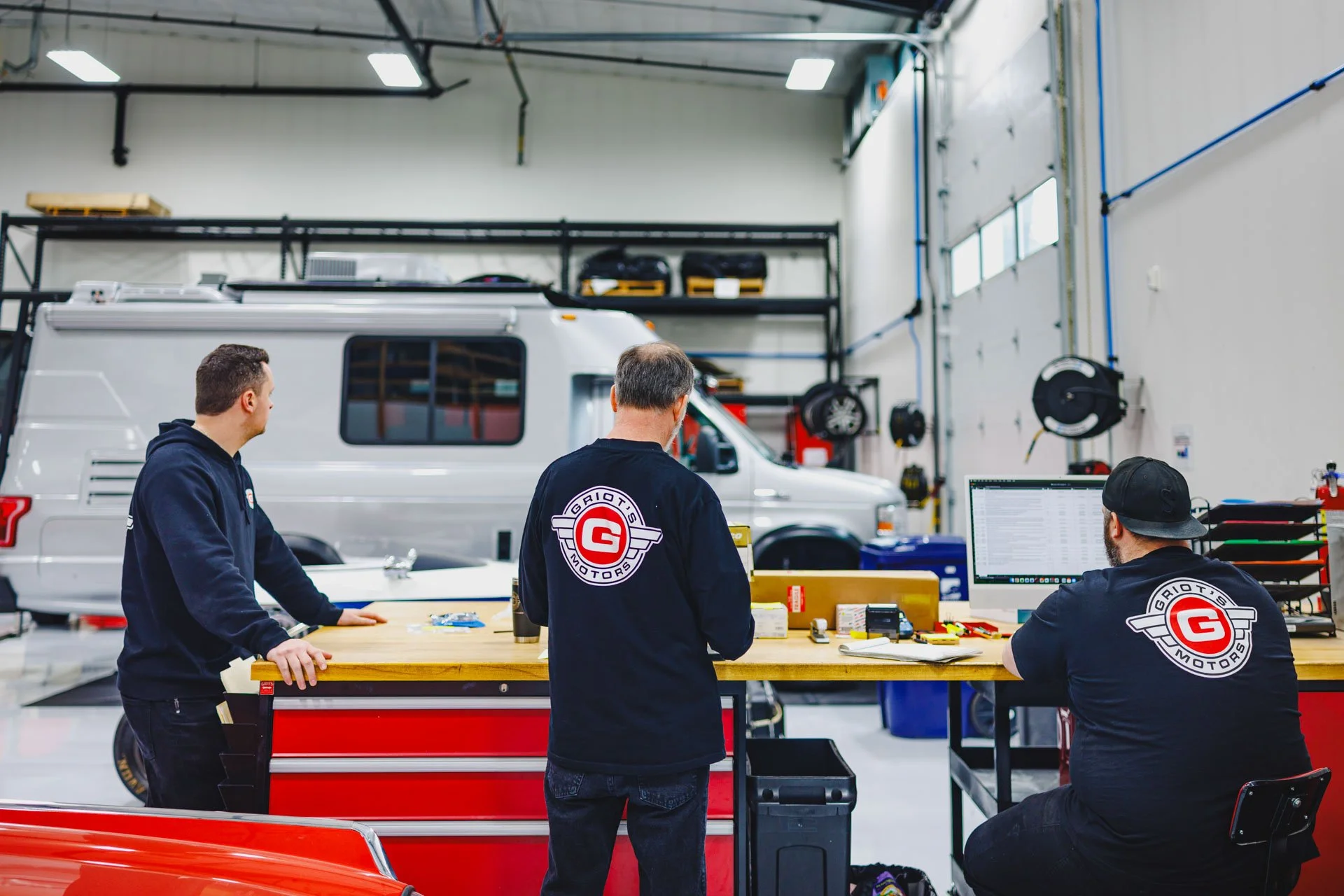
That early split between observation and doing never really went away, and the Griot’s Motors workshop today reflects that balance in a manner that feels considered — but without drawing attention to itself. Red and white colors carry through the space, from lift posts to tool cabinets to the uniforms worn by the team, creating a visual consistency that mirrors how work moves through the building. It is the sort of detail you notice after a few minutes rather than immediately, and it contributes to a sense of order without feeling staged.
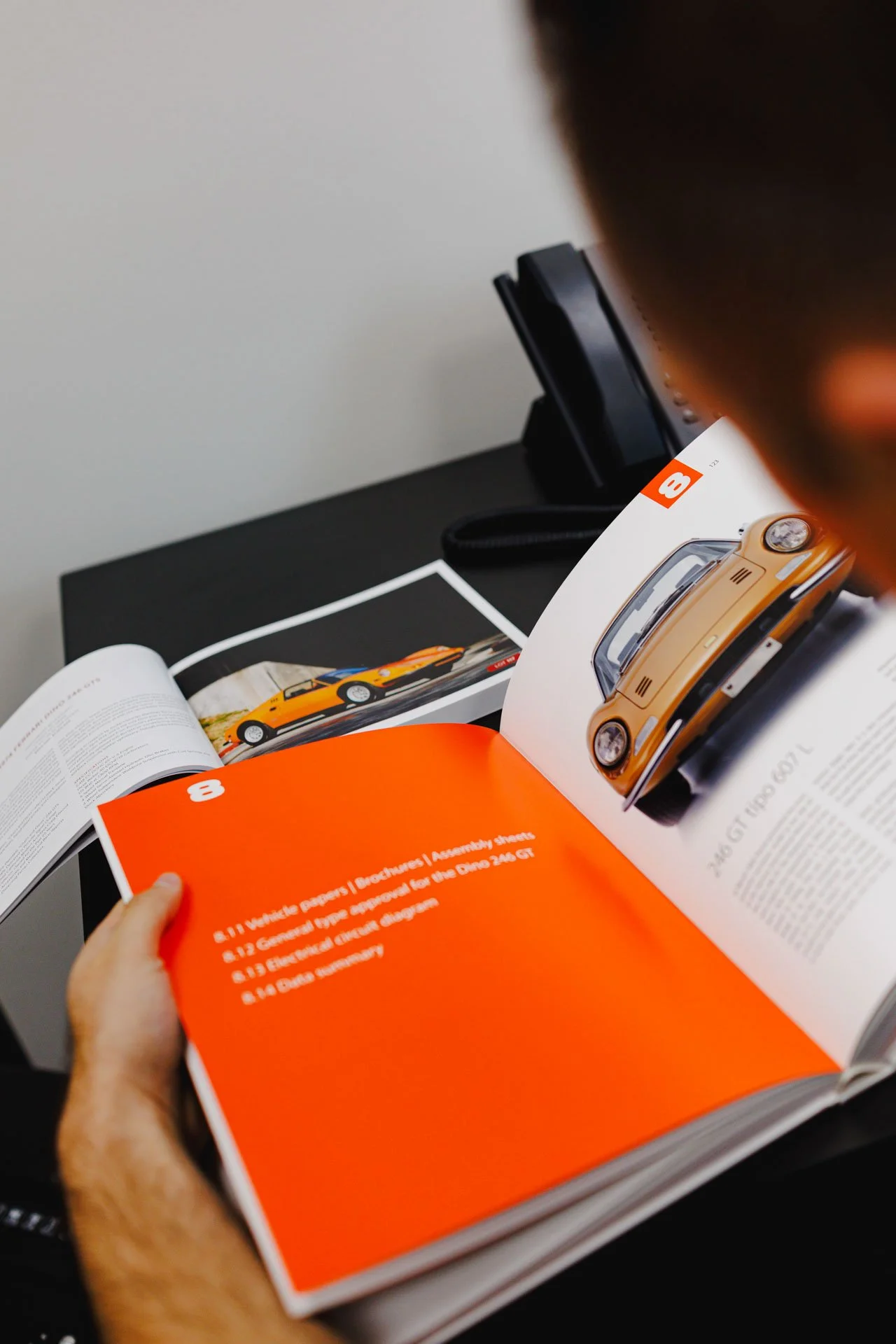
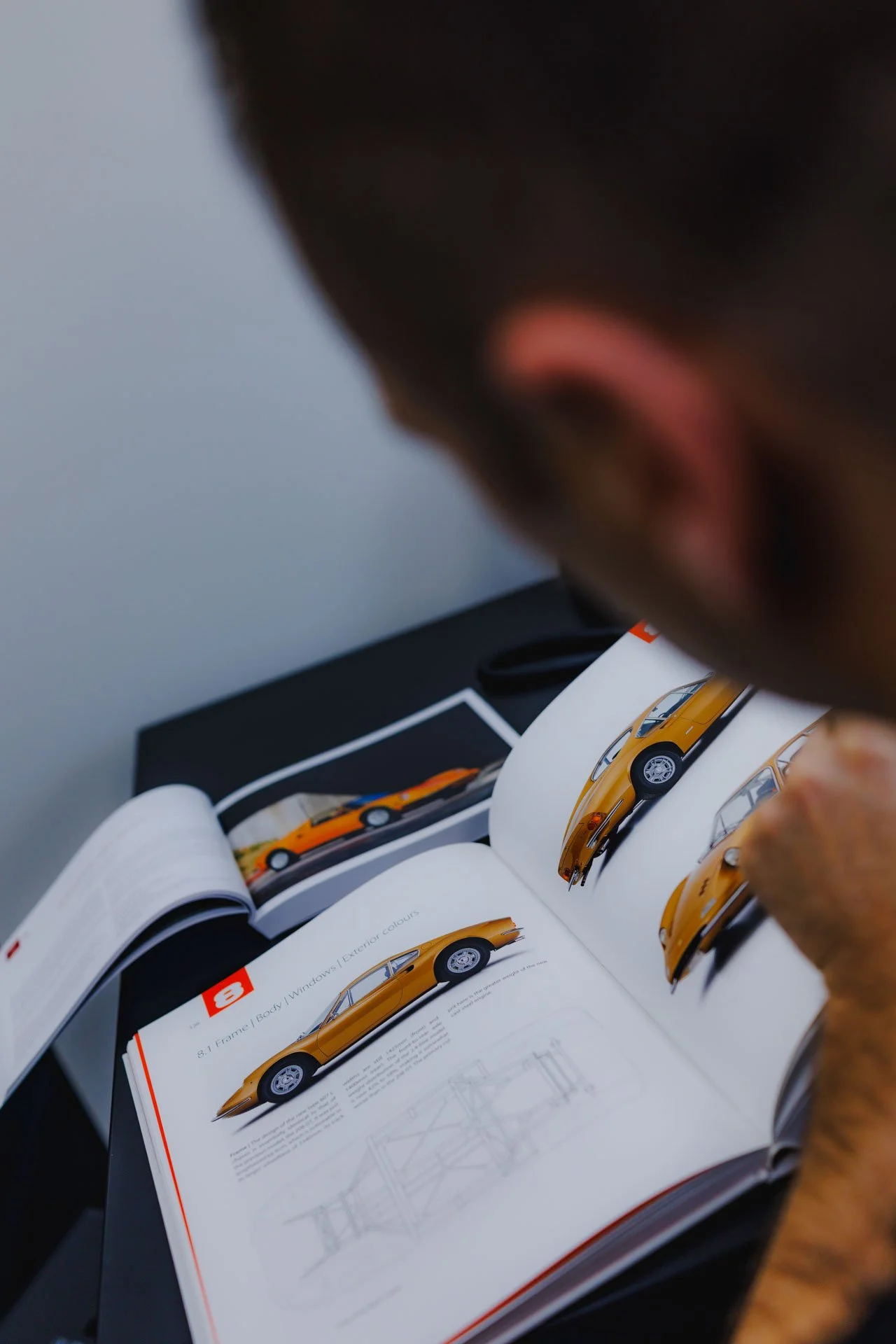
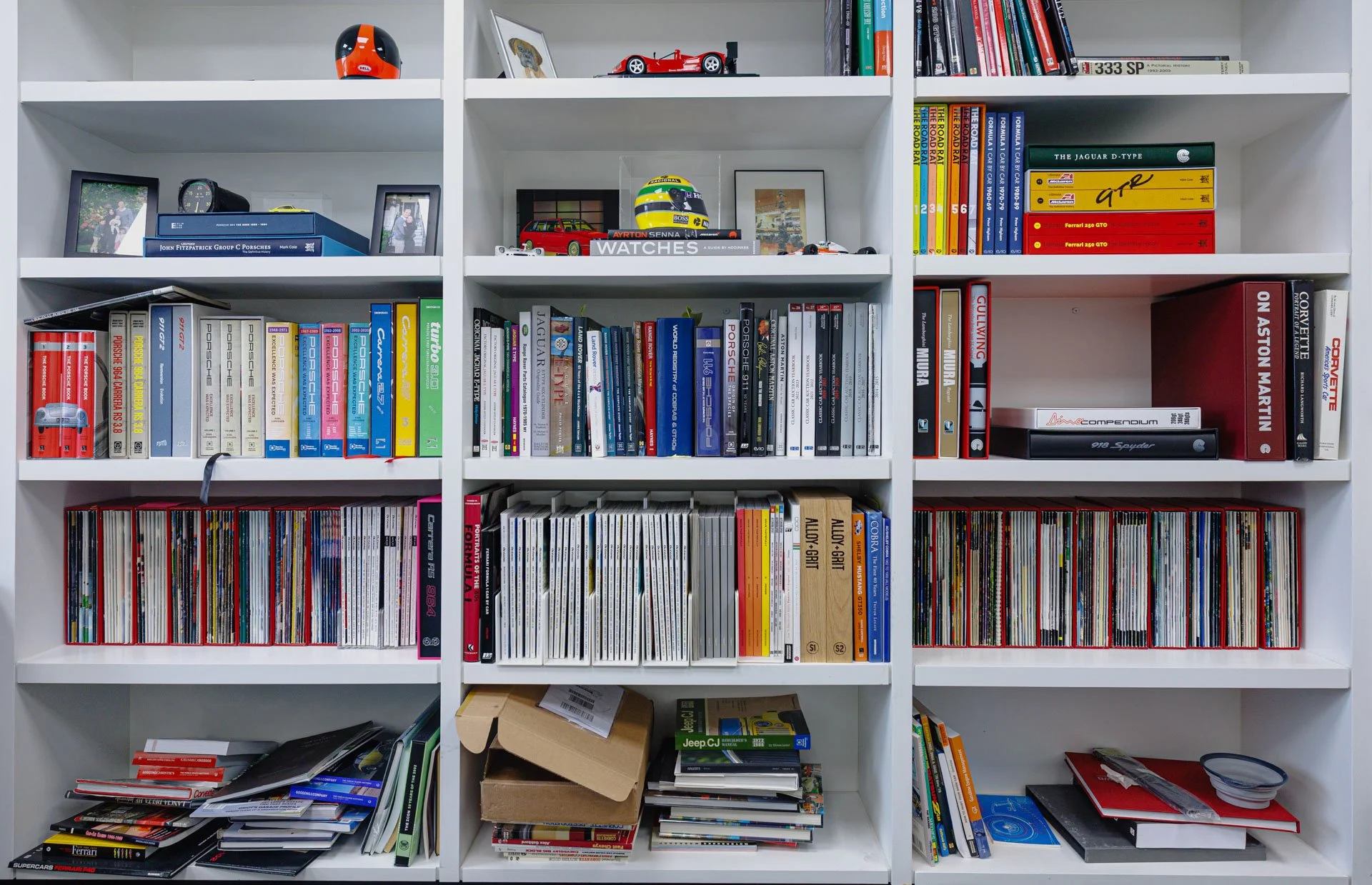
There is also a distinct atmosphere to the place, a mix of warm metal, solvents, and the faint trace of oil that never quite disappears. It feels active, but not chaotic, which is not always the case in places like this. Phillip’s contribution sits largely in the framework behind the work. Upstairs, shelves are lined with factory manuals, marque-specific references, and books that see regular use rather than careful preservation.
Among them is the “Dino Compendium,” a famous book about Ferrari’s line of Dino cars. Copies circulate quietly among collectors, and one will command several thousand dollars when it changes hands. Here, the book sits within easy reach, consulted when needed and returned without ceremony, which tells you quite a lot about how decisions are made. It is not treated as something precious, but as a working reference.
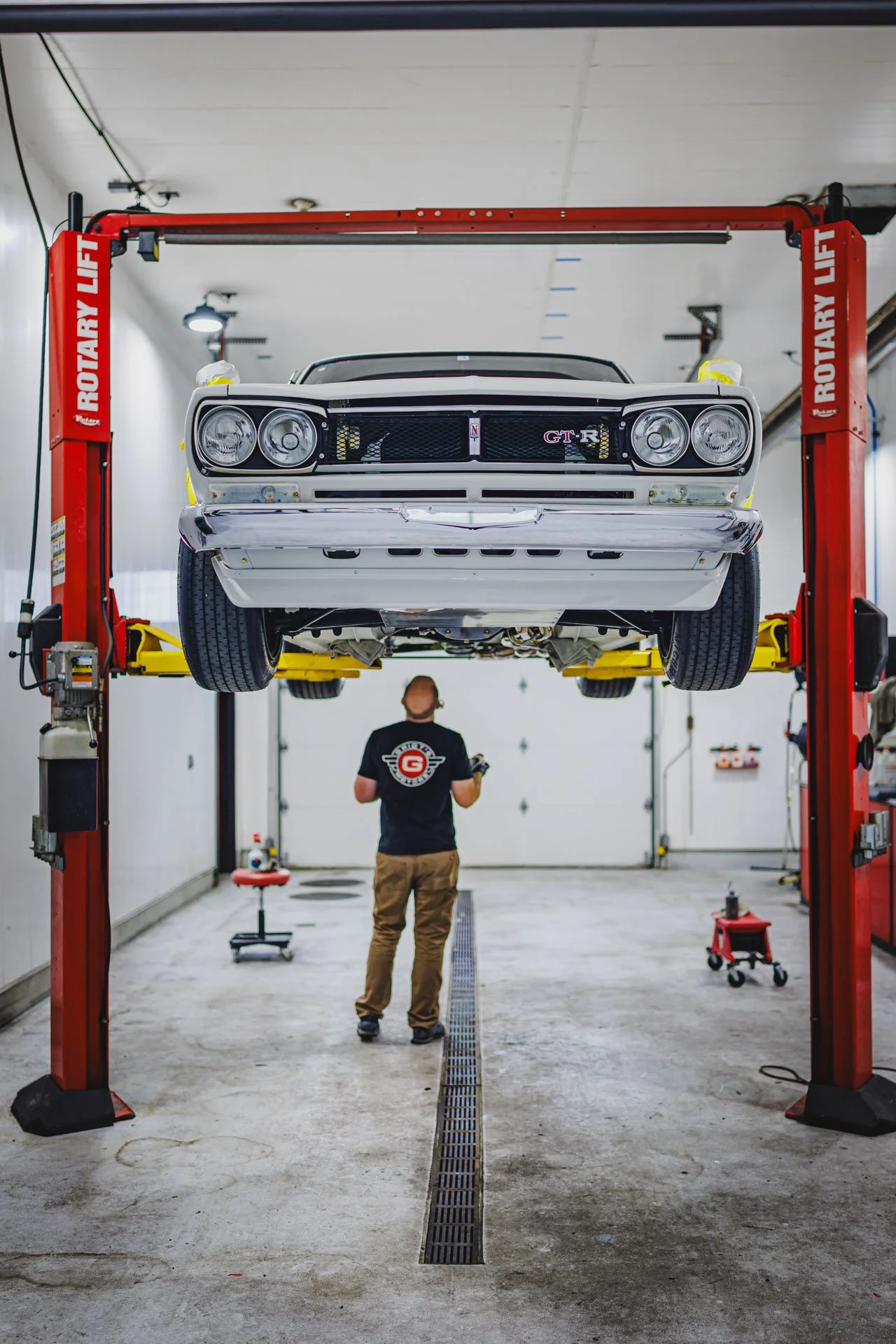
Forrest approaches the same problems from the other direction. “Me and Phillip are very different,” he said. “I’m very hands-on.”
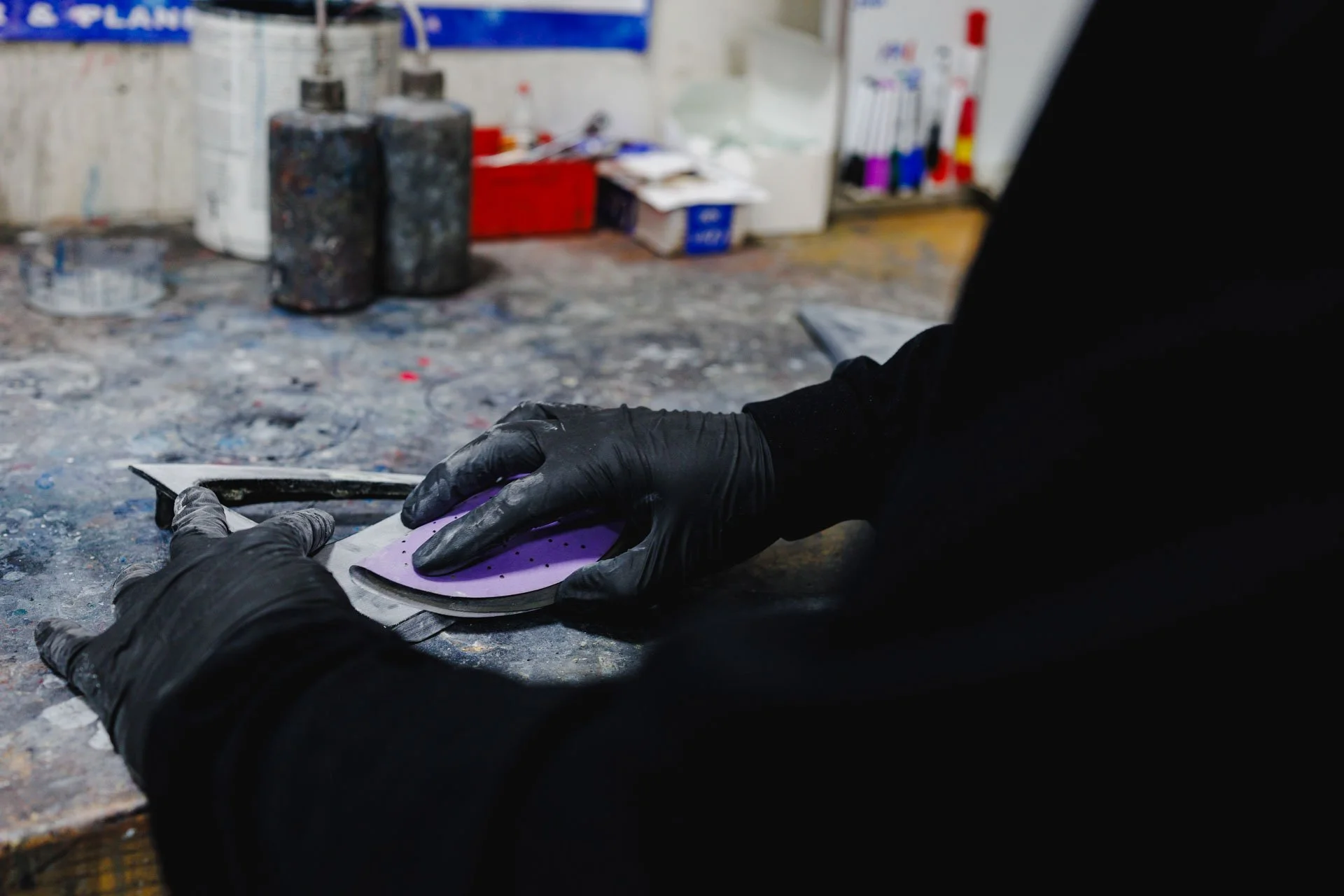
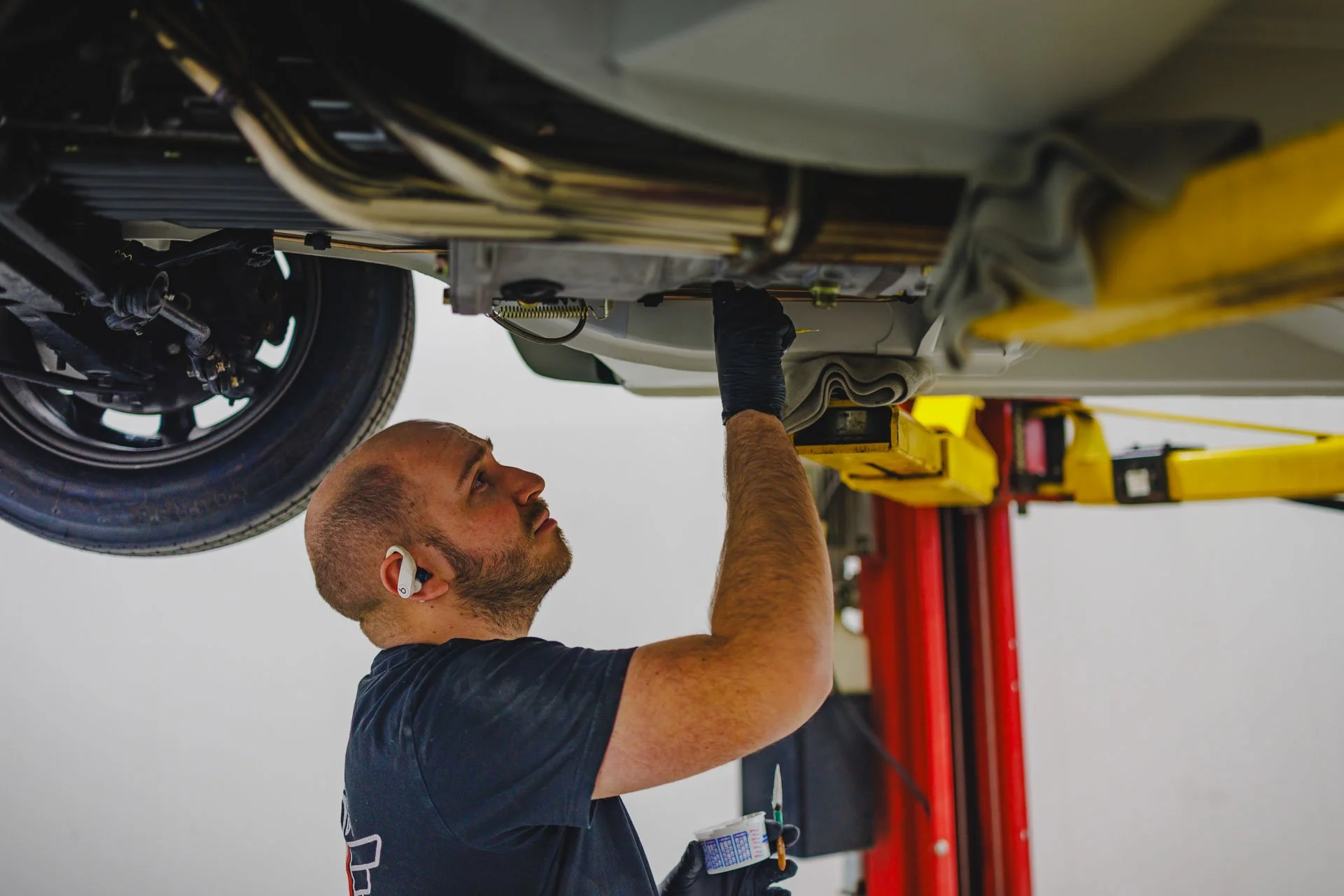
Over time, Forrest made a point of learning every process within the shop, from fabrication and welding through paint preparation and mechanical assembly, not because he needs to do it all himself, but because understanding how each part connects matters when you are responsible for the whole.
“There’s not really a process here I can’t do in some capacity,” Forrest said. “That helps when you’re working with specialists, because you can see how it all fits together rather than just focusing on one part.” Phillip tends to summarize the philosophy more simply: “Ninety percent looks restored. The last 10 percent makes it right.”
Most of what people notice about a car sits comfortably in that first 90 percent, while the final 10 percent reveals itself more slowly, once the car is driven and begins to operate under real conditions, where tolerances either hold together or begin to show themselves.
THE TEAM AND THE WORK
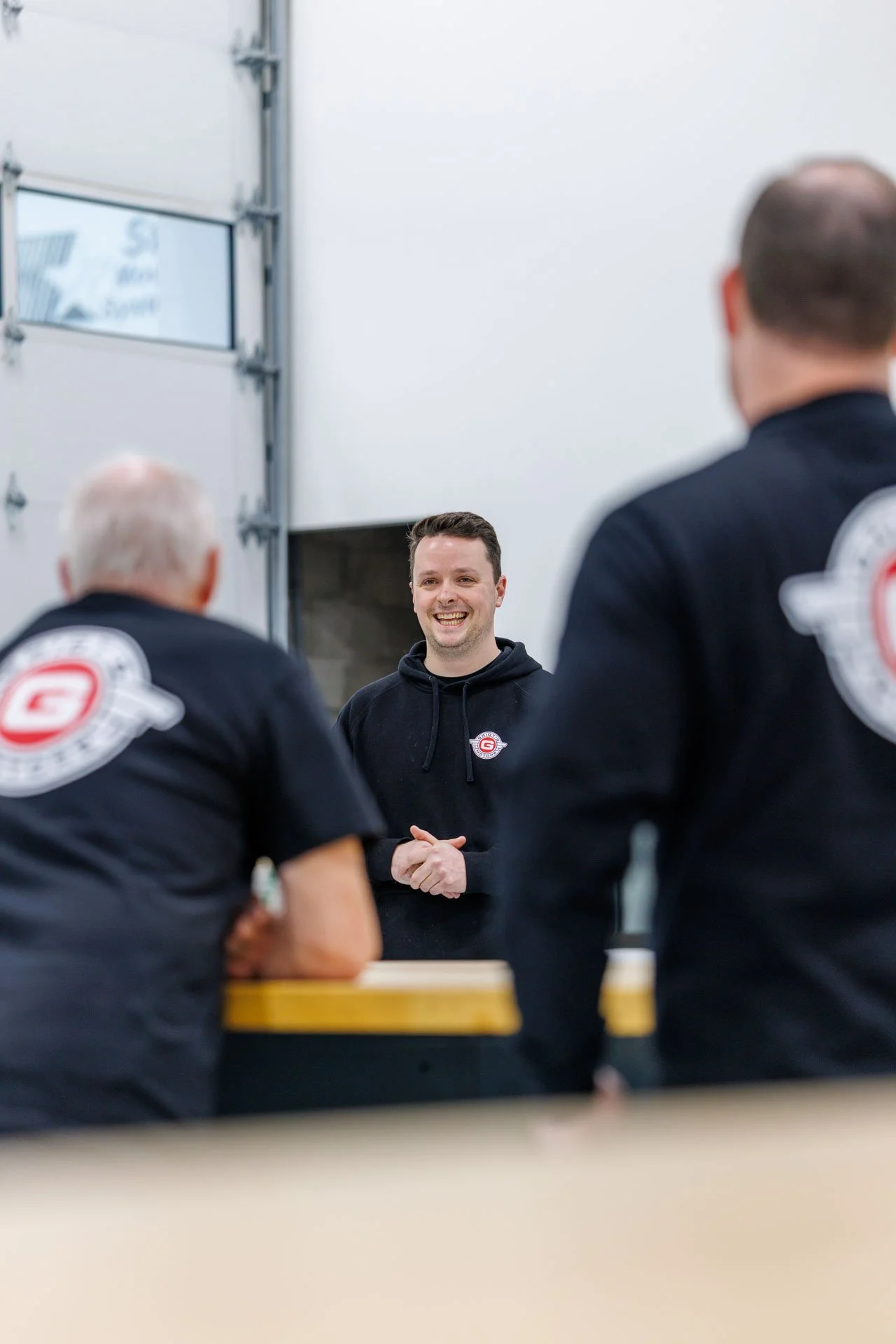
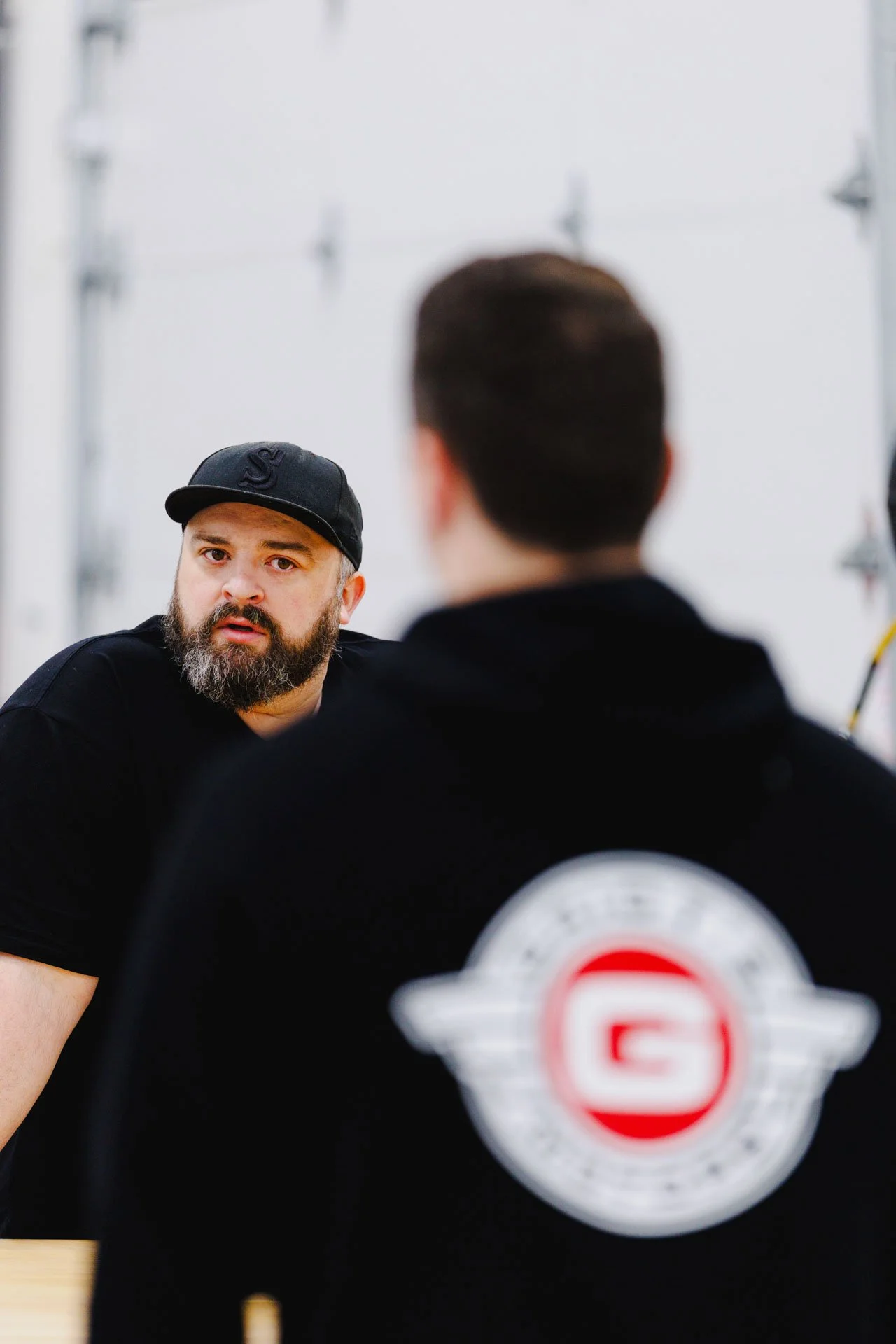
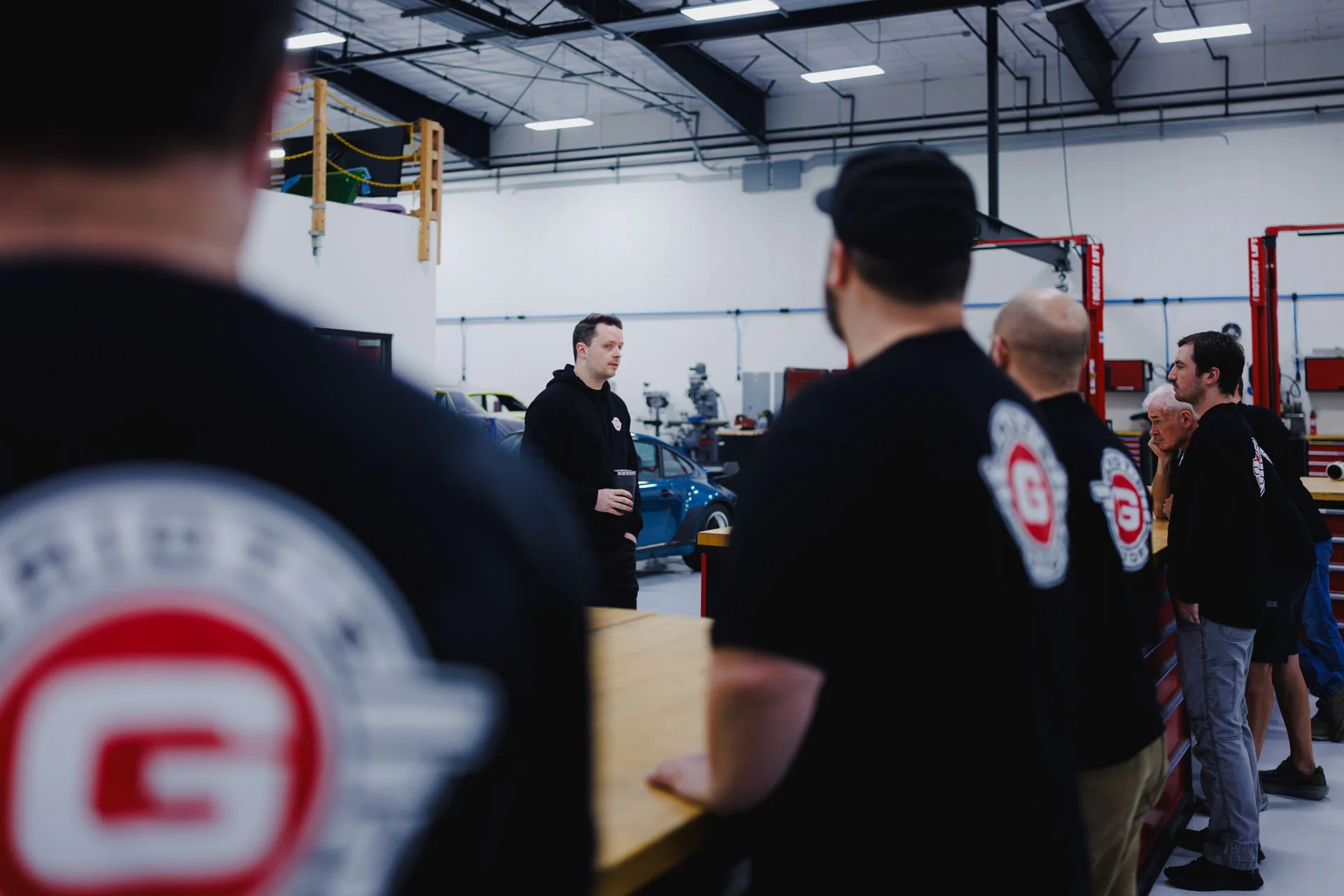
The structure of the team follows the same logic as the work itself. Monday mornings begin with a brief meeting as everyone gathers to walk through current projects, identify what is moving forward, and call out where another perspective might help. It is not formal, but it is consistent. Everyone finds great value in the exercise.
“For me, it’s about achieving something as a team,” Forrest said. This reflects how the work actually gets done. Many of the people in the shop have known each other for years — often before the business existed in its current form — and they come from the same broader community of enthusiasts where relationships tend to build gradually through shared experience.
“A lot of the people here are people I met when I was younger,” Forrest said.
When the environment works, those work/ friendship connections tend to extend naturally. One person brings in another person or perspective, and before long, the team begins to form around a shared understanding rather than a formal structure.
The paint department offers a clear example of how that develops. Taylor Hughes joined the shop straight out of Clover Park Technical College, initially as a shop assistant while he found his footing.
“He was very green when we hired him,” Forrest said. But that did not last long. Smaller jobs led to larger ones, and responsibility followed naturally as Taylor’s confidence grew. “Pretty soon anything that needed to be painted was getting painted by Taylor,” Forrest said.
Taylor now runs the paint department alongside John Byers, who brings decades of experience with high-level cars. The combination works in a straightforward way, with experience and curiosity reinforcing each other and helping maintain the standard across the work.
OLD KNOWLEDGE, NEW METHODS
Some aspects of the work are becoming harder to sustain. During a recent Lancia restoration, one of the specialists in Italy the shop relied on for interior materials sadly passed away during the project, leaving a gap that no catalogue or book could fill. When someone with special knowledge dies, some of that knowledge vanishes forever.
At the same time, even when the knowledge exists, the materials and processes do not always allow for a straightforward return to the past. “Things change,” Forrest said. “You can’t always do it the old way anymore. Sometimes you have to find another way to get to the same result.”
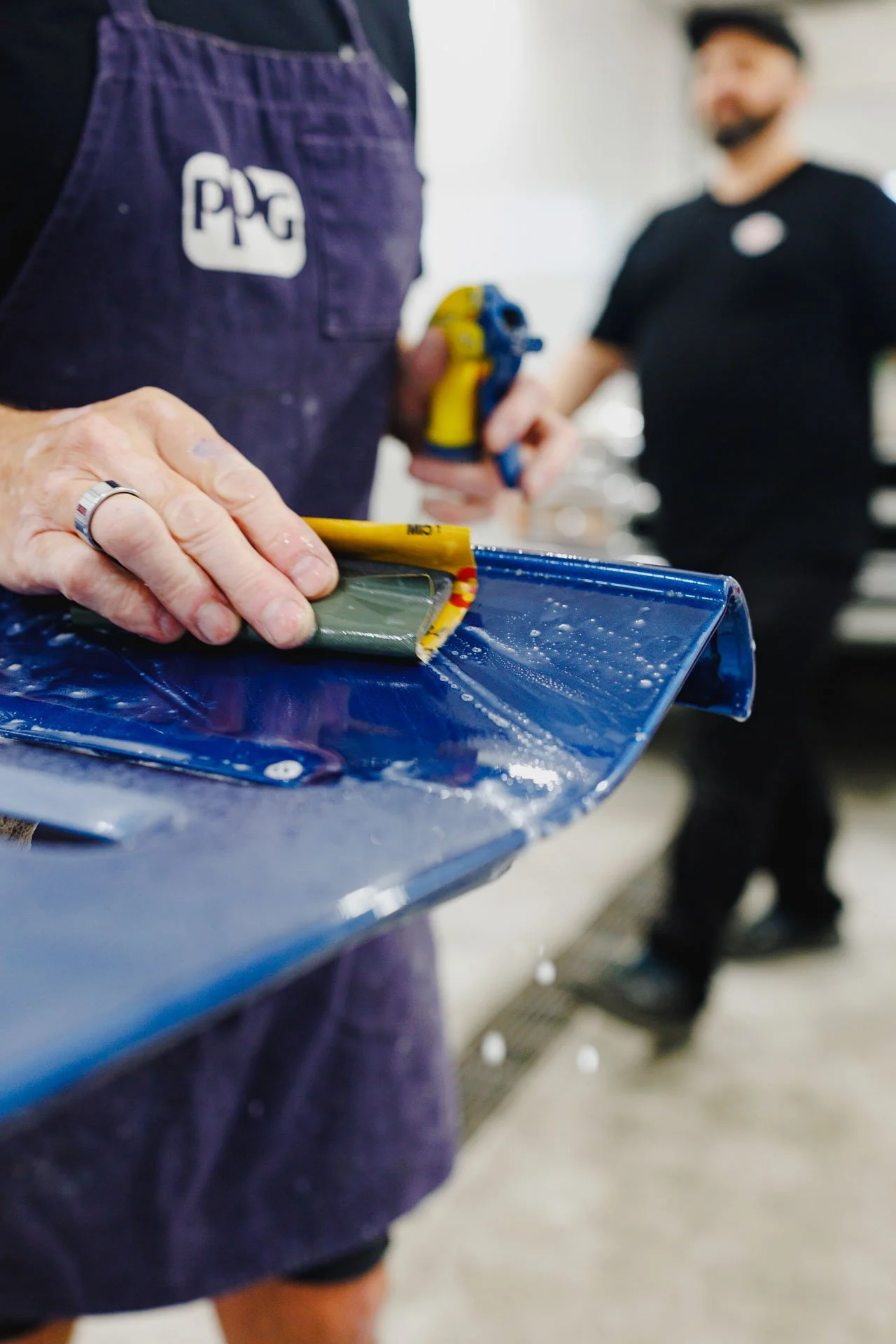
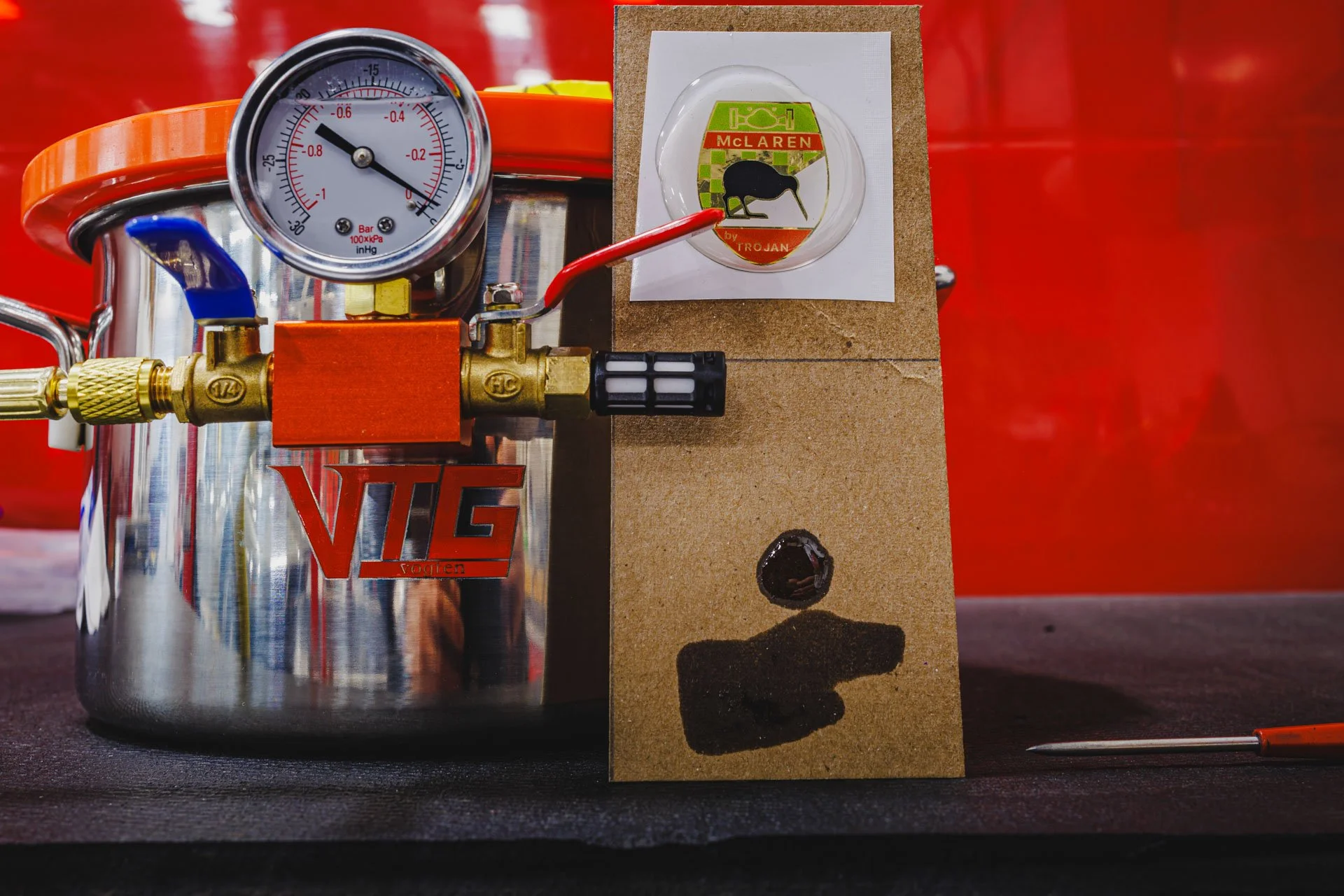
Paint is one of the more obvious examples, with modern formulations behaving differently than the finishes used decades ago. This means the work of painting an older car becomes a process of interpretation rather than simple replication.
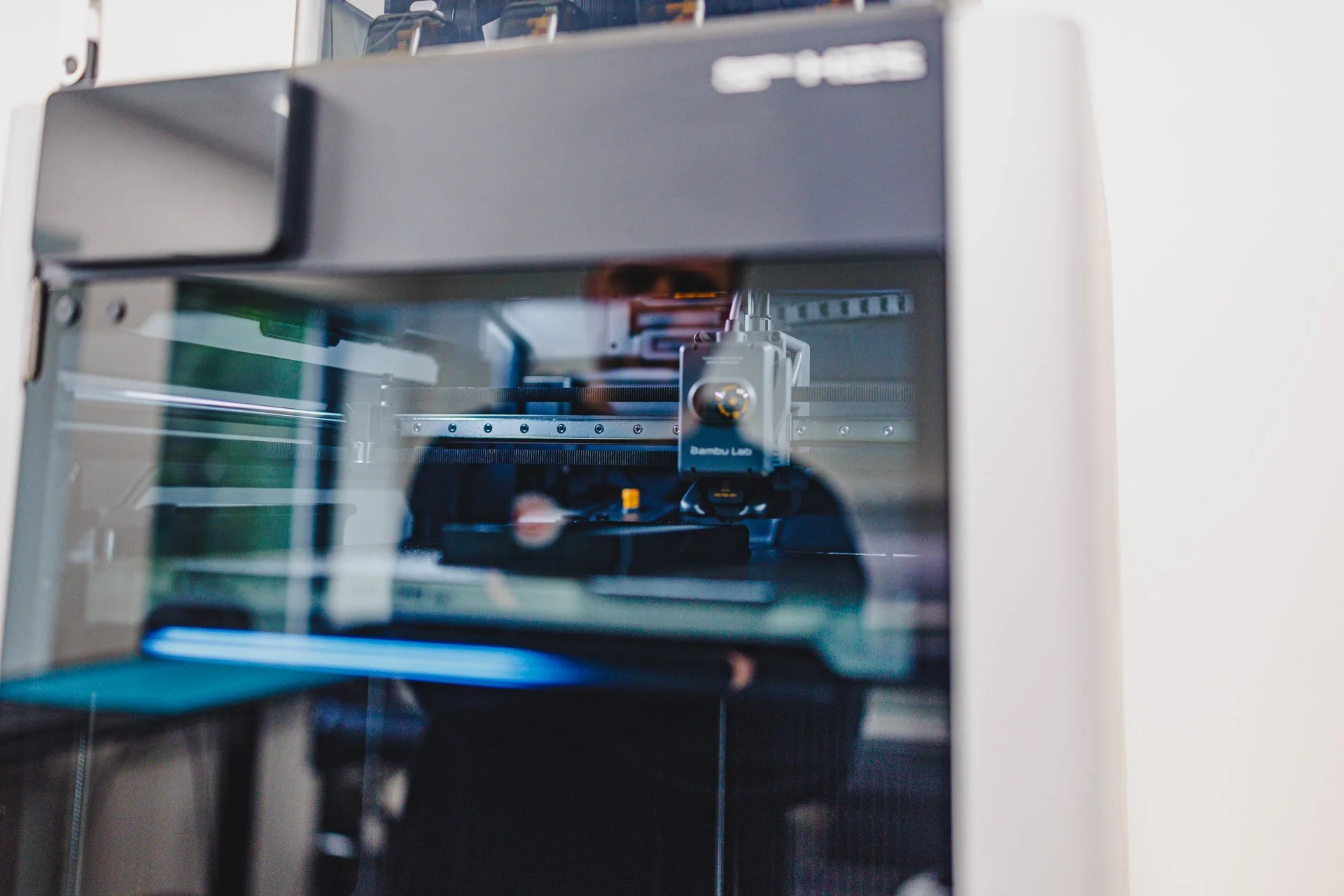
Technology plays a role in that process, although often in ways that are not immediately visible. “Not many 3D printed parts actually end up on restored cars,” Forrest said. “But it’s extremely useful as a tool to do the job better.” 3D printing is used for prototyping, for tooling, and for working through problems before committing to a final solution, while the finished car still relies on handwork to achieve the desired result.
WHAT “RIGHT” LOOKS LIKE
When the shop refinished a Ferrari F40, the objective was not simply to repaint it, but to keep the faint weave of the Kevlar body visible beneath the surface, which is one of the details collectors use to judge whether the work is correct. Achieving that required experimentation, adjusting how. the paint behaved as it cured — so that it revealed rather than obscured what sat underneath. The final, painstaking result was subtle — but accurate in a way that felt consistent with the original intent.
The car went on to win Best of Show at Concorso Italiano not long after, which provided a useful bit of external validation, although it was not necessarily the primary measure of success internally. “For me, it’s achieving something as a team,” Forrest said.
AFTER A CAR LEAVES
Once a project is complete, the client handover rarely takes place in the workshop. Instead, the cars travel on transporters to their owners. So, the final reveal of the car takes place away from the shop and the Griot’s Motors crew. The rear doors open, the ramp comes down — and, for the first time, the owner sees the car as a complete object rather than a sequence of updates.
This is often when the work becomes real in a different way. By the time a car leaves the shop, Phillip has driven it enough to understand how it behaves, making adjustments where necessary and confirming that everything holds together under real conditions. Even so, once it is gone, there is always a degree of uncertainty.
Will the owner like the work? Will the owner love the car? “There’s always a moment of anxiety after the car leaves,” Phillip said. Back at the Griot’s Motors workshop, the next project is already underway, and the process begins again with a new set of decisions and a new set of details that will matter later on. At some point, the call from the past project’s owner comes, and when it does, it confirms whether those decisions held up.
“When they call and say they love it, that’s the best part,” Phillip said. A happy owner is great because it confirms the obvious, but that happiness also validates the parts of the process that are hardest to see. Most of the work is visible, and that is what people respond to first, but the rest sits beneath the surface, doing its job quietly.
That final, hard-to-see portion tends to last. It is that last 10 percent where everything either comes together—or it doesn’t.

