
Driving From Analog to The Future
Celebrating the Changes While Hanging Onto the Past
STORY | Fred Russell
Spokane can be hot in the summer, but on June 15, 1974, it was a mild day in the low 70s, according to the sign near the entry to the Expo ‘74 World’s Fair.
As a teenager, I’d flown to Spokane on a banana-yellow Hughes Airwest DC-9 to enjoy Expo as a perk for selling a large number of new subscriptions to the Seattle Times. I didn’t love the date chosen, since it meant I’d miss watching any of the 24 Hours of Le Mans that weekend on ABC Sports. Inside the 20,000-square-foot GM Pavilion, I was fascinated by the new aluminum-bodied Corvette (XP-895) with its mid-mounted four-rotor Wankel engine. Nearby, they displayed a couple of gas-hybrid concept cars, though the planned plastic-body XP- 898 was a no-show. An artistic wall display about the future of cars, including the concept of drive-by-wire that materialized in the AUTOnomy and Hy-wire concepts in 2002, caught my eye. Was the space age coming to the car world? I’m fairly certain I shot photos on my Kodak camera, and once the fi lm was processed and printed, I likely put the images into a long-lost photo album.
What was advanced automotive technology in the mid ‘70s is now known as ‘Analog,’ with most of it found in museums or scrapyards. Today my DVR would save the race if I didn’t stream it on my phone. The DC-9 was almost entirely analog, with dials, needles, vacuum tubes, cables, wing tabs, VHF radios, and directional beacons to stay on course. Only two dozen of the 976 made still fly. Seattle Times newspaper? Yes, it was the source of news, and most homes and businesses wanted timely, daily delivery. Now, most people read the digital edition on the computer or smartphone. The gas-hybrid show cars were 40 mph cars that fell into the all-show-and-nogo bucket. A mid-engine Corvette, described by Zora Arkus-Duntov as “the best design ever made,” landed at a time when the OPEC fuel crisis killed the fuel-hungry Wankel rotary engines.
Much of 20th-century life, including driving, was analog. A driver turned a key, felt the engine idle through the steering wheel, watched needles sweep across the dashboard, and judged speed, distance, weather, and road conditions through a mix of training, instinct, and attention.
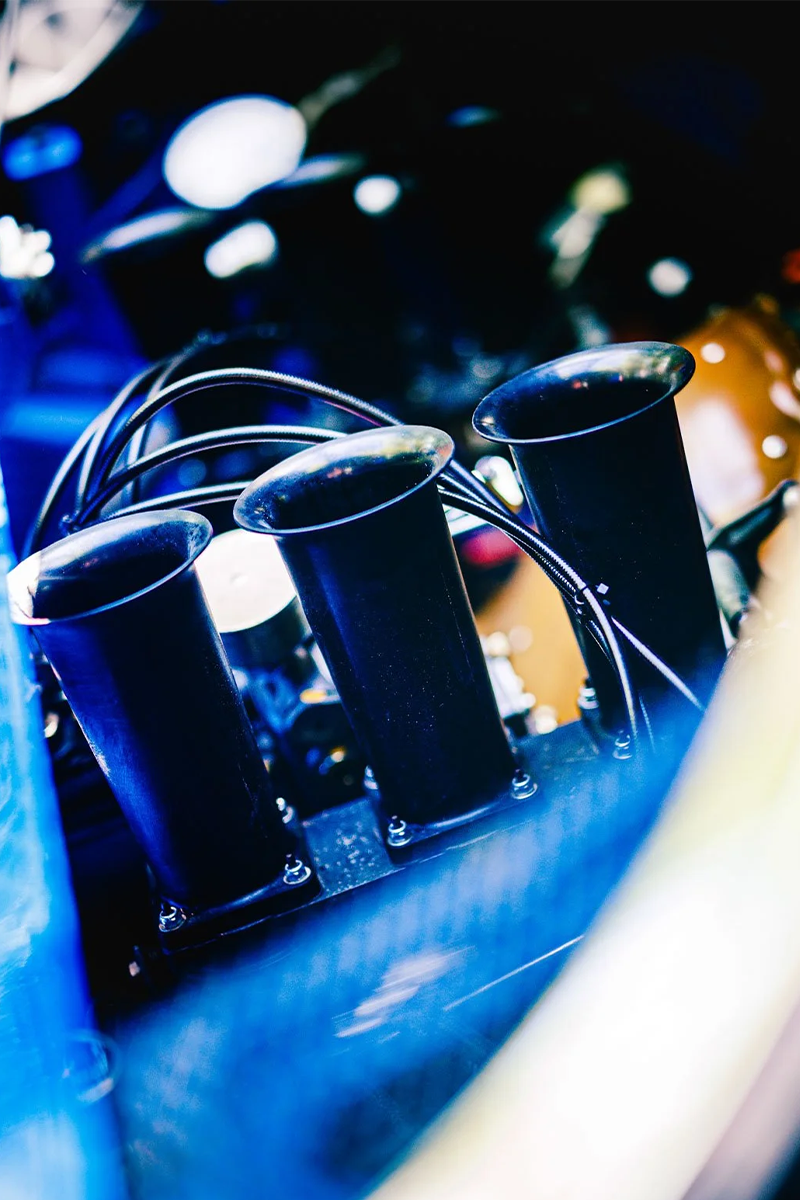
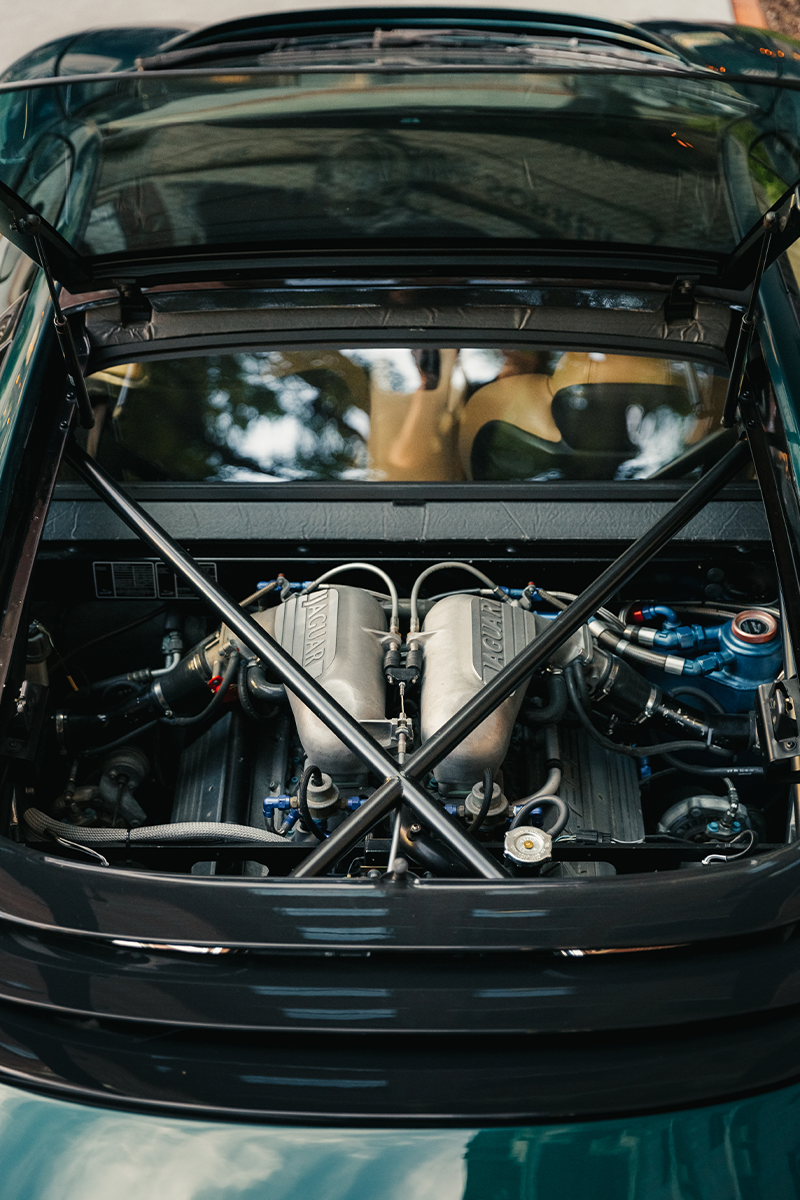
As time rolled along, handwritten cards and letters faded away. With them, we also lost phone books, landlines, vinyl records, watches, paper maps, Kodachrome 64, and cash. Recently, some items have regained some of their popularity, for example; watches, film cameras, and vinyl records. Perhaps for nostalgia and perhaps because they are more fun than clicking options.
Watching computers change our workspace, homes, communications, and expectations has been amazing, though not always for the better. Instant communication is great when we want to watch the video, “How To SUPER CLEAN your Engine Bay,” which explains why ChrisFix has 55 million views on that one. Instant communication is not so fun when the boss is calling while you’re practicing drifting, or when someone calls 911 on you for ‘hooning’ in the parking lot.
There is little doubt that the improvements in the automotive world far outweigh the downsides. Safety features like airbags, which started with inertia switches in the ‘70s, became common by the ‘90s with electronic sensors… and thanks to the folks at Porsche, the 1987 944 Turbo was the first car with driver and passenger airbags as standard equipment. Driver aids like torque steering, traction controls, proximity sensors, adaptive cruise control, and more keep us out of trouble when we didn’t even sense trouble was near.
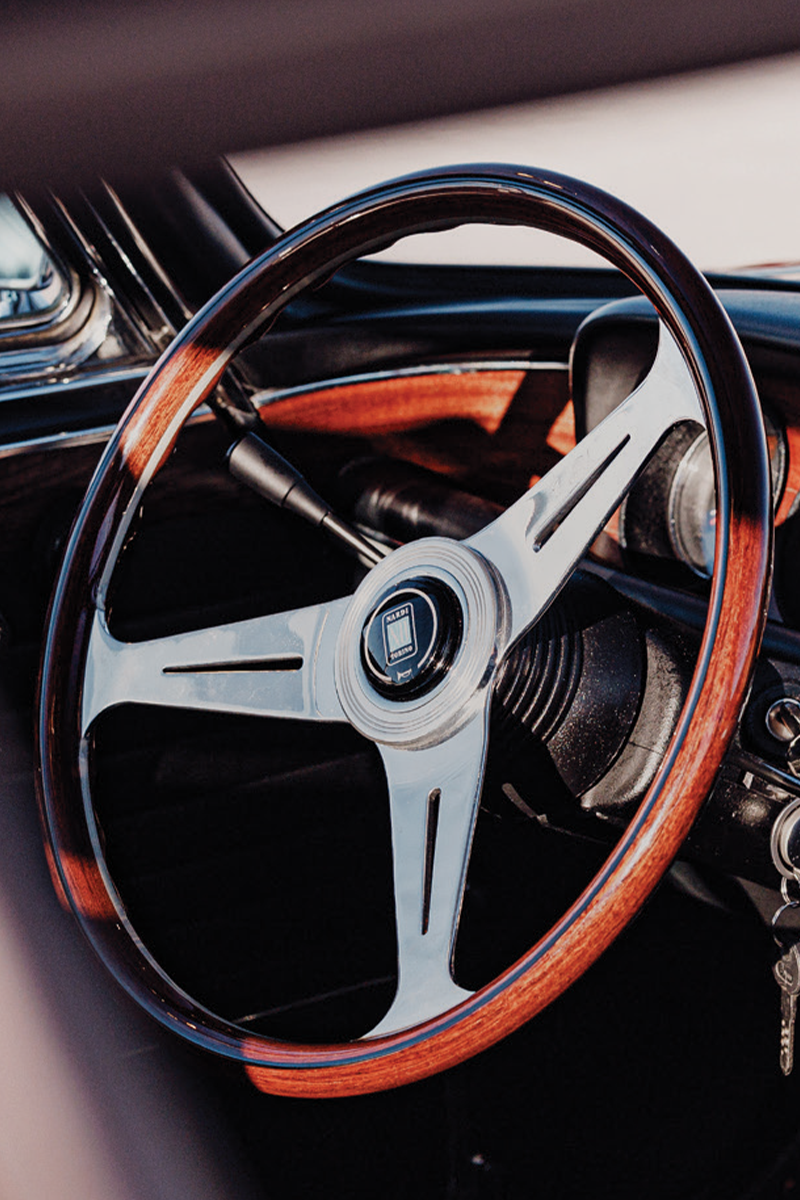
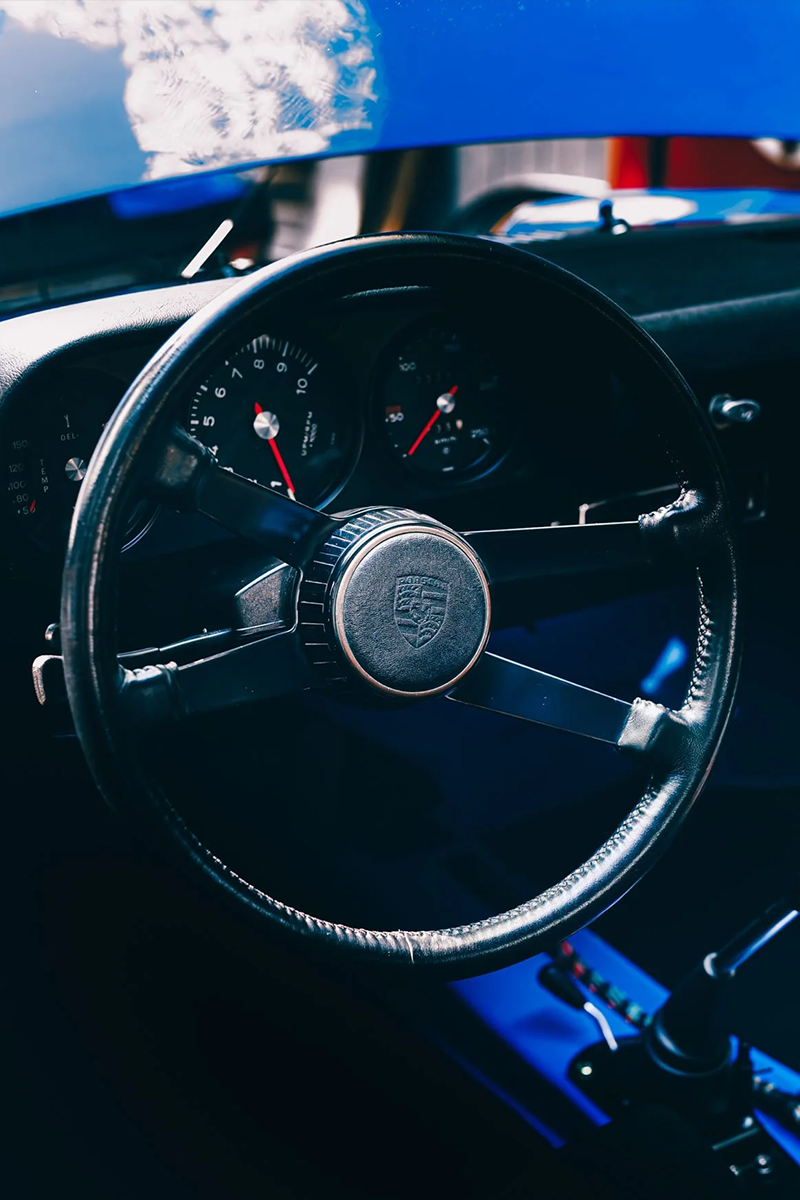
First in the drive-by-wire world, as theorized in 1974, was the 1988 BMW 750iL (E32) which eliminated the physical accelerator cable, allowing a dedicated computer to manage the engine banks. This also gave rise to electronic fuel injection and improved efficiency. Then, in 2001, Mercedes- Benz introduced the world’s first electronic braking, with sensors measuring pedal pressure and electric valves modulating independent stopping power to each wheel. In 2014, Infiniti was the first company to use electric steering in a production car. It digitized driver inputs from the steering wheel and sent them to electric actuators on the steering rack. Now, many of these features are common on both high-end and entry- level cars, as automakers contend that throttle- by-wire, brake-by-wire, and steer-by-wire systems will make cars easier to manufacture, safer, and lighter.
Sometimes, these make driving a bit easier but can give us false confidence. With added distractions like phone calls, text messages, navigation, and a multitude of apps, less attention is paid while the car covers the void. With Ford, GM, Tesla, and Rivian offering autonomous driving capabilities, and Honda, BMW, and Mercedes-Benz offering conditional autonomy in select areas, the tech is not foolproof, though it has come a long way. I’ve enjoyed my rides in Waymo self-driving cars, but every once in a while, we see one go where it shouldn’t. Over time, these systems make getting around safer and much easier. The fun or enjoyment of driving will be lost.
Electric vehicles have accelerated the transition from analog to digital because they are inherently software-intensive. Battery management, charging behavior, regenerative braking, motor control, range, and energy efficiency depend on sophisticated software. EVs also lend themselves to simplified mechanical layouts, freeing up space for improved storage and new interior options.
In many EVs, the center screen has become the command center. The knobs and switches of yesterday have been replaced by menus, voice commands, touch controls, and app-based settings.
The long-term digital frontier is autonomy. Driver-assistance systems already use cameras, radar, ultrasonic sensors, lidar in some vehicles, high-definition maps, and artificial intelligence to interpret the road environment for safety, comfort, and efficiency.
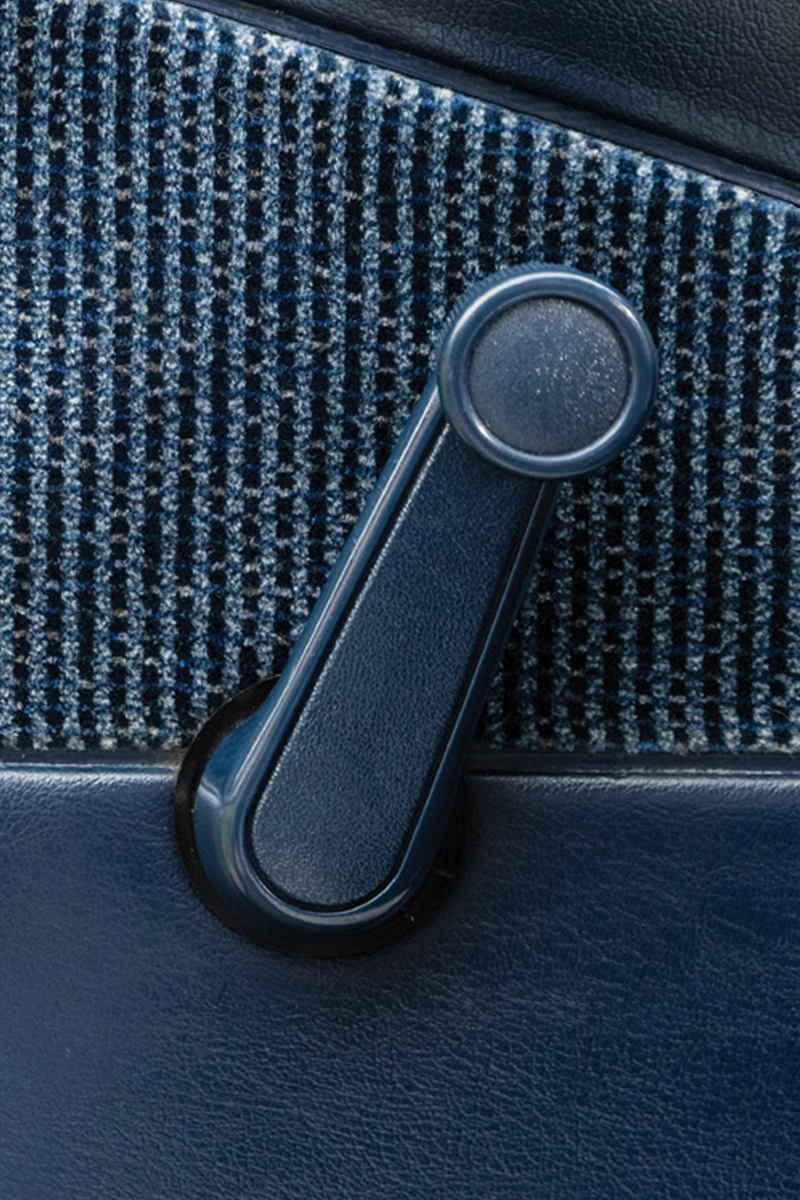
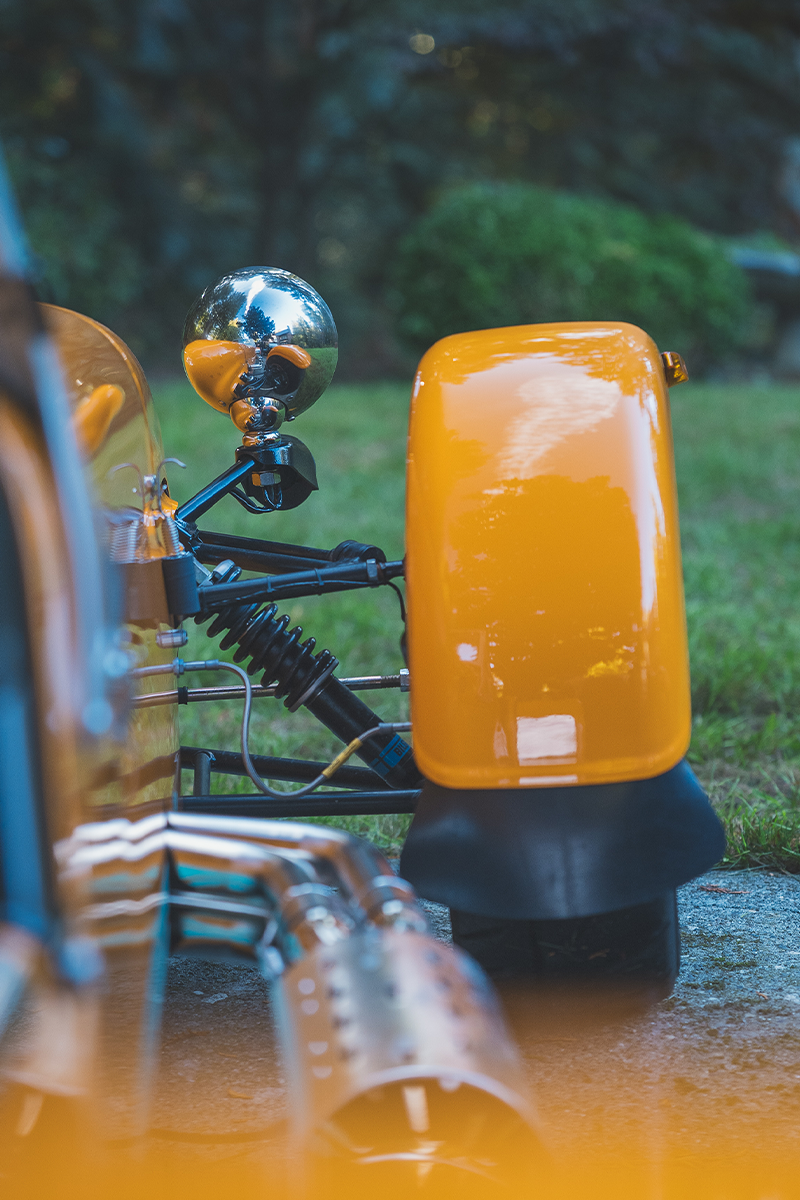
One of the keys is that the older, analog cars are truly unique. I’m fortunate to drive a variety of them and experience the distinct personalities of each. Acceleration comes through a cable and moving linkages, braking through hydraulic pressure, steering through mechanical gears and armatures, and information through gauges, warning lights, and sound. Drivers learned to listen for a misfire, smell an overheating clutch, feel tire grip through the wheel, and sense road texture through the steering wheel, pedals, and the seat. Analog meant watching the road and controlling what you’re driving.
Driving a Ferrari Daytona with heavy steering, a heavy clutch, and everything manual is work. It’s like exercising and feeling a little tired but very happy afterward. The reward is deepened by the exhaust’s aural treat as the V12 tells you when to shift, even if you aren’t going fast enough. The road talks to you with every bump, every change in contour. You know how much the car weighs by how your foot presses the pedals and how your hands grip the wheel. At every corner, your arm strength holds the curve. You drive a hundred miles, and that smile simply comes from knowing you did the driving.
The MG TC is slow and very different from the Ferrari. It is still fun, albeit without as much of an audible thrill. Instead, the feedback is the sound of leaves on the fall roadway, the feel of engine vibrations, the clunk from each shift, and the gear whine… much of it drowned out by the engine. You’re not distracted by speed, but you don’t care as the car wears an 80-year-old badge of honor. Expectations of speed, comfort, and safety have changed over the years, and nothing in the last 40 years will compare to the experience… not even an original base Miata.
Analog has a much steeper learning curve than new digital cars. How do you start the car? Should you pull out the choke, and if so, when should you push it back in? Does it have mirrors? Learning the shift points. Determining when the clutch engages and how sticky it might be. How do the steering and tires feel in a curve? How much force do you need to stop or slow the car? Learning the sounds to distinguish normal from a problem. How much oil leakage is normal?
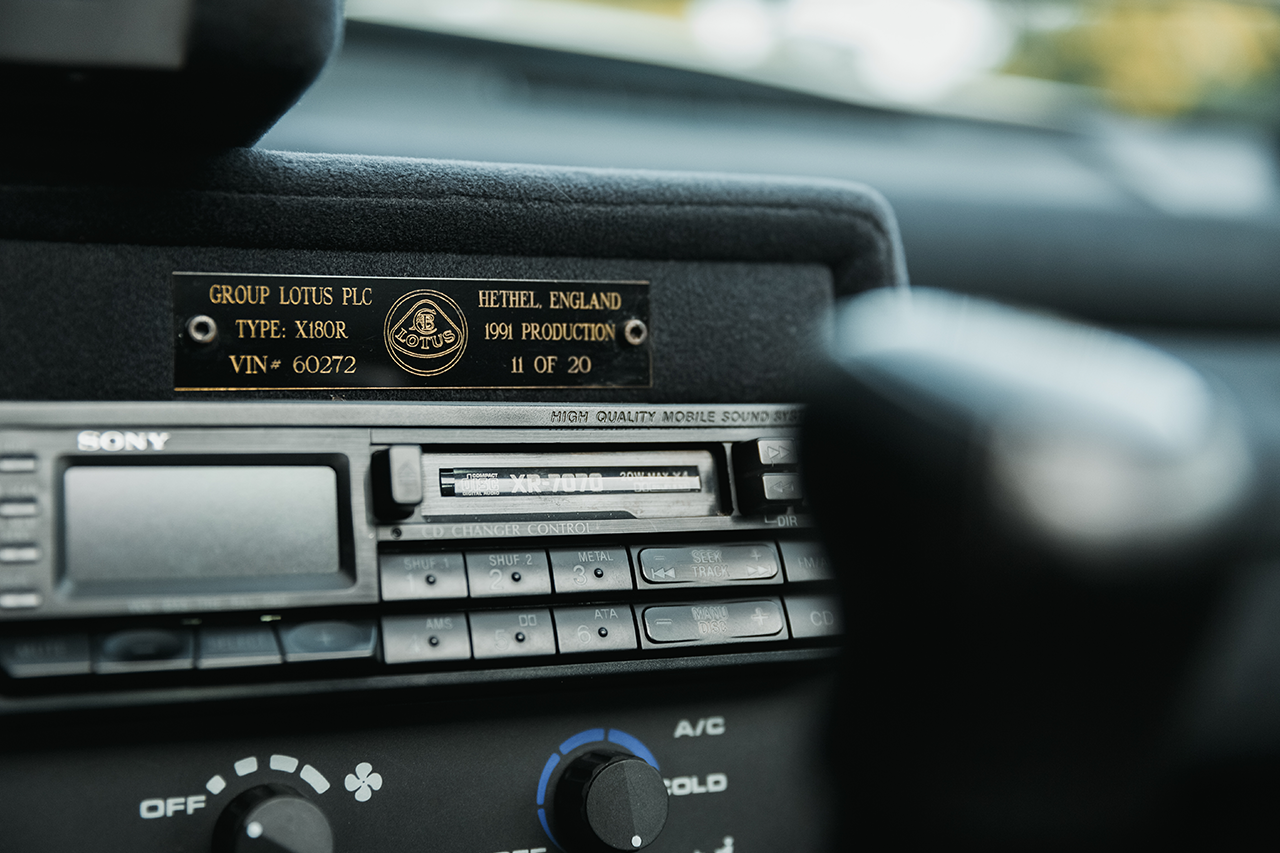
Though few and far between, the shops that still work on analog cars are staffed by a limited number of artisans who have no option but to be real, live mechanics, craftspeople, skilled with real experience and knowledge. There is nothing that even resembles the 16-pin plug for the OBD scanner on these older cars. Your symptom explanation and their diagnosis combine as a starting point. Next, they must try to confirm mechanically. Then it’s often a challenging part swap or even recreation, and it may not fi x the problem. When a new car fails, the computer tells the tech what to replace, and, to be fair, they are usually exactly right. It is a mystery why it failed, and the techs are usually discouraged from spending time digging into the cause. When my MultiAir injection failed, the dealer diagnosed it correctly, while my ‘old school’ mechanic made sure to cut it apart to understand the what and the why. We are fortunate to have a number of these ‘old school’ mechanics, like Mark at BritSport, Mike at Northwest Vintage and Classics, the team at Griot’s Motors, and Jon Amette at Upcountry Motors.
Both analog and modern digital cars can reap the rewards of the same ‘old school’ talents when applied to the non-digital side of the car. The stunning paint jobs that Jon Beyers and his crew at Griot’s Motors apply involve hand prep before applying the paint… by hand. The polishing is another careful hand process. The interiors are the same, and a testament to this is the upholstery work done by House of Wolves. The amazing handwork, after her creativity is applied, is found in everything owner Shanine Yngvason does to personalize each Porsche, to customize a Land Rover, or to restore a Ferrari. It’s analog art in this modern digital world.
The future of cars will not be purely analog or purely digital, but rather a mixture. The challenge is to ensure that as cars become smarter, driving remains human-centered, safe, and meaningful, at least in the cars with sporting aspirations

