
As Intended
Graham Rahal Applies a Racer’s Discipline to the Carrera GT
STORY | Rhys Haydon
Photography | Alex Harkey & Brandon Woyshins
The world of the Carrera GT is small. The car was only produced for three years, but many of us deep aficionados are borderline obsessed with Porsche’s masterpiece, many keeping a secret list, a coveted diary of each chassis, its ownership history, and other noteworthy details.
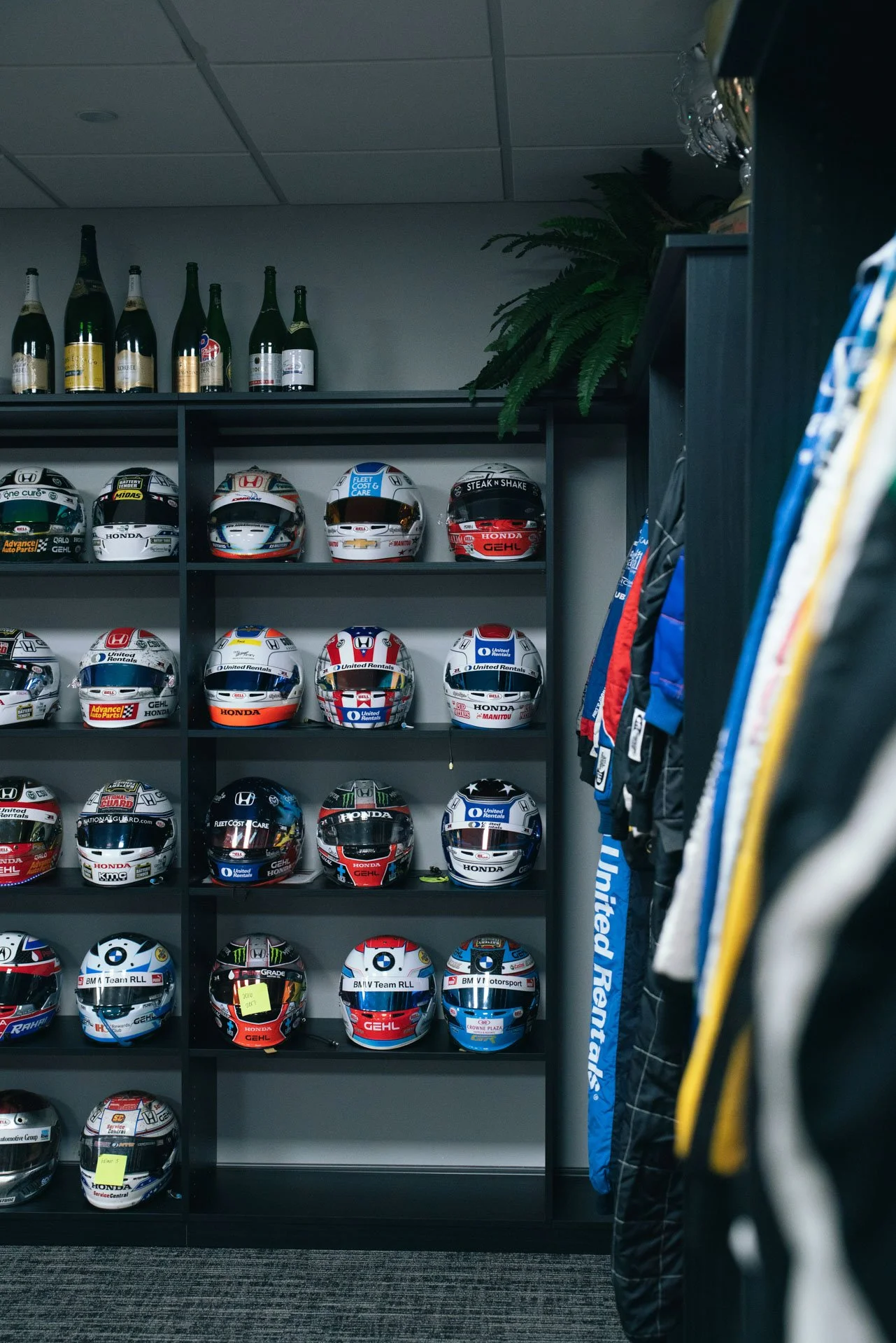
But for IndyCar driver Graham Rahal, the Carrera GT was never just a line in a registry. “When I was a kid, my dad had one new,” he says. The Carrera GT was like a god to him. His father, Bobby Rahal, is no ordinary reference point — an Indianapolis 500 winner, race team owner, a figure woven into the fabric of American open-wheel racing.
So when Graham speaks about the Carrera GT, it comes with context — memory, reverence, expectation.
When I first spoke with Graham, he was driving home after taking delivery of a Speed Yellow 911 Dakar. Rather than ship it, he flew out and drove it back through the heartland of America.
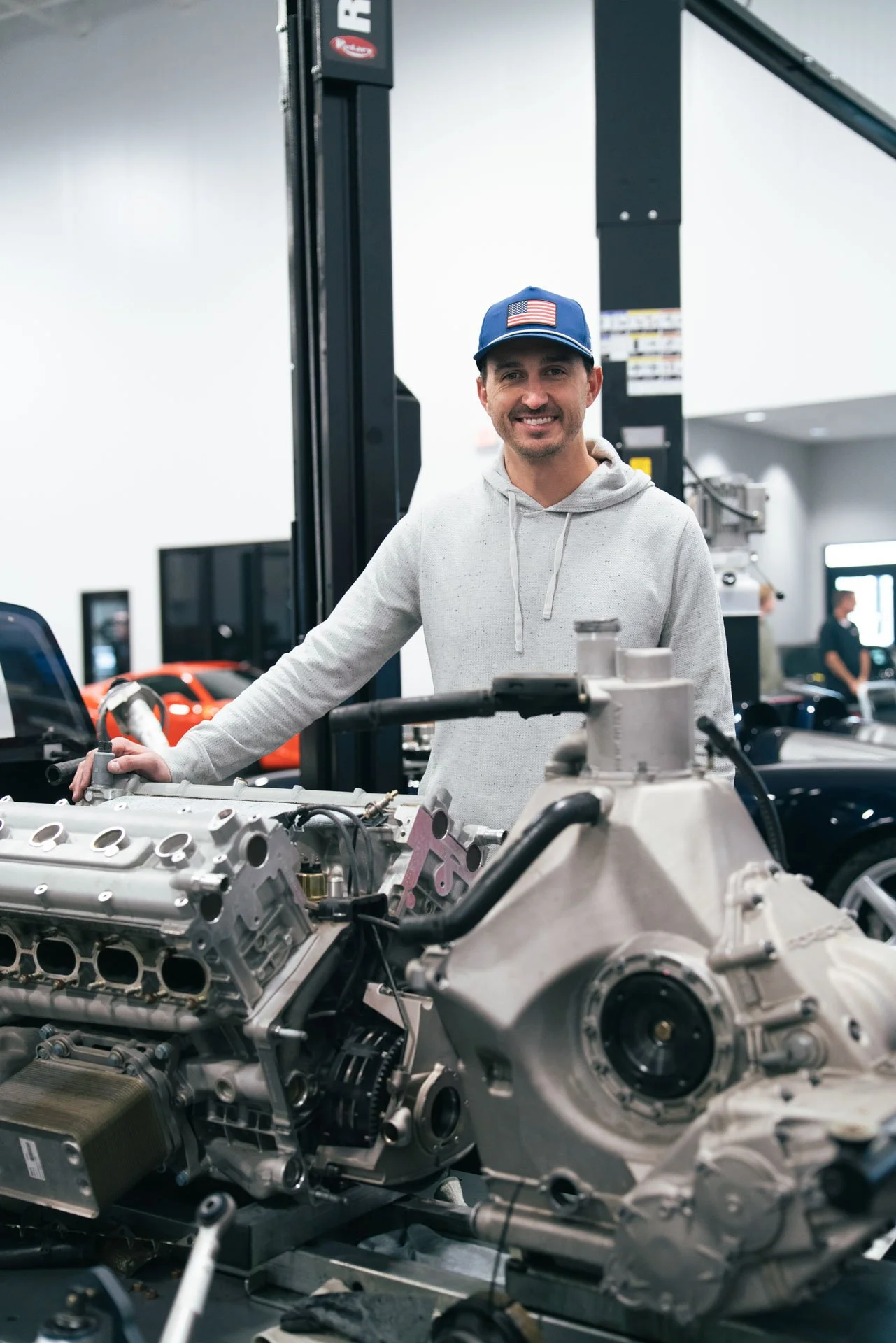
At the time, he was on the cusp of a new IndyCar season — commitments building, the calendar tightening — while also shaping Graham Rahal Performance (GRP) into something special.
He wanted the road. He wanted the experience. He was in road trip mode, which tells you everything about his immersive approach to anything automotive.
CARRERA GT: A CAR WITHOUT FILTERS
You cannot improve perfection. By definition, you cannot do better than the best. There is no summit beyond the peak. No refinement past complete.
To many, the Porsche Carrera GT is as close to perfection as the automobile has come. Not because it is the fastest, rarest, or the most valuable, but because it represents the last moment when engineering obsession was allowed to run without restraint, and those engineers liked race cars.
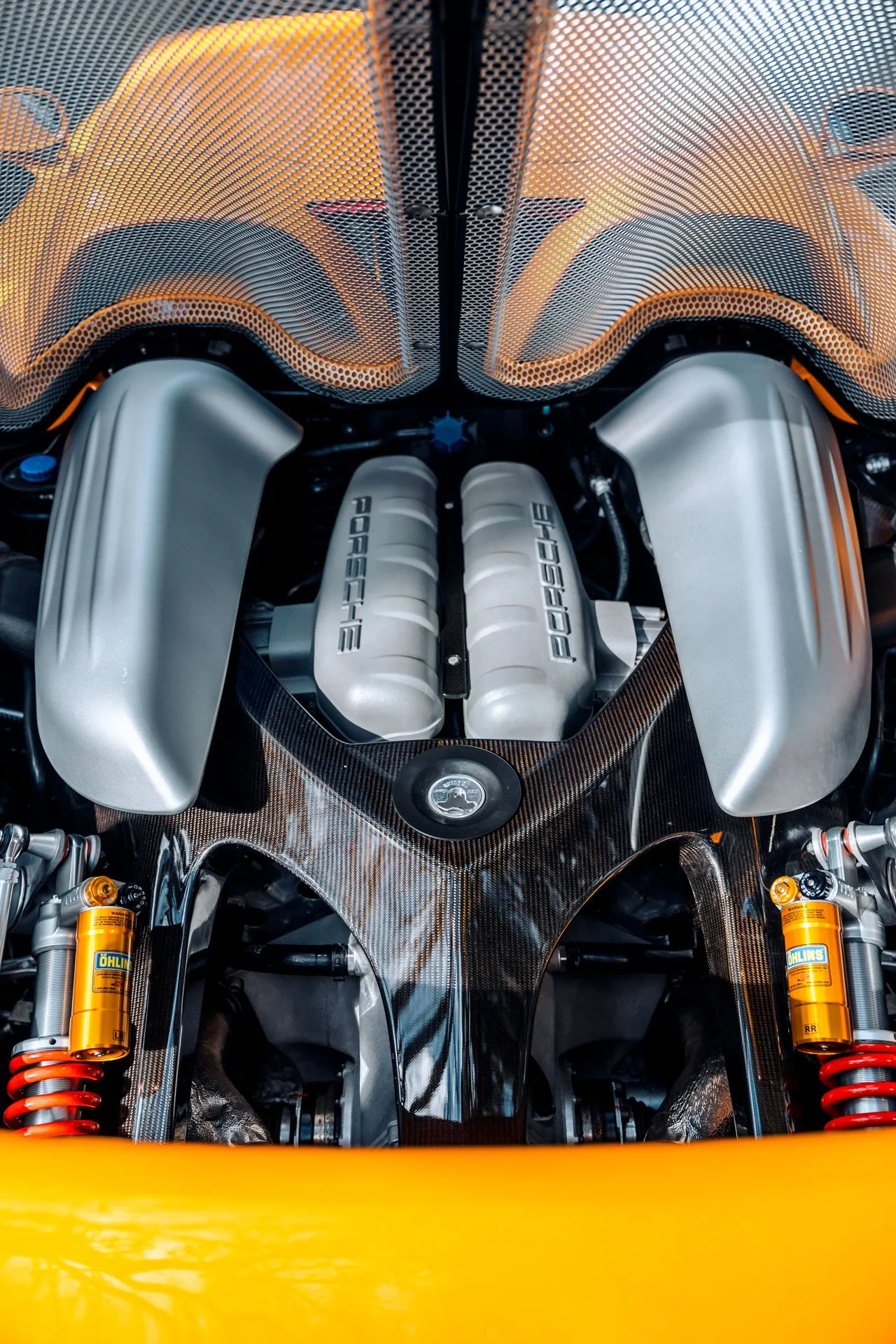
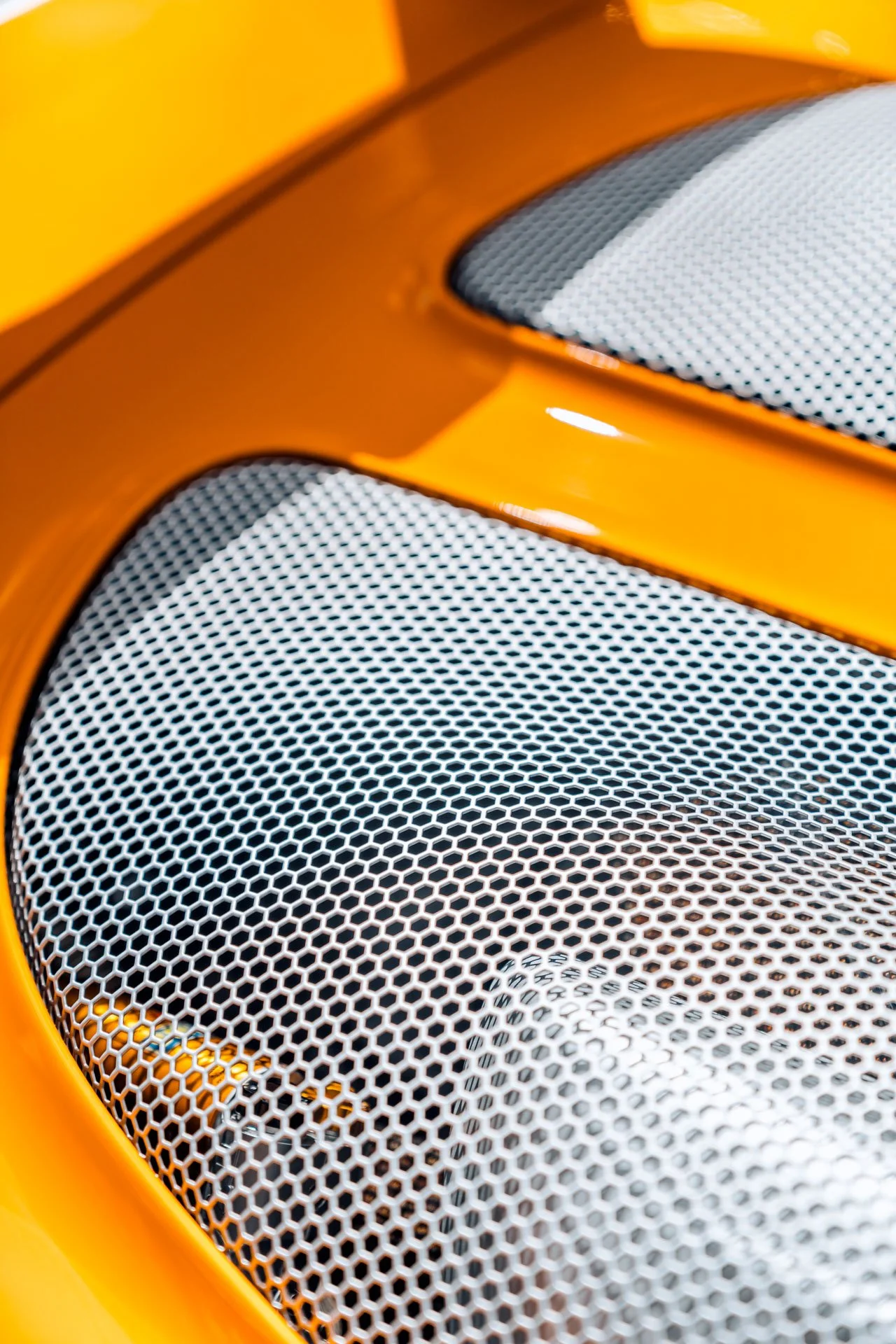
Ten hammering cylinders in a race engine are relegated to the road. A sleek body neatly wrapped in hand-laid carbon fiber.
A powerplant conceived for endurance and Formula 1 ambitions, which, due to changes in racing regulations, never came to fruition. The pivot was to produce an extraordinary car that, almost accidentally, left a lasting mark on the world. Porsche’s passion for winning the world’s most prestigious races was channeled into building the engine, and once it was born, it was recognized as too special to hide away in a prototype vault. Instead, Porsche’s internal project Type 980 was born.
Roughly 1,270 were built. Today, the Carrera GT lives in the pantheon of hypercars not as a benchmark — but as something apart. A car built by racers for drivers. A machine unfiltered by committees and unsoftened by modern mechanical and safety mandates. Some might even argue that sanity was overlooked.
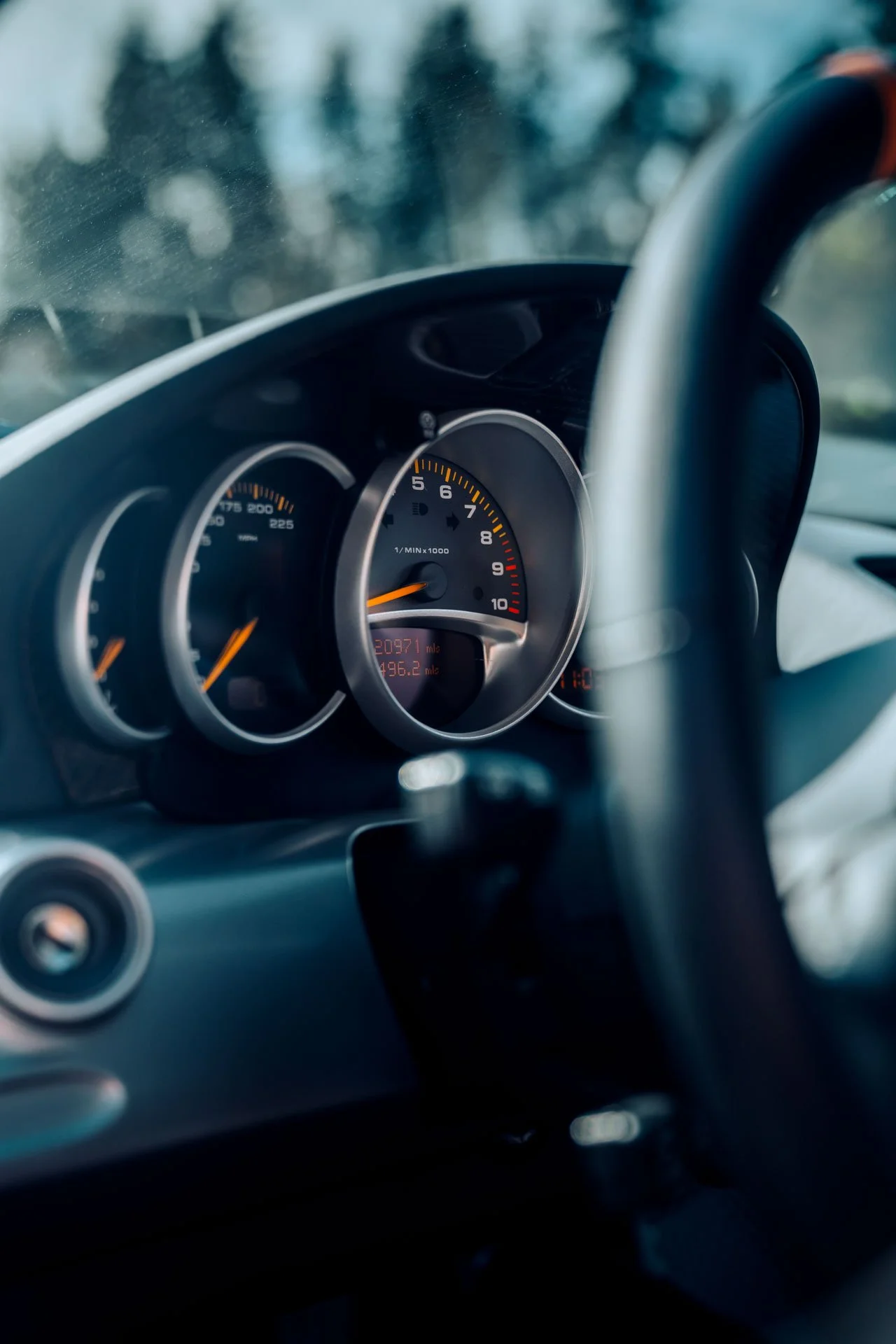
The soul of the Carrera GT was engineered for Le Mans and Formula 1. The V10 began life displacing 5.5 liters before being raised to 5.7 liters for production, cresting over 600 horsepower, running a lofty 12:1 compression ratio, and delivering 3.5-second 0 to 60s. The V10’s redline teases 8,000 rpm with the howling engine mere inches from the driver.
But numbers are not why the Carrera GT matters.
The throttle is immediate. The car’s response borders on brutality. The clutch requires intent. The six-speed manual has the notch of a racecar. There are no driver aids to rescue ambition or stupidity. But if you can manage the mechanics, the reward is unfathomable to those who have not experienced it. It is automotive Zen.
A STATEMENT FORGED IN CARBON
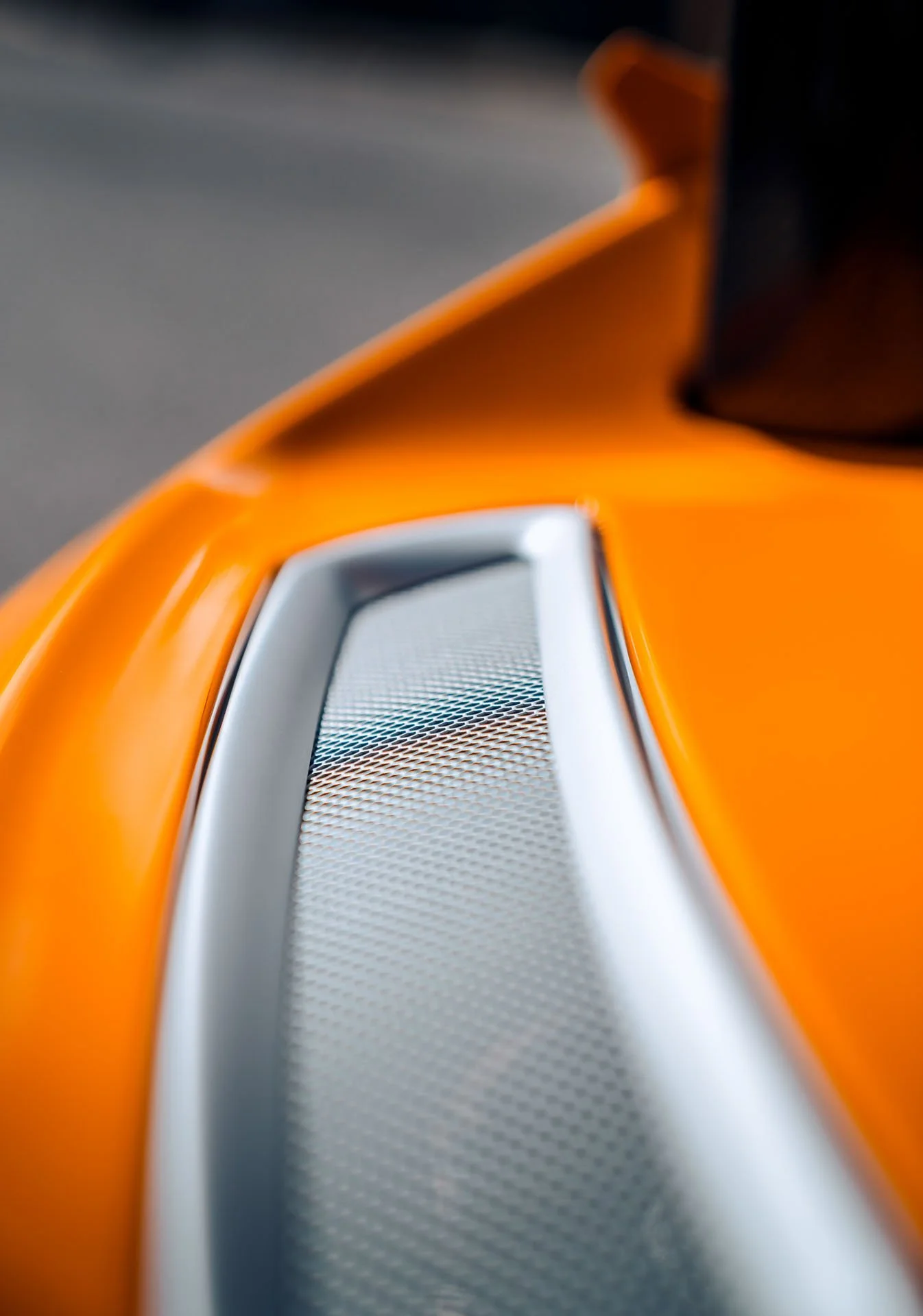
In the early 2000s, carbon fiber was still exotic— still military, aerospace, and motorsport. With the Carrera GT, Porsche brought carbon fiber to a production car with a seriousness that bordered on defiance. Carbon monocoque, carbon substructures. The curves and edges harkened back to the coachbuilders who created the backbone of Porsche. The choice was not cosmetic. It was structural and philosophical, representing everything the car would stand for.
The Carrera GT left the factory, embodying decades of relentless iteration. Fifty-five years of seeking improvement distilled into a car stripped of distractions. No wasted space or detail too small. Nothing left unexplored in the pursuit of optimization.
In a world now filled with drive modes, configurable exhaust notes, adjustable everything, the Carrera GT is stark. There is the driver. There is the machine. There is the road.
GRAHAM RAHAL PERFORMANCE’S MAGIC TOUCH
The Carrera GT’s philosophy doesn’t stay on the road. It carries into Graham Rahal Performance — where the challenge is not building something new, but knowing how far you can go without changing what already works.
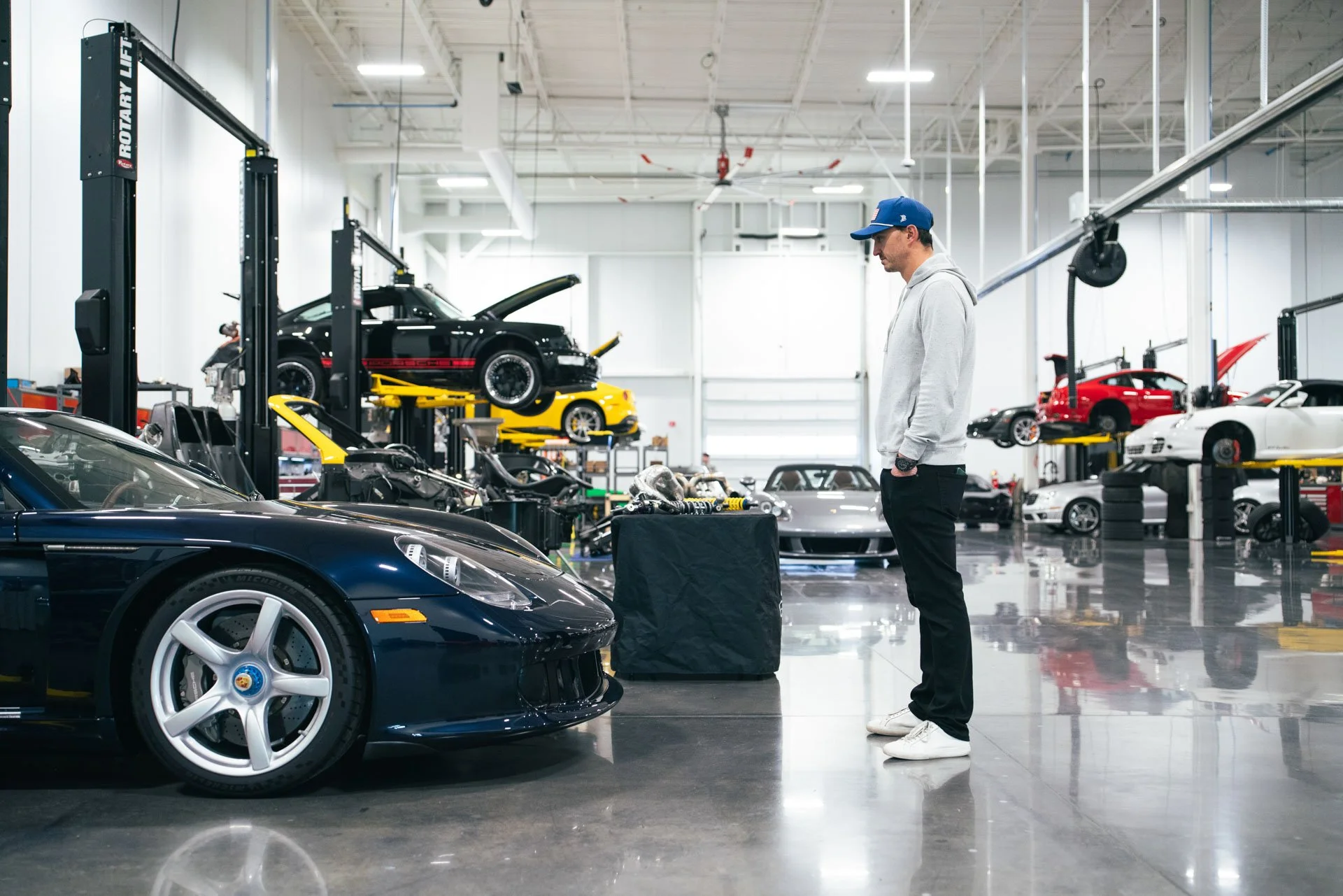
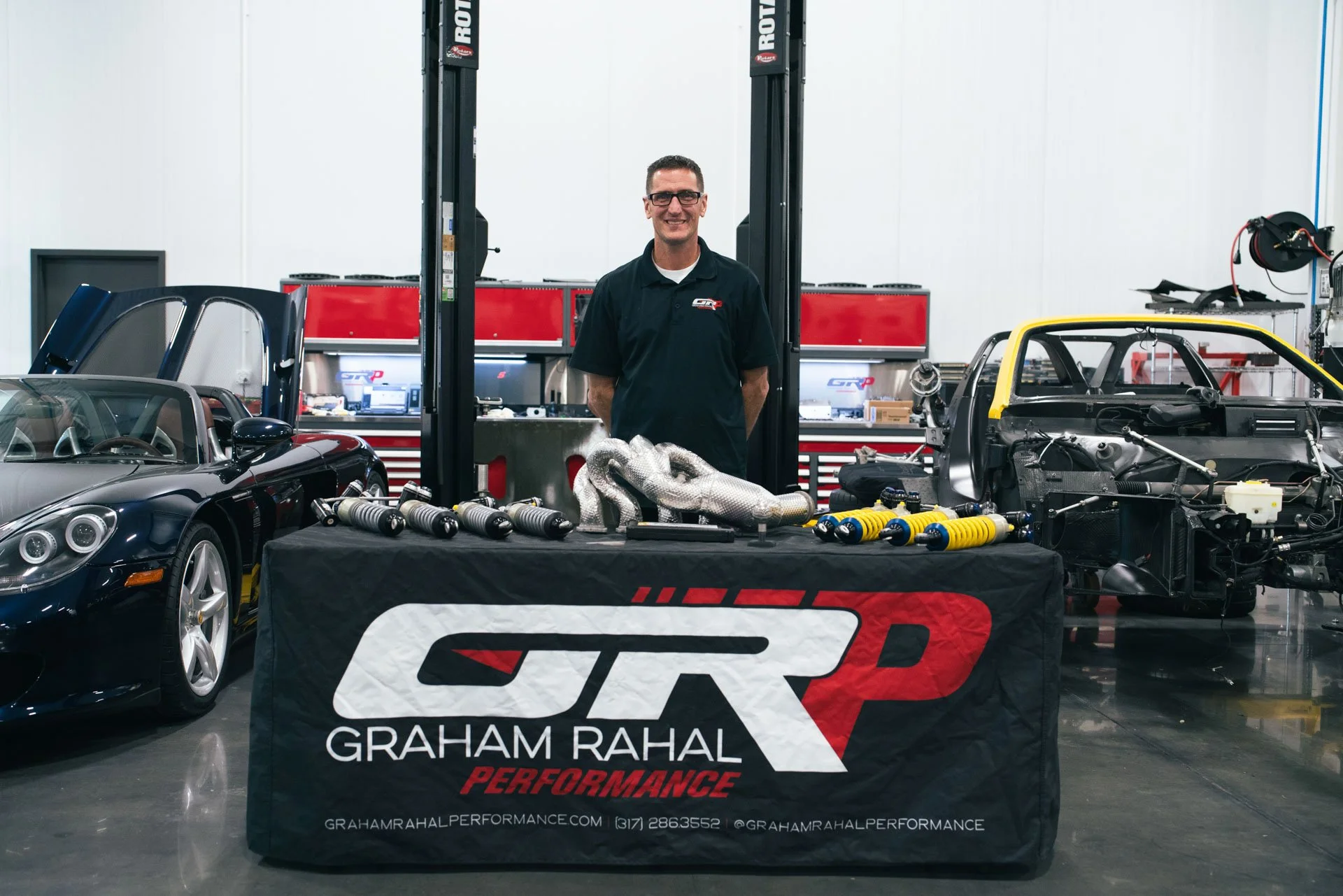
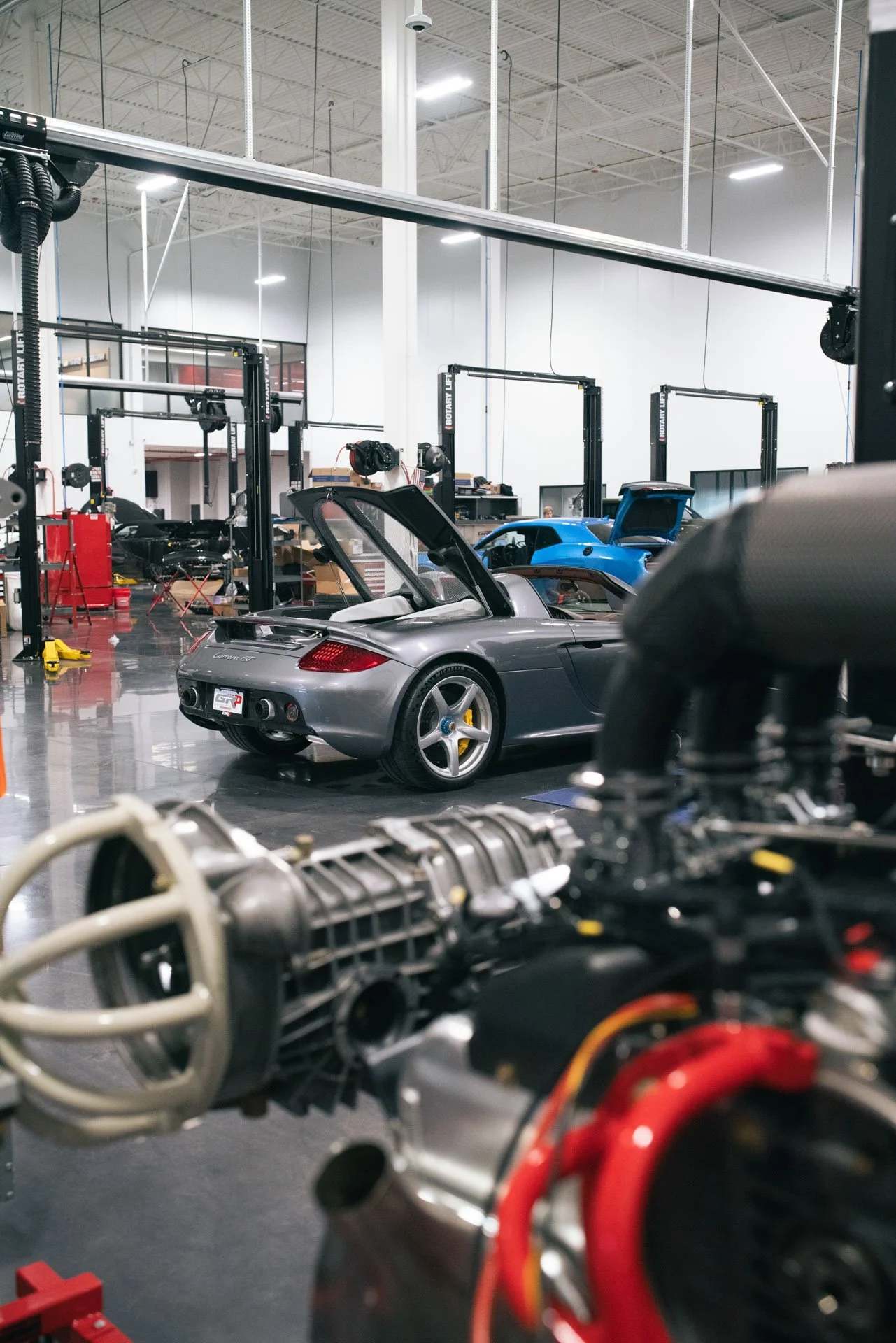
GRP is not a restoration shop. Not a rehab facility. Not a reimagination factory. GRP makes a Carrera GT better without turning it into something that is not a Carrera GT. “If you want to go back to silver, God bless you,” Graham says. “We take each piece of the puzzle and start from ground zero.”
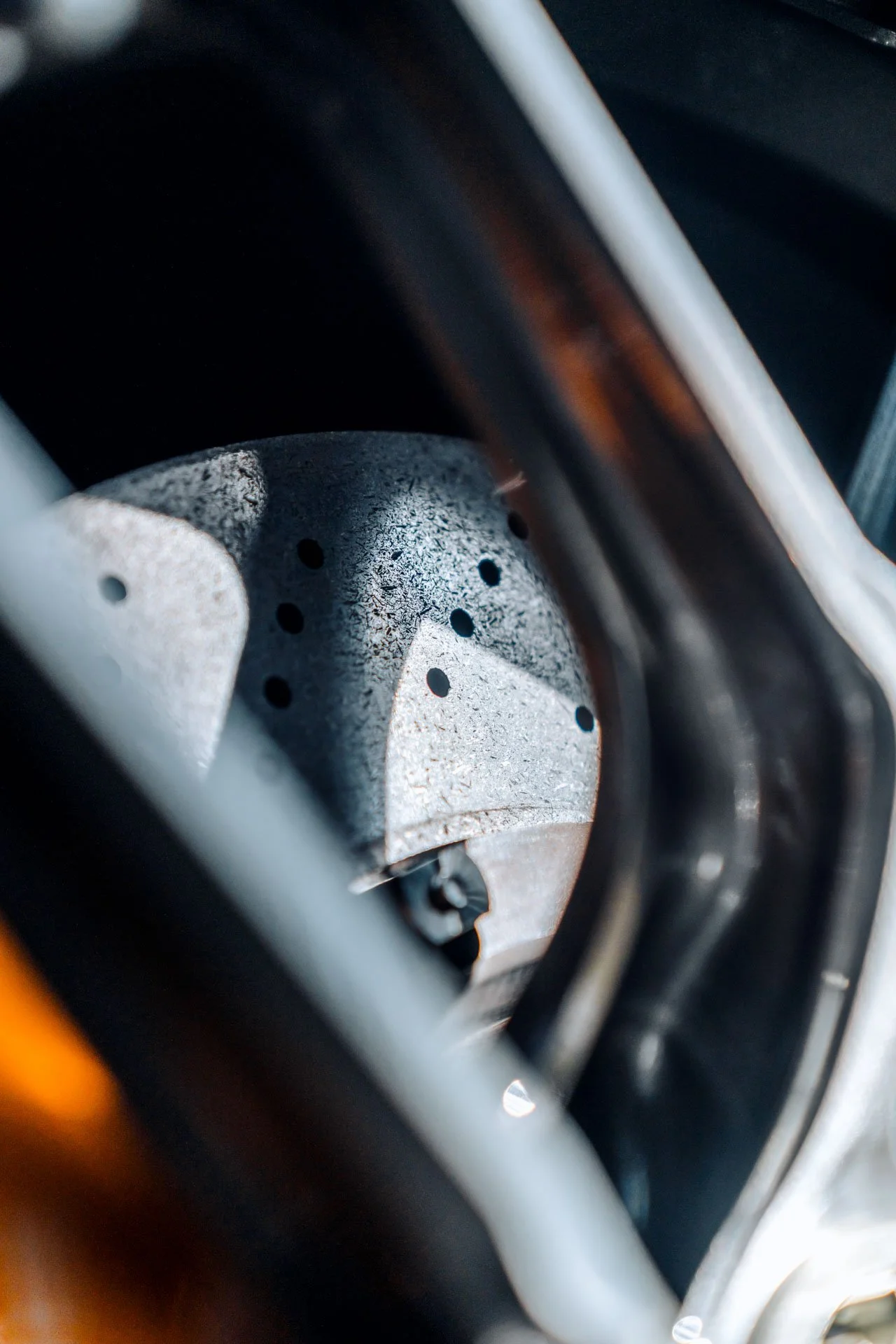
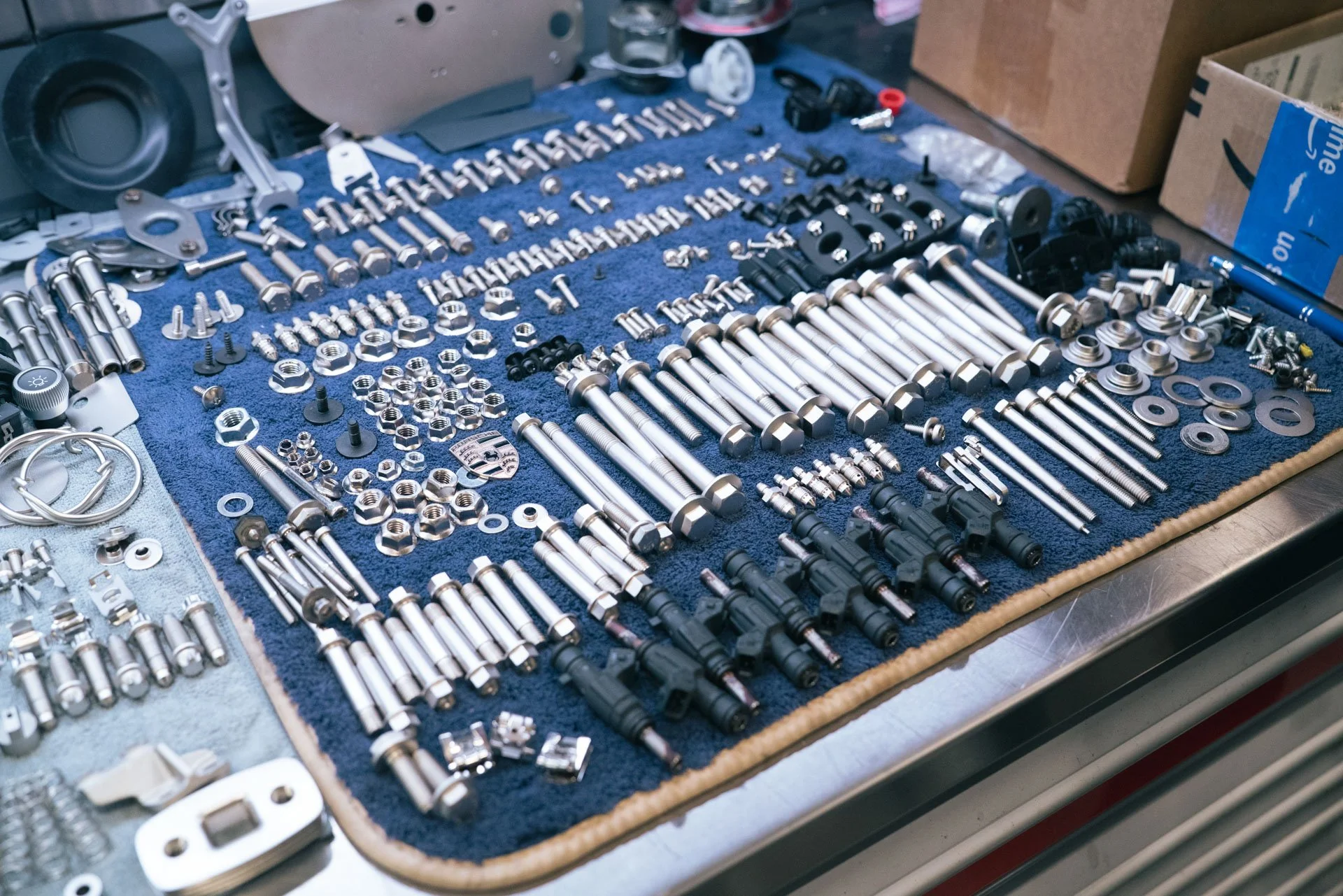
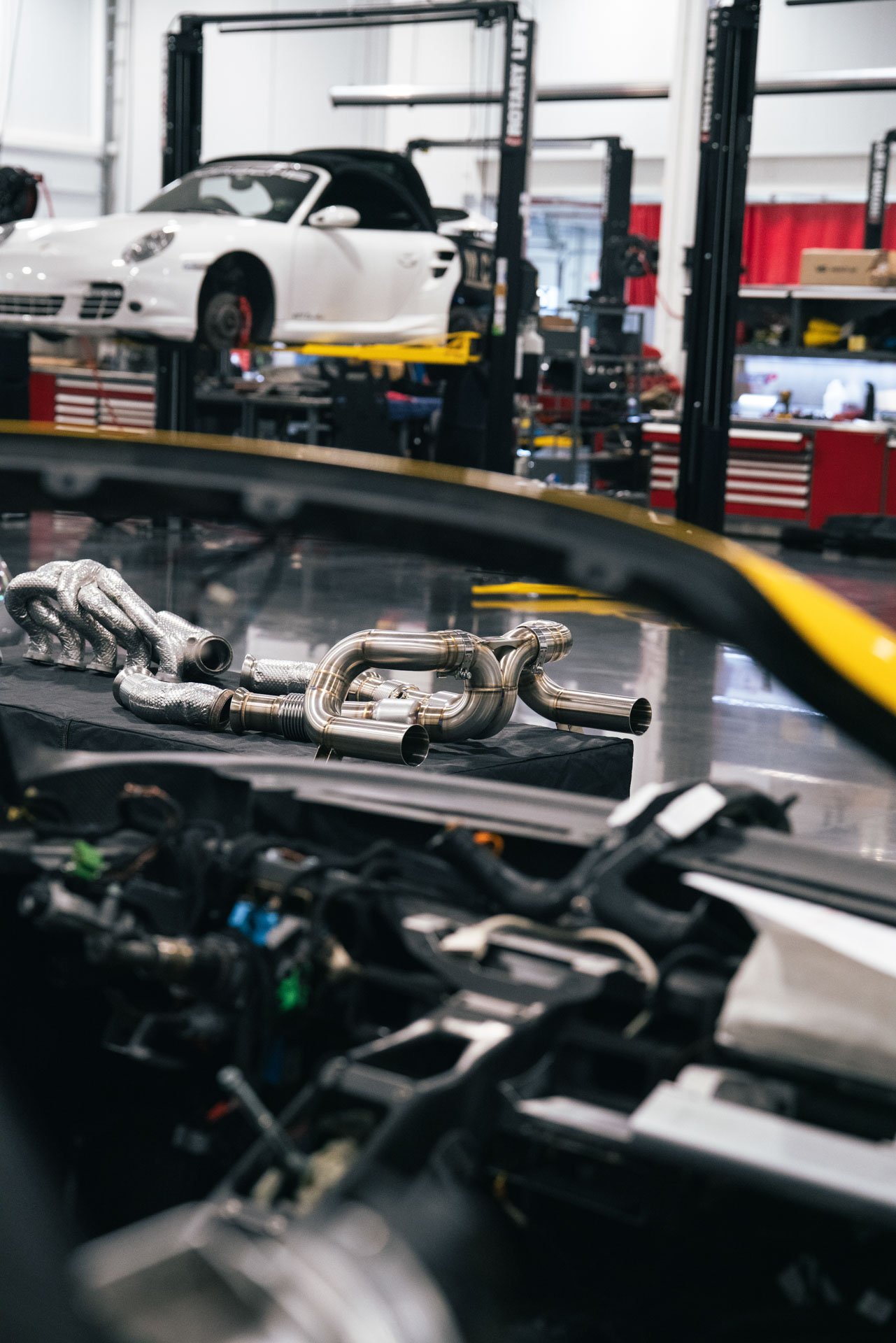
Whether you bring GRP a 100-point car or a totaled shell, the outcome is the same. Complete disassembly down to the tub. Engine out. Suspension removed. Interior stripped. Every system inspected and reworked.
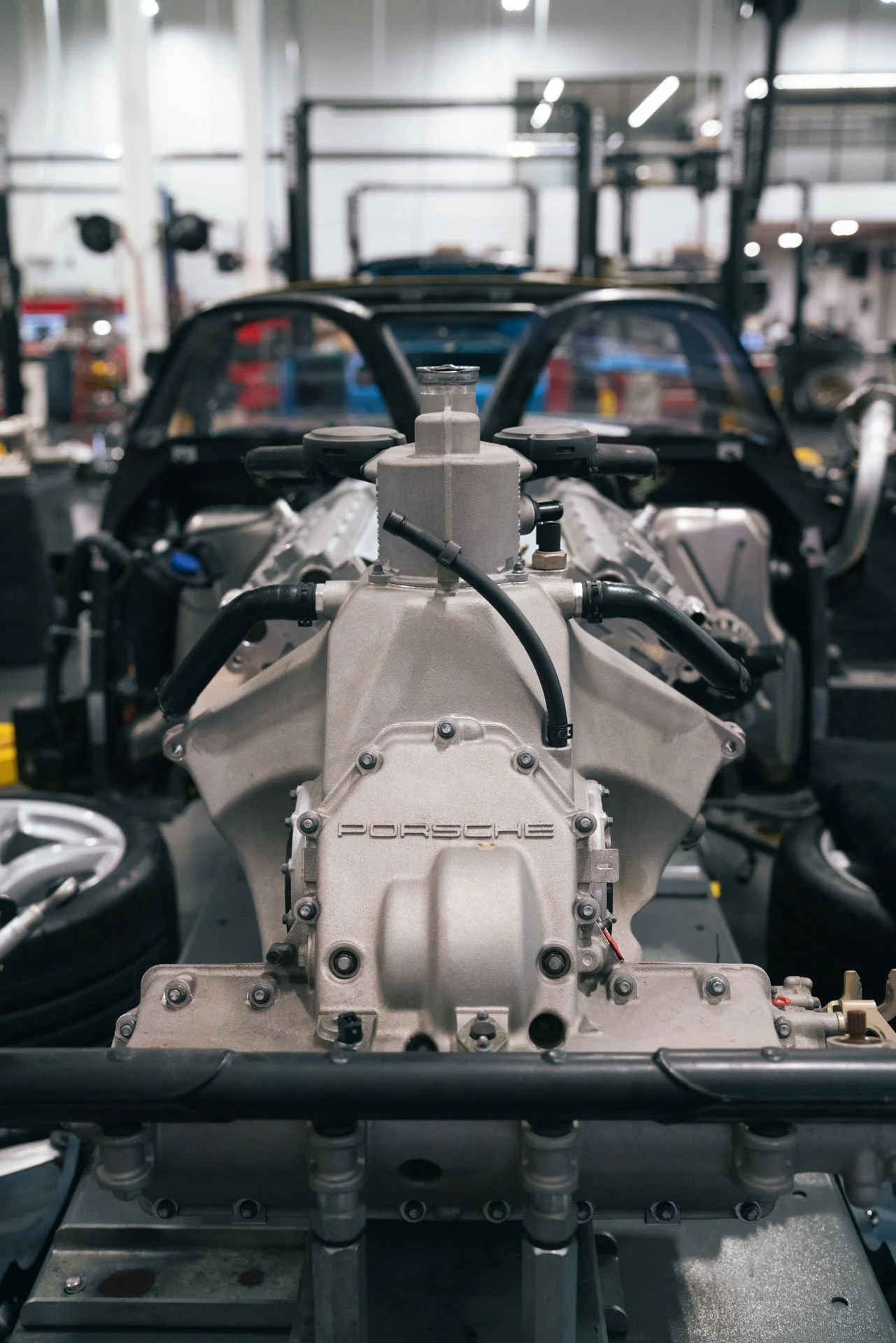
Not from a “while you’re in there” approach. From top to bottom. It is a level of intervention that could easily become something else —if left unchecked. “I don’t want to disrupt the Carrera GT world,” Graham says. “I want to add to it.”
The fixed build price — $375,000 — re-inforces that intent, allowing the owner and GRP to complete the car to a dream specification without compromise or mid-stream negotiation. It is a commitment. A line drawn before the first bolt is removed.
“One hundred percent of the cars we have completed are actively being driven,” Graham says. “I love that aspect.” That commitment matters — because the Carrera GT was never meant to sit still. Eighteen years in IndyCar shapes this approach. Precision, process, and accountability carry over directly — different environment, same expectations.
CHRIS WALTERS’ CARRERA GT
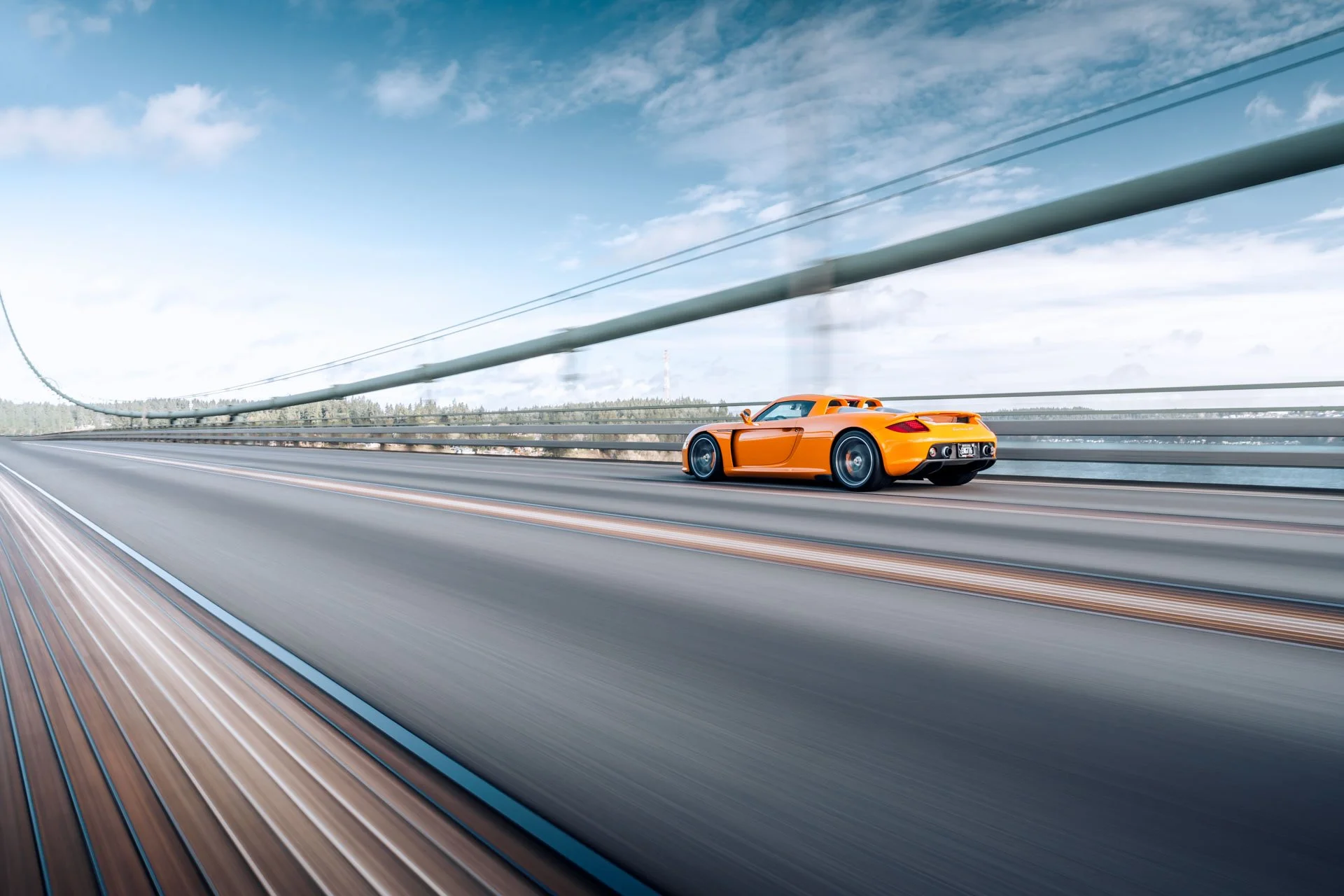
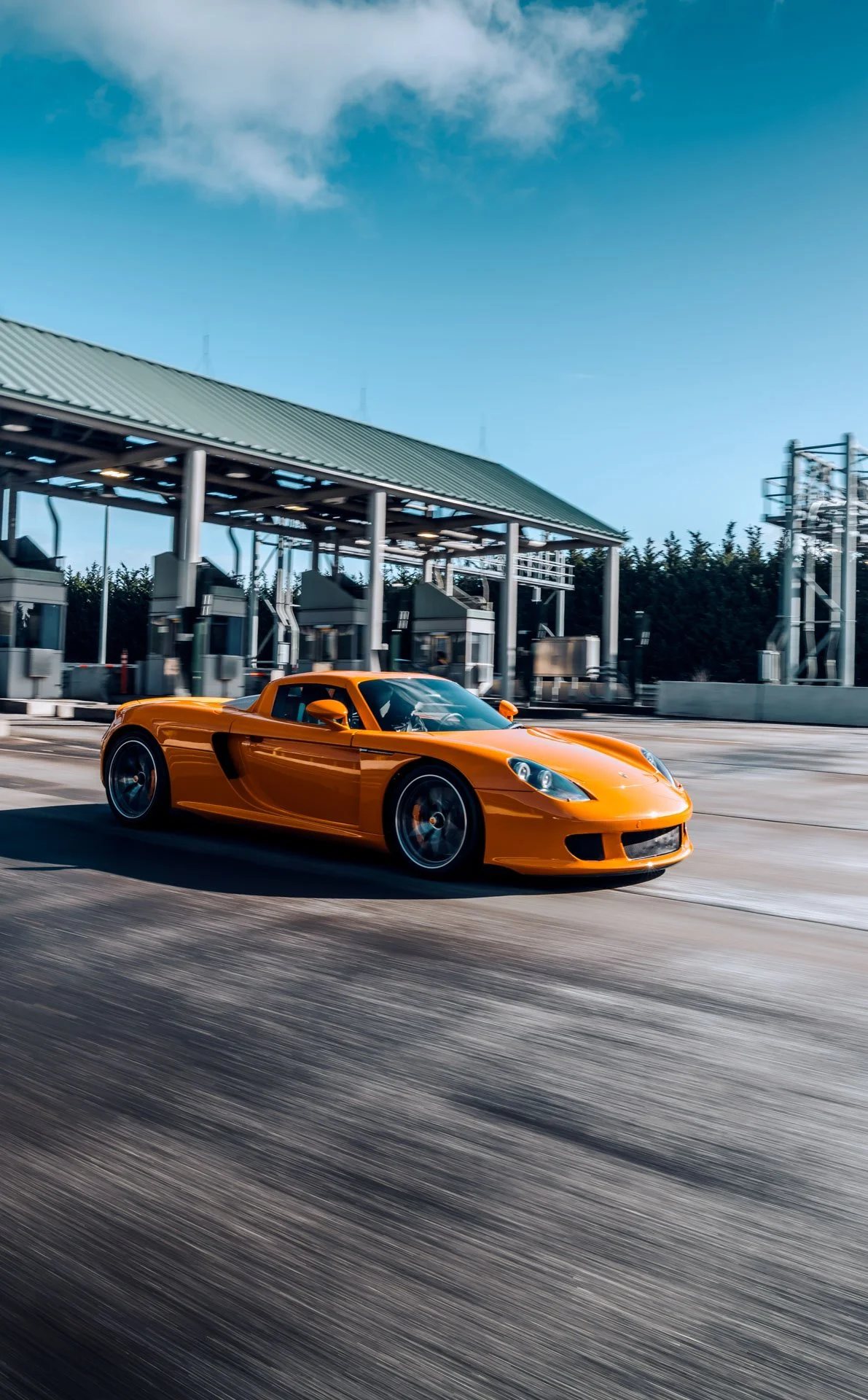
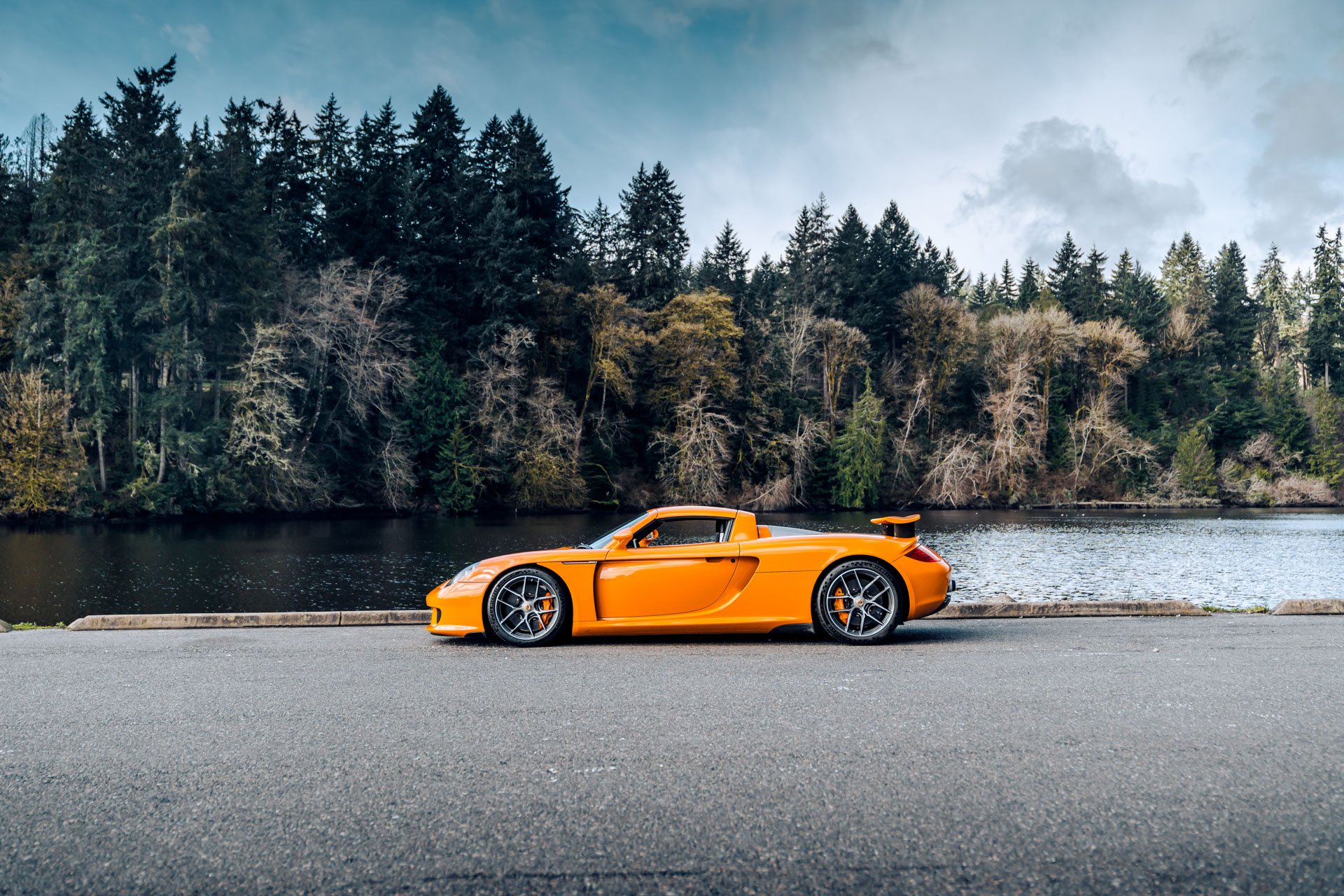
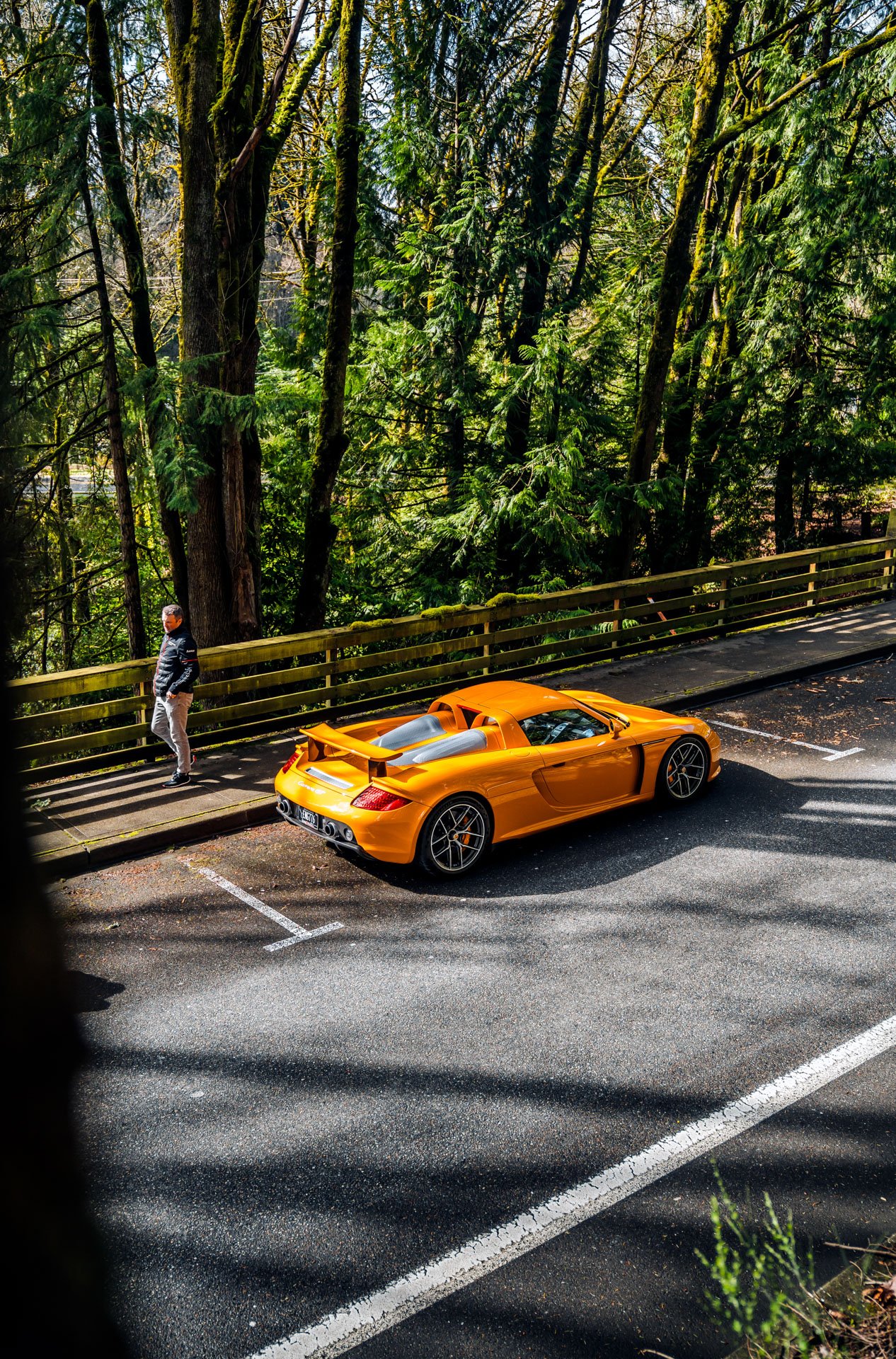
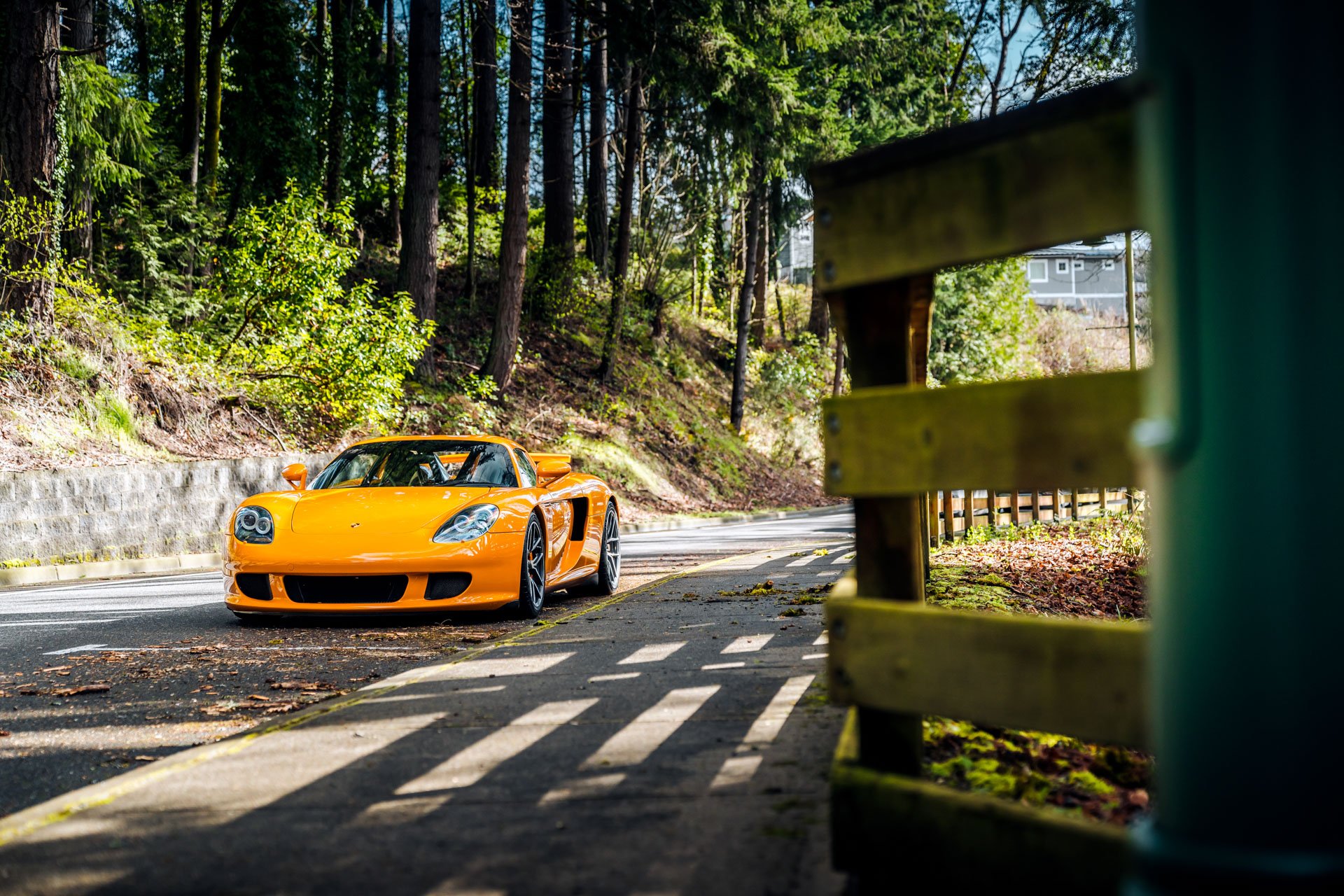
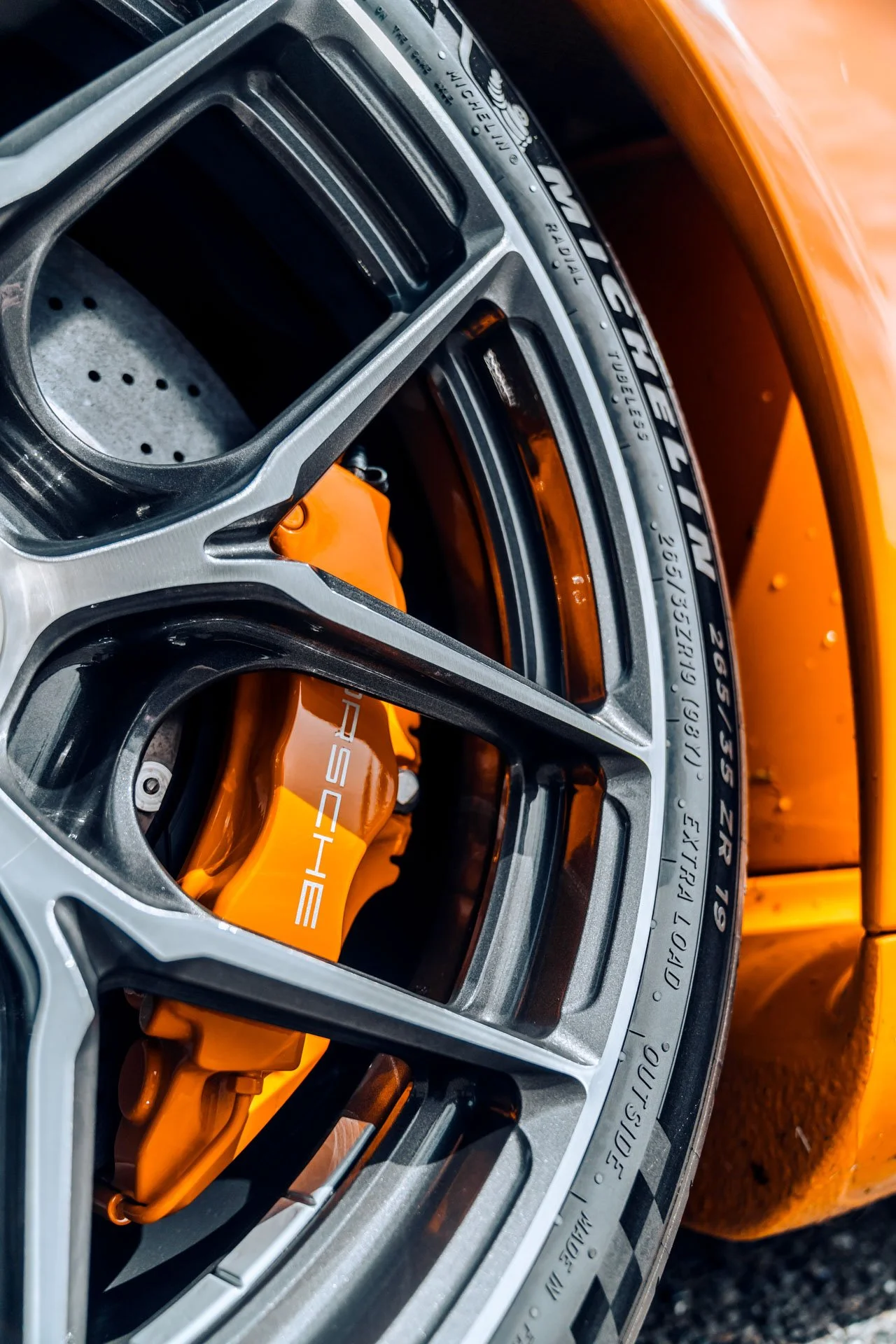
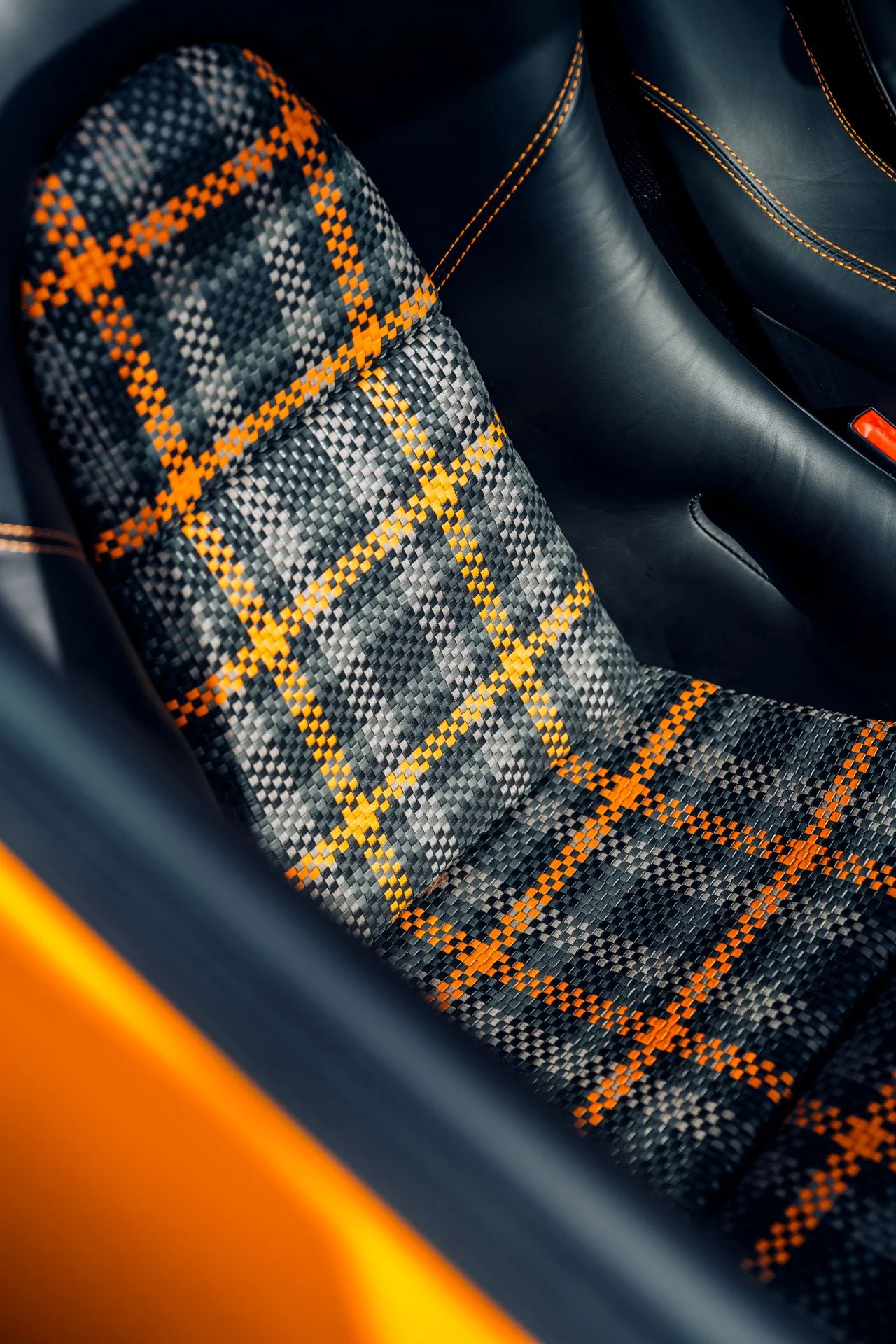
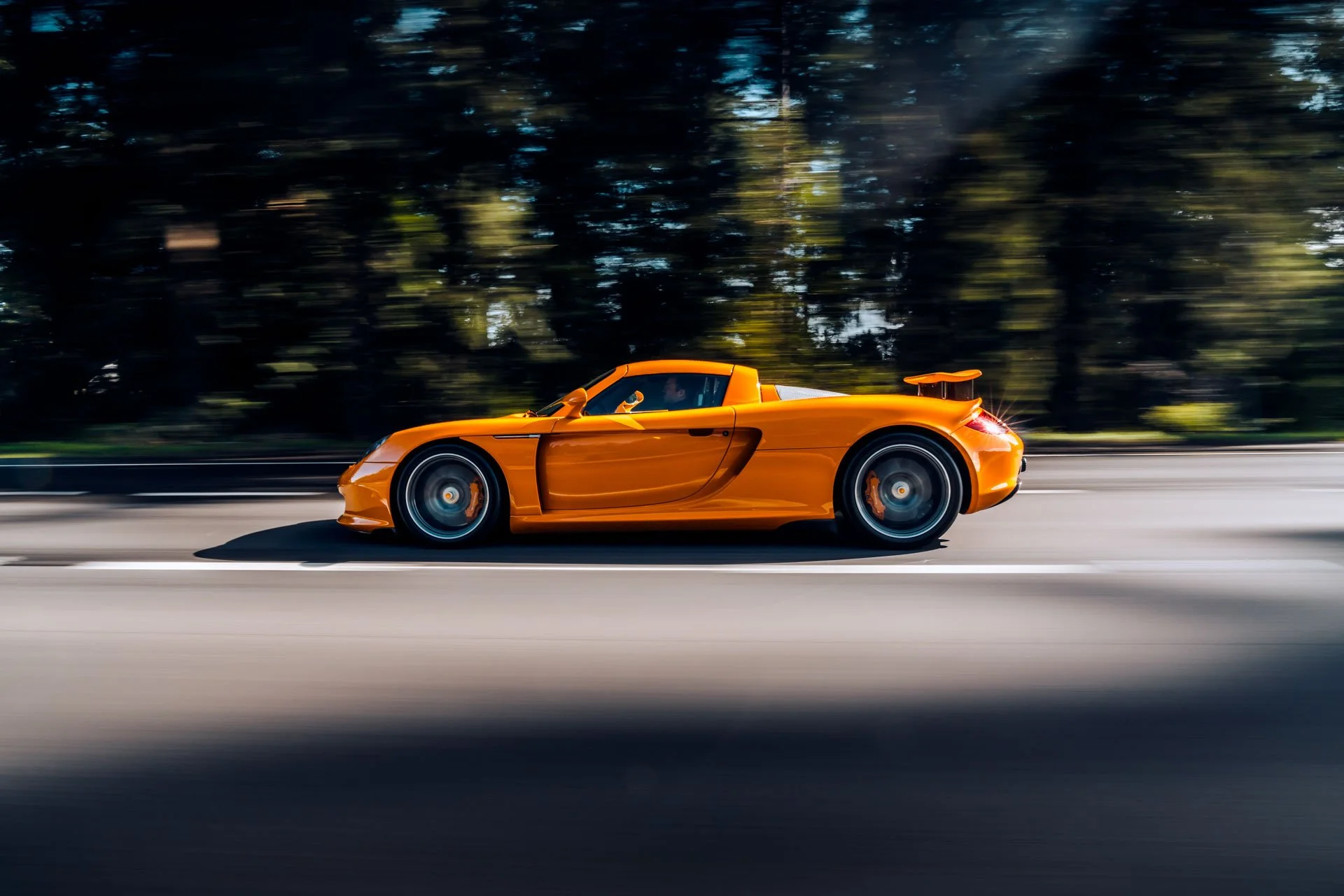
For Avants member Chris Walters, the GRP process became personal. Signal Orange was never a factory option on the Carrera GT. Since first appearing in 1970, the hue has been considered bold within Porsche’s Rennbow. Refinishing Chris’ Carrera GT in this shade was a statement. On the tarmac, the car commands attention before it even moves. Driving it reveals the intent behind the work.
The fitted and tuned KW suspension gives the Carrera GT a race car’s composure through corners. As Chris guides the car into a sweeping left, his inputs translate without delay. Steering is immediate. The chassis loads and holds. There is no electronic intervention to smooth the experience. Just rubber, geometry, and grip.
Exit control requires finesse. But handled properly, the car is planted as Chris rolls onto the throttle.
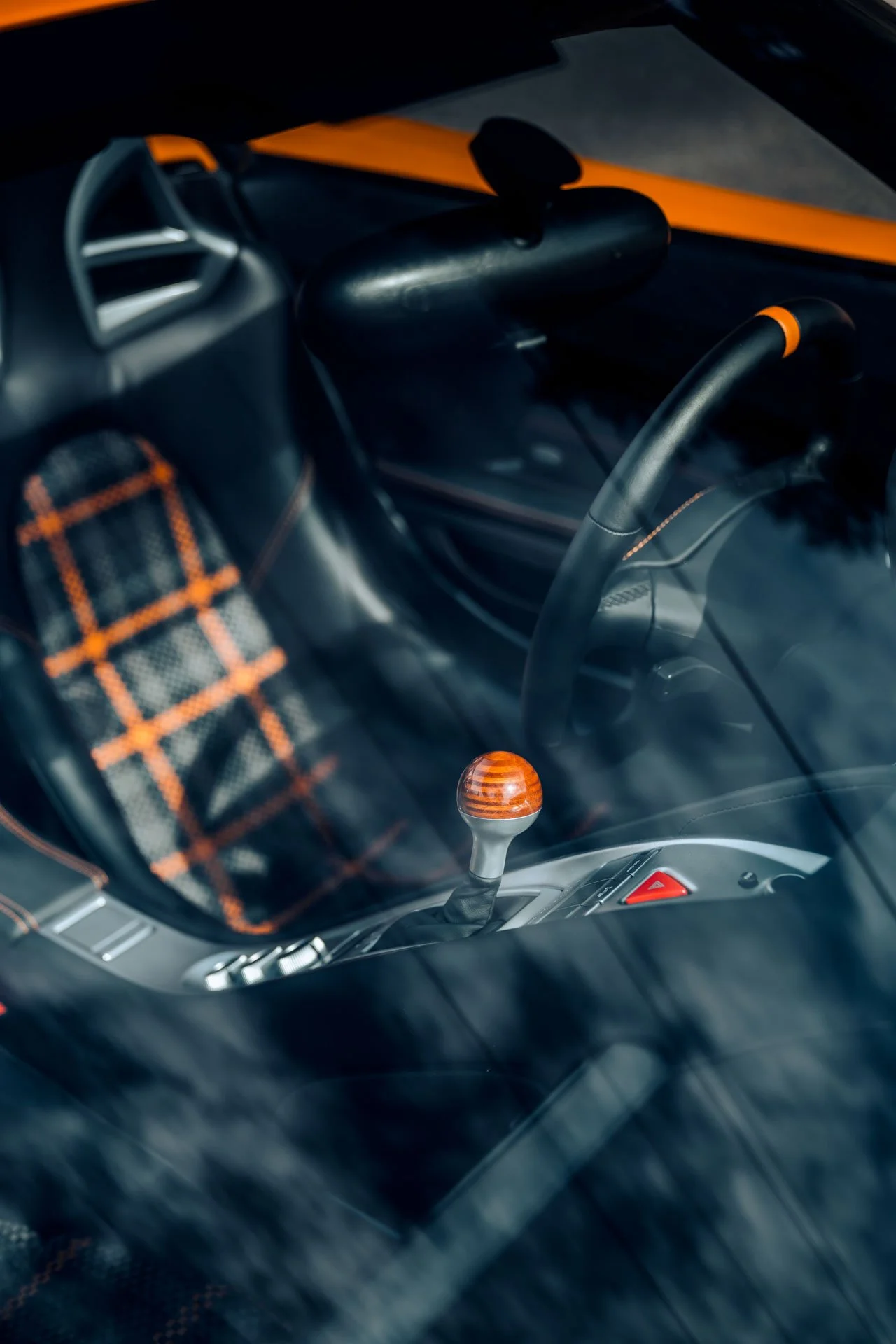
The shifter, with a laminated beechwood knob, is an easy reach immediately to the right of the steering wheel. It rows through the gearbox with minimal movement. The clutch engagement is crisp. The engine climbs. The noise builds. The experience is immersive — and, at times, chaotic.
Some cars feel overworked. Precious. Removed from their original purpose. What GRP does balances reverence with usability. They have not reimagined the Carrera GT. They have restored its intention, sharpened its resolve — a distinction that matters.
At the time of writing, seven GRP Carrera GT builds have been completed. Your odds of seeing one on a back road and hearing the V10 climb toward 8,000rpm have increased.
For Graham, that is the point. Some cars are collected, fastidiously protected by their owners. The Carrera GT was built to be driven, and Graham Rahal and his GRP crew ensure it still is.

