
Jaw-Dropper
Porsche 918 Spyder Weissach
STORY | STEIN BROEDER
PHOTOGRAPHY | GOODING & COMPANY & BRIAN HENNIKER
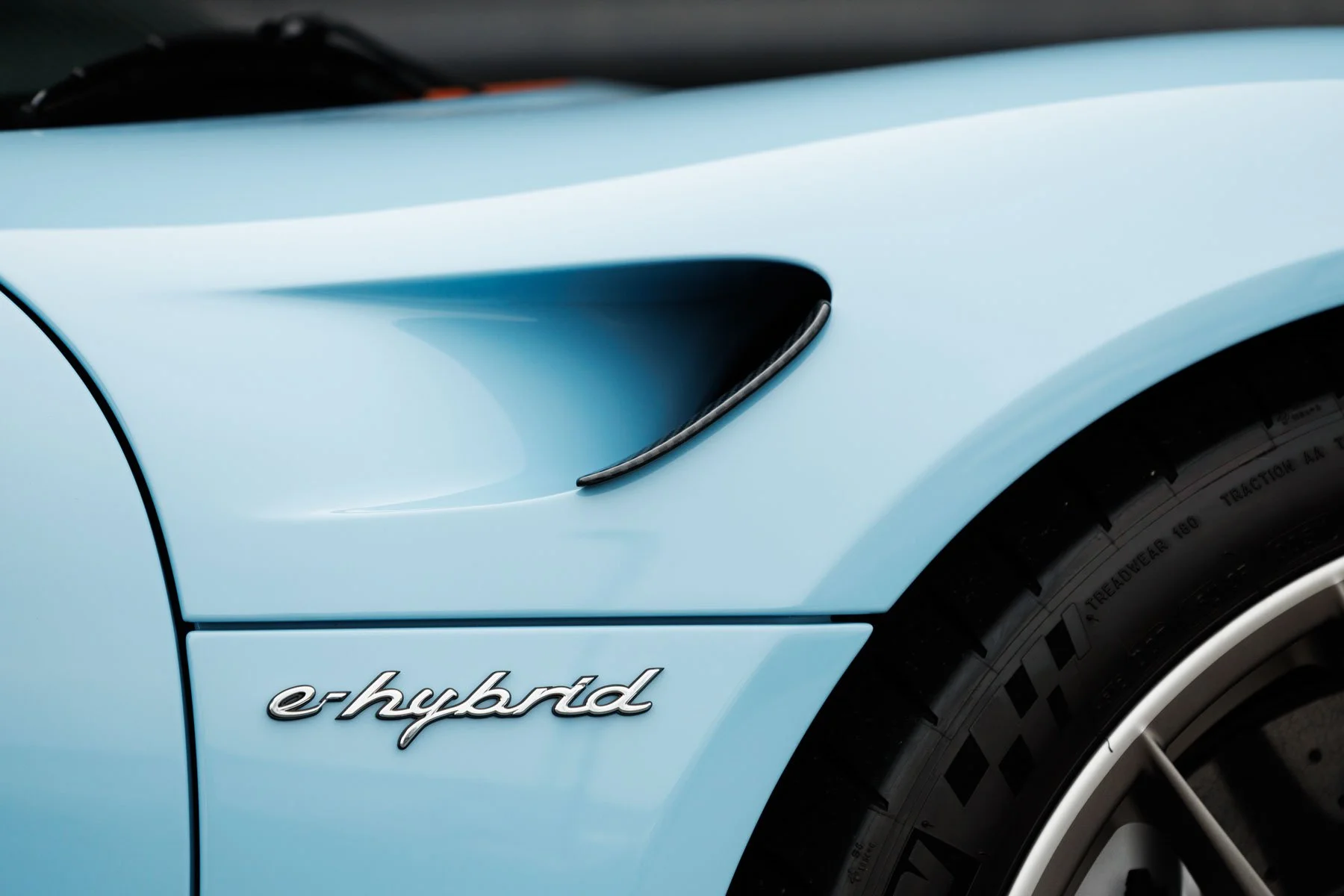
The Porsche 918 Spyder is a true mechanical marvel. It holds the distinction of being the world’s first hybrid hypercar and stands as a testament to everything we have come to expect from a Porsche — engineering excellence, performance, and innovation.
As well as the occasional jaw-drop.
From a 2010 concept car to the production line in 2013, the 918 Spyder was an instant success, immediately selling out the initial run of cars with most being offered to the company’s best and most loyal customers. True to form, Porsche also built an upgraded version called the Weissach, named after the town in which Porsche’s research and development center is located. Of 918 total Spyders built, 230 included the distinguished Weissach designation.
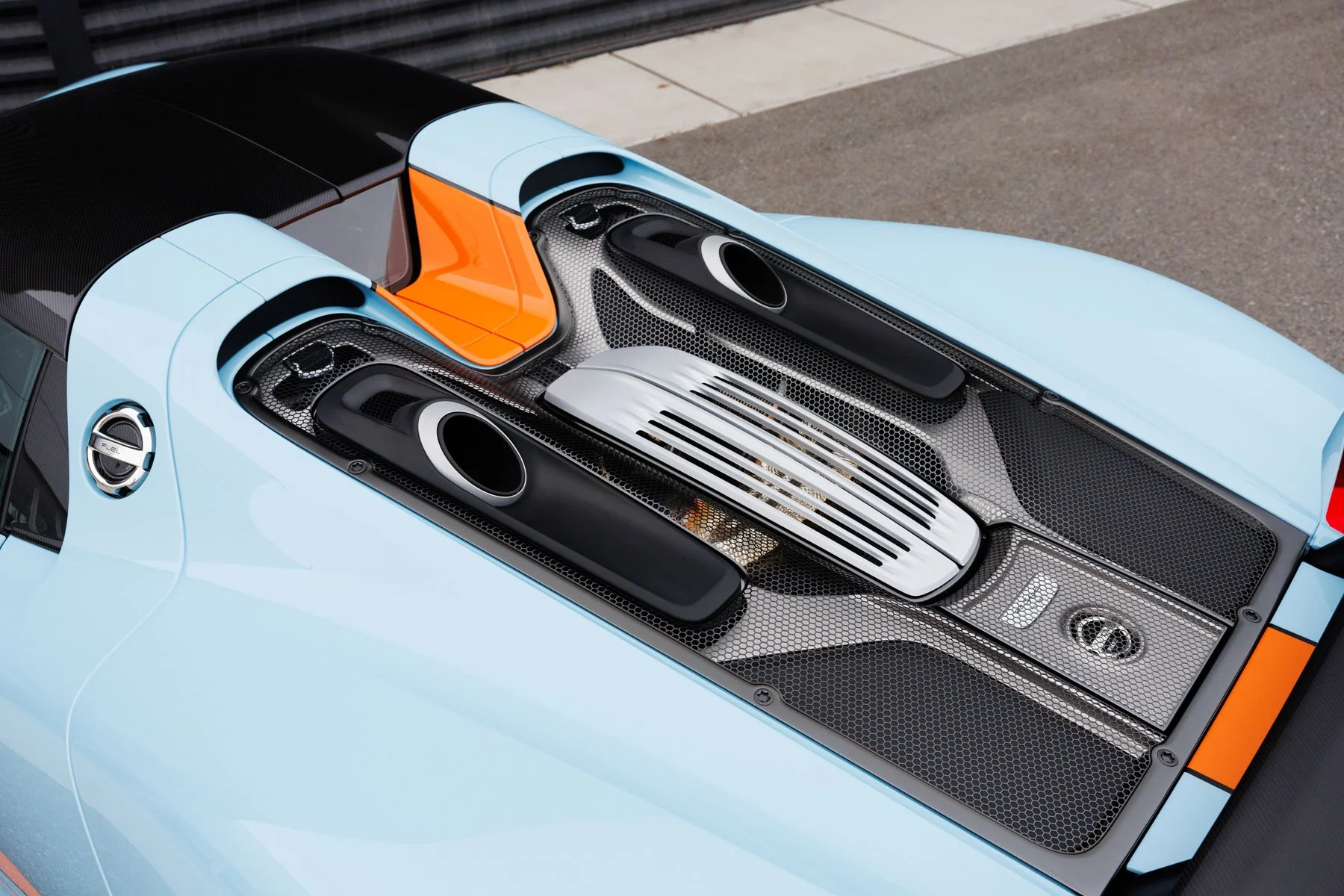
The 918 Spyder’s hybrid powertrain combines a naturally aspirated 4.6-liter V8 engine with two electric motors. The mid-mounted V8 churns out 608 horsepower on its own, revving up to an impressive 8,700 rpm. But that’s not all—when combined with the electric motors, the total output skyrockets to a mind-boggling 887 horsepower. The result? A blistering 0 to 60 mph sprint in just 2.5 seconds. This powerplant is mated to a lightning-fast seven-speed PDK dual-clutch transmission.
The monocoque is crafted from carbon fiber reinforced polymer (CFRP), ensuring rigidity while keeping weight in check. Aerodynamics also plays a pivotal role. The rear wing adjusts its angle to optimize downforce or reduce drag, depending on driving conditions. The flat underbody channels air efficiently, enhancing stability at high speeds.
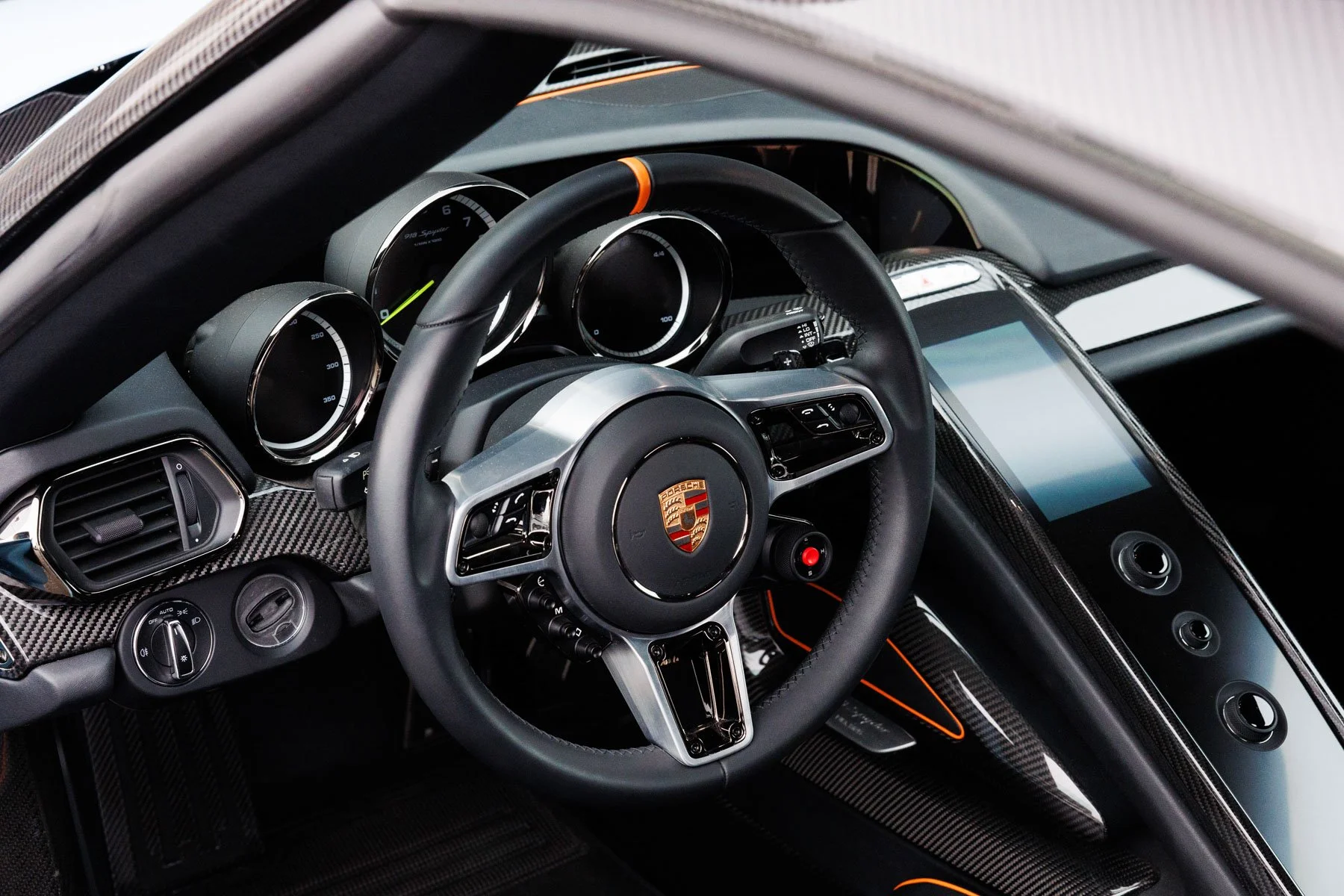
The Weissach package, an $84,000 option in the U.S., not only adds performance, it also shaves off 90 pounds to bring the total weight of the hypercar to 3,602 pounds. Lightweight magnesium wheels reduce unsprung mass, improving handling and acceleration. Ceramic wheel bearings reduce friction and enhance durability, allowing the 918 to carve corners with surgical precision. The chassis is held together by titanium bolts, further trimming weight while maintaining structural integrity. Carbon-ceramic brakes provide fade-free stopping power, crucial for a car that can hit a top speed of 214 mph.
All these enhancements are great on paper, but can it perform?
In 2013 a 918 Spyder with the Weissach package clocked a six-minute, 57-second lap at the Nürburgring Nordschleife, beating the previous lap record by a whopping 14 seconds and becoming the first street-legal production vehicle to break the seven-minute barrier.
Queue the jaw-drop.
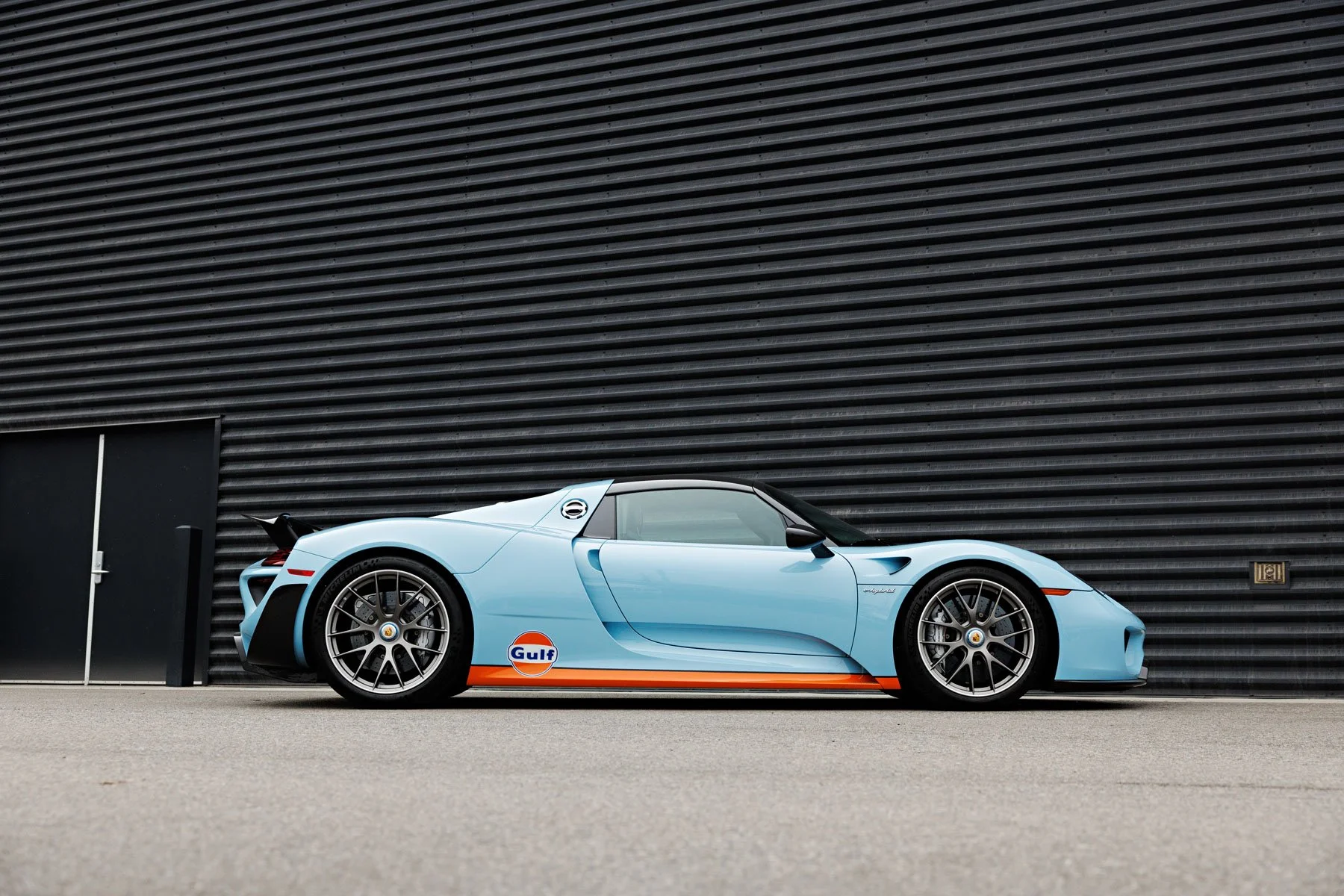
This 918 Spyder Weissach is one of just 28 examples believed allocated for the Canadian market and is one of two cars that were ordered new by the consignor. He requested that Porsche finish them in the iconic Gulf Oil livery that was made famous in the 1960s and 1970s by John Wyer’s eponymous racing team. Porsche initially denied this request – and undoubtedly others like it – since Gulf Oil and Porsche AG no longer had an official partnership.
Not easily deterred, the consignor asked Porsche if they would build the cars to his specification if he could get Gulf Oil’s permission himself, which was begrudgingly agreed to. Perhaps recognizing the extraordinary opportunity to see their legendary livery on the 918, Gulf Oil International and Gulf Oil of Canada were more than happy to comply, and the two cars were completed in late 2015, differentiated from each other by slightly different striping, seat piping, and interior trim.
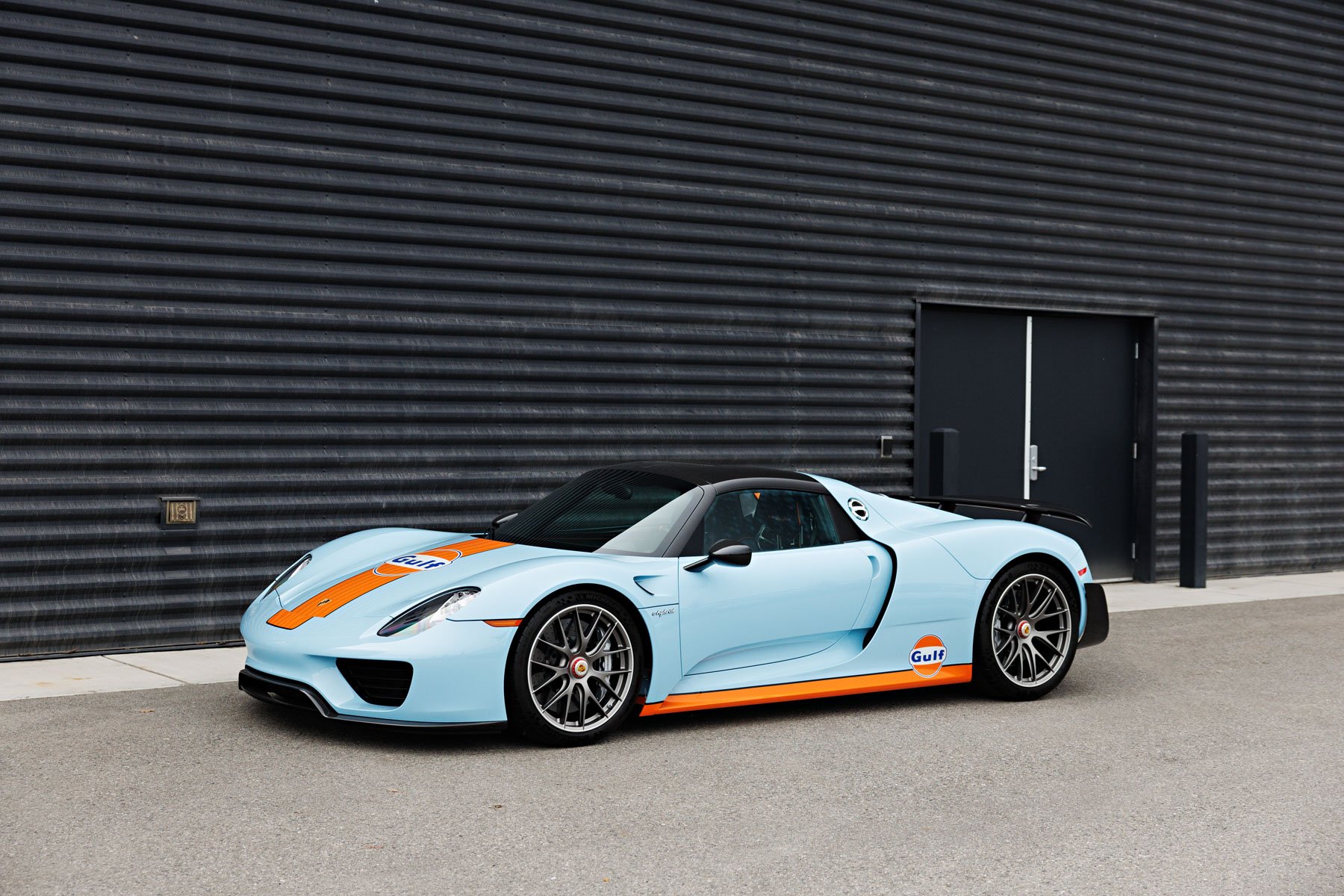
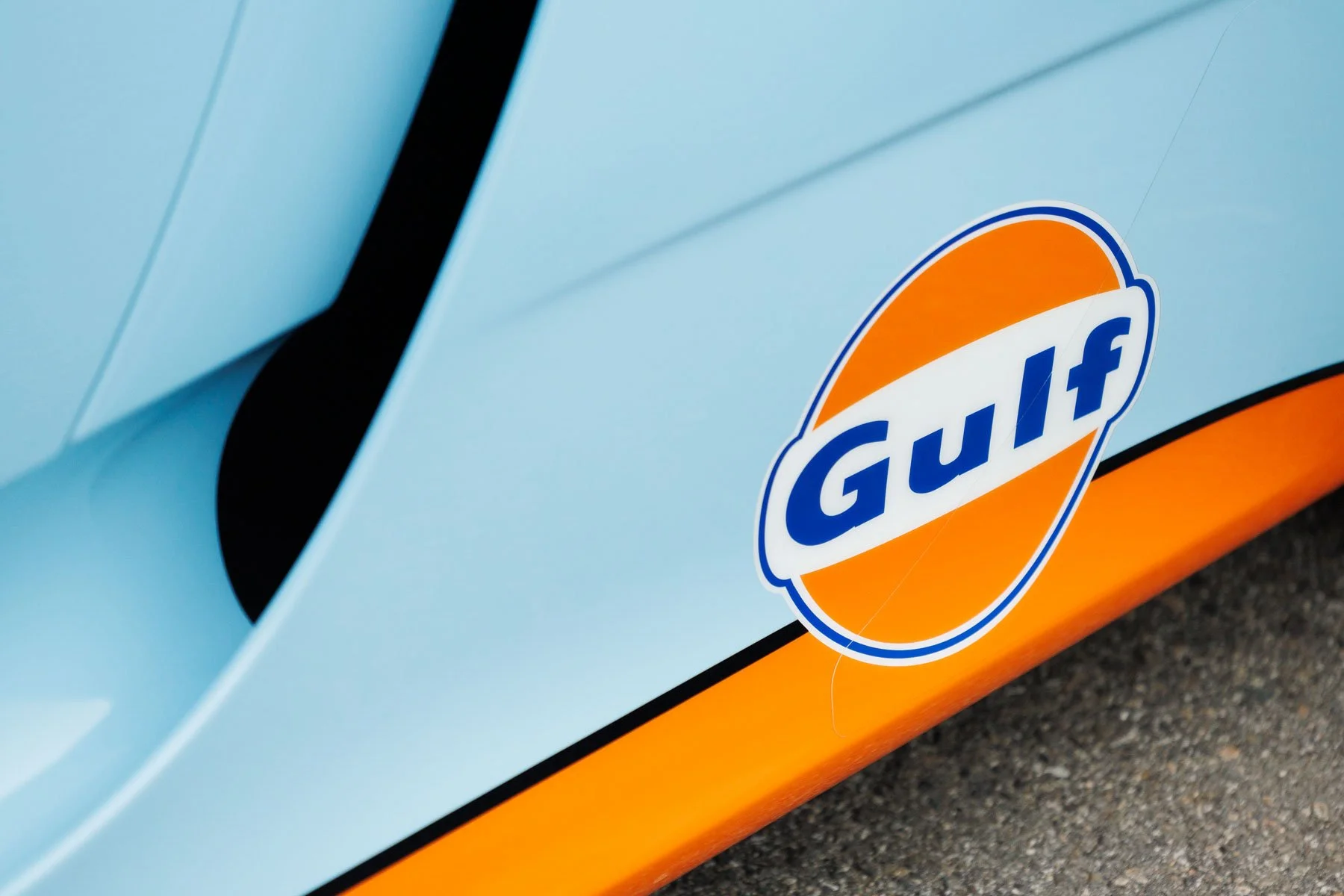
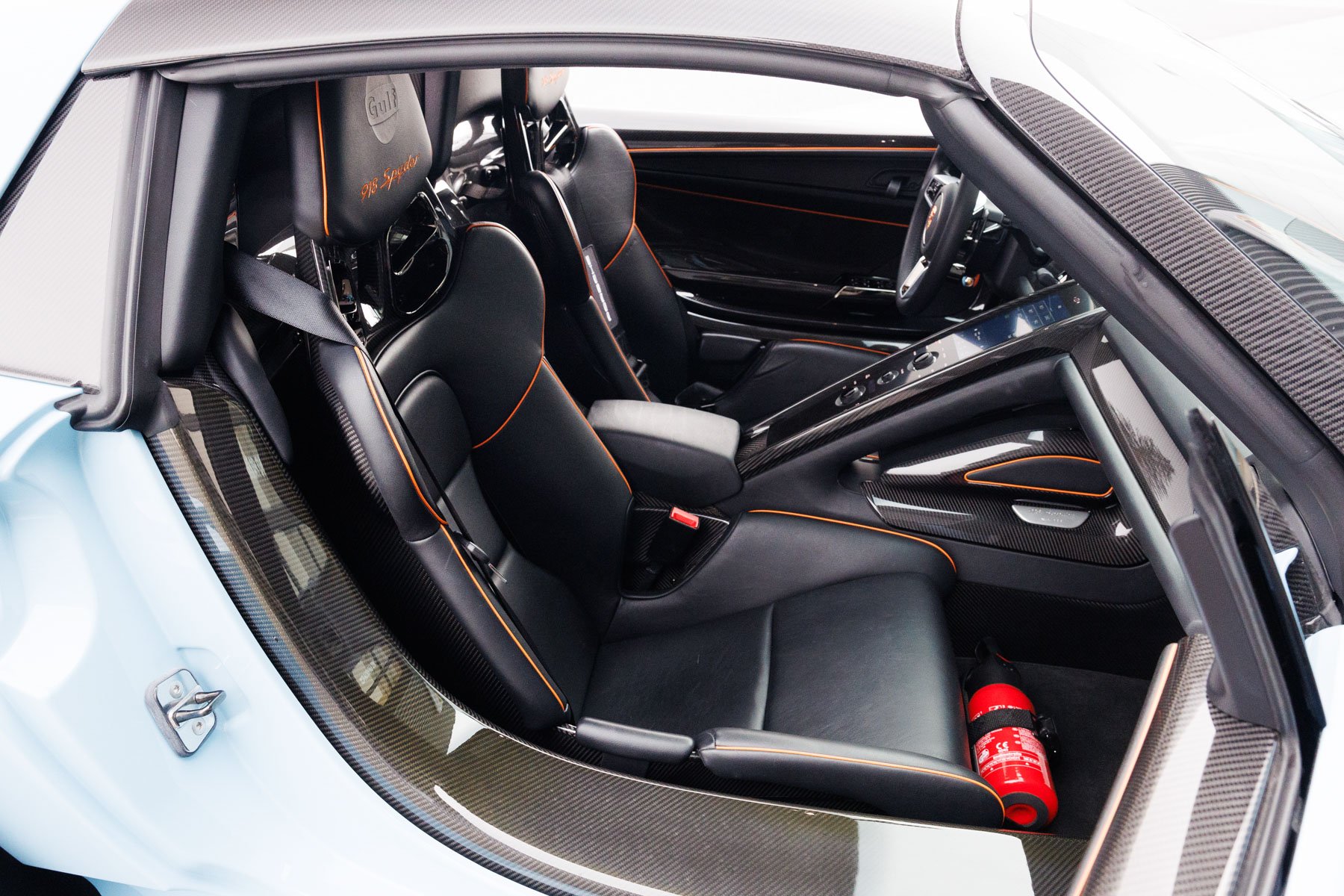
Unlike Porsche’s Martini livery offered on the 918, which was done as a vinyl wrap, the two Gulf cars were meticulously painted by Porsche, with great care applied to the stripes and logos, creating a stunning and evocative presentation that cannot be compared to other examples of the model. The interior was also given a Gulf theme, with orange piping and stitching on black leather seats that have the Gulf emblem embossed into the headrests.
This one-owner example, with only 376 miles at the time of auction, was sold by Gooding & Company at Ameila Island in 2024 for $3,525,000.

